
Reviewed · CHARLESTON TOURS
Highlights of Charleston Guided Walking Tour
Charleston’s most compelling stories are told outdoors, block by block, where grand homes, old churches, and waterfront commerce reveal how the city grew. This two-hour walk links the French Quarter and South of Broad with a guide who can turn a pretty street into a lesson about power, faith, trade, slavery, and preservation. I especially like the serious treatment of Charleston’s difficult past and the chance to see both major sights and smaller corners you could easily pass. The route is also a useful first-day orientation, giving you a map in your head before exploring on your own.
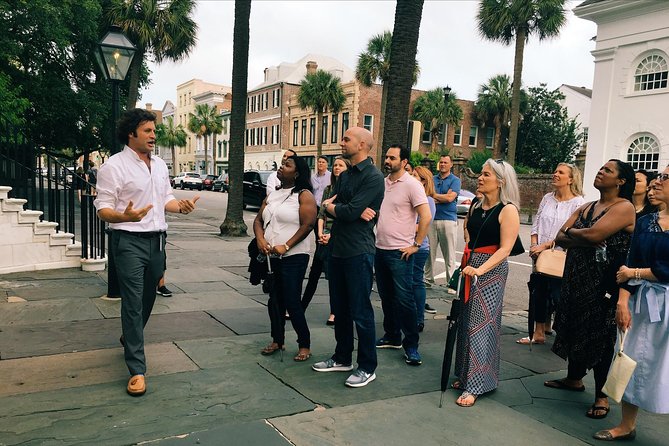
I like the small maximum of 20 people, which should make questions easier, and the way the tour can adapt to the group’s interest. Guides such as Bill Harris are praised for combining sharp historical detail with humor and a strong personal voice. The tradeoff is that this is not a fast sightseeing stroll. One guide may spend long stretches talking in one spot, so you should book it for context and storytelling rather than nonstop walking.
Key points at a glance
- Charleston’s two defining historic districts: Walk through the French Quarter and South of Broad, areas packed with churches, grand residences, and civic landmarks.
- A serious look at enslavement: The Old Slave Mart Museum provides the route’s clearest focus on the people and system that shaped Charleston.
- A guide-led history lesson: Bill Harris and Vanna are among the guides associated with especially engaging, fact-filled walks.
- Six focused stops in about two hours: Expect roughly ten minutes at each listed location, with walking and explanation between them.
- A manageable but exposed route: Bring water, sun protection, comfortable shoes, and rain gear because the tour is almost entirely outside.
- A useful first visit overview: You finish near Meeting and Broad streets, close to more sightseeing, restaurants, and city landmarks.
Why this walk is more than a pretty-street tour
Charleston can be deceptively easy to admire without understanding. You see pastel facades, wrought iron, church steeples, and old brick, but the buildings do not explain themselves. This walk gives those details a human and political context.
The route covers the French Quarter and South of Broad, two of the city’s best-known historic areas. In a short span, you move from religious institutions to private homes, from the machinery of slavery to the city’s pre-Revolutionary commercial center. That range is the tour’s greatest strength.
I would expect the guide to spend real time explaining how Charleston developed, not just naming buildings. The strongest guide, based on the style associated with Bill Harris, may connect local events to the colonies, the wider Atlantic world, American politics, religion, and later preservation work. That approach suits anyone who wants more than dates and architectural labels.
The experience is also guide-dependent. Bill Harris has drawn especially strong praise for his humor, personal warmth, and broad command of the subject. Vanna is another guide described as personable, funny, and well prepared. You cannot assume which guide you will receive, but you can ask whether Bill is available if his style appeals to you.
More Walking Tours in Charleston
- Historic Charleston Guided Sightseeing Walking Tour
★ 5.0 · 6,216 reviews - Ghosts of Charleston Night-Time Walking Tour with Unitarian Church Graveyard
★ 4.5 · 2,835 reviews - Hidden Alleyways and Historic Sites Small-Group Walking Tour
★ 5.0 · 2,335 reviews
Starting at St. Philip’s Church
The walk begins at 200 East Bay Street and heads toward St. Philip’s Church. You view the church from the outside, with about ten minutes allotted to the stop and no admission charge.
St. Philip’s is presented as the home of Charleston’s longest-meeting congregation. That fact gives your guide an opening to explain how religion, civic life, and social rank were tied together in the old city. Church buildings in Charleston were not simply places of worship. They were also markers of influence and continuity.
For you, this first stop helps set the tone. Look beyond the facade and listen for the guide’s explanation of who controlled public life, how congregations developed, and why churches became such fixed points in Charleston’s story.
Because the tour is outdoors, your view may depend on street position, weather, and the size of the group. You are not promised an interior visit, so treat this as a guided architectural and historical stop rather than a church tour.
The French Huguenot Church and Charleston’s religious mix
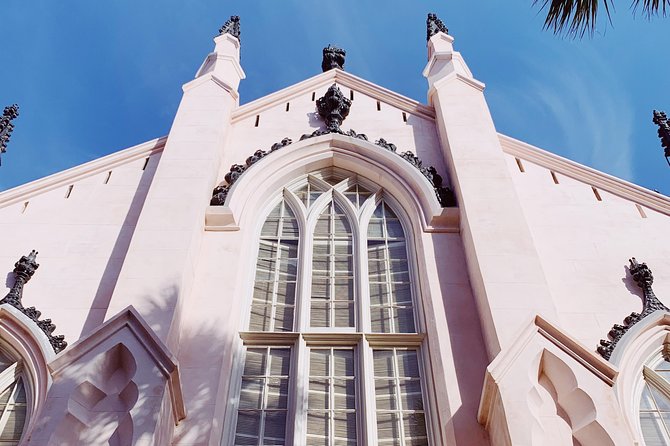
The next stop is the French Huguenot Church, described as the only church of its denomination in North America. You again spend about ten minutes viewing the site from outside, with no admission ticket included or required for the listed stop.
This church gives the tour a chance to move beyond the usual American colonial story. Charleston was shaped by people from different European backgrounds, and the presence of a French Protestant congregation points to the city’s complicated religious and cultural beginnings.
I find this kind of stop especially useful because it adds texture to the grander political story. Instead of treating Charleston as a single old Southern city, the guide can show how different communities helped form it. Ask questions if you are curious about immigration, religious tolerance, or how minority congregations fit into colonial Charleston.
The stop is brief, so the value comes from the explanation rather than from a long look inside. If you want to visit the church interiors, ask the guide about current access, since the experience itself only promises a view of the building.
The Pink House Gallery and the scale of old Charleston
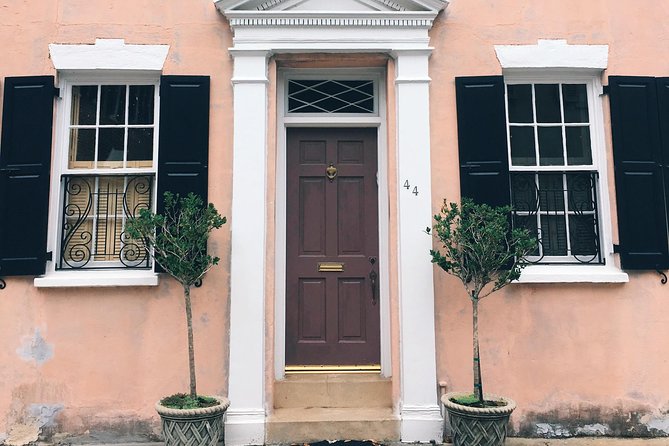
The Pink House Gallery is identified as Charleston’s oldest private residence. You spend about ten minutes viewing it, and the stop is free.
The name is easy to remember, but the building’s importance goes beyond its color. A very old private house helps you picture Charleston as a place of domestic life, commerce, and social hierarchy, not only churches and government buildings. The contrast between a compact residence and the city’s larger mansions can also sharpen your sense of how varied the old streetscape is.
This is the kind of stop where a guide’s local knowledge matters. You may learn why the house has survived, how private properties were used, or how preservation shaped the area. The information provided does not promise an interior visit, so enjoy it as a street-level architectural highlight.
For photographers, this should be one of the easier places to pause and take in details. Still, keep your attention on the explanation. The point is not only to collect a facade for your camera, but to understand what a surviving house says about the city.
More walking tours around Charleston:
- Charleston Haunted Booze and Boos Ghost Walking Tour
★ 5.0 · 1,569 reviews - Charleston’s Pleasing Terrors Night-Time Walking Ghost Tour
★ 5.0 · 1,345 reviews - Charleston historical walking tour with a Professor of History at The Citadel
★ 5.0 · 1,284 reviews - Charleston Ghost & Graveyard Night-Time Guided Walking Tour
★ 4.5 · 1,100 reviews
The Old Slave Mart Museum and the tour’s hardest subject
The Old Slave Mart Museum is the most important stop for anyone who wants an honest account of Charleston. It is described as the only museum dedicated to the history of enslaved people in the city. Admission is not included in the walking tour ticket.
The route lets you view this major site, while entry requires an additional payment. That distinction matters when you plan your day. If you want to go inside, allow extra time and budget for admission. The two-hour walk is not the same as a museum visit.
Even from the street, this stop changes the emotional weight of the tour. Charleston’s attractive architecture can make it easy to focus on elegance and leave out exploitation. A responsible guide should connect the city’s trade, wealth, and political power to enslavement and the people whose labor made that system possible.
This is also where the guide’s tone matters most. Bill Harris is associated with a direct, fact-heavy way of presenting Charleston’s past, including subjects often softened in traditional sightseeing tours. That approach will suit you if you prefer clear history over a polished legend. Families should know that the subject can be difficult, but the tour description specifically welcomes children and young adults when accompanied by an adult.
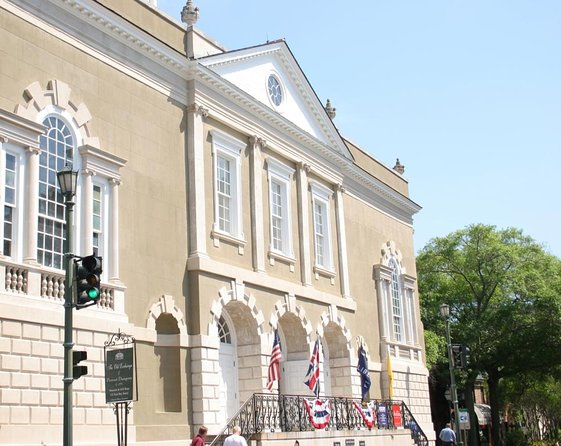
The Old Exchange and Provost Dungeon
At the Old Exchange and Provost Dungeon, you view what is described as the pre-Revolutionary heart of Charleston’s economic life. Admission is not included.
This stop widens the story again. After discussing religion, private homes, and enslavement, the guide can show how commerce and public authority held the city together before the American Revolution. The name itself points to two sides of the building’s past: trade above and confinement below.
The site is valuable because it connects architecture to institutions. You are not just looking at an old building. You are considering how money moved, how officials governed, and how people were held by the colonial system.
As with the museum, the experience only promises a view, not an included interior tour. If you want to explore inside, check admission and opening details separately. The walking tour gives you the framework, then you can decide if a longer visit fits your schedule.
Rainbow Row, Charleston’s most photographed sight
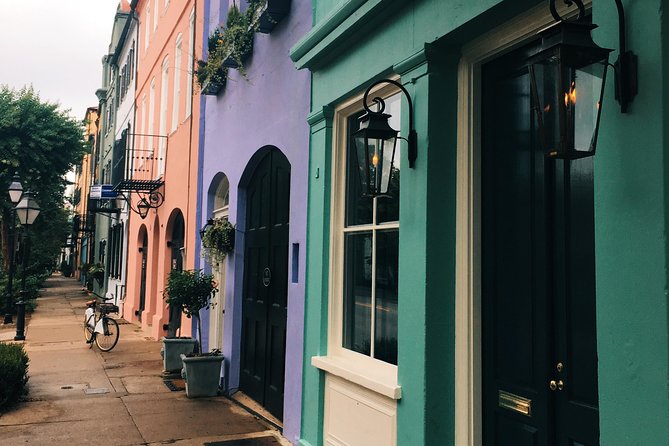
Rainbow Row is the final listed stop and the most instantly recognizable part of the route. You view the line of colorful historic buildings for about ten minutes, with no admission fee.
This is the postcard moment, but it works better after the earlier stops. Once you have heard how Charleston’s neighborhoods developed, the colorful facades become part of a larger story rather than a stand-alone photo backdrop. The guide may also point out details that disappear when you only stop for a quick picture.
Rainbow Row is a good example of the tour’s balance between beauty and hard history. You get a pleasant, camera-friendly finish, but the route has already made clear that Charleston’s charm cannot be separated from the systems that created its wealth.
The official end point is 71 Broad Street, generally near the intersection of Meeting and Broad streets. The exact finish can shift with the group’s pace and the guide, so do not schedule a tight departure immediately afterward.
What the two-hour pace feels like
The listed stops allow about ten minutes each, but the full experience includes walking and discussion between them. The route is short enough for most people with moderate physical fitness, yet Charleston’s heat, humidity, and hard surfaces can make two hours feel longer than expected.
Bring bottled water. It may not be available for purchase along the route. Sunscreen, a hat, sunglasses, or a parasol are sensible in warm weather, and you should carry rain gear if the forecast is unsettled. The tour generally operates in rain, but lightning, flooding, high winds, or other dangerous conditions can lead to cancellation.
Use a restroom before meeting the guide. Restrooms are not always easy to access along the route. Check in five to ten minutes early because the group cannot be held for late arrivals.
The meeting point is near public transportation. If you drive, the recommended garages are at 1 Cumberland Street and 89 Cumberland Street, each about a five-minute walk from the start. Parking fees are extra, so driving adds both cost and timing to the experience.
Value, group size, and guide style
The ticket includes the guide, but not parking, museum admission, or admission to the Old Exchange. Since no tour price is provided here, I cannot judge the exact dollar value. I can say what you are paying for: a compact, guide-led interpretation of Charleston’s core historic districts.
That is good value if you are visiting for the first time and want a useful framework before exploring independently. It is less compelling if you only want quick exterior photos or if you already know Charleston’s history well.
The group maximum is 20 people. That is small enough to keep the walk from feeling like a large procession, although the actual experience depends on attendance. A smaller group can make it easier to ask questions and may allow the guide to adjust the discussion.
Guide style is the biggest variable. Bill Harris is repeatedly associated with long, entertaining, highly detailed talks, and some people could listen to him for hours. That is a strength for history fans, but one account describes a guide talking at length in one place and covering less ground than expected. If you want constant movement, say so early. If you want context, let the guide talk.
Who should book this Charleston walking tour?
I would choose this for a first visit, especially at the start of a Charleston stay. You will finish near Meeting and Broad streets, well placed to continue sightseeing, and you will have a better sense of which buildings and museums deserve a closer look.
It is a strong fit for history teachers, students, and adults who want Charleston’s past presented plainly. The tour can also work for families, though adults should prepare children for the discussion of enslavement. The route is outdoors and requires moderate physical fitness, but children and young adults have taken and enjoyed it.
I would be cautious if you dislike long explanations, need frequent indoor breaks, or expect every museum and church interior to be included. This is primarily an outdoor history walk. Its best moments come from the guide’s interpretation, not from admission-based access.
The free-cancellation rule is generous if you cancel at least 24 hours before the start time. Inside that window, changes and refunds are not accepted. Since weather can affect the tour, keep an eye on the forecast and leave some flexibility in your plans.
Should you book it?
Book this tour if you want Charleston explained rather than simply photographed. The combination of the French Quarter, South of Broad, Rainbow Row, the Old Slave Mart Museum, and the Old Exchange gives you a clear two-hour outline of the city’s architecture, religion, commerce, and painful past.
Choose it with the expectation of a talkative guide. If Bill Harris leads, you may get a particularly humorous and wide-ranging history lesson. Bring water, arrive early, wear comfortable shoes, and allow extra time if you want to pay separately for the museum or Old Exchange. For a first-time visitor who values context, this is a smart way to begin exploring Charleston.
FAQ
How long is the Highlights of Charleston Guided Walking Tour?
The tour lasts approximately two hours.
Where does the tour begin?
The meeting point is 200 East Bay Street, Charleston, South Carolina 29401.
Where does the tour end?
The tour generally ends near the intersection of Meeting Street and Broad Street, close to 71 Broad Street. The exact finish can vary with the group’s walking speed and the guide.
Is admission to the Old Slave Mart Museum included?
No. Admission to the Old Slave Mart Museum is not included in the ticket price.
What should I bring?
Bring comfortable walking shoes, bottled water, sunscreen, a hat, sunglasses, or a parasol. You should also bring rain gear if wet weather is possible.
Are pets allowed on the tour?
Pets are not allowed unless they are registered service animals. Service animals are permitted.
Newly listed in Charleston
- Boone Hall Plantation Admission & Tour with Transportation from Charleston★ 4.5 · 455 reviews
- Charleston: Downtown Horse-Drawn Carriage Tour★ 4.8 · 459 reviews
- Charleston Horse & Carriage Historic Sightseeing Tour★ 4.5 · 460 reviews
- Charleston Ghosts of Liberty Guided Walking Tour★ 4.5 · 473 reviews
- Charleston Ghost & Dungeon Night-Time Walking Tour with Entry to Provost Dungeon★ 4.0 · 479 reviews
- Charleston Haunted Jail Night-Time Walking Tour with Admission to Old City Jail★ 4.5 · 570 reviews
- Charleston Harbor Luxury Dinner Cruise with Live Music★ 4.0 · 607 reviews
- Afternoon Schooner Sightseeing Dolphin Cruise on Charleston Harbor★ 4.5 · 620 reviews
Charleston Tours, compared.
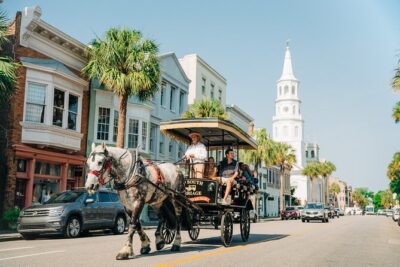
Charleston’s Old South Carriage Historic Horse & Carriage Tour
Read our review →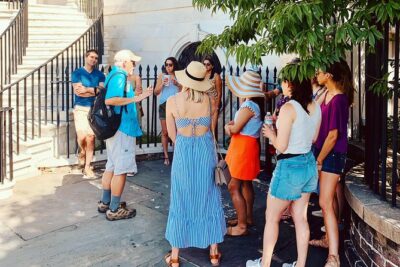
Historic Charleston Guided Sightseeing Walking Tour
Read our review →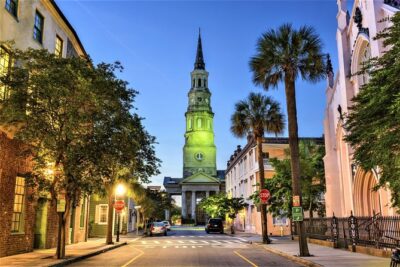
Haunted Evening Horse and Carriage Tour of Charleston
Read our review →
Charleston Horse-Drawn Carriage Tour: Explore Historic Charleston
Read our review →
Fort Sumter Admission and Self-Guided Tour with Roundtrip Ferry
Read our review →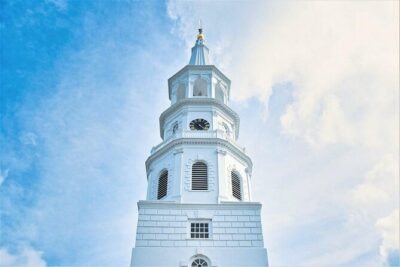
Ghosts of Charleston Night-Time Walking Tour with Unitarian Church Graveyard
Read our review →
Charleston Harbor History Day-Time or Sunset Boat Cruise
Read our review →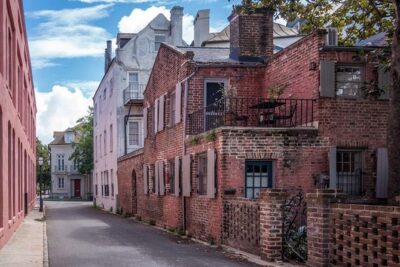
Hidden Alleyways and Historic Sites Small-Group Walking Tour
Read our review →Browse the lists this tour appears in