
Reviewed · CHARLESTON TOURS
Charleston: Downtown Horse-Drawn Carriage Tour
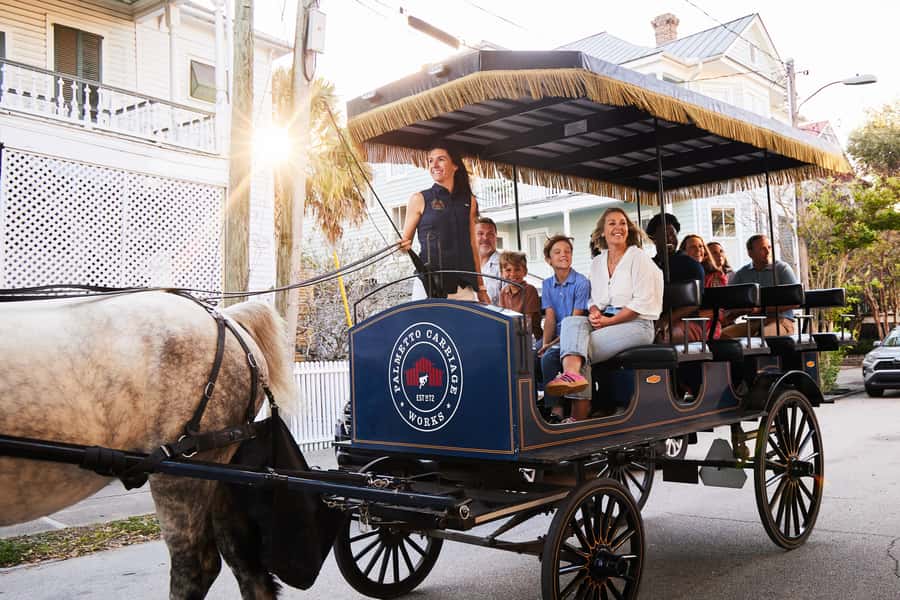
Charleston reveals itself slowly from a horse-drawn carriage. For one hour, you roll through the historic downtown district beneath oak branches and past grand homes, churches, gardens, and parks while a licensed guide explains what you are seeing. It is an easy way to get your bearings before exploring on foot.
I like the unhurried pace, which lets you look up at balconies and ironwork instead of rushing from one sight to the next. I also like the guides’ mix of history, humor, and local detail. Guides including Jeremy, Sims, Scott, Blake, Van, and others have earned praise for making the ride lively and easy to follow.
The main consideration is that the route is assigned rather than chosen. You may not pass every sight you hope to see, including Rainbow Row, and some riders have found it hard to hear from the back when no microphone was used.
Key points to know before you book
- The tour lasts one hour, a useful first look at Charleston before a day of walking.
- The route can vary, so Rainbow Row and other favorite sights are not guaranteed.
- Guides do the heavy lifting, adding stories, humor, and answers to questions along the way.
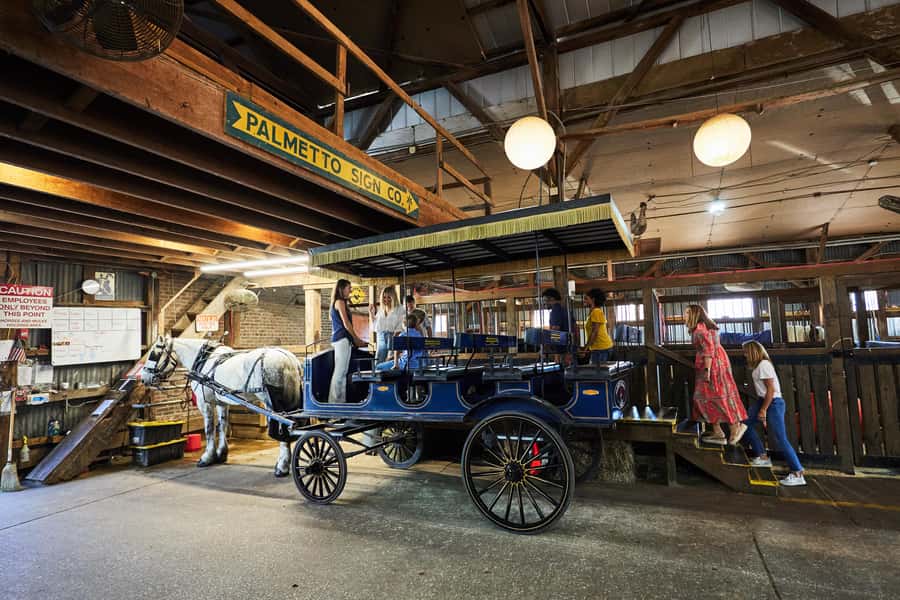
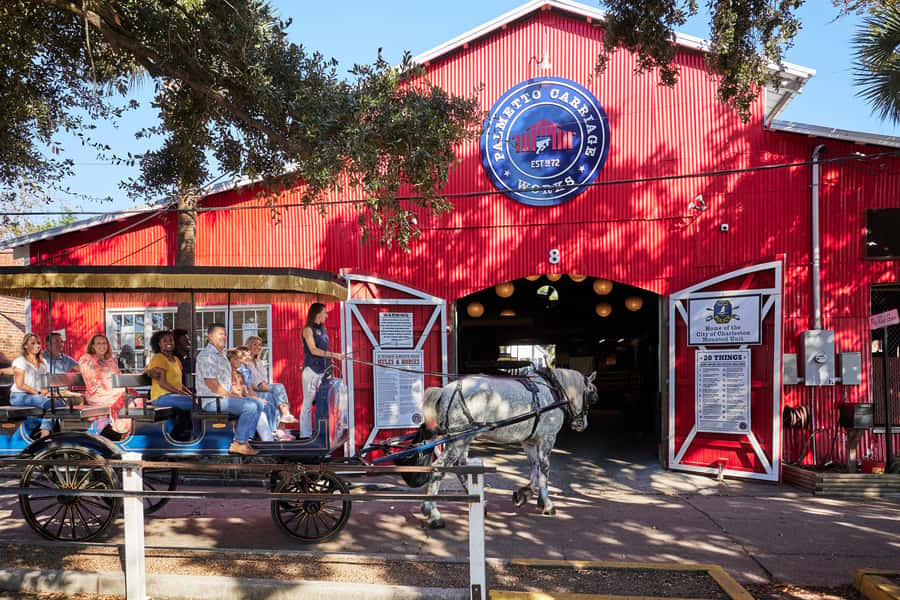
- The ride begins and ends at the big red barn of Palmetto Carriage Works on Anson Street.
- The horses and facilities are carefully presented, with staff offering water on hot days and blankets when the weather is cold.
- The $50 price buys a relaxed history lesson, not transportation to a long list of individual attractions.
Starting at the red barn on Anson Street
Your ride starts at Palmetto Carriage Works, by the big red barn at 8 Guignard Street. Paid parking is available at 22 Anson Street, Charleston, South Carolina 29401, and the meeting point is also about a 10-minute walk from the cruise terminal according to one rider’s timing.
The staging area gives you a chance to get settled before boarding. On a hot day, staff have offered cold bottled water while people waited. On a chilly ride, blankets have been available. These are small touches, but they matter because Charleston’s weather can change the comfort of an open carriage quickly.
The horses are part of the experience, not just a means of transport. The stable and carriage area have been described as professional and well maintained, and the care of the horses is a recurring strength. You may hear riders refer to a horse by name, such as Goober or Melodie, and some guides use the horse as part of the friendly banter.
Alcohol and drugs are not allowed. The tour is offered in English with a live guide, and the activity is listed as wheelchair accessible. Since the ride is only one hour, arrive ready to board rather than treating the meeting area as a long stop in itself.
More Horse Riding in Charleston
- Charleston’s Old South Carriage Historic Horse & Carriage Tour
★ 5.0 · 10,023 reviews - Haunted Evening Horse and Carriage Tour of Charleston
★ 4.5 · 3,678 reviews - Charleston Horse-Drawn Carriage Tour: Explore Historic Charleston
★ 5.0 · 3,561 reviews
A slow route through historic Charleston
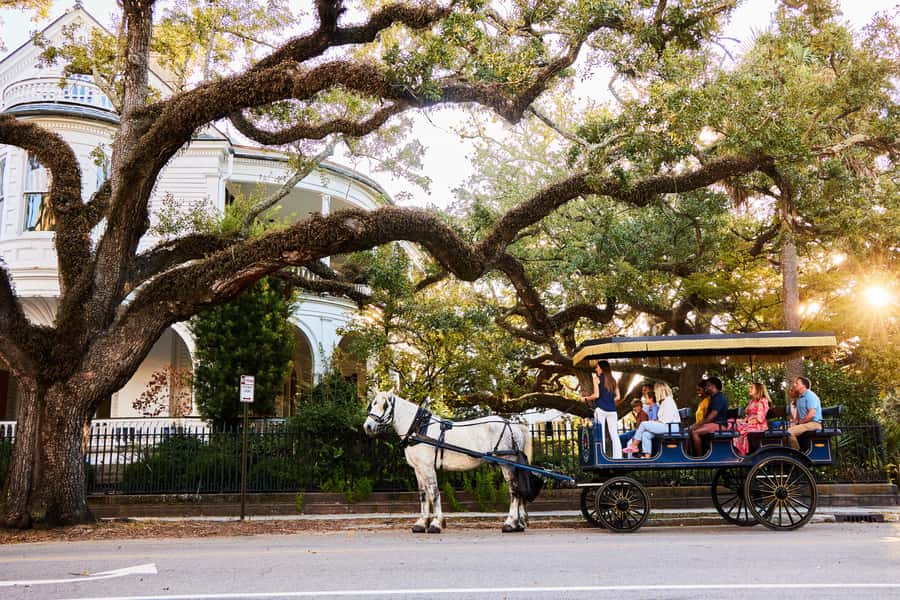
Once the carriage leaves the barn, the point is not speed. You move at a pace that gives you time to notice the proportions of old houses, the shade of mature trees, and the details that disappear when you walk quickly.
The tour focuses on downtown’s historic residential area. You can expect to pass old houses, gardens, mansions, churches, and parks while your guide explains how Charleston developed and how its buildings reflect different periods and influences. The carriage does not stop for a full visit at each place, so this is an overview rather than a series of interior tours.
That distinction is important. I see this ride as a first chapter in your Charleston visit. It helps you decide which streets deserve a closer look later, and it gives names and context to buildings you might otherwise photograph without understanding.
The route is controlled by the city’s carriage system, and the exact path is not guaranteed in advance. One ride may include a favorite stretch of colorful houses, while another may take a different downtown route. If seeing Rainbow Row is a priority, plan to visit it separately on foot. That way, you will not spend the ride waiting for one specific block.
Houses, gardens, and architectural clues
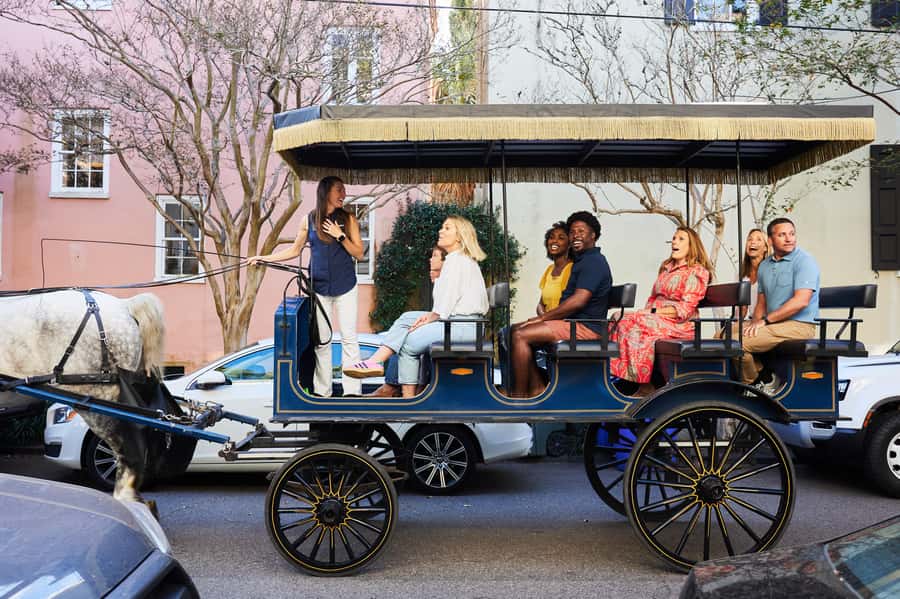
Charleston’s old residential streets reward careful looking. From the carriage, you can study façades, porches, gardens, church steeples, and the grand scale of former mansions without having to navigate every uneven street surface yourself.
Your guide points out architectural styles and explains why individual homes matter. The value is not only in seeing attractive buildings. It is in learning to read the city, noticing how a narrow side-facing house, a formal garden, or decorative ironwork fits into Charleston’s past.
The Spanish moss hanging from oak trees adds to the mood, but the guide’s explanation gives the scenery weight. A carriage ride can easily become a pretty circuit with little substance. Here, the strongest guides connect what you see to the people, events, traditions, and changes that shaped the city.
The ride also gives you a useful sense of scale. Charleston’s historic core is compact, but its streets can feel confusing on a first visit. After an hour, you have a clearer idea of how the residential district relates to churches, parks, the carriage barn, and the waterfront area near the cruise terminal.
Churches, parks, and the city’s cultural story
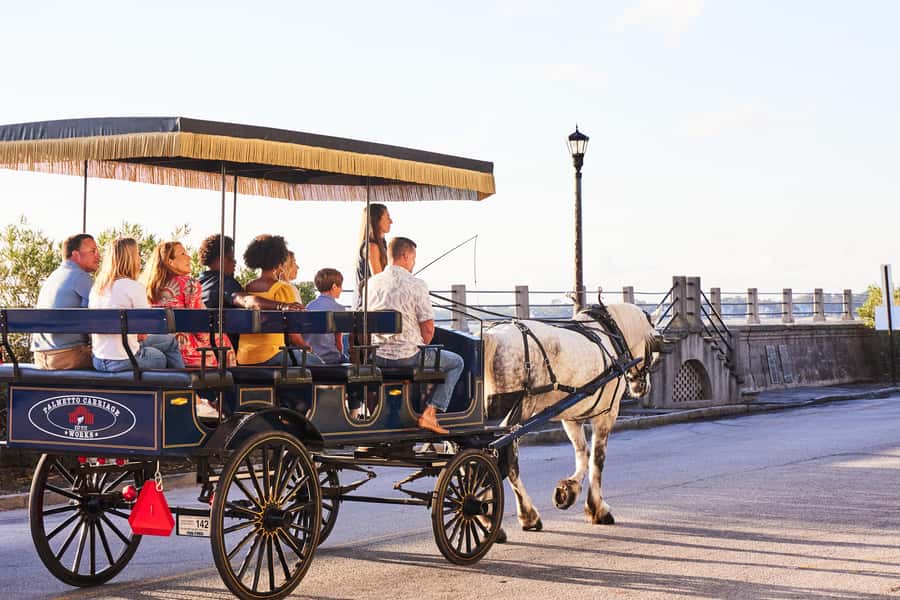
The tour is not limited to mansions. Churches and parks help explain the public life of Charleston, while gardens show how private homes were designed and used. The guide ties these elements together with stories about the city’s traditions and culture.
I would pay attention to how much space the guide gives to people who built, worked in, and shaped Charleston. One rider enjoyed the tour but wished for more discussion of African American contributions to the city’s culture, construction, and development. That is a useful point to keep in mind. The quality of the hour depends greatly on the guide’s emphasis and the questions you ask.
Ask about the subjects that matter to you. The format is interactive, and guides have been praised for answering questions while keeping the conversation friendly. If you want more attention to African American history, architecture, religion, or modern Charleston, raise the subject during the ride. You may get a fuller answer than the standard narration provides.
The best guides also connect historic Charleston with the living city. Reports on Jeremy, Sims, Scott, Blake, and Van describe guides who mixed facts with humor and spoke about both historic and contemporary Charleston. Names and assignments can change, so you should not book expecting a particular guide, but the range of strong guide feedback shows how much the narration shapes the experience.
More horse rides around Charleston:
- Charleston: Historical Downtown Tour by Horse-drawn Carriage
★ 4.8 · 1,009 reviews - Charleston’s Historic Residential Horse and Carriage Tour
★ 4.5 · 668 reviews - Charleston Horse & Carriage Historic Sightseeing Tour
★ 4.5 · 460 reviews - 2-hour Outer Banks Wild Horse Tour by 4WD Truck
★ 5.0 · 2,449 reviews
What the guides add to the ride
The horse gets you moving, but the guide makes the tour worth the price. You are not simply listening to a recording. A live guide can point toward a detail, respond to a question, change the explanation for the group, and add a joke when the carriage reaches a slow stretch.
Several guides have been praised for clear storytelling without making the hour feel like a lecture. Jeremy was singled out for explaining Charleston’s past with energy. Sims was praised for a friendly, personal style. Scott, Blake, and Van also received strong marks for keeping riders informed and entertained.
That consistency is encouraging, though it does not mean every seat gives the same listening experience. One rider in the last row had trouble hearing the guide and noticed that some carriages used microphones. If you have hearing concerns, ask staff about seating or sound before departure. Sitting closer to the guide may help, but exact arrangements can vary.
The tone is family-friendly, and the ride suits people who want history without a formal academic presentation. Guides use humor, but the strongest comments point to substance behind it. I would expect stories, facts, and local observations rather than a dry list of dates.
Is $50 a fair price for one hour?
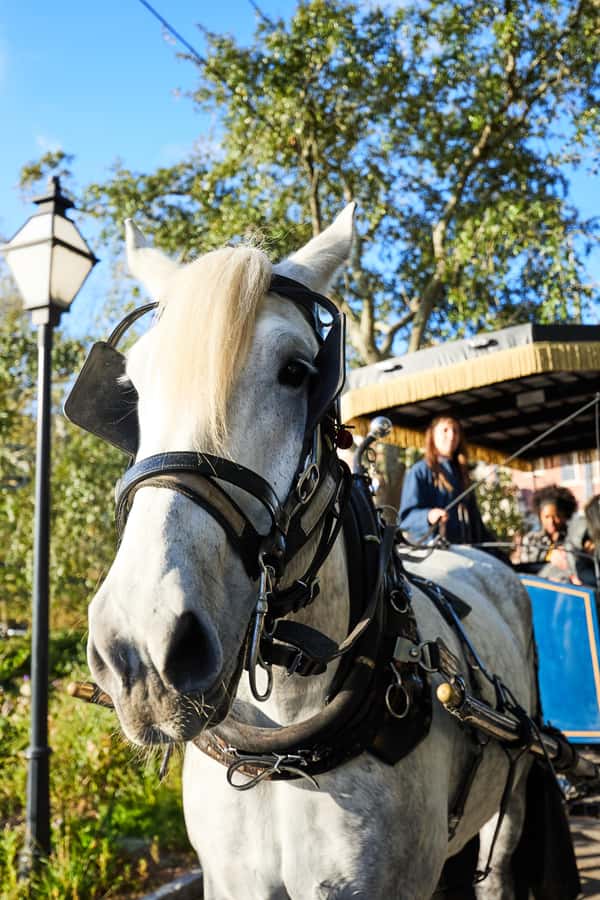
At $50 per person, this is not the cheapest way to see downtown Charleston. You are paying for a horse-drawn carriage, a licensed English-speaking guide, the stable operation, and an hour of structured sightseeing.
The value improves if you use the ride as an orientation. A first-time visitor can learn the shape of the historic district, spot streets to revisit, and gain enough background to make later walks more rewarding. Families and cruise passengers may also value the easy pace, especially when an hour on foot feels like too much or when time in port is limited.
The value is weaker if you want a guaranteed checklist of sights or a private tour. The route varies, the ride ends after one hour, and you may need to visit certain landmarks on your own. You are buying an overview with storytelling, not admission to homes or churches and not a full-day historical program.
For many people, the price makes sense early in a Charleston stay. Book it near the beginning, then use the rest of your time to revisit the places that caught your attention. If you are already familiar with the city and want only one specific street, walking may serve you better.
Comfort, weather, and the horse-drawn pace
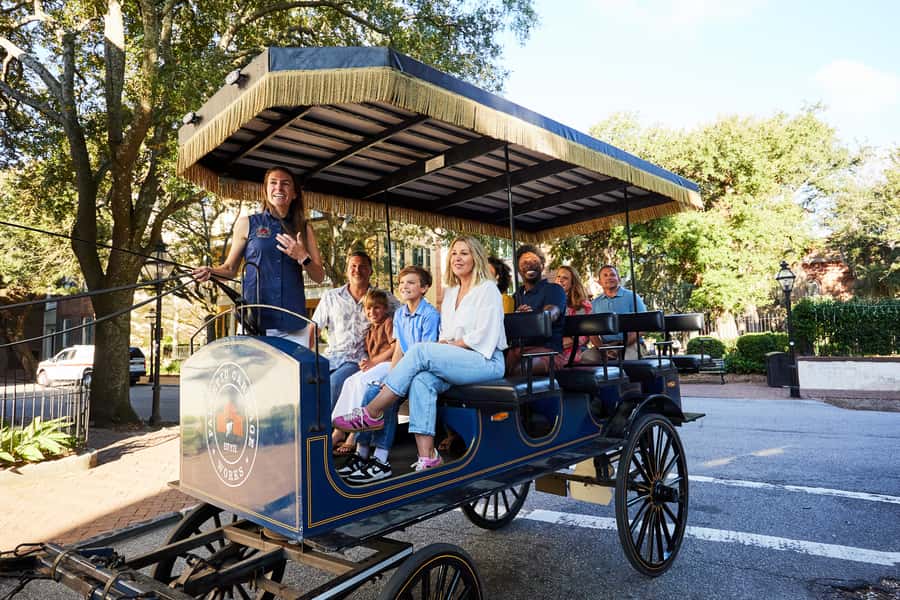
A carriage ride is more relaxed than a walking tour, but it is still an outdoor activity. You will be exposed to the day’s heat, cold, or rain conditions, so dress for the forecast. Cold-weather riders have appreciated blankets, while hot-weather riders have valued water at the staging area.
The slow pace is a clear advantage for sightseeing. You have time to look at upper floors, gardens, and tree-lined streets, and you can keep your feet off the pavement for most of the hour. It is also a good choice for people who want a gentle introduction to downtown.
The ride may not suit you if you dislike animal-based activities or prefer to cover a lot of ground. The carriage moves slowly, and traffic or city conditions can affect how much you see. The horse is working, so the tone is deliberately calm rather than fast or thrilling.
The care of the horses matters here. The facilities and animals have received warm praise, and riders have repeatedly noted that the horses appear well cared for. That does not remove every personal concern you may have about carriage rides, but it gives you useful information when deciding if this form of sightseeing fits your values.
Who will get the most from this tour?
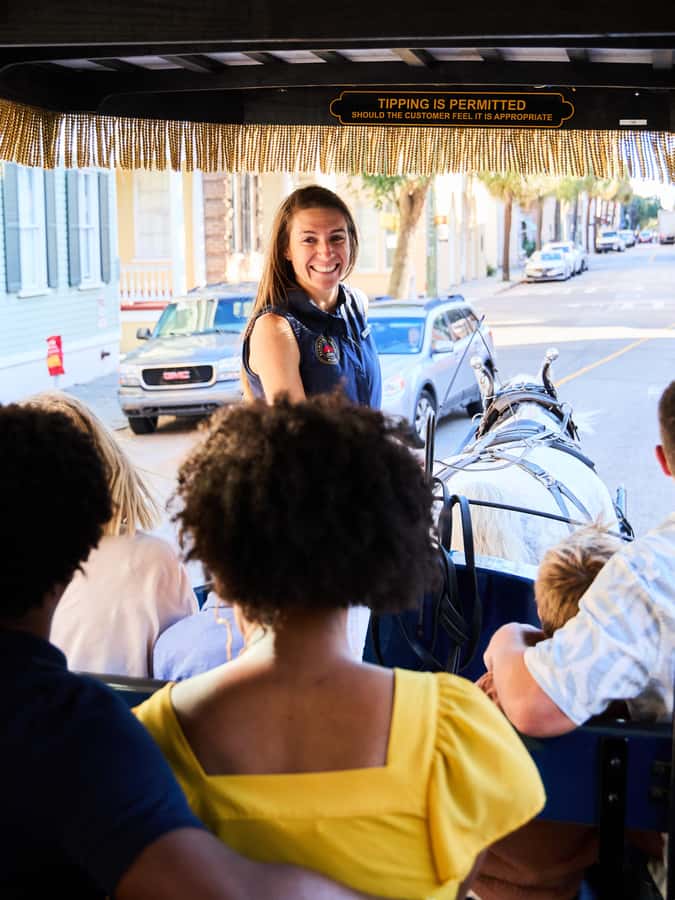
I would choose this for a first visit, a family outing, a cruise stop, or anyone who wants a broad introduction without a long walk. The one-hour length is short enough to fit into a busy day, and the return to the same barn keeps the logistics simple.
It also works well for history-minded people who prefer stories tied to visible places. You can ask questions, hear different guide styles, and use the ride to plan the rest of your time.
You may want another option if you need a specific route, detailed coverage of African American history, or guaranteed views of Rainbow Row. The carriage tour can introduce these subjects, but it does not promise equal attention to every part of Charleston’s past.
People with hearing difficulties should also think about seating. The tour is listed as wheelchair accessible, but the supplied information does not explain the exact carriage arrangement or boarding process. Contact the operator if you need details beyond the accessibility label.
Booking details that affect your day
The tour lasts one hour, with starting times shown when you check availability. It begins and ends at Palmetto Carriage Works, so you do not need to arrange a separate return ride.
Free cancellation is available up to 24 hours before departure for a full refund. You can also reserve now and pay later, which helps if you are building a Charleston schedule around changing plans.
The listed language is English. The tour includes the horse carriage ride and the guide. Parking is paid, and the meeting point is by the large red barn, a useful landmark when you arrive.
I would schedule the ride early in your stay and leave room afterward for walking. Bring questions, dress for the weather, and do not assume that one route will show you every famous corner of downtown.
Should you book the Palmetto Carriage tour?
Book it if you want a calm, entertaining introduction to Charleston’s historic core, especially on your first day. The strongest part is the combination of a gentle ride and a live guide who can turn houses, churches, parks, and gardens into a connected story.
I would book with realistic expectations. The route may not include Rainbow Row, the narration can vary by guide, and the back row may be hard to hear without a microphone. If those limits are acceptable, the $50 cost buys a useful orientation and a pleasant hour that can shape the rest of your visit.
FAQ
How long is the Charleston carriage tour?
The guided carriage tour lasts one hour.
Where does the tour begin?
You meet by the big red barn at Palmetto Carriage Works.
Where does the tour end?
The activity ends back at Palmetto Carriage Works.
Is parking available near the meeting point?
Paid parking is available at 22 Anson Street, Charleston, South Carolina 29401.
What language is the tour offered in?
The live tour guide speaks English.
Is the carriage tour wheelchair accessible?
The activity is listed as wheelchair accessible.
What sights will the carriage tour cover?
The route passes through historic downtown and may include houses, gardens, mansions, churches, and parks.
Will the tour visit Rainbow Row?
Rainbow Row is not guaranteed because the carriage route can vary. You may need to visit it separately.
Can I cancel for a refund?
You can cancel up to 24 hours in advance for a full refund.
Can I reserve now and pay later?
Yes. You can reserve your place and pay later, keeping your plans flexible.
Newly listed in Charleston
- Boone Hall Plantation Admission & Tour with Transportation from Charleston★ 4.5 · 455 reviews
- Charleston Horse & Carriage Historic Sightseeing Tour★ 4.5 · 460 reviews
- Charleston Ghosts of Liberty Guided Walking Tour★ 4.5 · 473 reviews
- Charleston Ghost & Dungeon Night-Time Walking Tour with Entry to Provost Dungeon★ 4.0 · 479 reviews
- Charleston Haunted Jail Night-Time Walking Tour with Admission to Old City Jail★ 4.5 · 570 reviews
- Charleston Harbor Luxury Dinner Cruise with Live Music★ 4.0 · 607 reviews
- Afternoon Schooner Sightseeing Dolphin Cruise on Charleston Harbor★ 4.5 · 620 reviews
- Charleston: Sightseeing Harbor Tour & Dolphin Watch★ 4.5 · 649 reviews
Charleston Tours, compared.
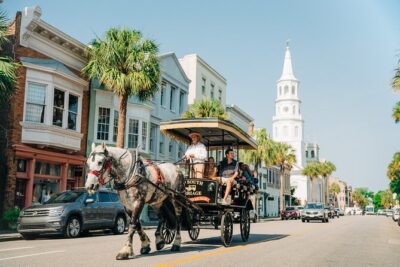
Charleston’s Old South Carriage Historic Horse & Carriage Tour
Read our review →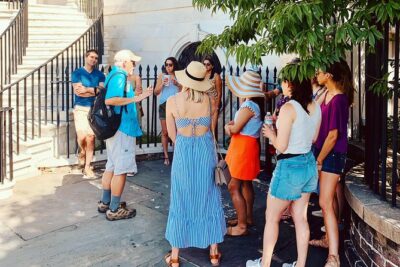
Historic Charleston Guided Sightseeing Walking Tour
Read our review →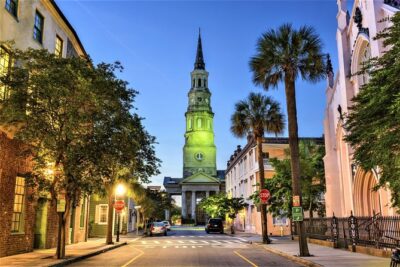
Haunted Evening Horse and Carriage Tour of Charleston
Read our review →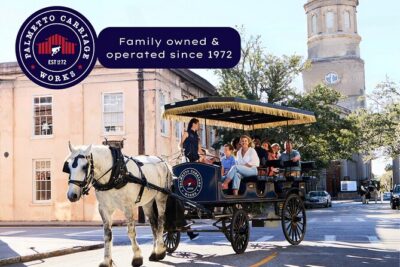
Charleston Horse-Drawn Carriage Tour: Explore Historic Charleston
Read our review →
Fort Sumter Admission and Self-Guided Tour with Roundtrip Ferry
Read our review →
Ghosts of Charleston Night-Time Walking Tour with Unitarian Church Graveyard
Read our review →
Charleston Harbor History Day-Time or Sunset Boat Cruise
Read our review →
Hidden Alleyways and Historic Sites Small-Group Walking Tour
Read our review →Browse the lists this tour appears in