
Reviewed · CHARLESTON TOURS
Charleston Horse-Drawn Carriage Tour: Explore Historic Charleston
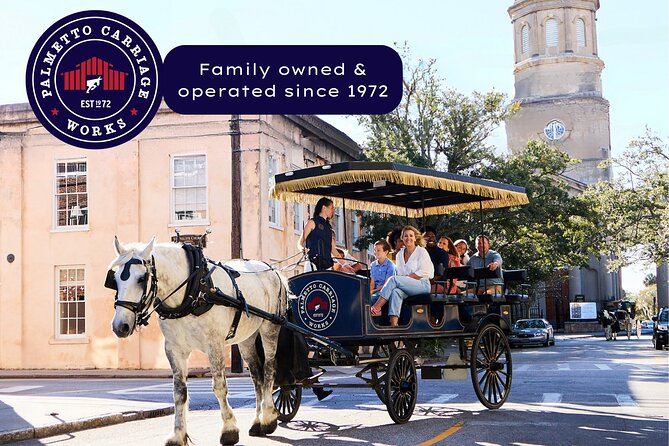
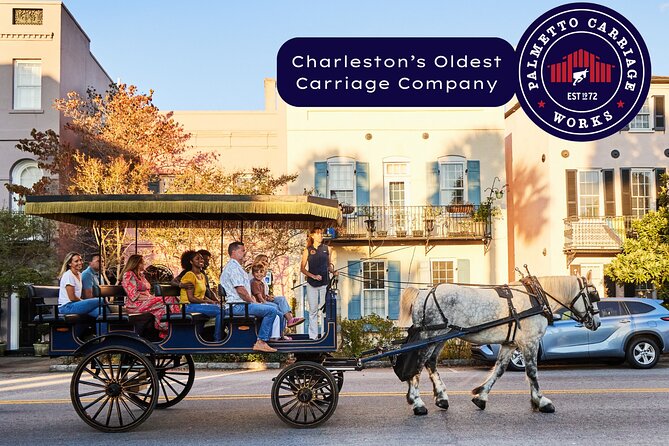
Charleston’s old streets make more sense from a horse-drawn carriage. You roll past grand houses, church steeples, gardens, and palmetto-lined lanes while your driver-guide connects pirate raids, Revolutionary battles, plantation life, the Civil War, and Reconstruction. It is a pleasant way to get your bearings without wearing out your shoes.
I like the certified local guides, who mix solid facts with humor, and the slow, open-sided carriage, which gives you a fine view for photos. The main catch is the city lottery: you are assigned one of five routes, so St. Philip’s Church, the Custom House, or a particular neighborhood is not guaranteed.
Key points at a glance
- City-assigned route: The lottery sends each carriage through one of five zones, covering about 30 blocks.
- Big Red Barn starting point: Meet at Palmetto Carriage Works, one block from Charleston City Market.
- One-hour introduction: You hear stories and see architecture without committing to a long walking tour.
- Guides with local certification: Guides pass a city test and take recertification classes every three years.
- Small public group: Large carriages seat up to 16 people, with smaller carriages available for four or eight.
- Weather matters: Covered carriages provide shade and some rain protection, but the sides remain open.
Why a carriage is a smart first look at Charleston
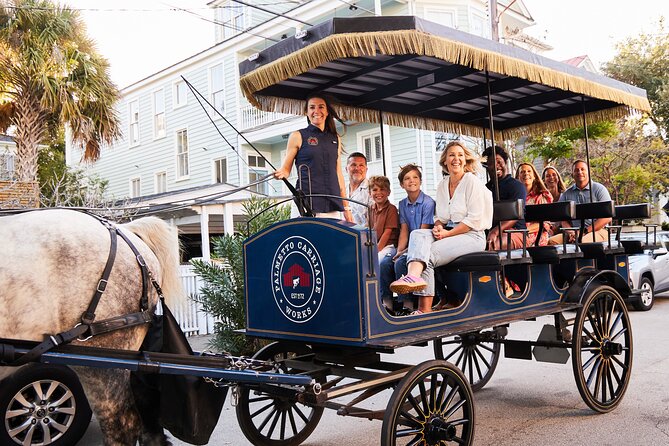
Charleston rewards slow sightseeing. Its historic center is not a single attraction you enter, see, and leave. It is a broad collection of streets, churches, gardens, porches, and carefully preserved buildings. A carriage ride lets you see a useful slice of it while someone explains what you are looking at.
The pace is the point. You are not rushing between stops or staring down at a map. You can look up at upper-floor balconies, catch glimpses of shaded gardens, and photograph old facades from the carriage. The ride covers about 30 blocks, enough to give you a sense of Charleston’s layout and architectural character.
I would use this as an opening activity on a first visit. Afterward, you can return on foot to the places that caught your eye. The ride will not show you everything. Charleston’s historic district is very large, and the assigned route changes. Think of this as an orientation with a story attached, not a complete tour of every major sight.
More Historical Tours in Charleston
- Charleston’s Old South Carriage Historic Horse & Carriage Tour
★ 5.0 · 10,023 reviews - Historic Charleston Guided Sightseeing Walking Tour
★ 5.0 · 6,216 reviews - Charleston Harbor History Day-Time or Sunset Boat Cruise
★ 4.5 · 2,788 reviews
Meeting the horse and guide at the Big Red Barn
The tour begins at Palmetto Carriage Works, also called the Big Red Barn, at 8 Guignard Street. It is one block from City Market, which makes it easy to pair with a morning walk through the market area or a later visit to nearby Church Street.
Allow about 15 minutes for orientation before the carriage leaves. This is your chance to see the barn, meet the staff, and get settled. The company presents the horses as part of the experience, not merely transportation. Some rides feature horses with names such as Admiral, Duke, Marley, Howard, Donald, Teddy, or Charlie, depending on the day and carriage.
The human side matters just as much. The driver stands at the front and narrates the ride, answering questions as you go. Guides named in guest feedback include Jim, Luke, Jenny, Jason Looney, Brianna, Bill, Mike C, Brandon, Josh, and others. You cannot request a particular guide from the supplied information, but the range of names gives you an idea of the company’s regular guide team.
The guides are members of the Palmetto Guild of Certified Tour Guides. Certification involves an extensive City of Charleston test and recertification classes every three years. That does not make every presentation identical, and it should not. Some guides lean into jokes, some focus on details, and some spend more time explaining the horses. The best accounts describe a good balance of humor, facts, and personality.
What the one-hour ride actually covers
Once you leave the barn, the city assigns your carriage a route through one of five zones. This system protects the streets, buildings, and animals from having every carriage follow the same path. It also means you need to accept a little uncertainty.
One route may show more residential streets and elegant homes. Another may feature churches, gardens, or larger civic buildings. The company describes the experience as a view of roughly 30 blocks, but the exact sights change from ride to ride. You might pass a landmark you hoped to see, or you might spend more time among quieter streets lined with ordinary homes.
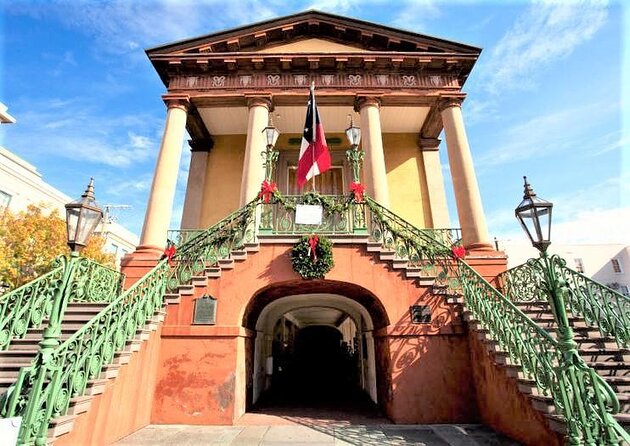
That variation is the ride’s main weakness for anyone buying a ticket to see one specific building. The itinerary names St. Philip’s Church and the U.S. Custom House as possible sights, but neither is promised. If you want a guaranteed view of a particular landmark, plan a separate walking visit.
The carriage returns to the Big Red Barn at the end of the hour. This makes the outing easy to fit into a day of sightseeing. You do not need to arrange a second pickup point, and you can continue toward City Market, Church Street, or another downtown stop once you disembark.
St. Philip’s Church and Charleston’s church-lined streets
St. Philip’s Church is one of the most notable possible sights. Located on Church Street near the market, it belongs to the oldest congregation in the United States south of Virginia. Its presence helps explain why Charleston’s church steeples are such strong markers in the cityscape.
Seeing it from a moving carriage is not the same as touring it inside. You may get a good view of the exterior, hear why it matters, and then decide if you want to return on foot. That is a useful pattern for this ride: the carriage introduces places, while your own walking time gives you a closer look.
The same applies to the homes and gardens along the route. You may see elegant antebellum buildings, shaded porches, jasmine, and carefully kept gardens. The carriage gives you a broad visual sample, but it is not designed for long stops at each address. Keep your camera ready, and do not expect a formal photo break at every point of interest.
More Horse Riding in Charleston
- Haunted Evening Horse and Carriage Tour of Charleston
★ 4.5 · 3,678 reviews - Charleston: Historical Downtown Tour by Horse-drawn Carriage
★ 4.8 · 1,009 reviews - Charleston’s Historic Residential Horse and Carriage Tour
★ 4.5 · 668 reviews - Charleston Horse & Carriage Historic Sightseeing Tour
★ 4.5 · 460 reviews
The U.S. Custom House and unfinished chapters
The U.S. Custom House offers a different kind of Charleston story. Construction began in 1852, then stopped as South Carolina considered secession from the Union. The building was finally completed in 1879.
That pause turns a grand civic building into a reminder that Charleston’s past was not tidy or uninterrupted. A guide can use it to connect architecture with the political tension before the Civil War and the changes that followed. Again, the Custom House is a possible sight rather than a guaranteed stop, so treat the route as a broad introduction.
The storytelling reaches beyond handsome buildings. Guides cover pirate raids, plantation life, Revolutionary War battles, the Civil War, and Reconstruction. The range is useful, but the quality of the experience depends on how clearly the guide handles difficult subjects. A light tone can make an hour enjoyable, yet Charleston’s past includes slavery, war, and upheaval. You should expect a compact overview, not a full treatment of every issue.
What the open-sided carriage feels like
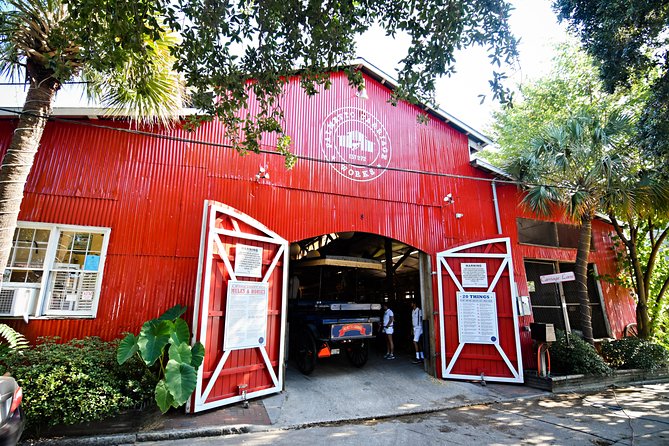
The carriages are covered, which helps in strong sun and offers some shelter in light rain. The sides remain open, so you get clear sightlines and airflow. That design is excellent for photographs, but it also exposes you to Charleston’s weather.
Dress for the forecast. The tour operates in all weather unless conditions become dangerous, and rain can blow in from the sides. Bring a rain jacket or poncho if showers are possible. Umbrellas are not allowed, so do not plan to solve the problem with a large umbrella in the carriage.
Cool, clear weather is likely to make the ride most comfortable for both passengers and horses. Hot, humid conditions may feel less pleasant in a carriage, even with the roof. Choose an early departure when possible. One useful tip is to ride first thing in the morning, when downtown traffic is lighter and the experience may feel quieter.
The carriage can carry up to 16 people, not counting the driver. That is a manageable public group, but it is not a private ride. Smaller carriages seating four or eight are also available, though the information provided does not say how those are assigned or priced. If personal space matters to you, ask before booking.
A good choice for families and visitors with mobility concerns
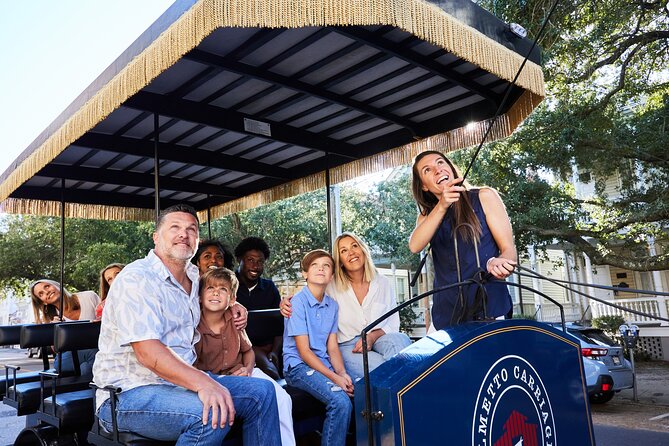
Children are welcome, and the relaxed pace works well for families who need a break from walking. You can bring snacks or drinks, but alcoholic beverages are not allowed under Charleston’s open-container rules. The barn shop sells snacks and drinks if you need something before departure.
The ride also helps if someone in your party has mobility challenges. The boarding area uses a platform that sits nearly level with the carriage, with a ramp leading up to it. There is still a small gap to step across, and staff can assist as needed.
Walkers, wheelchairs, scooters, and strollers cannot ride inside the carriage, but the barn can hold them during the tour. Strollers are therefore workable, though you need to leave them behind for the hour. Service animals are allowed with advance notice, and the company can accommodate a dog when you note it in the special requirements section at checkout.
I would still contact the operator ahead of time if your party needs assistance. The available details are encouraging, but boarding a carriage is not identical to entering a fully accessible vehicle.
Horse care and the question of animal welfare
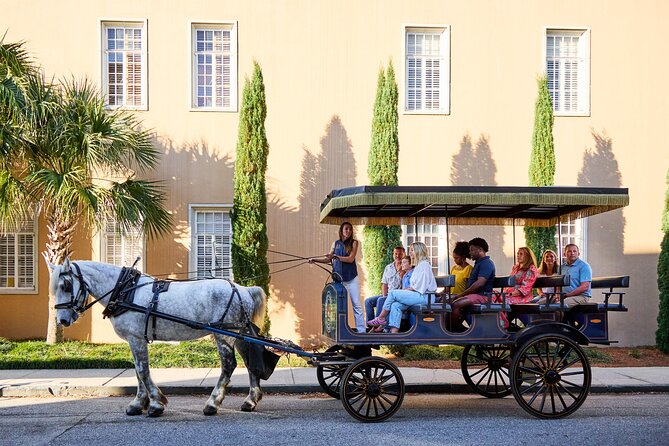
A horse-drawn tour should be judged on more than its route. You are also choosing an experience built around working animals. The company places emphasis on horse care, and the barn orientation may include information about what the horses eat and drink and how they are looked after.
For some people, that adds value. You can meet the horses, ask questions, and see how the operation works before riding. Several guides are praised for treating the animals gently and for explaining their care. The relationship between one driver and a horse named Admiral, for example, was singled out as calm and kind.
For others, repeated discussion of horse care may feel like an unwanted part of a sightseeing tour. One strongly negative account found the route disappointing and felt there was too much idle time and too much horse-related explanation. That criticism is worth taking seriously because expectations differ. If your priority is a nonstop sequence of famous landmarks, the assigned route and barn talk may not suit you.
The fairest approach is to decide what you want from the outing. If you like animal-centered experiences and want a gentle way to see Charleston, the horses are part of the appeal. If you want maximum historical detail at fixed landmarks, choose a walking tour or museum visit as well.
Is $49.95 a fair price?
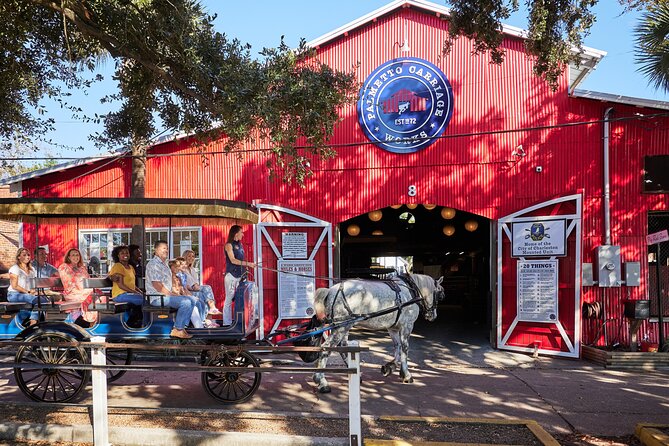
At $49.95 per person, this is not the cheapest way to see downtown Charleston. A pair will pay about $99.90 before any additional booking charges. The value comes from combining transport, a guide, a compact city overview, and the novelty of the carriage.
I think the price works best on a first visit, especially if you have only one day in town. You get an hour of context before deciding where to spend the rest of your time. It can also be good value for families or older visitors who would rather not walk the entire historic district.
The price is harder to justify if you expect a private carriage, guaranteed landmarks, or a deep architectural tour. The group may include as many as 16 people, and the city decides the route. You are paying for a well-organized introduction, not a custom itinerary.
The tour is often booked about 16 days ahead, so reserve early if your schedule is tight. Several departure times are offered during the day, which helps you fit the ride around meals, City Market, or other Charleston plans.
Booking, cancellation, and practical planning
You receive confirmation at booking, and the experience begins and ends at the Big Red Barn. Nearby parking garages and lots serve the City Market area. Another option is to park at the Visitor’s Center and use the free Downtown Area Shuttle, called DASH, to reach the market.
Free cancellation is available if you cancel at least 24 hours before the local start time. Changes or cancellations inside that window are not refunded. If dangerous weather forces the operator to cancel, you are offered another date or a full refund.
I would book an early ride, wear comfortable clothing, and keep your expectations focused on atmosphere and storytelling. Save a longer walk for afterward, when you know which streets and buildings you want to explore more closely.
Who should book the Charleston carriage tour?
Book it if you want a gentle first look at Charleston, enjoy hearing local stories, or have someone in your group who cannot manage a long walking tour. Families, couples, solo visitors, and day trippers can all fit it into a busy schedule. The horses, covered carriage, and relaxed pace give the outing a character that a standard vehicle tour cannot match.
Skip it if you need guaranteed views of St. Philip’s Church, the Custom House, or any other single landmark. You may also prefer another tour if you dislike large public carriages, open-sided rides in poor weather, or a route selected by lottery.
For most first-time visitors, I would book it as an orientation, then walk the streets afterward. The strongest value is not seeing every sight. It is learning how Charleston fits together, hearing a local guide bring the buildings to life, and finding the places you want to revisit on your own.
FAQ
Where does the horse-drawn carriage tour depart from?
The tour departs from Palmetto Carriage Works, also called the Big Red Barn, at 8 Guignard Street in Charleston. It is one block from City Market.
Where does the tour end?
The carriage returns to the Big Red Barn at the end of the tour.
How long does the carriage ride last?
The carriage ride lasts approximately one hour. You should also allow about 15 minutes for orientation at the barn before departure.
Which Charleston landmarks will I see?
The city lottery assigns the route, so landmarks are not guaranteed. Possible sights include St. Philip’s Church, the U.S. Custom House, historic homes, churches, gardens, and residential streets across about 30 blocks.
How many people can ride in one carriage?
The large public carriages seat up to 16 people, not including the driver. Smaller carriages seating up to four or eight people are also available.
Is the tour narrated?
Yes. Certified guides narrate the ride and share information about Charleston’s buildings, people, wars, plantation life, pirate raids, the Civil War, and Reconstruction.
Can children join the tour?
Yes. The tour is suitable for families and young children.
Can I bring a dog or service animal?
Service animals are allowed with advance notice. Dogs may also be accommodated if you provide advance notice and note the request in the special requirements section when booking.
What happens if it rains?
The carriages are covered, providing shade and some protection from rain, but the sides are open and you may get wet during heavy rain. Umbrellas are not allowed. If dangerous weather causes cancellation, you can choose another date or receive a full refund.
More Historic Sites in Charleston
- Hidden Alleyways and Historic Sites Small-Group Walking Tour
★ 5.0 · 2,335 reviews - Charleston: Daytime or Sunset Historic Harbor Cruise
★ 4.5 · 1,352 reviews - Charleston historical walking tour with a Professor of History at The Citadel
★ 5.0 · 1,284 reviews - Undiscovered Charleston: Half Day Food, Wine & History Tour with Cooking Class
★ 5.0 · 948 reviews
More Horse Rides in Charleston
- Charleston: Downtown Horse-Drawn Carriage Tour
★ 4.8 · 459 reviews - 2-hour Outer Banks Wild Horse Tour by 4WD Truck
★ 5.0 · 2,449 reviews - Official NYC Horse Carriage Rides in Central Park since 1979 ™
★ 5.0 · 2,365 reviews - Half-Day Thoroughbred Horse Farm Tour in Kentucky
★ 5.0 · 1,924 reviews
Newly listed in Charleston
- Boone Hall Plantation Admission & Tour with Transportation from Charleston★ 4.5 · 455 reviews
- Charleston: Downtown Horse-Drawn Carriage Tour★ 4.8 · 459 reviews
- Charleston Horse & Carriage Historic Sightseeing Tour★ 4.5 · 460 reviews
- Charleston Ghosts of Liberty Guided Walking Tour★ 4.5 · 473 reviews
- Charleston Ghost & Dungeon Night-Time Walking Tour with Entry to Provost Dungeon★ 4.0 · 479 reviews
- Charleston Haunted Jail Night-Time Walking Tour with Admission to Old City Jail★ 4.5 · 570 reviews
- Charleston Harbor Luxury Dinner Cruise with Live Music★ 4.0 · 607 reviews
- Afternoon Schooner Sightseeing Dolphin Cruise on Charleston Harbor★ 4.5 · 620 reviews
Charleston Tours, compared.
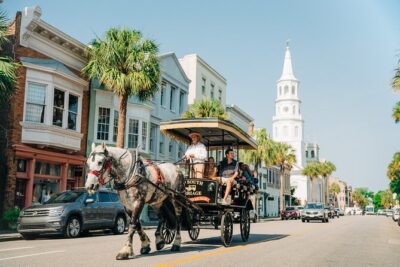
Charleston’s Old South Carriage Historic Horse & Carriage Tour
Read our review →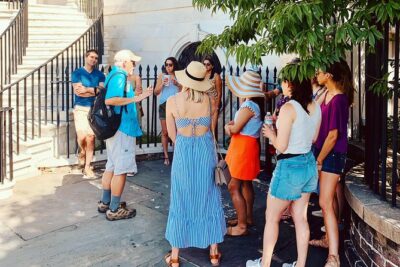
Historic Charleston Guided Sightseeing Walking Tour
Read our review →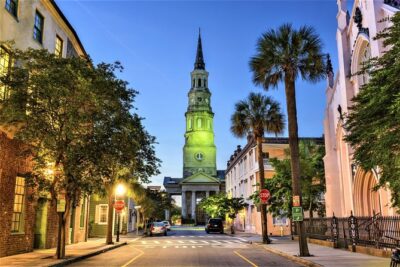
Haunted Evening Horse and Carriage Tour of Charleston
Read our review →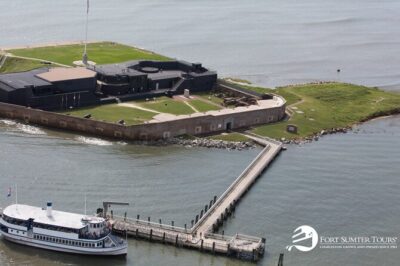
Fort Sumter Admission and Self-Guided Tour with Roundtrip Ferry
Read our review →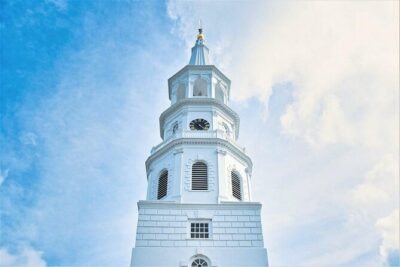
Ghosts of Charleston Night-Time Walking Tour with Unitarian Church Graveyard
Read our review →
Charleston Harbor History Day-Time or Sunset Boat Cruise
Read our review →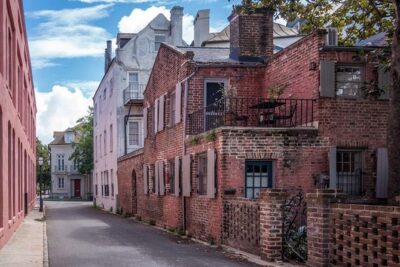
Hidden Alleyways and Historic Sites Small-Group Walking Tour
Read our review →
Browse the lists this tour appears in