
Reviewed · NEW ORLEANS TOURS
New Orleans Jazz History and Music Walking Tour
New Orleans jazz makes more sense when you walk its streets. This 2.5-hour tour links Congo Square, Louis Armstrong Park, Tremé, and the French Quarter, then puts you inside a live music venue. Guides such as Kristi, Adam, and Andre bring local insight, musical context, and plenty of practical advice for the rest of your night.
I like the small maximum of 12 people, which makes it easier to hear the guide and ask questions. I also like that your $60.56 helps support local musicians and venues, rather than treating music as a backdrop. The main consideration is the pace: you will cover about 14 blocks, or 1.5 miles, so comfortable shoes matter.
Key points at a glance
- Congo Square puts jazz in its proper setting: You learn how West African, Caribbean, Creole, and European influences met in New Orleans.
- Louis Armstrong Park starts the story well: The tour connects the park, Tremé, Louis Armstrong, and the city’s early musical life.
- The route changes with the night: Your guide may favor Bourbon Street, Frenchmen Street, or another path to reach the best available music.
- Live music is part of the experience: The guide takes you into a selected music venue, and the tour includes one drink.
- A small group helps: With no more than 12 people, the tour feels more like a guided evening walk than a large sightseeing march.
- Book early if your dates are fixed: This experience is often reserved about 33 days ahead.
Why Congo Square is the right place to begin
The tour starts at 701 North Rampart Street, just outside the French Quarter, near Louis Armstrong Park. That location matters. Instead of starting with famous clubs or the neon glow of Bourbon Street, you begin with the people, places, and traditions that shaped New Orleans music.
Inside the park, the guide explains the early roots of jazz and the life of Louis Armstrong, one of the city’s most important musical figures. This is not just a quick name check. The opening section gives you a basic framework for understanding how New Orleans developed a sound that later traveled far beyond Louisiana.
The park also gives the group room to settle in before the long walk. You might hear short musical examples from the guide, though sound can be difficult if another event is taking place nearby. If you want to catch every note, move close to the guide and do not hesitate to ask for a repeat.
You also pass the Mahalia Jackson Theater of the Performing Arts. The theater honors the New Orleans-born gospel singer, and it adds another thread to the city’s musical story. Jazz here does not exist in isolation. Gospel, blues, brass traditions, Caribbean rhythms, and church music all help explain the sound you hear in the clubs.
More Historical Tours in New Orleans
- New Orleans Garden District History Walking Tour
★ 5.0 · 2,879 reviews - French Quarter Historical Sights and Stories Walking Tour
★ 5.0 · 2,724 reviews - New Orleans Small-Group Haunted History Carriage Tour
★ 4.5 · 2,289 reviews
Tremé, Louis Armstrong, and the city behind the music
Tremé is one of the most important parts of the walk because it connects music to community. Your guide discusses the people and neighborhoods that helped shape jazz, rather than presenting it as a sudden invention by a handful of famous performers.
The story includes free people of color, enslaved people, Creole culture, and the movement of musical ideas through the city. That context gives the evening more weight. You learn not only what jazz sounds like, but why New Orleans became such a productive meeting place for different traditions.
The tour is especially useful if you are new to jazz. You do not need to recognize every musician or know the difference between every early style. A good guide, including the especially praised Kristi, can give you enough background to listen with sharper ears during the live set.
The quality of the guide matters here. Kristi is a musician herself, and Adam is described as deeply passionate about jazz. Their styles may differ, but the strongest guides bring the subject to life through stories, local details, and practical advice. Andre has also led this experience, and the guide assigned to your departure will shape the balance between history, neighborhood culture, and music.
One point deserves a fair warning. This tour discusses social and economic issues linked to New Orleans and its musicians. That is relevant to the subject, since working musicians and local venues remain central to the city’s culture. Still, if you want a tightly focused lesson on jazz styles and musicians, tell your guide early. The experience may give substantial attention to the city’s broader social history.
Entering the French Quarter by foot
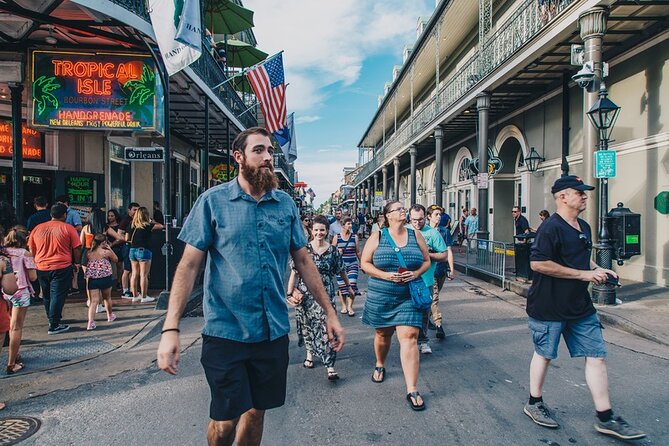
From Louis Armstrong Park, you head into the Vieux Carré, the French Quarter’s historic core. Walking is the right way to make this transition. The changing streets help you see how music fits into daily city life, rather than treating the clubs as isolated attractions.
The French Quarter section is not a standard checklist of landmarks. Your guide chooses a route based on the evening’s music and the places worth hearing that night. That flexibility is useful, but it also means you should not expect the exact same sequence at every departure.
The walk can include stories about old buildings, performers, music venues, and the way jazz and blues collaborators worked across neighborhood lines. You also learn how to read the local club scene: where to find listings, when to arrive, and how to plan the rest of your evening.
I particularly value that advice. A visitor can easily spend a night wandering from one loud bar to another and miss the music they came to hear. A local guide can point you toward places that fit your taste and explain how the city’s music rooms operate.
Bourbon Street, Frenchmen Street, or a route chosen for the music
One possible route follows Bourbon Street. Here the guide explains the street’s history and its connection to the musicians, residential buildings, and commercial spaces tied to New Orleans music. The street is famous, but the tour looks past the bright signs and crowded drinking spots to discuss what happened there before it became a nightlife symbol.
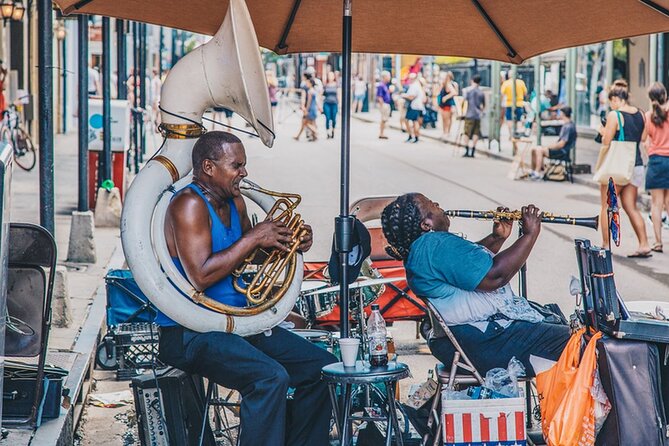
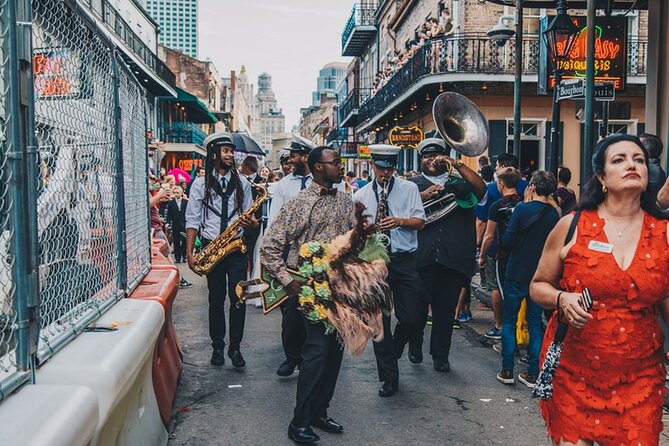
You may also pass the French Market and catch a busker. That kind of moment is part of the appeal. It is not a scheduled concert, and there is no promise that a particular performer will be there. But an unexpected street performance can make the city feel more immediate than a polished stage show.
Another possible route heads toward Frenchmen Street, which has the city’s largest concentration of live music venues. The guide may choose this direction when it offers the best fit for the night’s music. This is one reason I would book the tour early in your New Orleans stay. You can return to a club or area that suits you later.
The route is not designed for speed. Allow space for street crossings, stops, questions, and the uneven rhythm of an evening music walk. The total distance is about 1.5 miles, but the walk may feel longer if it is hot, rainy, or chilly. Wear shoes you can comfortably use on pavement for several hours.
More Walking Tours in New Orleans
- New Orleans Premier Ghost, Voodoo and Vampire Walking Tour
★ 4.5 · 12,856 reviews - New Orleans Food Walking Tour of the French Quarter with Small-Group Option
★ 5.0 · 6,118 reviews - St. Louis Cemetery No. 1 Official Walking Tour
★ 4.5 · 3,941 reviews - New Orleans French Quarter, Voodoo and Culture Walking Tour
★ 4.5 · 2,961 reviews
What happens inside the music venue
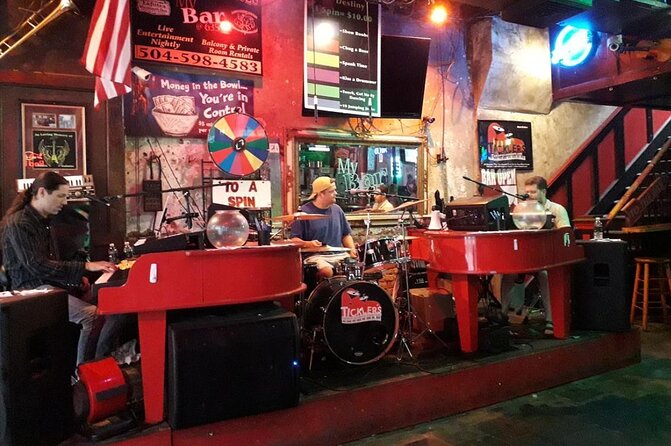
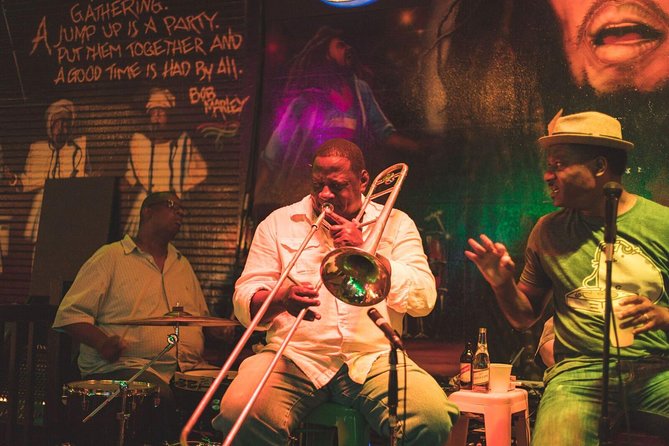
The tour includes a visit to a live jazz or music venue selected by the guide. This is the point where the historical discussion turns into sound. Instead of hearing only about jazz’s origins, you get a chance to watch local musicians work in a real setting.
The exact venue and band can change. Some evenings have included two music stops, with different bands and different atmospheres. Other departures may focus on one main venue, depending on timing and the guide’s chosen route. Treat the club portion as flexible rather than a fixed concert package.
That flexibility can work in your favor. A guide may adjust the route to catch a particular set, as Adam did when a group wanted to hear Delfeayo Marsalis. Another guide may time the arrival so you can hear a full set, then move on to a second club.
You receive one complimentary drink at a music stop. Additional drinks and food are not included, and you should budget for them if you plan to stay out afterward. An alcoholic drink is not required, according to the tour guidance, so you can choose a nonalcoholic option.
The included drink is a nice touch, but the real value is access and orientation. A guide can explain what you are hearing, point out the character of the venue, and help you decide if you want to stay after the official tour ends. Several tours have finished in a club where the group continued listening.
Preservation Hall and the practical side of a music night
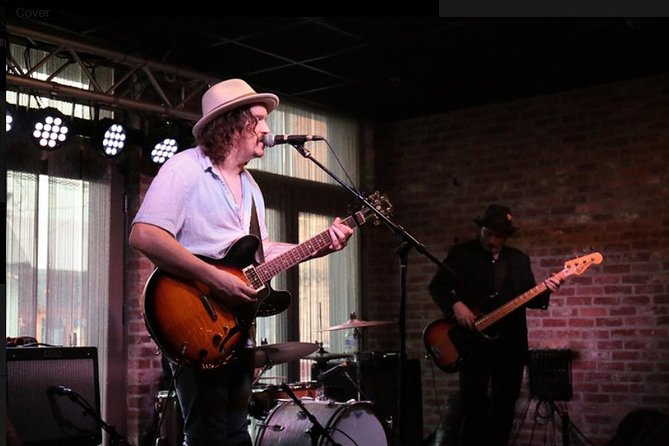
The walk may pass Preservation Hall, a major French Quarter venue devoted to protecting and continuing traditional New Orleans jazz. Even from the street, it helps connect the city’s older musical traditions with the current club scene.
Your guide also explains how local venues and musicians fit into the city’s economy. The booking supports musicians and clubs visited during the experience, which gives the price a purpose beyond transportation and narration. You are paying for a guided walk, local interpretation, a drink, and a direct connection to working music spaces.
At $60.56 per person, this is not the cheapest way to hear music in New Orleans. You can walk through the French Quarter for free, and you can buy a drink at a club without booking a tour. The value comes from combining history, neighborhood context, live music, and evening planning in one small group.
The small-group limit is important. With no more than 12 people, you have a better chance of hearing the guide on a busy street and asking about musicians, neighborhoods, or venues. Some departures may be much smaller, even close to a private walk, but you should not assume that will happen on your date.
How to plan the evening around the 2.5-hour walk
I would schedule this tour early in your visit, not on your final night. The guide’s recommendations can help you shape the rest of your stay, and you may discover a club or music district worth revisiting.
The tour lasts about 2 hours and 30 minutes. The route ends in the French Quarter, at a central location around that area, so you remain well placed for dinner, more music, or a walk back to your hotel. The precise ending spot can vary with the route and venue.
Plan for an evening outdoors. The tour requires good weather, and poor conditions can lead to a different date or a full refund. Bring suitable clothing for the season, since you will move between open streets, parks, and indoor venues.
This is an adults-only experience. Nobody under 21 may join. You also need to be comfortable walking approximately 14 blocks and standing or moving through music venues.
Public transportation is nearby, which makes the meeting point fairly practical. Confirmation arrives at booking, and free cancellation is available up to 24 hours before the start time. Canceling or changing the booking less than 24 hours ahead does not qualify for a refund.
Who will get the most from this tour
I would recommend it to a first-time New Orleans visitor who wants more than a club recommendation. It is also a good fit if you enjoy live music but want help understanding the people and places behind it.
Solo visitors can benefit from the small group and built-in evening plan. Couples and friends get a social night without having to choose every venue themselves. Families should note the 21-and-over rule, even if everyone in the group is interested in the history.
This is less suitable if you want a seated concert with a guaranteed performer. It is also not ideal if long walks are difficult or if you prefer a strictly academic lecture about jazz musicians, instruments, and musical forms.
The best match is someone who wants both sides of New Orleans music: the historical roots and the present-day rooms where musicians still earn their living. Come ready to listen, ask questions, and adjust your route.
Should you book the New Orleans Jazz History and Music Walking Tour?
Book it if you want a well-planned introduction to New Orleans jazz, especially early in your stay. The combination of Congo Square, Louis Armstrong Park, Tremé, the French Quarter, and live music gives you a useful sense of how the city’s sound developed and where to hear it now.
The strongest guides appear to be the heart of the experience. Kristi’s background as a musician and Adam’s enthusiasm have made the history lively and practical, while smaller groups can feel almost private. Just remember that the route and club stops can change, and that the social history may receive as much attention as the musical details.
For $60.56, you are paying for more than a walk. You are buying context, local direction, one drink, and support for New Orleans musicians. If that sounds better than wandering the French Quarter and hoping to find good music by chance, this tour is a solid choice.
FAQ
Where does the tour start?
The tour starts at 701 North Rampart Street in New Orleans, near Louis Armstrong Park and the French Quarter.
Where does the tour end?
The tour ends in the French Quarter, at a central location around the area.
How long does the walking tour last?
The experience lasts approximately 2 hours and 30 minutes.
How far do you walk?
The tour covers approximately 14 blocks, or about 1.5 miles, on foot.
How many people can join the tour?
The group has a maximum of 12 participants.
Is live music included?
Yes. The guide takes you to a live jazz or music venue selected for the tour. The specific venue and route may vary.
Is a drink included?
Yes. One complimentary drink is included at one of the music stops. Additional drinks and food are not included.
Can someone under 21 join?
No. Participants must be at least 21 years old.
Can you cancel for a refund?
You can cancel up to 24 hours before the experience start time for a full refund. Cancellations or changes made less than 24 hours in advance are not refunded. If poor weather cancels the tour, you will be offered another date or a full refund.
More Historic Sites in New Orleans
- New Orleans Haunted History Ghost Tour
★ 4.5 · 2,084 reviews - Paddlewheeler Creole Queen Historic Mississippi River Cruise
★ 4.5 · 1,948 reviews - New Orleans Food and History Walking Tour
★ 5.0 · 1,544 reviews - New Orleans: Creole Queen History Cruise with Optional Lunch
★ 4.3 · 1,112 reviews
Newly listed in New Orleans
- New Orleans City Tour and Steamboat Natchez Harbor Jazz Cruise★ 4.0 · 446 reviews
- Small-Group Laura and Whitney Plantation Tour from New Orleans★ 4.5 · 446 reviews
- New Orleans French Quarter Photo Shoot★ 5.0 · 462 reviews
- New Orleans: 2-Hour Ghosts & Vampires Walking Tour★ 4.5 · 465 reviews
- Garden District Home and History Walking Tour★ 5.0 · 470 reviews
- New Orleans: Sunday Steamboat Jazz Cruise + Optional Brunch★ 4.3 · 470 reviews
- Small-Group Manchac Swamp Kayak Tour with Local Guide★ 5.0 · 480 reviews
- New Orleans: Garden District Tour★ 4.8 · 480 reviews
New Orleans Tours, compared.
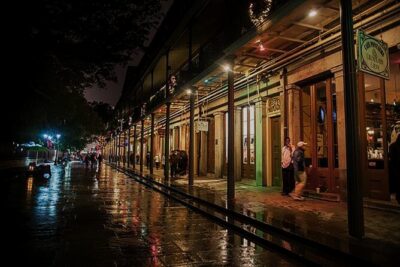
New Orleans Premier Ghost, Voodoo and Vampire Walking Tour
Read our review →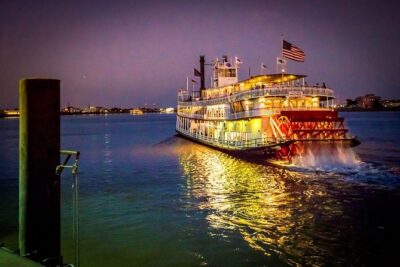
New Orleans Steamboat Natchez Jazz Cruise with Dinner Option
Read our review →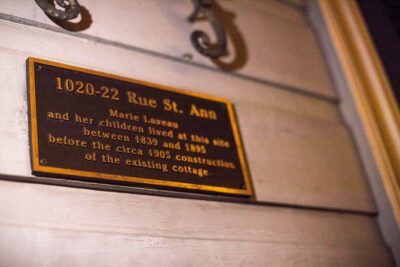
Adults-Only New Orleans Ghost, Crime, Voodoo, and Vampire Tour
Read our review →
New Orleans Food Walking Tour of the French Quarter with Small-Group Option
Read our review →
New Orleans Swamp and Bayou Boat Tour with Transportation
Read our review →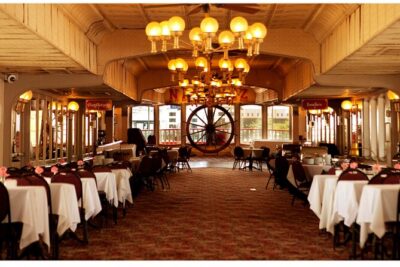
New Orleans City Sightseeing Hop-On Hop-Off Bus Tour
Read our review →
Browse the lists this tour appears in