
Reviewed · NEW ORLEANS TOURS
New Orleans Food and History Walking Tour
New Orleans food is not just a list of dishes. It is a record of migration, trade, geography, and family cooking. This three-hour French Quarter food walk makes that connection clear as you move from gumbo and boudin to pralines, po’boys, and muffulettas.
I like two things right away: you visit places that are easy to miss on your own, and the food comes with useful context rather than a string of unexplained samples. Guides such as Beth, Meg, John, and Dylan, also known as Dr. Gumbo, are frequently praised for their humor and ability to connect recipes with New Orleans history.
The main caution is dietary. A vegetarian option is available, but there is no gluten-free, dairy-free, or vegan version, and food allergies must be reported when you book. You will also walk on city streets in all weather, so this suits people who can manage a steady pace and arrive ready to eat.
Key points to know before booking
- Five food stops create a progressive lunch: Plan on generous samples rather than a light tasting.
- The French Quarter is the classroom: You learn how Creole and Cajun cooking reflect the people and places that shaped New Orleans.
- Classic dishes lead the way: Gumbo, catfish po’boys, muffulettas, boudin, red beans and rice, pralines, and bread pudding may appear.
- Guides make the difference: Beth, Meg, John, Sarah, Ben, and Dylan are among the guides praised for humor, stories, and answers to questions.
- The group is capped at 16 people: That is small enough for conversation without promising a private tour.
- Come prepared for the weather: The tour runs in rain or shine unless poor weather forces cancellation.
Starting with gumbo at 3rd Block Depot
Meet at 3rd Block Depot on Chartres Street, in the French Quarter. The tour begins with a chicken and andouille sausage gumbo made with a dark roux, chicken stock, and a scoop of warm country-style potato salad.
This is a useful first taste because gumbo shows how much technique sits behind a dish that can look simple. The dark roux brings color and toasted flavor, while andouille adds smoke and spice. Your guide also uses the dish to explain how Louisiana ingredients and cooking traditions developed.
The first stop may take a little time. That can be a plus if you want to settle in, ask questions, and have a drink at the bar, though beverages are not included. One point to watch is temperature and service. A few people have found the gumbo was not as hot as expected, and one server was less welcoming than the guide. The food itself still received good marks, but this is a restaurant visit, not a private tasting room where every detail is controlled.
You should treat the gumbo as the opening course of lunch, not a token spoonful. Portions across the tour are generally filling, so avoid booking a big meal before you arrive.
More Historical Tours in New Orleans
- New Orleans Garden District History Walking Tour
★ 5.0 · 2,879 reviews - French Quarter Historical Sights and Stories Walking Tour
★ 5.0 · 2,724 reviews - New Orleans Small-Group Haunted History Carriage Tour
★ 4.5 · 2,289 reviews
Sampling hot sauces and Louisiana seasonings
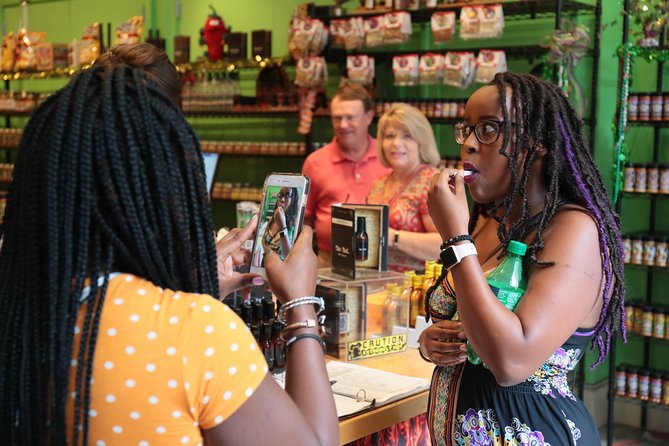
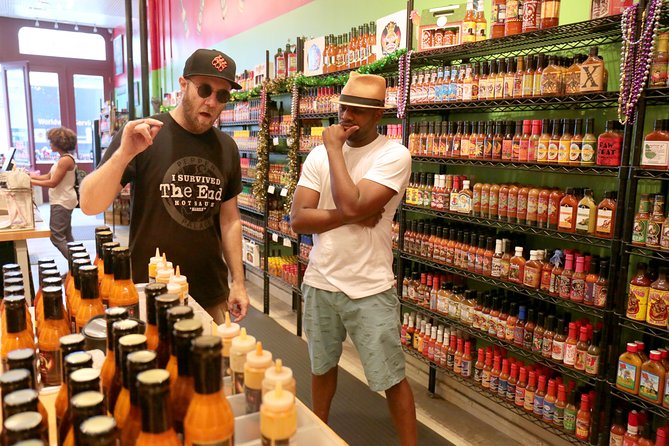
The next stop is a hot sauce shop where you can try a wide range of sauces, dry rubs, barbecue sauces, marinades, and Buffalo-style wing sauces. This is the most hands-on part of the walk, and it gives you a quick lesson in how heat, vinegar, sweetness, smoke, and spice can change the same bite.
You can sample freely, but use some restraint. Tasting several strong sauces early in a food tour can tire your palate before the main dishes arrive. I would begin with mild options, then move toward hotter bottles rather than treating the counter like a contest.
This stop also gives you a chance to buy food gifts. The French Quarter has plenty of shops aimed at visitors, but a bottle of sauce or a local seasoning blend is practical, easy to pack, and tied to what you have just tasted. One criticism of the tour is that some people would prefer replacing this stop with another restaurant and trying dishes such as jambalaya or étouffée. That is a fair point if variety is your top priority.
Pralines, brittle, and the sweet side of New Orleans
At Leah’s Pralines, you sample a traditional praline made with local brown sugar, dairy, and pecans. Depending on what is available, you might also try a newer variation such as bacon pecan brittle.
Pralines matter here because they show another side of New Orleans cooking. The city’s food identity is not only about seafood, sausage, and spicy stews. Brown sugar, cream, and pecans create a distinctly Southern sweet that works as both a local treat and a good souvenir.
The portion is small but rich, which is welcome given the amount of savory food still ahead. If you have a sweet tooth, this may be one of the stops you return to later. The guide can also explain recipes and ingredients as you go, so this is more than a quick candy sample.
Catfish po’boys and the story of local seafood
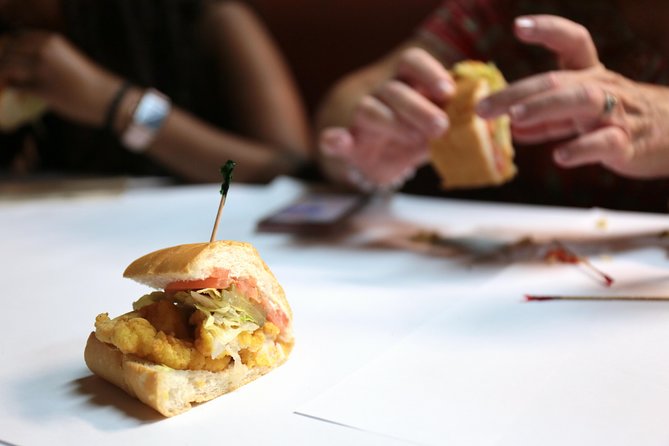
At NOLA Poboys, the main course becomes a fried catfish po’boy on local French bread. It is dressed with lettuce, tomato, mayonnaise, and pickles, with hot sauce available if you want more heat.
A po’boy is at its best when the bread balances the filling rather than collapsing under it. The fried catfish gives you a crisp, savory center, while the dressing adds moisture and tang. Your guide also discusses seafood harvesting in Louisiana, which adds useful context to a sandwich often treated as a simple street-food staple.
This is a good place to ask questions about the difference between a seafood po’boy and other local sandwiches. The tour also explains how words such as étouffée and jambalaya entered the local food vocabulary, along with the cultural influences behind Creole cooking.
The portion sizes are not tasting-menu dainties. You may receive enough food here to feel you have had a real lunch, especially when combined with the gumbo and later courses. If you want to sample the broadest possible range, you may wish portions were smaller so the tour could include more dishes. If you prefer not to leave hungry, the current format works well.
More Walking Tours in New Orleans
- New Orleans Premier Ghost, Voodoo and Vampire Walking Tour
★ 4.5 · 12,856 reviews - New Orleans Food Walking Tour of the French Quarter with Small-Group Option
★ 5.0 · 6,118 reviews - St. Louis Cemetery No. 1 Official Walking Tour
★ 4.5 · 3,941 reviews - New Orleans French Quarter, Voodoo and Culture Walking Tour
★ 4.5 · 2,961 reviews
Muffuletta, boudin, and the Italian and Cajun connection
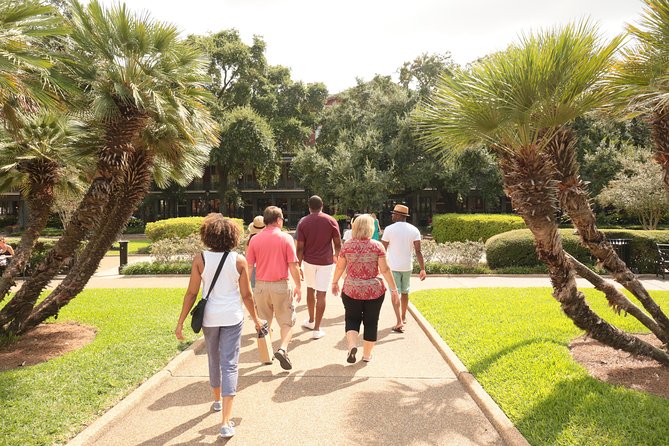
The planned menu can include a muffuletta sandwich and a boudin ball, though exact stops and dishes depend on availability. A muffuletta uses Sicilian-style bread layered with smoked ham, mortadella, Genoa salami, provolone, mozzarella, and olive salad.
That sandwich helps explain New Orleans as a port city shaped by arrivals from many places. The Italian influence is obvious in the cured meats, cheeses, bread, and olive mixture. It is also a useful contrast with the Creole and Cajun dishes served elsewhere during the afternoon.
The boudin ball takes you in another direction. It combines smoked pork, rice, and spices in a fried ball served with Creole remoulade. The texture and seasoning make it an easy introduction to boudin, especially if you have not tried the sausage in its more traditional form.
Food preferences matter at this point. The tour is intended for adventurous eaters, and substitutions are limited. Vegetarian guests can request the vegetarian option at checkout, but the tour does not offer gluten-free, dairy-free, or vegan meals. A food allergy is different from an aversion, so give the operator clear allergy information when booking.
Red beans, rice, and the food of everyday New Orleans
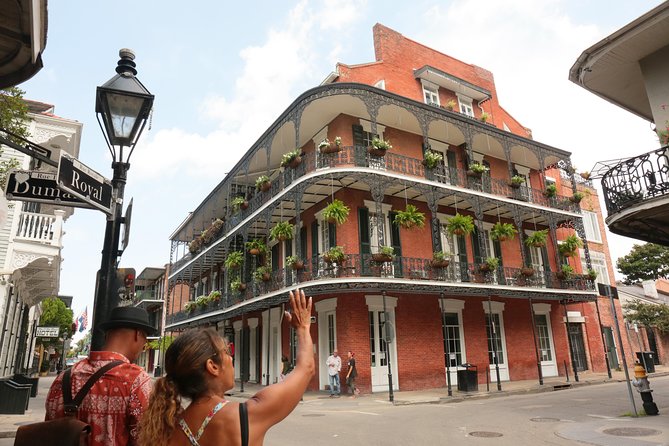
Red beans and rice with andouille sausage may also be part of the menu. It is slow-cooked with smoked ham and served over rice with green onions or scallions.
This dish is valuable because it represents everyday comfort food rather than only the grand dishes associated with restaurants and celebrations. Beans, rice, pork, and seasoning create a meal from modest ingredients, and the long cooking time builds flavor without requiring a complicated presentation.
The menu may also include seasonal bread pudding, baked or fried, sometimes served as bananas Foster bread pudding. That final course brings together the city’s fondness for warm desserts, brown sugar, and rich sauces. You will likely finish full. This is not the right tour for someone who wants only a few tiny bites before dinner.
What the French Quarter adds to the food
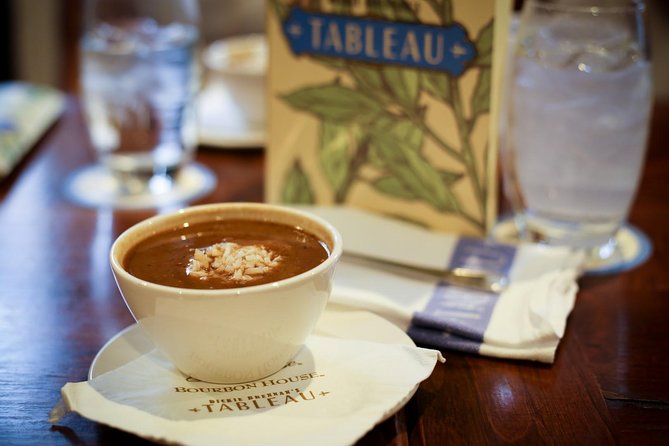
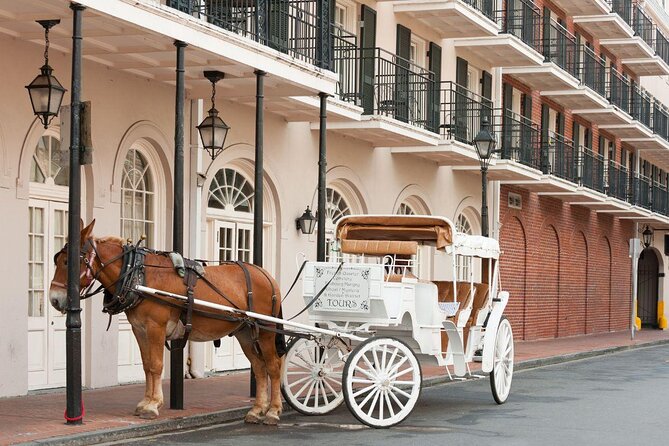
The setting matters. You are walking through the Vieux Carré, the old square, while hearing how geography and settlement influenced what people cooked and ate.
The tour is not designed as a full architectural walk. You will see the French Quarter as you move between food stops, but the main subject is cuisine and the culture behind it. If you expected a detailed survey of buildings, courtyards, and local architecture with occasional snacks, adjust your expectations.
I like this focus because food gives the city’s past a practical shape. Louisiana’s waterways, seafood, rice, sugar, livestock, and trade routes all affect the dishes on your plate. The guide’s explanations help you see why gumbo, red beans and rice, boudin, and po’boys belong to the same regional story while still coming from different traditions.
The strongest guides keep the group involved. Beth is often praised for humor, recipe details, and answers to questions. Meg is described as engaging and personable. Dylan, or Dr. Gumbo, brings food, culture, and city history together with a lively style. John, Sarah, and Ben have also led tours that combine clear explanations with a relaxed pace.
Guide quality can vary from one departure to another, but the format gives a good guide plenty to work with. The best experience comes when you ask questions rather than simply follow from restaurant to restaurant.
Pace, group size, and practical comfort
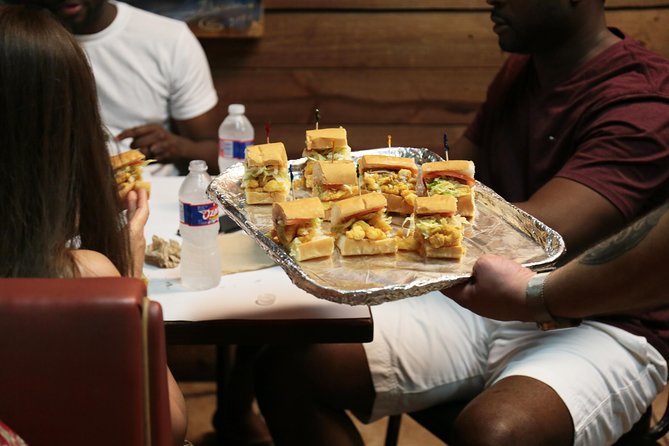
The tour lasts about three hours and is limited to 16 participants. That is a useful size for a walking food tour. You are not in a huge crowd, yet the group is large enough that the atmosphere can feel social.
Walking distances are generally manageable, and several people describe the pace as comfortable. One useful warning goes in the other direction: wear proper walking shoes and be ready to move at a steady pace. The tour is not recommended if you have mobility or walking problems.
Start with an empty stomach, but do not arrive dehydrated. Water is included, while other drinks cost extra. If you want beer, a soft drink, or a cocktail at the first stop, budget separately and remember that alcohol can make a warm-weather walk feel harder.
Morning and afternoon departures let you fit the tour around other plans. I prefer booking it early in your New Orleans stay. You will learn dish names, ingredients, and restaurant ideas that can guide the rest of your visit. Some of the stops may be worth returning to later for a full meal or a drink.
The tour operates in all weather. New Orleans can be wet, and one particularly rainy outing still ran successfully with jackets and umbrellas. Check the forecast, wear comfortable shoes, and carry rain protection. If poor weather cancels the experience, you can choose another date or receive a full refund.
Is $85 a fair price?
At $85 per person, this is not a cheap lunch, but it is more than lunch. The price includes the set food menu at five stops and gratuities for servers at the establishments. You still pay for drinks other than water and may wish to tip your guide separately.
The value depends on how you normally explore a city. If you are comfortable researching restaurants, ordering several dishes, and learning the background on your own, you could likely spend less. The tour earns its price by combining food, access to several businesses, local explanations, and a planned route in one three-hour outing.
Portions are generally generous, which improves the value for anyone who wants a proper meal. On the other hand, if your goal is to taste ten or twelve tiny samples, $85 may feel less appealing because the tour gives you substantial portions of a smaller number of dishes.
I see the price as reasonable for a first introduction to New Orleans cuisine, especially if you are short on time or unsure what to order. It is less suited to someone with strict dietary limits or a very specific wish list of dishes.
Who will enjoy this food walk most
I would book this tour if you:
- Want an easy introduction to New Orleans dishes
- Like learning the story behind what you eat
- Prefer a full lunch to tiny samples
- Enjoy trying sausage, seafood, dairy, bread, sweets, and spicy sauces
- Are visiting New Orleans for the first time
- Want restaurant ideas for the rest of your stay
- Can walk for three hours in changing weather
Families, couples, solo visitors, and friends can all fit the format. Solo participants should find it easy to join the small group and ask questions, while couples can use the tour as a relaxed first-day activity.
I would think twice if you need gluten-free, dairy-free, or vegan food. I would also skip it if walking is difficult, if you dislike eating in a group, or if you want a formal architecture tour with food as a side feature.
Booking, cancellation, and arrival advice
Confirmation is provided when you book, and the experience is offered in English with a mobile ticket. It starts at 3rd Block Depot, 310 Chartres Street, and finishes at New Orleans Creole Cookery, 508 Toulouse Street.
The tour is often reserved well ahead of time, with bookings averaging about 26 days in advance. That makes sense for a small-group activity with morning and afternoon departures, so I would reserve early if your dates are fixed.
You can cancel for a full refund up to 24 hours before the start time. Changes or cancellations made inside that window are not refunded. The minimum number of participants must also be met, and venues can change based on availability. Think of the menu as a carefully chosen sample of New Orleans food, not a guaranteed list of every single dish at every departure.
Should you book it?
Book this tour if you want a hearty, guided introduction to New Orleans cooking and enjoy hearing how migration, geography, and local ingredients shaped each dish. The strongest reason to go is the combination of substantial food and lively explanation, especially with guides such as Beth, Meg, or Dylan.
Skip it if dietary restrictions make the menu difficult, if you want a broad tasting of many tiny portions, or if you are looking mainly for architecture. For most first-time visitors who can walk comfortably and arrive hungry, this is a smart first or second activity in New Orleans. You leave with a full belly, a working knowledge of local classics, and a better idea of where to eat next.
FAQ
How long does the New Orleans Food and History Walking Tour last?
The tour lasts approximately three hours.
Where does the tour begin?
It begins at 3rd Block Depot, 310 Chartres Street, New Orleans, Louisiana 70130.
Where does the tour end?
It ends at New Orleans Creole Cookery, 508 Toulouse Street, New Orleans, Louisiana 70130.
How many food stops are included?
You visit five different eateries or food stops, though venues and exact stops can change based on availability.
What foods might be included?
Possible foods include chicken and andouille gumbo, hot sauce samples, pralines, bacon pecan brittle, fried catfish po’boys, muffulettas, boudin balls, red beans and rice with andouille sausage, and bread pudding.
Is a vegetarian option available?
Yes. A vegetarian option is available, and you should request it at checkout.
Are gluten-free, dairy-free, or vegan options available?
No. The tour does not offer gluten-free, dairy-free, or vegan options.
Are drinks included?
Water is included. Beverages other than water are not included and must be purchased separately.
Is the guide’s gratuity included?
No. Gratuity for the guide is optional and is not included. Gratuities for servers at the food establishments are included.
Does the tour operate in bad weather?
The tour operates in all weather conditions, so you should dress appropriately. If poor weather causes the experience to be canceled, you will be offered another date or a full refund.
More Historic Sites in New Orleans
- New Orleans Haunted History Ghost Tour
★ 4.5 · 2,084 reviews - Paddlewheeler Creole Queen Historic Mississippi River Cruise
★ 4.5 · 1,948 reviews - New Orleans: Creole Queen History Cruise with Optional Lunch
★ 4.3 · 1,112 reviews - New Orleans Cocktail and Food History Tour
★ 5.0 · 819 reviews
Newly listed in New Orleans
- New Orleans City Tour and Steamboat Natchez Harbor Jazz Cruise★ 4.0 · 446 reviews
- Small-Group Laura and Whitney Plantation Tour from New Orleans★ 4.5 · 446 reviews
- New Orleans French Quarter Photo Shoot★ 5.0 · 462 reviews
- New Orleans: 2-Hour Ghosts & Vampires Walking Tour★ 4.5 · 465 reviews
- Garden District Home and History Walking Tour★ 5.0 · 470 reviews
- New Orleans: Sunday Steamboat Jazz Cruise + Optional Brunch★ 4.3 · 470 reviews
- New Orleans Jazz History and Music Walking Tour★ 4.5 · 477 reviews
- New Orleans: Garden District Tour★ 4.8 · 480 reviews
New Orleans Tours, compared.
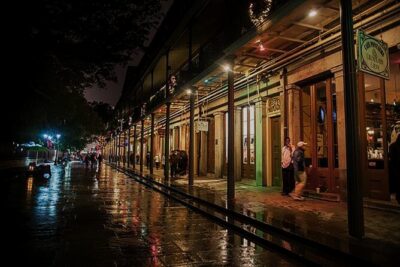
New Orleans Premier Ghost, Voodoo and Vampire Walking Tour
Read our review →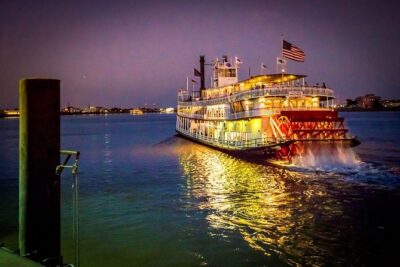
New Orleans Steamboat Natchez Jazz Cruise with Dinner Option
Read our review →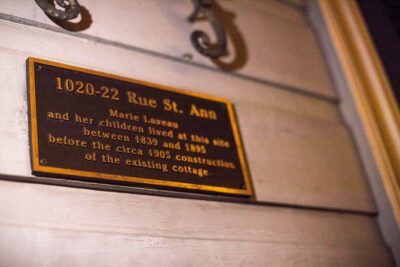
Adults-Only New Orleans Ghost, Crime, Voodoo, and Vampire Tour
Read our review →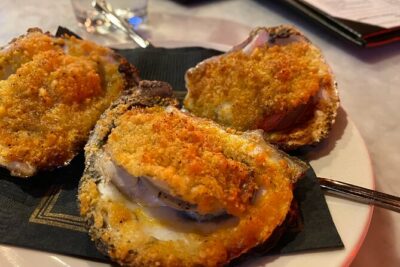
New Orleans Food Walking Tour of the French Quarter with Small-Group Option
Read our review →
New Orleans Swamp and Bayou Boat Tour with Transportation
Read our review →
New Orleans City Sightseeing Hop-On Hop-Off Bus Tour
Read our review →
Browse the lists this tour appears in