
Reviewed · NEW ORLEANS TOURS
New Orleans French Quarter, Voodoo and Culture Walking Tour
New Orleans voodoo is more than gris-gris bags, spooky legends, and movie clichés. This two-hour walk connects voodoo with slavery, African traditions, jazz, architecture, and the daily life of the French Quarter. You’ll hear about Marie Laveau, visit Congo Square, and step into Voodoo Authentica, a shop selling herbs, oils, and amulets.
I like the one-mile route, which gives you a good look at the Quarter without turning the outing into a tiring march. I also like the way the best guides, including William, Logan, and Jimmy, make room for questions and explain the spiritual side of voodoo with care. The main drawback is that the tour may feel too mild if you expect a theatrical haunted walk, and it does not enter any cemeteries.
Key points to know before you book
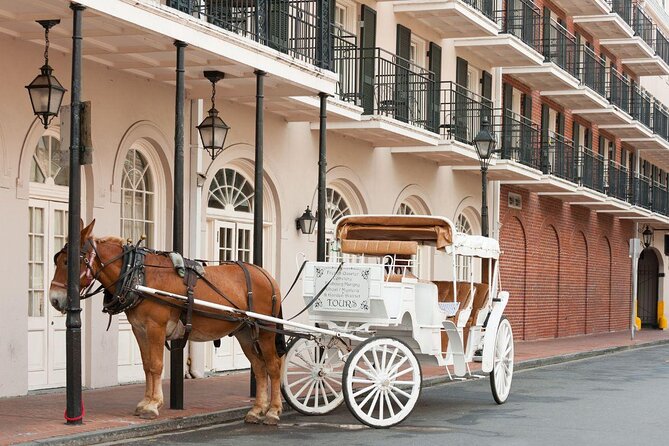
- Congo Square connects voodoo, African traditions, and jazz: Louis Armstrong Park provides the tour’s strongest historical setting.
- The route covers about one mile: You walk at an easy pace, but uneven French Quarter streets call for sturdy shoes.
- Architecture is a major part of the tour: Look for Creole townhouses, shotgun homes, entresol houses, courtyards, and Spanish and French influences.
- The voodoo material is educational rather than sensational: The guide explains beliefs, rituals, and symbols instead of leaning only on horror stories.
- The tour ends at Jackson Square: That leaves you in a useful spot for more sightseeing, food, or a self-guided walk.
- No cemetery entry is included: Some stories concern cemetery traditions and burial customs, but this experience stays outside.
What this two-hour New Orleans walk is really about
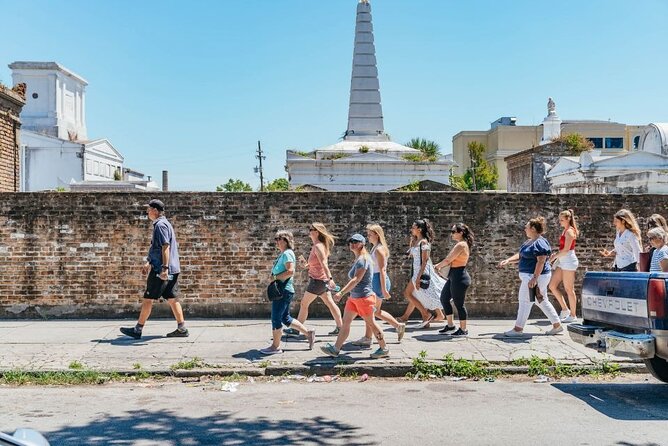
The title puts voodoo first, but this is best understood as a French Quarter culture walk with a strong voodoo thread. You’ll learn how New Orleans developed, see several types of historic buildings, and hear stories about religion, race, music, fire, and famous local figures.
That mix is good news if you want more than a spooky story session. It also explains why the outing may not match expectations if you are looking for constant thrills. The tone is lively and sometimes eerie, but the heart of the experience is history and interpretation.
The tour is offered in English, with morning and afternoon departure choices. A licensed New Orleans guide leads the walk, and the group can reach as many as 28 people. Smaller groups are possible, and they make it easier to ask questions or hear the guide clearly.
The price is $27.99 per person. For two hours with a licensed guide and several central sights, I consider that a fair price, particularly if this is your first time in New Orleans. You are paying for context, not admission tickets, since the stops are viewed from public spaces and the tour does not include food, drinks, or museum entry.
More Walking Tours in New Orleans
- New Orleans Premier Ghost, Voodoo and Vampire Walking Tour
★ 4.5 · 12,856 reviews - New Orleans Food Walking Tour of the French Quarter with Small-Group Option
★ 5.0 · 6,118 reviews - St. Louis Cemetery No. 1 Official Walking Tour
★ 4.5 · 3,941 reviews
Starting at Witches Brew Gallery on Exchange Place
You meet at Witches Brew Gallery and Haunted Sanctuary, at 311 Exchange Place, directly across from the Pelican Club Restaurant. The location is in the central New Orleans sightseeing area, close to public transportation and within reach of the French Quarter.
Arrive 30 minutes before departure for check-in. The group leaves on time, and late arrivals are not refunded. This is worth taking seriously: a walking tour cannot easily pause or turn back for someone who is still trying to find the meeting point.
The opening location sets a spooky mood, but the walk quickly moves beyond haunted-tour theatrics. Your guide begins placing New Orleans voodoo into a wider setting, where African spiritual practices, Catholic traditions, colonial rule, slavery, and local folklore overlap.
The subject deserves a respectful approach. Voodoo is a living religion, not simply a collection of curses and magic tricks. The strongest part of the tour is the correction of familiar movie images and the explanation of what the religion means to people who practice it.
French Quarter streets and the city’s unusual homes
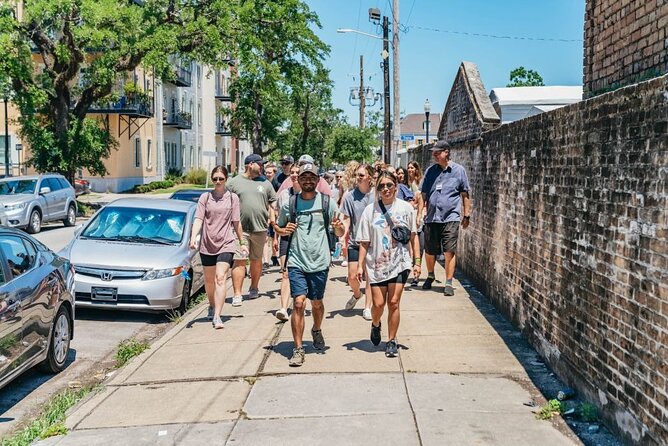
The first hour takes place largely in the French Quarter. This is where the tour earns its keep for anyone who enjoys architecture and city stories as much as ghost lore.
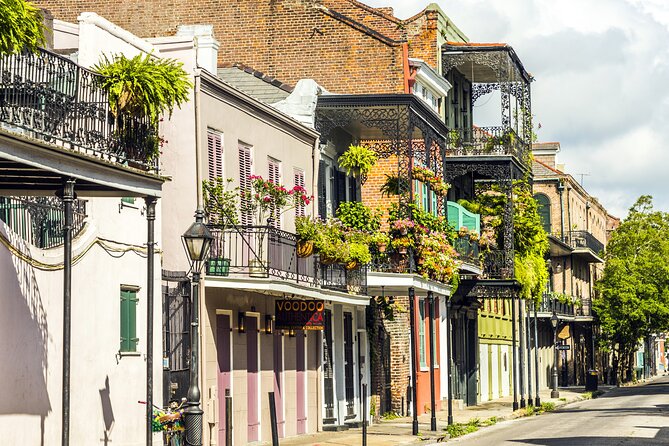
You pass French and Spanish-influenced buildings, Creole townhouses, shotgun homes, and entresol houses. Each style reflects a different answer to the city’s climate, social structure, and colonial past. A guide can point out details you might otherwise walk past without noticing.
Shotgun homes are particularly useful for understanding Southern urban design. Their narrow shape and front-to-back layout fit tight city lots and helped with airflow. Creole townhouses give you another view of New Orleans, with balconies, ironwork, and rooms arranged around the street-facing facade.
You may also glimpse a cloistered courtyard. These enclosed spaces were not just decorative. They offered practical privacy and helped organize domestic life behind busy streets.
I like this part because it keeps the tour rooted in real places. You are not sitting through a lecture about a distant past. You are standing beside the buildings while the guide explains why they look the way they do.
The streets can be uneven, and the weather can be hard on you. Summer heat and humidity make water essential. The company operates in rain, cold, snow, sleet, and other ordinary bad weather, so dress for the forecast and do not expect weather alone to cancel the walk.
Jackson Square and the first New Orleans settlements
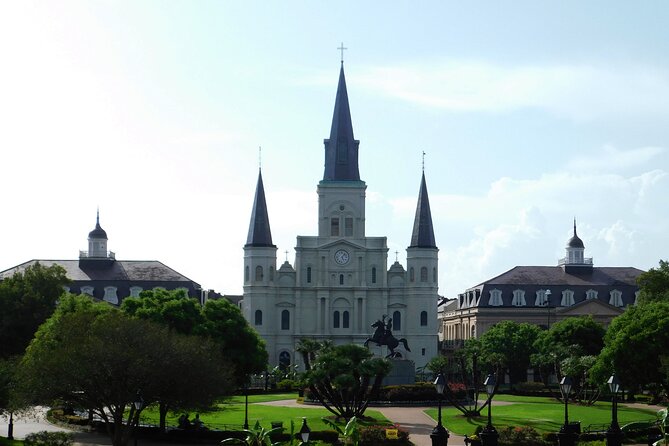
The route continues to Jackson Square, one of the French Quarter’s most useful orientation points. Here you learn about the first settlements in New Orleans and see St. Louis Cathedral, historic buildings, and what the tour describes as the first apartment buildings in the United States.
The stop is brief, about 15 minutes, so do not expect a full architectural tour of every building around the square. Instead, the guide uses the setting to explain how New Orleans grew from a colonial settlement into a major city.
Jackson Square is also where the tour finishes. That makes the route easy to extend on your own. You can remain in the square for photographs, continue through the Quarter, or stop for a meal nearby. Since food and drinks are not included, plan to handle those separately.
More walking tours around New Orleans:
- New Orleans Garden District History Walking Tour
★ 5.0 · 2,879 reviews - New Orleans Haunted Ghost, Voodoo & Vampire Walking Tour
★ 4.5 · 2,731 reviews - French Quarter Historical Sights and Stories Walking Tour
★ 5.0 · 2,724 reviews - Ghost and Vampire Walking Tour Of The French Quarter
★ 4.5 · 2,406 reviews
St. Louis Cathedral and the city’s great fire
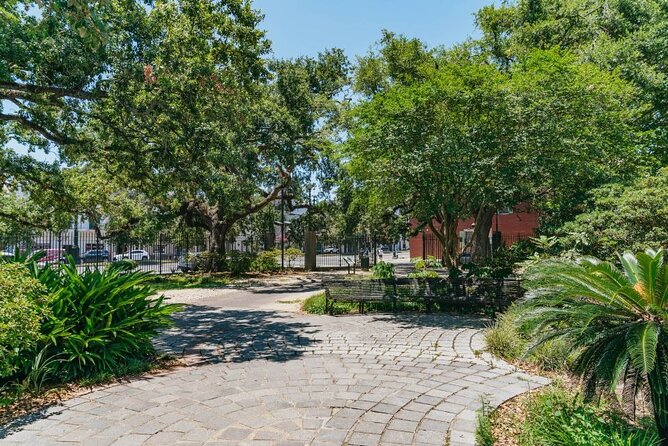
A short stop at St. Louis Cathedral adds a sobering turn to the story. The guide explains the fire that destroyed much of New Orleans and shows how disaster shaped the city’s buildings and streets.
The cathedral is one of the most recognizable sights in the Quarter, but its value here is not just visual. It helps connect religion, colonial power, and the repeated rebuilding of New Orleans. Fires, storms, and flooding have all shaped the city, and the architecture you see today reflects that long process of repair and change.
The scheduled time is about 10 minutes. Treat this as an outside stop and historical explanation rather than a long interior visit. The supplied details do not promise extended entry into the cathedral.
Voodoo Authentica and the material side of belief
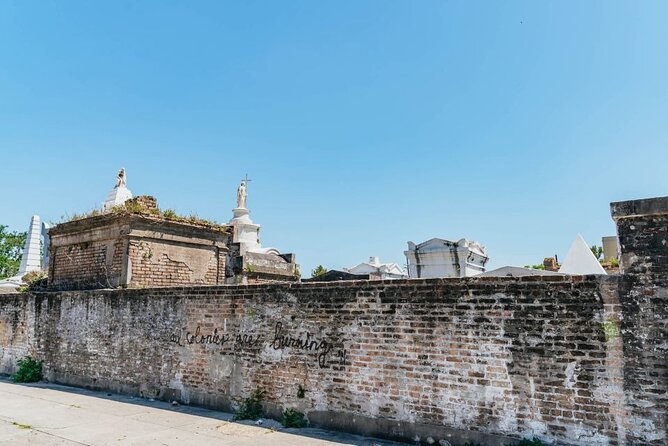
At Voodoo Authentica, you get a closer look at the objects associated with New Orleans voodoo. The shop specializes in ritual materials such as herbs, oils, and amulets.
This stop helps make the subject tangible. Instead of hearing only about famous names, you can see the kinds of items connected with ritual practice and ask the guide what they represent. The emphasis is on history, tradition, and belief, not on buying a magical solution to every problem.
The walk also includes a smaller shop connected with voodoo ritual materials. Depending on the guide and timing, this can be a quick look rather than a long shopping stop. If you want a major museum-style presentation, this tour may feel limited. If you want an introduction tied to the streets and people of New Orleans, it fits better.
Marie Laveau is a central figure in this portion of the tour. Her reputation as a voodoo practitioner and Queen of Voodoo has grown through a blend of documented history, oral tradition, legend, and later retelling. A good guide will help you separate those layers rather than presenting every story as proven fact.
That distinction matters. One of the weaker elements of any voodoo tour can be an overconfident version of Marie Laveau’s life. Listen for a guide who explains what is known, what is believed, and what remains uncertain.
Louis Armstrong Park and Congo Square
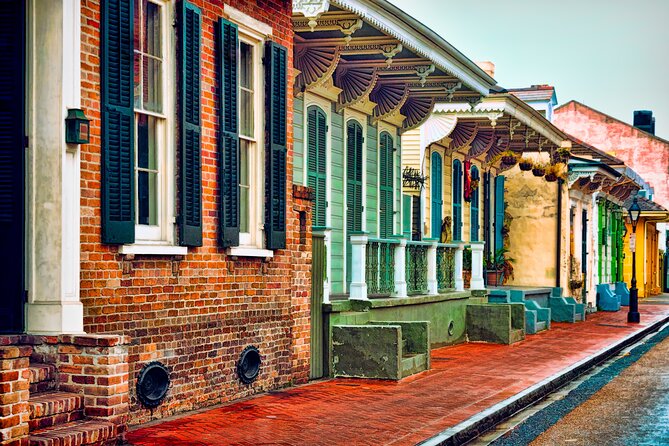
Louis Armstrong Park is the tour’s most meaningful stop. Within the park, Congo Square recalls the Sunday gatherings of enslaved and free Black people during the 1800s.
People met there to trade, socialize, play music, dance, and practice spiritual traditions. The site offers a direct link between African cultural survival and the later development of New Orleans music, especially jazz.
This is where the tour moves beyond spooky entertainment. You begin to see voodoo as part of a larger story of community, memory, resistance, and adaptation. The guide may discuss African gods and goddesses, offerings, drumming, dance, and the way traditions changed in a city shaped by many cultures.
If you want only ghost stories, this section may seem slow. I think it is the strongest reason to choose this experience instead of a standard haunted walk. The setting gives the discussion weight, and the connection between Congo Square and jazz makes the city’s culture easier to understand.
The stop lasts about 15 minutes, though the overall pace is leisurely. You cover about one mile during the full two hours, so the distance is manageable for most people. The bigger issue is the surface underfoot, not the length. Wear comfortable walking shoes and carry water.
Storyville and the walk beyond the Quarter
The final listed stop is Storyville, the former red-light district just outside the French Quarter. This adds another side of New Orleans culture, showing how music, nightlife, sex work, tourism, and social rules once met in the city.
The stop lasts about 10 minutes, so it is an introduction rather than a detailed study of the district. Still, it broadens the tour’s subject. New Orleans culture did not grow from one tradition alone, and Storyville helps explain why the city became associated with nightlife and music.
The route then ends at Jackson Square. Because the meeting and ending points differ, you should be ready for a one-way walk rather than a loop back to the gallery. That is convenient for sightseeing, but it means you should not leave anything at the starting point.
How the guides shape the experience
The guide makes a large difference on this tour. William receives especially strong praise for explaining voodoo, slavery, jazz, cemetery customs, and French Quarter history in a way that feels personal and clear. He also brings humor and encourages questions, which helps keep the subject from becoming too solemn.
Logan and Jimmy are also mentioned as engaging guides. Jimmy is noted for making a small group feel personal, while Logan is praised for filling the walk with useful information. James has also been appreciated for local food suggestions.
These names do not mean you can request a particular guide or will receive one on your departure. They do show the range of the experience. A strong guide can make the architecture, Congo Square, and voodoo traditions connect naturally. A less clear speaker can make a walking tour frustrating, especially on a busy street.
One practical issue is sound. A past participant found a guide hard to understand because he spoke too quickly. If you have hearing concerns, stay close to the guide and ask for repetition when needed. The maximum group size is 28, so your place within the group can affect how well you hear.
Who will enjoy this tour most
I would choose this outing if you want:
- A first look at the French Quarter with a local guide
- A calm introduction to voodoo rather than a scare-focused production
- Connections between African traditions, slavery, jazz, and New Orleans culture
- Architecture mixed with local stories
- A short walk that fits into a larger day of sightseeing
- A central finish at Jackson Square
Families can join, and children under five are free. Still, young children who expect monsters, jump scares, or dramatic haunted scenes may find the pace too serious. Teenagers who enjoy unusual history and storytelling are more likely to stay interested.
The tour also suits solo visitors. You remain with a group while walking through central streets, and the guides make an effort to involve people with questions. It is a useful early-trip activity because it gives you place names and background for later exploring.
Who should choose something else
I would skip this tour if entering cemeteries is essential to your plans. The experience does not enter any cemeteries, even though it discusses Marie Laveau, burial customs, and cemetery-related legends.
I would also look elsewhere if you want a highly theatrical ghost tour. One person found the experience too mild for a family outing, while another expected more direct voodoo content. Those reactions point to the same issue: the title may sound more sensational than the actual walk.
Mobility also deserves attention. The tour is only about one mile, and the pace is easy, but historic French Quarter streets can be difficult for people with mobility limits. The operator tries to accommodate different needs, but you should book with the uneven terrain in mind.
Price, timing, and weather advice
At $27.99, this is a reasonable add-on to a New Orleans visit. You get about two hours of guided interpretation, a licensed city guide, several central locations, and a route that links history with culture. It is not a bargain if you want admission to museums, cemetery entry, refreshments, or a long stop at each site, since none of those are included.
The tour runs in morning and afternoon time slots. I would choose the cooler option when possible, especially in summer. Bring bottled water, wear shoes with good support, and dress for changing weather.
Ordinary rain does not cancel the walk. The tour may proceed in cold, snow, sleet, and other poor conditions. Cancellation is reserved for serious conditions such as flooding, tropical storms, hurricanes, fires, or cloud-to-ground lightning in the French Quarter. If the company cancels, you can receive a different date or a full refund.
You can cancel for a full refund up to 24 hours before the start time. Inside that window, refunds are not available, and changes are not accepted. Bad-weather or minimum-participant cancellations are handled with a new date, another experience, or a full refund.
Should you book the French Quarter, Voodoo and Culture Walking Tour?
Book it if you want the voodoo story placed in its proper New Orleans setting. The best parts are Congo Square, the architectural walk, the explanation of Marie Laveau, and the links between African traditions, slavery, and jazz.
Do not book it expecting a cemetery visit or a nonstop scare show. At $27.99, it offers solid value for a short, central orientation tour, especially with a guide such as William, Logan, or Jimmy. Go with comfortable shoes, water, and an interest in how belief and culture shaped the city, and you’ll get much more from it than a handful of spooky tales.
FAQ
Where does the tour begin?
It begins at Witches Brew Gallery and Haunted Sanctuary, 311 Exchange Place, New Orleans, Louisiana 70130, directly across from the Pelican Club Restaurant.
Where does the tour end?
The walk ends at Jackson Square in the heart of the French Quarter.
How long is the tour?
The tour lasts about two hours and covers roughly one mile, or 1.6 kilometers, at a leisurely pace.
Does the tour enter any cemeteries?
No. Cemetery entry is not included in this experience.
What should I bring?
Bring comfortable walking shoes and bottled water. Dress appropriately for the weather, since the tour operates in most weather conditions.
Is the tour offered in languages other than English?
The tour is offered in English.
What is the cancellation policy?
You can cancel at least 24 hours before the start time for a full refund. Cancellations or changes made less than 24 hours before the start time are not refunded or accepted.
Newly listed in New Orleans
- New Orleans City Tour and Steamboat Natchez Harbor Jazz Cruise★ 4.0 · 446 reviews
- Small-Group Laura and Whitney Plantation Tour from New Orleans★ 4.5 · 446 reviews
- New Orleans French Quarter Photo Shoot★ 5.0 · 462 reviews
- New Orleans: 2-Hour Ghosts & Vampires Walking Tour★ 4.5 · 465 reviews
- Garden District Home and History Walking Tour★ 5.0 · 470 reviews
- New Orleans: Sunday Steamboat Jazz Cruise + Optional Brunch★ 4.3 · 470 reviews
- New Orleans Jazz History and Music Walking Tour★ 4.5 · 477 reviews
- New Orleans: Garden District Tour★ 4.8 · 480 reviews
New Orleans Tours, compared.
New Orleans Premier Ghost, Voodoo and Vampire Walking Tour
Read our review →
New Orleans Steamboat Natchez Jazz Cruise with Dinner Option
Read our review →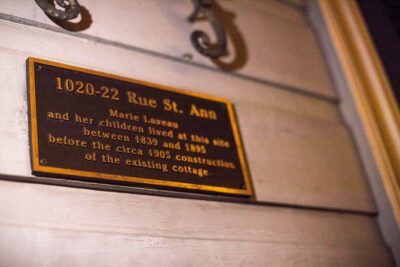
Adults-Only New Orleans Ghost, Crime, Voodoo, and Vampire Tour
Read our review →
New Orleans Food Walking Tour of the French Quarter with Small-Group Option
Read our review →
New Orleans Swamp and Bayou Boat Tour with Transportation
Read our review →
New Orleans City Sightseeing Hop-On Hop-Off Bus Tour
Read our review →
Browse the lists this tour appears in