
Reviewed · NEW ORLEANS TOURS
New Orleans: French Quarter Food History Walking Tour
New Orleans food tells its story one bite at a time, and this three-hour walk gives you a generous serving of that story. You cross the French Quarter on foot, stopping for gumbo, a catfish po-boy, muffuletta, boudin balls, pralines, red beans and rice, and bananas Foster bread pudding.
I like the wide spread of classic dishes, especially the chance to compare New Orleans’ two famous sandwiches. I also like the guides’ focus on linking food to people, migration, and local customs. The main drawback is that the standard route is not suitable for vegans, people with gluten intolerance, or anyone who avoids seafood and other listed ingredients.
Key points at a glance
- Gumbo starts the meal: The rustic Cajun-style version comes with warm potato salad at 3rd Block Depot.
- Both famous sandwiches are included: You taste a fried catfish po-boy and the meaty muffuletta.
- Food and history stay connected: Guides such as Beth, Gary, John, Meg, and the Professor-style guide John are praised for clear stories and local context.
- The portions add up: This is a tasting tour, but many people find the food substantial enough to replace lunch.
- Vegetarians have a dedicated option: Expect black-eyed pea soup, veggie jambalaya, portobello po-boy, and other meat-free versions of Southern classics.
- Come hungry and dress for weather: The tour runs rain or shine, and the walk can feel hot and humid.
Why this French Quarter food walk works
Food tours can sometimes turn into a string of samples with little sense of place. This one has a clearer shape. You begin at 316 Chartres Street, inside 3rd Block Depot, then move through the French Quarter with a guide explaining how local dishes developed and why they matter.
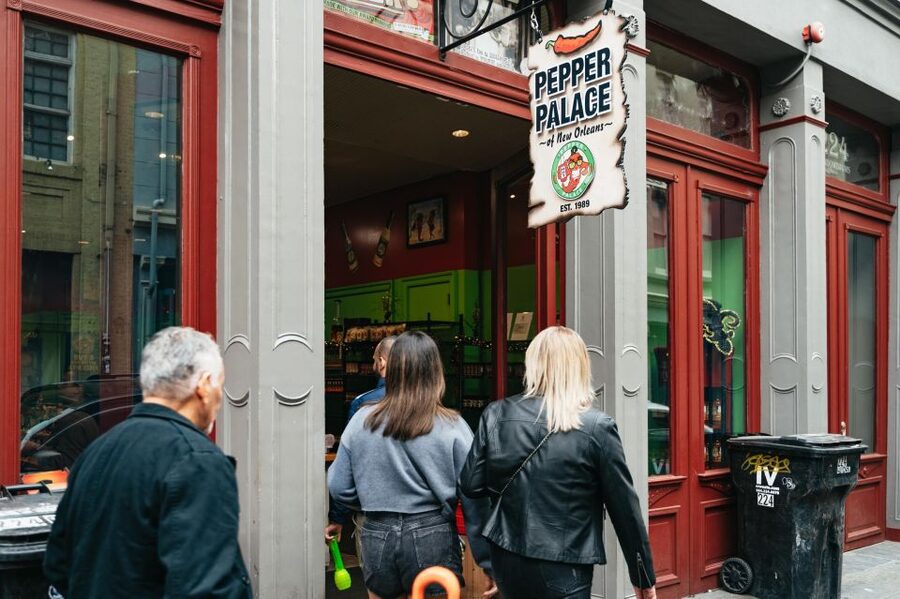
The route combines sit-down restaurant stops, a candy shop, a hot sauce bar, and casual food spots. That mix is useful because New Orleans cooking is not one narrow style. Cajun, Creole, French, African, Caribbean, and Southern influences all meet in the city’s kitchens.
I especially like that the guide does not treat gumbo, po-boys, and red beans and rice as isolated menu items. The point is to connect the food with New Orleans culture. Guides including Beth, Gary, Meg, John, Cat, and Dillon have been praised for making those connections clear without turning the walk into a dry lecture.
The tone also seems to suit different groups. Beth is described as both a strong storyteller and a careful host, while Meg is noted for keeping a quieter group involved. Gary and John are praised for answering questions and adding personal insight. Your guide will shape the mood, but the format gives them plenty to work with.
More Historical Tours in New Orleans
- New Orleans Garden District History Walking Tour
★ 5.0 · 2,879 reviews - French Quarter Historical Sights and Stories Walking Tour
★ 5.0 · 2,724 reviews - New Orleans Small-Group Haunted History Carriage Tour
★ 4.5 · 2,289 reviews
First stop: Cajun gumbo and warm potato salad
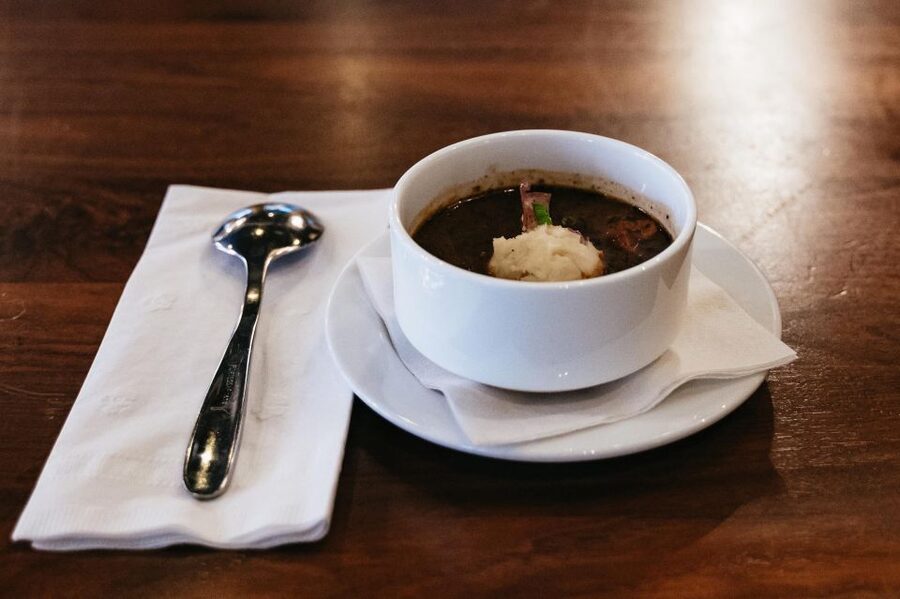
The tour begins at 3rd Block Depot with a rustic Cajun-style gumbo served alongside warm potato salad. This is a good opening dish because gumbo offers a fast introduction to the region’s layered cooking traditions.
Expect a hearty, savory sample rather than a delicate soup. The potato salad is a notable detail. In New Orleans, it may appear alongside gumbo rather than in the more familiar picnic setting, and that pairing gives you something to ask about as the guide sets the scene.
This stop also has a practical benefit: you start indoors at a restaurant instead of immediately eating on the street. The downside is that the first venue can be busy, and one person noted that staff noise made it harder to hear the guide. If you have trouble hearing in crowded rooms, stay close to the guide from the start.
The first tasting lasts about 25 minutes, followed by a short walk of roughly five minutes. That pace gives you time to eat and listen without rushing through the bowl.
A hot sauce stop for curious palates
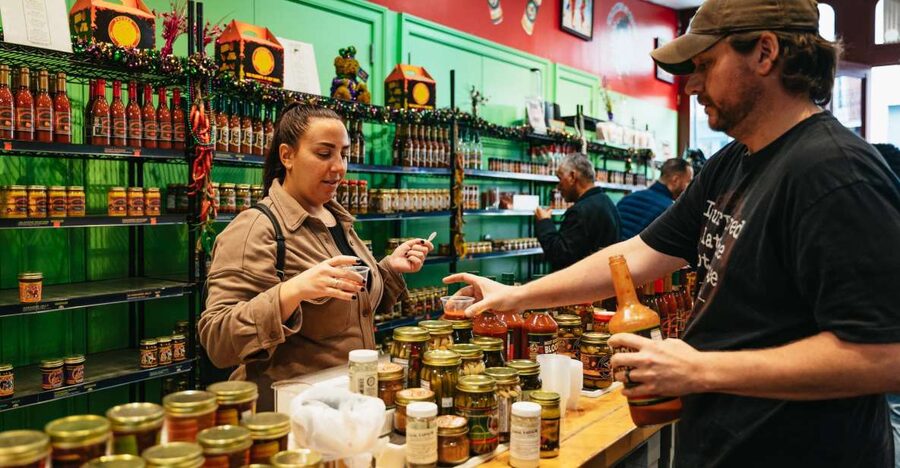
Next comes a hot sauce bar stocked with dozens of varieties. This is less about one signature dish and more about how New Orleans cooks build flavor, heat, and personality into a meal.
You can sample a range of sauces, but use caution. The tasting includes fiery options, and one person found a particularly spicy salsa memorable for all the wrong reasons. I would treat this as a sampling stop, not a challenge. A little taste tells you more than a heroic spoonful.
This is also a useful pause between heavier foods. After gumbo, the hot sauce bar changes the rhythm of the tour and gives the guide another way to discuss local tastes. The itinerary allows about 25 minutes here, with another short walk afterward.
Most restaurant stops have a full bar, so you can buy a cold drink if you wish. Alcohol and soft drinks are not included, and buying drinks can add to the final cost. Water is included, which matters on a warm day.
Leah’s Pralines and the sweet side of Creole cooking
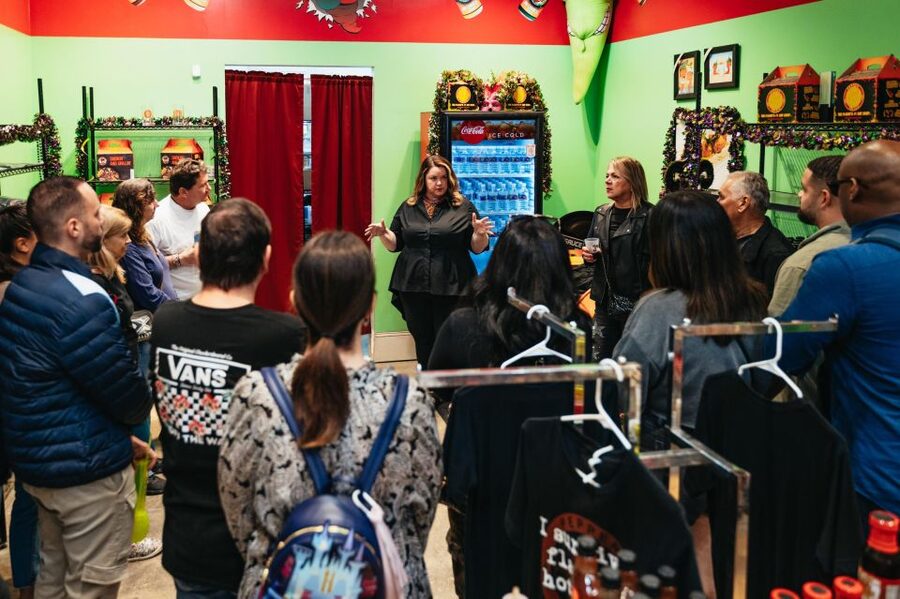
At Leah’s Pralines, you get a taste of a classic Creole sweet, with a bacon pecan brittle option also available. This stop shows that New Orleans food is not only about spice, seafood, and large savory plates.
Pralines bring sugar, pecans, and a familiar Southern candy tradition into the tour. The bacon pecan brittle offers a saltier, crunchier contrast. I like having a small candy-shop stop in the middle of the walk because it breaks up the restaurant tastings and gives you a different kind of local food business to see.
The stop is listed as a street-food-style tasting of about 20 minutes. You will not simply sit down for another full dish. Instead, it works as a quick introduction to a sweet that you may want to buy again later.
If you are sensitive to ingredients, pay attention here and tell the operator about allergies when booking. The tour can provide a vegetarian route, but it does not offer a vegan, dairy-free, or gluten-free route.
More Walking Tours in New Orleans
- New Orleans Premier Ghost, Voodoo and Vampire Walking Tour
★ 4.5 · 12,856 reviews - New Orleans Food Walking Tour of the French Quarter with Small-Group Option
★ 5.0 · 6,118 reviews - St. Louis Cemetery No. 1 Official Walking Tour
★ 4.5 · 3,941 reviews - New Orleans French Quarter, Voodoo and Culture Walking Tour
★ 4.5 · 2,961 reviews
NOLA Poboys and the fried catfish sandwich
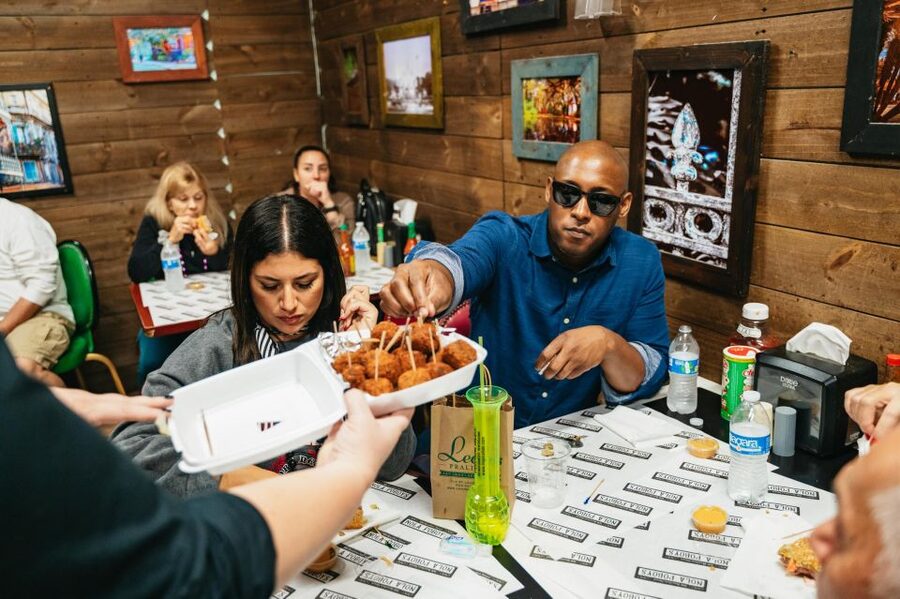
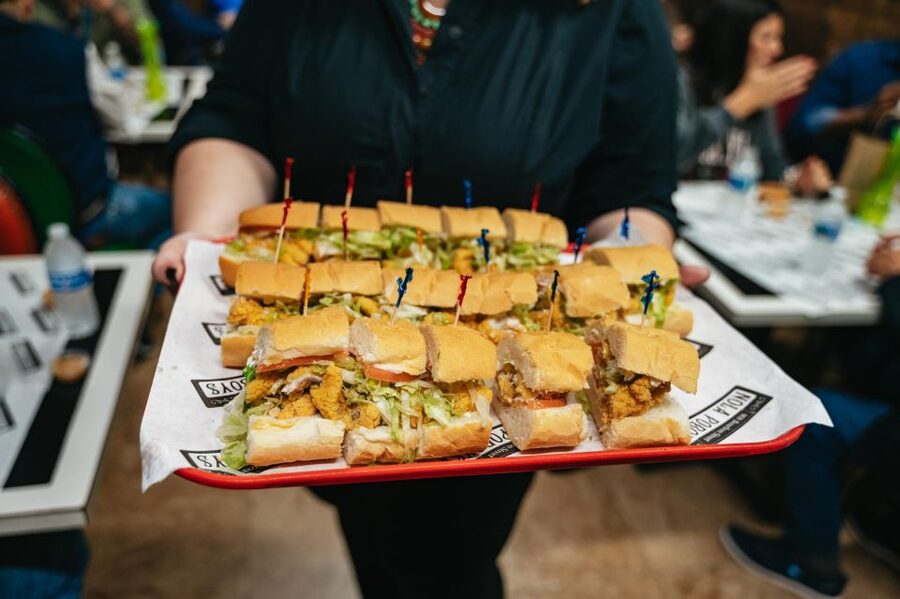
The po-boy is one of the tour’s most useful tastings because it is both iconic and everyday. At NOLA Poboys, you try a freshly fried catfish po-boy while learning about Louisiana’s seafood tradition.
The sandwich gives you a chance to focus on texture: crisp fried fish, bread, and the usual supporting ingredients. It is a more direct, casual taste of New Orleans than a formal plated dish. The guide can explain how seafood became central to the city’s food culture and why the po-boy remains such a practical local meal.
This stop lasts about 35 minutes, one of the longer food breaks. That is sensible, since fried fish and bread need more time than a bite of candy. It is also one of the points where dietary limits matter most. If you do not eat seafood, the standard food selection may leave you with little to eat. Contact the operator before booking rather than assuming substitutions will be made.
The vegetarian version includes a portobello po-boy. That keeps the basic sandwich idea while avoiding seafood, though the exact preparation and serving sequence may vary.
Muffuletta and boudin balls in one substantial stretch
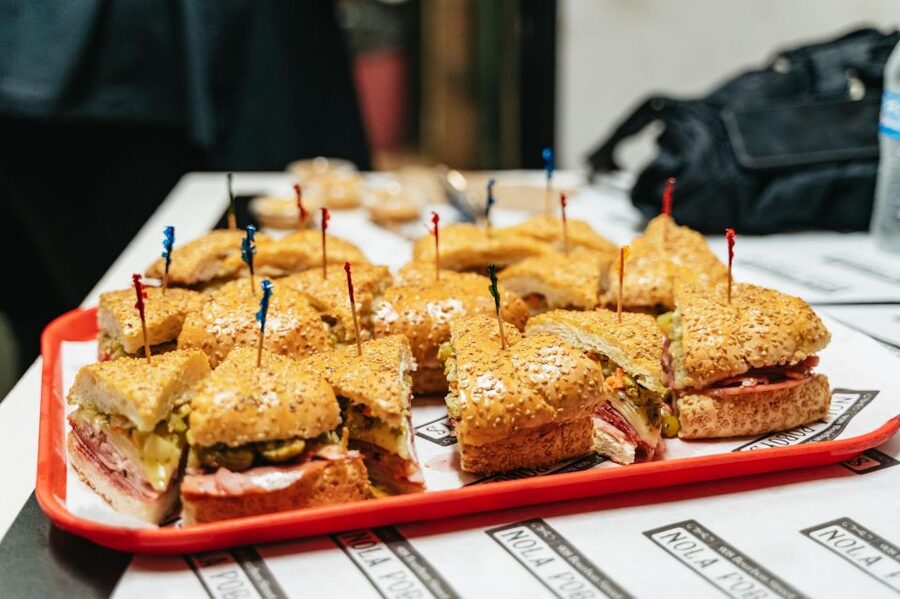
The next part brings two distinct New Orleans favorites together: muffuletta and boudin balls. The muffuletta is a hefty, meaty sandwich, while boudin balls turn a Louisiana sausage mixture into a fried snack.
This is likely to be one of the most filling sections of the tour. You are not merely tasting condiments or tiny garnish portions. Several people find the full selection enough to leave them satisfied, so you should avoid eating a large meal beforehand.
The muffuletta is valuable for comparison. You have just tried a po-boy, but the two sandwiches have different personalities. The po-boy is associated with fried seafood and a more immediate crunch. The muffuletta is denser and meatier, with its own distinct New Orleans identity.
Boudin adds another lesson in regional cooking. It is a reminder that Louisiana food often makes careful use of rice, meat, seasoning, and sausage in forms that are easy to carry and share. If you are unfamiliar with it, this is a good chance to try a small portion rather than committing to a full order at a restaurant.
The walk between stops includes sections of about 10 minutes. That short time helps settle the food, but this is still a three-hour eating route, not a strenuous sightseeing hike.
Creole Cookery and red beans and rice
At Creole Cookery, the focus shifts to red beans and rice. This may sound simple, but it is one of the dishes that best expresses the practical side of New Orleans home cooking.
The portion gives you another savory stop after the sandwiches and boudin. Red beans and rice are filling, comforting, and less showy than some restaurant specialties. That makes them especially useful on a food tour: you learn what people actually rely on for a satisfying meal, not just what looks impressive on a menu.
One person’s favorite tasting was the red beans and rice, while others singled out the gumbo. That difference is worth noting. The tour offers variety, but your favorite may depend on what you already like and how adventurous you are with seafood, sausage, and spice.
The route spends about 45 minutes on its final major food section before the dessert finish. That longer block helps keep the day from feeling like a race between tables.
Bananas Foster bread pudding to finish
The final sweet is bananas Foster bread pudding. It is a fitting ending because it combines a familiar dessert format with a New Orleans flavor profile.
After gumbo, sandwiches, sausage, rice, candy, and hot sauce, you finish with something soft and sweet. The dessert also gives the meal a clear ending rather than leaving you with one more heavy savory bite.
Several people particularly enjoyed the banana dessert, and one person described the banana cake as a favorite alongside the gumbo. You should not expect a full restaurant dessert serving to be guaranteed, but the tastings are generally described as generous enough to fill you.
The tour ends on Toulouse Street near 70116. That puts you in a useful part of the French Quarter for continuing your evening, though no hotel pickup or drop-off is included.
The vegetarian route and its limits
The vegetarian option is a real alternative, not simply a promise to remove meat from the standard plates. It includes black-eyed pea soup, veggie jambalaya, a portobello po-boy, and other meat-free versions of Southern classics.
That is good news if you are vegetarian or traveling with a mixed group. One pescatarian family group found the food satisfying alongside meat-eating relatives, and the dedicated route should make it easier for vegetarians to enjoy the same general structure.
Still, you need to be precise about your needs. The tour does not offer vegan, dairy-free, or gluten-free choices. It also may not suit anyone who avoids seafood, alligator, or particular ingredients unless the operator confirms a workable arrangement in advance.
Food allergies should be reported at checkout. The provider distinguishes allergies from general dislikes or restrictions, so do not assume every preference can be accommodated.
Walking, weather, and group comfort
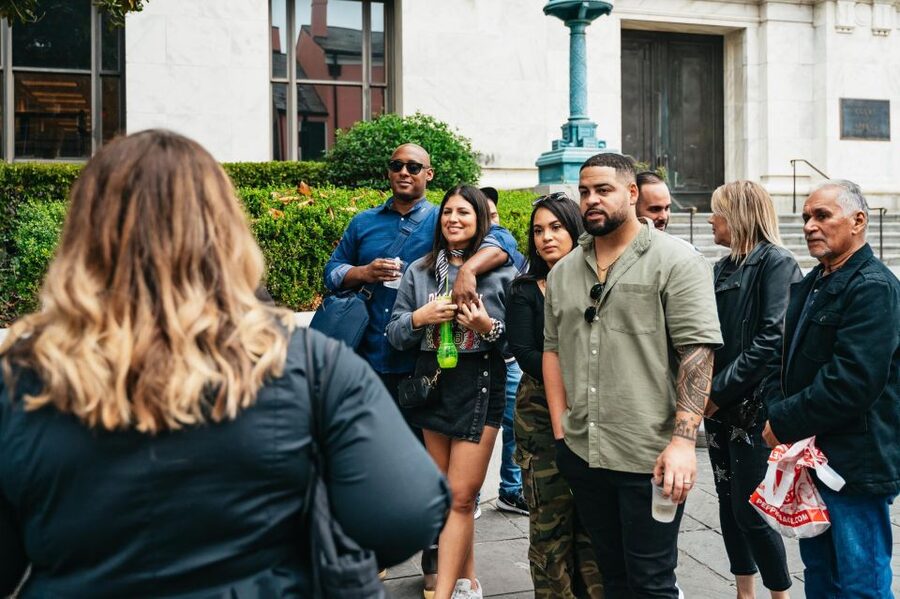
The walk lasts three hours and includes several short stretches of five to 10 minutes between food stops. It is not presented as a hard hike, and several people found the pace easy. Even so, you are on your feet through the French Quarter, with repeated stops and restaurant entries.
The tour is listed as wheelchair accessible, but the same information says it is not suitable for people with mobility impairments. That is an important conflict. If you use a wheelchair or have trouble walking, contact the operator before paying so you can confirm the exact route, entrances, seating, and pavement conditions for your date.
The tour runs rain or shine. New Orleans can feel hot and humid, and one guide was praised for keeping the group going in difficult summer weather. Wear comfortable shoes, carry rain protection, and bring water beyond the included supply if you know you need more.
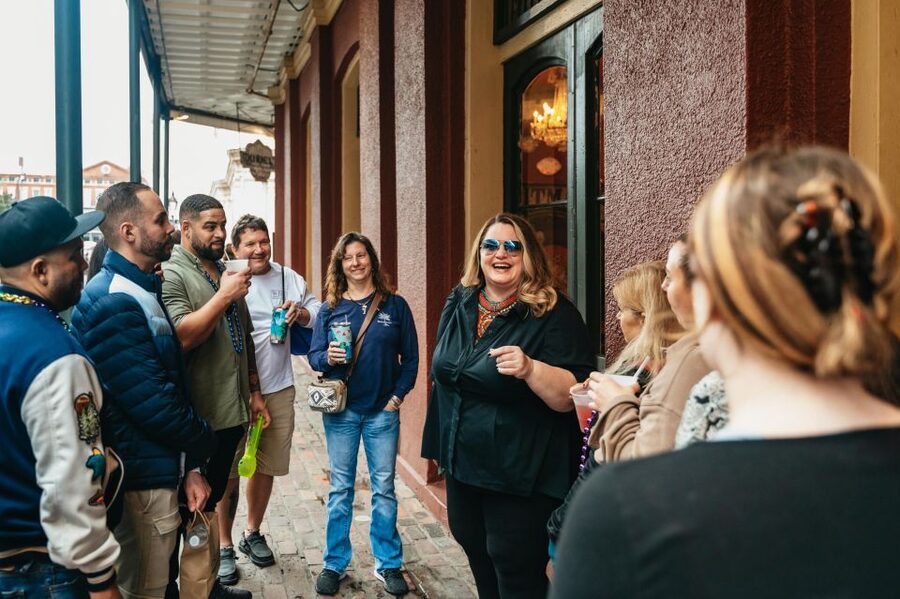
Small-group details are not fully specified, but the experience is described as accommodating up to nine people. A group of that size should make it easier to hear the guide and move between venues than a large coach-style tour.
Is $85 a fair price?
At $85 per person, this is not a cheap way to grab lunch. You are paying for food, a three-hour guide, service tips, and a planned route through several French Quarter businesses.
The value improves if you want orientation as well as food. You get both famous sandwiches, multiple savory dishes, sweets, and a guide who explains the city’s culinary customs as you move. Buying the same number of samples separately could also become expensive, especially if you would otherwise order full portions.
The price is harder to justify if you mainly want one large meal or already know New Orleans food well. Drinks cost extra, and the food selection is fixed enough that picky eaters may not receive full value.
I see this as a strong first or second-day activity. You can use the guide’s restaurant suggestions for later meals, and you will have a better sense of which dishes deserve a full order. Book early in your visit if you want that advice to shape the rest of your stay.
Free cancellation is available up to 24 hours ahead, and you can reserve now and pay later. Those terms help if your schedule is still taking shape, but they do not change the need to check the food restrictions before booking.
Who should book this tour?
I would choose this walk if you want a broad introduction to New Orleans cooking without planning six separate stops. It suits first-time visitors, couples, families with adventurous eaters, and anyone who likes a guide to add context while the meal unfolds.
It is also a good fit for people who prefer small portions of many dishes over one large entrée. You sample gumbo, po-boy, muffuletta, boudin, beans and rice, candy, hot sauce, and dessert in one outing.
I would think twice if you are vegan, gluten-intolerant, dairy-free, strongly opposed to seafood, or uncomfortable with a fixed menu. The vegetarian route is useful, but it does not cover every dietary need.
Should you book it?
Yes, if you want a hearty introduction to the French Quarter through food, history, and short walks. The strongest part is the connection between dishes and local culture, with guides such as Beth, Gary, Meg, and John repeatedly praised for making the stories engaging and easy to follow.
Book it early in your New Orleans stay, arrive hungry, and tell the operator about allergies before you commit. Skip it if the fixed menu creates problems for you, or if $85 feels high for a tasting meal with drinks sold separately.
FAQ
How long does the French Quarter food tour last?
The tour lasts three hours, including guided walking and food tastings.
Where does the tour begin?
You meet the guide inside 3rd Block Depot restaurant at 316 Chartres Street in the French Quarter.
Where does the tour finish?
The tour finishes on Toulouse Street in New Orleans, Louisiana 70116.
Which foods are included?
The standard route includes Cajun-style gumbo with warm potato salad, hot sauce samples, a Creole praline or bacon pecan brittle, catfish po-boy, muffuletta, boudin balls, red beans and rice, and bananas Foster bread pudding. The exact number of samples can vary, with the tour described as offering up to eight or up to nine tastings.
Is there a vegetarian option?
Yes. You can request a vegetarian option at checkout. It includes black-eyed pea soup, veggie jambalaya, a portobello po-boy, and other meat-free versions of Southern classics.
Is there a vegan or gluten-free option?
No. The tour does not offer vegan, gluten-free, or dairy-free options.
Are drinks included?
Water is included. Alcoholic drinks and soft drinks are not included, though most restaurant stops have bars where you can buy beverages.
Can I cancel the booking?
You can cancel up to 24 hours in advance for a full refund. Reserve now and pay later is also available.
Is the tour suitable for wheelchair users?
The activity is listed as wheelchair accessible, but it is also marked as unsuitable for people with mobility impairments. Contact the operator before booking to confirm whether the route and stops meet your needs.
More Historic Sites in New Orleans
- New Orleans Haunted History Ghost Tour
★ 4.5 · 2,084 reviews - Paddlewheeler Creole Queen Historic Mississippi River Cruise
★ 4.5 · 1,948 reviews - New Orleans Food and History Walking Tour
★ 5.0 · 1,544 reviews - New Orleans: Creole Queen History Cruise with Optional Lunch
★ 4.3 · 1,112 reviews
Newly listed in New Orleans
- New Orleans Highlights of the Garden District Walking Tour★ 5.0 · 492 reviews
- New Orleans: Night Cemetery and Ghost BYOB Bus Tour★ 4.2 · 496 reviews
- Destrehan Plantation Tour★ 5.0 · 501 reviews
- Ghost Hunt Experience★ 5.0 · 505 reviews
- Small-Group Bayou Airboat Ride with Transport from New Orleans★ 5.0 · 512 reviews
- New Orleans: Garden District Guided Walking Tour★ 4.9 · 514 reviews
- French Quarter Small-Group Cocktail and Foodie Crawl★ 5.0 · 519 reviews
- New Orleans Hop-On Hop-Off Unlimited Sightseeing Package★ 4.5 · 528 reviews
New Orleans Tours, compared.
New Orleans Premier Ghost, Voodoo and Vampire Walking Tour
Read our review →
New Orleans Steamboat Natchez Jazz Cruise with Dinner Option
Read our review →
Adults-Only New Orleans Ghost, Crime, Voodoo, and Vampire Tour
Read our review →
New Orleans Food Walking Tour of the French Quarter with Small-Group Option
Read our review →
New Orleans Swamp and Bayou Boat Tour with Transportation
Read our review →
New Orleans City Sightseeing Hop-On Hop-Off Bus Tour
Read our review →
Browse the lists this tour appears in