
Reviewed · CHICAGO TOURS
Medieval Torture Museum Ticket with Audio Guide and Ghost Hunting
The Medieval Torture Museum puts human cruelty on display, using hundreds of devices, wax figures, and interactive scenes across a 6,000-square-foot exhibition. It is part history lesson, part haunted attraction, and part strange downtown photo stop.
I like the freedom to move at your own pace, and I like having both an audio guide and ghost-hunting app included. The main caution is value: at $35.83, the museum can feel expensive if you finish in an hour or find the dark, theatrical presentation too cheesy.
Key points to know before you go
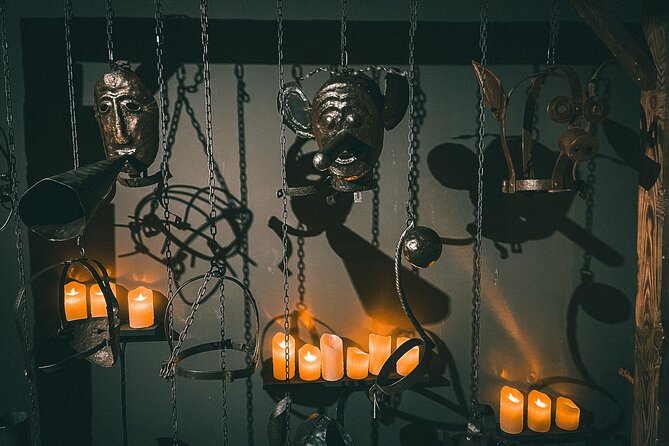
- The displays are hands-on: Signs invite you to pull, turn, lift, or interact with selected exhibits, so this is not a hands-off museum.
- The audio guide adds needed context: Use the numbered displays to follow stories about torture methods, punishments, and the people subjected to them.
- The ghost-hunting app changes the visit: You can use it during the museum visit, but bring earbuds and allow time to learn the app.
- The setting is very dark: Dim lighting adds to the mood but can make small signs and some displays harder to see.
- Plan for roughly 90 minutes: Some people finish sooner, while careful visitors may spend two or three hours examining the displays.
- It suits adults and older children best: Children under 18 should have an adult, and children under 10 enter free with one dedicated adult per child.
Entering a 6,000-square-foot museum of punishment
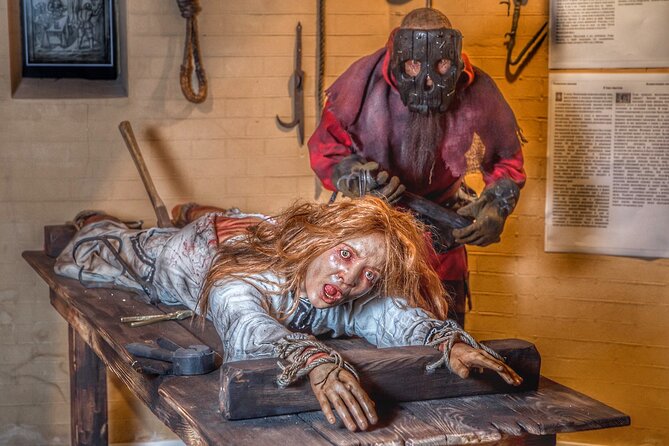
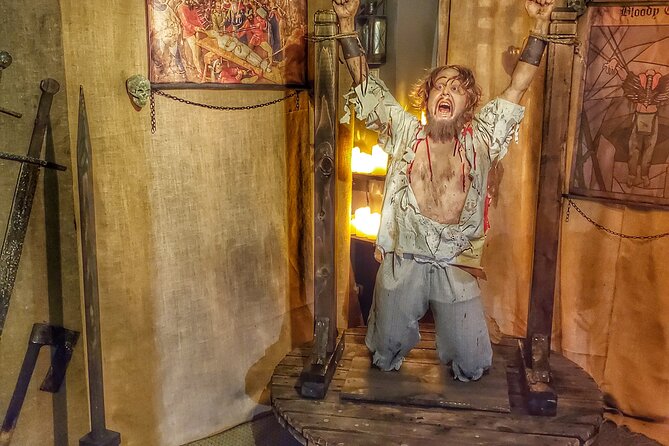
This is not a traditional history museum with glass cases and long walls of text. The Chicago Medieval Torture Museum uses wax sculptures, staged scenes, replica devices, and short explanations to show how punishment, interrogation, restraint, and execution were carried out in medieval times.
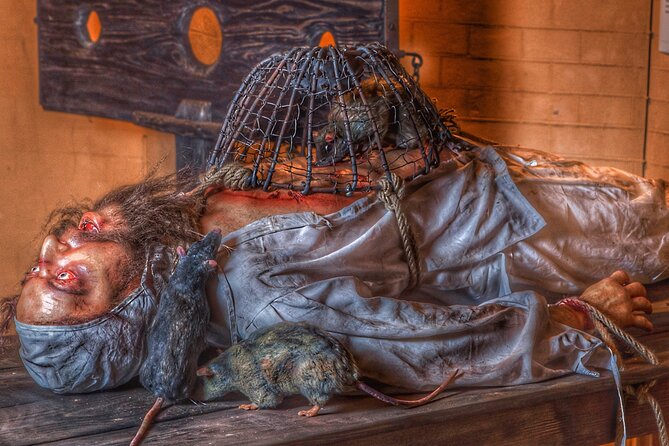
The first impression is theatrical. Lighting is deliberately dim, the figures are graphic, and the subject matter is grim. Some scenes show executioners and victims in bloody action. If you are looking for a quiet museum visit, this is the wrong room. If you enjoy horror films, odd attractions, or history told with a strong visual punch, the format makes the subject easy to remember.
I would set aside about 90 minutes for a normal visit. That estimate assumes you listen to much of the audio and stop at the interactive displays. You can move through faster, but the layout rewards a slower pace. One careful visitor spent close to three hours and returned the next day after realizing the ghost-hunting activity had distracted from several exhibits.
The museum is described as the largest interactive torture museum, with hundreds of examples spread through the exhibition. That scale sounds grand, but the actual floor area is still compact. When attendance is high, the space can feel crowded, and small signs may be difficult to read.
More museums around Chicago:
- Chicago: Field Museum of Natural History Ticket or VIP Tour
★ 4.7 · 717 reviews - Field Museum of Natural History Admission Tickets
★ 4.5 · 489 reviews - NYC: 9/11 Memorial & Museum Timed-Entry Ticket
★ 4.8 · 31,428 reviews
How the audio guide changes the experience
The audio guide is one of the strongest parts of the ticket. Without it, some displays risk becoming little more than gruesome set pieces. With it, you get explanations of how the devices worked, why they were used, and which groups or individuals were subjected to particular punishments.
The narration also gives some exhibits a personal story. That can make the material more affecting, especially when the display focuses on a victim rather than only on the mechanics of a device. It can also feel overly dramatic. The tone aims for dark and sinister, and some people may prefer a plain explanation of the history without extra suspense.
You can combine reading and listening. That is worth doing because the signs help you understand the physical display while the audio provides background. Match the number on the exhibit with the correct audio track. This simple step matters, since the exhibition contains many similar-looking scenes and devices.
The audio is accessed through your phone, so I would bring headphones or earbuds. The supplied information confirms an audio guide is included, while visitor experience indicates that using the app with personal earbuds makes it easier to hear. In a crowded room, a phone speaker may not be practical.
Interactive devices, wax figures, and photo opportunities
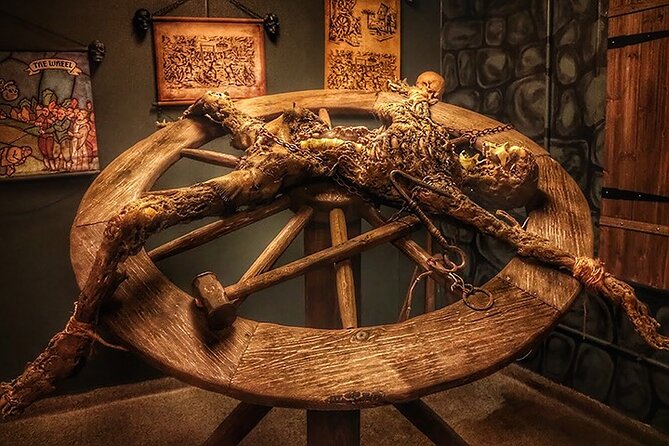
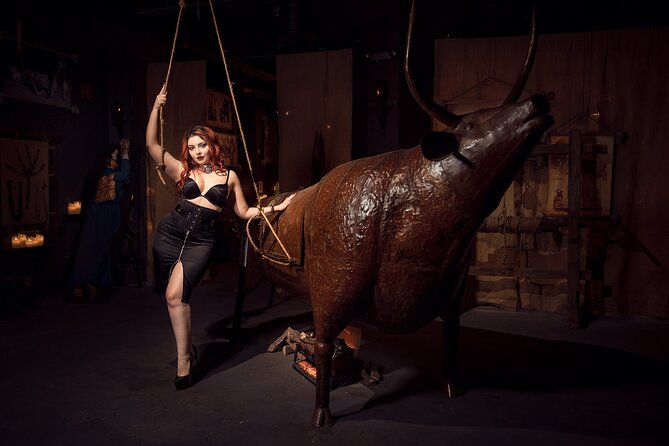
The museum’s biggest strength is the chance to interact with selected displays. Small instructions tell you when to pull, turn, or lift something. The point is not to operate a real torture device, of course, but to show its basic mechanism in a physical way.
That hands-on design gives the visit more purpose than simply walking past wax figures. You can see how a restraint was positioned or how a device was meant to function. It also gives you photo opportunities, although you should treat the scenes with some respect. The subject is real human suffering, even when the presentation has a kitschy horror-attraction feel.
The wax sculptures are designed to look realistic. That helps explain the action in each scene, but it may be too much for visitors with a low tolerance for gore. The exhibition is not recommended for children under 18 without an adult, and I would not bring a young child simply because admission is free.
The free admission rule applies to children under 10 when accompanied by a dedicated adult, meaning one adult for one child. That detail matters for families planning around the ticket price. The museum’s presentation is still mature in tone, so free entry does not make it a child-focused attraction.
The ghost-hunting app is a separate reason to visit
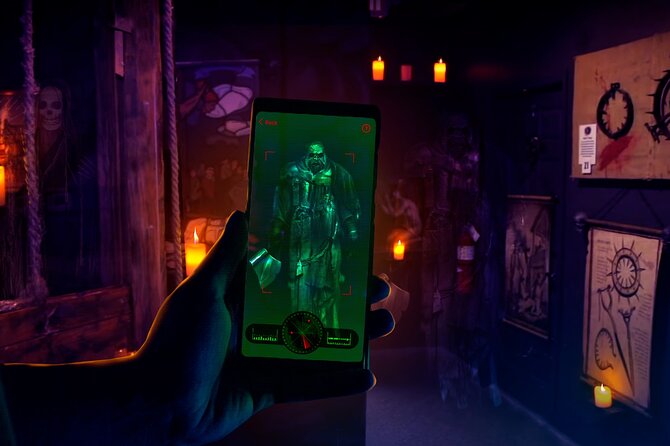
The ghost-hunting experience comes with the same ticket and can be used during your museum visit. It adds a playful layer to the dark setting, changing the activity from a straight audio tour into something closer to an interactive challenge.
I would use the app after getting familiar with the room. If you start by staring at your phone, you may miss the details that make the museum worthwhile. One repeat visitor returned specifically to use the ghost-hunting app more fully, then noticed that the app had caused them to overlook displays on the first visit.
The app is also the least dependable part of the experience. It worked well enough for some people, but at least one visitor could not get the interactive game to function. Download it through the museum’s QR code and bring earbuds, but keep the regular signs and audio guide as your main plan.
This is a good example of a feature that adds fun without replacing the core museum. If the app fails, you still have the wax scenes, interactive mechanisms, written information, and audio tour. If it works, it may appeal to teens, couples, and horror fans who want more than a standard self-guided walk.
More to weigh up across Chicago
- Chicago: Willis Tower Skydeck and The Ledge Ticket
★ 4.6 · 4,350 reviews - Chicago: Architecture River Cruise Skip-the-Ticket Line
★ 4.8 · 4,325 reviews - Chicago: 360 CHICAGO Observation Deck Ticket
★ 4.5 · 3,173 reviews - Chicago: Art Institute of Chicago Fast-Pass Ticket
★ 4.8 · 819 reviews
A serious subject with a theatrical presentation

The exhibition deals with punishment and state power, not just medieval gadgets. It shows how people in authority used pain, fear, public execution, and humiliation to control others. That wider idea gives the museum more weight than its title may suggest.
Some displays can prompt uncomfortable questions about how easily legal systems turn punishment into spectacle. You may leave thinking less about the cleverness of a device and more about the unequal punishments imposed on people by those in power.
At the same time, the presentation is simplified and sometimes deliberately dramatic. The audio adds personal backstories and a sinister tone. If you want an academic treatment of medieval justice, this may feel too theatrical. If you want an accessible introduction with strong visuals, the style works better.
I would describe the experience as educational, but not as a substitute for a serious history course. The museum’s value comes from connecting basic explanations to physical displays. It gives you a memorable starting point, then leaves you to think about the larger history of cruelty and punishment.
Timing your visit in downtown Chicago
The museum is near public transportation, which makes it practical to add to a downtown day. It is also close enough to other central attractions that you can schedule it as a compact indoor stop rather than build an entire day around it.
The listed regular hours are Monday through Thursday, 10:00 a.m. to 8:00 p.m. Holiday hours vary: Thanksgiving is listed as 11:00 a.m. to 7:00 p.m., Christmas Eve as 11:00 a.m. to 6:00 p.m., and Christmas Day as 11:00 a.m. to 7:00 p.m. Because the information provided lists only Monday through Thursday for regular hours, check the current schedule before setting out on another day.
Advance booking is sensible if the museum is an important part of your plan. The mobile ticket gives you a confirmed admission and avoids making a special trip without knowing if space is available. The experience is commonly booked about 11 days ahead, so reserving early is wise around Halloween and other popular dates.
The visit is self-guided. There is no in-person guide leading a group, which is good for independent pacing but means you must manage the audio, app, and exhibit numbers yourself.
Is $35.83 a fair price?
At $35.83 per person, this is not a cheap quick stop. The ticket includes admission, all fees and taxes, the audio guide, and the ghost-hunting activity. It does not include food, drinks, or parking.
The price makes more sense if you spend two hours or more, use both digital features, and interact with the displays. It is harder to justify if you walk through in 45 minutes or skip the audio. The museum is compact, and some people find it smaller than expected.
Parking at the garage located at 20 East Randolph Street costs $8 for six hours. That is a manageable add-on if you are driving, but public transportation may keep the total cost lower. Since the museum is near transit, I would not choose a downtown parking garage solely for this attraction unless you already need a car for the day.
Compared with a large art or history museum, you are paying for a focused, unusual experience rather than many hours of galleries. Compared with a haunted attraction, you are getting more historical explanation and a self-guided educational format. Your interests should decide the value.
Who will enjoy this museum most?
This is a good match for:
- Horror-movie fans and people who enjoy spooky attractions
- Adults interested in punishment, crime, and medieval history
- Couples looking for an unusual date activity
- Teenagers who like interactive exhibits and ghost-hunting games
- Families with older children who can handle graphic material
- Visitors who prefer self-guided museums to fixed tour times
I would hesitate to recommend it to young children, anyone sensitive to realistic scenes of violence, or anyone seeking a calm, polished museum experience. The lighting is very low, the material is disturbing, and the audio can lean hard into the sinister mood.
Most travelers can participate, and service animals are allowed. The main physical consideration mentioned in the experience details is the dark setting, which may make it harder to see small signs and some displays.
Small practical details that make a difference
Bring your own headphones. You will have a better chance of following the audio in a crowded room, and you will be ready for the ghost-hunting app.
Give yourself time to circle back. The exhibition allows you to move through at your own pace, and it is easy to miss a pull, turn, or lift instruction while listening to a track. Look for the interactive prompts before moving on.
Do not rush the written signs. The audio is useful, but the signs provide quick information when you want to compare several displays. If the museum is busy, read the most important panels first and return to the smaller ones later.
Expect a small gift shop at the end. It is not a major part of the visit, but it fits the theme and gives you a final stop before leaving.
The museum is not built around food or refreshments, so plan those separately. The ticket includes no food or drinks.
Free cancellation is available if you cancel at least 24 hours before the experience start time. Changes or cancellations inside that 24-hour window are not refunded, and the cutoff follows local Chicago time.
Should you book the Medieval Torture Museum?
Book it if you want an unusual downtown activity with dark history, realistic wax scenes, hands-on displays, and a playful ghost-hunting feature. The audio guide gives the museum more substance, and the ability to move at your own pace suits visitors who dislike fixed tours.
Think twice if $35.83 feels high for a compact museum, or if you prefer factual history without theatrical narration. To get the best value, plan for at least 90 minutes, bring earbuds, use the audio guide, and save the ghost-hunting app for a second pass through the exhibits.
For horror fans, curious teens, and adults who enjoy strange museums, this is a worthwhile Chicago stop. For everyone else, the subject matter and price deserve a careful look before booking.
FAQ
Where is the Medieval Torture Museum located?
The experience takes place in Chicago, United States. It is near public transportation.
How long does the museum visit take?
The stated duration is approximately 1 hour and 30 minutes. You can move at your own pace, and some people may spend considerably longer.
How much does admission cost?
The listed price is $35.83 per person.
What does the ticket include?
The ticket includes admission, all fees and taxes, an audio guide, and the ghost-hunting experience.
Is there an in-person guide?
No. The visit is self-guided, with the included audio guide and exhibition signs.
What language is offered?
The experience is offered in English.
Is the ghost-hunting activity included?
Yes. The ghost-hunting experience is included with the museum admission and can be used during the same visit.
Are children allowed?
Children under 18 should be accompanied by an adult. Children under 10 are admitted free when accompanied by a dedicated adult, with one adult for each child.
Is parking included?
No. Parking is not included. The garage at 20 East Randolph Street is listed at $8 for six hours.
Can I cancel for a refund?
Yes. You can receive a full refund if you cancel at least 24 hours before the experience start time. Cancellations and changes made within 24 hours are not refunded or accepted.
More Audio Tours in Chicago
- Gettysburg Battlefield Self-Guided Driving Audio Tour
★ 4.5 · 910 reviews - Joshua Tree National Park Self-Guided Driving Audio Tour
★ 4.5 · 762 reviews - San Francisco: Alcatraz, Ferry & Audio Tour w/ Night Option
★ 4.4 · 617 reviews - Ultimate Acadia National Park Self-Guided Driving Audio Tour
★ 4.0 · 521 reviews
More Self-Guided Tours in Chicago
- Fort Sumter Admission and Self-Guided Tour with Roundtrip Ferry
★ 4.5 · 3,343 reviews - San Francisco: Alcatraz Ticket, Ferry, & Self-Guided App
★ 4.5 · 2,460 reviews - Los Angeles: Hop-On Hop-Off Bus Tour with Audio Guide
★ 3.7 · 2,030 reviews - City Sightseeing Hop-On Hop-Off Bus Tour with Audio Guide
★ 3.0 · 1,083 reviews
Newly listed in Chicago
- Field Museum of Natural History Admission Tickets★ 4.5 · 489 reviews
- Chicago: Secret Interiors Architecture Walking Tour★ 4.9 · 498 reviews
- Chicago Sightseeing River and Lake Cruise★ 4.5 · 509 reviews
- Chicago City Minibus Tour★ 5.0 · 516 reviews
- Chicago CityPASS®★ 4.5 · 521 reviews
- Chicago: Fireworks Cruise with Lake or River Viewing Options★ 4.3 · 551 reviews
- Chicago’s Chinatown Food and Walking Tour★ 5.0 · 600 reviews
- Chicago’s Secret Interiors Architectural Walking Tour★ 5.0 · 635 reviews
Chicago Tours, compared.




Chicago Architecture Center River Cruise aboard First Lady
Read our review →

Architecture River Cruise Skip-the-Ticket Line
Read our review →

Browse the lists this tour appears in