
Reviewed · SAVANNAH TOURS
Genteel and Bard’s Savannah History Walking Tour
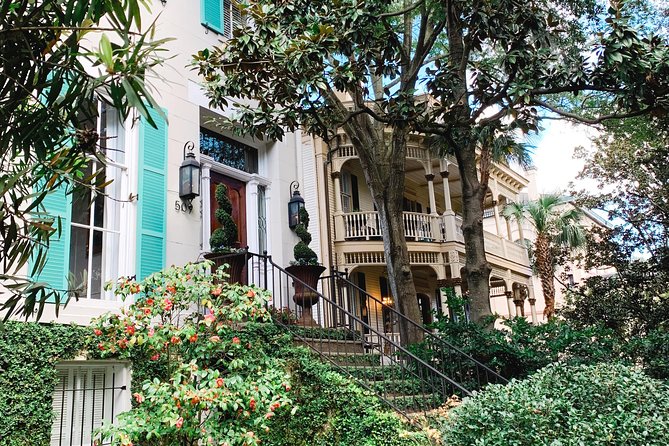
Savannah’s story is best told on foot, one square at a time. Genteel and Bard’s tour links famous places such as Chippewa Square, the Forrest Gump filming site, with less obvious details about James Oglethorpe, Mary Musgrove, Chief Tomochichi, local architecture, war years, and Savannah’s long connection with film. I like that the walk gives you the city’s broad story instead of treating the squares as pretty backdrops.
I also like the headset system, which lets you hear the guide while standing near traffic or spread-out buildings. Guides such as David, a ninth-generation Savannahian, and Julianna bring local stories and personal warmth to the route. The tradeoff is simple: this is a real walking tour. You may walk and stand for two hours, and warm weather can make water and good shoes essential.
Key points at a glance
- A two-hour introduction to Savannah: Follow a route through several major squares and the Historic District.
- Local voices matter: Guides including David and Julianna combine city history with personal stories and strong storytelling.
- Recorded stories add context: Professionally produced audio, based on historic letters, supports the live guide.
- You visit more than movie locations: Forrest Gump is part of the story, but so are Savannah’s founders, Civil War past, Girl Scouts, Irish heritage, and architecture.
- A small group keeps the walk manageable: The maximum group size is 20 people.
- Plan for miles of city walking: Wear comfortable shoes, bring water, and consider the weather before booking.
Starting on Bull Street with Savannah’s first chapter

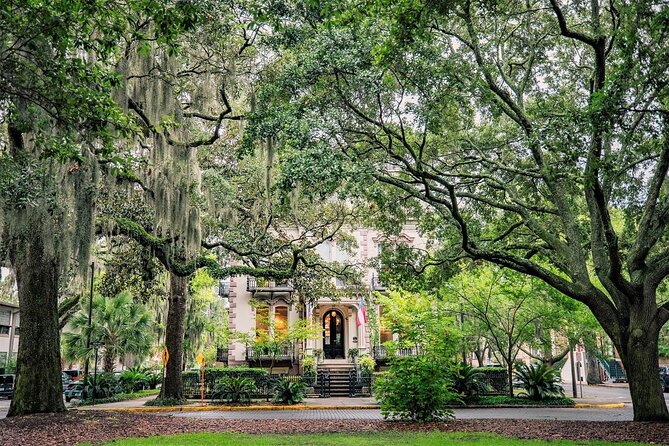
The tour begins at 151 Bull Street, in the heart of Savannah’s Historic District. That location is useful because Bull Street runs through a string of important squares, giving your guide a natural stage for explaining how Savannah was planned.
The opening subject is Savannah’s founding in 1733. James Oglethorpe designed a city based around public squares and orderly neighborhoods, a plan that still shapes the way you see the city today. Instead of walking through a jumble of streets, you move from one green square to another, with history unfolding along the way.
The early story also includes Mary Musgrove, Chief Tomochichi, and the Yamacraw Native Americans. These figures help you see Savannah as a place shaped by Native communities, English colonists, diplomacy, trade, and conflict. That context is important. Without it, the squares can look like charming parks with monuments. With it, they become part of a deliberate civic plan.
I appreciate that the tour connects old events to the Savannah you see now. The guide discusses local people, music, movies, architecture, and culture, so the walk is not limited to dates and names. David’s background as a ninth-generation Savannahian can add an especially personal angle, though guides vary by departure.
The audio equipment is one of the tour’s practical strengths. You receive a listening device and earbuds, so you can hear the guide without crowding close around him or her. The recorded material is based on historic letters and adds a prepared layer to the live narration. One note for comfort: earbud-style pieces may not suit everyone, especially people with small ear canals or hearing aids.
More Historical Tours in Savannah
- Savannah History and Haunts Candlelit Ghost Walking Tour
★ 5.0 · 3,235 reviews - Historic Savannah Guided Walking Tour
★ 5.0 · 2,918 reviews - Narrated Historic Savannah Sightseeing Trolley Tour
★ 4.5 · 2,375 reviews
Chippewa Square and the Forrest Gump connection
Chippewa Square is one of the tour’s most recognizable stops. Many people know it because of Forrest Gump, but the square has a broader role in Savannah’s story. Your guide uses the movie connection as an entry point, then places the square within the city’s founding plan and present-day identity.
This is a smart way to handle a famous film location. You get the fun of recognizing a place from the screen, but you also learn why the square exists and how it fits into Savannah’s network of public spaces. The stop lasts about 10 minutes, enough time for explanation and photographs without turning the whole walk into a movie-location hunt.
The city’s squares are among Savannah’s best teaching tools. They show how urban design, public life, monuments, churches, and homes developed together. At Chippewa, you begin to understand the pattern that repeats throughout the route.
If your main goal is movie tourism, keep your expectations in check. The tour includes Forrest Gump, but its focus is Savannah’s history as a whole. That broader approach is more useful if you are visiting for the first time and want a firm sense of place.
Madison Square and the Green-Meldrim House
Madison Square introduces Savannah’s part in the Civil War and the events that helped shape the future of the United States. Your guide also points out the Green-Meldrim House, an important building connected with the city’s wartime story.
This stop gives the tour a change of pace. The founding story shows how Savannah began, while Madison Square helps explain how the city fit into national events. A good guide can make that shift clear without turning the walk into a lecture, and the audio support helps keep the information easy to follow.
The Green-Meldrim House also gives you a chance to think about architecture and power. Savannah’s grand homes were not only attractive residences. They were places where money, politics, family connections, and major events met. The walk does not include admission to house museums, so you should see this portion as an exterior history lesson rather than a building tour.
That distinction matters when you compare this experience with an indoor house visit. Here, you cover more ground and gain a citywide framework. You do not get the same close look at interiors, furnishings, or room-by-room detail.
Monterey Square, Mercer Williams House, and the city’s layered past
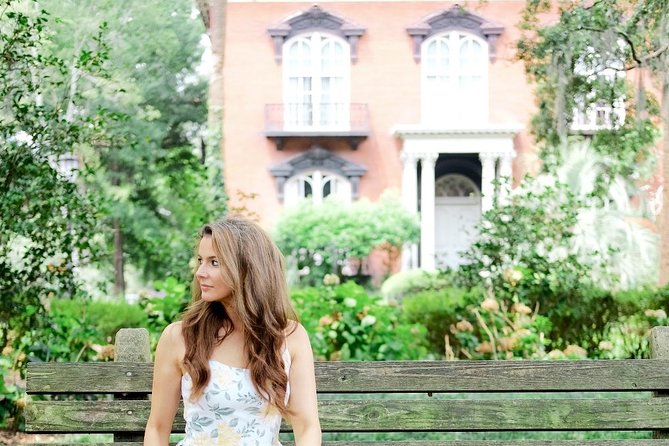
Monterey Square is one of Savannah’s prettiest settings, and the Mercer Williams House is its best-known address. The stop also includes the monument to Casimir Pulaski and the Temple Mickve Israel.
In a short visit, this is a useful combination. You see a major house, a monument tied to military history, and a religious building connected with Savannah’s Jewish community. The result is a reminder that the city’s story is not one single tradition. Different faiths, communities, and historical figures occupy the same blocks.
The Mercer Williams House is also familiar to people who know Savannah through books and film. The tour uses that recognition, but again, the emphasis stays on the wider city. You will hear about the square and its surroundings rather than receive a full museum admission experience.
This part of the route is especially good for visitors who enjoy architecture. You can study the scale of the homes, the arrangement around the square, and the way monuments shape public space. One useful limitation to understand is that the tour moves at a city-walking pace. You will hear architectural points, but it is not a specialist architecture course. If building details are your main interest, take notes and return later for a slower look.
More Walking Tours in Savannah
- Savannah First Squares Culinary & Cultural Walking Food Tour
★ 5.0 · 3,229 reviews - Savannah’s Ghost City “Dead of Night” Walking Night Tour
★ 4.5 · 2,482 reviews - Southern Flavors Food, Pub Crawl, and History Walking Tour
★ 4.5 · 1,623 reviews - Genteel and Bard’s Savannah Dark History and Ghost Encounter Walking Tour
★ 5.0 · 1,546 reviews
Jones Street and Savannah’s celebrated homes
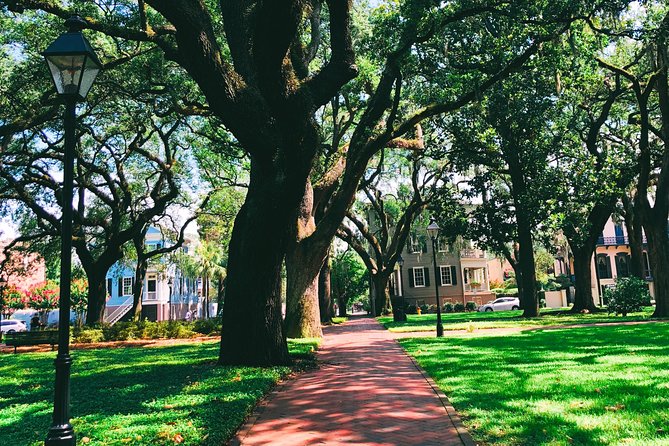
The walk continues through Savannah’s architectural story and along Jones Street, once called America’s most beautiful street. Live oaks, brick paving, and handsome homes give this section much of its visual appeal.
This is where the tour’s walking format pays off. From a vehicle, you can see the street, but you cannot study the scale of the buildings or notice how the trees frame the homes. On foot, you can pause while the guide explains how the street fits into Savannah’s cultural and architectural identity.
Jones Street is also a reminder that Savannah’s beauty is not limited to its formal squares. The connecting streets have their own character, and the route helps you understand how the residential areas relate to the central public spaces.
Bring shoes with a firm sole. The route includes brick streets and sidewalks, and you will spend plenty of time standing while the guide speaks. Several people who enjoyed the tour still pointed out the amount of walking, so this is not the best pick if you need a short, seated activity.
Lafayette Square, Juliette Gordon Low, and the Cathedral
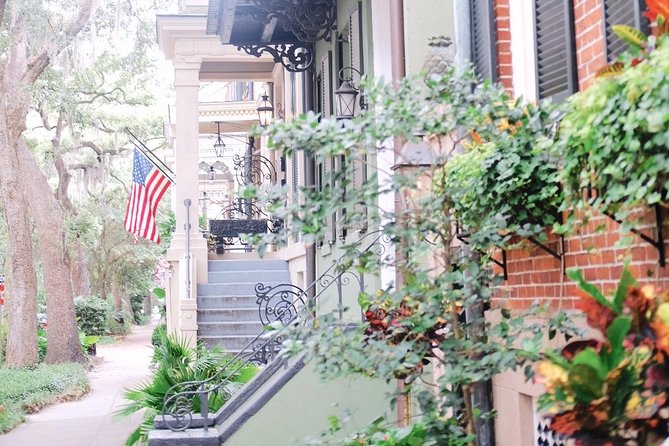
The final stop is Lafayette Square, where the tour ends outside the Cathedral of St. John the Baptist at 222 East Harris Street. This is a strong finish because it brings together several different parts of Savannah’s identity.
You learn about Juliette Gordon Low and the Girl Scouts, connecting the city with a nationwide organization founded by a Savannah woman. The Hamilton-Turner Inn adds another architectural detail: it was the first house in Savannah to have electricity.
The Cathedral of St. John the Baptist introduces Savannah’s Irish heritage and gives the closing section a religious and cultural focus. The building itself provides a memorable endpoint, even though admission inside is not included in the walking tour.
Ending here is convenient for continuing your day in the Historic District. You can remain in the area after the guide departs, revisit a square, find a meal, or return to a building that caught your eye. Since the tour begins on Bull Street and ends at Lafayette Square, it is a point-to-point walk rather than a loop. Plan your day accordingly if you need to return to your starting location.
How the guide and audio work together
The strongest part of this experience is the human storytelling. David is described as a local with nine generations of Savannah family ties, while Julianna is known for her enthusiasm, strong command of the city, and ability to answer questions. Those details matter because Savannah’s past is full of names and dates that can blur together without a good narrator.
The guides also bring different strengths. David’s local background can add personal insight and stories about the community. Julianna’s energetic delivery and love of history can make the walk feel lively rather than academic. You cannot choose a particular guide from the information provided, so book this tour for the format and subject, not on the assumption that one specific person will lead your departure.
The audio system solves a common walking-tour problem. Instead of asking the guide to project across a busy street, you can listen through the headset while keeping your eyes on the buildings. Professionally recorded stories based on historic letters add another voice and help give the presentation a prepared structure.
The system is not perfect for everyone. Earbuds can cause discomfort, especially if you use hearing aids or have sensitive ears. Ask about the equipment at the start if this is a concern. The group limit of 20 people is also helpful, but it is still possible to spend part of the walk standing in a public square with other activity around you.
Is $39 a fair price?
At $39 per person, this tour offers a reasonable value if you want a structured introduction to Savannah. You get about two hours with a live local guide, headsets, recorded historical material, and a route through several of the city’s most important public spaces.
The value comes from the connections. You are not simply paying to be shown Chippewa Square, Jones Street, or Lafayette Square. You are paying for an explanation of how the places relate to Savannah’s founding, wartime role, architecture, communities, and popular culture.
The price is less attractive if you prefer to wander alone or already know the Historic District well. Public squares are free, and you can walk past many of the same buildings without a ticket. The advantage here is the time saved on research and the chance to ask questions as you go.
For a first morning in Savannah, I think the price makes sense. The tour can help you get your bearings, identify streets you want to revisit, and plan the rest of your stay. Morning and afternoon departures also make it easier to fit the walk into a wider schedule.
Who will enjoy this walk most
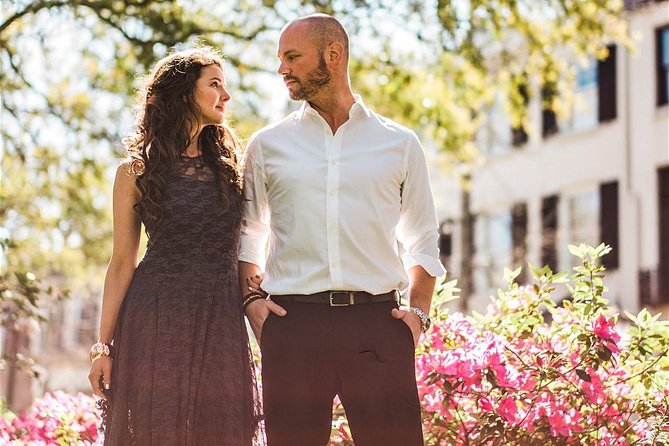
I would choose this tour for a first visit, couples who want a shared introduction to the city, families with older children, and solo visitors who prefer a little structure while exploring. Children must be accompanied by an adult, and most people can take part, but the two-hour walking time still matters.
History fans will find plenty to follow, from Native and colonial stories to the Civil War, religious communities, the Girl Scouts, and local architecture. Film fans get the Forrest Gump connection and the Mercer Williams House, but the tour is not built only around screen locations.
You should think twice if you dislike group walks, need frequent seating, or want to explore interiors. The route focuses on outdoor sites, and the included tickets are for the walking experience itself, not house or cathedral entry.
October can be a pleasant time for this kind of outing, based on the tour conditions and comments about comfortable walking weather. Still, the activity requires good weather, and warm days call for water, sun protection, and sensible pacing.
Booking, timing, and cancellation details
The tour uses a mobile ticket, is offered in English, and is capped at 20 people. Confirmation arrives when you book, and the route is near public transportation.
You can cancel for a full refund up to 24 hours before the start time. Changes or cancellations made inside that window are not accepted for a refund. If poor weather cancels the tour, you are offered another date or a full refund.
Because the walk is often booked around 20 days ahead, I would reserve early if your Savannah dates are fixed. The tour has morning and afternoon departures, but popular times may fill sooner.
Should you book Genteel and Bard’s Savannah History Walking Tour?
Book it if you want Savannah explained by a live guide rather than simply photographed. The combination of squares, local stories, historic letters, movie connections, and audio equipment gives you a clear starting point for the city.
I especially recommend it for a first visit, provided you are comfortable walking and standing for about two hours. Wear good shoes, bring water, and avoid treating the tour as a substitute for visiting house museums or the cathedral interior.
Skip it if you already know Savannah’s Historic District well or want a short, seated activity. For everyone else, $39 buys a useful introduction, a good route, and the chance to see why Savannah’s streets make more sense when someone explains the stories behind them.
FAQ
How long is Genteel and Bard’s Savannah History Walking Tour?
The tour lasts approximately two hours.
Where does the tour begin?
It begins at Genteel and Bard Savannah, 151 Bull Street, Savannah, Georgia 31401.
Where does the tour end?
The tour ends in Lafayette Square outside the Cathedral of St. John the Baptist, at 222 East Harris Street.
What language is the tour offered in?
The tour is offered in English.
Are headsets included?
Yes. Headsets are included so you can hear the guide clearly, and the experience also uses professionally recorded stories based on historic letters.
What places are included on the route?
The route includes Chippewa Square, Madison Square, the Green-Meldrim House, Monterey Square and the Mercer Williams House, Jones Street, Lafayette Square, the Hamilton-Turner Inn, and the Cathedral of St. John the Baptist.
What is the cancellation policy?
You can cancel at least 24 hours before the start time for a full refund. Cancellations or changes made less than 24 hours before the start time are not accepted for a refund. If poor weather cancels the tour, you can choose another date or receive a full refund.
More Historic Sites in Savannah
- 60-Minute Guided Segway History Tour of Savannah
★ 5.0 · 1,163 reviews - Savannah: Old Savannah Tours Historic Overview
★ 4.6 · 874 reviews - Bonaventure Cemetery Scenic History Art Symbols and Film Tour
★ 5.0 · 870 reviews - Heart of Savannah History Walking Tour – 2hr
★ 5.0 · 857 reviews
Newly listed in Savannah
- Savannah: “Savannah for Morons” Comedy Trolley Tour★ 4.8 · 477 reviews
- Savannah Open Top Panoramic City Tour with Live Narration★ 4.5 · 480 reviews
- 2-Hour Savannah Sunset Riverboat Cruise★ 4.0 · 487 reviews
- Guided Savannah Civil War History Walking Tour★ 5.0 · 492 reviews
- Spirits and Scoundrels Adults Only Savannah Ghost Tour | 10pm★ 5.0 · 493 reviews
- Savannah: Riverboat Cruise & City Tour Combo★ 4.5 · 528 reviews
- Savannah Supernatural Haunted Walking Tour★ 5.0 · 546 reviews
- Southern Flavors of Savannah Walking Dessert Tour★ 4.5 · 560 reviews
Savannah Tours, compared.

90-Minute Savannah Riverboat Sightseeing Cruise
Read our review →
Savannah History and Haunts Candlelit Ghost Walking Tour
Read our review →
Savannah First Squares Culinary & Cultural Walking Food Tour
Read our review →

Savannah’s Ghost City “Dead of Night” Walking Night Tour
Read our review →
Narrated Historic Savannah Sightseeing Trolley Tour
Read our review →Browse the lists this tour appears in