
Reviewed · NEW ORLEANS TOURS
New Orleans Hands-On Cooking Class with Meal
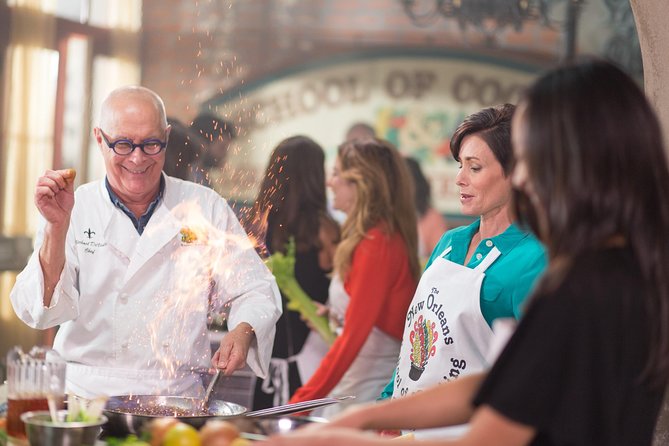
The best part of this New Orleans experience is that you do not just watch a chef make gumbo or bananas Foster. You chop, season, stir, and cook the meal yourself, then sit down with the group to eat it. The class takes about three hours at the New Orleans School of Cooking, at 524 St. Louis Street in the French Quarter.
I like the small class size, with no more than 10 people sharing five cooktops, and I like the way the chefs connect cooking with Louisiana history. Instructors such as Eric, Austin, Cindy, Ricardo, Vivian, and Chef G are known for clear teaching, humor, and plenty of practical help. You also get wine, local Abita Amber beer, recipes, and an apron.
The main drawback is that you will be on your feet for much of the class, and the price is not cheap at $162 per person. A $10 on-site charge may also apply for special dietary requests, so this is best viewed as a full food experience rather than a basic cooking lesson.
Key points to know before booking
- Five cooktops for up to 10 people: You work in a small group, though solo participants may share a station with another person.
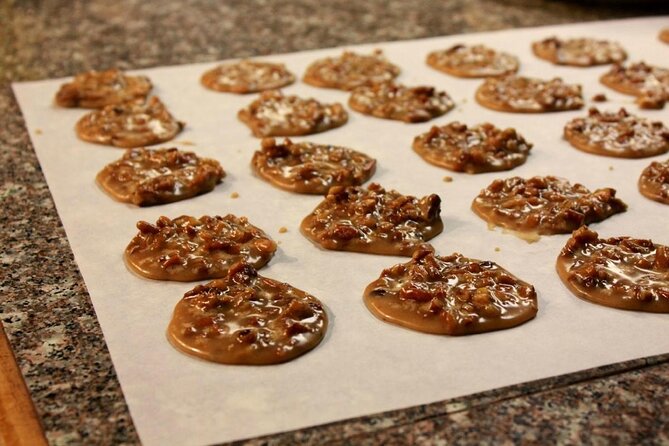
- A full three-course Louisiana meal: Sample choices include yam-crab bisque or gumbo, BBQ shrimp and grits or jambalaya, followed by bananas Foster or pralines.
- Chefs bring more than recipes: Expect cooking instruction mixed with local history, cultural context, jokes, and practical kitchen tips.
- Your meal is included: Wine, Abita Amber beer, iced tea, lemonade, and coffee are provided along with the food you prepare.
- Useful souvenirs: You leave with a recipe collection and a New Orleans School of Cooking white apron.
- Plan around the food: This is a generous meal, so I would skip lunch if you book an afternoon class, or eat lightly beforehand.
Cooking Louisiana food instead of just hearing about it
New Orleans food is easiest to understand when you see how several traditions meet in one pot. Gumbo, jambalaya, grits, pralines, and bananas Foster are not simply dishes to sample. They show how local cooking developed through African, French, Spanish, Caribbean, and American influences.
This class gives you that context while you cook. The chef explains ingredients and techniques as you work, so the history has a purpose. You are not sitting through a long lecture and then watching someone else handle every task. You learn why a roux matters, how seasoning changes a dish, and how a few basic steps build the final meal.
That hands-on format is especially useful if you want to repeat the food at home. You receive the recipes, and the instruction is designed for ordinary cooks, not professional kitchen staff. Several dishes are taught in stages, with the first course prepared and eaten before moving on to the next. That keeps the class active and gives you a chance to taste the result as you go.
You do not need to arrive as an experienced cook. The chef and assistant help when a step feels unclear, and the class is designed for adults of varying skill levels. If you are more interested in eating than cooking, you can still have fun, but you should know that participation is central to the experience.
More to weigh up across New Orleans
- New Orleans Demonstration Cooking Class with Meal
★ 5.0 · 3,000 reviews - New Orleans: Cajun and Creole Cooking Class
★ 4.9 · 730 reviews - Undiscovered Charleston: Half Day Food, Wine & History Tour with Cooking Class
★ 5.0 · 948 reviews
What happens at 524 St. Louis Street
The class begins at the New Orleans School of Cooking, located at 524 St. Louis Street in the French Quarter. This is a convenient setting if you are already exploring the Quarter, and the meeting point is near public transportation.
The experience ends at the same location. There is no separate sightseeing route or walking tour built into the three hours, so plan your French Quarter exploration before or after class. The school is the attraction here: you come to cook, eat, and learn rather than move from one landmark to another.
The maximum group size is 10, with five cooktops. That arrangement matters. A larger demonstration class can leave you standing at the edge of the room, but this format gives you an actual role in preparing the food. If you book alone, you may be paired with another person at a station. Couples and friends can expect to share the work rather than each receiving an entire cooktop.
The mood is casual. You can wear ordinary sightseeing clothes, though comfortable shoes are a smart choice because you will spend a good portion of the class standing and working. One specific practical point comes directly from the format: this is not a class where you sit down for most of the time and occasionally taste something.
The first course: gumbo or yam-crab bisque
The exact menu can depend on the class, but the sample starter is either yam-crab bisque or gumbo. Both give you a useful introduction to the way Louisiana cooking builds flavor.
Gumbo is the more classic classroom lesson because it teaches the importance of the roux and the balance of seasoning. Making the roux is one of the most interesting parts of the class. It requires attention, and the color and timing affect the final taste. You get to see how a basic mixture becomes the foundation of a complex dish.
The yam-crab bisque offers a different lesson, combining seafood with a sweeter vegetable base. It is a good reminder that New Orleans cooking is not one fixed style. Local food includes soups, stews, seafood, rice dishes, sauces, and sweets, with techniques that change from one recipe to the next.
After preparing the starter, you eat it before moving on. This staged structure works well because you are not waiting until the very end to find out if everything went right. It also breaks up the work and gives the class a natural rhythm: cook, sit down, taste, then return to the stations.
Chef Cindy has been especially praised for making this process clear and adding historical context. Chef G is also noted for patience and thorough instructions. Since the chef can vary, you should expect the personality and teaching style to change from one session to another, but the focus remains on direct help and participation.
Main course work: shrimp and grits or jambalaya
The main course choices bring two very different Louisiana traditions to the table. BBQ shrimp and grits combines a seafood preparation with a creamy Southern staple. Jambalaya is a rice-based dish with its own method and seasoning pattern.
The cooking is divided among the small groups, so you get to handle ingredients rather than simply watch the chef assemble a finished plate. The chef demonstrates the process, then guides you through your part. If you are uncertain, help is available from the chef or assistant.
This is where the class becomes useful for home cooking. You learn how to manage timing across several components and how to season food as you go. The recipes are not just souvenirs. They provide a way to recreate the dishes after your trip, and you can submit photos of your home cooking to receive a diploma.
Chef Austin is a strong fit for people who like a relaxed class with humor. He is known for sharing small tips and tricks while keeping the room lively. Chef Ricardo combines instruction with information about different cooking styles and ingredients. Chef Eric is described as patient, friendly, and clear, with a knack for helping when a step does not go as planned.
The practical limit is that this is a shared kitchen. You may not personally complete every single part of every dish from start to finish. The class gives you meaningful hands-on work, but it is still a group event, not a private lesson tailored entirely to your preferences.
A different kind of day, same corner of the map:
- New Orleans Premier Ghost, Voodoo and Vampire Walking Tour
★ 4.5 · 12,856 reviews - New Orleans Steamboat Natchez Jazz Cruise with Dinner Option
★ 4.0 · 7,533 reviews - Adults-Only New Orleans Ghost, Crime, Voodoo, and Vampire Tour
★ 5.0 · 6,545 reviews - New Orleans Food Walking Tour of the French Quarter with Small-Group Option
★ 5.0 · 6,118 reviews
Dessert with a little New Orleans theater
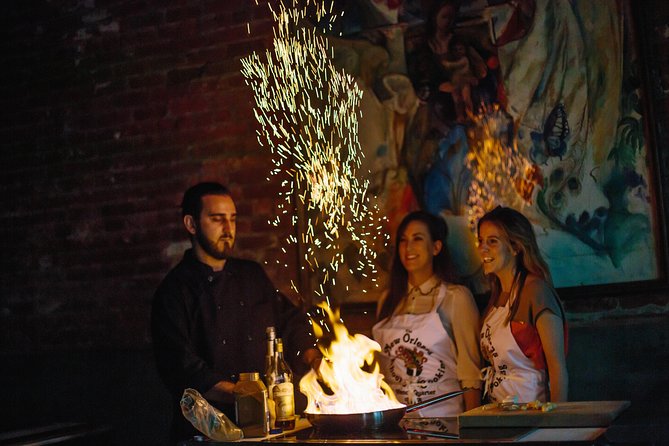
The dessert is either bananas Foster or pralines. Bananas Foster is a particularly memorable finish because it involves a more dramatic cooking method and gives the class a celebratory ending. The dish also connects naturally with New Orleans restaurant culture.
Pralines offer a different kind of lesson, centered on sugar, texture, and timing. Both desserts are practical additions to the recipe collection because they can be made at home and served as a clear reminder of the class.
The cooking usually follows a three-part pattern: prepare the first course, eat it, return to the kitchen for the main course, eat again, then make dessert. That approach helps prevent the class from feeling like three straight hours of standing at a counter.
Chef Vivian has been praised for making the session playful and social, even adding music and dancing while cooking. You should not count on a specific chef or entertainment style, but the sessions clearly allow room for personality. The best classes here appear to balance instruction with a friendly dinner-party atmosphere.
Wine, Abita beer, and the value of the meal
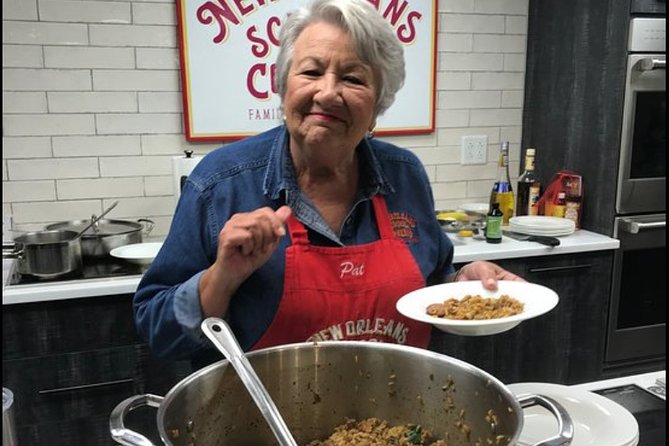
The $162 price includes the cooking class, full meal, alcoholic and non-alcoholic drinks, recipes, and an $18.99-value white apron. The drinks include red and white wine, Abita Amber beer, iced tea, lemonade, and coffee.
That is a substantial package for a three-hour activity, though it remains a premium purchase. You are paying for a meal, instruction, a small group, kitchen use, drinks, and take-home materials. Compared with paying for a standard dinner, the extra cost makes sense if you value learning the recipes and spending an evening or morning in an organized food setting.
The value is weaker if you want only a cheap meal or a quick taste of local cuisine. You will spend time preparing the food, and the class requires your attention. New Orleans has plenty of restaurants where you can sample similar flavors without cooking, often for less money.
I would also plan your meals carefully. The portions and drinks make this a filling experience. Skipping lunch before an afternoon class is sensible, and a light breakfast is enough if you attend in the morning.
Gratuity is not included. A 15 to 20 percent tip is recommended, so include that in your budget. Special dietary requests carry a $10 fee payable on site, and you should provide those requirements when booking. The available information does not promise that every menu can be changed, so people with strict dietary needs should confirm what can be accommodated before committing.
The people who make the class work
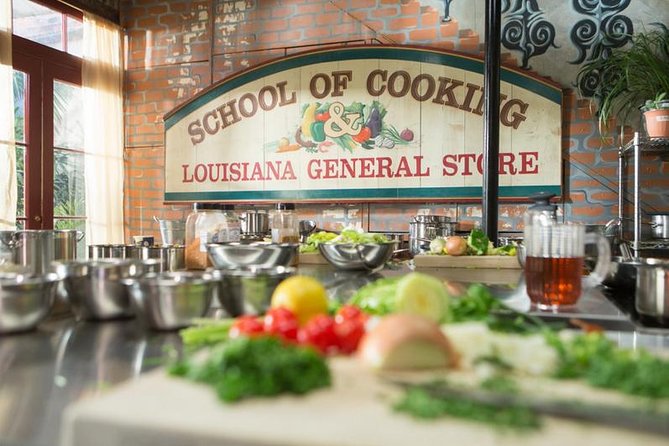
A cooking class depends heavily on the instructor. The recipes matter, but the chef determines whether the session feels rushed, confusing, or welcoming.
The teaching team connected with this class includes Chef Eric, Chef Austin, Chef Cindy, Chef Ricardo, Chef Vivian, Chef G, and Eduardo. The experience can therefore vary in personality, but the reported strengths are consistent: clear directions, humor, patience, and local background.
Chef Cindy is a good example of the teaching style to expect. She breaks the work into manageable stages, explains techniques, and adds context about the dishes. Chef Eric is a strong choice for anyone who wants encouragement and direct assistance. Chef Austin brings a playful tone and practical kitchen advice.
Eduardo has also been praised for tying the food to local culture and history. That matters because the meal is more than a set of recipes. You learn how ingredients and methods reflect the many communities that shaped New Orleans cooking.
The best attitude is to participate fully and accept that the class will not be perfectly quiet or formal. You will be cooking with other people, sharing stations, and eating family-style. That social setup is part of the value, especially for couples, friends, families with adult children, and solo visitors who enjoy meeting people through food.
Who should book this New Orleans cooking class
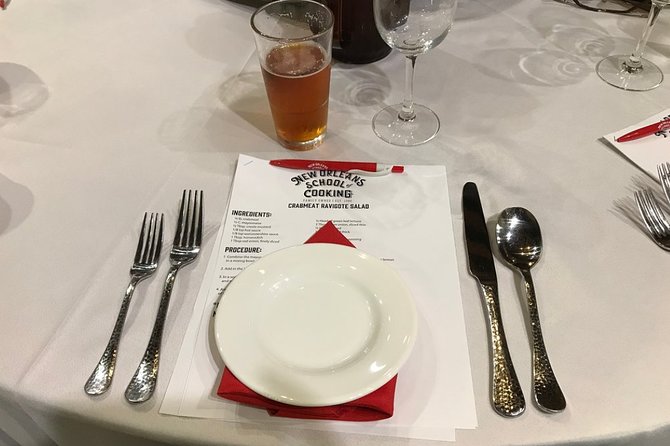
I would recommend this experience to you if you like food, enjoy practical activities, or want a break from ordinary sightseeing. It works particularly well as a first or early activity in New Orleans because it gives you a basic sense of the city’s cooking traditions before you spend the rest of your trip eating them.
It is also a good date-night choice. You have a shared task, a meal, drinks, and a relaxed setting, without the formality of a restaurant tasting menu. Friends can divide the cooking, and solo participants have a built-in way to meet others.
The class suits adults only, since the minimum age is 18. It is not the best match if you dislike standing, have no interest in cooking, or want a quiet meal with no group interaction. You can still attend as a less active cook, but you should not book it expecting a demonstration where you simply watch.
Because the class is often reserved well ahead of time, booking early is wise if your dates are fixed. The usual advance booking period is about 37 days. Confirmation is provided at booking, though the class requires a minimum number of participants and can be canceled if that minimum is not met. If that happens, you are offered another option or a full refund.
You can cancel free of charge up to 24 hours before the start time. Inside that window, the payment is not refunded, and changes are not accepted. The cut-off follows New Orleans local time.
Should you book it?
Book this class if you want to make a real Louisiana meal, not just hear about one. The small group, hands-on stations, full meal, local drinks, and recipe collection make it more useful than a standard food demonstration.
At $162, it is a considered purchase, and the standing time and shared work are real parts of the deal. Still, the combination of cooking instruction, cultural background, dinner, drinks, apron, and recipes gives you a solid reason to choose it over another meal out.
I would especially book it for a first visit, a date, or a day when you want something social and practical. If your only goal is to eat gumbo as cheaply as possible, skip it and visit a restaurant. If you want to bring a little New Orleans home with you, this is a smart choice.
FAQ
Where does the cooking class begin?
The class begins at the New Orleans School of Cooking, 524 St. Louis Street, New Orleans, Louisiana 70130. It ends at the same meeting point.
How long does the experience last?
The class lasts approximately three hours.
How many people can join the class?
The maximum is 10 participants, with five cooktops. Solo participants may be paired with another person.
What food might I prepare?
The sample menu includes yam-crab bisque or gumbo, BBQ shrimp and grits or jambalaya, and bananas Foster or pralines. The exact choices may vary by class.
What drinks are included?
Included drinks are red and white wine, Abita Amber beer, iced tea, lemonade, and coffee.
Is the class suitable for people with dietary restrictions?
You should provide dietary requirements when booking. A $10 fee is payable on site for special dietary requests.
What is the cancellation policy?
You can cancel at least 24 hours before the start time for a full refund. Cancellations or changes made less than 24 hours before the experience are not refunded or accepted.
Newly listed in New Orleans
- New Orleans City Tour and Steamboat Natchez Harbor Jazz Cruise★ 4.0 · 446 reviews
- Small-Group Laura and Whitney Plantation Tour from New Orleans★ 4.5 · 446 reviews
- New Orleans French Quarter Photo Shoot★ 5.0 · 462 reviews
- New Orleans: 2-Hour Ghosts & Vampires Walking Tour★ 4.5 · 465 reviews
- Garden District Home and History Walking Tour★ 5.0 · 470 reviews
- New Orleans: Sunday Steamboat Jazz Cruise + Optional Brunch★ 4.3 · 470 reviews
- New Orleans Jazz History and Music Walking Tour★ 4.5 · 477 reviews
- Small-Group Manchac Swamp Kayak Tour with Local Guide★ 5.0 · 480 reviews
New Orleans Tours, compared.
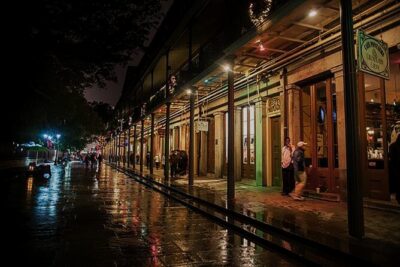
New Orleans Premier Ghost, Voodoo and Vampire Walking Tour
Read our review →
New Orleans Steamboat Natchez Jazz Cruise with Dinner Option
Read our review →
Adults-Only New Orleans Ghost, Crime, Voodoo, and Vampire Tour
Read our review →
New Orleans Food Walking Tour of the French Quarter with Small-Group Option
Read our review →
New Orleans Swamp and Bayou Boat Tour with Transportation
Read our review →
New Orleans City Sightseeing Hop-On Hop-Off Bus Tour
Read our review →
Browse the lists this tour appears in