

Reviewed · NEW ORLEANS TOURS
French Quarter Walking and Storytelling Tour
The best part of this French Quarter tour is not simply seeing St. Louis Cathedral or Jackson Square. It is hearing how the people, buildings, music, slavery, architecture, and odd characters fit together. Guides such as Scott, Libby, Tim, Lesley, and Yvonne bring the neighborhood to life with stories rather than a dry list of dates.
I like the small-group format, which gives you room to ask questions and lets the guide adjust the walk to your interests. I also like the useful local advice at the end, including places to eat, hear jazz, and explore next. The main drawback is the uneven French Quarter pavement, which can make two hours on foot tiring, especially in hot weather.
Key points to know before you book
- Starts at the jazz fountain: Meet at Decatur and Dumaine Streets in the French Market district.
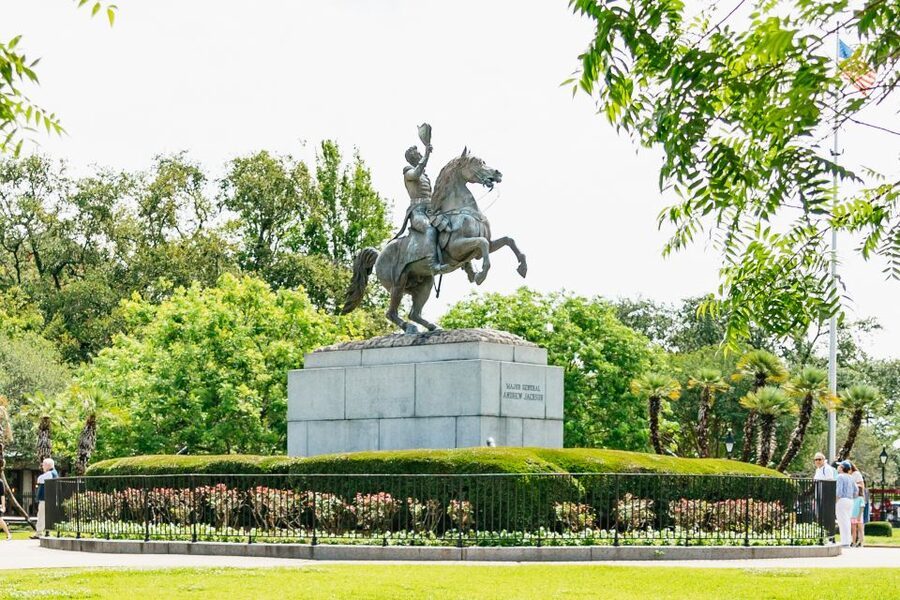
- Covers the French Quarter’s main sights: Expect Jackson Square, St. Louis Cathedral, the Mississippi River, and the French Market.
- Stories are the main attraction: The tour adds colorful people, difficult chapters, and local context to the buildings around you.
- Small groups make a difference: Guides can answer questions, adjust the pace, and focus on subjects that interest you.
- Plan for heat and rough sidewalks: Bring water and wear sturdy, comfortable shoes.
- Good first-day choice: The tour gives you a useful framework for exploring New Orleans on your own afterward.
Starting at the jazz fountain in the French Market
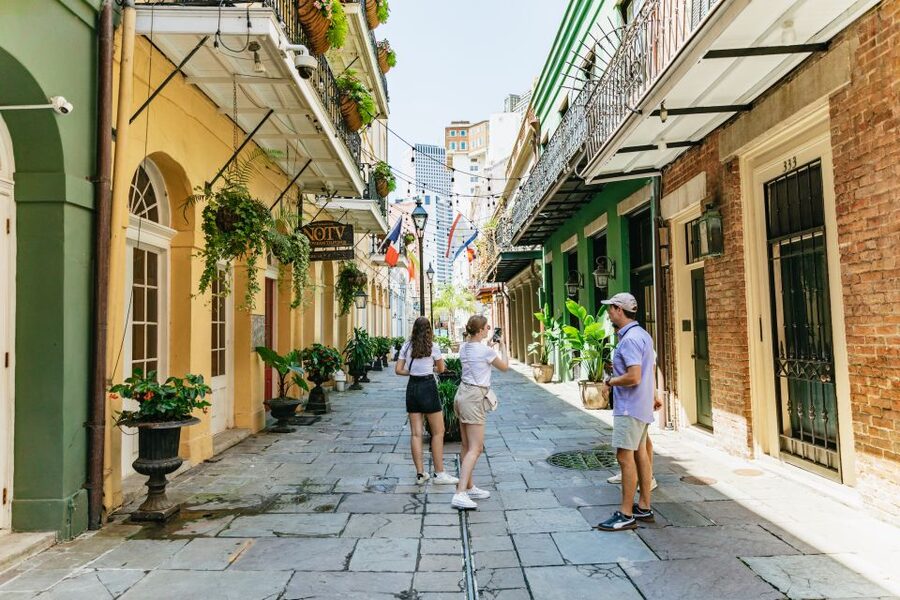
Your two-hour walk begins at the jazz fountain at the intersection of Decatur and Dumaine Streets. This meeting point sits in the historic French Market district, close to the river and within easy reach of many French Quarter hotels and sights.
You receive an email the night before with your guide’s photograph, contact details, and directions to the meeting spot. That is a practical touch in a neighborhood where several streets and public spaces can look similar, especially when you are arriving for the first time.
The opening talk gives you a short outline of New Orleans history before the group moves into the Quarter. I appreciate this approach. A little background first helps you understand why the French Quarter feels different from other American historic districts, rather than treating each building as an isolated stop.
The setting also gets you into the right mood quickly. Music can be heard on many blocks, and the route places you among old homes, shops, courtyards, and public squares from the start. This is not a bus ride past the Quarter. You are close to the ironwork, worn brick, balconies, and street life that make the neighborhood memorable.
More Walking Tours in New Orleans
- New Orleans Premier Ghost, Voodoo and Vampire Walking Tour
★ 4.5 · 12,856 reviews - New Orleans Food Walking Tour of the French Quarter with Small-Group Option
★ 5.0 · 6,118 reviews - St. Louis Cemetery No. 1 Official Walking Tour
★ 4.5 · 3,941 reviews
Hearing the French Quarter as well as seeing it
Music is part of the tour’s atmosphere, not just background decoration. As you walk, your guide explains how different ethnic groups and cultures helped shape New Orleans. The goal is not to reduce the city to one neat origin story. You get a picture of a place formed by many communities, languages, faiths, and traditions.
That context matters because the French Quarter can look like a collection of handsome old buildings designed for postcards. The stories explain the people who built, occupied, traded in, worshipped, and fought over this part of town.
The tour also deals with difficult subjects, including slavery and the forces that shaped New Orleans society. That makes the experience more useful than a walk focused only on architecture or party-town folklore. You hear about the city’s charm, but you also get some sense of the human cost and social divisions behind it.
Guides are encouraged to tell stories, and the strongest part of the experience appears to be their delivery. Scott is especially good at shaping the walk around questions and interests. Libby is known for bringing history to life with humor and energy. Tim is praised for a calm pace, while Lesley adds local geography, archaeology, and practical suggestions. Casey and Yvonne are also named as engaging guides.
Your exact experience depends partly on who leads the group. That is normal for a storytelling tour, but it is worth understanding. The material is not delivered like a recorded audio guide. The guide’s personality, sense of humor, and ability to respond to questions are central to the experience.
From the French Market to Jackson Square
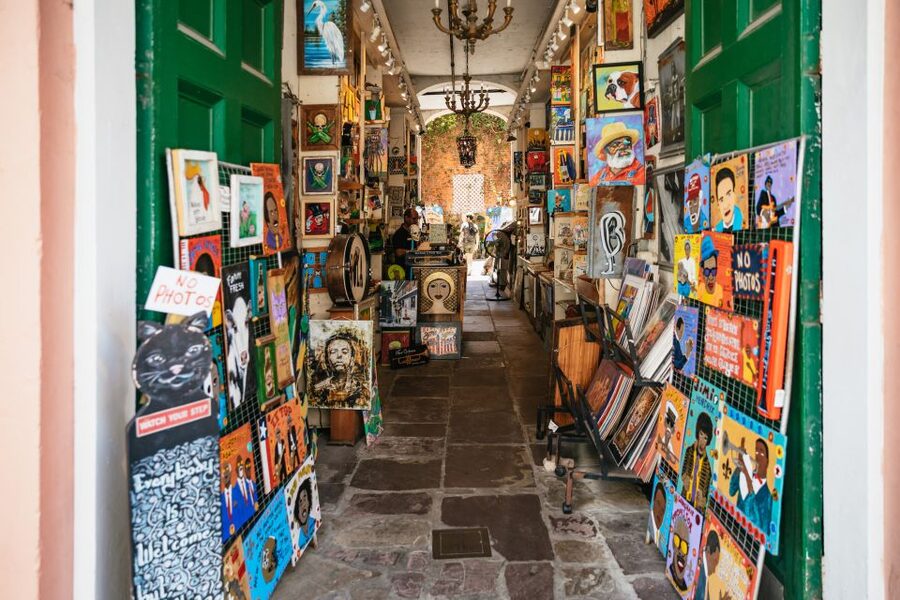
The route leads from the French Market toward Jackson Square, using the streets and spaces of the oldest part of New Orleans. The French Market is more than a place to pass through on the way to something else. It helps explain the Quarter’s long connection with trade, food, public life, and the river.
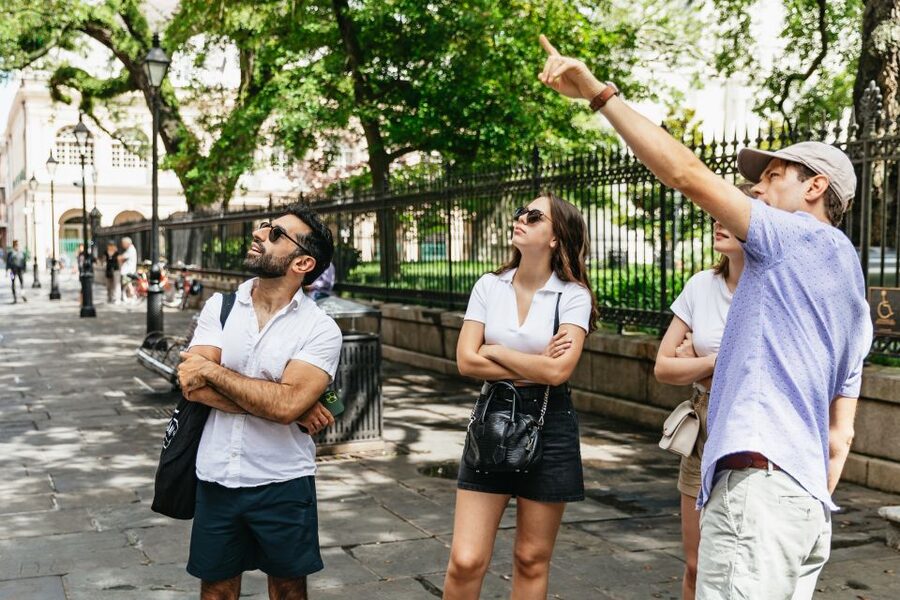
The route includes famous sights, but it also points out details you could easily miss when walking alone. You might look at a courtyard entrance without realizing what it reveals about the design of old French Quarter buildings. You might pass an old religious building without knowing why it matters.
One unusual stop is an almost 300-year-old convent. The tour also includes courtyards tucked behind 18th and 19th century buildings. These quieter details are valuable because the Quarter’s best stories are not always attached to its biggest landmarks.
The streets can be crowded, noisy, and uneven. That is part of the setting, but it affects comfort. You may need to slow down near busy areas, watch your footing, and listen carefully when music or street noise rises around the group.
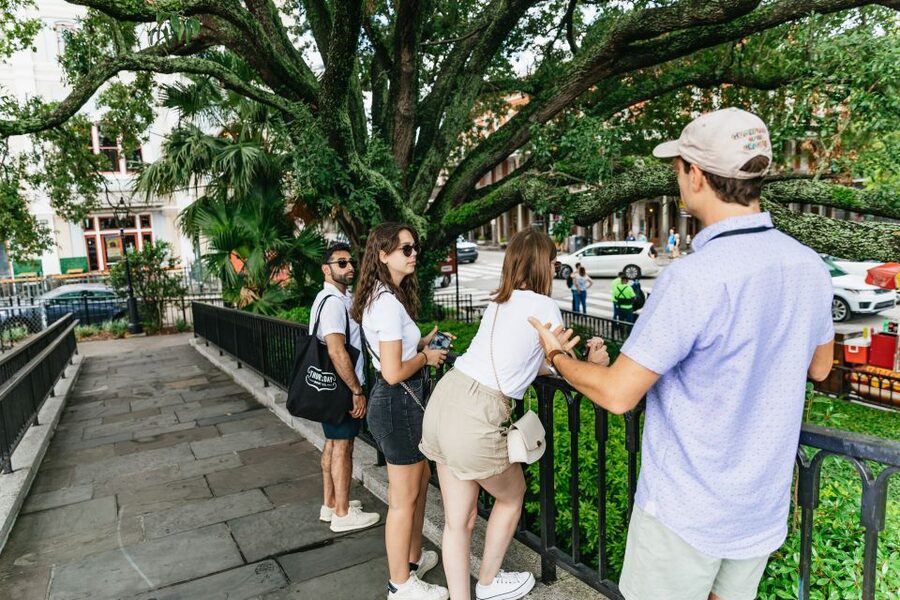
The small-group format helps here. A group of three, seven, or another modest size can gather around a guide more easily than a large crowd. You can ask why a building matters, stop for a photograph, or request more detail on architecture, culture, or local history without shouting from the back.
St. Louis Cathedral and Jackson Square
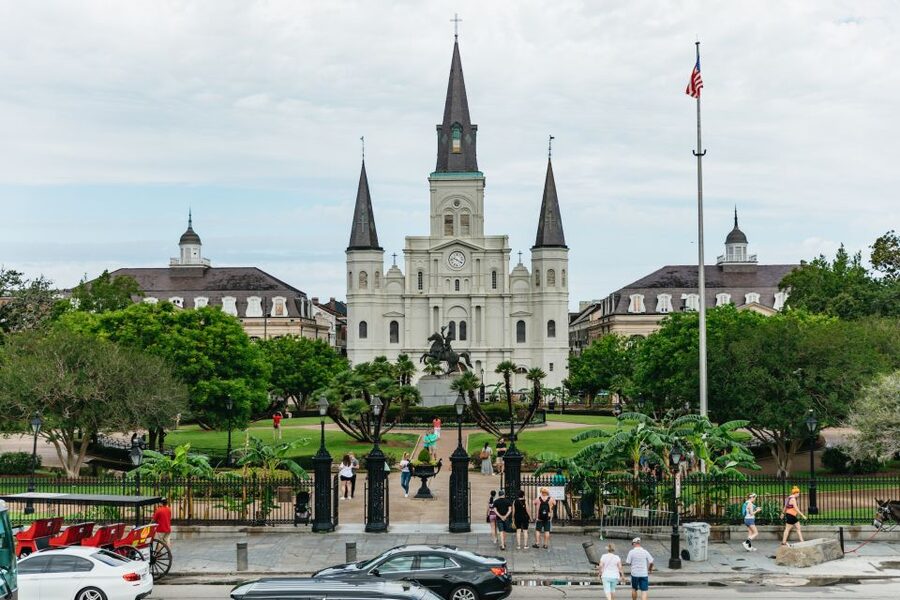
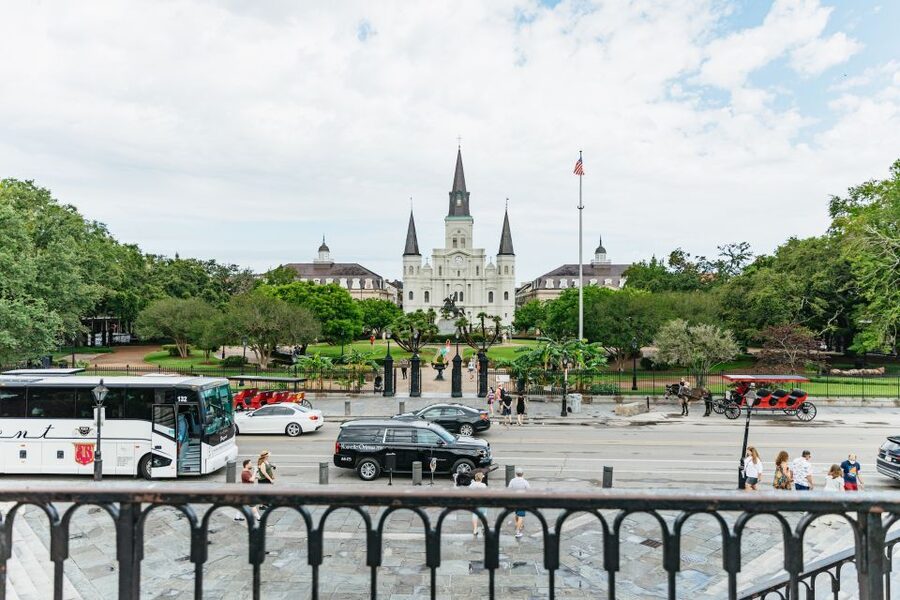
St. Louis Cathedral is one of the tour’s central landmarks. Its position beside Jackson Square makes it one of the most recognizable views in New Orleans, but the guide adds the context that a photograph cannot provide.
You learn how the cathedral and square fit into the French Quarter’s civic and religious life. The stories around the area also help you see the square as more than a scenic lawn with artists and visitors. It is a place where the city’s colonial past, public identity, and modern tourism meet.
Jackson Square is where the tour concludes, either in the square or beside it. This is a convenient ending. You are left in one of the Quarter’s most useful locations, with plenty of choices for continuing your afternoon or evening.
The final recommendations are part of the value. Guides share ideas for restaurants, attractions, jazz venues, and further exploration. If you are new to New Orleans, this can save time and help you make better choices during the rest of your stay.
I would bring a note-taking app or a small notebook if you want to remember every suggestion. One person specifically wished for the recommendations in written form because there was not enough time to record them all. That is a small weakness, but an easy one to manage.
More walking tours around New Orleans:
- New Orleans French Quarter, Voodoo and Culture Walking Tour
★ 4.5 · 2,961 reviews - New Orleans Garden District History Walking Tour
★ 5.0 · 2,879 reviews - New Orleans Haunted Ghost, Voodoo & Vampire Walking Tour
★ 4.5 · 2,731 reviews - French Quarter Historical Sights and Stories Walking Tour
★ 5.0 · 2,724 reviews
Reaching the Mississippi River and seeing the Quarter in context
The Mississippi River is included among the major sights on the route. Its presence explains much about New Orleans, from the city’s trade connections to the reason this location became so important.
A guide can give the river more meaning than a quick glance from the riverfront. You begin to understand the French Quarter as part of a working port city rather than a sealed historic display. The river, market, streets, and buildings all connect.
This wider view is one of the tour’s strongest features. Several guides make a point of linking the Quarter to New Orleans as a whole. You are not simply learning where to take the best photograph. You are learning how this neighborhood fits into the city’s culture and development.
The route is also a good introduction to the Quarter’s changing character. The neighborhood is famous for food, music, nightlife, balconies, and old buildings, but it is not only a party district. A history-focused walk gives you a better sense of the people and events behind the polished tourist image.
Stories about the people behind the buildings

The guide’s storytelling covers triumphant, troubled, eccentric, and disreputable characters connected with the neighborhood. The exact stories vary by guide and by the questions asked, but the aim is clear: to make the French Quarter feel inhabited rather than frozen in the past.
That approach suits New Orleans. The city’s history is full of contradictions, and a good guide can hold them together. Beauty sits beside hardship. Religious buildings stand near places tied to commerce and vice. Old family homes share streets with bars, galleries, restaurants, and music venues.
I like that the tour does not appear to rely only on ghost stories or sensational tales. If you want the real history of the Quarter, including slavery, architecture, geography, and culture, this is a better fit than a walk built mainly around spooky legends.
You should still expect a lively presentation. Guides such as Libby and Scott are praised for humor, warmth, and strong storytelling. The tone is meant to entertain while informing, not to turn the Quarter into a classroom lecture.
How much walking, heat, and pavement to expect

The activity lasts two hours, which is long enough to cover the essential sights without taking over your day. Many people find that length about right. You get a solid orientation, but still have time afterward for lunch, a museum, shopping, music, or a second walk through the streets.
The route is not a race. Tim is praised for keeping an easy pace, and guides may pause in shaded spots when the weather is hot. Even so, New Orleans can be uncomfortable from April through October. Water is not included, so bring your own bottle.
Wear comfortable walking shoes with real support. French Quarter sidewalks can be uneven and difficult, and the surface may be more tiring than the distance itself. Large bags and luggage are not allowed, and pets and smoking are also not permitted on the tour.
The activity is listed as wheelchair accessible, but the uneven pavement is an important qualification. A sturdy wheelchair is recommended. If you have limited mobility, consider contacting the provider before booking so you can discuss the route and your needs.
Is $35 a fair price for two hours?
At $35 per person, this tour sits in a sensible range for a two-hour guided walk. The value depends on how much you want from the experience. If you only need a quick list of landmarks, you can walk through Jackson Square and the French Market on your own. If you want the buildings and streets to make sense, the guide adds something you cannot get from wandering without context.
The small groups improve the value. A guide who can answer questions and adjust the discussion gives you more than a standard speech delivered to a large crowd. Several outings have been particularly small, including one with only three people and another with seven. Group size can vary, but the format is designed to feel personal.
You also receive suggestions for the rest of your stay. Advice on food, jazz, and other sights can be useful immediately, especially if this is your first visit. I would book the tour early in your trip so the information can shape your plans.
Free cancellation up to 24 hours before the start gives you some flexibility, and you can reserve now and pay later. The guide speaks English. These are useful booking details, but the main reason to pay is the interpretation, not simply the route.
Who will get the most from this New Orleans walk?
I would recommend it to first-time visitors who want an introduction before exploring the French Quarter on their own. Families can also benefit, since the stories give younger listeners something to focus on beyond old walls and balconies.
It suits people interested in architecture, local culture, slavery, city development, archaeology, and unusual characters. It also works for anyone who wants restaurant and music suggestions from a local guide.
The tour may be less suitable if you dislike walking on rough pavement, struggle in heat, or want a specialized subject such as food, ghosts, or jazz alone. This experience covers many themes, so it gives you breadth rather than a narrow focus.
It is also not a private tour by default. The small-group setup allows personal questions, but you should not assume the guide will design every minute around your party. Still, the guide may adapt the route and discussion when the group is small enough.
Should you book the French Quarter Walking and Storytelling Tour?
Book it if you want the French Quarter to become more than a backdrop for drinks, photographs, and music. The tour covers the essential sights, but its real strength is the connection between those places: the river and the market, the cathedral and the square, the old buildings and the people who shaped them.
I especially like it as a first or second-day activity. You leave Jackson Square with a better map in your head, a handful of local suggestions, and a clearer idea of what you are seeing when you walk the Quarter later.
At $35, it is a good buy for a small-group introduction led by a strong storyteller. Bring water, wear sturdy shoes, and expect uneven sidewalks. If that sounds manageable, this is an easy way to give your New Orleans stay a stronger sense of place.
FAQ
Where does the French Quarter walking tour begin?
The tour begins at the jazz fountain at the intersection of Decatur and Dumaine Streets in the French Market district of New Orleans.
Where does the tour end?
The tour concludes in or beside Jackson Square.
How long does the tour last?
The walking and storytelling tour lasts two hours.
What landmarks are included?
The route includes St. Louis Cathedral, Jackson Square, the French Market, and views of the Mississippi River. It also includes lesser-known courtyards and an almost 300-year-old convent.
What language is the tour offered in?
The live tour guide speaks English.
Is the tour wheelchair accessible?
The activity is listed as wheelchair accessible, but the French Quarter sidewalks are quite uneven. Sturdy wheelchairs are recommended.
What should I bring?
Bring water, especially from April through October, and wear comfortable walking shoes suitable for uneven sidewalks.
Can I cancel the booking?
You can cancel up to 24 hours in advance for a full refund. You can also reserve now and pay later.
Newly listed in New Orleans
- New Orleans City Tour and Steamboat Natchez Harbor Jazz Cruise★ 4.0 · 446 reviews
- Small-Group Laura and Whitney Plantation Tour from New Orleans★ 4.5 · 446 reviews
- New Orleans French Quarter Photo Shoot★ 5.0 · 462 reviews
- New Orleans: 2-Hour Ghosts & Vampires Walking Tour★ 4.5 · 465 reviews
- Garden District Home and History Walking Tour★ 5.0 · 470 reviews
- New Orleans: Sunday Steamboat Jazz Cruise + Optional Brunch★ 4.3 · 470 reviews
- New Orleans Jazz History and Music Walking Tour★ 4.5 · 477 reviews
- New Orleans: Garden District Tour★ 4.8 · 480 reviews
New Orleans Tours, compared.
New Orleans Premier Ghost, Voodoo and Vampire Walking Tour
Read our review →
New Orleans Steamboat Natchez Jazz Cruise with Dinner Option
Read our review →
Adults-Only New Orleans Ghost, Crime, Voodoo, and Vampire Tour
Read our review →
New Orleans Food Walking Tour of the French Quarter with Small-Group Option
Read our review →
New Orleans Swamp and Bayou Boat Tour with Transportation
Read our review →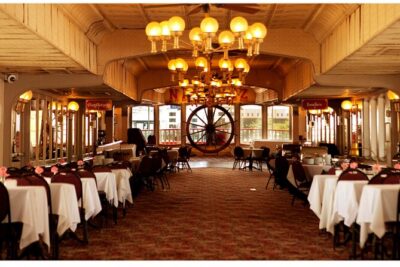
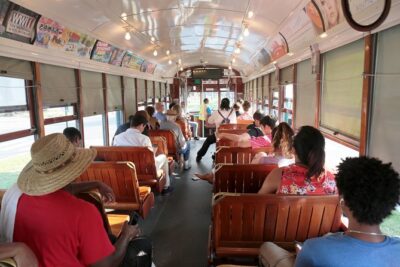
New Orleans City Sightseeing Hop-On Hop-Off Bus Tour
Read our review →
Browse the lists this tour appears in