
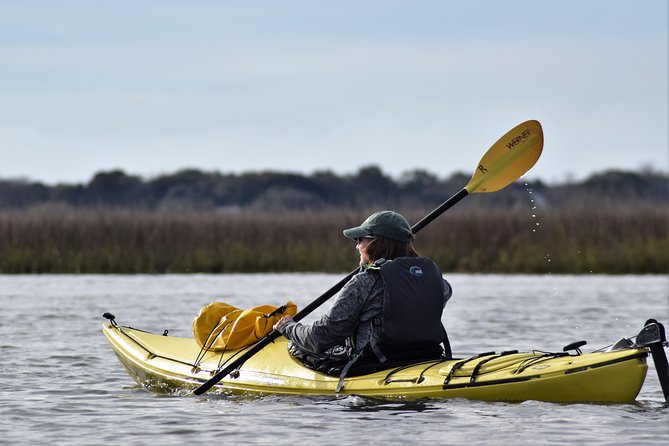
Reviewed · CHARLESTON TOURS
2-Hour Guided Kayak Eco Tour in Charleston
Charleston’s tidal marsh is best understood from water level, where pluff mud, oyster beds, winding creeks, and feeding birds make the Lowcountry feel far removed from the city. This two-hour paddle leaves from Bowens Island and focuses on wildlife, local ecology, and a relaxed route through the creeks behind Folly Beach.
I like two things right away: the guide chooses the route around the tide, wind, and recent rain, and the small group, capped at 12 people, gives the outing a personal feel. Guides such as Aiden, KD, Emily, and Alexandra are often praised for mixing local stories with clear instruction. The main consideration is that wildlife is never guaranteed, and wind, current, or boat traffic can affect the day.
Key things to know before you paddle
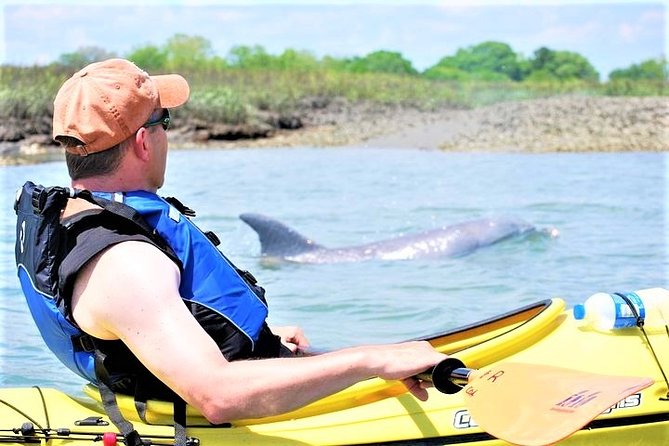
- Dolphins are possible, not promised: You might see bottlenose dolphins feeding near the kayaks, but tides, weather, and time of day shape what appears.
- The route changes with conditions: Your guide may adjust the course for high tide, strong wind, recent rain, or current.
- Foot-steering kayaks simplify the basics: You receive an introduction to the foot-driven steering system before leaving the launch area.
- Wear shoes that can get wet: Sturdy water shoes or beefy sandals matter around sharp oyster shells and muddy edges.
- Beginners generally fit well: Several guides are praised for setting an easy pace, though you still need enough stamina to paddle for two hours.
- Children under 13 need an adult: Young paddlers must ride in a tandem kayak with an adult, arranged ahead of time.
Why Charleston’s marsh deserves two hours
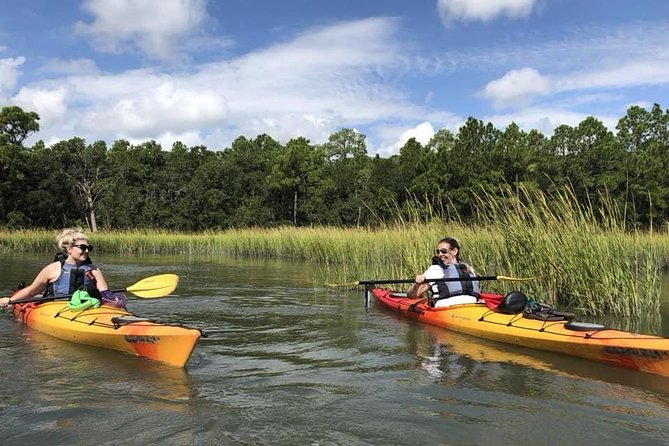
Charleston’s salt marsh is not simply a pretty setting for exercise. It is a working estuary, shaped by the rise and fall of the tide. Salt water moves through narrow creeks, mudflats appear and disappear, and birds gather where small fish and invertebrates are easiest to find.
From a kayak, you sit close to the water and move quietly. That gives you a better chance of noticing a dolphin’s back, an egret stalking the shallows, or a crab moving across the mud. You also see the marsh in sections that are difficult to appreciate from a road or standard sightseeing boat.
The guide explains how the ecosystem functions, including the role of tidal creeks, salt marsh grass, pluff mud, oyster shells, and the creatures that depend on them. This makes the outing more than a rental session. You are learning how the Lowcountry works while moving through it at a human pace.
The experience has earned a 4.9 rating from 954 reviews, with 98 percent of customers recommending it. That strong record reflects the tour’s main strengths: friendly guides, clear safety support, attractive scenery, and a good chance of seeing some form of wildlife.
More kayak trips around Charleston:
- Clear Kayak Tour of Shell Key Preserve and Tampa Bay Area
★ 5.0 · 5,800 reviews - Half-Day Emerald Cave Kayak Tour with Optional Hotel Pickup
★ 5.0 · 4,978 reviews - Emerald Cave Kayak Tour: Scenic Paddle with Optional Shuttle
★ 5.0 · 2,858 reviews
Bowens Island is the right starting point
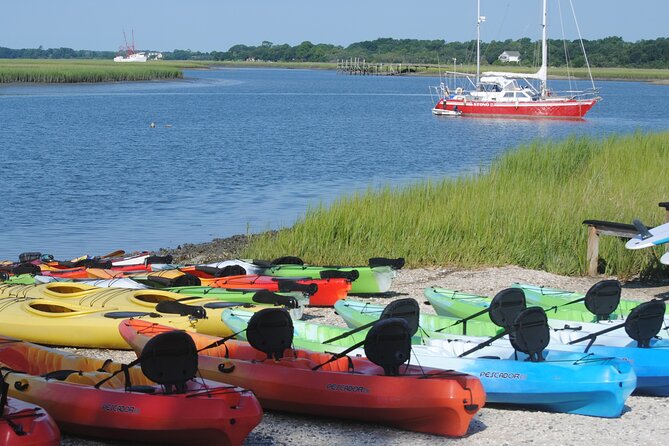
You meet at Charleston Outdoor Adventures, 1871 Bowens Island Road, with complimentary parking available on site. The launch area is private, which keeps the beginning of the trip fairly simple. Arrive 15 minutes early so you have time to check in, use the facilities, and get ready without rushing.
The staff provides your kayak, paddle, personal flotation device, and a dry bag for your phone or other small belongings. The dry bag is a useful touch. You can bring a camera or phone without keeping it exposed to spray, though I would still secure it carefully.
Before you leave, the group receives a short safety briefing and basic instruction. The kayaks use a foot-driven steering system, so your guide explains how to control direction with your feet. This is different from a basic paddle-only kayak, but the introductory lesson is intended to get first-time paddlers moving quickly.
The launch area also places you near the waters behind Folly Beach and the tidal creeks around Bowens Island. One practical drawback is that motorboats can occasionally pass near the launch and route. A no-wake zone has been added near the launch to improve safety, but conditions on the water can still vary.
What the two-hour route feels like
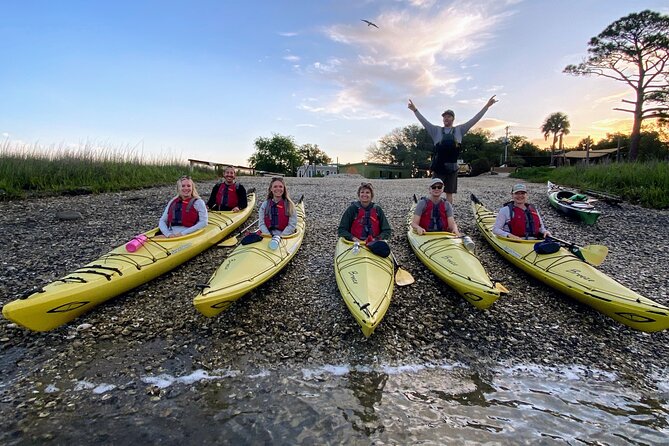
Once the group gets underway, the pace is generally easy rather than athletic. Your guide leads the way through tidal creeks and salt marsh, stopping at times to explain what you are seeing. That balance is important: the guide is not simply escorting you from point to point, but you are also not signing up for a nonstop fitness workout.
You should expect a mix of paddling and conversation. Some outings feel smooth and quiet, especially when the water is calm. On a windy day, the group may cover less ground, and the guide may spend more time explaining the marsh or helping people manage the conditions.
The route may change with the tide. At high tide, channels and banks look different than they do at low tide, and heavy rain can affect the best direction to take. A good guide uses those changes to choose a practical course rather than forcing every group onto the same path.
That flexibility helped one family enjoy a route adjusted for high tide and rain from the previous two days. It is one of the more valuable parts of a guided trip. You are not expected to read the tide chart, judge the current, or find the most interesting creek on your own.
Wildlife watching from a kayak
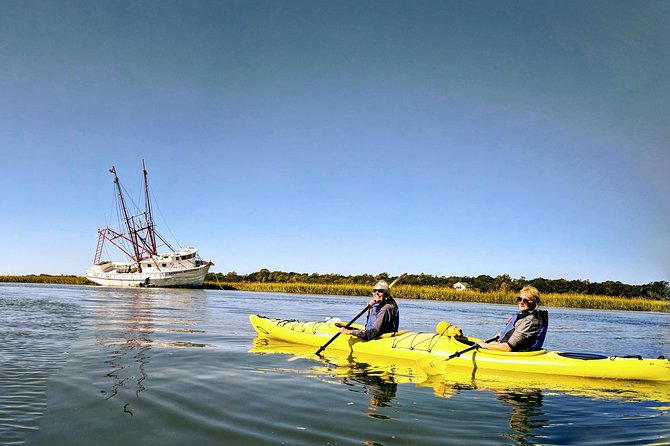
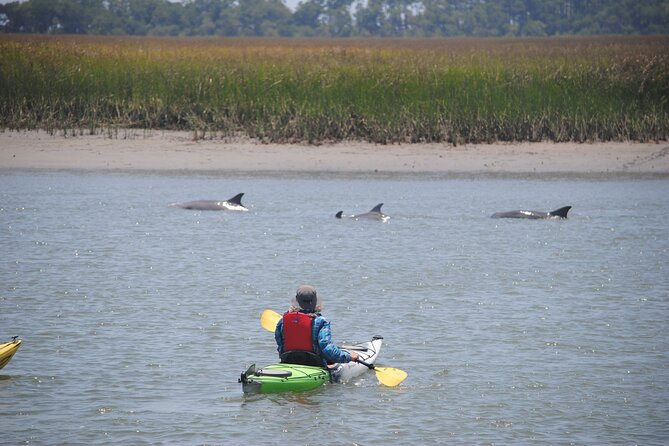
The main reason to book this outing is the chance to see animals in their natural setting. Atlantic bottlenose dolphins are the headline sighting, and several outings have included dolphins feeding, playing, or swimming close to the kayaks. Some groups have seen more than one pod, while others have only spotted a single animal.
You should treat dolphins as a welcome possibility rather than a promise. Wildlife responds to tide, temperature, food, weather, and simple luck. A calm morning may produce a different experience from a cloudy late-afternoon paddle.
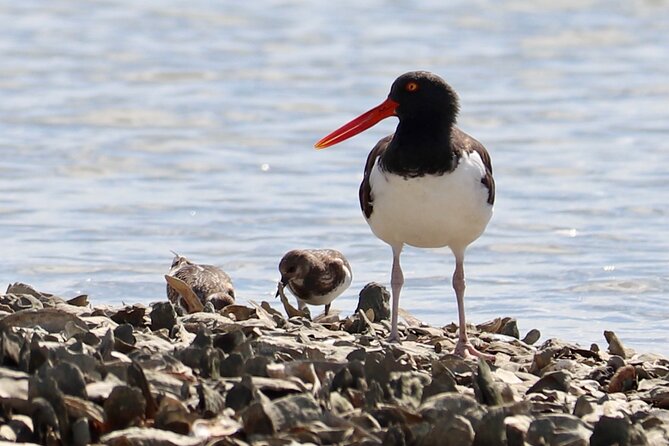
Birdlife is more predictable. Depending on the route and season, you might see egrets, herons, ospreys, pelicans, and other waterfowl. Pelicans may plunge for fish, while wading birds work the shallow edges. Crabs and smaller invertebrates appear around mudflats and oyster areas if you look closely.
Loggerhead sea turtles are also listed among the possible sightings, though they are not guaranteed. One outing included a turtle, while another produced a dolphin and two young sharks feeding. The lesson is simple: keep your eyes moving. The most memorable sight may be a large animal, but the marsh rewards attention to small details too.
Your guide helps you know where to look and explains the behavior of the animals you see. That is a major advantage over paddling alone. Without local help, you might pass a bird nest or feeding area without understanding why it matters.
More to weigh up across Charleston
- NYC: Circle Line 2h Harbor Lights Cruise Skip-The-Box-Office
★ 4.6 · 8,222 reviews - 2-Hour Exotic Car Driving Experience in Las Vegas
★ 5.0 · 2,870 reviews - Rock Springs 2-Hour Glass Bottom Guided Kayak Eco Tour
★ 5.0 · 2,459 reviews - 2-hour Outer Banks Wild Horse Tour by 4WD Truck
★ 5.0 · 2,449 reviews
The human side of the Lowcountry
The guide does more than identify animals. You also hear about the people who have long lived around these waterways, the properties along the creeks, and the relationship between local communities and the marsh.
Guides including Aiden, KD, Emily, Josh, Jack, Sunny, Alexandra, and others are praised for making the information approachable. Aiden is often singled out for answering detailed questions about Charleston, while KD receives high marks for combining humor with clear explanations. Emily has even used pluff mud as a hands-on teaching moment, showing how the soft, silky mud feels.
That sort of informal explanation is useful because the marsh can look repetitive at first. Once you understand the role of pluff mud, oyster shells, tidal flow, and marsh habitat, the same view becomes easier to read. You start seeing the waterway as a living system rather than a stretch of grass and mud.
The quality of the guide matters a lot here. A friendly, attentive guide can make a cloudy afternoon memorable. A less engaged outing may feel like two hours of paddling around without much purpose. Most of the named guides receive strong praise, but one detailed account raised concerns about group spacing and support for weaker paddlers. That is worth keeping in mind if your group has very different skill levels.
How hard is the paddling?
This is a good first kayaking experience for many people. First-time paddlers have completed the route comfortably, and guides are used to setting a manageable pace. Calm water makes the outing especially approachable, and tandem kayaks can help couples, families, or friends share the work.
Still, two hours on the water requires some effort. You should be comfortable sitting in a kayak and paddling for a sustained period, even if the pace is leisurely. One customer specifically advised making sure you are capable of paddling for two hours, and that is sensible advice.
Wind changes the equation. A headwind can make a relaxed trip feel tiring, while current may spread the group out. If you are new to kayaking, tell the guide early. Clear instruction at the beginning helps, but you should not expect the guide to do all the work for you.
Children under 13 must ride in a tandem kayak with an adult. Contact the operator in advance to arrange that boat. The stated weight limit is 350 pounds for a single kayak and 650 pounds for a tandem kayak.
You do not need to know how to swim, but you must wear the provided personal flotation device as required by law. The flotation device is worn throughout the trip, not simply carried on board.
Choosing between a single and tandem kayak
A single kayak gives you control over your own pace and direction. It can be a good fit if you are comfortable paddling independently and want a little more personal space.
A tandem kayak lets two people share one boat. It is often the better option for a child with an adult or for a couple where one person has more paddling experience. It does require coordination. If both paddlers pull at different times, the boat may wander, so listen carefully during the opening instruction.
The group size can reach 12 people, with a professional guide leading the route. Small groups usually make it easier to ask questions and hear the ecology talk. The exact feel depends on the day’s mix of single and tandem kayaks and on how confidently everyone gets moving.
One important safety point deserves plain treatment. The guide should keep the group together and support less experienced paddlers, particularly around current and boat traffic. If you feel separated or uncertain, speak up immediately rather than trying to find your own way back.
Timing, weather, and the best clothing
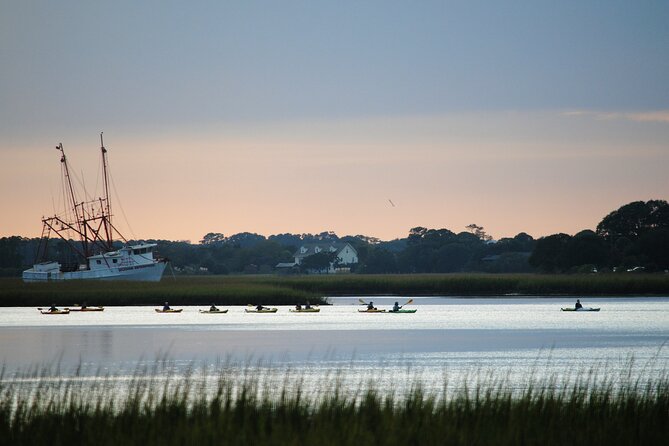
The tour operates in rain as well as shine, and afternoon rain is common in the Lowcountry. Bring rain gear if the forecast looks unsettled. The operator may cancel for poor weather, in which case you can choose another date or receive a full refund.
Late-afternoon departures can be especially attractive. One 4:45 p.m. outing finished with an impressive sunset over the marsh, and the lower light can make the return paddle feel peaceful. Still, the best departure time depends on the day’s weather and tidal conditions, not only on sunset.
Wear synthetic clothing or a swimsuit that can get wet. Cotton and jeans are poor choices because they stay heavy and uncomfortable after splashes. Bring water, sunscreen, sunglasses, and a hat.
Footwear deserves extra attention. Wear water shoes, sturdy sandals, or tennis shoes that can get wet. Sharp oyster shells are common around the marsh, so flimsy flip-flops and bare feet are a bad idea, especially if you step near the launch or mudflats.
Is the tour a good value?
No price is provided here, so I cannot judge the exact dollar value. The useful comparison is what you receive for the fee: two hours on the water, a guide, kayak equipment, paddle, flotation device, dry bag, instruction, safety support, and interpretation of the marsh.
That package is usually more useful for a first visit than renting a kayak without guidance. You avoid buying or transporting equipment, and you gain local help with route planning, tide, wildlife, and steering. The dry bag and complimentary parking also remove a couple of small costs and hassles.
The value is strongest if you want an easy introduction to Charleston’s natural side. It is less compelling if your main goal is a hard workout or a long, fast paddle. The guide may pause often to talk, and wind or current may reduce the distance covered.
You also pay for a chance at wildlife, not a guaranteed dolphin encounter. If you need a fixed sightseeing result, this is the wrong kind of activity. If you enjoy being outdoors and can appreciate birds, mud, tidal water, and scenery even when larger animals stay hidden, the experience makes more sense.
Who should book this Bowens Island paddle?
I would recommend it to first-time kayakers, couples, families with older children, solo visitors, and anyone who wants a break from Charleston’s historic streets. The two-hour length fits neatly into a day, and the return to the same meeting point keeps the logistics straightforward.
It is also a good choice for people who prefer learning while they move. Guides explain the ecosystem, local wildlife, tides, and surrounding area without turning the trip into a formal lecture.
You should think twice if you dislike getting wet, have trouble paddling for two hours, or want complete control over your route. You should also set realistic expectations about wildlife. A dolphin sighting can be thrilling, but a quiet paddle with birds and marsh scenery is still a normal outcome.
Book at least 24 hours ahead if you need a full refund after changing plans. Cancellations made within 24 hours are not refunded, and the operator may cancel if weather or minimum participation becomes a problem. Confirmation is normally immediate, though bookings made within seven days of departure can take up to 48 hours to confirm.
My verdict on the Charleston kayak eco tour
I like this outing because it shows you a side of Charleston that cannot be understood from land. The foot-steered kayaks, provided gear, short instruction, and easy two-hour format make it approachable, while the marsh setting gives the trip genuine character.
The strongest guides add a lot. Aiden, KD, Emily, Alexandra, Josh, and others are praised for humor, patience, local stories, and wildlife knowledge. The main weakness is the unavoidable uncertainty of nature, with wind, current, boat traffic, and animal behavior shaping each departure.
Book it if you want a calm, guided introduction to the Lowcountry and will enjoy the marsh even without a dramatic sighting. Choose it especially for a late-afternoon outing if a sunset appeals to you. Skip it only if you want a strenuous paddle, a guaranteed animal encounter, or a completely independent trip.
FAQ
Do I get my own kayak?
You can choose a single kayak or a tandem kayak. Children 12 and under must ride in a tandem kayak with an adult, so contact the operator ahead of time to arrange that option.
Where does the tour meet?
The tour starts and ends at Charleston Outdoor Adventures, 1871 Bowens Island Road, Charleston, South Carolina 29412.
How long is the kayaking tour?
The guided kayaking experience lasts about two hours and returns to the original meeting point.
What equipment is included?
The operator provides the kayak, paddle, personal flotation device, professional guide, and a dry bag for your phone or other personal belongings.
What should I wear?
Wear synthetic clothing or a swimsuit that can get wet. Water shoes, sturdy sandals, or tennis shoes that can get wet are recommended. Avoid cotton and jeans.
Do I need to know how to swim?
No. You are required to wear a personal flotation device while kayaking, and flotation devices are provided for all boats.
Is parking available?
Yes. Complimentary parking is available on site at the departure point.
Can the tour operate in the rain?
Yes. The tour operates rain or shine, so bring rain gear when needed. If the experience is canceled because of poor weather, you can receive a full refund or choose another date.
Newly listed in Charleston
- Boone Hall Plantation Admission & Tour with Transportation from Charleston★ 4.5 · 455 reviews
- Charleston: Downtown Horse-Drawn Carriage Tour★ 4.8 · 459 reviews
- Charleston Horse & Carriage Historic Sightseeing Tour★ 4.5 · 460 reviews
- Charleston Ghosts of Liberty Guided Walking Tour★ 4.5 · 473 reviews
- Charleston Ghost & Dungeon Night-Time Walking Tour with Entry to Provost Dungeon★ 4.0 · 479 reviews
- Charleston Haunted Jail Night-Time Walking Tour with Admission to Old City Jail★ 4.5 · 570 reviews
- Charleston Harbor Luxury Dinner Cruise with Live Music★ 4.0 · 607 reviews
- Afternoon Schooner Sightseeing Dolphin Cruise on Charleston Harbor★ 4.5 · 620 reviews
Charleston Tours, compared.

Charleston’s Old South Carriage Historic Horse & Carriage Tour
Read our review →
Historic Charleston Guided Sightseeing Walking Tour
Read our review →
Haunted Evening Horse and Carriage Tour of Charleston
Read our review →
Charleston Horse-Drawn Carriage Tour: Explore Historic Charleston
Read our review →
Fort Sumter Admission and Self-Guided Tour with Roundtrip Ferry
Read our review →
Ghosts of Charleston Night-Time Walking Tour with Unitarian Church Graveyard
Read our review →
Charleston Harbor History Day-Time or Sunset Boat Cruise
Read our review →
Hidden Alleyways and Historic Sites Small-Group Walking Tour
Read our review →Browse the lists this tour appears in