

Reviewed · CHARLESTON TOURS
Boone Hall Plantation All-Access Admission Ticket
Boone Hall’s most important lesson is not found in its pretty house or famous oak-lined entrance. It is in the nine cabins where enslaved people lived, paired with the Black History in America exhibit and a direct presentation on Gullah culture. The estate’s beauty and its painful past are presented side by side.
I like the all-access format because you can move at your own pace, and the tractor tour gives you a useful view of the broad working property. I also like the live Gullah presentation, which many people consider the strongest part of the visit. The main drawback is that the house dates from 1935, not the plantation’s colonial era, and the first-floor tour is short.
Key points at a glance
- The nine slave cabins: These original structures hold the Black History in America exhibit and give the visit its clearest link to the people who lived and worked here.
- Gullah culture presentation: This live talk is a major reason to choose the all-access ticket, especially if African American history and Lowcountry culture are your main interests.
- A 1935 plantation house: The home is attractive and furnished, but it is not the original Boone family house and only part of the first floor is open.
- A working property: The tractor tour, gardens, wildlife, horses, and farm areas show Boone Hall as an active estate rather than a frozen museum.
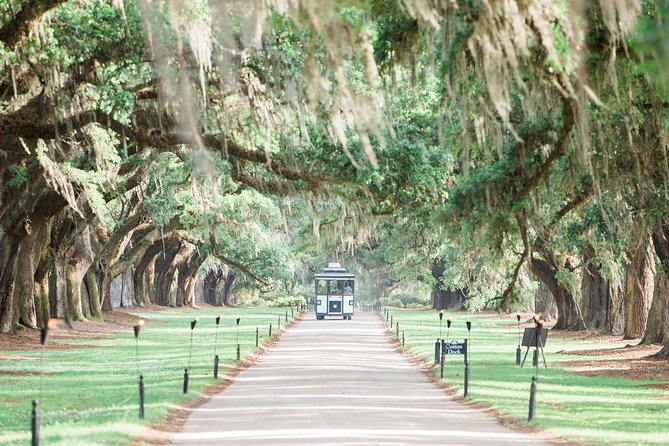
- The Avenue of Oaks: The grand entrance is the postcard view, with huge live oaks framing the approach to the house.
- Allow four hours: Two hours covers the main sights, but you will need close to four hours for the talks, tractor ride, cabins, gardens, house, and museums.
Why Boone Hall is more than a pretty driveway
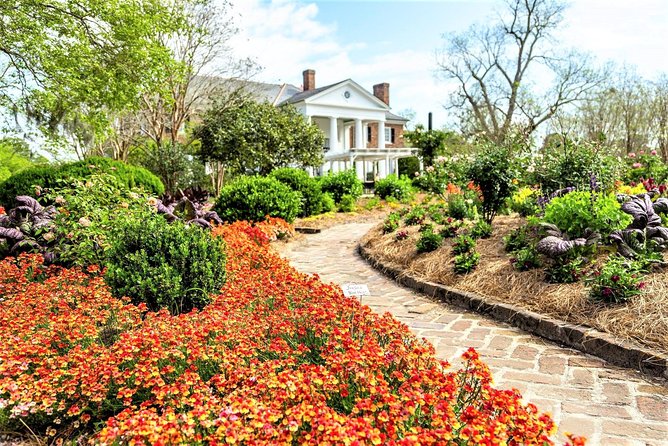
Boone Hall is often pictured as a grand avenue of live oaks leading to a plantation house. That view is lovely, but it can also give you the wrong idea about the visit. The most meaningful parts are the cabins, the Black History in America exhibit, and the Gullah culture presentation.
The property traces its beginnings near Charleston to 1681. Its story includes agriculture, brickmaking, enslaved labor, changing ownership, and the continued life of a working farm. You will hear about the plantation economy, but you will also see the physical spaces tied to the people who were forced to build and maintain it.
I appreciate that the visit gives you several ways to learn. A house guide explains the first floor, a tractor guide covers the larger grounds, and presenters offer shorter talks at different points. This vignette style works well because you are not trapped in one long lecture.
Still, Boone Hall is not a preserved eighteenth-century mansion. The present house was built in the 1930s, and the guided tour covers only a few first-floor rooms. If you want a completely original plantation house, this may disappoint you. If you want a broad look at Lowcountry plantation life, Gullah culture, slavery, gardens, and a working farm in one visit, the ticket has real value.
More to weigh up across Charleston
- NYC: SUMMIT One Vanderbilt Tickets
★ 4.7 · 51,195 reviews - NYC: 9/11 Memorial & Museum Timed-Entry Ticket
★ 4.8 · 31,428 reviews - NYC: Empire State Building Tickets – Observatory & Museum
★ 4.7 · 25,757 reviews
Walking beneath the Avenue of Oaks
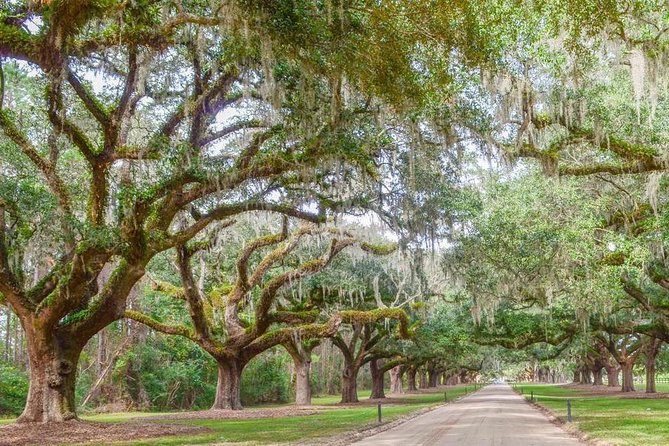
Your visit begins with one of the most memorable approaches in the Charleston area. The Avenue of Oaks leads toward Boone Hall with mature trees forming a long natural corridor. It is the kind of setting that makes you reach for your camera before you have even reached the main buildings.
The avenue is beautiful, but keep its purpose in mind. The visual drama reflects the wealth and status associated with plantation life. The estate did not become prosperous by scenery alone. Enslaved people produced the labor that supported the property, and the rest of the visit helps connect this grand entrance to that harder truth.
Free parking is included, and the site is near public transportation. The property is spread out, so comfortable shoes matter more here than dressy ones. Since the experience can last from two to four hours, give yourself enough time for walking, waiting for scheduled presentations, and pausing at the outdoor sights.
The 1935 house and its short first-floor tour
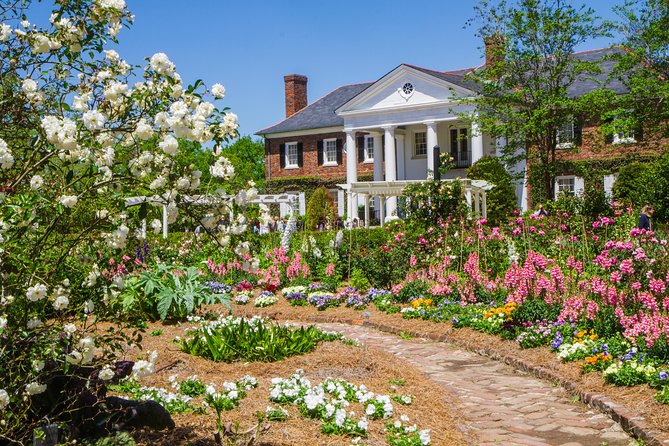
The house is an important stop, but it needs a clear explanation before you arrive. It was built in 1935, so it is not the original colonial-era Boone Hall residence and was not owned by the Boone family in the way many first-time visitors expect.
The guided tour covers the first floor. Depending on the day and the route, you may see spaces such as the entrance, drawing room, dining room, breezeway, and game room. The interiors are attractively furnished, and the guides explain details about the rooms, the people connected with the house, and the way the property was used.
I would treat this as one part of the experience, not the main event. Some visitors find the house tour too brief, especially since only a few rooms are open. Photography inside the house may also be restricted, so do not assume you can take pictures in every room.
The house works best as a piece of the larger story. Its twentieth-century construction tells you that Boone Hall is not a perfectly preserved time capsule. It is an estate with several historical periods layered together, and the later house is one of those layers.
The cabins and Black History in America exhibit
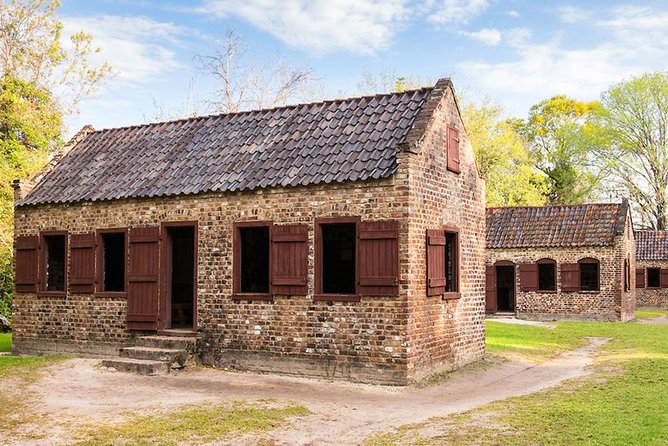
The nine original cabins are the visit’s most important physical evidence of enslaved life at Boone Hall. They are modest buildings, and their scale changes the way you understand the plantation far more than a conversation about acreage or architecture can.
The Black History in America exhibit uses these cabins to present African American history and the experience of enslavement. You will encounter information about labor, daily life, oppression, and the long consequences of slavery. The setting matters. You are not simply reading labels in a modern gallery. You are standing inside buildings connected to enslaved workers who lived on the property.
The cabins also help correct a common problem with plantation tours: spending too much time on owners, furniture, and parties while treating enslaved people as a footnote. Boone Hall gives this subject a dedicated place and makes it one of the main stops.
That said, the quality of your visit will depend on how much time you give the exhibit. Do not rush through the cabins after the house tour. Read the displays, listen to the talks, and use the space to consider who built the estate and who benefited from its labor.
A different kind of day, same corner of the map:
- Charleston’s Old South Carriage Historic Horse & Carriage Tour
★ 5.0 · 10,023 reviews - Historic Charleston Guided Sightseeing Walking Tour
★ 5.0 · 6,216 reviews - Haunted Evening Horse and Carriage Tour of Charleston
★ 4.5 · 3,678 reviews - Charleston Horse-Drawn Carriage Tour: Explore Historic Charleston
★ 5.0 · 3,561 reviews
A direct introduction to Gullah culture
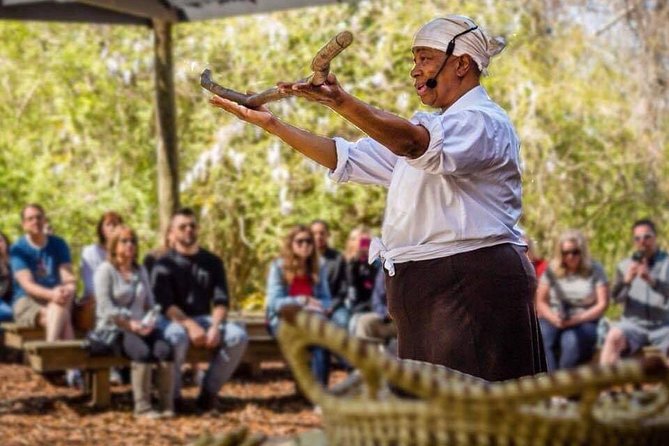
The live Exploring the Gullah Culture presentation is one of the strongest reasons to buy all-access admission. Gullah culture grew from African traditions carried to the Lowcountry by enslaved people and shaped by life along the South Carolina coast and nearby islands.
The presentation brings cultural history closer to daily life. You may learn about language, foodways, family traditions, craft, music, and the survival of African influences in the region. The format is personal and spoken, which gives you a different experience from reading a panel in a museum.
Several people find this talk more memorable than the house portion. I can understand why. A furnished room can show how a wealthy family lived, but a live cultural presentation helps explain how African American traditions endured despite slavery and its violence.
Check the timing when you arrive. The attraction includes several talks, and a presentation may not begin just as you reach the area. If the Gullah program is your priority, plan your route around it rather than hoping to catch it by chance.
Seeing the property by tractor
The tractor tour covers the full property, weather permitting. This is useful because Boone Hall is too broad to understand fully by walking only between the house and cabins.
From the tractor, you can see the estate as a working place. The ride offers views of farm areas, gardens, trees, wildlife, and other parts of the grounds. It also gives you a break from walking, which helps if you are visiting in warm weather or with family members who tire easily.
The tractor tour is not just transportation. The guide provides context about the land and the plantation’s past and present. You may hear about crops, brickmaking, and the way the property has changed over time. One detail worth watching for is the brickwork. Bricks were made at Boone Hall, and bricks that were not considered good enough for sale were used to build quarters for enslaved workers.
Weather affects this part of the ticket. If rain or poor conditions cancel the ride, you will lose one of the best ways to see the full estate. On a dry day, try to schedule the tractor tour early enough that you still have time for the cabins, Gullah presentation, and house afterward.
Gardens, wildlife, stables, and the Gin House
The Garden Tour, called Showcase of Color, adds a lighter but worthwhile part to the day. The gardens provide a change of pace after the historical exhibits, and the property’s trees, plants, and wildlife make it pleasant to wander without a guide.
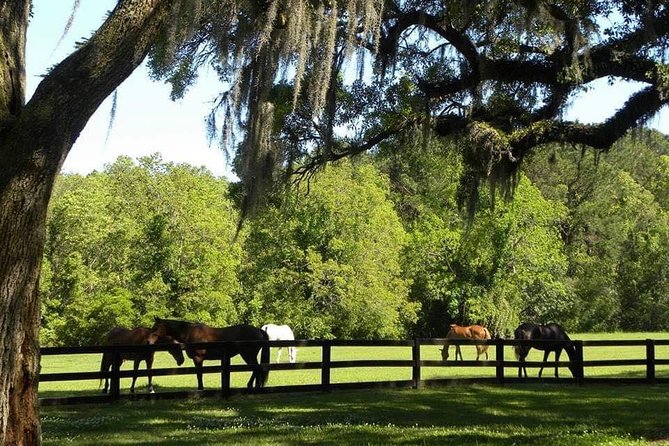
The stable area adds another view of Boone Hall as an active property. Horses, including polo horses, may be visible, although access to the stable tour depends on the schedule. If the stable tour matters to you, ask about its times at the beginning of your visit. Waiting an extra hour may not fit your plans.
The Gin House Museum covers 300 years of history. It gives you another chance to connect the plantation’s agricultural past with the people and systems that made the property operate. The name can be confusing if you expect a modern museum, but it is part of the estate’s historical collection and helps broaden the visit beyond the house.
These smaller stops are valuable because they keep Boone Hall from becoming only a mansion tour. They also explain why you should not rush in, see the house, and leave. The ticket includes many separate pieces, and the grounds reward a slower pace.
How much time you need
You can see the main highlights in about two hours, but I would plan on three to four hours if you want the full experience. That gives you time for:
- The Avenue of Oaks and grounds
- The first-floor house tour
- The nine cabins and Black History in America exhibit
- The Gullah culture presentation
- The tractor ride
- The gardens and wildlife areas
- The Gin House Museum
- The stable area, if the schedule works
A short visit makes sense if you mainly want photographs, the house, and a quick look at the cabins. A longer visit is better for anyone who wants to understand how the plantation functioned and how its history connects to slavery, agriculture, brickmaking, and Gullah culture.
The attraction is open Monday through Saturday from 9:00 a.m. to 5:00 p.m. The information provided lists these hours through February 3, 2027, but check the current schedule before setting out. Special events are not included with this admission.
Is the $36.50 ticket good value?
At $36.50 per person, the all-access ticket is reasonable if you use most of what it includes. You are paying for several tours and exhibits in one admission, not simply entry to the grounds. The Gullah presentation, tractor tour, house tour, gardens, cabins, and museums create a full half-day outing.
The value drops if you only want to see the house. The house is not original, the route is short, and photography restrictions may make it less satisfying for architecture fans. The ticket makes more sense when your interests include African American history, Gullah culture, gardens, and the working farm.
Price comparison deserves care. Some published experiences have charged more than the plantation’s direct gate price, especially for senior tickets. The supplied details include examples of online prices around $36 to $38 compared with lower senior prices at the gate. Prices change, so check Boone Hall’s own current rates before paying an outside booking fee.
The ticket allows free cancellation up to 24 hours before the start time for a full refund. Within 24 hours, you generally cannot cancel or change the booking for a refund. If poor weather cancels the experience, you should be offered another date or a full refund.
Who should book Boone Hall
I would recommend this visit to anyone who wants more than a mansion photograph. It suits families, couples, solo visitors, school groups, and anyone with a serious interest in the history of slavery and African American life in the Lowcountry.
The property is also a good choice if you want a flexible day. You are not locked into one continuous guided walk. You can attend talks, wander the grounds, ride the tractor, and spend extra time at the cabins or gardens.
I would be more cautious if your main goal is an original plantation home. The 1935 house cannot provide that. I would also think twice if you have only an hour, since the best parts are spread across the property and some talks run at set times.
Most visitors can participate, and service animals are allowed. Since the attraction is outdoors and weather can cancel the tractor tour, check the forecast and wear practical clothing.
My recommendation
I would book Boone Hall if you want a full, varied visit that treats the estate as both a beautiful property and a place shaped by slavery. Make the cabins and Gullah presentation your priorities, then add the tractor ride, gardens, Gin House, stables, and house as time allows.
I would not book it solely for an old mansion. The house is attractive, but it is a later building and only a few rooms are included. The real value comes from putting all the pieces together: the grand oaks, the working farm, the enslaved workers’ cabins, the Gullah story, and the difficult history beneath the polished grounds.
FAQ
How long does the Boone Hall Plantation visit take?
The visit takes approximately two to four hours. Two hours may cover the main sights, while four hours gives you time for the talks, tractor tour, house, cabins, gardens, museums, and stable area.
What does the all-access ticket include?
It includes admission down the Avenue of Oaks, a guided first-floor house tour, the Black History in America exhibit, the tractor tour when weather permits, a history presentation, the Exploring the Gullah Culture presentation, the Showcase of Color garden tour, wildlife viewing, the stable tour, the Gin House Museum, and free parking.
Is the plantation house original?
No. The present house was built in 1935. The guided visit covers the first floor and only a limited number of rooms.
Are the slave cabins part of admission?
Yes. The all-access ticket includes access to nine original cabins where enslaved people lived, along with the Black History in America exhibit.
Is the tractor tour always available?
No. The tractor tour is weather permitting. Poor weather can also lead to cancellation of the overall experience, with a different date or full refund offered.
What are the opening hours?
The listed hours are Monday through Saturday, 9:00 a.m. to 5:00 p.m. The schedule provided applies from January 10, 2022 through February 3, 2027, but you should check current hours before visiting.
Can I cancel for a refund?
You can cancel at least 24 hours before the experience start time for a full refund. Cancellations or changes made less than 24 hours before the start time are not accepted for a refund.
Newly listed in Charleston
- Boone Hall Plantation Admission & Tour with Transportation from Charleston★ 4.5 · 455 reviews
- Charleston: Downtown Horse-Drawn Carriage Tour★ 4.8 · 459 reviews
- Charleston Horse & Carriage Historic Sightseeing Tour★ 4.5 · 460 reviews
- Charleston Ghosts of Liberty Guided Walking Tour★ 4.5 · 473 reviews
- Charleston Ghost & Dungeon Night-Time Walking Tour with Entry to Provost Dungeon★ 4.0 · 479 reviews
- Charleston Haunted Jail Night-Time Walking Tour with Admission to Old City Jail★ 4.5 · 570 reviews
- Charleston Harbor Luxury Dinner Cruise with Live Music★ 4.0 · 607 reviews
- Afternoon Schooner Sightseeing Dolphin Cruise on Charleston Harbor★ 4.5 · 620 reviews
Charleston Tours, compared.

Charleston’s Old South Carriage Historic Horse & Carriage Tour
Read our review →
Historic Charleston Guided Sightseeing Walking Tour
Read our review →
Haunted Evening Horse and Carriage Tour of Charleston
Read our review →
Charleston Horse-Drawn Carriage Tour: Explore Historic Charleston
Read our review →
Fort Sumter Admission and Self-Guided Tour with Roundtrip Ferry
Read our review →
Ghosts of Charleston Night-Time Walking Tour with Unitarian Church Graveyard
Read our review →
Charleston Harbor History Day-Time or Sunset Boat Cruise
Read our review →
Hidden Alleyways and Historic Sites Small-Group Walking Tour
Read our review →Browse the lists this tour appears in