
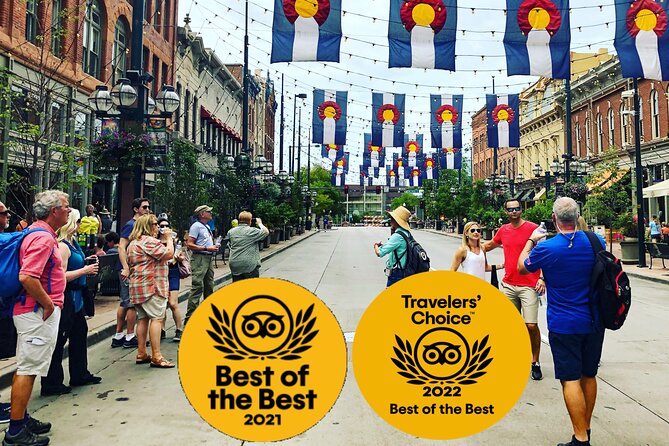
Reviewed · HISTORICAL TOURS
2 Hour LoDo Historic Walking Tour in Denver
Denver’s oldest neighborhood is not an open-air museum. LoDo mixes grand old buildings with breweries, restaurants, hotels, sports crowds, and construction. This two-hour walking tour makes sense of that mix, beginning at Union Station and tracing the people, money, scandals, and turning points that shaped downtown Denver.
I like the compact 1.5-mile route, which gives you a useful first look without taking up half your day. I also like the practical food and drink advice from guides such as Will, whose dry humor and dad jokes have become part of the tour’s personality. The main caution is audio clarity: a few people found that the guide sometimes spoke too quickly, even with the listening devices.
Key points at a glance
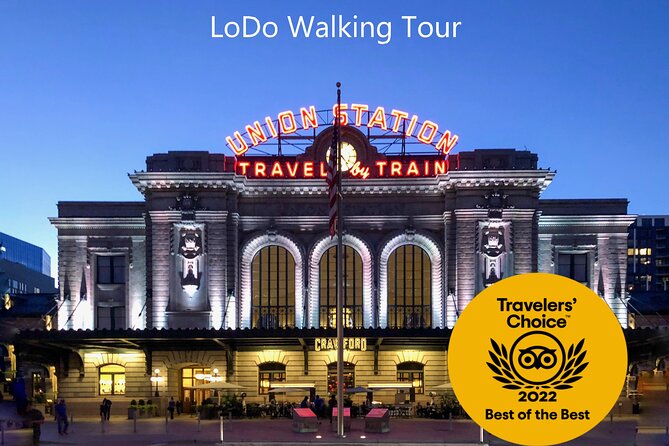
- Union Station sets the story: Start and finish at Denver’s transportation hub, with an explanation of how it helped the young city survive.
- A short route with many stops: Cover Dairy Block, Coors Field, Market Street, 16th Street Mall, Larimer Square, and the Oxford Hotel in about two hours.
- Denver’s less polished past: Hear about Hop Alley, the old red-light district, famous madames, bordellos, and underground tunnels.
- Headsets help in city noise: Vox Tour Solutions listening devices let you hear the guide while standing on busy streets.
- Useful advice beyond history: Ask where to eat, drink, and spend the rest of your time in Denver.
- Good for many ages: Families are welcome, young children are free, and the walk includes several pauses to sit or take a break.
Why LoDo is the right place to start

Lower Downtown, usually called LoDo, is one of the best areas in Denver for a first orientation. You can walk from Union Station to restored commercial blocks, a major baseball stadium, a former vice district, an old hotel, and newer dining areas without needing a taxi or train between stops.
That variety gives the tour its appeal. You are not simply looking at old facades while someone recites dates. You are hearing how Denver tried to make money, how certain streets gained reputations, and how buildings that once served one purpose now support another.
The route is especially useful if you have only a weekend in town. You get the basic shape of downtown, then can return to places that catch your eye. I would take it early in your visit, not on your last morning. The guide’s restaurant and brewery suggestions are more useful when you still have time to use them.
The tour receives a 4.9 rating from 1,106 ratings, with 99 percent of participants recommending it. Those numbers suggest a strong and consistent operation, though the audio issue and a small number of canceled or missed departures are worth keeping in mind.
More to weigh up across Denver
- NYC: Circle Line 2h Harbor Lights Cruise Skip-The-Box-Office
★ 4.6 · 8,222 reviews - 2-Hour Exotic Car Driving Experience in Las Vegas
★ 5.0 · 2,870 reviews - Rock Springs 2-Hour Glass Bottom Guided Kayak Eco Tour
★ 5.0 · 2,459 reviews
Meeting Will at Union Station
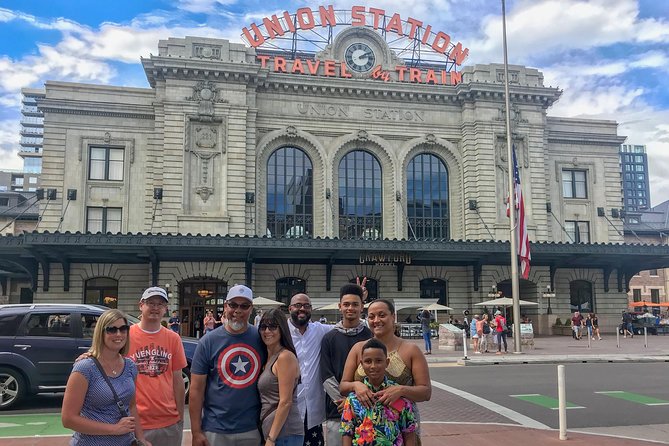
Meet at the flagpole outside Union Station, at 17th and Wynkoop Street, listed as 1701 Wynkoop Street. Check in at 10:45 a.m. for the 11 a.m. start. The tour returns to this same point.
Union Station is an excellent opening setting. The guide begins by explaining the station’s role in Denver’s survival and growth. That gives the rest of the walk a clear frame: transportation brought people and money here, and the streets around the station developed around that traffic.
The station is also a practical meeting point. It is near public transportation, and the tour ends here, so you can continue with lunch or another downtown activity. Parking can be difficult, and the operator suggests using the SpotHero app to find a space. If you are staying downtown, walking or using public transportation is likely simpler than driving.
The group can include up to 27 people. That is not an intimate private walk, but the listening equipment helps keep the guide’s voice available to everyone. Bring water, sunscreen, and comfortable shoes. The tour runs in all weather conditions, so a hot afternoon, cold morning, or light rain calls for suitable clothing.
Dairy Block and Denver’s changing center
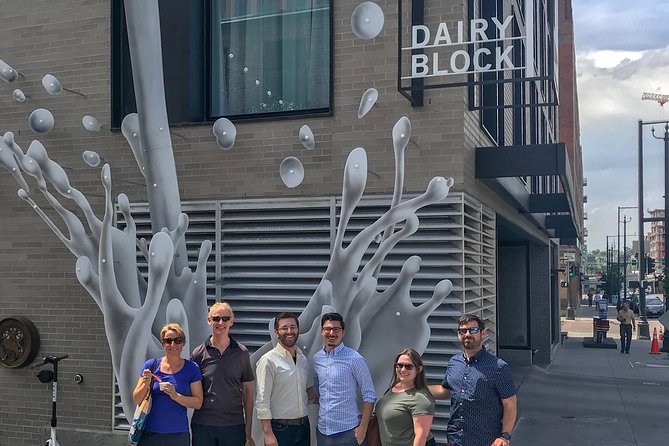
The first scheduled stop is Dairy Block, a lively modern development with plenty of visual appeal. The guide uses it to show how LoDo continues to change. This is one of the more contemporary parts of the route, which helps you compare new shops and gathering places with the older buildings nearby.
You will spend about 15 minutes here. That is enough time to hear the background, take in the setting, and get a sense of where you might return later. The stop is free, as are all the listed stops.
The useful point is contrast. LoDo’s appeal comes from old and new sharing the same few blocks. The tour does not pretend the district has frozen in time. Instead, it places current restaurants, bars, and hotels inside a longer story about Denver’s rise.
Coors Field and Denver’s baseball story
The walk continues to Coors Field, home of the Colorado Rockies and the subject of a 10-minute stop. The guide discusses Denver’s first Major League team and the role of the stadium in the modern identity of LoDo.
You will not be attending a game or touring the interior. Think of this as an exterior history stop, useful for understanding why this part of downtown feels different on game days and why the stadium matters to the neighborhood.
This section also gives you a natural break from older city stories. Denver’s past is not limited to frontier tales and Victorian buildings. The baseball chapter shows how the district became a place where sports, dining, nightlife, and housing all meet.
More historic sites around Denver:
- Footsteps Through Denver: Women, History & Hidden Gems
★ 5.0 · 508 reviews - New York City: American Museum of Natural History Ticket
★ 4.5 · 15,447 reviews - History and Hauntings of Salem Guided Walking Tour
★ 5.0 · 14,564 reviews - Charleston’s Old South Carriage Historic Horse & Carriage Tour
★ 5.0 · 10,023 reviews
Market Street and the old Red Light District
At 1946 Market Street, the guide discusses Denver’s original Red Light District. This is where the tour takes a more adult turn, with stories about the women who worked along the street and the famous madames who ran businesses there.
The itinerary includes a visit to Mattie Silks House of Mirrors, described as the most famous bordello of its time. The stories add color to Denver’s Wild West image, but they also show the practical side of a growing frontier city. Workers, businessmen, gamblers, entertainers, and entrepreneurs all helped build the local economy.
The operator warns that mild adult topics may come up. Families can still attend, but parents should decide if this subject fits their children. The guide’s dad jokes are also a recurring feature, so expect a light, playful delivery rather than a solemn lecture.
This stop lasts about 10 minutes. It is short, but it gives the tour some of its most memorable material. If you prefer only architecture and civic history, this may not be your favorite section. If you like the human stories behind a city’s polished public image, it is an important part of the walk.
16th Street Mall and a complicated public space
The 16th Street Mall stop lasts about 10 minutes and covers its architect, past, future, and one of its notable buildings. This is a useful place to hear how Denver has tried to shape downtown for pedestrians and businesses.
The mall is best understood as a work in progress. The tour gives you context for its design and changing role rather than treating it as a finished attraction. That makes the stop more valuable than a quick photo pause, especially if you plan to use the area later.
Pay attention to how the guide connects architecture with daily city life. A building’s design matters, but so do the ways people move through the street, where they stop, and how a public space changes over time.
Larimer Square, Denver’s starting point
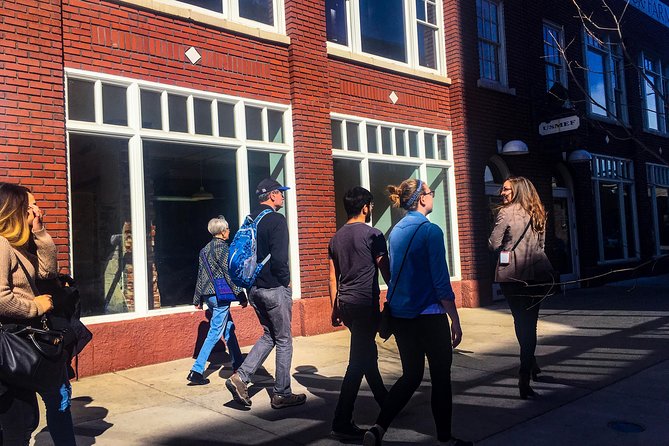
Larimer Square is one of the key historical stops. Here you learn where, when, and by whom the city began, along with the people who later helped save it.
The guide uses the square to explain Denver’s early development and its preservation story. This is the part of the walk that most directly answers the basic question: why is Denver here, and how did it become a city instead of a short-lived settlement?
Larimer Square also works well as a pause in the route. The stop is scheduled for about 15 minutes, and the tour includes several opportunities to sit. That matters in summer, when the pavement and high-altitude sun can make even a short walk feel harder than expected.
You will see historic architecture here, but the guide’s stories are the real reason to pay attention. Look beyond the storefronts and imagine the competing interests that shaped this block. The tour’s broader theme is that Denver was built by people who took risks, made money, lost money, and sometimes fought to keep the city alive.
The Oxford Hotel and an old Denver bar
The Oxford Hotel is Denver’s oldest operating hotel and receives a 10-minute stop. Its history adds another layer to the LoDo story, since hotels served visitors, workers, merchants, and people passing through the railroad district.
The stop also includes one of Denver’s best-known bars. The setting helps connect the city’s early travel culture with its drinking and social life. You get another practical reference point for your time downtown, particularly if you want to return after the tour.
The Oxford is a good example of why a walking tour can help. You can pass an old hotel and admire the exterior, but without context you may not know why it matters. A short explanation turns an ordinary walk past a building into part of the city’s story.
Underground tunnels and stories beneath the streets
One of the more unusual subjects is Denver’s underground tunnel system. The tour does not promise access to the tunnels, so you should expect an explanation rather than an underground excursion.
Still, the subject adds intrigue to the walk. It suggests that downtown life did not happen only at street level. The guide uses the tunnels, old businesses, and colorful characters to show how Denver’s public image and private activity sometimes occupied different layers.
These stories are part of the tour’s appeal. You get architecture and civic history, but also a little mystery and scandal. The tone stays approachable, with humor woven through the material.
The guide, headsets, and pace
Guide Will receives repeated praise for his warmth, humor, city knowledge, and ability to suggest places to eat, drink, and visit. He also tries to keep the group in the shade when possible, which is a small but welcome kindness during hot weather.
The listening devices are supplied by Vox Tour Solutions. In a city setting, this is more than a fancy extra. Traffic, pedestrians, construction, and general street noise can make a guide hard to hear, so the headset lets you keep listening while standing several feet away.
The system is not perfect for everyone. One person found the guide’s voice unclear through the device, and another felt he sometimes spoke too quickly or failed to enunciate. If you have hearing concerns, stand near the guide and ask him to slow down or repeat a point. The equipment helps with volume, but it cannot fix every issue with delivery.
The pace is generally easy to manage. The walk covers about 1.5 miles and includes several stops, with occasional chances to sit. You still need to be comfortable walking on city streets for two hours, but this is not a strenuous hike. Most people can participate, and service animals are allowed.
Is $30 a fair price?
At $30 per person, this is a reasonable price for a small-group, two-hour city tour. You are paying for a local guide, a structured route, listening equipment, and the time saved by having the important buildings and stories selected for you.
The value is strongest for first-time visitors. You could walk these streets alone for free, but you would miss the connections between Union Station, the old vice district, Larimer Square, the Oxford Hotel, and LoDo’s modern development. The food and drink suggestions add value if you plan to eat around downtown.
It is also a good choice for a short visit. You get a quick orientation without spending an entire day indoors or on a bus. If you already know LoDo well, the cost may be harder to justify unless you want the historical stories or a fresh look at the district.
Young children are free, but you should select a child ticket so the operator brings the right amount of equipment. The adult stories are mild, not graphic, but the subject matter around Market Street may not suit every family.
Practical details before you book
Arrive by 10:45 a.m. for equipment and check-in. The tour starts at 11 a.m. sharp at the Union Station flagpole.
Wear comfortable shoes, carry water, and bring sunscreen. The walk operates in all weather conditions, and the cancellation terms state that poor weather may lead to a different date or a full refund.
The tour requires a minimum of four participants. If that minimum is not met, the operator may cancel and offer another date, another experience, or a full refund. A small number of people have also dealt with a same-day cancellation or an unexpected guide emergency, so keep your phone available for messages on the morning of the tour.
You can cancel for a full refund up to 24 hours before the start time. Cancellations or changes within 24 hours are not refunded or accepted.
Who should book the LoDo walk?
I recommend this tour most strongly for first-time visitors, couples, families with older children, solo visitors, and anyone with only a day or weekend in Denver. It gives you a map in your head, a short list of places to eat and drink, and enough background to make later sightseeing more rewarding.
It also suits seniors and people who prefer a moderate city walk rather than a long excursion. The route is short, and the pauses help. You should still be ready for outdoor conditions and ordinary city walking.
I would skip it if you want museum admission, an interior tour of every building, or a quiet architecture lecture. This is a story-driven neighborhood walk, delivered with humor and occasional adult subjects. The guide’s style is energetic and informal, not polished in a theatrical way.
Should you book it?
Book the 2 Hour LoDo Historic Walking Tour if you want a useful first look at downtown Denver and enjoy history told through colorful people, old businesses, vice districts, hotels, sports, and changing streets.
The best strategy is to schedule it near the start of your stay. Bring questions about restaurants, breweries, nightlife, and nearby sights, then use the guide’s local suggestions afterward. At $30, it offers solid value for a short, focused introduction, provided you are comfortable with city walking, dad jokes, and the possibility that audio clarity may vary.
FAQ
Where does the LoDo walking tour begin?
The tour begins at the flagpole outside Union Station at 17th and Wynkoop Street. The listed address is 1701 Wynkoop Street, Denver, Colorado 80202.
What time should I arrive?
Arrive at 10:45 a.m. for check-in and to receive the listening equipment. The tour starts at 11 a.m.
Where does the tour end?
The tour ends back at Union Station, at the same meeting point.
How long is the walking route?
The route covers about 1.5 miles and takes approximately two hours, including stops and stories.
What places does the tour visit?
The route includes Union Station, Dairy Block, Coors Field, Market Street, 16th Street Mall, Larimer Square, and the Oxford Hotel.
Are headsets provided?
Yes. Vox Tour Solutions assisted listening devices are provided so you can hear the guide during the walk.
Is the tour suitable for children?
Families are welcome, and young children are free. Select a young children’s ticket so the operator can bring the right amount of equipment. Mild adult topics may come up during the discussion of Denver’s former Red Light District.
Does the tour operate in bad weather?
The tour operates in all weather conditions, so dress appropriately. If poor weather causes the tour to be canceled, you will be offered another date or a full refund.
Is parking available near the meeting point?
Parking can be difficult to find near Union Station. The operator recommends using the SpotHero app to locate parking.
What is the cancellation policy?
You can cancel at least 24 hours before the start time for a full refund. Cancellations or changes made less than 24 hours before the start time are not refunded or accepted.
More Walking Tours in Denver
- New Orleans Premier Ghost, Voodoo and Vampire Walking Tour
★ 4.5 · 12,856 reviews - Little Havana Food and Walking Tour in Miami
★ 5.0 · 8,882 reviews - Chicago: Gangsters and Ghosts Walking Tour
★ 5.0 · 7,155 reviews - Boston: Freedom Trail History Small Group Walking Tour
★ 5.0 · 6,450 reviews
Newly listed in Denver
- Footsteps Through Denver: Women, History & Hidden Gems★ 5.0 · 508 reviews
- Rocky Mountain National Park and Estes Park Tour from Denver Winter and Spring★ 5.0 · 511 reviews
- Denver and Foothills Mountain Small-Group Tour★ 5.0 · 551 reviews
- From Denver: Red Rocks, Evergreen, and Echo Lake Tour★ 4.9 · 597 reviews
- Denver Craft Beer Tour in Lower Downtown★ 5.0 · 673 reviews
- Rocky Mountain National Park in Summer Tour from Denver★ 5.0 · 696 reviews
- Rocky Mountain 6-Zipline Adventure on CO Longest and Fastest!★ 5.0 · 758 reviews
- Visit Red Rocks Park, Continental Divide & Breckenridge★ 5.0 · 765 reviews
Historical Tours, compared.

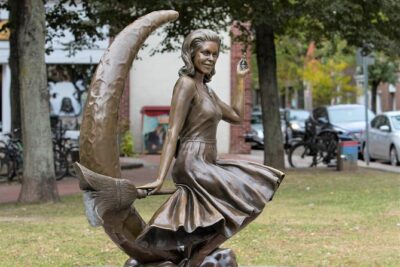
History and Hauntings of Salem Guided Walking Tour
Read our review →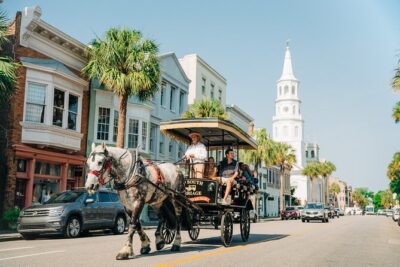
Charleston’s Old South Carriage Historic Horse & Carriage Tour
Read our review →

Big Island in a Day: Volcanoes Waterfalls Sightseeing and History
Read our review →
Freedom Trail History Small Group Walking Tour
Read our review →
Historic Charleston Guided Sightseeing Walking Tour
Read our review →
Starship Landmark 90 Minute Sightseeing Cruise
Read our review →Browse the lists this tour appears in