
Reviewed · NEW ORLEANS TOURS
Whitney Plantation Tour with Transportation from New Orleans
Whitney Plantation does not soften Louisiana’s plantation past. Its exhibits, restored slave cabins, memorials, and first-person accounts focus on the people who were enslaved here and the violence that shaped the region. That direct approach makes this one of the most important plantation visits near New Orleans. The subject is painful, but the site gives you a clearer understanding of Louisiana than a tour centered only on grand houses and gardens.
I like the included transportation and admission, especially if you do not have a car. I also like the freedom of the audio tour, which lets you stop, listen, and think at your own pace. Drivers such as Robert, Nicholas, Alton, and Kim have added useful commentary about New Orleans and the River Road along the way. The main drawback is time: the visit is tightly scheduled, and there is no regular meal service at Whitney, so you should bring food.
Another point to understand before booking is that this is not a traditional guided plantation tour. Once you arrive, you explore independently with the Whitney Plantation app or audio guide. Your bus driver may provide a lively history lesson during the ride, but the on-site visit is yours to manage.
Key points to know before you go
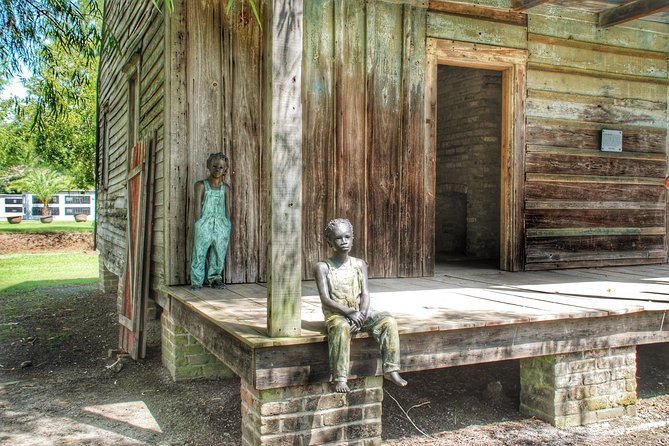
- Whitney centers enslaved people’s experiences: First-person accounts, memorials, cabins, and museum displays take priority over romantic plantation imagery.
- The trip begins at 400 Toulouse Street: Meet at the Gray Line New Orleans Lighthouse Ticket Office near the Steamboat Natchez dock in the French Quarter.
- You get about two hours at the plantation: The total outing lasts roughly 5 hours and 25 minutes, with about 2 to 2.25 hours spent at Whitney and the rest on the road.
- The audio tour is self-guided: Download the official Whitney Plantation app or use the available audio tour, then move through the site at your own pace.
- Bring a snack or lunch: Food and drinks are not included, and Whitney does not provide regular food service, though snacks are available for purchase in the shop.
- A swamp tour is an optional upgrade: The add-on includes a 90-minute pontoon ride, but it changes the shape and length of the day.
Why Whitney Plantation feels different
Many plantation visits in the New Orleans area place the Big House first. Whitney places enslavement first. That choice matters.
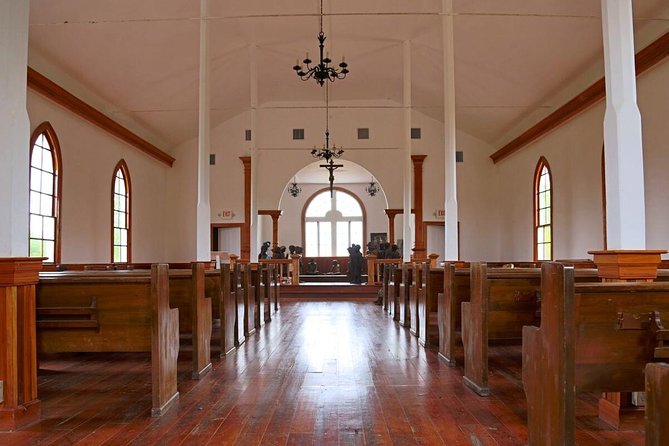
The property began more than 260 years ago as an indigo and sugar plantation. Today, it functions as a museum devoted to understanding slavery in Louisiana and the American South. You will see the physical remains of plantation life, but the interpretation keeps returning to the people whose forced labor made the plantation economy possible.
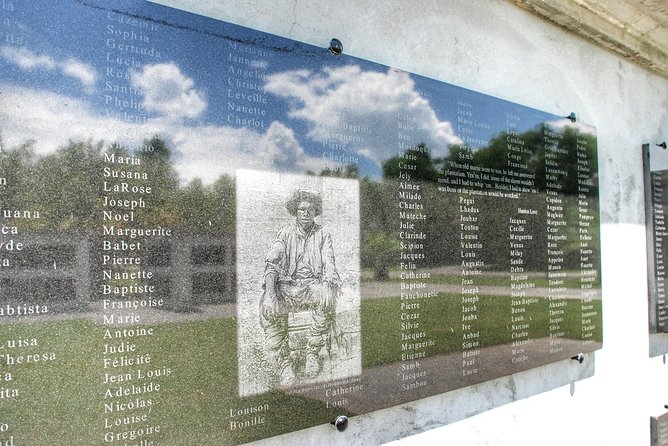
The site uses museum exhibits, sculpture, memorials, restored structures, and recorded testimony. The Federal Writers’ Project interviews are especially powerful because they preserve the words and memories of formerly enslaved people. Hearing these accounts turns a broad schoolbook subject into something personal and specific.
I find that this focus gives the visit a clear purpose. You are not simply admiring old architecture or imagining an elegant Southern lifestyle. You are asked to consider work, punishment, family separation, survival, and the long effects of slavery. That can make the visit emotionally heavy, but it also makes it useful.
The grounds are well maintained, and the staff help keep the site orderly and accessible. Still, this is not light sightseeing. If you are looking for a cheerful half-day outing with pretty gardens and a relaxed house tour, Whitney may not fit your mood. If you want a fuller and more honest account of plantation life, it deserves serious consideration.
More to weigh up across New Orleans
- New Orleans Premier Ghost, Voodoo and Vampire Walking Tour
★ 4.5 · 12,856 reviews - New Orleans Steamboat Natchez Jazz Cruise with Dinner Option
★ 4.0 · 7,533 reviews - Adults-Only New Orleans Ghost, Crime, Voodoo, and Vampire Tour
★ 5.0 · 6,545 reviews
Leaving New Orleans for River Road
Your day begins at the Gray Line Lighthouse Ticket Office at 400 Toulouse Street, close to the Steamboat Natchez dock and the Mississippi River. Check in 15 minutes before departure. The tour ends at the same meeting point, so you do not need to arrange a separate ride back into the French Quarter.
The vehicle is air-conditioned, a welcome feature during Louisiana’s warmer months. The group can reach up to 55 people, so this is a shared coach outing rather than a small private trip. The tradeoff is simple: you save the trouble and cost of renting a car, but you have less control over the schedule.
The drive to Whitney takes about an hour, depending on traffic and the day’s exact timing. Along the way, you cross the Bonnet Carre Spillway, a flood outlet for the Mississippi River, and may see a broad view of Lake Pontchartrain. The route follows the Mississippi River toward River Road, where several antebellum plantations once produced sugar cane, cotton, and indigo for export.
The drive is more than dead time. Drivers often point out plantations such as Evergreen, Felicity, and St. Joseph, along with other landmarks tied to Louisiana’s past. Robert, Nicholas, Alton, and other drivers have been praised for explaining New Orleans food, local customs, plantation agriculture, and the sites visible from the coach.
Do not assume the driver is a full-time plantation guide. The on-road commentary can be excellent, but it varies by driver and staffing. One serious complaint described remarks that were offensive and unacceptable, so service is not perfectly predictable. That appears to be an exception within the supplied feedback, but it is worth noting because the subject requires care and respect.
Walking through Whitney Plantation
You receive prebooked admission, then have roughly two hours to explore Whitney. The exact site time is described as about two hours in the tour details and about 2.25 hours in the practical information. The published day may run from about 10:00 a.m. to 3:25 p.m., though times are approximate.
That schedule is workable, but it is not generous. One extra 30 minutes would help visitors who want to read every panel, spend quiet time at the memorials, and browse the museum shop. You should keep an eye on the clock rather than assuming you can linger until every detail has been absorbed.
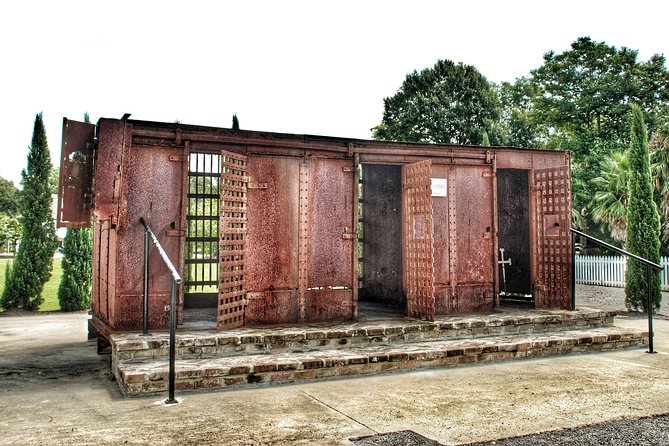
The site includes original and restored slave cabins, some surviving from the original group of 22. These cabins are not simply picturesque old buildings. They help show the cramped and controlled conditions in which enslaved families lived. The physical structures become more meaningful when paired with the recorded stories and written accounts.
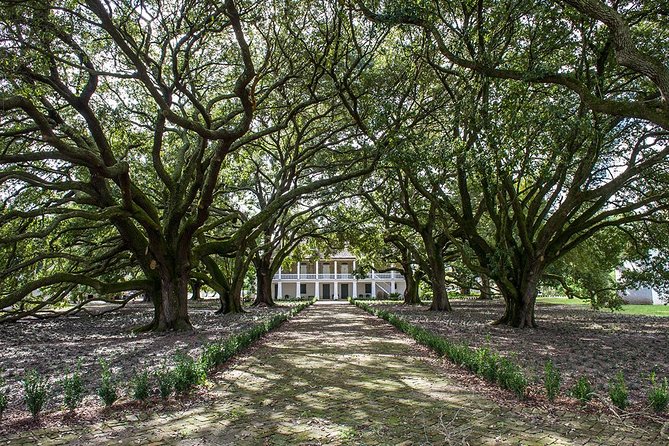
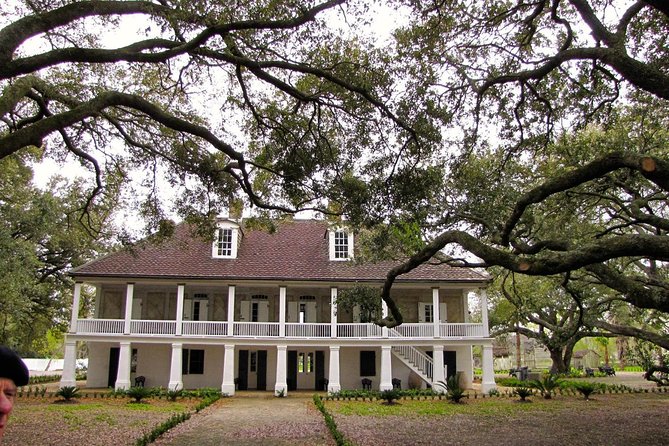
You will also see the Big House, an important example of Spanish Creole architecture in Louisiana. Its design is worth noticing, but Whitney’s interpretation does not let the building become the whole story. The grand house is presented in relation to the labor system that supported it.
The audio tour gives you a series of points of interest around the property. One family described 14 stops, which gives you a useful idea of the visit’s structure. You can download the Whitney Plantation app before arrival, then use it as your guide. This is a good format for a serious site because you can pause when the material becomes difficult or take extra time with sections that matter most to you.
A live guide can create energy and answer questions in the moment. Whitney’s self-guided format offers something different: privacy and control. You are not forced to keep pace with a group, and you can listen without competing with other conversations. For many people, that quiet pace is a strength.
The exhibits also draw on first-person narratives collected through the Federal Writers’ Project. These accounts describe daily life from the perspective of people who endured slavery. I would give these recordings and transcripts priority, even if that means moving more quickly through less central displays.
Photography is generally allowed, although flash photography or video may be restricted in certain areas. Follow the instructions given on site. Comfortable shoes are essential because parts of the visit include uneven sidewalks and outdoor paths. A hat, sunscreen, and an umbrella are sensible in warm or changeable weather.
The emotional weight of the visit
Whitney is often described as moving, sobering, educational, and eye opening. Those words fit, but they can sound vague unless you know what causes that reaction. The answer is the combination of physical places and individual voices.
A cabin shows where people lived. A recorded account explains how people were treated. A memorial connects those individual lives to the much larger system of slavery. The result is harder to dismiss as an abstract chapter in American history.
You may find some displays difficult to process. That is not a flaw in the site. The museum’s purpose is to confront the brutality and lasting damage of enslavement, not to make the subject comfortable. Give yourself a little quiet time rather than racing from one stop to the next.
The independent format helps here. You can listen to a testimony twice, sit with a memorial, or skip ahead if you need a break. A large group would make that harder.
The museum shop also carries history books, including works on slavery and the American South. If you want to continue learning after the visit, allow a few minutes to browse. With only about two hours on site, though, the shop should come after the main exhibits.
A different kind of day, same corner of the map:
- New Orleans Food Walking Tour of the French Quarter with Small-Group Option
★ 5.0 · 6,118 reviews - New Orleans Swamp and Bayou Boat Tour with Transportation
★ 5.0 · 5,399 reviews - New Orleans Steamboat Natchez Jazz Cruise
★ 4.5 · 5,334 reviews - New Orleans City Sightseeing Hop-On Hop-Off Bus Tour
★ 4.5 · 4,943 reviews
Food, weather, and practical comfort
Food is the clearest practical weakness. Meals and drinks are not included, and Whitney does not have regular food service. Snacks may be available for purchase, but you should not count on a full meal.
Bring a packed lunch or substantial snack for the coach ride. This is especially important for families, anyone with dietary needs, and people choosing the swamp upgrade. A hungry visitor has less patience for a long outdoor visit, and the day can feel longer than its 5-hour-25-minute estimate.
Wear casual clothes and comfortable walking shoes. Light-colored clothing, a cap or hat, sunscreen, and an umbrella are suggested during warmer months. The site includes outdoor walking and uneven surfaces, so avoid footwear chosen only for appearance.
Whitney is accessible in general, but parts of the plantation can be reached only by stairs. Note your requirements when booking so an appropriate vehicle can be arranged. If someone in your party needs a completely step-free visit, ask for precise details before paying.
The coach is air-conditioned, but the plantation itself is an outdoor site. Weather can affect the outing, and the experience may be canceled in poor conditions. In that case, you are offered another date or a full refund.
Is the swamp tour worth adding?
The optional upgrade includes a 90-minute pontoon swamp tour. This changes the day from a focused history visit into a combination of cultural and outdoor activities.
The two experiences offer a sharp contrast. Whitney asks you to listen, read, and reflect. The swamp ride gives you time on the water and a different view of southern Louisiana. One combined outing included a swamp guide named Ethan, who was praised for making the boat ride lively and enjoyable.
The add-on can be a good choice if you want to make the most of a day outside New Orleans and prefer a wider range of activities. It may be less suitable if Whitney is your main reason for booking. The plantation already has a tight schedule, and adding another 90 minutes can make the day longer and more tiring.
Food planning becomes even more important with the upgrade. On one version of the combined outing, there was time to buy food at a cafe during a stop at Oak Alley, but you should not treat that as a guaranteed meal arrangement for every departure. Bring something with you.
Also watch the meeting times closely. Late passengers can reduce the time available at the plantation or swamp. Stay near the bus at the announced departure time and do not assume the group will wait indefinitely.
What you get for $89

At $89 per person, the basic outing includes round-trip transportation from central New Orleans, air-conditioning, admission to Whitney, and the self-guided audio experience. For someone without a car, that is a practical package.
Driving yourself would give you more flexibility, but it would also require navigation, parking, fuel, and advance planning. The Gray Line departure point is central, and public parking is available on Decatur Street, including Jax Lot P401 at 500 Decatur Street. Parking fees are separate.
The price is less attractive if you want a private guide or a long, relaxed stay at the plantation. This is a scheduled coach transfer with an independent museum visit. You pay for convenience and guaranteed entry, not for a personal historian accompanying you around the grounds.
The driver commentary adds value when it is strong. Robert, Nicholas, Alton, and other named drivers have been praised for explaining New Orleans and the plantations along the road. But the tour should still make sense to you even if the ride commentary is brief, since Whitney’s principal interpretation comes through the app and exhibits.
With a 91 percent recommendation rate and a 4.6 rating from 1,351 reviews, the overall record is strong. The praise centers on the site’s emotional impact, the clean and comfortable coach, the useful driver narration, and the freedom of the self-guided format. The main criticisms concern food, limited time, unclear timing on one departure, poor microphone volume, and one unacceptable comment by a driver.
Who should book this plantation visit?

I would choose this outing if you want a serious account of slavery in Louisiana and need transport from New Orleans. It suits adults, families with older children, students, and anyone who prefers to absorb difficult material at an individual pace.
It is also a good fit for first-time visitors who want to see River Road without renting a car. The drive gives you a look at the plantation corridor, while the included ticket removes one more planning task.
I would hesitate if your main goal is architecture, formal gardens, or a romantic version of the Old South. Whitney is not designed around that appeal. I would also think twice if you dislike fixed schedules or need a full meal during every half-day outing.
Should you book the Whitney Plantation Tour?
Book it if you want the most direct plantation experience near New Orleans, with the history of enslaved people at its center. The $89 price is fair for transport, admission, and an audio tour, especially without a car.
Bring food, wear practical shoes, and download the app before leaving. Give the exhibits your full attention, and do not expect the driver to replace a formal on-site guide. Add the swamp tour only if you want a longer day with two very different activities.
For a focused, thoughtful visit, choose the basic Whitney tour. For a broader Louisiana outing, consider the pontoon upgrade. Either way, this is a place to visit with time, respect, and a willingness to listen.
FAQ
Where does the Whitney Plantation Tour depart from?
The tour begins at the Gray Line New Orleans Lighthouse Ticket Office at 400 Toulouse Street, near the Steamboat Natchez dock in the French Quarter.
Where does the tour end?
The activity ends back at the same meeting point in central New Orleans.
How long does the Whitney Plantation visit last?
You spend approximately two hours at Whitney Plantation. The practical details also describe the site visit as about 2.25 hours, with the rest of the roughly 5-hour-25-minute outing spent traveling.
Is transportation included?
Yes. Round-trip transportation from central New Orleans is included in an air-conditioned vehicle. Hotel pickup and drop-off are not included.
Is the Whitney Plantation tour guided?
The visit at Whitney Plantation is self-guided. You can download the official Whitney Plantation app and use its audio tour while exploring at your own pace. The bus driver may provide commentary during the journey.
Is food included?
No. Food and drinks are not included, and Whitney Plantation does not provide regular food service. Bring a snack or lunch, although snacks may be available for purchase.
Can I add a swamp tour?
Yes. You can choose an upgrade that includes a 90-minute pontoon swamp tour.
What is the cancellation policy?
You can cancel at least 24 hours before the start time for a full refund. Cancellations or changes made less than 24 hours before departure are not refunded or accepted. Poor weather or failure to meet the minimum number of participants may lead to a rescheduled experience or full refund.
Newly listed in New Orleans
- New Orleans City Tour and Steamboat Natchez Harbor Jazz Cruise★ 4.0 · 446 reviews
- Small-Group Laura and Whitney Plantation Tour from New Orleans★ 4.5 · 446 reviews
- New Orleans French Quarter Photo Shoot★ 5.0 · 462 reviews
- New Orleans: 2-Hour Ghosts & Vampires Walking Tour★ 4.5 · 465 reviews
- Garden District Home and History Walking Tour★ 5.0 · 470 reviews
- New Orleans: Sunday Steamboat Jazz Cruise + Optional Brunch★ 4.3 · 470 reviews
- New Orleans Jazz History and Music Walking Tour★ 4.5 · 477 reviews
- New Orleans: Garden District Tour★ 4.8 · 480 reviews
New Orleans Tours, compared.
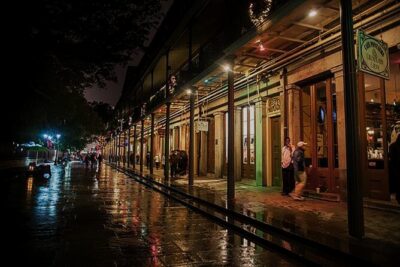
New Orleans Premier Ghost, Voodoo and Vampire Walking Tour
Read our review →
New Orleans Steamboat Natchez Jazz Cruise with Dinner Option
Read our review →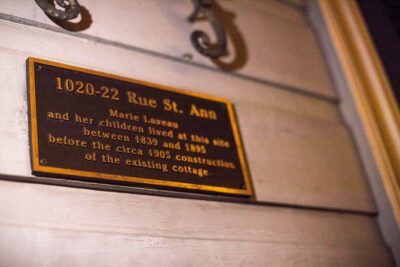
Adults-Only New Orleans Ghost, Crime, Voodoo, and Vampire Tour
Read our review →
New Orleans Food Walking Tour of the French Quarter with Small-Group Option
Read our review →
New Orleans Swamp and Bayou Boat Tour with Transportation
Read our review →
New Orleans City Sightseeing Hop-On Hop-Off Bus Tour
Read our review →
Browse the lists this tour appears in