
Reviewed · NEW ORLEANS TOURS
The National WWII Museum Campus Pass plus 4-D Film
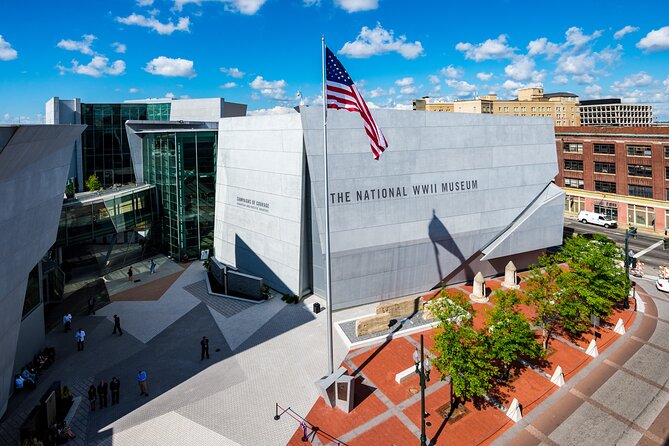
The National WWII Museum is far more than a single gallery. It is a six-acre campus of pavilions, films, personal stories, military displays, and interactive stations that can easily fill a full day. The Beyond All Boundaries 4-D film adds vibrating seats, fog, lighting, sound, moving scenery, and Tom Hanks’ narration.
I like the freedom to enter the museum any time before your selected film, and I like that the ticket removes the need to buy admission at the door. The main consideration is time: four hours gives you a worthwhile visit, but six to eight hours is a more realistic target if you want to read the displays and see several buildings.
Key points
- A six-acre museum campus: Five pavilions cover the war from its causes through combat, liberation, and the postwar years.
- Timed 4-D screening: Choose your film time in advance, then visit the museum before the screening.
- Powerful personal stories: Dog tag exhibits, recorded voices, photographs, and live footage bring individual wartime experiences into focus.
- A full day of walking: You will cover several buildings and spend long stretches reading and watching films.
- Strong value for history fans: At $49.35, the pass makes sense if you plan to stay for most of the day and watch the film.
- Plan for mature subject matter: Loud effects, flashing lights, sudden chair movement, and images of wartime victims may be difficult for some people.
Why this museum deserves a full day
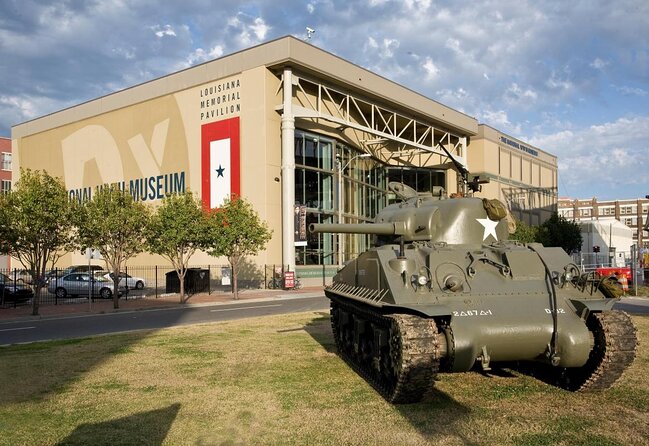
The National WWII Museum presents World War II as a broad human story, not just a collection of tanks, uniforms, and battle maps. You move through the causes of the war, the military campaigns, the home front, the liberation of Europe, the war in the Pacific, and life after victory.
That range is the museum’s great strength. You can study political decisions and military strategy, then turn a corner and hear a personal account from someone who lived through the conflict. The exhibits include perspectives from women, Black Americans, Native Americans, political leaders, and people from different countries.
I would allow at least half a day, but I would not plan anything important immediately afterward. Several people who expected to finish in three or four hours ended up staying five, six, seven, or even eight hours. Even then, it is possible to miss sections.
The museum is also emotionally demanding. Displays about Nazi death camps, wartime deaths, and the suffering of civilians are difficult to absorb. This is not a light afternoon attraction to squeeze between lunch and a stroll through the French Quarter. It asks for attention, patience, and a little quiet afterward.
More museums around New Orleans:
- The National WWII Museum Admission Ticket New Orleans
★ 5.0 · 2,202 reviews - French Quarter Walking Tour With Comp 1850 House Museum Admission
★ 5.0 · 781 reviews - New Orleans: The National WWII Museum Ticket
★ 4.8 · 704 reviews
Entering the five-pavilion campus
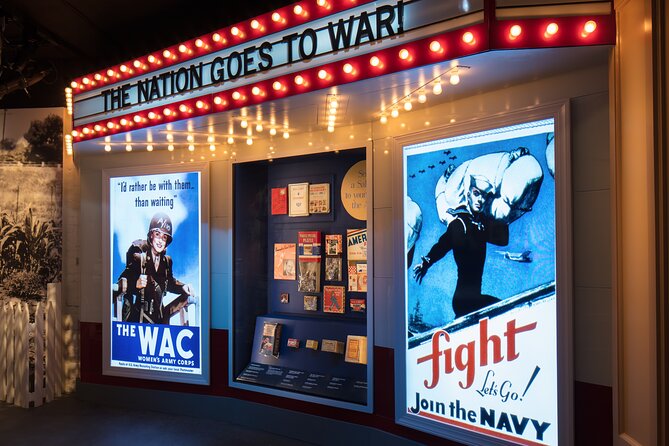
Your mobile ticket includes admission to the museum campus and a timed seat for Beyond All Boundaries. The selected time applies to the film, not to museum entry, so you can arrive earlier and begin exploring.
That arrangement is useful. I would arrive well before the screening, especially if you want to see more than one pavilion. The campus includes five main pavilions, and each has enough material to slow you down. You will find written panels, photographs, objects, films, audio, and interactive kiosks.
Navigation may take a little effort. The museum is large, and it is not always obvious where you should go next. Give yourself time to get oriented rather than rushing from one display to the next.
A personal dog tag activity called Follow a Soldier is one of the most engaging ways to move through the museum. You follow the wartime path of an individual service member and connect the larger events to one person’s life. It gives younger visitors and military-history fans a clear thread to follow through the galleries.
The museum also has a restaurant, which matters on a long visit. A meal break lets you step away from the displays and return with more energy. If you try to see everything without stopping, the sheer amount of reading and film footage can wear you down.
The European and Pacific war stories
The museum gives attention to both the European and Pacific theaters. That balance is important because many museums lean heavily toward one side of the war.
In the European sections, you can expect a progression from the rise of Nazi Germany and the spread of the conflict to the Allied campaigns and the liberation of occupied Europe. The material is not limited to battlefield movements. Political leaders, civilians, resistance, persecution, and the fate of prisoners all form part of the story.
The liberation displays are especially difficult and moving. They confront the human cost of the war rather than letting the story end with a military victory. Photographs and firsthand accounts give the material weight, so allow yourself time to pause.
The Pacific sections cover a very different kind of war. Geography, naval power, island campaigns, and the experiences of troops and civilians shape this part of the museum. The exhibits help explain why the Pacific conflict demanded such a large effort from the United States and its Allies.
The museum also addresses the home front and life after the war. That wider frame helps you understand that victory did not instantly solve every problem. Military service, industrial work, family life, political change, and the return to civilian life all continued after 1945.
Beyond All Boundaries in the Solomon Victory Theater
The 4-D film is the most popular add-on in this package, and I think it earns its place on your ticket if you are comfortable with strong theater effects.
Beyond All Boundaries is narrated by Tom Hanks and shown in the Solomon Victory Theater. The presentation uses a layered projection process, moving props and scenery, lighting and sound effects, vibrating seats, and atmospheric effects such as fog.
This is not simply a documentary shown on a large screen. The chair can move, the theater can rumble, and the effects are designed to put you closer to the scale and force of the war. For many people, that makes the military events easier to grasp.
The same effects can also be too intense. Expect loud noises, flashing lights, fog, sudden chair movements, and startling images. If you have a condition that could be aggravated by these effects, ask at the Visitor Services desk about stationary seating.
Assisted listening devices are available for people with hearing loss. The film is not closed captioned, so that limitation is worth knowing before you book. Service animals are allowed at the museum.
Choose your film time carefully. You can enter the museum before the screening, but the ticket information does not say that you can attend a different screening time. Give yourself a generous buffer so you are not trying to cross the campus at the last minute.
More to weigh up across New Orleans
- New Orleans Premier Ghost, Voodoo and Vampire Walking Tour
★ 4.5 · 12,856 reviews - New Orleans Steamboat Natchez Jazz Cruise with Dinner Option
★ 4.0 · 7,533 reviews - Adults-Only New Orleans Ghost, Crime, Voodoo, and Vampire Tour
★ 5.0 · 6,545 reviews - New Orleans Food Walking Tour of the French Quarter with Small-Group Option
★ 5.0 · 6,118 reviews
How long should you stay?
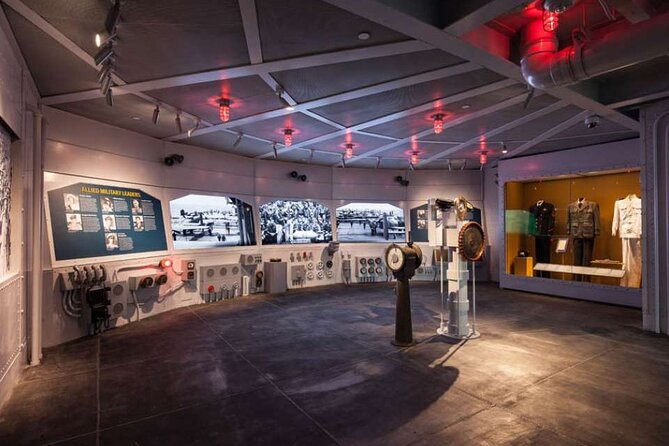
The official duration is listed as approximately one day, and that is the right way to think about this pass. You might see a few highlights in three hours, including the film, but you will not experience the full campus at that pace.
Use these time frames as a guide:
- Three to four hours: Enough for the 4-D film and a focused visit to selected galleries.
- Five to six hours: A strong first visit with time for several pavilions, films, and reading.
- Seven to eight hours: Better for a serious visit, especially if you include a meal break.
- Two days: The best choice if you want to read nearly everything and revisit sections that caught your attention.
The museum includes many written displays. Bring your glasses if you need them, and do not assume you can skim everything quickly. Live footage and recorded voices add depth, but they also take time.
If you have a second day available, the museum has offered a second-day pass for an additional $15 according to the information provided. Confirm current terms before relying on that option, but it shows how much material the campus contains.
Is the $49.35 ticket good value?
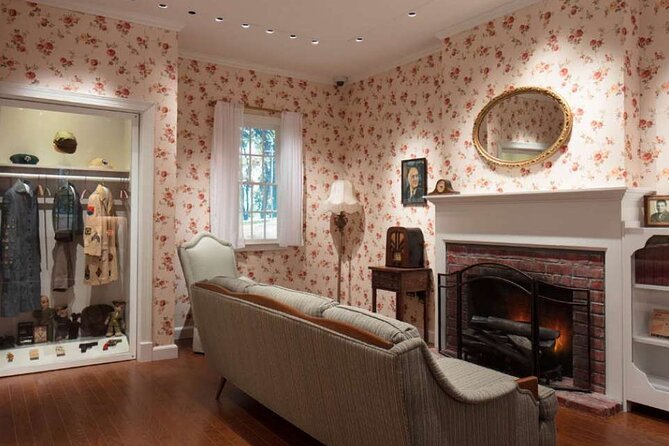
At $49.35 per person, this is not a bargain-priced museum admission. The value depends on how much of the campus you use.
For a short visit, the price feels less attractive. If you arrive late, watch the film, and leave after a few galleries, you are paying for a large museum that you have barely sampled.
For a full-day visit, the calculation improves. You receive campus admission, access to five pavilions, and a timed seat for a high-production 4-D film. The film alone adds something different from the standard galleries, and prebooking matters because popular screening times may fill.
I would choose this package if you have a strong interest in history, military affairs, genealogy, or the experiences of family members who served. It is also a useful choice for a New Orleans itinerary that includes at least one serious cultural stop.
The pass is less suitable if you are trying to keep the day casual, if you dislike long periods of reading, or if you are looking for an attraction aimed at small children. The museum is educational and visually engaging, but it is not built as a children’s play space. Some teenagers with an interest in military history may find it absorbing, while younger children may struggle with the length and subject matter.
What makes the displays memorable
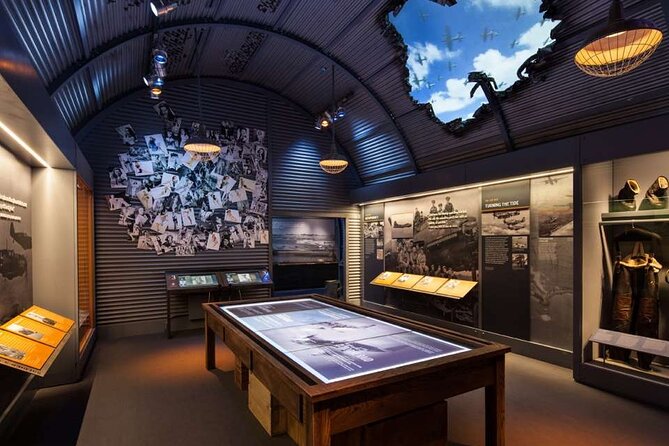
The museum’s strongest feature is its use of individual voices. A uniform or vehicle can show what soldiers used, but an interview or recorded account can show what the war felt like.
The Follow a Soldier dog tag activity builds on that idea. Rather than taking in the conflict as a mass of dates and operations, you track one person through the exhibits. That personal link can make the military timeline easier to understand.
Interactive kiosks add another layer. They offer more information without forcing every visitor to read every panel. If you are short on time, use them selectively. If you plan to return, they give you a reason to explore further.
The museum also honors family connections. Visitors who have placed memorial bricks for a father or father-in-law can find those bricks on campus, adding a personal purpose to the visit. If your family has a World War II connection, bring the names and details you know. You may find the displays more meaningful when you can connect them to a real person.
Still, the museum has limits. The focus and presentation are primarily shaped around the American experience and the Allied war effort. The displays do include different national and community perspectives, but not every aspect of the global conflict receives equal space. Some especially painful subjects, such as Japanese death marches and forced medical experiments, may receive less attention than you expect.
Walking, access, and practical comfort
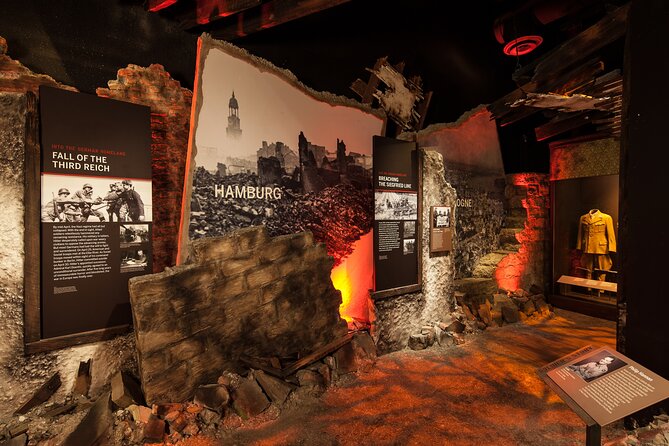
You will do a lot of walking. The campus covers six acres, and the exhibits are spread across several buildings. Comfortable shoes are more important here than stylish ones.
Near public transportation, the museum is practical to reach without a car. The ticket arrives as a mobile ticket, so keep your phone charged and ready when you arrive.
Most people can participate, and service animals are allowed. The main physical challenge is the amount of standing and walking, combined with the time spent reading. Pace yourself, use the restaurant for a break, and do not feel obliged to finish every panel.
The film has special access considerations. Loud sound, flashing lights, fog, and sudden seat movements may aggravate certain medical conditions. Stationary seating is available, and assisted listening devices can be requested at Visitor Services in the Solomon Victory Theater. Since the film is not closed captioned, ask about available assistance before the screening begins.
The subject matter also calls for care with children. Graphic images and the emotional weight of the exhibits may be upsetting. Older children and teenagers who already have an interest in history may get a great deal from the museum, but you should decide based on their maturity and attention span.
Planning your visit around the film
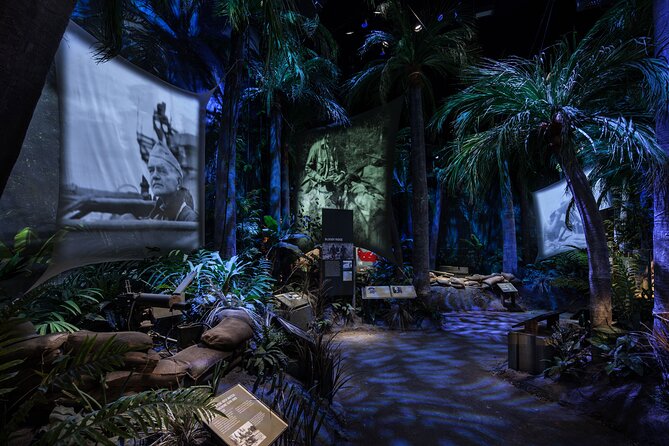
Your film time should shape the rest of your day. If you book a late-morning screening, arrive when the museum opens at 9 a.m. That gives you a useful block of time before the theater and lets you continue exploring afterward.
A midday screening can work well if you want to use the film as a natural break. You can explore in the morning, watch the presentation, eat afterward, and continue through the afternoon.
A late screening gives you the most museum time beforehand, but you will need to keep an eye on the clock. The museum is open daily from 9 a.m. to 5 p.m., so confirm that your selected screening fits within the operating hours shown for your date.
Book ahead if your New Orleans schedule is fixed. This experience is commonly reserved about 20 days in advance, which suggests that planning early is sensible, especially for a preferred film time.
The cancellation policy is forgiving if your plans change early. You can receive a full refund when you cancel at least 24 hours before the start time. Cancellations or changes within 24 hours are not refunded or accepted. The experience may also be canceled for poor weather, in which case you are offered another date or a full refund.
Who should book this museum pass?
I would recommend it most strongly to adults and older teenagers who want a serious account of World War II. It suits people who enjoy museums with a lot of reading, documentary footage, personal testimony, and military detail.
It is also a good choice for anyone honoring a parent, grandparent, or other relative who served. The dog tag activity and memorial bricks can give that family connection a place within the museum.
Couples should expect a quiet, reflective day rather than a quick sightseeing stop. Solo visitors can set their own pace, which is useful when you want to spend extra time with a particular story.
Families should think about age and temperament. The subject matter includes disturbing images, and the 4-D film can be loud and startling. Older children may be fascinated, but the museum itself notes that it is not designed as an interactive attraction for young children.
Should you book the Campus Pass plus 4-D Film?
Book it if you can give the National WWII Museum at least half a day, and ideally most of a day. The pass offers a clear advantage over a basic museum visit because it reserves your place for Beyond All Boundaries, while still allowing you to enter the galleries before the screening.
At $49.35, it is best value when you use the campus fully. The film is worth adding for most people, but not if you are sensitive to loud noises, flashing lights, fog, or moving seats and do not want stationary seating.
My practical advice is simple: arrive early, wear comfortable shoes, plan a meal break, and do not rush the difficult displays. If your New Orleans visit has room for one substantial museum, this is a powerful and worthwhile choice.
FAQ
What does the $49.35 ticket include?
It includes admission to the National WWII Museum campus and a timed screening of the 4-D film Beyond All Boundaries in the Solomon Victory Theater.
Can I enter the museum before my film time?
Yes. The selected time is for the 4-D film, and you may enter the museum any time before that screening to begin your visit.
How long should I allow for the museum?
Plan at least half a day, though a full day is more realistic if you want to see several pavilions, read the displays, watch films, and take a meal break.
What are the museum’s opening hours?
The museum is open Monday through Sunday from 9 a.m. to 5 p.m.
Is the 4-D film suitable for everyone?
The film includes loud noises, flashing lights, fog, sudden chair movements, moving scenery, and other effects. Stationary seating is available for people who need it. Assisted listening devices are also available, but the film is not closed captioned.
Can I cancel for a refund?
You can receive a full refund if you cancel at least 24 hours before the experience start time. Cancellations and changes made within 24 hours are not accepted or refunded.
Newly listed in New Orleans
- New Orleans City Tour and Steamboat Natchez Harbor Jazz Cruise★ 4.0 · 446 reviews
- Small-Group Laura and Whitney Plantation Tour from New Orleans★ 4.5 · 446 reviews
- New Orleans French Quarter Photo Shoot★ 5.0 · 462 reviews
- New Orleans: 2-Hour Ghosts & Vampires Walking Tour★ 4.5 · 465 reviews
- Garden District Home and History Walking Tour★ 5.0 · 470 reviews
- New Orleans: Sunday Steamboat Jazz Cruise + Optional Brunch★ 4.3 · 470 reviews
- New Orleans Jazz History and Music Walking Tour★ 4.5 · 477 reviews
- New Orleans: Garden District Tour★ 4.8 · 480 reviews
New Orleans Tours, compared.
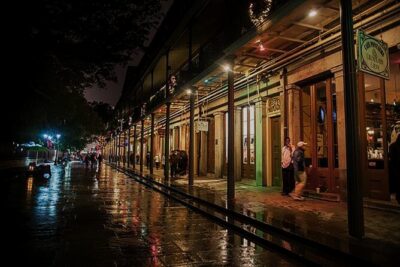
New Orleans Premier Ghost, Voodoo and Vampire Walking Tour
Read our review →
New Orleans Steamboat Natchez Jazz Cruise with Dinner Option
Read our review →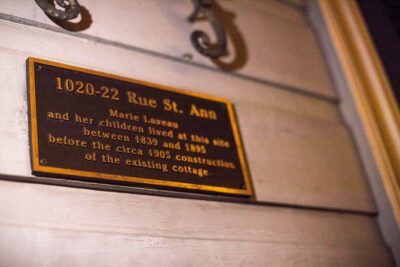
Adults-Only New Orleans Ghost, Crime, Voodoo, and Vampire Tour
Read our review →
New Orleans Food Walking Tour of the French Quarter with Small-Group Option
Read our review →
New Orleans Swamp and Bayou Boat Tour with Transportation
Read our review →
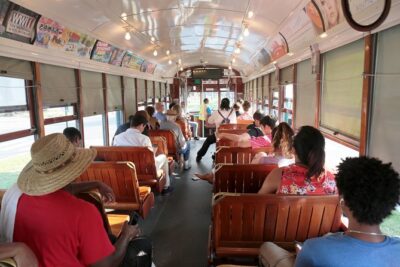
New Orleans City Sightseeing Hop-On Hop-Off Bus Tour
Read our review →
Browse the lists this tour appears in