
Reviewed · TAMPA TOURS
The Florida Aquarium in Tampa General Admission
The Florida Aquarium saves its biggest visual treat for the end: the Coral Reef Gallery, where colorful fish and reef life move through one of the aquarium’s finest displays. Before that, you’ll pass alligator-filled wetlands, watch river otters play, touch rays and small sharks at Stingray Beach, and meet animals ranging from dwarf seahorses to a giant Pacific octopus.
I like the clear indoor route and the mix of fish, birds, mammals, reptiles, and hands-on exhibits. I also like the daily animal programs, which give your visit more purpose than simply walking past glass tanks. The main drawback is size: you may finish in about an hour if you move quickly, while a careful visit takes closer to two or three hours.
- Coral Reef Gallery: Save time for the large final tank, with colorful reef fish and sea life.
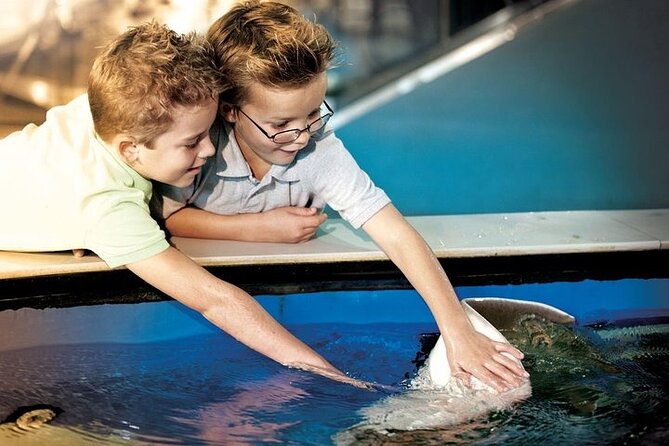
- Stingray Beach: Touch southern rays and white-spotted bamboo sharks in a hands-on pool.
- Wetlands Trail: See alligators, river otters, river habitats, and birds in a Florida-focused setting.
- Waves of Wonder: Look for jellies, clownfish, a Pacific octopus, and interactive displays.
- Downtown location: The aquarium is near public transportation and within walking distance of several parking lots and garages.
- Conservation focus: Exhibits connect the animals to the aquarium’s work to protect marine wildlife.
Starting at The Florida Aquarium in Downtown Tampa
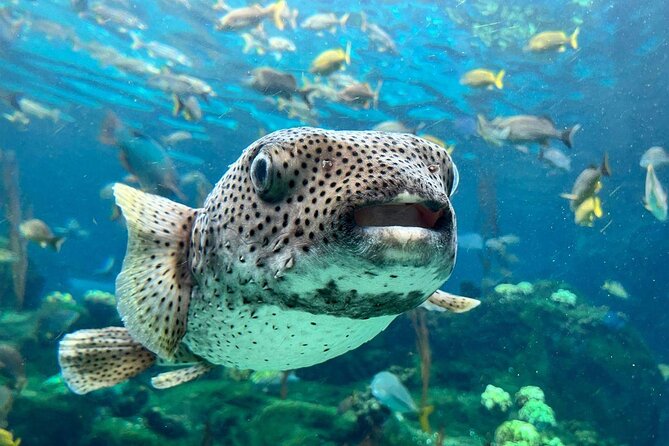
At $42 per person, general admission is not a throwaway stop. It makes the most sense when you have at least two hours and plan to use the daily programs and hands-on areas rather than race through the building.
The aquarium sits in downtown Tampa, making it an easy addition to a day around the Channelside area. You do not need a separate tour guide, and your mobile ticket gives you direct admission to the attraction. Infants ages 2 and under enter free, which helps families keep the total cost in check.
The aquarium is often booked about five days ahead. That is not a rule, but it is a useful planning clue for busy weekends, school breaks, and holiday periods. If your schedule is firm, booking ahead is sensible.
Following the Wetlands Trail
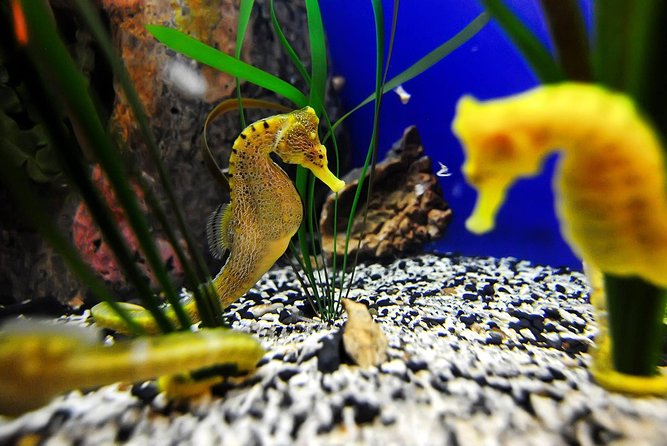
The first major section takes you away from the open sea and into Florida’s inland waterways. The Wetlands Trail leads past alligator habitats and toward river streams where otters swim, play, and investigate their surroundings.
This is a strong opening for families because the animals are easy to understand and visually engaging. An alligator resting in shallow water needs no long explanation to hold a child’s attention, while the otters provide the movement that can be missing in slower fish exhibits.
You will also see birds and other wetland life along the route. The setting helps explain that Florida’s water world is not limited to beaches and coral reefs. Rivers, marshes, and freshwater habitats support their own mix of animals, and this section gives the aquarium a local sense of place.
If you have young children, this is a good area for a slower pace. Interactive displays and scheduled programs may add extra interest, and the route is easy to follow without constantly checking a map. The aquarium is generally roomy enough for strollers and wheelchairs, though one visitor noted that the elevators may feel tight when maneuvering a scooter.
More to weigh up across the USA
- Atlanta: Georgia Aquarium Skip-the-Box-Office Entry Ticket
★ 4.7 · 3,476 reviews - The Florida Aquarium Ticket
★ 4.6 · 979 reviews - Las Vegas: Shark Reef Aquarium Entry Ticket
★ 4.3 · 892 reviews
Bays and Beaches, With Rays at Arm’s Reach
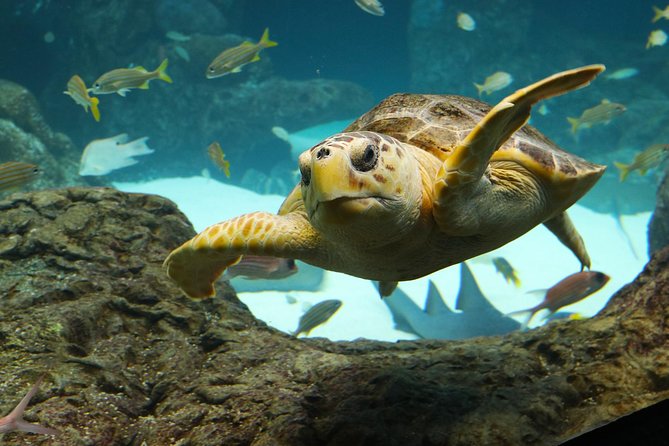
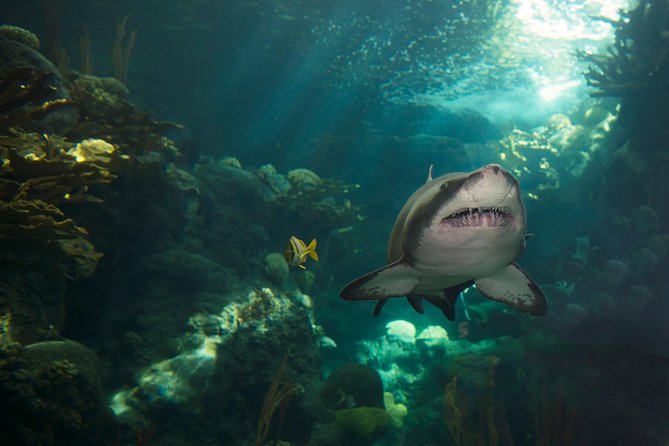
The Bays & Beaches habitats shift the focus to coastal Florida. Here, you can see sharks, rays, sea turtles, and other marine life linked to the waters around the state.
The hands-on highlight is Stingray Beach. You can touch certain stingrays and small shark species under staff direction, including southern rays and white-spotted bamboo sharks. This is not just a photo stop. It gives you a physical sense of the animals’ smooth bodies and helps explain how rays move and feed.
I would make this one of your priority areas if you are visiting with children, but adults often enjoy it just as much. One couple in their 50s found the ray encounter exciting, which is a useful reminder that the activity is not only for small children.
The aquarium also offers additional experiences at an extra cost, including preparing diets for cownose stingrays. Other listed options include a cruise on Tampa Bay to search for dolphins in the wild and an underwater walking tour of one of the habitats. These are not part of the $42 general admission, so check the price before adding them to your plans.
Waves of Wonder: Jellies, Clownfish, and an Octopus
Waves of Wonder brings together several smaller but memorable displays. You might find colorful jellies, clownfish, and a Pacific octopus here, along with interactive features that make the exhibits easier to enjoy at child height.
The jellyfish area has been especially popular with families because the animals’ slow movement and changing colors create a calm pause in the middle of the visit. One child-friendly feature lets you interact with a jellyfish display, turning a normally passive exhibit into something you can explore.
The Pacific octopus is another reason to take your time. Octopuses can be easy to miss if you simply walk past a tank, so check the habitat carefully and give yourself a moment to watch for movement. The variety here is part of the appeal: you move from delicate jellies to active reef fish and then to one of the ocean’s most unusual animals.
Some interactive displays are aimed at younger children, but that does not make the area useless for adults. You can treat the hands-on elements as short learning tools and spend more time observing the animals themselves.
The Coral Reef Gallery Deserves the Final Look
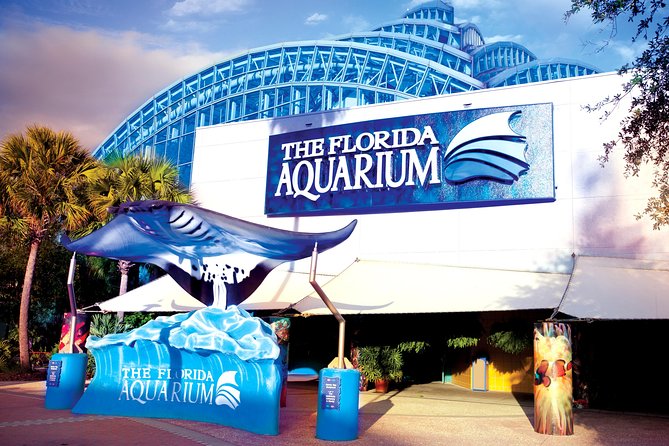
The Coral Reef Gallery is the aquarium’s visual centerpiece. It presents one of the most varied ecosystems in the ocean, with colorful fish and reef animals moving through a large display.
Several visitors singled out the coral exhibits and large reef tank as the best part of the aquarium. That matches the natural rhythm of the visit. The earlier sections introduce Florida’s wetlands and coast, while this final area opens onto a larger, more colorful ocean setting.
Do not hurry through this room. Find a place to watch the tank for several minutes, then walk around and look for smaller fish among the larger ones. The reef display rewards patience more than speed.
The aquarium also has manta ray tanks, which add another strong viewing opportunity. If you are interested in large marine animals, allow extra time here rather than assuming the building can be covered in a quick circuit.
A different kind of day, same corner of the map:
- NYC: SUMMIT One Vanderbilt Tickets
★ 4.7 · 51,195 reviews - NYC: 9/11 Memorial & Museum Timed-Entry Ticket
★ 4.8 · 31,428 reviews - NYC: Empire State Building Tickets – Observatory & Museum
★ 4.7 · 25,757 reviews - NYC: Empire State Building Observation Deck Tickets
★ 4.7 · 22,072 reviews
Daily Programs Add More Than Glass Tanks

General admission includes access to the aquarium’s daily program of events. The exact schedule can change, so check the times when you arrive.
These programs matter because they break up the walking route. A ranger presentation about animal skulls was a highlight for one family, and animal feeding sessions can give you a better look at how the aquarium cares for its inhabitants. Staff may also bring animals out for closer viewing.
This is where the $42 admission can begin to feel more worthwhile. If you only walk through the exhibits, the price may seem high compared with the attraction’s modest size. If you arrange your visit around a presentation, feeding, or hands-on encounter, you get a fuller experience.
Some visits may also include face painting or character drawing activities. These extras are particularly useful for families who need a short break between exhibit areas. They may not matter to a couple or solo visitor, but they can extend the visit for children.
How Long Should You Plan to Stay?
The stated visit time is about two to three hours. That is realistic if you pause at the major tanks, explore the interactive areas, and attend one or more daily programs.
A fast walker could finish in about an hour, especially if a few sections are closed or being renewed. That is the key reason opinions about value differ. The aquarium is smaller than very large institutions such as the National Aquarium in Baltimore or the Dallas aquarium, so do not arrive expecting an all-day complex.
For a relaxed visit, I would plan three hours. That gives you time to:
- Follow the full route through the wetlands and coastal habitats.
- Spend time at Stingray Beach.
- Watch the jellyfish, octopus, and reef exhibits.
- Attend a program if the schedule fits.
- Take a short break at the on-site cafe.
If you are combining the aquarium with other Tampa plans, two hours is a practical target. Some people use it as a morning activity before heading to the beach, while others visit during a cruise stop or as an indoor afternoon outing.
Price, Parking, and the Real Value of Admission

At $42 per person, admission is reasonable for a carefully planned two- or three-hour visit, but less appealing if you expect a huge aquarium with nonstop attractions.
The price includes the full general admission route and daily programming, but not parking, hotel pickup, animal encounters, the dolphin-search cruise, or the underwater walking tour. Infants ages 2 and under are free.
Parking can change the total cost. A City of Tampa lot is located one block north of the aquarium on Channelside Drive, and other lots and garages are within walking distance. One visitor paid $20 for parking, while another cited an hourly rate of $5, so check the current signs and rates before leaving your car.
A garage across the street is convenient for families, but convenience can cost more. If you are staying downtown or using public transportation, skipping the parking fee makes the ticket easier to justify.
The mobile ticket is useful, especially when you are fitting the aquarium into a packed Tampa day. Your ticket remains active for up to 48 hours after the original purchased date and time, as long as it has not been used and the barcode has not been scanned. That gives you some flexibility if your schedule shifts.
Family Comfort, Crowds, and Accessibility
The aquarium is family-friendly, with room for strollers and wheelchairs and a route that is fairly easy to follow. It is near public transportation, and most people can participate in the standard visit.
Service animals are allowed. If you use a mobility scooter, keep the elevator concern in mind. One report found the elevators difficult to maneuver with a scooter, so contacting the aquarium before arrival would be sensible if you need more detailed accessibility information.
Saturday visits can be crowded, particularly during school breaks. The building may still be easy to navigate, but Stingray Beach and the most popular tanks can feel slower at peak times. Arriving near opening gives you a better chance of seeing feeding activity and moving through the first exhibits with more space.
The aquarium is not especially cold. You may want a light sweater, but the indoor temperature should not require heavy layers.
Who Will Enjoy This Aquarium Most?
I would recommend The Florida Aquarium for families with children, couples looking for a calm indoor activity, and anyone who wants a useful break from Tampa’s heat or rain.
It is also a good fit if you like animals beyond fish. The mix includes alligators, otters, birds, sea turtles, rays, sharks, jellies, clownfish, and an octopus. That range keeps the experience moving and gives children several animals to choose as favorites.
You may want to lower your expectations if you have recently visited one of the country’s very large aquariums. The Florida Aquarium is more compact, and some exhibit areas may be under renewal at a given time. The tradeoff is a visit that is easier to finish, easier to navigate, and less tiring for young children or older adults.
Its conservation purpose also gives the exhibits more meaning. The aquarium is not only displaying animals. Its stated mission includes protecting marine wildlife, and the educational programs connect the animals to that work.
A Simple Plan for Your Visit
Book general admission ahead if you are visiting during a busy period. Keep the mobile ticket ready on your phone and remember that the aquarium does not include parking.
Once inside, follow the route through the Wetlands Trail, then spend time in Bays & Beaches. Put Stingray Beach high on your list, especially if hands-on activities are important to you.
Next, slow down at Waves of Wonder. Look carefully for the Pacific octopus, then continue to the reef and manta ray displays. Before leaving, check the daily program schedule and decide if a feeding or presentation fits your timing.
If you have three hours, use the cafe for a break rather than rushing the last exhibits. If you only have one hour, focus on Stingray Beach, Waves of Wonder, and the Coral Reef Gallery.
Should You Book The Florida Aquarium?
Book it if you want a clean, well-organized indoor attraction with strong family appeal, hands-on ray encounters, Florida wildlife, and a fine coral reef display. The downtown location also makes it easy to pair with other Tampa activities.
Think twice if you want a massive aquarium or expect a full-day attraction from general admission alone. At $42, the value improves when you stay for two or three hours and attend a program. For a shorter visit, the extra parking cost may make the outing feel expensive.
My practical call: book ahead, arrive early, allow at least two hours, and build your visit around Stingray Beach and the daily events. That approach gives you the best chance of seeing the aquarium as an educational outing rather than simply a quick walk past fish tanks.
FAQ
How much does general admission to The Florida Aquarium cost?
General admission costs $42 per person. Infants ages 2 and under enter free.
How long does a visit usually take?
Plan on approximately two to three hours for a relaxed visit. A faster visit may take about an hour, depending on your pace and which exhibits are open.
What animals can I see at The Florida Aquarium?
You can see alligators, river otters, sharks, rays, sea turtles, dwarf seahorses, jellies, clownfish, a Pacific octopus, birds, and many other aquatic animals and plants.
Is parking included with admission?
No. Parking is not included. A City of Tampa lot is one block north on Channelside Drive, and other lots and garages are within walking distance.
Can I cancel my ticket for a refund?
Yes. You can cancel at least 24 hours before the experience start time for a full refund. Cancellations or changes made within 24 hours are not refunded or accepted.
How long does the mobile ticket remain valid if my plans change?
The ticket remains active for up to 48 hours after the originally purchased date and time, as long as it is still valid, has not been used, and the aquarium barcode has not been scanned.
Newly listed in the USA
- The Maui Butterfly Farm Tour★ 5.0 · 446 reviews
- NON BUS 4 Winery Traverse City Wine Tour on Old Mission Peninsula★ 5.0 · 445 reviews
- New England Aquarium Admission Ticket in Boston★ 4.0 · 446 reviews
- New Orleans City Tour and Steamboat Natchez Harbor Jazz Cruise★ 4.0 · 446 reviews
- Alpaca and Llama Farm Tour★ 5.0 · 446 reviews
- Small-Group Laura and Whitney Plantation Tour from New Orleans★ 4.5 · 446 reviews
- Dreaded Dead Descent of the District: DC Ghost Tour★ 4.0 · 446 reviews
- Smithsonian Museum of Natural History – Exclusive Guided Tour★ 5.0 · 446 reviews
Tampa Tours, compared.


Guided Tampa Sightseeing Tour in a Deluxe Street Legal Golf Cart
Read our review →




Browse the lists this tour appears in