
Reviewed · BIG ISLAND OF HAWAII TOURS
Snorkel with Manta Rays Guaranteed
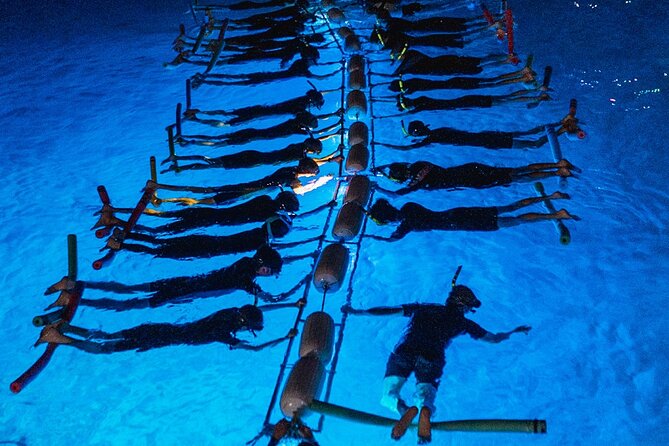
The remarkable part comes after dark, when manta rays glide beneath a floating light and sweep within inches of your face. You are not chasing them or swimming after them. You hold a lighted flotation board at the surface while the rays circle below, feeding on plankton drawn upward by the light.
I like the short ride from Keauhou Bay, which helps if you are prone to seasickness, and I like the careful setup: wetsuits, masks, snorkels, a full briefing, and crew members in the water. The clean trimaran Hokulani also has steps for easier entry and exit, plus a bathroom.
The main consideration is physical. You may spend about 45 minutes holding the flotation board in choppy water, and that can tire your shoulders. The water can feel cold, the ocean may move, and a group of up to 49 people can make this feel less intimate than the graceful animals themselves.
Key points before you book
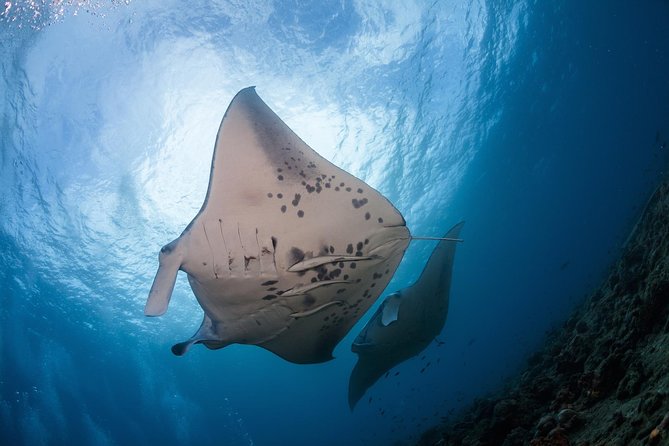
- Manta rays can pass within inches of your face: You may see barrel rolls and close passes, but you must never touch them.
- The ride is often only about five minutes: That is useful if boat motion makes you queasy.
- You hold a lighted flotation board: Fins are not used, reducing the chance of striking a manta ray.
- About 45 minutes is spent in the water: You can ask to return to the boat when needed.
- The sunset trimaran adds value: Drinks, juice, soda, snacks, and filtered water are included.
- The group may be large: The maximum is 49 people, so the setting can feel busy at the light board.
Why Kona’s night manta encounter is so unusual
Manta rays are not put on display here. They come to a feeding area in the ocean, where plankton rises after sunset. A light attached to the flotation board gathers plankton near the surface, and the mantas follow their food.
That creates a strange and wonderful arrangement. You remain mostly still, holding a bar on the board, while the animals do the moving. A manta may glide underneath, turn on its side, or make a slow barrel roll directly below your face. The close distance can be startling at first, especially in dark water, but the rays are gentle and graceful.
You should understand the format before paying. This is not ordinary snorkeling across a reef. You will not swim freely around a coral garden or chase animals through open water. You float in place at the light board, watching the mantas feed beneath you.
For many people, that is the appeal. You need less swimming ability than on a standard snorkel trip, and the crew can focus on helping you stay calm and properly positioned. For anyone expecting an active swim, the fixed position may feel limiting.
More Snorkeling in Big Island of Hawaii
- Big Island Manta Ray Night Snorkel
★ 5.0 · 5,656 reviews - Big Island: Kona Manta Ray Snorkel Tour in Keauhou Harbor
★ 4.5 · 2,465 reviews - Big Island: Captain Cook Snorkel On A Power Catamaran With Lunch
★ 5.0 · 2,232 reviews
Meeting at Keauhou Bay and finding the boat
The tour begins at Keauhou Bay in Kahaluu-Keauhou. Several ocean trips may gather in the same general area, so pay attention when you arrive. The useful direction is to look around the building on the right rather than heading straight to the boat ramp.
Your confirmation is sent within 48 hours of booking, subject to availability. Since the activity is often booked about 38 days ahead, I would not leave this reservation until the last day of your Big Island stay, especially if seeing manta rays is high on your list.
The tour is offered in English and uses a mobile ticket. Plan to arrive with enough time to locate the correct check-in area and get organized before boarding. One past booking issue involved unclear meeting information through an outside booking platform, so read your confirmation carefully and keep the activity details available on your phone.
Sunset aboard the Hokulani
The trimaran Hokulani carries you from Keauhou Bay toward Manta Ray Village. The ride is short, often around five minutes according to the supplied trip details, rather than a long crossing in open ocean. That matters for two reasons: you spend less time sitting in boat swell, and more of your outing is devoted to the actual manta encounter.
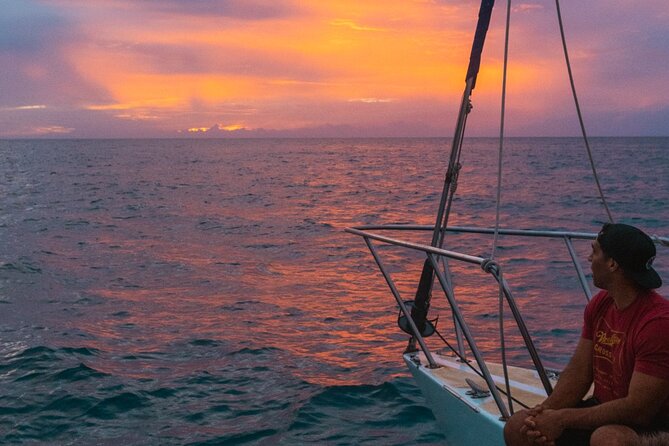
Before entering the water, the boat gives you a sunset view over the Kona coast. The evening light is a pleasant bonus, though the sunset portion is not the main event. The focus is getting you safely to the feeding area after dark.
Drinks and snacks are available onboard. Included beverages include filtered water, soda, and varied juices. The boat has steps that make getting into and out of the water easier than climbing a tall ladder, and it has a bathroom. Those are modest details, but they matter once you are wet, cold, or nervous.
The boat is described as comfortable and spacious, yet the maximum group size is 49. That is a substantial group around one nighttime viewing area. You should expect a shared marine outing rather than a private charter.
The briefing, wetsuit, and flotation board
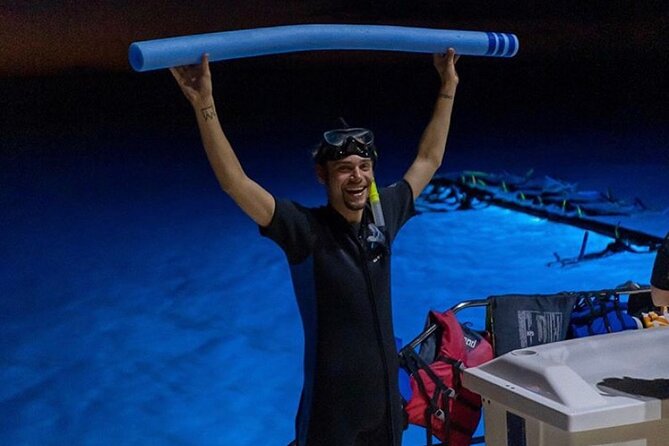
At Manta Ray Village, the crew gives you a safety briefing before you enter the water. You receive a wetsuit, mask, and snorkel. Fins are not needed, and full-face masks are not permitted because of safety concerns.
The no-fins policy makes sense here. Your feet rest on or near the flotation board instead of kicking below it, which helps protect the mantas from accidental contact. You should keep your body controlled and avoid reaching toward the animals.
The key rule is simple: do not touch the manta rays. They may come so close that touching seems possible, but the right response is to stay still and let the animal choose its path. Their closeness is part of the thrill, not an invitation to interact physically.
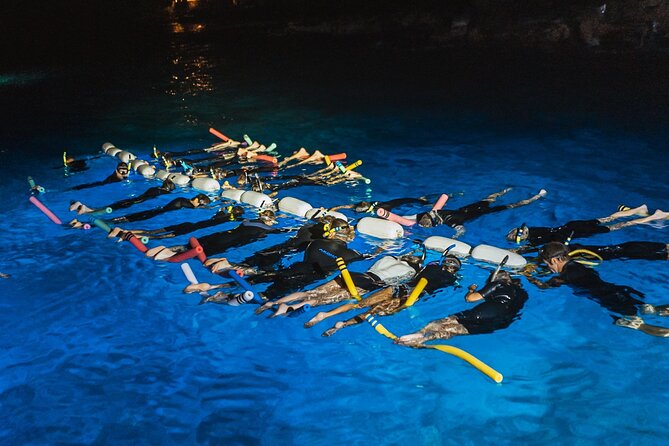
The flotation device is the centerpiece of the outing. A light beneath or attached to it draws plankton toward the surface. You hold the bar while looking down into the illuminated water. Crew members guide you onto the board and remain available to help with the transition from boat to water.
This setup is friendly to first-time night snorkelers. You do not need to master a long swim in darkness. Still, you need a moderate level of physical fitness, enough to climb aboard, enter the water, and hold the board for an extended period.
More snorkelling spots around Big Island of Hawaii:
- KONA Manta Ray Night Snorkel – FREE re-ride if no Sightings
★ 5.0 · 2,212 reviews - Manta Ray Night Snorkel at Kona, Big Island
★ 5.0 · 1,758 reviews - Kona Snorkel Tour: Captain Cook Reef Snorkel, Dolphin & Sea Caves
★ 4.5 · 1,411 reviews - Glow of the Deep: Night Snorkeling with Manta Rays
★ 4.5 · 1,254 reviews
About 45 minutes with the manta rays
The advertised snorkel time is approximately 45 minutes, though individual time in the water can vary. You can leave the water earlier if you become cold, tired, or seasick. Some people may stay close to the full hour, while others may return after 30 or 40 minutes.
That flexibility is important. Holding the board sounds easy, but moving water can make your shoulders work. One useful practical tip is to grip the float gently rather than squeezing it tightly. A hard grip can cause arm and shoulder discomfort, especially when waves move the board.
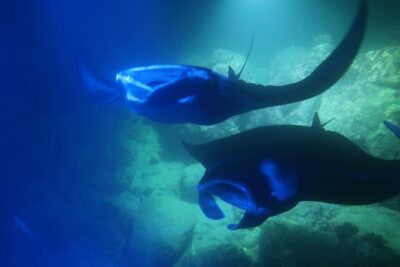
On a calm evening, the arrangement is wonderfully simple. You look down, wait, and suddenly a large manta appears from the dark. It may glide directly beneath you, turn in a slow circle, and pass close enough for you to see the shape of its mouth and the movement of its wings.
On a rougher evening, the ocean becomes part of the challenge. The flotation boards may move up and down or knock gently against one another. Crew members help keep people secure, but no guide can remove the motion of the sea. If you are prone to seasickness, consider the later water segment, the short ride, and the availability of ginger ale or motion-sickness chews onboard as useful comforts, though they are not a guarantee against nausea.
The number of mantas varies. You might see one to three, which is often considered a normal night, or you might see five, seven, eight, ten, or more. Several supplied accounts describe groups of five or six animals appearing together, while one outing had an estimated 10 to 15. The advertised guarantee makes this activity different from a normal wildlife trip, but sightings and conditions can still shape how full the encounter feels.
What the close encounter feels like
The rays can come within a foot of your face, and sometimes within just a few inches. That closeness is thrilling for some people and intimidating for others. You are sharing dark water with very large animals, and your first close pass may make you instinctively pull back.
Try to remain calm and keep your attention on the animal. The crew explains what to expect and helps nervous swimmers reach the float. Even people new to ocean snorkeling have managed the setup with crew support, including children around eight or nine years old.
I would be cautious about bringing much younger children. The activity requires a moderate fitness level, the water may be chilly, and holding the board can be tiring. The supplied information does not give a minimum age, so ask the operator directly if your child is close to the age range you have in mind.
Photography is possible, but dark water and moving animals make it difficult. A basic underwater phone case may produce poor results. An action camera, such as a GoPro, is more suitable, and the company may offer camera rental. Still, I would keep your attention on the mantas first. The best moments happen quickly and close to you.
Crew service and safety
The crew receives repeated praise for calm support, clear instructions, and attention to children and first-time snorkelers. That matters more here than on a simple daytime swim. You are entering dark water from a boat, then holding position while large animals pass beneath you.
The crew also shares information about manta rays and the history of the area. You get instructions about the equipment, the flotation board, and the rules that protect both you and the animals. When the ocean becomes choppy, the crew assists people quickly and keeps watch around the boards.
The best safety practice is to follow the crew’s directions without improvising. Keep hold of the board, do not use a full-face mask, do not wear fins, and never touch a manta ray. If your shoulders hurt or you feel unwell, ask to return to the boat rather than trying to tough it out.
The tour operator, Sea Paradise, uses a maximum group size of 49. That is not a small-group outing, but the in-water crew presence helps make the process feel organized. Your comfort will also depend on where you are positioned and how busy the boards are that evening.
Is $141.57 a fair price?
At $141.57 per person, this is not a cheap one-hour-and-a-half activity. The water time is about 45 minutes, and the boat ride is short, so you are paying mainly for the specialized nighttime manta setup, boat, crew, equipment, and access to a wildlife encounter that is difficult to arrange independently.
The price includes the wetsuit, mask, snorkel, flotation device, filtered water, soda, juice, and snacks. You do not need to bring fins, which keeps the equipment list simple. The sunset ride and the Hokulani’s steps and bathroom add comfort.
I think the value is strong if you want a close manta encounter and understand the format. Seeing several rays pass within inches of your face is a rare experience, and the crew support is especially valuable if you are nervous in the ocean at night.
The value is weaker if you dislike shared group activities, get uncomfortable holding a board, or expect free-swimming snorkeling. In that case, the price may feel high for a short outing with limited movement. Gratuities are not included but are appreciated, so allow for that extra cost if the crew helps make your night easier.
Who should book this manta tour?
This outing suits you if:
- You want to see manta rays at close range.
- You are comfortable entering the ocean at night.
- You can manage moderate physical effort and hold a flotation board.
- You are a first-time night snorkeler who wants close crew support.
- You prefer a short boat ride because of seasickness.
- You are visiting Kona and want one distinctive evening activity.
It may not suit you if you want a quiet, private boat or a small group. It may also be a poor fit if you have shoulder problems, dislike cold water, or want to swim freely instead of holding a fixed position.
Families can make it work, particularly with older children who are comfortable in open water. The crew has helped nervous children and beginners, but parents should weigh the darkness, ocean motion, cold water, and the need to stay with the flotation board.
Booking about 38 days ahead is sensible. The activity requires good weather and a minimum number of participants. If poor conditions or insufficient bookings cancel the trip, you are offered another date or activity, or a full refund.
Should you book it?
I would book this tour if manta rays are a priority on your Big Island visit. The close passes, short ride, careful safety routine, and nearly 45 minutes in the water make it a strong choice for a memorable Kona night.
Go in with the right picture: you will float at a light board, not swim freely through the sea. Expect cold water, possible chop, a shared group, and tired shoulders. If that sounds acceptable, the chance to watch these gentle animals sweep through the light is worth the $141.57 price.
FAQ
Where does the manta ray tour begin?
The tour begins at Keauhou Bay in Kahaluu-Keauhou, Hawaii. It ends back at the same meeting point.
How long does the activity last?
The full activity lasts approximately 1 hour and 30 minutes. Snorkel time in the water is approximately 45 minutes.
How close do the manta rays come?
The manta rays may come within a foot of you, and some may pass only a few inches from your face. You must not touch them.
Are wetsuits and snorkel equipment included?
Yes. Wetsuits, masks, and snorkels are provided. Fins are not needed for this activity.
Can I use a full-face snorkel mask?
No. Full-face masks are not allowed because of safety concerns.
What refreshments are included?
Filtered water, soda, and varied juices are included. Drinks and snacks are offered onboard.
What happens if bad weather cancels the tour?
If poor weather cancels the activity, you are offered a different date or experience, or a full refund. You can also cancel at least 24 hours before the start time for a full refund.
Newly listed in Big Island of Hawaii
- Zodiac Raft Whale Watching Adventure★ 5.0 · 456 reviews
- Deluxe Sail & Snorkel to the Captain Cook Monument★ 5.0 · 472 reviews
- Award Winning Farm Tour: Coffee, Chocolate and Unique Gifts★ 5.0 · 484 reviews
- Kailua-Kona: Manta Ray Watching Nighttime Boat Trip★ 4.8 · 488 reviews
- Manta Ray Night Snorkel Experience of a Lifetime★ 4.5 · 505 reviews
- Glass-Bottom Boat Reef Tour★ 4.5 · 506 reviews
- Kealakekua Bay Snorkeling Tour – 4 hour Kona Zodiac Adventure★ 5.0 · 508 reviews
- Big Island Waterfalls Tour with Swimming and Botanical Garden★ 5.0 · 513 reviews
Big Island of Hawaii Tours, compared.
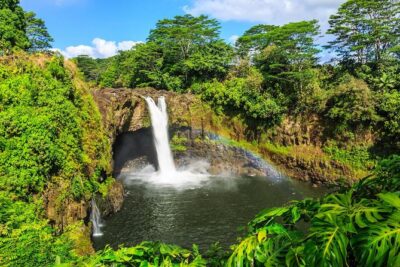
Big Island in a Day: Volcanoes Waterfalls Sightseeing and History
Read our review →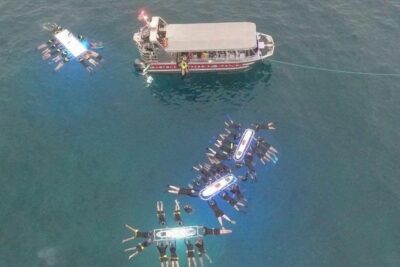
Kona Manta Ray Snorkel Tour in Keauhou Harbor
Read our review →
Hilo Shore Excursion: Volcanoes National Park & Black Sand Beach
Read our review →
Captain Cook Snorkel On A Power Catamaran With Lunch
Read our review →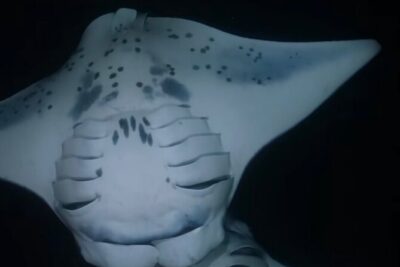
KONA Manta Ray Night Snorkel – FREE re-ride if no Sightings
Read our review →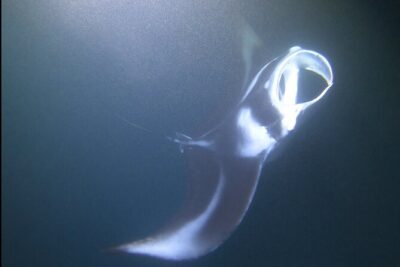

Big Island GOAT Experience: Mauna Kea Summit, Sunset & Stars
Read our review →Browse the lists this tour appears in