
Reviewed · NEW ORLEANS TOURS
New Orleans: Whitney Plantation Tour with Transportation
Whitney Plantation does something important that many plantation visits do not: it puts enslaved people at the center of the story, not the owners, chandeliers, or grand front porch. You walk through restored buildings, memorials, and first-person accounts that make Louisiana’s slavery era personal and painfully clear. I like the self-paced audio tour, and I like the bus ride even more than I expected, since drivers such as Alton, Melinda, Stacey, Bryant, and Robert have filled the journey with useful facts about New Orleans, hurricanes, geography, and plantation country.
I also like that round-trip transport removes the hassle of reaching a site well outside New Orleans. The main drawback is time: you get about two hours at Whitney, which is enough for the route but can feel short if you read every panel, revisit the audio stops, and spend time in the museum.
Key points to know before you book
- Fourteen audio stops tell the story through enslaved people’s experiences, rather than treating slavery as a footnote to plantation architecture.
- The Big House is a rare raised Spanish Creole cottage, but it is only one part of a much larger story.
- The coach ride is part of the tour, with commentary on other plantations, Hurricane Katrina, local culture, and the Mississippi River corridor.
- You can add a 90-minute Manchac Swamp cruise, with a covered pontoon boat, Cajun history, and possible alligator sightings.
- About two hours at Whitney requires a plan, especially in hot weather or if you want to read every exhibit.
- The $89 price mainly buys transport and access, making it useful if you do not have a car, but less compelling if you already have easy access to the plantation.
Why Whitney Plantation feels different
Whitney opened to the public in 2014 after 262 years as a private plantation site. It is Louisiana’s only plantation museum devoted entirely to the history of slavery, and that focus shapes the visit from the moment you arrive.
You are not asked to admire the plantation owners’ wealth and then briefly acknowledge the people who made it possible. Instead, the grounds include memorial artwork, museum displays, restored structures, and hundreds of first-person narratives connected to enslaved life.
That does not make the visit easy. It is meant to be sobering. You may leave feeling sad, angry, or simply quiet for a while. I think that emotional weight is part of the point. Whitney is a place of memory, not a pretty backdrop with a few historical facts attached.
The plantation began with indigo production under the early Haydel owners. In the early 1800s, it shifted to sugar, a crop that demanded brutal labor and helped make the plantation economy wealthy. The buildings and grounds also show how a Louisiana working plantation changed over time.
Whitney’s Historic District is listed on the National Register of Historic Places. That official status matters, but the real value comes from how the site connects physical remains to individual lives.
More to weigh up across New Orleans
- New Orleans Premier Ghost, Voodoo and Vampire Walking Tour
★ 4.5 · 12,856 reviews - New Orleans Steamboat Natchez Jazz Cruise with Dinner Option
★ 4.0 · 7,533 reviews - Adults-Only New Orleans Ghost, Crime, Voodoo, and Vampire Tour
★ 5.0 · 6,545 reviews
The ride from New Orleans to the River Road plantations
Your day begins at the Lighthouse Ticket Office at Toulouse Street and the Mississippi River, near the Steamboat Natchez dock behind the JAX Brewery. You should show your barcoded voucher 15 minutes before departure at 400 Toulouse Street.
The drive to Whitney takes about an hour each way, depending on conditions. That is a lot of road time, but the coach ride is not simply dead space. Drivers and guides have often turned it into a moving introduction to the region.
You may pass Laura, Oak Alley, Evergreen, Felicity, and St. Joseph plantations along the Mississippi River. These sites recall the old sugar, cotton, and indigo economy, though passing them from the bus is not the same as touring them. Do not book this trip expecting full visits to every plantation named along the route.
The guides have been a major strength of this outing. Alton has been praised for calm driving, local facts, and practical New Orleans tips. Melinda has combined humor with patience and history. Stacey has made the journey lively while explaining the region. Bryant has pointed out roadside sights and, at times, stopped so people could take photographs. Robert, Nicholas, Michelle, Dwayne, and others have also provided the kind of personal commentary that helps the long ride pass quickly.
The transport quality can vary. Many people have found the coach clean, modern, comfortable, and air-conditioned, with some buses offering onboard restrooms. One recent experience involved a noisier bus with shaky windows and weaker air conditioning. I would treat the bus as practical transportation, not a luxury vehicle.
Walking Whitney’s 14 self-guided stops
Whitney uses a self-guided audio tour rather than one guide leading your whole group around the property. You can download the Whitney Plantation app on a phone, tablet, or iPad. A handheld recording device has also been available, and the route is organized around 14 stops.
This format gives you control. You can pause, replay a section, sit at a stop, or move ahead if another group is nearby. Several stops have seats, which helps if you need a break or want to listen without standing in the Louisiana heat.
I suggest starting with the outdoor route. It places you among the quarters, work areas, memorials, and plantation buildings before you cool down inside the visitor center and museum. One useful approach is to listen first, then look closely at the building or artwork in front of you. The physical setting carries more force once you understand whose lives were tied to it.
The audio material focuses on first-person slave narratives. That choice changes how you hear the site. Instead of receiving a polished account of plantation management, you are directed toward the daily reality of people held in bondage, their labor, family lives, fears, and limited choices.
Allow time for silence. The route is not hard to follow, but it asks for attention. If you rush from one marker to the next, you may technically complete the tour without giving the stories much room to sink in.
Buildings that explain a working plantation
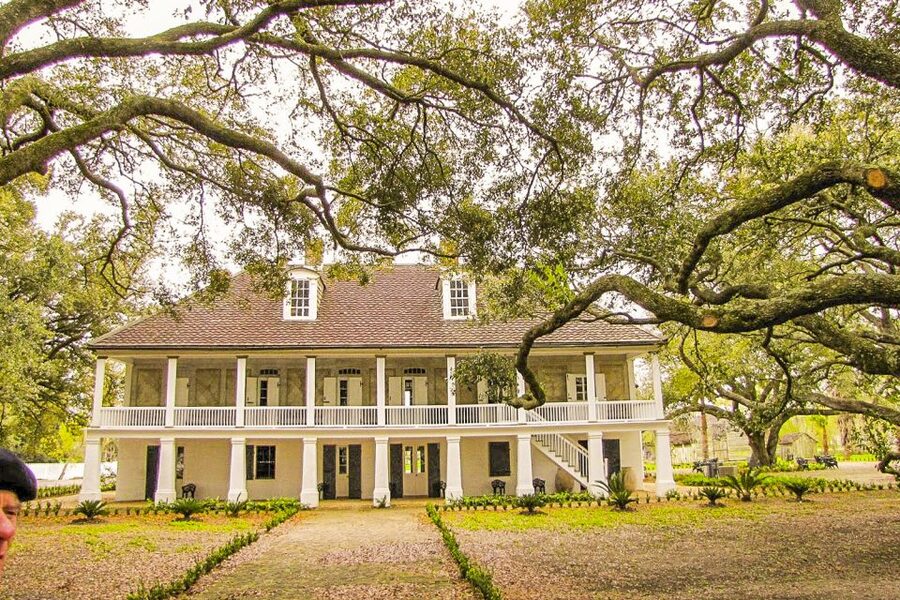
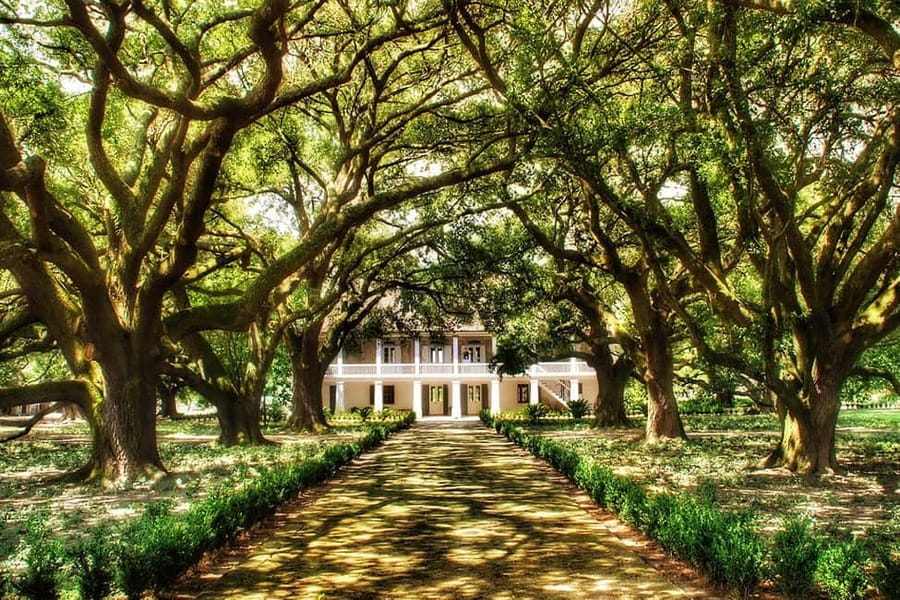
The Big House is one of the earliest raised Creole cottages in Louisiana and one of the finest surviving examples of Spanish Creole architecture. It is worth seeing, but Whitney does not let the building dominate the visit.
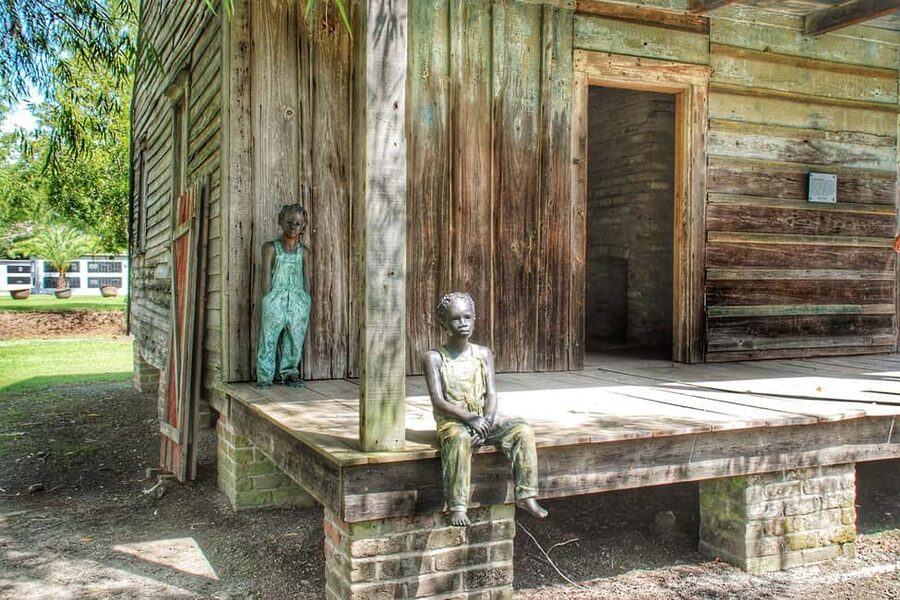
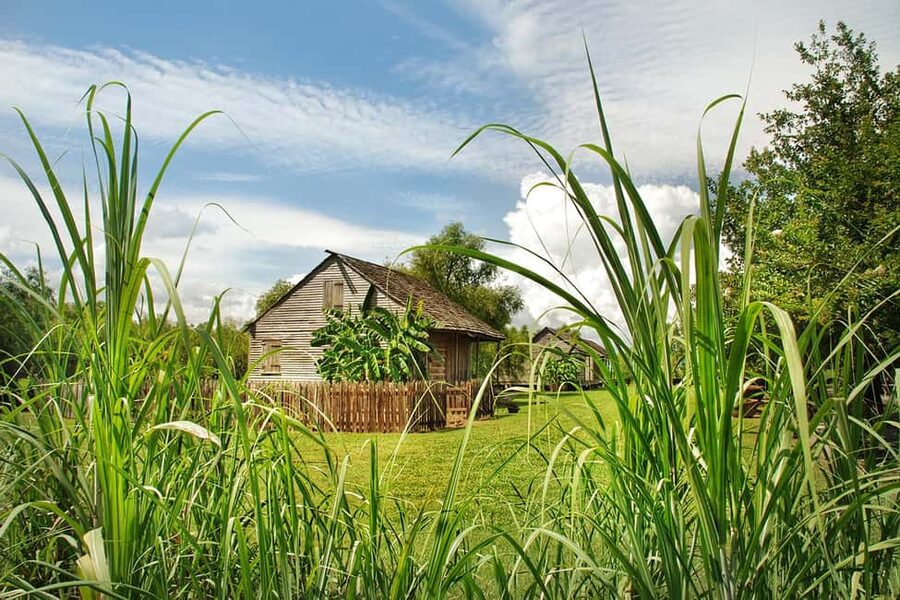
The historic outbuildings are just as important. They help show how the plantation operated and how its buildings changed over the years. The quarters and work structures connect the grand house to the labor system that supported it.
This is where Whitney differs from plantation tours built mainly around furniture and family portraits. Architecture still matters here, but it is evidence, not the star attraction. The question is not simply how an owner lived. It is how the entire system functioned, and who paid the human price.
You can see the slave quarters, though visitors using wheelchairs cannot enter them. The grounds are accessible, but paths can be uneven gravel. The gift shop, restrooms, and museum are accessible. If mobility is a concern, expect the outdoor route to require care and understand that some structures cannot be entered.
A different kind of day, same corner of the map:
- New Orleans Food Walking Tour of the French Quarter with Small-Group Option
★ 5.0 · 6,118 reviews - New Orleans Swamp and Bayou Boat Tour with Transportation
★ 5.0 · 5,399 reviews - New Orleans Steamboat Natchez Jazz Cruise
★ 4.5 · 5,334 reviews - New Orleans City Sightseeing Hop-On Hop-Off Bus Tour
★ 4.5 · 4,943 reviews
Memorials, exhibits, and the emotional center of the visit
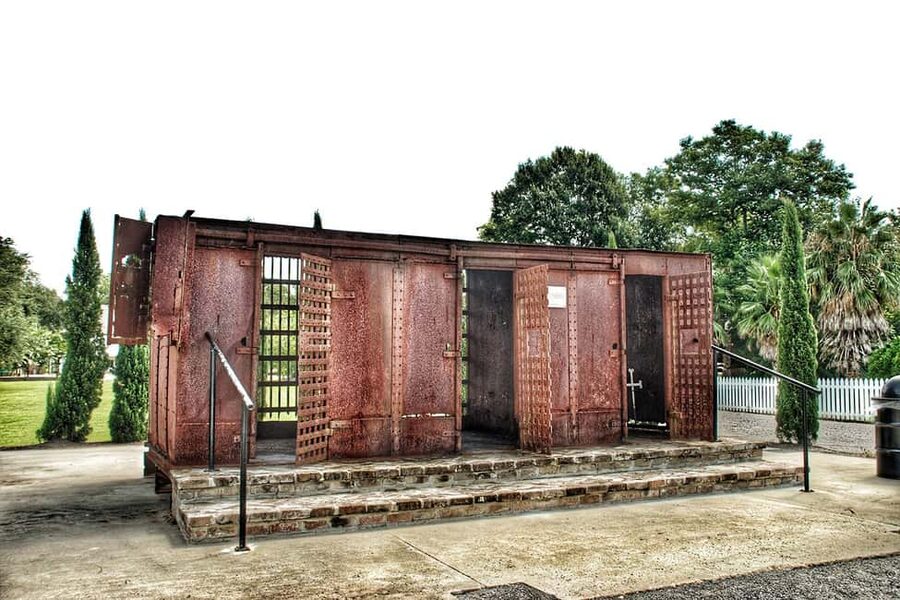
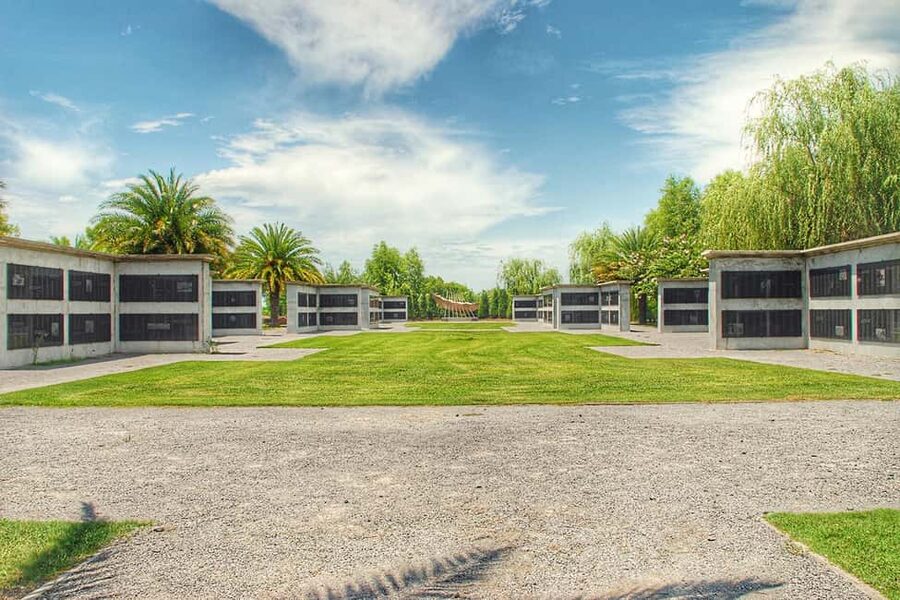
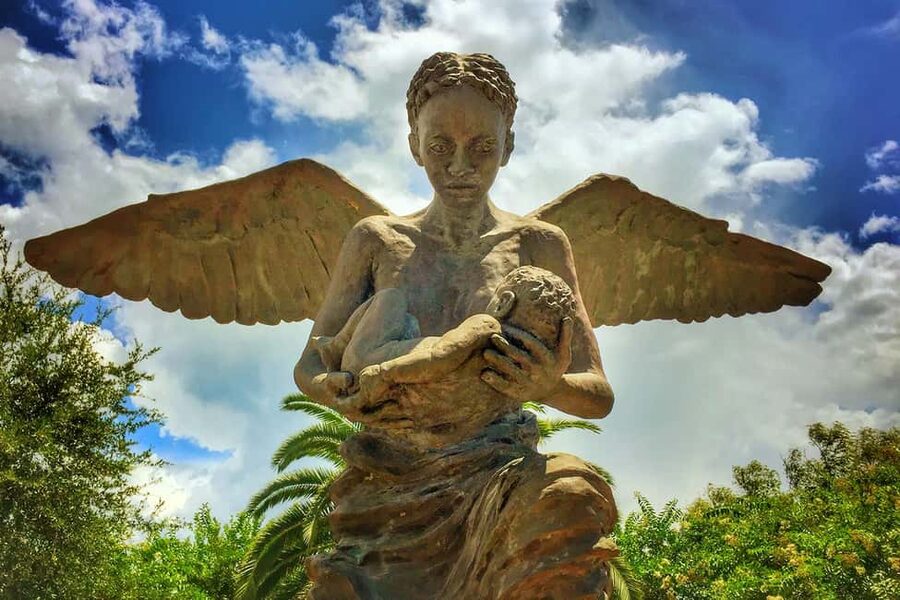
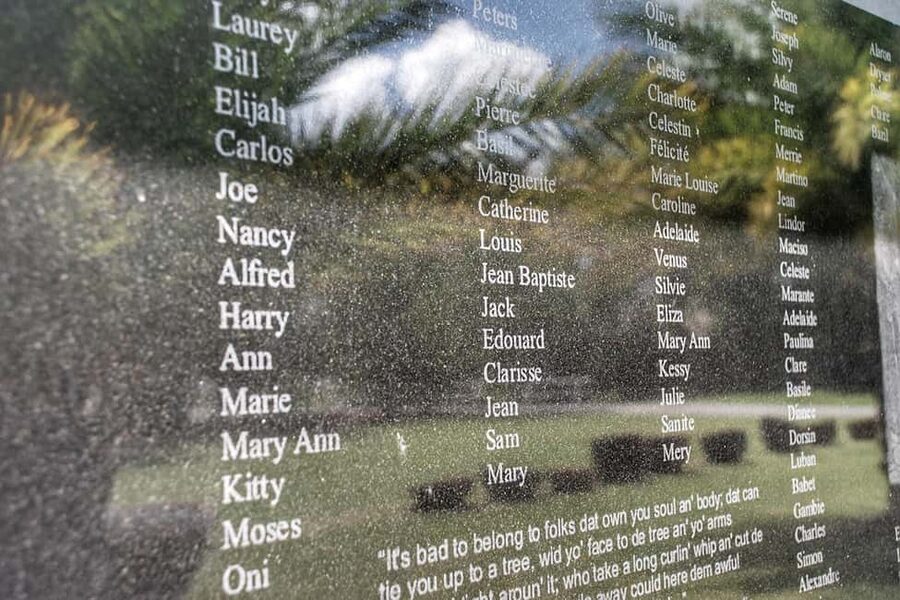
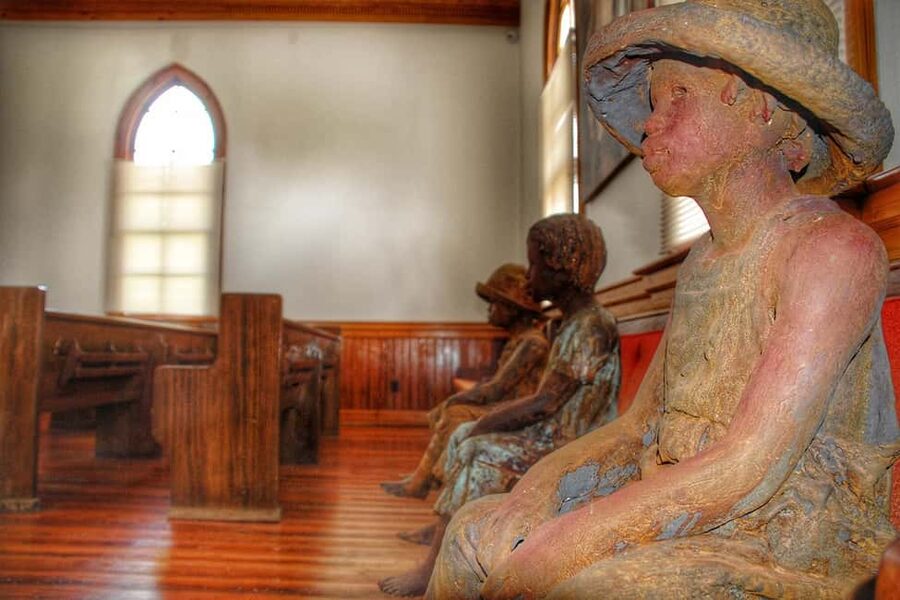
Whitney’s memorial artwork gives the tour a reflective quality. The site pays respect to people enslaved at Whitney and to enslaved people throughout the United States. These memorials are not decorative stops. They ask you to consider names, families, loss, and the way slavery shaped the country long after emancipation.
The museum exhibits add context to what you see outdoors. Internal walls and displays contain a lot to read, and two hours may not be enough for every visitor to absorb it all. If you read quickly, you should have time for the main route and exhibits. If you prefer to stop often, replay audio, or browse the gift shop, the schedule may feel tight.
The gift shop has books and other items, including material on the Jim Crow era. I like that it extends the story beyond the plantation period. Slavery did not end as a clean, isolated chapter, and learning about the later struggle for civil rights can help you place the site in a larger American timeline.
This is not a light sightseeing stop. I would avoid scheduling it immediately before an evening event if you need time to process what you have seen. The return ride gives you a little space, especially if you choose the swamp option afterward.
Adding the 90-minute Manchac Swamp cruise
The optional Whitney and Swamp combination adds a 90-minute boat tour at Manchac Swamp. After Whitney, you ride to a privately owned wildlife refuge and board a covered pontoon boat with a local captain.
The swamp trip offers a different kind of Louisiana education. You hear about Frenier and the Cajun culture of fishing, hunting, and trapping. You also have the chance to see alligators, including animals that may leap for snacks near the boat.
I like the pairing because it changes the pace. Whitney demands concentration and reflection. The swamp cruise lets you sit, watch the water and trees, and learn about local life and wildlife. The boat ride does not soften or replace the plantation visit, but it gives you time to let the first part of the day settle.
The wildlife is not guaranteed, so book the upgrade for the boat setting and local stories as well as the possibility of alligators. The available information does not specify the exact added price or total duration for the combination, so check the current option before paying.
Is $89 a fair price?
At $89 per person, this is a mid-priced half-day outing. You are paying for round-trip transportation from central New Orleans, plantation admission, the audio experience, and the convenience of having the route organized for you.
The value is strongest if you do not have a car. Whitney lies outside the city, and getting there independently would require arranging transport and navigating the River Road area yourself. The bus also gives you commentary on the way, which adds useful regional context.
The value is weaker if you already have a vehicle and want to spend a full day at the plantation. Driving yourself could give you more control over arrival and departure, though you would lose the included commentary and the easy connection to the optional swamp cruise.
Food and drinks are not included. Bring what you need for the day, and remember that outdoor walking in Louisiana can be tiring, especially in warm or humid weather.
The tour has received an overall rating of 4.7 from 619 bookings, with transportation earning a perfect score from 85 percent of the people who rated it. That lines up with the main practical strength: the coach service is usually friendly, smooth, and informative. The plantation itself is the reason to go, but the driver can make the whole day feel far better organized.
Who should book this plantation tour?
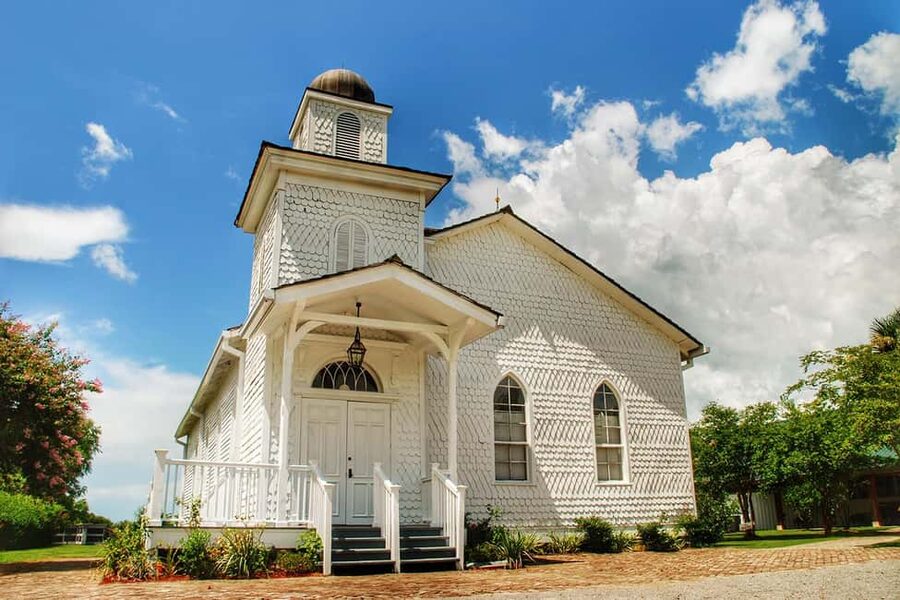
I would choose this tour if you want a serious account of slavery in Louisiana and prefer not to rent a car. It suits history-minded visitors, families with older children, and anyone who wants a plantation visit that does not center the owners’ lifestyle.
It also works well if you want a self-paced format. You are not locked into the walking speed of a group, and you can replay the audio when a story deserves more attention.
I would think twice if you want a leisurely photo stop or a grand-house sightseeing tour. Whitney has beautiful grounds and important architecture, but its purpose is remembrance and education. The subject matter is painful, and the two-hour visit may feel rushed if you want to read every display.
For the strongest day, start the outdoor route soon after arrival, use the audio device or app, save museum reading for the second half, and add the swamp cruise only if you want a longer day with wildlife and Cajun culture.
Practical details before departure
Meet at the Lighthouse Ticket Office at Toulouse Street and the Mississippi River, directly behind the JAX Brewery. All tours leave from 400 Toulouse Street, New Orleans, Louisiana 70130, and you should arrive with your barcoded voucher 15 minutes early.
The activity lasts about five hours, although the listed duration is also shown as 465 minutes. Check the departure time when booking. The tour operates in English, and the plantation portion is self-guided.
Cancellation is free up to 24 hours before departure, and you can reserve now while paying later. Wheelchair users can access the museum, gift shop, restrooms, and plantation grounds, but gravel paths are uneven and the slave quarters cannot be entered.
Final verdict: book it for the history, not the pageantry
I recommend the Whitney Plantation tour for anyone who wants to understand slavery as a lived human system rather than a decorative backdrop to plantation wealth. The audio route, memorials, outbuildings, and first-person accounts give you a clear reason to visit, while the bus commentary makes the trip simple.
Book it if you value structure and context. Skip it only if you need a slower full-day visit or are looking mainly for grand architecture and photographs. The swamp upgrade is a sensible add-on for a fuller Louisiana day, but Whitney alone is the essential part.
FAQ
Where does the Whitney Plantation tour depart from?
The tour departs from the Lighthouse Ticket Office at Toulouse Street and the Mississippi River, at the Steamboat Natchez dock behind the JAX Brewery. The listed address is 400 Toulouse Street, New Orleans, Louisiana 70130.
How early should I arrive?
You should display your barcoded voucher 15 minutes before your scheduled tour time.
How long does the tour last?
The listed duration is about five hours, with the activity also shown as 465 minutes. Check the available departure time when booking.
Is the Whitney Plantation tour guided?
The plantation visit is self-guided. You can use the Whitney Plantation app on a phone, tablet, or iPad, and a handheld audio device has also been provided for the 14-stop route.
Is transportation included?
Yes. Round-trip transportation from New Orleans is included, along with commentary from the English-speaking driver or guide during the journey.
Is the swamp cruise included?
The 90-minute Manchac Swamp pontoon cruise is included only when you choose the Whitney and Swamp combination option.
Is the plantation accessible for wheelchair users?
The museum, gift shop, restrooms, and plantation grounds are accessible. Some paths are uneven gravel, and wheelchair users can view the slave quarters but cannot enter them.
Newly listed in New Orleans
- New Orleans City Tour and Steamboat Natchez Harbor Jazz Cruise★ 4.0 · 446 reviews
- Small-Group Laura and Whitney Plantation Tour from New Orleans★ 4.5 · 446 reviews
- New Orleans French Quarter Photo Shoot★ 5.0 · 462 reviews
- New Orleans: 2-Hour Ghosts & Vampires Walking Tour★ 4.5 · 465 reviews
- Garden District Home and History Walking Tour★ 5.0 · 470 reviews
- New Orleans: Sunday Steamboat Jazz Cruise + Optional Brunch★ 4.3 · 470 reviews
- New Orleans Jazz History and Music Walking Tour★ 4.5 · 477 reviews
- New Orleans: Garden District Tour★ 4.8 · 480 reviews
New Orleans Tours, compared.
New Orleans Premier Ghost, Voodoo and Vampire Walking Tour
Read our review →
New Orleans Steamboat Natchez Jazz Cruise with Dinner Option
Read our review →
Adults-Only New Orleans Ghost, Crime, Voodoo, and Vampire Tour
Read our review →
New Orleans Food Walking Tour of the French Quarter with Small-Group Option
Read our review →
New Orleans Swamp and Bayou Boat Tour with Transportation
Read our review →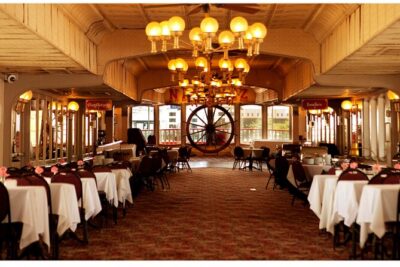
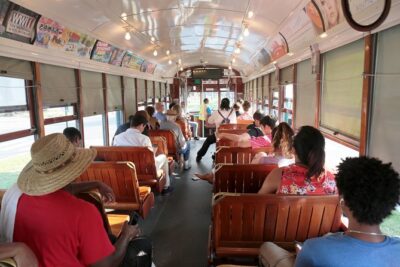
New Orleans City Sightseeing Hop-On Hop-Off Bus Tour
Read our review →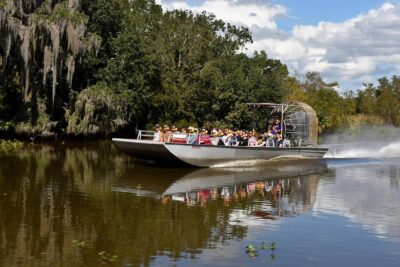
Browse the lists this tour appears in