
Reviewed · BIG ISLAND OF HAWAII TOURS
Manta Ray Snorkeling by Night in Kailua-Kona, Hawaii
The remarkable part of this Kona outing is the setting: you float in the dark Pacific while wild manta rays sweep beneath you, turning and rolling through the light to feed on plankton. The small Hawaiian double-hulled canoe gets you to the viewing area quickly, without the feel of a crowded excursion boat.
I like two things right away. First, the group is limited to 12 people, so getting into the water and holding position around the lightboard feels more manageable. Second, the canoe ride is part of the experience, not just transportation. The main consideration is time: expect roughly an hour to an hour and 15 minutes overall, with about 45 minutes or more in the water, so the $127.10 price may feel high if the rays are slow to appear.
The manta rays are wild animals, not trained performers. Eka Canoe Adventures cannot promise a sighting, though its manta guarantee gives you another chance on a later evening or future Kona visit if no ray appears. The crew has included guides such as Kama, Chris, and Kalala, with safety and water support central to the outing.
Key points before you book
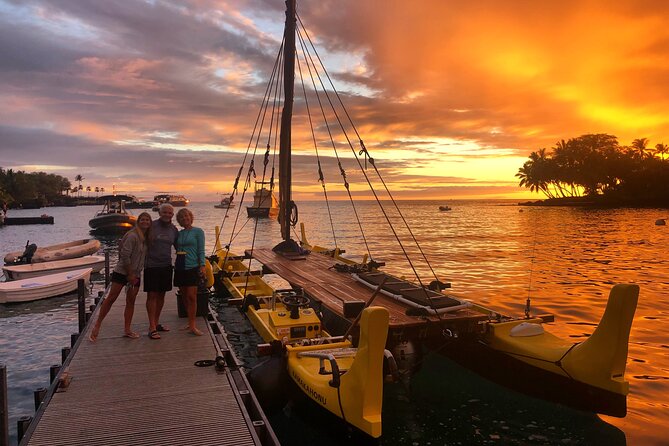
- Small canoe, maximum 12 people: You avoid the packed feel of larger manta boats and have a better chance of hearing the guide.
- Nighttime manta feeding: Lights attract plankton, which brings the rays close to the surface.
- Short ride to the site: The canoe reaches the viewing area in only a few minutes, according to the tour details provided.
- About 45 minutes in the water: The full outing is short, but the actual snorkel portion usually makes up most of your time.
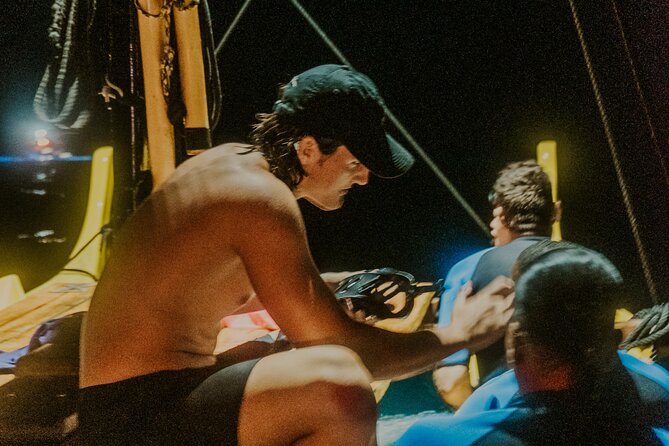
- Equipment is supplied: You receive a wetsuit top, flotation device, and standard or prescription snorkel equipment.
- You must swim and climb a short ladder: This is not a purely boat-based wildlife tour.
Why Kona’s nighttime manta encounter is so unusual
Manta rays gather along the Kona Coast at night because plankton rises into the illuminated water. The tour uses purpose-built lightboards and flotation equipment to concentrate light near the surface. Plankton gathers there, and the mantas follow.
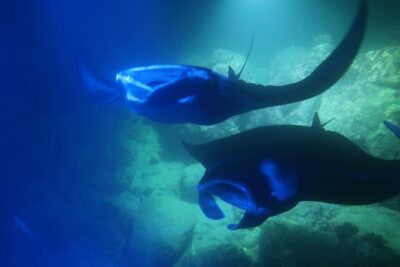
That gives you a close view of a wild feeding routine. The rays may glide beneath the board, roll onto their backs, or pass within inches of swimmers. Their broad wings and slow, graceful movements can look almost unreal at night, especially when your only view is the beam of the lights and the dark water beyond it.
You are not feeding or touching the animals. That matters. The experience works because the rays choose to approach the light, and the guides are there to help you watch without interfering with them. Sightings can vary from a few rays to several animals moving around the board. Some outings may begin quietly, then become busy near the end, so patience is part of the deal.
The setting also makes this more than a standard snorkel stop. You are looking down into the sea under the moonlit sky, with the canoe nearby and the shoreline of the Big Island behind you. The water can feel chilly, but the supplied wetsuit top helps.
More Snorkeling in Big Island of Hawaii
- Big Island Manta Ray Night Snorkel
★ 5.0 · 5,656 reviews - Big Island: Kona Manta Ray Snorkel Tour in Keauhou Harbor
★ 4.5 · 2,465 reviews - Big Island: Captain Cook Snorkel On A Power Catamaran With Lunch
★ 5.0 · 2,232 reviews
Meeting the canoe in Kailua-Kona
You meet the group at 78-7130 Kaleiopapa St., Kailua-Kona. The activity ends at the same place, and the location is near public transportation. Private transportation is not included, so plan your own way to the meeting point.
The operator asks you to opt in to day-of text updates. Those messages include parking instructions and pictures showing how to find the check-in area. That is a useful detail in Kona, where a quick message can save you from wandering around in the dark looking for the right launch point.
After meeting the guides, you get fitted with your snorkel equipment and wetsuit top. Height and weight are collected during booking so the crew can choose the right wetsuit size. You do not simply give a shirt size.
The canoe is a historically accurate Hawaiian double-hulled design. It is smaller than the large boats used by many operators, and that changes the mood of the outing. A smaller craft means fewer people around you and a quicker transition from shore to the manta area. It also means less room for personal gear, so bring only what you need and leave valuables behind.
The short ride to the manta site
The canoe ride to the viewing area takes only a few minutes. That is good news if you are eager to get into the water, and it also limits the amount of time you spend on a moving vessel at night.
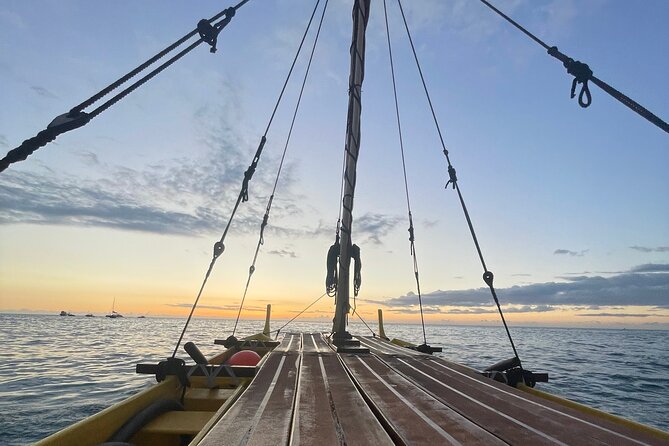
The ride itself has value. You are not simply being carried to a platform on a motorboat. The double-hulled canoe connects the outing to Hawaiian maritime tradition and gives you a quieter, more intimate start. Depending on the departure time, you may also catch a sunset before darkness settles over the coast.
Once you reach the site, the crew explains how to enter the water, hold the flotation equipment, and remain near the lightboard. The reviews of this experience give particular weight to calm instructions and help during boarding, water entry, and ladder use. That support is important if you feel nervous about getting into dark ocean water.
Entering the water with a lightboard
You need basic swimming ability, but you do not need to be an expert swimmer. The flotation device helps you remain at the surface while you look below. The crew places the board close to the canoe, making the transition shorter, but you still need to enter the water and later climb a short ladder without assistance.
The lightboard can be tiring to hold onto for a long period. One account describes waiting about 15 minutes after an early sighting before more rays arrived, and that wait felt demanding. You can expect to float in one position for much of the viewing time, rather than swim around freely.
That is a useful distinction. This is not a fast-moving snorkel session where you explore a reef. You stay with the light source and watch the rays come to you. If several appear, the waiting becomes easy to forget. If sightings are slow, you may notice the cold, your grip, and the passage of time.
The crew remains nearby to monitor the group and offer narration about the manta rays. Some guides have been praised for helping people who were anxious or dealing with motion sickness. The names mentioned for past outings include Kama, Chris, Kalala, Lance, Chaden, Beck, Tayler, and Rob, but your crew may be different.
More snorkelling spots around Big Island of Hawaii:
- KONA Manta Ray Night Snorkel – FREE re-ride if no Sightings
★ 5.0 · 2,212 reviews - Manta Ray Night Snorkel at Kona, Big Island
★ 5.0 · 1,758 reviews - Kona Snorkel Tour: Captain Cook Reef Snorkel, Dolphin & Sea Caves
★ 4.5 · 1,411 reviews - Glow of the Deep: Night Snorkeling with Manta Rays
★ 4.5 · 1,254 reviews
What you may see beneath the canoe
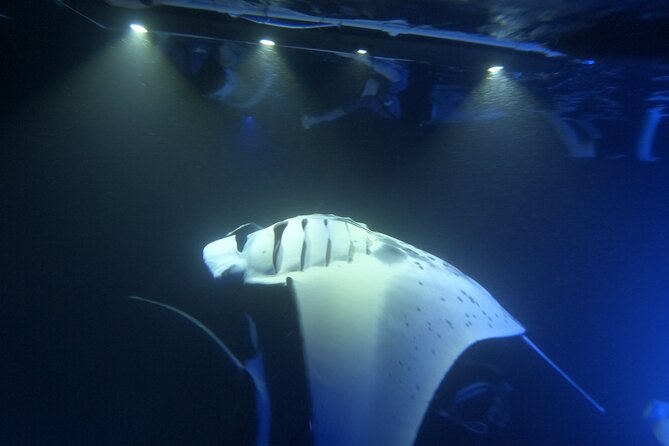
The best moments come when a manta turns directly beneath you. Its body can seem enormous at close range, yet the movement is gentle and controlled. Rays may pass repeatedly through the light, circle the board, or roll as they feed.
Sightings are not guaranteed. No tour operator can control a wild animal, and an empty night does not mean the crew failed. Eka Canoe Adventures offers another opportunity if you see no manta ray, subject to available seats on a different evening or during a future visit to Kona. It does not offer a refund simply because the rays stayed away.
That policy is worth considering before you pay. The manta guarantee protects the value of a complete miss, but it does not help much if you are leaving the island the next morning. Book this earlier in your Kona stay if seeing mantas is a top priority. That gives you room to try again.
The viewing can also change with conditions. One outing may have calm water and a busy group of rays. Another may bring rain and choppy water but still offer close encounters. The experience requires suitable weather, and poor conditions can lead to a rescheduled date or full refund.
How long the experience really lasts
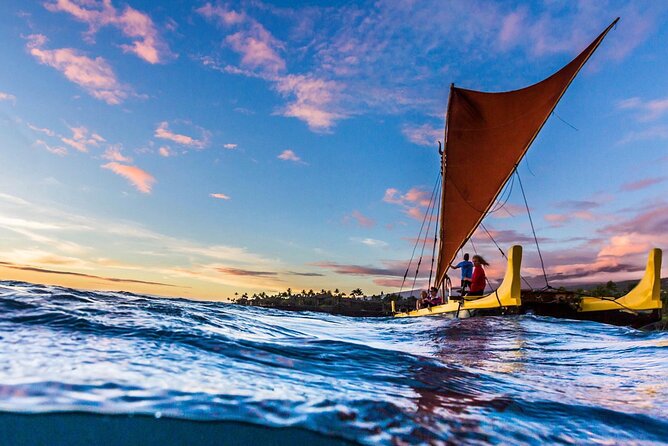
The listed duration is approximately one hour, while the operator describes the outing as about one hour and 15 minutes, with at least 45 minutes usually spent snorkeling. The difference likely reflects how timing is presented, but you should allow a little flexibility around the stated duration.
This is a compact tour. You are not spending half a day at sea, and that suits many families and couples who want to fit another activity into the same day. The short canoe ride also means the manta encounter begins quickly.
The tradeoff is that the price is concentrated into a brief window. When the rays are active, the hour can feel perfectly timed. If you spend part of the session waiting or adjusting to the water, you may wish for more time.
Is $127.10 a fair price?
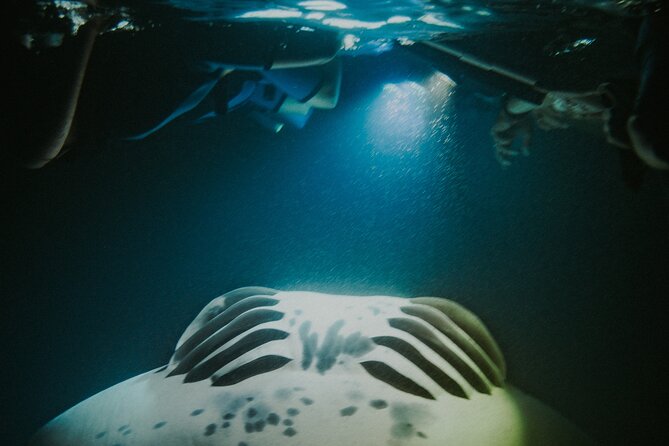
At $127.10 per person, this is not the cheapest way to get on the water in Kona. The price pays for a small group, a US Coast Guard certified captain, trained crew, insurance, maintained equipment, flotation gear, wetsuit tops, and the canoe format.
You are also paying for space. A larger boat may offer a lower price, but a group of 12 or fewer means less crowding around the lightboard and more direct help in the water. That can be especially valuable if you are nervous, traveling with family, or want to hear the guide’s explanation.
The value depends heavily on your priorities. If you want the lowest possible rate, compare other operators. If you care about a small group and a quick canoe ride rather than a large boat, the extra cost can make sense.
Coffee, tea, snacks, towels, transportation, motion sickness medicine, and crew gratuity are not included. Bring your own towel. That small preparation matters because you will want to dry off promptly after leaving the water.
Who will enjoy this most?
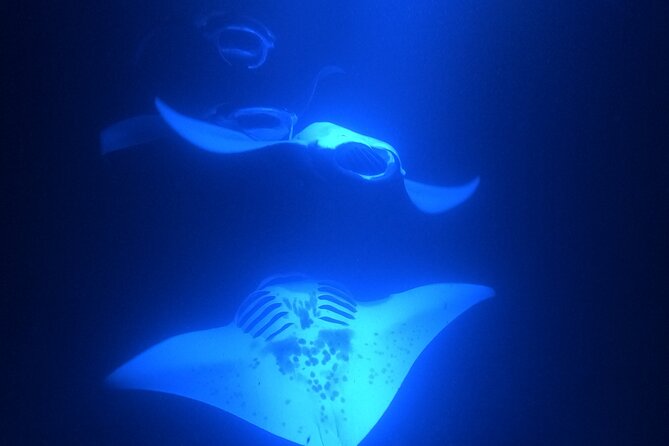
This experience suits adults, couples, families, and solo visitors who can swim and manage a short ladder. The minimum age is five, though a child must be comfortable entering nighttime ocean water and staying with the group.
It is a good choice for people who want close wildlife viewing without a long boat trip. The small group also helps if you prefer a quieter, more personal outing.
Think carefully if you have recently had surgery or have mobility or physical restrictions. The tour is not recommended in those situations. You need to enter the water, hold flotation equipment, remain there while watching the rays, and climb back aboard.
Motion sickness may also be a concern. Medication is not supplied, so plan ahead if you need it. The crew can assist, but this remains an ocean activity at night.
Booking, cancellation, and weather details
You receive confirmation when you book, and the experience is offered in English. It is often reserved about 23 days ahead, so book early if your dates are fixed or you want a specific evening.
You can cancel for a full refund up to 24 hours before the start time. Cancellations and changes made inside that 24-hour window are not accepted for a refund. The cut-off follows local Hawaii time.
Poor weather can cancel the trip. In that case, you are offered another date or a full refund. The same applies if the minimum number needed to operate is not met. Since manta sightings themselves are not guaranteed, the separate manta guarantee gives you another chance only when no manta is seen, rather than an automatic refund.
Should you book Eka Canoe Adventures?
Book it if you want a small-group manta encounter with minimal time spent getting to the site. The canoe is a meaningful part of the evening, and the guides place clear attention on safety, boarding, and helping less-confident swimmers. The chance to watch several rays pass within inches can be one of the most memorable wildlife experiences on the Big Island.
Skip it if you want a long excursion, a meal, or a guaranteed animal sighting. You should also choose another plan if you cannot swim or climb a ladder independently.
For the best odds of using the manta guarantee, schedule this early in your stay. Bring a towel, prepare for cool water, and accept that the ocean makes the rules. If the rays show up, the short outing can feel like excellent value. If they do not, you will need enough time left in Kona to try again.
FAQ
Where does the manta ray snorkeling tour begin?
It begins at 78-7130 Kaleiopapa St., Kailua-Kona, Hawaii 96740. The activity ends back at the same meeting point.
How long does the experience last?
The listed duration is approximately one hour. The operator describes the outing as about one hour and 15 minutes, with actual snorkeling typically lasting 45 minutes or more.
How much does the tour cost?
The listed price is $127.10 per person.
How many people can join the canoe?
The tour has a maximum of 12 people, creating a smaller group than many larger manta ray boats.
What equipment is included?
You receive a wetsuit top, flotation equipment, and snorkel equipment. Standard and prescription snorkel equipment are available.
Do I need to know how to swim?
Yes. You must have basic swimming ability and be able to climb a short ladder without assistance.
What is the minimum age?
The minimum age allowed onboard is five years old.
Are manta ray sightings guaranteed?
No. The rays are wild and are not fed or trained. If no manta ray is seen, the manta guarantee offers another opportunity on a different evening or during a future Kona visit, subject to available seats.
What happens if bad weather cancels the tour?
You will be offered another date or a full refund if the experience is canceled because of poor weather.
What is included in the cancellation policy?
You can cancel at least 24 hours before the start time for a full refund. Cancellations or changes made less than 24 hours before the start time are not accepted for a refund.
More Evening Experiences in Big Island of Hawaii
- Big Island GOAT Experience: Mauna Kea Summit, Sunset & Stars
★ 5.0 · 1,706 reviews - Big Island: Mauna Kea Summit Tour with Free Night Star Photo
★ 5.0 · 1,449 reviews - Kailua Kona: Night Manta Ray Adventure on the Big Island
★ 4.8 · 1,199 reviews - Manta Magic: Small-Group Manta Ray Night Snorkel in Kailua Kona
★ 5.0 · 1,141 reviews
Newly listed in Big Island of Hawaii
- Zodiac Raft Whale Watching Adventure★ 5.0 · 456 reviews
- Deluxe Sail & Snorkel to the Captain Cook Monument★ 5.0 · 472 reviews
- Award Winning Farm Tour: Coffee, Chocolate and Unique Gifts★ 5.0 · 484 reviews
- Kailua-Kona: Manta Ray Watching Nighttime Boat Trip★ 4.8 · 488 reviews
- Manta Ray Night Snorkel Experience of a Lifetime★ 4.5 · 505 reviews
- Glass-Bottom Boat Reef Tour★ 4.5 · 506 reviews
- Kealakekua Bay Snorkeling Tour – 4 hour Kona Zodiac Adventure★ 5.0 · 508 reviews
- Big Island Waterfalls Tour with Swimming and Botanical Garden★ 5.0 · 513 reviews
Big Island of Hawaii Tours, compared.
Big Island in a Day: Volcanoes Waterfalls Sightseeing and History
Read our review →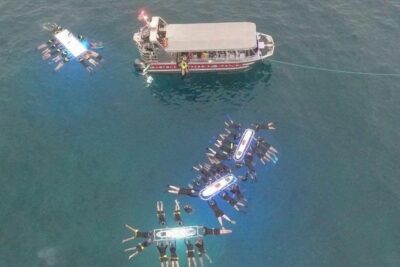
Kona Manta Ray Snorkel Tour in Keauhou Harbor
Read our review →
Hilo Shore Excursion: Volcanoes National Park & Black Sand Beach
Read our review →
Captain Cook Snorkel On A Power Catamaran With Lunch
Read our review →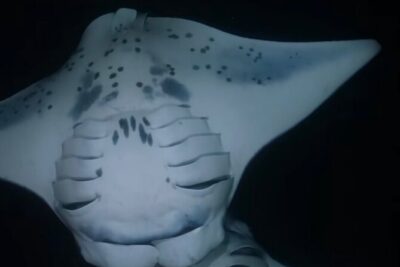
KONA Manta Ray Night Snorkel – FREE re-ride if no Sightings
Read our review →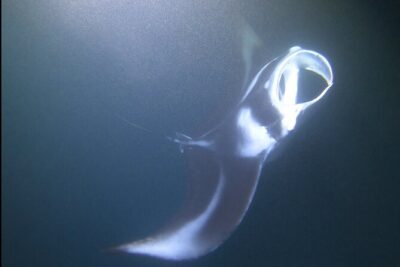

Big Island GOAT Experience: Mauna Kea Summit, Sunset & Stars
Read our review →Browse the lists this tour appears in