
Reviewed · NEW ORLEANS TOURS
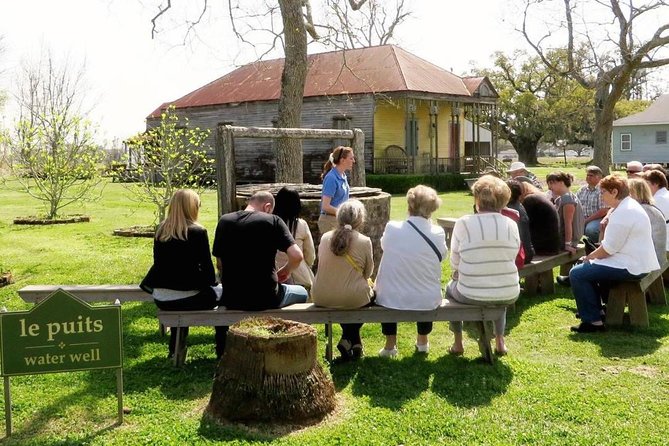
Laura Creole Plantation Guided Tour
Laura Plantation is not just a pretty old house. Its guided visit connects four generations of a Creole family with the enslaved people who built and maintained the estate. Family records, Laura Locoul’s memoir, and documents from the French National Archives give the guide unusually specific material to work with.
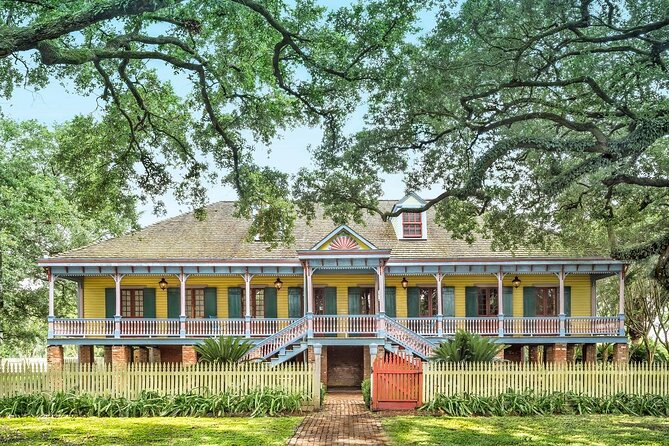
I like the furnished 24,000-square-foot main house, and I like that the tour includes the original 1840s cabins rather than keeping the story inside the owner’s home. The main drawback is the location: you must make your own way about an hour from New Orleans, and paid transportation can cost more than the admission.
Key points to know before you go
- Creole history takes center stage: Learn how French-descended families shaped Louisiana life over four generations.
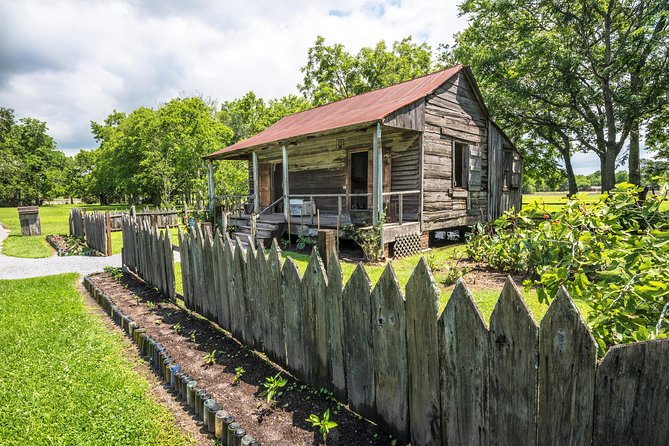
- The tour covers more than the mansion: You see the main house, gardens, sugar fields, and original cabins for enslaved people.
- Slavery is addressed directly: The guide discusses the lives of both free and enslaved people, though the amount of detail can vary by guide.
- Guides make a real difference: Amelia, Pam, Lee, Cameron, Joseph, Caroline, and Lindie have all been singled out for clear, engaging tours.
- Plan for outdoor walking: Good shoes, weather-ready clothing, and protection from sun or rain make the visit easier.
- Book ahead: The experience is often reserved about 25 days in advance, and the group limit is 28 people.
Why Laura Plantation feels different from a standard plantation tour
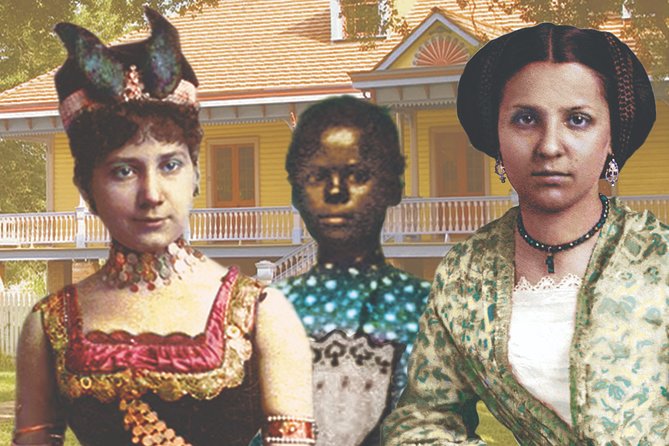
Many plantation visits can become exercises in admiring architecture. Laura Plantation tries to make the people the subject. You hear about the Duparc family, who founded the plantation in 1804, but you also hear about the enslaved workers whose labor made the house, gardens, and sugar operation possible.
That balance matters. The tour does not present plantation life as a charming old Southern story. It looks at the business that supported the household, the unequal lives of owners and enslaved people, and the way Creole culture developed in French colonial and American Louisiana.
The estate’s records help give the visit shape. Laura Locoul, a fourth-generation family member, wrote a memoir that preserves details about the plantation and its inhabitants. Other records found in France add further material. You are not simply looking at restored rooms and guessing what happened there. The guide can connect the physical place with names, family relationships, work, and changing social conditions.
I also appreciate that the site is included on the National Register of Historic Places and the Louisiana African American Heritage Trail. Those designations do not make a visit automatically worthwhile, but here they point to a place with cultural importance beyond its architecture.
More to weigh up across New Orleans
- Guided Boat Tour of New Orleans Bayou
★ 4.5 · 1,452 reviews - Houmas House Estate and Gardens Guided Tour
★ 4.5 · 632 reviews - New Orleans: Guided Swamp Cruise by Tour Boat
★ 4.7 · 570 reviews
The one-hour drive from New Orleans
Laura Plantation sits at 2247 LA-18 in Vacherie, along the Great River Road beside the Mississippi. From New Orleans, plan on roughly an hour by car. The drive is part of the practical calculation, especially if you are visiting without your own vehicle.
There is no hotel pickup or drop-off included. If you self-drive, the tour price of $32.06 per person is fairly easy to justify for a 70-minute guided visit. If you need a separate transportation service, the total cost can climb sharply. One family found that transportation cost more than the plantation admission, so check the full price before booking a ride.
You can combine Laura Plantation with other historic sites along the Great River Road, but do not cram too many stops into a tight schedule. The guided portion lasts about one hour and ten minutes, and you will want a little extra time for arrival, the shop, and the small museum.
The site operates in all weather conditions. A portion of the tour is outside, so hot, wet, or cool weather can change how comfortable the visit feels. Wear shoes suited to walking rather than stylish footwear that struggles on garden paths or uneven ground.
What you see inside the Maison Principale
The Maison Principale is the centerpiece of the visit. The furnished rooms give you a sense of how the family used the house and how the household functioned across several generations.
The house covers about 24,000 square feet, but the tour is not simply a room-by-room march through every space. You follow a guide, so pay close attention as you enter each area. One useful tip is to look carefully when you pass through. You may not get a second chance to return to a room for a closer look after the group moves on.
The architecture also gets attention. One especially strong aspect of the visit is the way the guide can connect the design of the house with daily life and plantation work. That gives the building meaning. Instead of seeing fine details as decoration alone, you begin to understand how the home reflected the family’s status and the labor system around it.
Guide quality can shape this portion of the experience. Amelia has been praised for her command of the period, while Cameron was singled out for explaining Creole culture and the lives of both free and enslaved people. Joseph has also been described as both highly informed and entertaining. Those comments point to an important practical truth: the same rooms can feel very different depending on the pace and clarity of the guide.
One visitor had difficulty following a guide who spoke too quickly, particularly near a loud fan in the cellar. If you have trouble hearing, move closer and ask the guide to repeat important points. The tour is designed for a group of up to 28 people, so positioning can matter.
The original 1840s cabins and the harder story
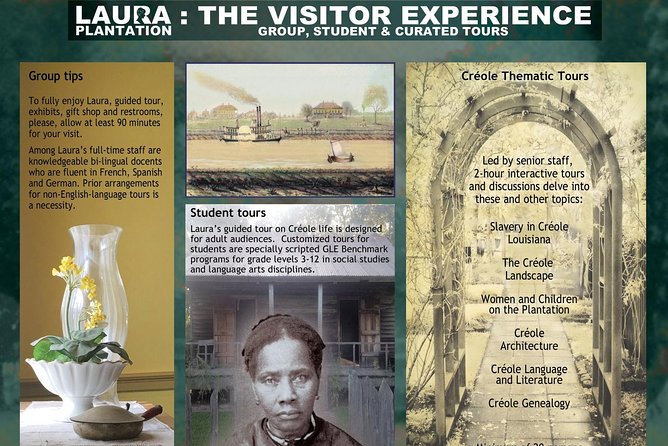
The cabins are among the most important parts of the visit. They shift your attention away from the family’s furnished home and toward the people who lived under enslavement and kept the plantation operating.
You hear stories connected to the enslaved community and the work done on the estate. The tour also covers the contrast between the owners’ household and the people who had no control over their own labor or freedom. That contrast is essential. A plantation house without the cabins and labor story gives you only half the history.
The amount of detail about daily life can vary. Some visitors have wanted more information about the everyday experiences of enslaved people, including family life, work, and conditions. The plantation has indicated that it is revising the tour to include more stories about the reality of enslavement at this particular site.
That makes Laura a useful choice if you want a serious historical visit, but you should set your expectations correctly. This is a guided tour of a specific plantation, not a full museum course on slavery in Louisiana. The guide discusses slavery directly, yet the balance between owner history, business operations, architecture, and enslaved life may depend on the person leading your group.
I find the inclusion of the cabins valuable because it makes the history physical. You are not hearing only about wealthy residents and elegant rooms. You are also seeing the separate spaces tied to forced labor and restricted lives.
A different kind of day, same corner of the map:
- New Orleans Premier Ghost, Voodoo and Vampire Walking Tour
★ 4.5 · 12,856 reviews - New Orleans Steamboat Natchez Jazz Cruise with Dinner Option
★ 4.0 · 7,533 reviews - Adults-Only New Orleans Ghost, Crime, Voodoo, and Vampire Tour
★ 5.0 · 6,545 reviews - New Orleans Food Walking Tour of the French Quarter with Small-Group Option
★ 5.0 · 6,118 reviews
Gardens, sugar fields, and the plantation business
The gardens and sugar fields help explain how Laura functioned as a working estate. The tour is not limited to family stories. It also considers the business side of plantation life, including the labor and production that supported the household.
The grounds are carefully maintained, and the setting can be beautiful. That beauty is worth acknowledging, but it should not soften the subject. The gardens existed within a system built on enslavement, and the tour is strongest when it holds those two facts together.
You may also hear about the changing Louisiana world around the plantation. The Creole culture discussed here developed over more than 200 years and carried French influences into the colonial and American periods. Laura’s story gives you one way to see those cultural shifts through family identity, language, architecture, and social position.
The outdoor portions are also where weather matters most. In warm or rainy conditions, the gardens and fields can make the visit more tiring. Bring water, dress appropriately, and wear shoes with a firm sole. Drinks and snacks are available for purchase, but they are not included in the tour price.
The guides who bring the place to life
The strongest praise consistently goes to the guides. Pam has been described as funny and well informed by some visitors, while others found her hurried and difficult to understand. Lee has been praised for explaining plantation operations and the meaning of Creole identity. Cameron received especially strong marks for presenting the culture and the experiences of both owners and enslaved people.
Amelia, Joseph, Caroline, and Lindie have also been praised for their command of the subject and willingness to explain details. A small group can sometimes create a more personal experience. One group of six had what amounted to a private tour because no other people were booked at that time.
Still, do not assume every tour will feel private or leisurely. The maximum group size is 28, and the schedule may require the guide to keep moving. If you want photographs, take them when the group first reaches a room or exterior viewpoint. You may not be able to wander back later.
The site offers tours daily in English and French. The activity information specifies English as the offered language for this booking, so confirm the language you need before paying.
Is $32.06 a fair price?
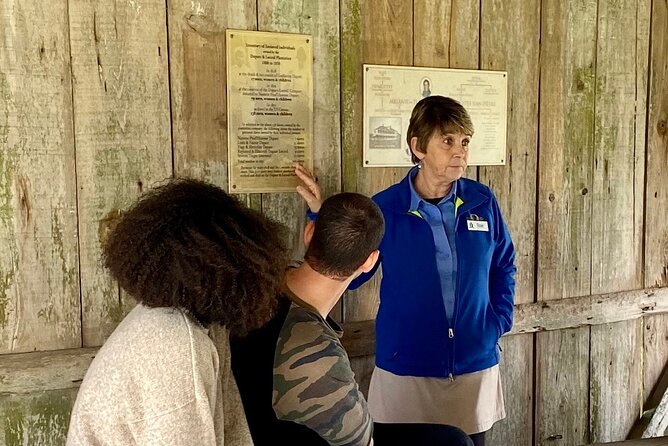
At $32.06 per person, the admission is reasonable if you are already driving the Great River Road. You get a local guide, a tour lasting about 70 minutes, access to the main house, gardens, fields, and original cabins. The value comes from interpretation, not just entry to the property.
I would not judge the price by the number of rooms alone. A good guide turns the estate’s records and buildings into a connected story. The best visits make you think about how the family lived, how the plantation earned money, and who paid the human cost.
The value becomes less clear when transportation is added. Since the plantation does not provide hotel transfers, visitors staying in New Orleans may need to arrange a separate operator. Compare that cost with the admission before committing.
You can also extend the day by visiting other plantations along the Great River Road. That can make the long drive more worthwhile, but each additional stop adds time and emotional weight. Laura is a place to think about carefully, not just a quick photo stop.
Practical details that affect your visit
Confirmation is provided at booking, and the experience ends back at the plantation meeting point. Most people can participate, and service animals are allowed.
Only the ground floor of the main house is ADA accessible. The outdoor portions and original cabins may present different access challenges, so ask the site directly if you need specific mobility information.
The experience requires suitable weather. If poor weather causes cancellation, you are offered another date or a full refund. You can cancel for a full refund up to 24 hours before the start time. Inside that 24-hour window, changes are not accepted and the amount paid is not refunded.
Because the tour is often booked about 25 days ahead, I would reserve early if your New Orleans schedule is fixed. Booking ahead also helps secure your preferred day, especially if you want to coordinate the plantation with another Great River Road stop.
Who should choose Laura Plantation?
I would recommend Laura Plantation to you if you want a guided, site-specific look at Creole Louisiana and are willing to confront the realities of slavery. It suits history-minded families, couples, and anyone interested in architecture, plantation economics, or African American heritage.
It is also a strong choice if you prefer a focused visit rather than an all-day attraction. Seventy minutes is long enough to provide substance without taking over your entire day.
You may want to reconsider if you cannot arrange affordable transportation from New Orleans, if you need extensive time alone inside the house, or if you want a museum with a large collection of objects and exhibits. The small museum and gift shop are worth seeing, but they are separate from the guided tour and should not be confused with a full museum visit.
Should you book Laura Plantation?
Book it if you want one of the more thoughtful plantation visits near New Orleans, especially one that includes the cabins and addresses free and enslaved life together. The family records, Laura Locoul’s memoir, Creole focus, and well-kept grounds give the tour a clear sense of place.
Before booking, check transportation costs, prepare for outdoor walking, and reserve enough time to look carefully as the group moves through the house. If you can accept those limits, the $32.06 admission offers solid value and a useful, often moving introduction to Louisiana’s Creole past.
FAQ
How far is Laura Plantation from New Orleans?
Laura Plantation is about an hour’s drive from New Orleans along the Great River Road beside the Mississippi.
How long does the guided tour last?
The guided experience lasts approximately one hour and ten minutes.
What does the tour include?
The tour includes the Maison Principale, the gardens, the sugar fields, and original 1840s cabins connected with the enslaved community. A local guide leads the visit.
Is transportation from New Orleans included?
No. Hotel pickup and drop-off are not included, and you must make your own way to 2247 LA-18 in Vacherie.
What language is the tour offered in?
Tours are offered daily in English and French. The booking information for this activity specifies English.
Is the plantation accessible to wheelchair users?
Only the ground floor of the main house is ADA accessible. The activity also includes outdoor areas and cabins, so ask for current access details if needed.
What should I wear?
Good walking shoes are suggested. Since part of the tour takes place outdoors and the experience operates in all weather, dress for the forecast.
Can I cancel for a refund?
You can cancel at least 24 hours before the start time for a full refund. Cancellations or changes made less than 24 hours before the start time are not accepted, and poor-weather cancellations offer either another date or a full refund.
Newly listed in New Orleans
- New Orleans City Tour and Steamboat Natchez Harbor Jazz Cruise★ 4.0 · 446 reviews
- Small-Group Laura and Whitney Plantation Tour from New Orleans★ 4.5 · 446 reviews
- New Orleans French Quarter Photo Shoot★ 5.0 · 462 reviews
- New Orleans: 2-Hour Ghosts & Vampires Walking Tour★ 4.5 · 465 reviews
- Garden District Home and History Walking Tour★ 5.0 · 470 reviews
- New Orleans: Sunday Steamboat Jazz Cruise + Optional Brunch★ 4.3 · 470 reviews
- New Orleans Jazz History and Music Walking Tour★ 4.5 · 477 reviews
- New Orleans: Garden District Tour★ 4.8 · 480 reviews
New Orleans Tours, compared.
New Orleans Premier Ghost, Voodoo and Vampire Walking Tour
Read our review →
New Orleans Steamboat Natchez Jazz Cruise with Dinner Option
Read our review →
Adults-Only New Orleans Ghost, Crime, Voodoo, and Vampire Tour
Read our review →
New Orleans Food Walking Tour of the French Quarter with Small-Group Option
Read our review →
New Orleans Swamp and Bayou Boat Tour with Transportation
Read our review →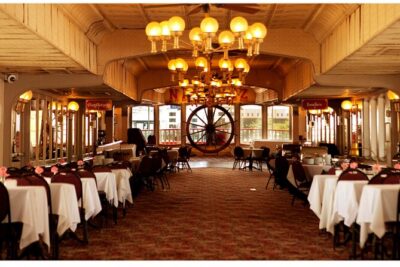
New Orleans City Sightseeing Hop-On Hop-Off Bus Tour
Read our review →
Browse the lists this tour appears in