
Reviewed · BIG ISLAND OF HAWAII TOURS
Big Island: Mauna Kea Summit and Stars Small-Group Adventure Tour
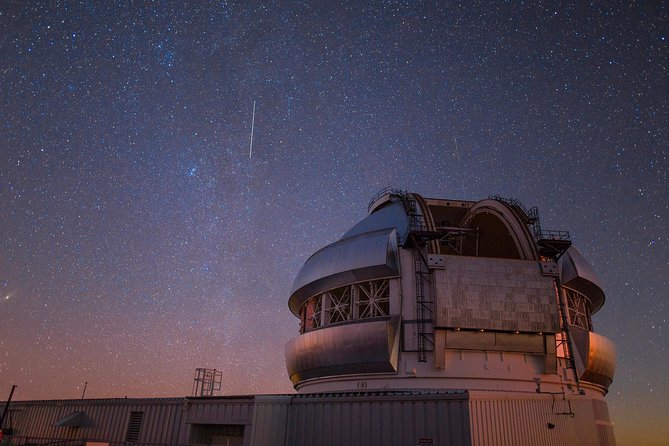
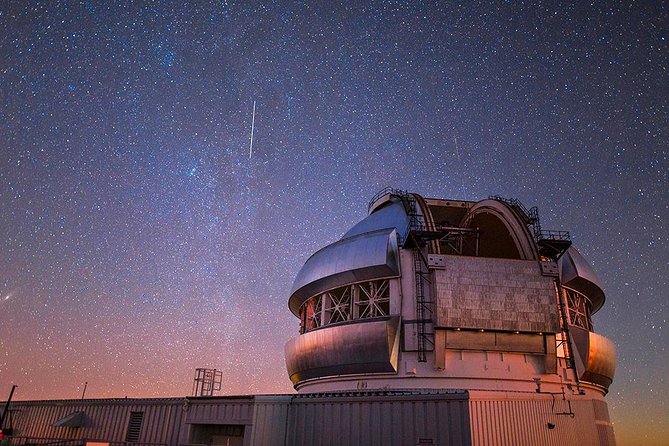
The best part of this Mauna Kea outing comes after sunset, when the sky turns startlingly clear and the stars appear in numbers you may never have seen before. You ride a four-wheel-drive van high above the Pacific, watch the sun sink from near the summit, then return to about 9,000 feet for telescope viewing, hot chocolate, and dessert.
I like the small group of no more than 12 people, which gives the guide room to answer questions and manage the telescopes without turning the night into a crowd scene. I also like the practical care built into the trip: a hot meal, hooded parkas, gloves, filtered water refills, and repeated reminders to breathe slowly as the altitude rises.
The main drawback is the altitude and cold. The summit reaches roughly 13,000 feet, and even the lower stargazing site is high enough to affect some people. The road can be bumpy, the dinner stop can feel rushed, and clouds or rain can limit the stars. This is a mountain outing first and a polished sightseeing ride second.
The five details that shape the night
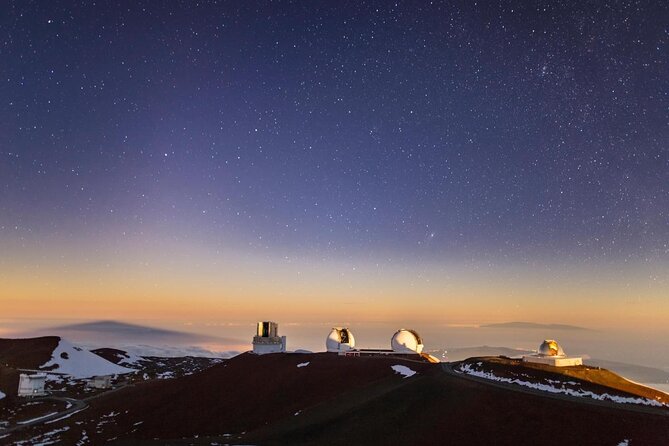
- Sunset above the clouds: Mauna Kea gives you broad Pacific views and, on clear evenings, a rare look toward Maui.
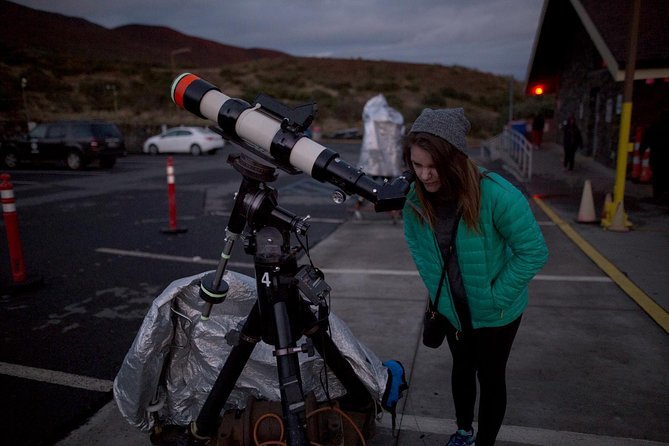
- Two telescope setups: You use an 11-inch Celestron telescope for guided viewing and a Stellina digital astro-photography scope for deep-space images.
- A warm stop before the summit: Dinner at the Maunakea Visitor Information Station helps you adjust before going higher.
- Guides who add far more than driving: Jeff, Jason, Wilson, Eugene, and Jon are praised for explaining astronomy, volcanoes, Hawaiian culture, ecology, and safety.
- Cold-weather gear included: Parkas and gloves matter here. Bring your own layers, hat, and water bottle anyway.
- A genuine small-group format: The custom van carries up to 12 people, keeping the outing personal without requiring you to drive the rough summit road.
Why Mauna Kea is such a special night out
Mauna Kea is the Big Island’s tallest mountain, and its height gives this tour a setting that ordinary beachside stargazing cannot match. You are far above much of the island, with the Pacific spread below and the sky growing darker as the sun drops.
The summit stop is not simply a scenic overlook. It is a short, cold, high-altitude visit timed around sunset. You may see clouds below you, the ocean beyond them, and Maui in the distance. That combination gives the first half of the outing a strong visual payoff before the astronomy begins.
Then the van descends to a more manageable elevation near the visitor station. This is a smart part of the schedule. The summit is excellent for sunset, but staying there after dark would expose you to greater cold and thinner air. At about 9,000 feet, you still get a very dark sky while gaining a little comfort.
I especially like that the guide connects the night sky to Hawaii rather than treating it as a silent photo stop. The dinner break includes an introduction to Hawaiian star navigation, and the drive brings chances to learn about volcanoes, ecology, island culture, and the mountain itself.
More to weigh up across Big Island of Hawaii
- Big Island in a Day: Volcanoes Waterfalls Sightseeing and History
★ 5.0 · 6,569 reviews - Big Island Manta Ray Night Snorkel
★ 5.0 · 5,656 reviews - Big Island: Kona Manta Ray Snorkel Tour in Keauhou Harbor
★ 4.5 · 2,465 reviews
Starting in Kona and riding into the mountain
The listed Kona meeting point is the Courtyard by Marriott King Kamehameha’s Kona Beach Hotel. You meet at the benches closest to the parking-lot entrance, at curbside. Additional central pickup points may be used on the way to Mauna Kea, so confirm your exact meeting time and location before the day of the tour.
The full outing lasts about eight hours. Much of that time is spent in the van, but the ride is part of the program. Guides such as Jeff, Jason, Wilson, and Eugene are repeatedly praised for making the drive useful with explanations of the island’s volcanoes, geology, astronomy, and culture.
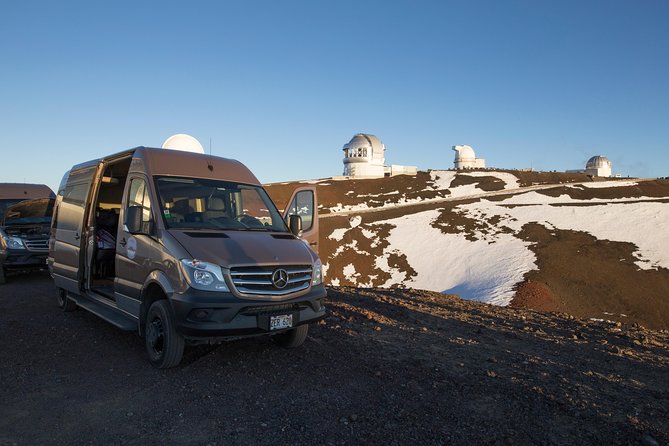
The custom off-road van is designed for the summit road and carries up to 12 people. That is a safer choice than attempting the route in a standard rental car. The access road is four-wheel drive only and can be rough, so expect some bumps even though the van is described as comfortable and roomy.
This is not a quick shuttle to a viewpoint. You are moving from warm coastal Kona into a cold alpine environment, and the gradual ride gives your body time to adjust. Guides also make regular safety checks and encourage slow, steady breathing as the elevation increases.
Dinner and Hawaiian star navigation at 9,000 feet
The first substantial stop is the Maunakea Visitor Information Station. You have about 45 minutes here for a warm picnic dinner, restroom use, and some time to acclimate before the summit portion.
The meal is simple but filling. A hot chicken stew has received especially strong praise, and a vegetarian option is available. You need to provide your meal choice when booking. If you need a special option, do not leave that detail until the day of the tour.
The timing deserves some attention. Dinner is served earlier than many people expect because the schedule must fit sunset and mountain conditions. You may feel pressed to eat, use the restroom, and look around the information center in the same short window. Restrooms are available, but lines can form, so I would use them early rather than waiting until the last minute.
This stop does important work beyond feeding you. At high altitude, a full meal and a slower pause are useful before the van climbs farther. The guide also introduces Hawaiian star navigation, giving the sky a cultural setting instead of presenting constellations as a list of scientific facts.
Sunset near the summit
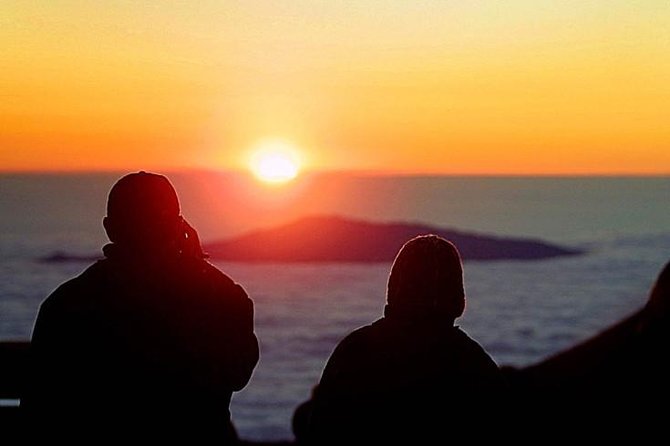
After the visitor station, the van continues up Mauna Kea’s four-wheel-drive road toward the summit. The exact time at the top is built around sunset, so the stop itself is relatively brief, listed at about 30 minutes.
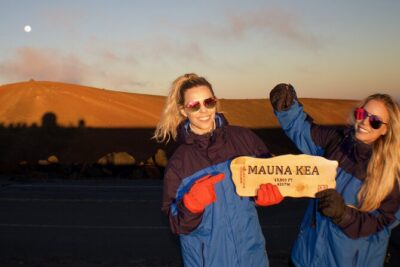
The view is the reason to tolerate the cold. You look across the Pacific from above the clouds, with the possibility of seeing Maui in a direction and setting unavailable from lower parts of the Big Island. The sunset can be dramatic even when the stars later disappear behind cloud cover.
You should not expect a leisurely summit picnic. This part of the tour is about getting into position, taking in the view, and staying safe at a demanding elevation. Several people describe the summit as being around 13,000 feet, and the thin air is not a minor detail.
Walk slowly, avoid rushing for photographs, and follow the guide’s instructions. If you notice breathing trouble, dizziness, or unusual discomfort, tell the guide promptly. The tour is not suitable for people with respiratory, circulatory, or heart conditions, pregnancy, or generally poor health.
The summit can also have snow during the winter months. Snow is seasonal, with the heaviest falls in winter, but the mountain is cold and windy even without snow. A supplied hooded parka and gloves help a great deal, but I would still pack a sweatshirt or sweater, warm hat, and extra layers.
A different kind of day, same corner of the map:
- Hilo Shore Excursion: Volcanoes National Park & Black Sand Beach
★ 4.5 · 2,338 reviews - Big Island: Captain Cook Snorkel On A Power Catamaran With Lunch
★ 5.0 · 2,232 reviews - KONA Manta Ray Night Snorkel – FREE re-ride if no Sightings
★ 5.0 · 2,212 reviews - Manta Ray Night Snorkel at Kona, Big Island
★ 5.0 · 1,758 reviews
Returning lower for the main astronomy session
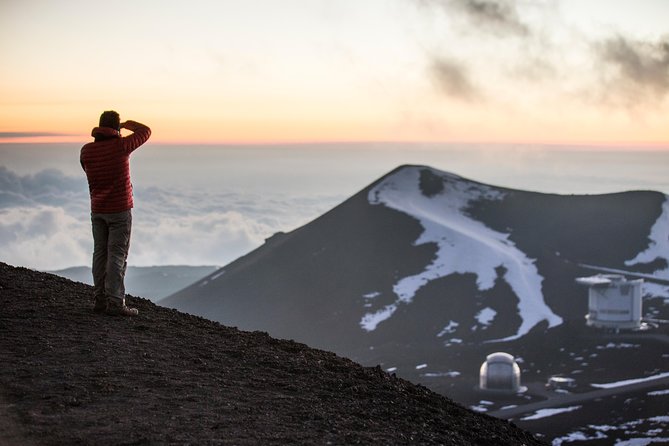
After sunset, you descend to the visitor station area, around 9,000 feet, for the main stargazing program. This change in elevation improves comfort and reduces the strain of spending too long at the summit.
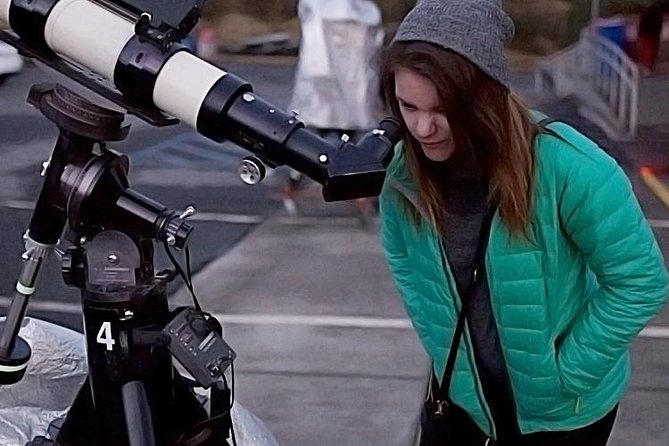
The star show uses an 11-inch Celestron telescope, which lets the guide point out selected objects rather than leaving you to search the sky on your own. The digital Stellina telescope adds another useful feature: it can capture images of deep-space objects and the Hawaiian night sky for you to share later.
The experience depends heavily on the guide’s skill. A well-prepared guide can explain what you are seeing, move the scope efficiently, answer questions, and adjust the session to the moon and cloud cover. Guides named Jeff, Jason, Wilson, and Eugene receive particularly strong praise for their astronomy instruction and calm handling of the group. Jon is also singled out for clear explanations and a good dinner.
A moonless night gives the Milky Way its best chance to show clearly. One recent outing took place with only 2 percent moon illumination and produced especially striking views. You cannot control the moon phase or weather, so check those factors before choosing your date if stargazing is your main goal.
Clouds can also change the night. Even on a wet or misty evening, brief breaks may reveal constellations, but a fully clear sky is never guaranteed. If poor weather forces cancellation, you can choose another date or receive a full refund.
Hot cocoa and cookies come after the cold has set in, and this small touch matters. The drink gives you a warm break while the guide continues the astronomy talk. The provided parka is warm, but do not treat it as a substitute for your own winter clothing.
How the price of $329.84 measures up
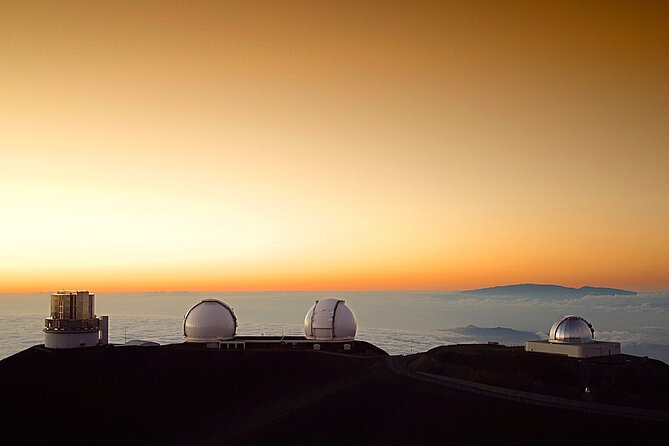
At $329.84 per person, this is not a cheap sunset stop. The value comes from the combination of transport, safety, instruction, dinner, warm clothing, and telescope equipment.
You are paying to avoid driving the difficult summit road, to ride in a purpose-built 4×4 van, and to have a guide manage an evening at high elevation. The price also includes a hot picnic meal, parka, gloves, hot cocoa, cookies, two telescope systems, central pickup and drop-off, taxes, and the guide.
That package makes more sense if you want a structured astronomy program rather than only a view from the summit. A self-drive option might appear less expensive, but it would not provide the same combination of altitude care, telescope access, cultural background, meals, and cold-weather equipment.
The small group improves the value. With a maximum of 12 people, you have a better chance to hear the guide and get time at the telescope. I would consider this one of the Big Island’s more worthwhile splurges for people who care about stars and do not want to plan the mountain logistics themselves.
What to bring, and what not to overlook
Closed-toe shoes and long pants are required. Pack a sweater or sweatshirt for layering, plus a warm hat and additional gloves if your hands get cold easily.
Bring your own refillable water bottle. The operator provides filtered water refills, but not the bottle itself. Water is especially important as you move into thin air.
You must provide your parka size, from small through XX-large, and your meal choice when booking. It is worth checking both details before payment so the operator has the information in advance.
Do not schedule this outing within 24 hours after scuba diving. Altitude creates a safety concern after a dive, and the tour’s instructions specifically prohibit that timing.
The minimum age is 13, so this is not a suitable family activity for younger children. Most people can participate, but the medical restrictions are serious. If you have a respiratory, circulatory, or heart condition, are pregnant, or are in poor health, choose a lower-altitude activity instead.
Who will enjoy this Mauna Kea tour most
I would recommend this outing to adults and teenagers who want both scenery and astronomy. It works especially well for couples, families with older children, and friends who enjoy asking questions rather than simply taking photographs.
It is also a good fit if you are nervous about driving unfamiliar mountain roads. The guide handles the van and watches the group’s condition, while you focus on the sunset and sky.
You should think twice if you dislike cold, rough roads, early dinner, or a tightly timed schedule. The mountain can be windy, the drive can be bumpy, and the summit stop is not designed for people who want a long, relaxed walk.
Photography fans should bring a phone or camera, but keep expectations sensible. Guides may help you capture images, and the digital scope can produce pictures of deep-space objects, but the main reward is seeing the sky directly through the telescope.
Booking timing and cancellation rules
This outing is often reserved well ahead of time, with an average booking lead of about 68 days. That suggests you should not wait until the last minute if Mauna Kea is a priority, especially during busy periods.
Free cancellation is available up to 24 hours before the local start time for a full refund. Changes or cancellations inside that 24-hour window are not accepted for a refund.
The tour also requires a minimum number of participants. If the operator cancels because that number is not reached, you can select another date or experience, or receive a full refund.
Should you book it?
Yes, if you want the Big Island’s most memorable mix of sunset, high mountain views, Hawaiian astronomy, and serious stargazing. The guides add real value, and the parka, dinner, van, and telescope equipment make the $329.84 price easier to justify.
Book it with realistic expectations. You may be cold, the road may jolt you around, the dinner stop may feel short, and clouds can spoil part of the sky. But if your health allows the altitude and you prepare with layers, water, and patience, this is a strong choice for an evening that feels far removed from ordinary Hawaii sightseeing.
FAQ
How long does the Mauna Kea summit and stargazing tour last?
The experience lasts approximately eight hours, including transportation, the dinner and acclimatization stop, the summit sunset, and the stargazing session.
Where is pickup provided?
Travelers staying in Kailua Kona meet at the Courtyard by Marriott King Kamehameha’s Kona Beach Hotel, at the benches nearest the parking-lot entrance and curbside. Additional central meeting stops may be used.
What is included in the tour price?
The price includes central pickup and drop-off, a guide, local taxes, a hot picnic dinner, hooded parkas, gloves, hot cocoa, cookies, and a private telescope-based star show.
How high does the tour go?
The summit portion reaches roughly 13,000 feet, while the main stargazing program takes place near the Maunakea Visitor Information Station at about 9,000 feet.
Is the tour suitable for children?
The minimum age is 13, and children under 13 cannot participate.
What clothing and equipment should I bring?
You must wear closed-toe shoes and long pants. Bring a sweatshirt or sweater for layering, your own water bottle, and additional warm clothing such as a hat and gloves. Parkas and gloves are supplied.
Can I take this tour soon after scuba diving?
No. You should not go to the Mauna Kea summit within 24 hours after scuba diving because of the altitude risk.
Newly listed in Big Island of Hawaii
- Zodiac Raft Whale Watching Adventure★ 5.0 · 456 reviews
- Deluxe Sail & Snorkel to the Captain Cook Monument★ 5.0 · 472 reviews
- Award Winning Farm Tour: Coffee, Chocolate and Unique Gifts★ 5.0 · 484 reviews
- Kailua-Kona: Manta Ray Watching Nighttime Boat Trip★ 4.8 · 488 reviews
- Manta Ray Night Snorkel Experience of a Lifetime★ 4.5 · 505 reviews
- Glass-Bottom Boat Reef Tour★ 4.5 · 506 reviews
- Kealakekua Bay Snorkeling Tour – 4 hour Kona Zodiac Adventure★ 5.0 · 508 reviews
- Big Island Waterfalls Tour with Swimming and Botanical Garden★ 5.0 · 513 reviews
Big Island of Hawaii Tours, compared.
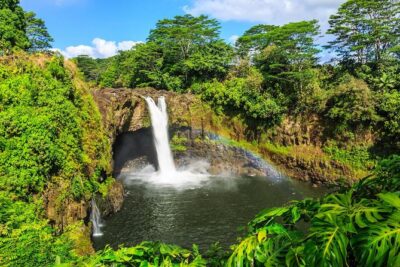
Big Island in a Day: Volcanoes Waterfalls Sightseeing and History
Read our review →
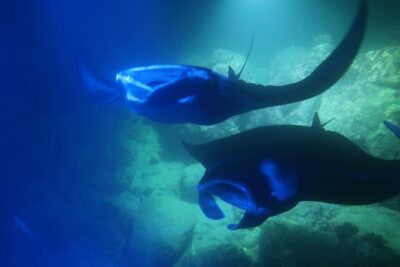
Kona Manta Ray Snorkel Tour in Keauhou Harbor
Read our review →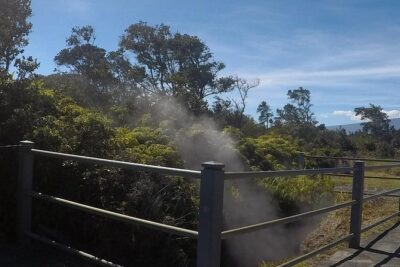
Hilo Shore Excursion: Volcanoes National Park & Black Sand Beach
Read our review →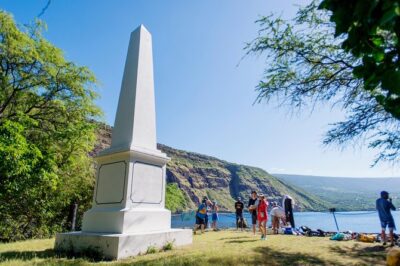
Captain Cook Snorkel On A Power Catamaran With Lunch
Read our review →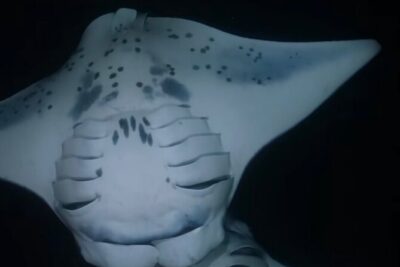
KONA Manta Ray Night Snorkel – FREE re-ride if no Sightings
Read our review →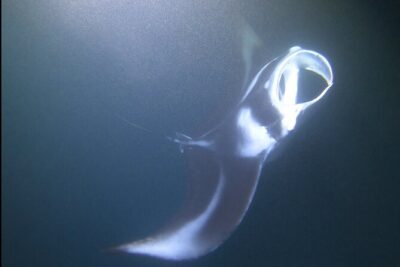
Big Island GOAT Experience: Mauna Kea Summit, Sunset & Stars
Read our review →Browse the lists this tour appears in