
Reviewed · CHICAGO TOURS
Big Bus Chicago: Hop-On Hop-Off Sightseeing Tour, 24/48/72hr Pass
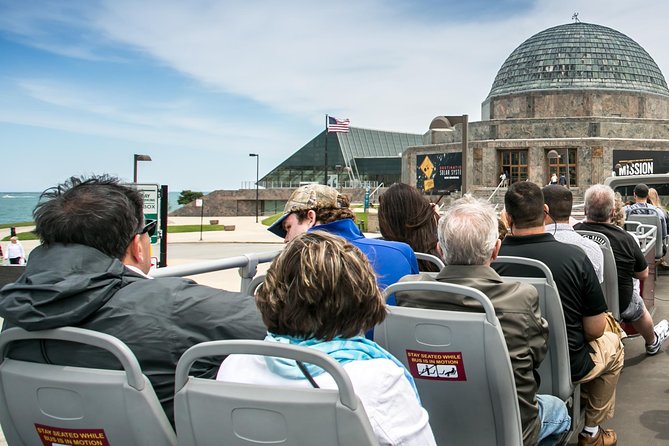
Chicago’s Big Bus is best used as a moving introduction to the city, not as a simple two-hour ride. From the upper deck, you get a broad look at the Loop, Grant Park, Museum Campus, the river, and the Magnificent Mile before deciding where you want to spend real time.
I especially like the 11-stop route, which links several major sights that are spread across downtown. I also like the choice of 24, 48, or 72 hours, since you can use the bus as sightseeing transport rather than paying for a separate ride each time.
The main catch is timing. Buses may be listed at 30 to 45-minute intervals, but traffic, road closures, bad weather, and schedule changes can stretch the wait. In winter, the partly covered upper deck and enclosed lower deck help, but this is still an outdoor sightseeing ride.
Key points to know before you board
- A two-hour full loop gives you a useful first look at central Chicago without getting off.
- The route connects 11 major stops, including Navy Pier, Millennium Park, the Field Museum, Willis Tower, and the Magnificent Mile.
- The Big Bus app matters because it provides stop locations, live tracking, route information, and city details.
- The upper deck offers the best views, while the lower deck is enclosed and climate controlled.
- Drivers can make a big difference, with standout names including Candace, Felicia, and Donnie.
- Road closures and weather can disrupt the plan, so do not leave your only sightseeing window until late afternoon.
Why this bus works well for a first look at Chicago
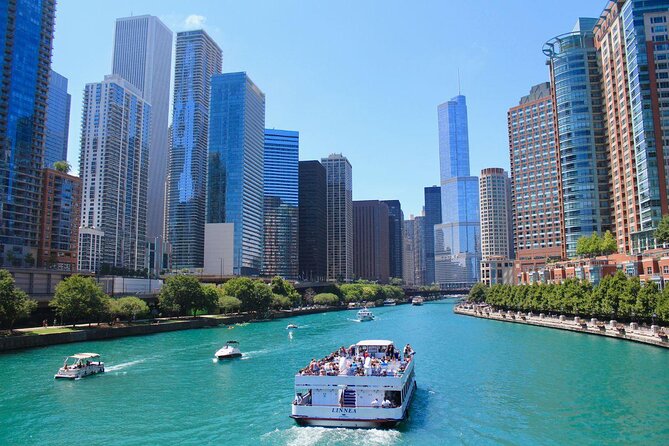
Chicago can feel spread out when you are trying to connect the river, Millennium Park, the lakefront museums, Navy Pier, and the Magnificent Mile on foot. Big Bus gives you a simple framework: ride the full circuit first, note the places that appeal to you, then use your pass to return and hop off.
At $45 per person, the value depends on how you use the ticket. A single two-hour loop is a fairly expensive way to sit on a bus, especially since attraction admission is not included. A 48 or 72-hour pass makes more sense if you plan to use several stops and would otherwise pay for local transportation between distant parts of downtown.
The bus is also useful for orientation. You see how the Chicago River, Grant Park, Lake Michigan, and the central business district fit together. That basic sense of direction can save time later, particularly if this is your first visit.
The audio commentary supplies facts about the buildings and city history in several languages. The quality can vary by bus and driver, but the recorded material gives you a steady thread of information while you look around. Drivers such as Candace and Felicia have added humor, safety advice, and extra local detail, while Donnie has been praised for offering useful information beyond the recording.
More hop-on hop-off routes around Chicago:
- Chicago: Hop-on Hop-off Sightseeing Tour by Open-top Bus
★ 4.3 · 1,349 reviews - Savannah Hop-On Hop-Off Trolley Tour
★ 4.5 · 6,527 reviews - New York: Hop-on Hop-off Sightseeing Tour by Open-top Bus
★ 4.2 · 5,863 reviews
The Chicago Riverwalk starts the route
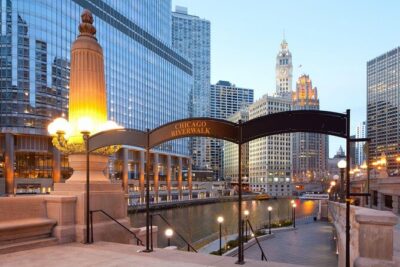
Stop 1 is at the Chicago Riverwalk, at 98 East Wacker Drive, across the bridge from Trump Tower and near the corner of Michigan Avenue and Wacker Drive. This is the main redemption point, though you can also activate your ticket with the driver at other stops.
The location is practical because it puts you beside the river and close to the architecture that makes central Chicago special. If you begin here, look along the river before boarding. The contrast between the water level, bridges, and tall buildings gives you an immediate sense of the city’s design.
This is also the best stop for sorting out your ticket if the app causes trouble. You can show an electronic or printed voucher to staff or a driver. Still, I would download the app before you leave your hotel, add your booking reference, and activate the ticket on the day you ride.
Willis Tower gives you a citywide reference point
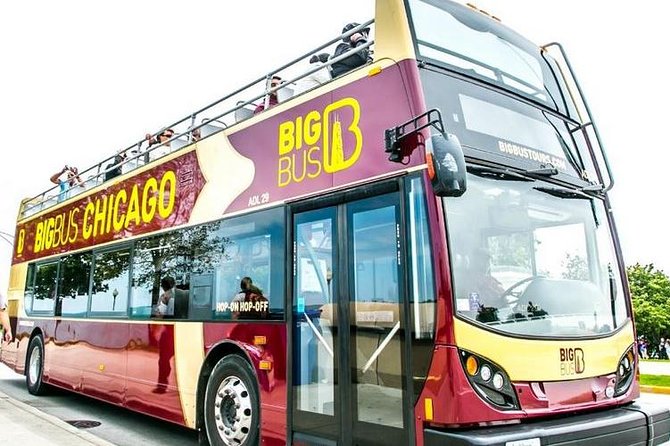
Stop 2 serves Skydeck Chicago at Willis Tower. The tower is one of Chicago’s main observation attractions, but admission is not part of the bus ticket. You need to arrange that separately if you want to visit Skydeck.
Even if you stay on the bus, this stop helps place the Loop in context. The route moves through the central city, where the tall buildings can make the streets feel like narrow corridors. From the bus, you get a more useful view of how the towers line up around the streets and river.
If you plan to visit Skydeck, check your time carefully. A 24-hour pass is not as flexible as it sounds if you spend a large part of the day inside an attraction and then face a long wait for the next bus.
Millennium Park and the Art Institute make the strongest cultural stop
Stop 3 covers Millennium Park and the Art Institute of Chicago. This is one of the most useful places to hop off because two major sights sit close to one another, along with Grant Park and the lakefront beyond.
Millennium Park is a good place to stretch your legs after the bus ride. The park’s public art gives you something to see even if you do not plan a museum visit. The Art Institute requires its own admission, so treat the bus pass as a way to reach it, not as a bundled attraction ticket.
This stop can become a time trap in a good way. You might get off for a quick look and then decide to spend hours at the museum or in the park. That is exactly where a 48-hour pass has an advantage over a single loop.
The digital walking tour covering public art and Millennium Park can add structure to a self-guided visit. The walking tours are included only with the appropriate ticket option, so check your selected package before counting on them.
More to weigh up across Chicago
- Chicago Architecture River Cruise
★ 5.0 · 15,756 reviews - Chicago River 90-Minute Architecture Tour
★ 4.5 · 9,629 reviews - Chicago River: 1.5-Hour Guided Architecture Cruise
★ 4.8 · 8,046 reviews - Chicago: Gangsters and Ghosts Walking Tour
★ 5.0 · 7,155 reviews
Grant Park is the link between downtown and the lakefront
Stop 4 is near the Hilton Chicago and Grant Park. It is a useful transfer point for anyone who wants open space after several blocks of tall buildings.
Grant Park helps you understand Chicago’s lakefront plan. You are not simply moving from one attraction to another here. You are seeing the broad public park that separates much of downtown from Lake Michigan.
This stop is also practical for visitors staying near the Loop. You can use the bus for the sightseeing portion, then walk back toward your hotel if the weather is good. The route is at its most useful when you mix riding with short walks rather than remaining aboard all day.
Adler Planetarium and Museum Campus need extra time
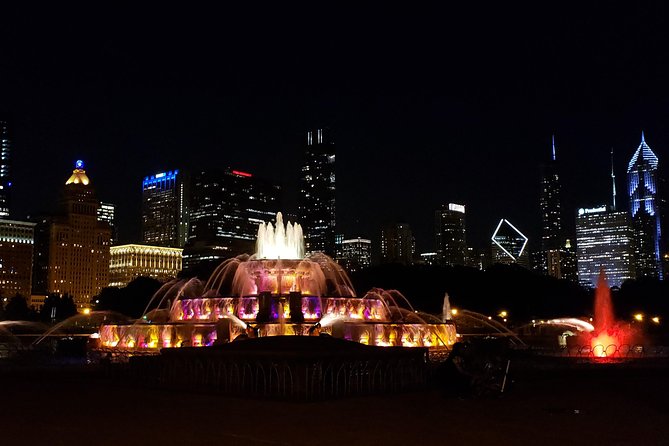
Stop 5 serves Adler Planetarium, while Stop 6 serves the Field Museum of Natural History and Museum Campus. These stops are close to Chicago’s lakefront museums, but they are not quick photo stops if you plan to go inside.
The approach to Museum Campus is one of the better parts of the ride. The city skyline opens up, and the setting feels different from the dense blocks of the Loop. You get both the museums and a strong view back toward downtown.
Admission to Adler and the Field Museum is separate. Plan your stop around opening hours and the bus timetable, since a museum visit can easily outlast the next scheduled pickup.
The buses use an enclosed lower deck and an open upper deck. On mild days, the top offers the best view of the skyline. On cold or wet days, the lower deck is the sensible choice, though recent operating conditions have included buses with weak or absent heat. Bring a warm layer even if you expect to sit inside.
The Chicago Architecture Center is worth pairing with the river
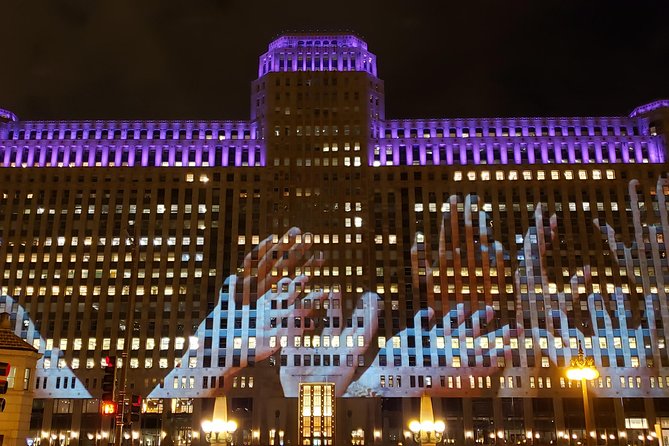
Stop 7 serves the Chicago Architecture Center and the Sheraton Grand. This is a natural stop for readers who care about the city’s buildings rather than only its famous observation decks.
The standard audio commentary can point out major sights, but it is not always equally detailed about architecture. That is why the self-guided digital tour on Chicago architecture can be useful if it is part of your selected option.
You can also use this stop to return toward the river and connect the city’s buildings with the waterway you saw at Stop 1. Chicago’s architecture makes more sense when you see the street walls, bridges, river, and towers together, rather than treating each building as an isolated attraction.
Navy Pier is the biggest leisure stop
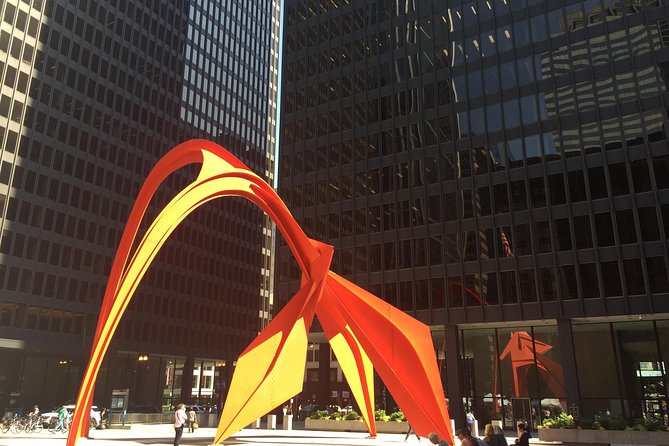
Stop 8 takes you to Navy Pier. This is one of the route’s most recognizable destinations and a clear reason to choose the hop-on, hop-off format.
The pier can take as little or as much time as you want. You may simply get off for a walk and views across the lake, or spend longer exploring its attractions. Since admission fees are not included, check the cost of any activity before committing your afternoon.
Navy Pier is also a good place to break up the bus ride. After sitting through several downtown stops, a walk along the water gives you a change of pace. The tradeoff is that delays elsewhere in the loop can matter more here, so use the app before leaving the pier.
The Magnificent Mile and Water Tower are easy to combine
Stop 9 is at Water Tower and the Magnificent Mile. This stop puts you near one of Chicago’s main shopping and hotel districts, with a much different feel from the museums and parks farther south.
The bus gives you a quick look at the commercial corridor, but you should get off if you want to explore it properly. The route only shows the district from the street. Shops, restaurants, and nearby buildings require time on foot.
This is also a stop where road events can cause trouble. Chicago street festivals, parades, protests, and temporary closures may force detours or early service changes. Check the service information in the app on the morning of your ride, especially if you are visiting during a major event.
360 CHICAGO offers another optional view
Stop 10 serves 360 CHICAGO at the John Hancock Center. Like Skydeck, it is an optional paid attraction, not part of the bus fare.
The stop is valuable even if you do not buy admission. It marks the north end of the main sightseeing route and gives you a chance to compare the Magnificent Mile with the Loop and lakefront museum area.
Do not assume you can fit both observation decks into a short pass unless they are a major priority. The bus provides access, but it does not remove the time needed for queues, security, and the visit itself.
River North closes the loop
Stop 11 is near McDonald’s in River North. It brings you back toward the restaurants, hotels, and nightlife of the central north side before the bus continues around the circuit.
This is a practical final stop if you are staying in River North or want to end the day there. It is less of a single headline attraction than Navy Pier or Millennium Park, but it helps connect the route into a usable downtown loop.
If you have been on and off all day, River North is a sensible place to stop for food before deciding if you want another circuit. The bus operates during a limited sightseeing window, with the first departure at 10 a.m. and the last at 5 p.m.
The app is part of the tour, not an optional extra
The free Big Bus app shows stop locations, city information, route details, and live bus tracking. Use its Find a Stop feature because some pickup points are easier to miss than expected. The app can also show a photo of the stop, which is helpful when several streets and corners look similar.
You activate the ticket in one of two ways. Add your booking reference in the app, open the ticket on the day of travel, and press Activate. Or redeem the voucher with staff at the Riverwalk stop or with a driver at any stop.
Published information describes buses arriving about every 30 to 45 minutes, while other operating information says buses depart hourly from the 11 stops. In real city traffic, you should plan for variation rather than treating either figure as exact. Live tracking is useful, but it cannot eliminate delays caused by traffic or closures.
Open-top views come with Chicago weather
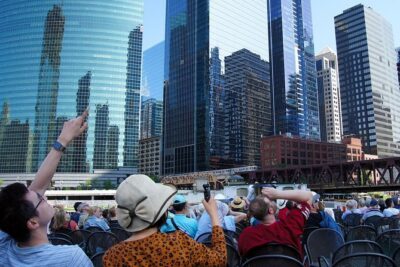
The upper deck is the main reason to take this tour. You can look above traffic and get unobstructed views of the towers, parks, and lakefront. Some buses have a partly covered upper section with a glass roof and side protection, which helps in cool weather.
The design is not a guarantee of comfort. Seats can feel cold in winter, windows may need cleaning, and tree branches can reach the upper deck on parts of the route. In bad weather, the lower deck is enclosed and climate controlled, but individual buses may not maintain the same temperature.
I would bring a warm coat outside the summer months and avoid scheduling the ride as your only activity on a bitterly cold or wet day. The operator requires good weather and may cancel service or offer another date or a refund if conditions are poor.
Headphones are provided for the digital commentary, and WiFi is available onboard. Audio quality has not been consistent, so check the volume controls and keep expectations modest. A live driver who adds local color can make the ride more engaging than the recording alone.
Who gets the best value from Big Bus Chicago
This tour suits you best if:
- You are visiting Chicago for the first time and want a fast overview.
- You are traveling with children or older family members who need fewer long walks.
- You want easy access to the museums, parks, river, Navy Pier, and Magnificent Mile.
- You plan to use a 48 or 72-hour pass more than once.
- You prefer to learn basic city facts while moving between sights.
- You feel safer having a clear sightseeing route, especially on a solo visit.
It is less useful if you already know downtown well, plan to visit only one attraction, or expect a polished guided tour with constant live narration. The recorded commentary does much of the work, and driver quality can vary from one bus to the next.
The pass is also not a substitute for public transit if you need precise commuting times. Big Bus follows a sightseeing route, not the fastest route between two addresses.
Booking, comfort, and cancellation details
The ticket is mobile, and most people can participate. Service animals are allowed, but other pets are not. Food and alcohol are not permitted onboard, though nonalcoholic drinks in screw-top bottles are allowed. Luggage is not permitted.
Wheelchair-accessible buses with lifts are available, but not every vehicle has a lift. If you need an accessible bus, note that request at checkout in the special requirements field.
You can cancel for a full refund up to 24 hours before the experience start time. Changes or cancellations inside 24 hours are not accepted for a refund. If poor weather cancels the experience, you can receive another date or a full refund.
Should you book the Big Bus Chicago tour?
I would book it for a first Chicago visit, especially with a 48-hour pass and a plan to get off at Millennium Park, Museum Campus, Navy Pier, and the Magnificent Mile. Those stops cover enough ground to make the bus more than a sightseeing circuit.
Choose the 24-hour option if you mainly want one full loop plus two or three short stops. Pay close attention to the weather, start early, and check the app for closures before you leave.
The tour offers its best value as a flexible city introduction. It is not perfect: waits can run long, audio can be hard to hear, and the upper deck is only as pleasant as Chicago’s weather. But for a straightforward look at the city’s major districts, it gives you a practical first map and a comfortable way to decide what deserves your time.
FAQ
How long does one complete Big Bus Chicago circuit take?
A full round trip takes approximately two hours if you remain on the bus and do not get off.
How often does the bus arrive at each stop?
Buses are expected approximately every 30 to 45 minutes, though other operating information describes departures about hourly. Traffic, weather, and road closures can affect the actual wait.
What time does the sightseeing service begin and end?
The first bus departs at 10 a.m., and the last bus departs at 5 p.m.
Can I board at a stop other than the Riverwalk?
Yes. You can show a printed or electronic ticket to the driver at any Big Bus stop along the route. You can also redeem a voucher with staff at Stop 1, the Chicago Riverwalk.
What attractions are included in the ticket price?
The ticket includes the hop-on, hop-off bus ride, digital audio commentary, WiFi, live bus tracking through the app, and four self-guided digital walking tours if you select that option. Admission to attractions is not included.
Is the Big Bus Chicago tour wheelchair accessible?
Yes, accessible vehicles with lifts are available, and the lifts can accommodate up to 650 pounds. Not every bus has this equipment, so request an accessible vehicle when booking.
Can I bring food, drinks, pets, or luggage?
Food and alcohol are not allowed. Nonalcoholic drinks in screw-top bottles are permitted. Only ADA service animals may ride, and luggage is not allowed onboard.
How do I activate my mobile ticket?
In the Big Bus app, tap Add Booking, enter your booking reference, open the ticket on the day of travel, and press Activate. You can also redeem the voucher with staff at the Riverwalk stop or with a driver at another stop.
Newly listed in Chicago
- Chicago Pizza Tour★ 5.0 · 454 reviews
- Chicago: Architecture Center Cruise on Chicago’s First Lady★ 4.7 · 456 reviews
- Chicago: Architecture Boat Tour with Drinks★ 4.7 · 466 reviews
- Chicago Gangster and Food Walking Tour★ 5.0 · 471 reviews
- Chicago Night Crimes Tour by Bus★ 5.0 · 478 reviews
- Flyover in Chicago★ 5.0 · 486 reviews
- Field Museum of Natural History Admission Tickets★ 4.5 · 489 reviews
- Chicago: Secret Interiors Architecture Walking Tour★ 4.9 · 498 reviews
Chicago Tours, compared.
Chicago Architecture Center River Cruise aboard First Lady
Read our review →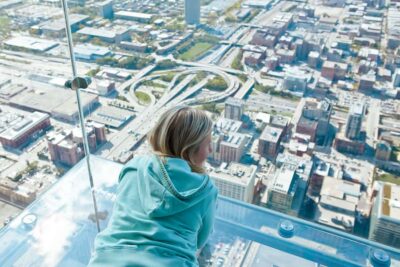
Architecture River Cruise Skip-the-Ticket Line
Read our review →

Browse the lists this tour appears in