
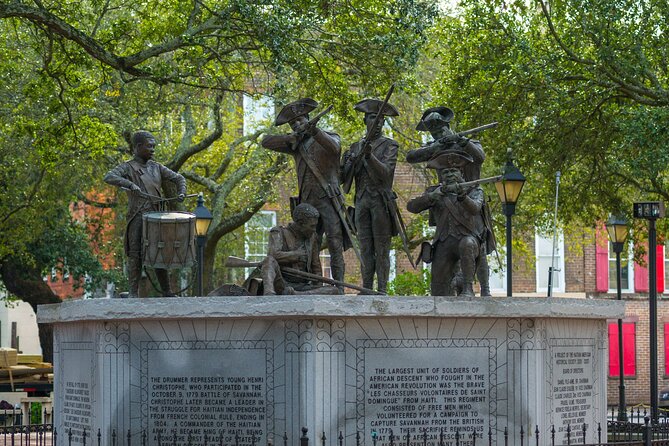
Reviewed · SAVANNAH TOURS
Narrated Historic Savannah Sightseeing Trolley Tour
Savannah’s beauty unfolds best at a slow pace, and this 75-minute trolley ride gives you a fine first look at the city’s grand squares, mossy oaks, antebellum homes, and riverfront. The route covers a lot of ground without asking you to march through the Georgia heat.
I like the easy orientation and the live storytelling. Guides including Crystal, Tony, Meagan, and Denise bring humor and local detail to the ride, often adding restaurant suggestions and practical ideas for the rest of your stay. I also like that the tour keeps moving, so you can see many landmarks in one booking. The tradeoff is simple: this is a continuous, non-stop tour, so you’ll view most sights from your seat rather than get off to explore.
Key points to know before you board
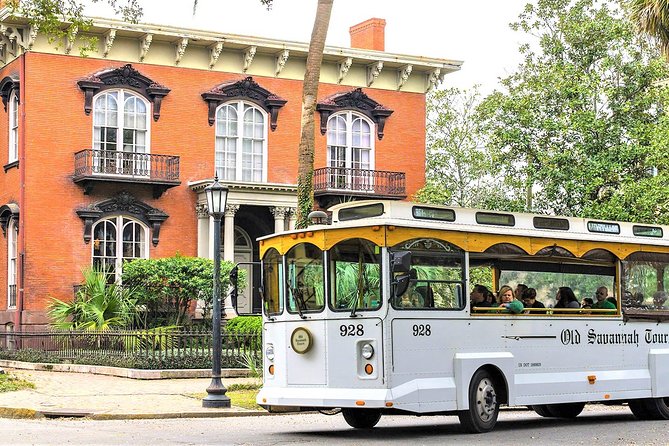
- Seventy-five minutes on the road: A compact introduction to Savannah’s historic center, with no scheduled walking stops.
- A strong first-day choice: The route helps you decide which squares, museums, houses, and riverfront areas deserve more of your time.
- Live guides make the difference: Crystal, Tony, Meagan, Denise, and other guides use humor alongside dates, names, and local stories.
- Open-window trolley views: You get a clear look at the streets and buildings, but bring layers in winter and dress for rain or heat.
- Historic highlights from one seat: Expect Forsyth Park, Chippewa Square, the Cathedral of St. John the Baptist, City Market, and River Street.
- Good value for a short visit: At $35.26 per person, it can be worthwhile if you have limited time or want an overview before exploring on foot.
Why this trolley works well on a first day
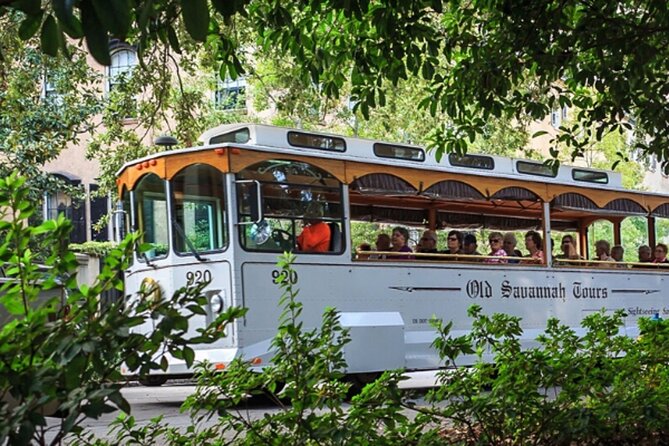
Savannah can feel confusing at first. Its historic core is arranged around a chain of squares, with streets leading toward the river and neighborhoods filled with buildings that reward a closer look. On foot, you may spend much of your first morning simply figuring out where everything is.
This tour gives you that basic map from a comfortable seat. You’ll pass through one of the largest National Historic Landmark Districts in the United States, hear about more than 270 years of American history, and get a sense of how the squares, mansions, churches, museums, and riverfront fit together.
I would take this early in a Savannah visit, especially if you have only a day or two. Make notes of the places you want to revisit. The trolley does not stop for sightseeing, so the real value is seeing the city first and choosing your walking targets afterward.
The guide is central to the experience. The best guides keep the narration moving while pointing out details you might miss from street level. Crystal has been praised for mixing historical information with charm, while Tony is known for high energy and a light touch. Meagan adds humor and restaurant tips, and Denise brings a strong local connection to the stories.
Guide assignments can change, of course. Still, the repeated pattern is clear: this tour works best when your guide turns a sequence of buildings into a story rather than simply naming them.
More Historical Tours in Savannah
- Savannah History and Haunts Candlelit Ghost Walking Tour
★ 5.0 · 3,235 reviews - Historic Savannah Guided Walking Tour
★ 5.0 · 2,918 reviews - Southern Flavors Food, Pub Crawl, and History Walking Tour
★ 4.5 · 1,623 reviews
The route through Savannah’s grandest streets
The trolley travels along cobblestone streets and beneath live oaks draped with Spanish moss. That setting is a major part of the appeal. You are not simply moving between attractions on ordinary city roads. The ride itself shows you the texture of Savannah, from formal squares to old homes and views toward the water.
The pace is easy-going. You can listen without having to keep up with a walking group, and the open sides of the trolley make it easier to see façades, statues, gardens, and street corners. On the other hand, the ride is not designed for detailed photography. If you want a perfect picture of a fountain or building, plan to return after the tour.
Because the vehicle continues without scheduled stops, pay attention when the guide identifies places that interest you. The route is broad rather than deep. You will see many sights, but you will not tour the interiors of the houses, museums, cathedral, or theatre during this ride.
Chippewa Square and the Savannah Theatre
Chippewa Square is one of the route’s most familiar landmarks. Many people know it from Forrest Gump, though the famous movie bench is not actually in the square today. The guide points out that curious bit of film history while also placing the square within Savannah’s larger city plan.
Nearby is the Savannah Theatre, which opened in 1818 and is presented as the oldest theatre in the country still producing shows nightly. It is a useful reminder that Savannah’s attractions are not limited to houses and monuments. The city’s old buildings still connect with present-day performances and evening plans.
For film fans, Chippewa Square may be the highlight. For everyone else, it is a good example of the tour’s method: start with a familiar fact, then add local context.
Sorrel Weed House and Savannah’s darker stories
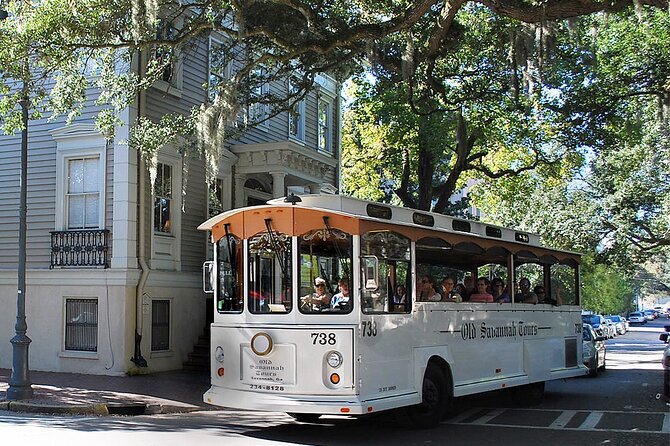
Savannah has a strong reputation for ghost tales, and the Sorrel Weed House fits neatly into that part of the city’s identity. The trolley passes this antebellum home, known for its grand architecture and its association with haunted-house tours.
The sight is best understood from the outside on this ride. You will not receive a full house tour or a detailed look at every room. If you are interested in architecture, slavery, or Savannah’s supernatural traditions, use the trolley introduction to decide if you want to return for a separate visit.
The house also points to a larger issue in Savannah tourism. The old South can be presented as a parade of beautiful mansions and amusing ghost stories, but the city’s past also involved slavery, unequal power, war, and displacement. A good guide can make the history more useful by keeping those realities in the picture.
More Hop-On Hop-Off Bus Tours in Savannah
- Savannah Hop-On Hop-Off Trolley Tour
★ 4.5 · 6,527 reviews - Savannah Ghosts & Gravestones Trolley Tour
★ 4.0 · 2,723 reviews - Savannah Land & Sea Combo: City Sightseeing Trolley Tour with Riverboat Cruise
★ 4.5 · 1,938 reviews - Savannah: Old Town Hop-On Hop-Off Trolley Tour
★ 4.7 · 1,640 reviews
Forsyth Park and the city’s most famous fountain
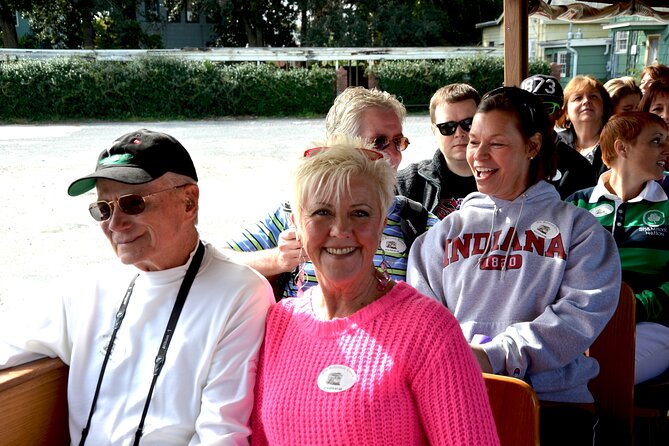
Forsyth Park offers one of the route’s most photogenic moments. Its flowers, foliage, live oaks, and fountain show you why Savannah’s public squares and parks matter so much to the city’s character.
The fountain is especially recognizable and turns green around St. Patrick’s Day. From the trolley, you’ll get a quick view rather than time to stroll the paths or frame a careful photograph. I would return later if the park interests you. It is the sort of place that rewards sitting down for a while instead of rushing through with a camera.
This is also a useful point for families. The park gives children a visual change from historic façades, though the tour itself remains a seated sightseeing ride rather than a hands-on activity.
Schools, churches, and complicated local stories
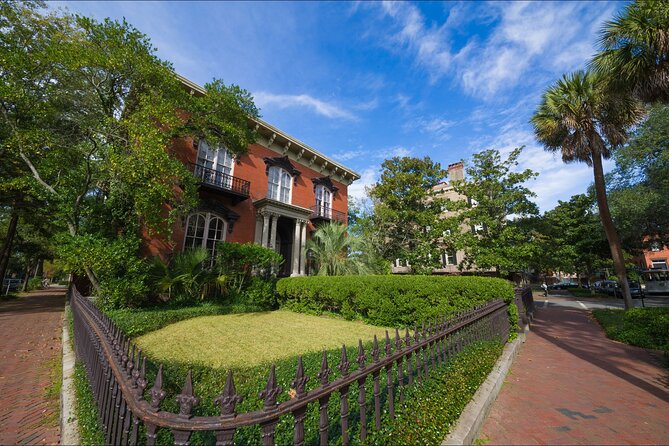
The Massie Heritage Center adds an education story to the route. Opened in 1856, it is described as Georgia’s oldest school in continuous operation. Its nineteenth-century classroom and exhibits offer a different way to understand daily life in Savannah.
The Cathedral of St. John the Baptist is another major sight. Located by Lafayette Square, it is known for stained glass, ornate interiors, weddings, and its connection with Savannah’s St. Patrick’s Day celebrations. If no service or ceremony is taking place, you may be able to return and tour the cathedral separately.
The Owens-Thomas House and its adjoining slave quarters, carriage house, and gardens bring the city’s social divisions into sharper focus. Built in 1819, the property uses period furnishings and interactive exhibits to examine the relationship between people with power and those without it.
That context matters. The trolley can introduce the setting, but it cannot explain every part of the house’s story in a few passing minutes. If you want a fuller understanding of Savannah’s past, the Owens-Thomas House is one of the places to put on your return list.
Museums and the changing face of Savannah
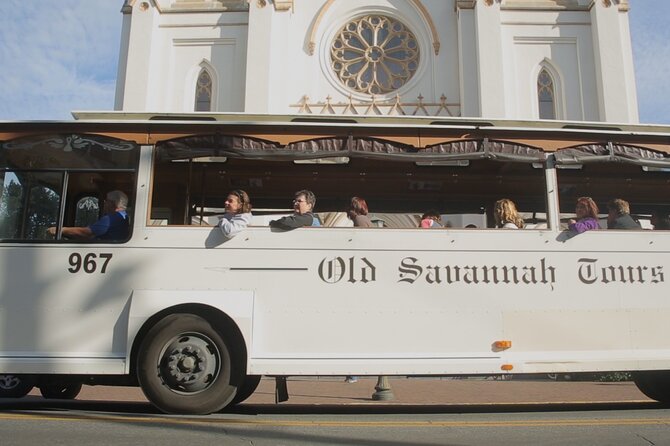
The Telfair Museum family includes the Jepson Center, Telfair Academy, and the Owens-Thomas House. The trolley passes the first two, giving you a quick look at how Savannah combines old architecture with newer art spaces.
The Jepson Center occupies a modern building and displays permanent collections along with temporary exhibitions. Children have the ArtZeum and Techspace, which offer more interactive ways to engage with art.
Telfair Academy provides a different setting, with nineteenth-century interior decoration and American and European art from the nineteenth and twentieth centuries. The contrast between the modern Jepson Center and the older academy gives you a quick picture of Savannah’s cultural range.
Again, the tour only shows you the locations. It does not include museum admission or time inside. That is not a flaw if you want orientation, but it matters if you are expecting a hop-on, hop-off service.
Reynolds Square, City Market, and the places to return
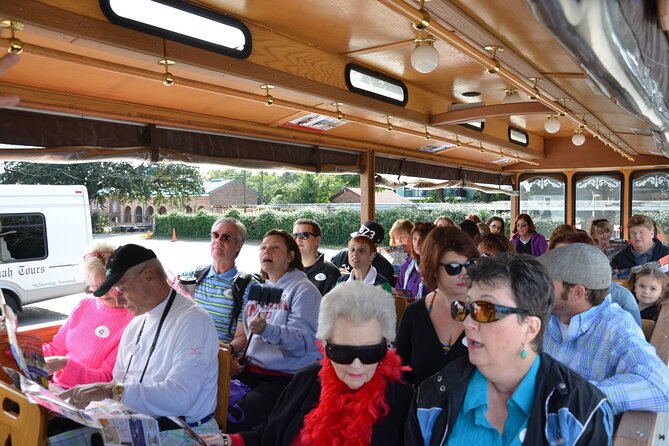
Reynolds Square is a classic Savannah scene, with live oaks, a statue of John Wesley, and the formal arrangement that makes the city’s squares so memorable. The square is named for John Reynolds, Georgia’s first governor, while the statue honors the founder of Methodism.
This area is especially useful for planning the rest of your day. Leopold’s Ice Cream, the Olde Pink House, and the Lucas Theatre are nearby. You can make a meal, dessert, or evening show part of your plan after the trolley ride.
City Market offers a more commercial and social stop. The open-air market follows the footprint of an earlier market from the 1800s, though modern traffic has replaced the horse-drawn vehicles of the past. It is a natural place to return for local vendors and a walk through the surrounding streets.
The Exchange Bell, marked with the year 1802, is another small but interesting detail. It was used to signal the end of the workday, closing time for shops, celebrations, and fires. Details like this help connect the city’s grand buildings with ordinary routines.
Franklin Square, designed in 1790 and named for Benjamin Franklin, sits near City Market and Ellis Square. It is easy to miss when you are focused only on the biggest attractions, so having the guide point it out is useful.
The riverfront and City Hall
The route heads toward the Savannah River, where you get views along the water and a sense of the city’s working port past. Bay Street, Factors Walk, and River Street form an important edge to the historic district, and the trolley helps you understand how that riverfront relates to the inland squares.
City Hall sits just off Bay Street. Its gold dome was originally copper, and the building opened in 1905. From the trolley, you’ll see how close it is to City Market, Ellis Square, and other central sights.
The river views are brief, so do not treat this as a dedicated waterfront tour. Instead, use the ride to decide if you want to return for a longer walk along River Street and the nearby areas.
Price, timing, and comfort
The listed price is $35.26 per person. For a 75-minute ride, that is not the cheapest way to move around Savannah, but it can be fair value if you want a guided introduction and have limited time. You are paying for the route, the vehicle, and live narration, not for entry into the attractions mentioned along the way.
A short visit makes the value stronger. One person used the tour to decide where to spend the rest of a stay that lasted less than 24 hours. That is exactly the kind of situation where the trolley earns its place: it reduces guesswork and gives you a quick citywide frame.
The tour departs at scheduled times from 217 West Boundary Street and returns there. Since it is continuous, allow about an hour and a quarter without expecting to get off midway.
The trolley operates in all weather conditions, and its open windows can make the temperature feel close to the outdoors. Bring a coat in winter. Cold weather caused some discomfort for people who arrived without enough layers, while the enclosed seating helped others stay comfortable. Dress for the forecast, and remember that rain or heat can affect how much you enjoy the ride.
The maximum group size is 38 people. That is large enough to feel like a shared city tour, but still small enough for a guide’s narration to reach the whole vehicle under normal conditions.
Mobile tickets make entry simple. Service animals are welcome, and a fold-up stroller is accessible. Pets and emotional support animals are not allowed. Children must have an adult with them.
Who should book this tour?
I would recommend it most strongly to first-time visitors, couples, solo sightseers, families wanting a break from walking, and anyone with only a few hours in Savannah. It is also useful if cold, rain, or heat makes a long walking tour less appealing.
The tour is a weaker fit if you want to enter several buildings, take your time at each square, or hop off whenever something catches your eye. You should also choose a walking tour or individual attraction visit if you want detailed architectural or social history at each stop.
The narration seems to work best when you enjoy a mix of facts and personality. Guides such as Meagan, Tony, Crystal, Cyndee, and Denise have been singled out for humor, energy, local perspective, and clear storytelling. You may receive a different guide, but the format gives that person plenty of room to shape the experience.
Should you book the Savannah trolley ride?
Book it if you want a quick, broad introduction before exploring Savannah on foot. The route covers the city’s most recognizable squares, parks, houses, churches, museums, market areas, and riverfront in 75 minutes, and the live guide adds the stories that a self-guided drive would miss.
Skip it if your priority is getting off to tour interiors or spending quiet time in the parks. At $35.26, it makes the most sense as an orientation tool, not as a substitute for deeper visits.
For many people, the smart plan is to ride early, note the places that catch your attention, then return to Forsyth Park, the cathedral, City Market, the riverfront, or one of the historic houses. Free cancellation is available until 24 hours before departure, while cancellations within 24 hours are not refunded. If poor weather cancels the tour, you’ll be offered another date or a full refund.
FAQ
How long is the Savannah trolley tour?
The tour lasts approximately 1 hour and 15 minutes, or 75 minutes.
Where does the tour begin?
The meeting point is 217 W Boundary St, Savannah, Georgia 31401, USA.
Where does the tour end?
The trolley returns to the original meeting point at the end of the activity.
Does the trolley stop for passengers to explore?
No. This is a continuous, non-stop narrated tour. You view the sights from the trolley rather than getting off at scheduled sightseeing stops.
What language is the tour offered in?
The tour is offered in English.
What is included in the price?
The price includes the driver-guide, live commentary on board, and the 75-minute continuous tour.
What landmarks can I see?
The route includes sights such as Chippewa Square, the Savannah Theatre, Sorrel Weed House, Forsyth Park, the Massie Heritage Center, the Cathedral of St. John the Baptist, the Pirates’ House, Owens-Thomas House, Telfair museums, Reynolds Square, City Market, the Exchange Bell, City Hall, Franklin Square, and the Savannah River area.
Can I bring a service animal?
Yes. Service animals are welcome. Pets and emotional support animals are not allowed.
Is the tour suitable for children?
Most people can participate, but children must be accompanied by an adult. A fold-up stroller is accessible.
Does the tour operate in bad weather?
The tour operates in all weather conditions, so you should dress appropriately. If the activity is canceled because of poor weather, you’ll be offered a different date or a full refund.
More Historic Sites in Savannah
- Genteel and Bard’s Savannah Dark History and Ghost Encounter Walking Tour
★ 5.0 · 1,546 reviews - 60-Minute Guided Segway History Tour of Savannah
★ 5.0 · 1,163 reviews - Savannah: Old Savannah Tours Historic Overview
★ 4.6 · 874 reviews - Bonaventure Cemetery Scenic History Art Symbols and Film Tour
★ 5.0 · 870 reviews
More Hop-on Hop-off Routes in Savannah
- “Savannah for Morons” Comedy Trolley Tour
★ 5.0 · 1,296 reviews - Explore Savannah Sightseeing Trolley Tour with Bonus Unlimited Shuttle Service
★ 4.5 · 622 reviews - Savannah: “Savannah for Morons” Comedy Trolley Tour
★ 4.8 · 477 reviews - New York: Hop-on Hop-off Sightseeing Tour by Open-top Bus
★ 4.2 · 5,863 reviews
Newly listed in Savannah
- Savannah: “Savannah for Morons” Comedy Trolley Tour★ 4.8 · 477 reviews
- Savannah Open Top Panoramic City Tour with Live Narration★ 4.5 · 480 reviews
- 2-Hour Savannah Sunset Riverboat Cruise★ 4.0 · 487 reviews
- Guided Savannah Civil War History Walking Tour★ 5.0 · 492 reviews
- Spirits and Scoundrels Adults Only Savannah Ghost Tour | 10pm★ 5.0 · 493 reviews
- Savannah: Riverboat Cruise & City Tour Combo★ 4.5 · 528 reviews
- Savannah Supernatural Haunted Walking Tour★ 5.0 · 546 reviews
- Southern Flavors of Savannah Walking Dessert Tour★ 4.5 · 560 reviews
Savannah Tours, compared.
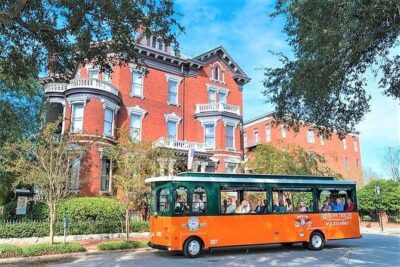

90-Minute Savannah Riverboat Sightseeing Cruise
Read our review →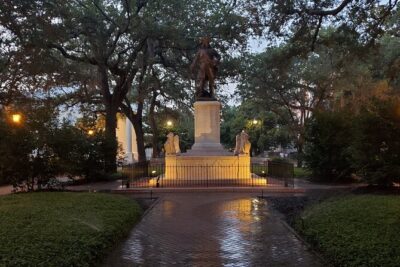
Savannah History and Haunts Candlelit Ghost Walking Tour
Read our review →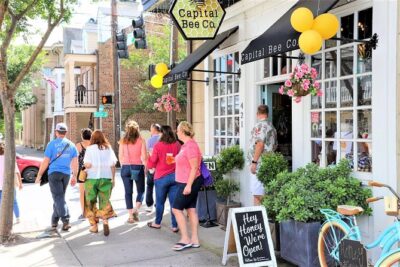
Savannah First Squares Culinary & Cultural Walking Food Tour
Read our review →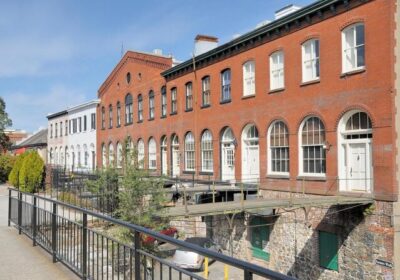

Savannah’s Ghost City “Dead of Night” Walking Night Tour
Read our review →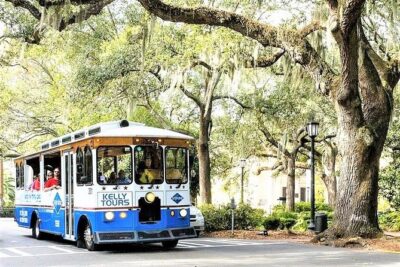
Savannah Land & Sea Combo: City Sightseeing Trolley Tour with Riverboat Cruise
Read our review →Browse the lists this tour appears in