
Reviewed · WHALE WATCHING
Whale Watching from Friday Harbor
Orcas are the prize here, and San Juan Island is one of the best places in the United States to look for them in the wild. The boat works the waters around the island and nearby islands, where salmon attract resident killer whales and other marine life.
I especially like the small, walk-around boat and the crew’s use of radio reports from other boats to find active whales. I also like the backup wildlife: humpbacks, minke and gray whales, harbor seals, Steller sea lions, bald eagles, and seabirds can all make the trip worthwhile. The main catch is simple: no whale sighting is guaranteed, and one outing may spend hours searching with little to show for it.
Key points to know before you book
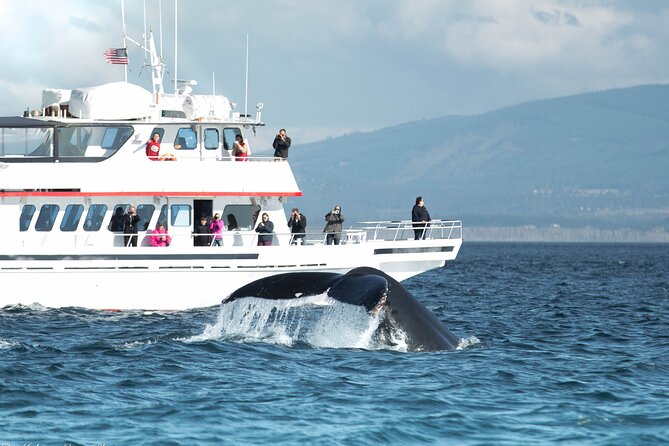
- A 55-foot boat with room to move: The MV Sea Lion has a heated, windowed cabin and an open deck, with capacity capped at 40 people.
- Peak orca season runs roughly April through October: The southern resident killer whales spend about six months of the year around the San Juan Islands.
- The success rate is strongest in season: The operator reports a 90 to 95 percent chance of spotting orcas, minke, humpback, or gray whales during peak season, not a guarantee of killer whales specifically.
- Plan the ferry carefully: Ferry service from the mainland changes by season and has fixed departure times. A late ferry can make you miss the boat.
- Bring food if you need it: No meal or drink is included, though you may bring your own. Some departures have had snacks and beverages available for purchase.
- The trip suits families and mixed ages: Most people can take part, restrooms are onboard, and children under two must stay in a harness carrier inside the cabin.
Why Friday Harbor is such a strong whale-watching base
Friday Harbor gives this trip a pleasant starting point. It is a small island town rather than a large cruise port, and the boat heads quickly into the waters of the Salish Sea.
The setting matters. Nutrient-rich water around the San Juan Islands supports salmon, seabirds, seals, and larger marine mammals. Salmon move along the west side of San Juan Island and into nearby waters, which helps explain why orcas pass through this area.
The southern resident killer whales are especially tied to salmon. They spend about half the year in the region, generally from mid-April through October. That timing gives you the best chance of seeing them, though whales are wild animals with their own schedules. Even in the strongest months, the captain cannot promise a particular species.
I would treat the orcas as the main hope, not the only measure of a good trip. Humpback, minke, and gray whales are also possible, and marine mammals such as harbor seals and Steller sea lions are common enough to keep the ride active. Bald eagles, other seabirds, and even deer or sheep on shore may appear along the way.
More whale watching trips around the USA:
- Juneau Wildlife Whale Watching
★ 5.0 · 7,379 reviews - Juneau Wildlife Whale Watching & Mendenhall Glacier
★ 5.0 · 6,236 reviews - Boston: City Cruises Whale Watching Cruise
★ 4.5 · 4,710 reviews
Aboard the MV Sea Lion for four hours
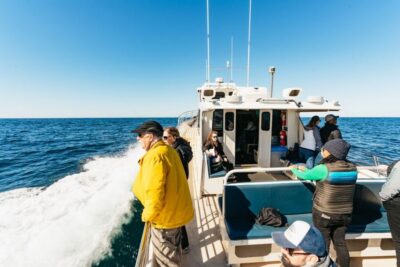
The MV Sea Lion is a 55-foot vessel with a heated cabin, windows, and an open deck where you can walk around for different views. The cabin seats up to 24, while the total group is limited to 40 people.
That size strikes a useful balance. You get more space than on a crowded sightseeing boat, but the vessel is still small enough to feel close to the water. The open deck helps when whales surface on the opposite side of the boat, since you can move instead of trying to look over a wall of people.
The cabin is valuable in the Pacific Northwest. Weather around the islands can shift, and four hours on open water can feel cold even on a pleasant day. You can warm up inside, then step back outside when the crew spots something.
Bring warm layers, even if Friday Harbor feels mild at departure. A waterproof outer layer is sensible, and a hat can help on the exposed deck. The trip is about wildlife watching, not luxury dining. Food and drinks are not part of the package, so pack something if you need lunch or snacks. Some outings have offered snacks and beverages for purchase, but I would not depend on that.
A restroom is available onboard. That small detail matters during a four-hour cruise, especially with children.
How the whale search actually works
The boat does not follow a fixed parade route. The captain and naturalist search the surrounding waters, watch for signs of wildlife, and communicate with other boats in the area.
That shared information can make a real difference. A pod may be quiet or far away when the trip begins, then turn up in a completely different part of the islands. On some departures, the crew has changed course after receiving word of orcas and followed them for 45 minutes or close to an hour.
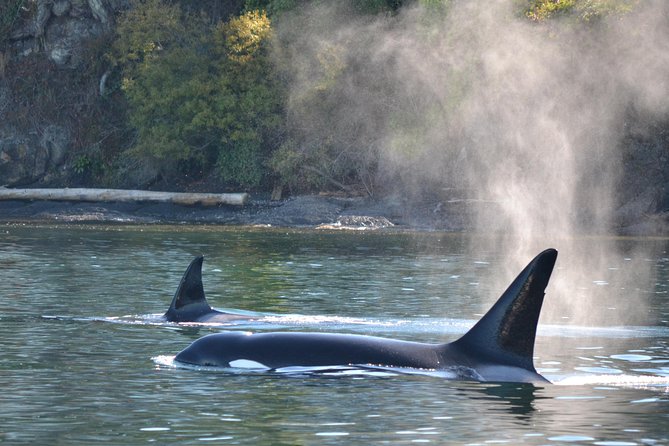
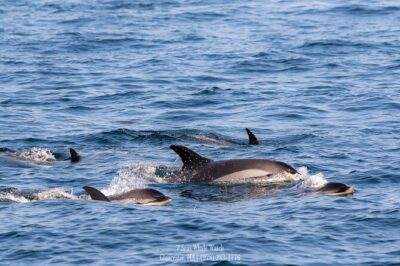
You may see whales surfacing in a steady rhythm, with the dorsal fin and back appearing for only a few seconds at a time. Sometimes a family group stays near the boat. Sometimes the animals surface once and disappear. The crew can explain what you are seeing, including how individual orcas are identified by their markings and dorsal fins.
The distance varies. Some sightings have been around 20 yards away, while others have been viewed at roughly 75 yards. The boat must follow wildlife-viewing rules and may shut down its engines and drift when whales approach closely. That quiet pause can be one of the most memorable parts of the trip.
I would keep your camera ready, but do not spend the entire outing staring at a screen. Orcas move fast, and the best moment may last only a few seconds. Watch the water first, then take a picture if the whale surfaces within reach of your lens.
What you might see besides orcas
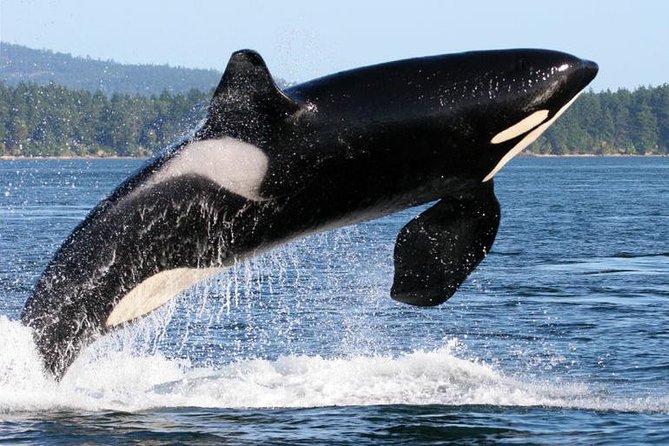
The strongest departures have included several species in one outing. People have seen pods of orcas, humpback whales, minke whales, seals, sea lions, bald eagles, and seabirds during the same four-hour cruise.
Humpbacks can be especially rewarding because their blows and larger movements are easier to follow. A mother and calf have appeared together, and a humpback has remained in the area long enough for the boat to watch its behavior.
Minke whales are smaller and less predictable. You may see a quick back or blow before the animal slips below the surface. Gray whales may also appear, depending on the season and their location.
Harbor seals often rest on rocks, while Steller sea lions can add noise and movement to the ride. Bald eagles may perch along the shore or appear near a nest. These sightings give the naturalist something useful to explain when the main quarry stays underwater.
This variety is the trip’s best protection against disappointment. If you book only for a guaranteed orca encounter, you may leave unhappy when nature refuses to cooperate. If you enjoy the wider marine world, the outing has more ways to succeed.
A different kind of day, same corner of the map:
- NYC: SUMMIT One Vanderbilt Tickets
★ 4.7 · 51,195 reviews - NYC: 9/11 Memorial & Museum Timed-Entry Ticket
★ 4.8 · 31,428 reviews - NYC: Empire State Building Tickets – Observatory & Museum
★ 4.7 · 25,757 reviews - NYC: Empire State Building Observation Deck Tickets
★ 4.7 · 22,072 reviews
The naturalist makes the difference
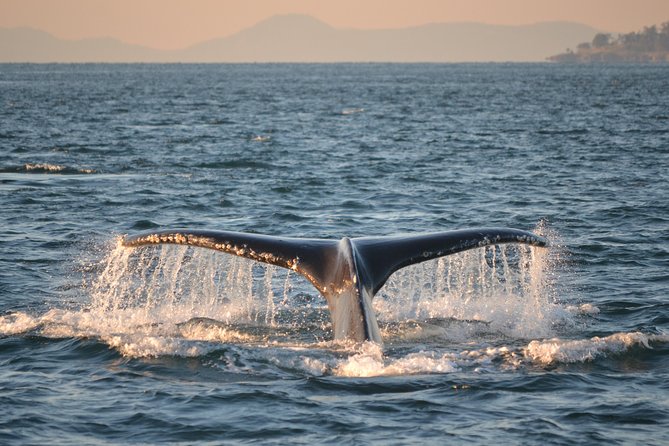
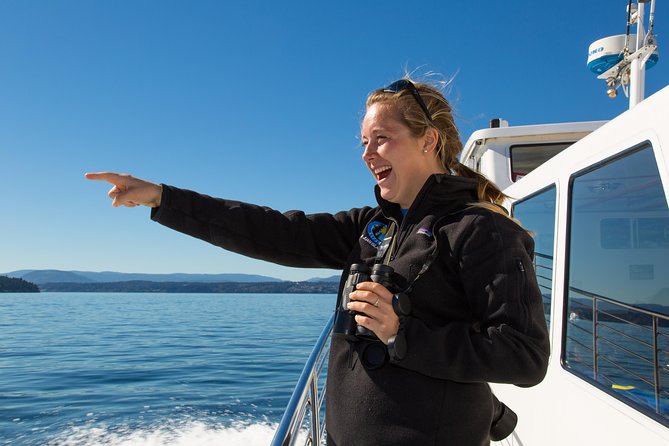
The crew does more than point toward a fin. The naturalist explains whale diets, local species, behavior, and the way orcas are identified.
That interpretation turns a distant sighting into a real experience. You learn why salmon matter, how resident and transient orcas differ, and what to watch for when a whale surfaces. Children can follow the action more easily when someone keeps the story moving.
Several named naturalists associated with departures include Vaun, Kelly, Lauren, Emily, Olivia, and Eric. The crew can vary by date, but the strongest reports describe staff who were friendly, clear, and eager to share information. One isolated account found a naturalist less welcoming when answering questions, so the tone may not be perfect on every sailing.
The captain also plays an important role. Captain Gabe has been praised for staying out longer to give the group more viewing time, though the exact length can vary. One trip lasted about three hours and 45 minutes while the crew worked to reach distant orcas. The listed duration is approximately four hours, not a promise that every trip will run to the same minute.
The real value of the $135 price
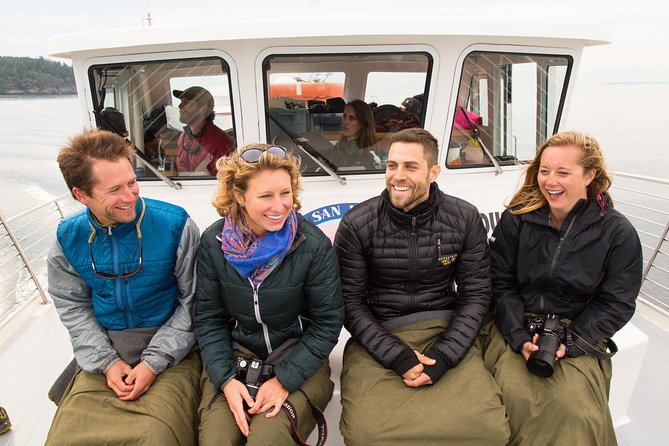
At $135 per person, this is not a cheap add-on. You also pay for your own transportation to Friday Harbor, and public transportation is listed at $17 per person. Meals are not included.
Still, the price is reasonable for a four-hour wildlife cruise on a small boat with a heated cabin, an open viewing deck, local taxes, and Friday Harbor port and facility fees included. The value improves when the boat spends meaningful time with whales rather than simply making a quick sighting and turning back.
The trip also compares well for families who want a shorter outing. Four hours is long enough to reach productive waters and look for several species, but short enough to fit into a full day on San Juan Island. The boat’s 40-person limit helps keep the experience from feeling like a mass-market cruise.
The value drops if your only goal is to see an orca and you have no interest in seals, seabirds, scenery, or the search itself. One outing returned after about four hours without a whale sighting, and another saw only a humpback briefly. A voucher for another outing may be offered in some cases, but that does little for someone who lives far away and cannot return.
Book with realistic expectations. You are paying for time in good habitat, an experienced search effort, and interpretation, not a guaranteed animal encounter.
Getting to Friday Harbor without missing the boat
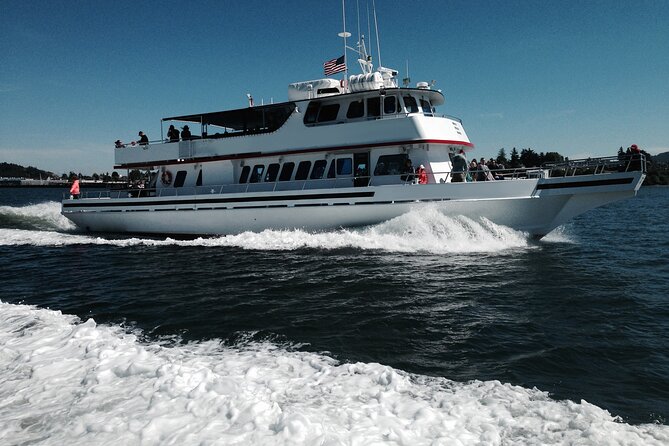
Transportation to Friday Harbor is not included. If you are coming from the mainland, you need to check the current Washington State Ferry timetable before booking the cruise.
The schedule changes seasonally and uses specific departure times. Give yourself a generous margin. A ferry delay, a long vehicle line, or a slow transfer through the terminal can put the entire excursion at risk.
If you are already staying on San Juan Island, getting to the departure point is much simpler. If you are trying to make this a day trip from Seattle, check every connection carefully before paying for the whale cruise. The four-hour boat ride may fit into a day, but the ferry schedule controls the day more than the cruise does.
You should also allow time to find the meeting point in Friday Harbor, especially if you are carrying food, cameras, or extra layers. The supplied tour price covers the cruise and port fees, not the journey to the island.
Bookings are often made well ahead of time, with the average reservation coming about 41 days before departure. That pattern makes sense for summer, when orca demand and ferry demand overlap. I would reserve early for July, August, and September, then check the ferry before finalizing the plan.
Who will enjoy this trip most
This outing works well for families, couples, solo visitors, and anyone who wants a serious wildlife experience without spending a full day at sea.
Children can enjoy it, and a three-year-old has enough room to move around while the naturalist explains the animals. For children under two, a harness carrier strapped to a parent is required, and the child must remain in the cabin. That rule is worth planning around before you arrive.
It is also a good fit for first-time whale watchers. You do not need specialist knowledge to enjoy the trip, and the crew explains what the animals are doing. If you care about photography, the walk-around deck gives you more chances to find a clear angle.
I would think twice if you dislike boat motion, cold air, or long periods of searching. The cabin offers shelter, but this remains a four-hour outing on open water. You should also reconsider if a missed-orca day would ruin your holiday.
Weather, cancellation, and practical rules
The trip requires suitable weather. If poor conditions cancel it, you can choose another date or receive a full refund. The same choice applies if the minimum number of people is not met.
You can cancel for a full refund up to 24 hours before the start time. Cancellations or changes made less than 24 hours ahead are not accepted for a refund, and cut-off times use local time.
Service animals are allowed, and most people can participate. The boat has a restroom, but food and drinks are not supplied. A mobile ticket is provided, and the activity is offered in English.
Should you book this Friday Harbor cruise?
I would book it if you can manage the ferry logistics and want a well-priced chance to see several kinds of marine life in a strong whale habitat. The heated cabin, open deck, small group, and active search effort give it a practical edge, while the naturalist commentary adds meaning to the wildlife you see.
I would not book it as a guaranteed orca photo session. Nature may give you a pod of 15 whales, a mother and calf, and an hour of close viewing. It may instead give you a humpback, a minke whale, seals, and bald eagles. Both are honest outcomes for a wild ocean trip.
For the best odds, aim for the April through October season, reserve early, dress warmly, bring food, and leave plenty of time for the ferry. If you can accept the uncertainty, this is a strong way to experience the San Juan Islands from the water.
FAQ
Where does the whale-watching cruise depart?
The cruise departs from Friday Harbor on San Juan Island in Washington.
How long does the tour last?
The cruise lasts approximately four hours.
How much does the tour cost?
The listed price is $135 per person.
Are orca sightings guaranteed?
No. Orcas are not guaranteed, although the area has a high sighting rate during peak season. Humpback, minke, and gray whales may also be seen.
When is the best time to look for orcas?
The southern resident killer whales live around the San Juan Islands for about six months of the year, generally from mid-April through October. Orcas can be active throughout the day.
What boat is used?
The tour uses the 55-foot MV Sea Lion, which has a heated, windowed cabin and a walk-around deck. The total number of people is limited to 40.
Is transportation to Friday Harbor included?
No. Transportation to and from Friday Harbor and San Juan Island is not included. Public transportation is listed at $17 per person, and ferry schedules change seasonally.
Can I cancel for a refund?
Yes. You can cancel at least 24 hours before the experience starts for a full refund. If poor weather or a failure to meet the minimum number of people cancels the trip, you can receive a full refund or choose another option.
Newly listed in the USA
- The Maui Butterfly Farm Tour★ 5.0 · 446 reviews
- NON BUS 4 Winery Traverse City Wine Tour on Old Mission Peninsula★ 5.0 · 445 reviews
- New England Aquarium Admission Ticket in Boston★ 4.0 · 446 reviews
- New Orleans City Tour and Steamboat Natchez Harbor Jazz Cruise★ 4.0 · 446 reviews
- Alpaca and Llama Farm Tour★ 5.0 · 446 reviews
- Small-Group Laura and Whitney Plantation Tour from New Orleans★ 4.5 · 446 reviews
- Dreaded Dead Descent of the District: DC Ghost Tour★ 4.0 · 446 reviews
- Cañon City: Royal Gorge Bridge & Park Entry Ticket & Gondola★ 4.5 · 448 reviews
Whale Watching, compared.
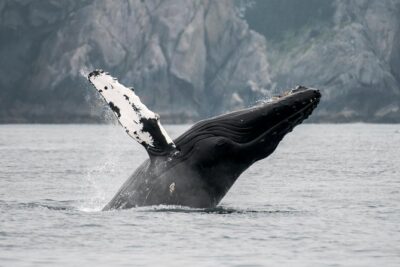
Juneau Wildlife Whale Watching & Mendenhall Glacier
Read our review →
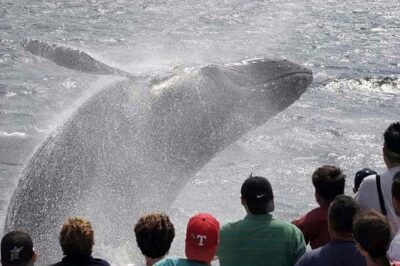
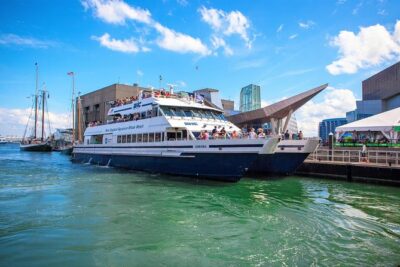
City Cruises Boston Whale Watching Cruise by High-Speed Boat
Read our review →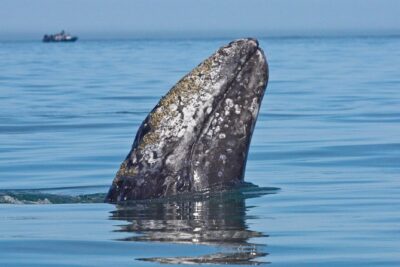
Whale Watching Trips to Stellwagen Bank Marine Sanctuary. Guaranteed sightings!
Read our review →Browse the lists this tour appears in