
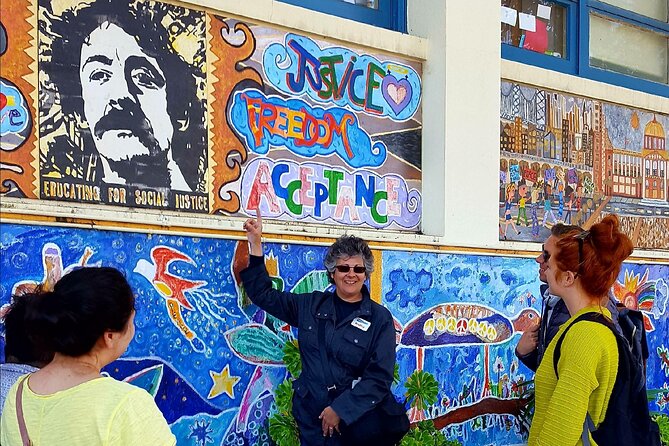
Reviewed · SAN FRANCISCO TOURS
San Francisco LGBTQ Walking Tour with Local Guide
The Castro is not just a neighborhood with rainbow flags and colorful storefronts. It is a place where political courage, loss, art, and ordinary daily life meet on the same few blocks. This walking tour brings that story to the pavement, from Harvey Milk’s former camera shop to memorials that mark the AIDS epidemic and the long fight for equal rights.
I like that the tour goes beyond the usual photo stops, with more than 20 sites tied to LGBTQ culture, civil rights, the Gold Rush, World War II, Harvey Milk, and later activism. I also like the guide’s local connection. Kathy has lived in the neighborhood for decades, and her personal stories give the walk a human scale. The main consideration is that this is a serious history tour as well as a pleasant stroll, so expect political discussion, grief, and difficult chapters alongside the humor and hope.
Key points to know before you book
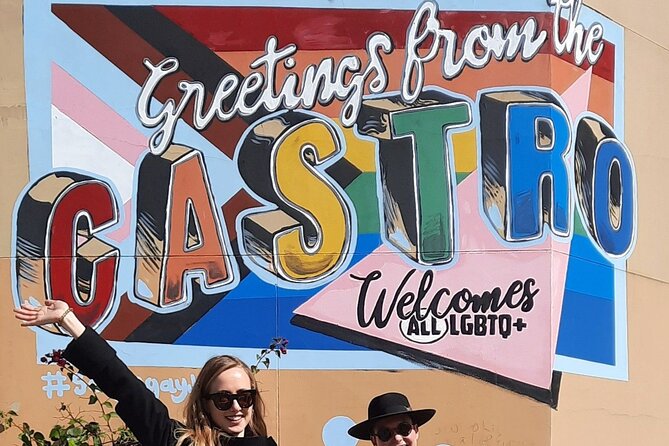
- A two-hour walk through the Castro: The route covers more than 20 historic places and returns to the starting point at 400 Castro Street.
- Harvey Milk is a central figure: You see his home, camera shop, campaign headquarters, and Harvey Milk Plaza.
- Memorials give the tour emotional weight: The Pink Triangle Memorial Park and the original AIDS Quilt Names Project site focus the story on lives lost and activism born from crisis.
- Kathy brings long local experience: She is described as a longtime resident, historian, and community activist, with a friendly and personal teaching style.
- A small-group format is possible: The stated maximum is two participants, though minimum numbers also apply.
- Plan for a morning outdoors: The tour starts at 10:00 a.m., operates in rain or shine, and requires you to arrange your own transport to and from the Castro.
Why the Castro is the right place to learn this story
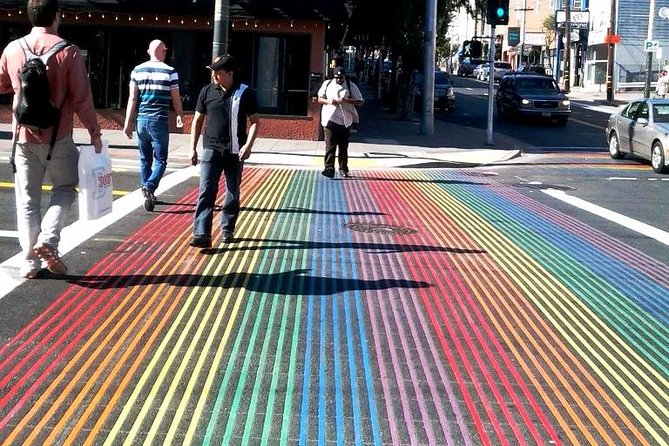
The value of this experience comes from its setting. You are not sitting in a museum hearing about distant events. You are walking along streets where Harvey Milk lived and worked, where political campaigns were organized, and where public memorials continue to shape the neighborhood.
That matters because LGBTQ history can feel too easily reduced to a few famous names and dates. In the Castro, the story is attached to buildings, sidewalks, storefronts, schools, parks, and public art. You can better understand how a community became a political force by seeing the places where people gathered and worked.
The tour also puts local history into a wider American setting. It addresses the lack of equal rights in employment, housing, and public accommodations, along with the organizing that challenged those limits. The tone is described as direct, funny, passionate, and sometimes political. That is a strength if you want more than a light sightseeing walk.
More walking tours around San Francisco:
- North Beach & Little Italy Walking Tour: Food, History & Flavor
★ 5.0 · 1,044 reviews - San Francisco Chinatown Walking Tour
★ 5.0 · 778 reviews - Chinatown Walking Tour: Food, History & Flavor
★ 5.0 · 575 reviews
Starting at 400 Castro Street
You meet the guide at 400 Castro Street at 10:00 a.m. The tour begins and ends at this same address, which makes the morning easy to plan around. There is no hotel pickup or drop-off, so you need to reach the Castro independently.
The neighborhood is served by public transportation, and the meeting point is near transit. Since the route is on public sidewalks, you can treat it as a city walk rather than a formal attraction visit. Admission is included in the tour price, and no separate entry ticket is listed for the places covered.
The tour lasts about two hours. That is enough time to cover a broad range of sites without turning the morning into an exhausting all-day outing. Still, wear comfortable shoes and expect to be outside for the full walk. The public walkways are wheelchair accessible, service animals are allowed, and most people can take part.
The listed group maximum is two people. That is unusually intimate for a scheduled city tour and could allow the guide to adjust the pace or answer personal questions. Minimum numbers also apply, however, so a confirmed booking can still be canceled if too few people sign up. In that case, you are offered another option or a full refund.
The Castro Theatre and the neighborhood’s name
One of the early points of interest is the Castro Theatre, known for its Spanish Colonial Baroque architecture. The building gives the walk an immediate sense of place. You are looking at a grand neighborhood landmark, not simply passing a modern commercial block.
The guide also explains how the district got its name. That detail may sound small, but it helps establish the Castro as a place with layers beyond its twentieth-century LGBTQ identity. The walk connects the neighborhood’s earlier development with the community and political movements that later made it internationally known.
Do not expect a long interior visit to the theater based on the supplied details. The emphasis is on seeing the building and understanding its place in the district. If you enjoy architecture, local naming stories, and the way public spaces become symbols, this part adds useful context before the tour turns more directly to activism.
Harvey Milk Plaza and the making of a movement
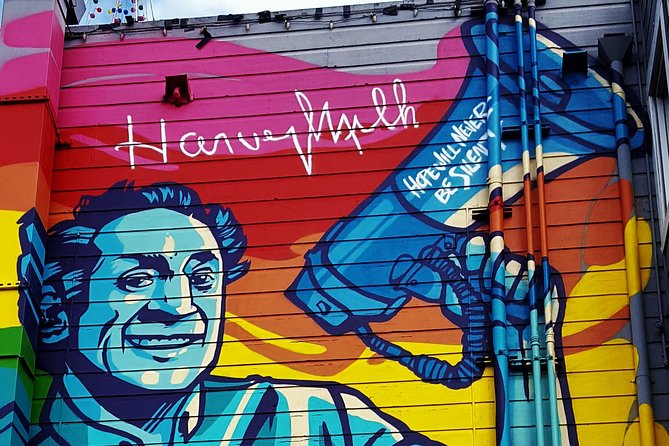
Harvey Milk Plaza is one of the most important stops. Here, the guide explains how Milk came to San Francisco and became the first openly gay man elected to public office in the United States. His work as a civil rights activist is central to the tour, and the nearby sites connected to his life make the story concrete.
The stop also covers the creation of the rainbow flag. That is a useful detail because the flag is now seen around the world, often separated from the political work and local struggles that gave it meaning. You get the origin story in the same neighborhood where the symbol became part of public life.
The tour then points out several places linked to Milk, including his home, his photo shop, and the headquarters used for his political activity. The current use of the camera shop location is also part of the story. It is now home to the Human Rights Campaign Action Center and Store.
That change in use shows how a site can carry several chapters at once. The address is tied to Milk’s work, but it also points toward current civil rights concerns. The guide discusses continuing inequality in employment, housing, and public accommodations, so the tour does not treat LGBTQ rights as a finished victory.
More to weigh up across San Francisco
- San Francisco: Alcatraz Ticket, Ferry, & Self-Guided App
★ 4.5 · 2,460 reviews - Golden Gate Bridge Guided Bicycle or E-Bike Tour from San Francisco to Sausalito
★ 5.0 · 679 reviews - From San Francisco: Guided Tour to Muir Woods and Sausalito
★ 4.5 · 599 reviews - From San Francisco: Guided Muir Woods Excursion
★ 4.6 · 504 reviews
The Rainbow Honor Walk on Castro sidewalks

The Rainbow Honor Walk Project adds a quieter layer to the route. Plaques in the sidewalk honor LGBTQ people from history, bringing names and achievements into the ordinary act of walking through the neighborhood.
This is one of the tour’s most useful features for people who already know the broad outline of LGBTQ history but want to meet more of the people who shaped it. You are not only hearing about one local politician. The plaques widen the frame and show that the movement includes artists, activists, writers, and other public figures.
The walk also makes the Castro feel like a living memorial rather than a place preserved only for the past. The plaques are part of the streetscape. You may find yourself noticing them again after the tour, when you are exploring on your own.
Pink Triangle Memorial Park and the AIDS Quilt site
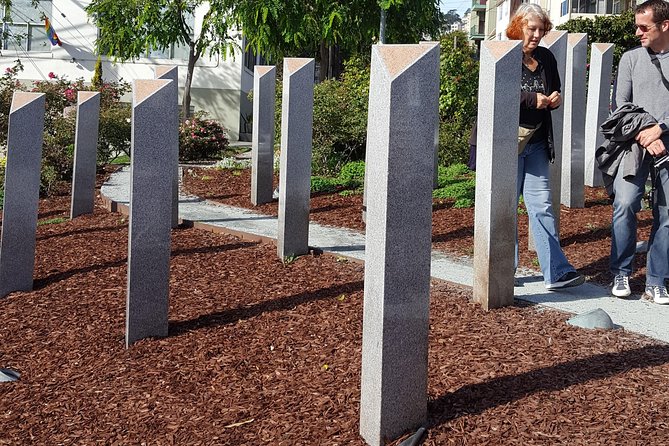
The Pink Triangle Memorial Park is a significant stop because it links the Castro to the persecution of gay people under Nazi rule. The memorial’s presence gives the tour a wider historical reach and reminds you that symbols and public memory can change meaning over time.
The original site of the AIDS Quilt Names Project brings the story closer to San Francisco’s own recent past. This section is likely to be moving, particularly for anyone with a personal connection to the AIDS epidemic or LGBTQ activism. The tour treats these places as part of a community story, not as isolated monuments.
The emotional shift is important. A walk focused only on famous buildings could make the Castro seem like a cheerful theme district. These memorials show the cost of discrimination, illness, and political inaction. They also explain why activism in the neighborhood has been so persistent.
The route may end near the ashes of one of the community’s activists, giving you a chance to pause and pay respects. That detail reflects the tour’s personal tone, but you should be prepared for a moment that is more reflective than entertaining.
The Human Rights Campaign Action Center and Store
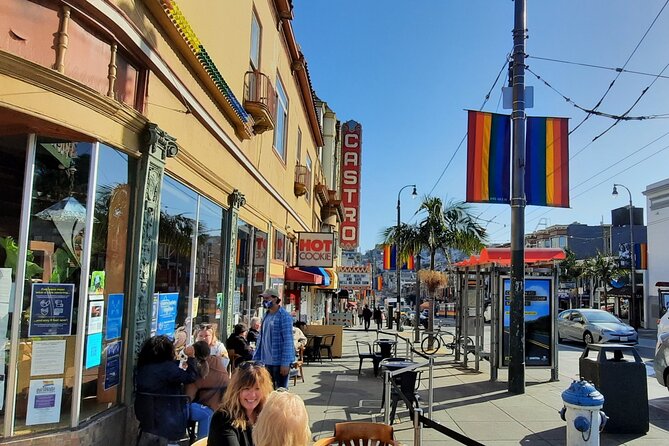
The Human Rights Campaign Action Center and Store occupies Harvey Milk’s original camera shop, residence, and campaign headquarters. You stop here for about 10 minutes, with no separate admission charge.
This is a compact stop, but it connects the neighborhood’s past to present-day organizing. The guide discusses unequal rights in practical terms, including work, housing, and public accommodations. Those subjects help you see why the tour frames the Castro as an ongoing center for activism rather than simply a historic district.
Because the stop is brief, the detail you receive will depend on the pace of the group and the guide’s presentation. Still, its location gives the conversation extra force. You are standing at a place where political work once happened while considering the issues that remain unsettled.
Kathy’s guiding style
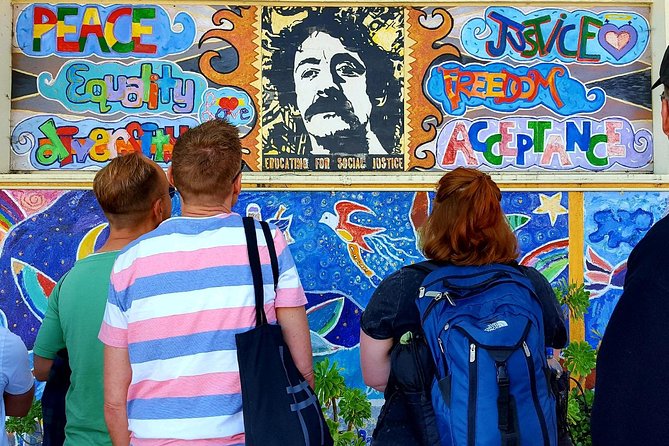
The strongest feature of the experience is the guide. Kathy is repeatedly described as funny, kind, passionate, and deeply connected to the neighborhood. She has lived in the Castro for decades and brings personal experience to the historical material.
That local perspective can change the feel of a walking tour. Dates and names matter, but firsthand familiarity helps explain how the neighborhood has changed, how public memorials fit into daily life, and why certain places carry special meaning. Kathy also makes an effort to get to know participants, which is especially useful if you are traveling alone.
The teaching style is not presented as neutral in the detached museum sense. Political issues are part of the tour because they shaped LGBTQ rights and continue to affect people’s lives. If you want a polished sightseeing script that avoids debate, this may not be your ideal outing. If you want a guide who connects history to present-day civic life, that directness is a major benefit.
The tour can also work well for families. A four-year-old was accommodated, and a teenager was described as staying engaged throughout the walk. That does not mean every child will enjoy two hours of social and political history, but the guide’s humor and storytelling can make difficult subjects approachable.
Is $40 a fair price?
At $40 per person, this is not the cheapest way to see the Castro. You can walk through the neighborhood on your own for free, photograph the Castro Theatre, and find public memorials without buying an organized tour.
The question is what you would miss without a guide. The tour covers more than 20 sites in two hours, explains how they connect, and adds context about Harvey Milk, the AIDS epidemic, the Rainbow Honor Walk, and the wider fight for civil rights. For a first visit, that can be a good use of money, especially if you prefer a clear route and a strong historical frame.
The value is also better if you are interested in LGBTQ history rather than general neighborhood sightseeing. You are paying for interpretation, local memory, and the chance to ask questions. A return visitor may find the tour worthwhile too, since the Castro changes over time and the guide can point out newer memorials and shifts in the community.
The small maximum of two participants could make the price especially attractive for a private-feeling experience, though you should note that the details also say minimum numbers apply. Confirm the group arrangement when booking if a very small group is important to you.
Practical details for a comfortable morning
The tour operates rain or shine, so check the forecast and dress for San Francisco’s changeable conditions. Since cancellation is generally non-refundable, weather planning matters. If the operator cancels because of poor weather or insufficient numbers, you are offered a different date or experience, or a full refund.
The route uses public walkways, which are wheelchair accessible. Service animals are permitted, and most people can participate. No special fitness requirement is stated, but this remains a two-hour walking tour, so comfortable footwear is sensible.
The start and finish at 400 Castro Street make it easy to continue exploring afterward. You can also use the tour as an introduction, then return to the places that caught your attention. Since the walk begins at 10:00 a.m., it fits neatly into a day of sightseeing without taking your entire afternoon.
The tour is offered in English only. Keep that in mind if you need another language or are booking for someone who is not comfortable following a two-hour historical discussion in English.
Who should book this Castro walk?
I would recommend it to first-time visitors who want the Castro explained rather than simply photographed. It is also a strong choice for LGBTQ visitors seeking local history, families with older children or teenagers, solo visitors who prefer company, and anyone interested in how community activism changes a city.
The tour suits people who like human stories, public memorials, and political context. It is less suitable if you want a purely architectural walk, a nightlife-focused outing, or a quick list of photo stops.
Allow yourself time after the tour to think about what you have seen. The most important parts are not all cheerful, and the walk works best when you give the memorials and personal stories the attention they deserve.
Should you book the San Francisco LGBTQ Walking Tour?
Book it if you want a focused, local account of the Castro’s LGBTQ past and present. The combination of more than 20 sites, Harvey Milk landmarks, memorials, and Kathy’s long connection to the neighborhood gives the two-hour route real substance.
The 4.9 out of 5 rating from 600 ratings and a 100 percent recommendation rate point to consistently strong satisfaction, but the more useful takeaway is what the experience emphasizes: personal storytelling, clear historical context, and an honest look at unfinished civil rights work.
At $40, it is best viewed as a guided history experience, not simple transportation around the neighborhood. If that sounds like your kind of morning, this is a thoughtful and worthwhile way to meet the Castro.
FAQ
How long is the San Francisco LGBTQ Walking Tour?
The walking tour lasts approximately two hours.
Where does the tour begin?
The tour begins at 400 Castro Street, San Francisco, California 94114.
Where does the tour end?
The tour ends at 400 Castro Street, the same location where it begins.
What time does the tour start?
The scheduled start time is 10:00 a.m.
What language is the tour offered in?
The tour is offered in English.
What is included in the price?
A local guide is included. Hotel pickup and drop-off are not included.
Does the tour visit Harvey Milk’s former locations?
Yes. The route includes Harvey Milk’s home, camera shop, and campaign headquarters, along with Harvey Milk Plaza.
Which memorials are included?
The tour visits the Pink Triangle Memorial Park, the Rainbow Honor Walk Project, and the original site of the AIDS Quilt Names Project.
Is the tour wheelchair accessible?
The public walkways used on the tour are wheelchair accessible.
What happens if the tour is canceled?
If poor weather causes cancellation, you are offered a different date or a full refund. If minimum numbers are not met, you are offered a different date or experience, or a full refund.
Newly listed in San Francisco
- San Francisco: Golden Gate Bridge Catamaran Cruise★ 4.9 · 499 reviews
- From San Francisco: Guided Muir Woods Excursion★ 4.6 · 504 reviews
- Inside Alcatraz Tour Including Fisherman’s Wharf Lunch Credit★ 4.0 · 505 reviews
- From San Francisco: Napa & Sonoma Valley Full-Day Wine Tour★ 4.5 · 513 reviews
- Muir Woods and Sausalito Tour Plus Bay Cruise★ 4.0 · 514 reviews
- San Francisco: Muir Woods & Sausalito Tour with Ferry Option★ 4.5 · 515 reviews
- San Francisco: Golden Gate Bridge to Sausalito Cycling Tour★ 4.7 · 541 reviews
- San Francisco: Small-Group City Tour by Vintage VW Bus★ 4.9 · 549 reviews
San Francisco Tours, compared.
Muir Woods and Sausalito (Return by Bus or Ferry)
Read our review →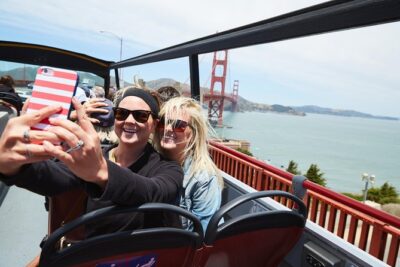
Big Bus SF: Hop-on Hop-off Tour with 17 Stops and Sunset Option
Read our review →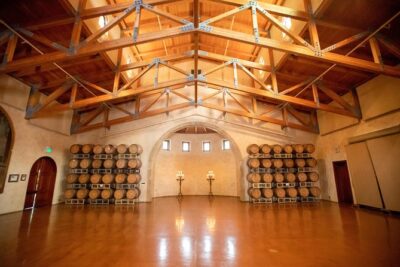
Napa and Sonoma Wine Country Full-Day Tour from San Francisco
Read our review →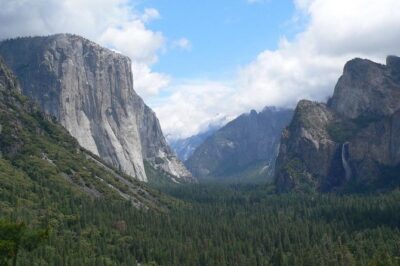
Small Group Yosemite and Giant Sequoias Day Trip from San Francisco
Read our review →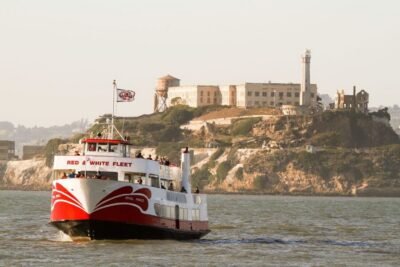
Hop-On Hop-Off Sightseeing Tour with 17 Stops
Read our review →
Yosemite Highlights & Giant Sequoias Day Tour from San Francisco
Read our review →
San Francisco Super Saver: Muir Woods & Wine Country w/ optional Gourmet Lunch
Read our review →Browse the lists this tour appears in