
Reviewed · SAN FRANCISCO TOURS
Chinatown Walking Tour: Food, History & Flavor
San Francisco’s Chinatown is easy to visit and surprisingly easy to misunderstand. This three-hour walk takes you past the tourist signs and into working streets, food shops, tea rooms, markets, and narrow passageways. The food comes in several tastings, adding up to a traditional Chinese lunch, while guides such as Ryan, Andre, Scott, and Isabella supply the stories that give the neighborhood its meaning.
I especially like two things here. First, the small group of 15 or fewer lets you ask questions and keep up with the guide without feeling herded along. Second, the mix of dim sum, tea, fortune cookies, and market stops gives you more than a restaurant meal: you see how Chinatown shops, eats, and shops for food.
The main consideration is the balance between food and history. This is not a nonstop eating tour. Several strong reviews found the history to be the main attraction, while one visitor wanted more food and less commentary. Add some hills, possible lines at the fortune cookie factory, and the no-nut-allergy rule, and you have a tour worth choosing for the full picture, not just the snacks.
Key points at a glance

- Start at Dragon Gate: Enter Chinatown through the neighborhood’s best-known landmark at 400 Grant Avenue.
- Food adds up to lunch: Tastings can include dim sum, BBQ pork buns, Chinese pastries, Peking duck, noodles, tea, and other local specialties.
- The tea stop is a highlight: Vital Tea Leaf offers a traditional tasting and a lively presentation.
- Small group format: The maximum is 15 people, a useful size for questions and street-level viewing.
- Expect some uphill walking: The route is manageable for most people, but Chinatown is not flat.
- Best for history and food together: The guide’s stories are as important as the tastings.
Starting at Dragon Gate on Grant Avenue
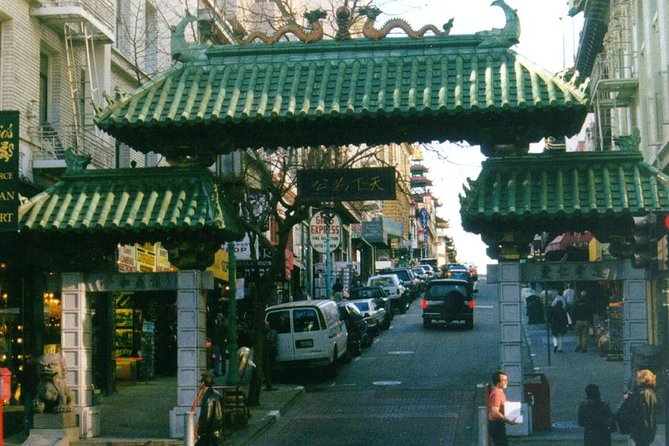
The meeting point is 400 Grant Avenue, near Dragon Gate. This is a sensible place to begin. The gate gives you a clear visual marker, and it sets up the central idea of the tour: Chinatown is not simply a collection of restaurants. It is a neighborhood shaped by immigration, exclusion, resilience, family businesses, and daily routines.
From here, your guide leads you through Grant Avenue and into smaller streets and passageways. The route is designed to show you places you could easily pass on your own without knowing what you were seeing. That can mean a storefront with a long local connection, a side street with a useful bit of neighborhood history, or a food business that makes more sense once someone explains its role.
The guides appear to be one of the tour’s strongest assets. Ryan is often praised for mixing humor with historical facts. Andre brings personal knowledge of shopping and eating in Chinatown. Scott is especially good at connecting local history with pop culture and keeping a group involved with questions. Isabella and Brian are also noted for clear, friendly explanations.
The guide can make a big difference here. Chinatown’s streets are compact, but the amount of information packed into them is considerable. I would not choose this walk expecting a silent march from one snack to the next. You will hear about the neighborhood’s Gold Rush beginnings, its Chinese immigrant communities, and its place in San Francisco today.
More to weigh up across San Francisco
- North Beach & Little Italy Walking Tour: Food, History & Flavor
★ 5.0 · 1,044 reviews - San Francisco Authentic Food Tour with 5 Locals Favorites Dishes
★ 5.0 · 852 reviews - Little Havana Food and Walking Tour in Miami
★ 5.0 · 8,882 reviews
Dim sum, pork buns, and the first tastings
The food begins as a series of stops rather than one formal sit-down meal. That format works well in Chinatown because it lets you sample several specialties without ordering a large plate of everything yourself.
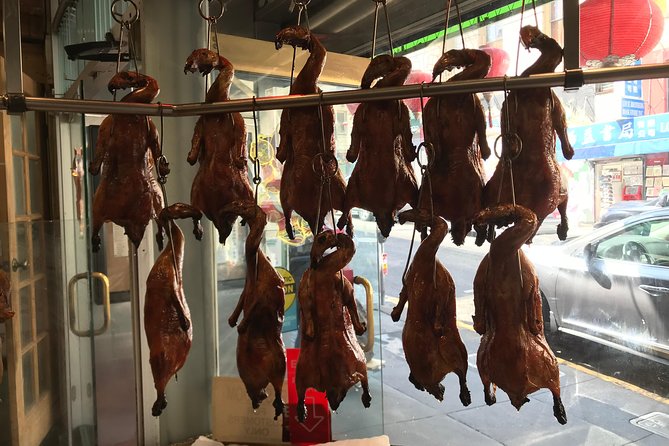
Possible tastings include BBQ pork buns, dim sum, onion pancakes, Shanghai dumplings, potstickers, shrimp dumplings, sesame balls, rice cakes, Chinese pastries, noodles, and Peking duck. The exact selection can vary, but the stated aim is a full lunch spread. One especially memorable item for some groups is an onion and pork bun served early in the walk.
There is a practical advantage to this arrangement. You get to taste food from more than one Chinatown business and learn what each item is while it is in front of you. If you do not recognize sui mai, a rice cake, or a filled bun, the guide can explain what you are eating instead of leaving you to guess from a menu.
The food quality may not be perfectly even at every stop. Some tastings are likely to be more memorable than others, and one detailed assessment found the noodles and tea experience stronger than several other food samples. That is worth knowing if your priority is finding the very best meal in Chinatown. For that goal, a self-guided food crawl may give you more control.
For a first visit, though, the variety has value. You avoid ordering too much of one dish, and you gain a practical introduction to foods you might want to seek out later. Come hungry, but do not expect every bite to be a personal favorite.
The oldest dim sum stop and the value of context
The route includes a visit connected with one of Chinatown’s oldest dim sum restaurants. The appeal is not only the food. Older eateries help you see how the neighborhood’s food traditions have survived through changing regulations, generations, and tourist demand.
A guide can also explain the difference between eating in Chinatown as a visitor and shopping or eating there as a local. That context matters. You are not just being pointed toward a famous storefront. You are hearing why a particular kind of bun, dumpling, tea, or pastry belongs in the neighborhood’s daily rhythm.
The tour’s strongest reviews praise this combination of good food and clear storytelling. People looking mainly for historical background often seem happiest with the experience. If you enjoy asking how a dish connects to migration, family businesses, or local custom, this is where the tour earns much of its price.
The pace is generally described as steady and manageable. One note mentioned a slower start, so do not expect the tour to hit full speed the moment you arrive. That gentle beginning may suit you if you want time to orient yourself, though hungry food hunters might wish the first tasting came sooner.
The Golden Gate Fortune Cookie Factory
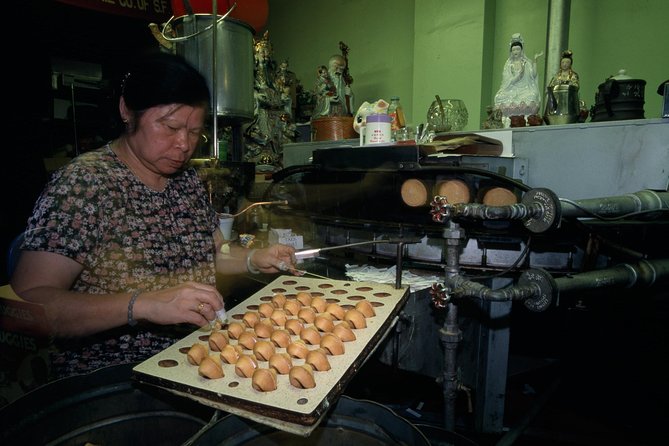
The Golden Gate Fortune Cookie Factory is one of the most distinctive stops. Here you can watch fortune cookies being made and sample them fresh. It is a small-scale production experience, not a grand museum, which is part of its charm.
Fortune cookies are closely linked with American Chinese dining, and seeing them produced adds a useful twist to the usual Chinatown visit. You get a quick lesson in how a familiar restaurant item is made, along with a fresh taste that differs from a packaged cookie.
There is one important catch: the factory can become crowded. On a particularly busy day, long lines may force the group to skip the stop so the rest of the three-hour route does not collapse. If the factory is a must-see for you, understand that it is included in the planned route but may not always be possible under busy conditions.
That uncertainty is not a reason to reject the tour, but it is a reason to set expectations correctly. The experience has several food and culture stops, so missing one does not remove the whole value of the walk.
A different kind of day, same corner of the map:
- Muir Woods and Sausalito (Return by Bus or Ferry)
★ 4.5 · 5,098 reviews - Big Bus SF: Hop-on Hop-off Tour with 17 Stops and Sunset Option
★ 4.0 · 4,539 reviews - Napa and Sonoma Wine Country Full-Day Tour from San Francisco
★ 4.5 · 4,455 reviews - Small Group Yosemite and Giant Sequoias Day Trip from San Francisco
★ 5.0 · 3,671 reviews
Stockton Street markets and Chinatown’s daily life
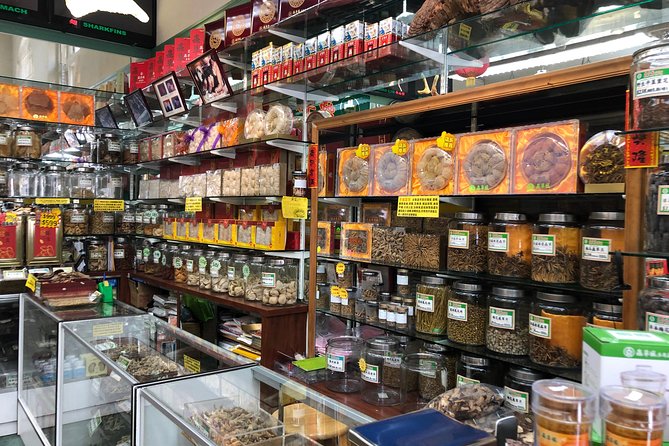
Grant Avenue is the familiar face of Chinatown. Stockton Street gives you a different view. The market area is where local shoppers buy produce, herbs, and other ingredients, and it feels more connected to ordinary neighborhood life.
This is one of my favorite parts of the route in principle because markets show you what a community cooks, values, and buys week after week. You might see unfamiliar herbs, unusual produce, dried goods, and delicacies that rarely appear in a standard supermarket. The guide can explain what you are looking at and how these products fit into Chinese cooking.
The market stop also keeps the tour from becoming a string of prepared-food samples. You see ingredients before they become lunch. That makes the food tastings more useful because you begin to recognize the shopping culture behind the dishes.
Markets can be crowded and active, so stay close to the group and listen for meeting instructions. This is a walking tour through functioning streets, not a closed attraction with a fixed path.
Tea at Vital Tea Leaf
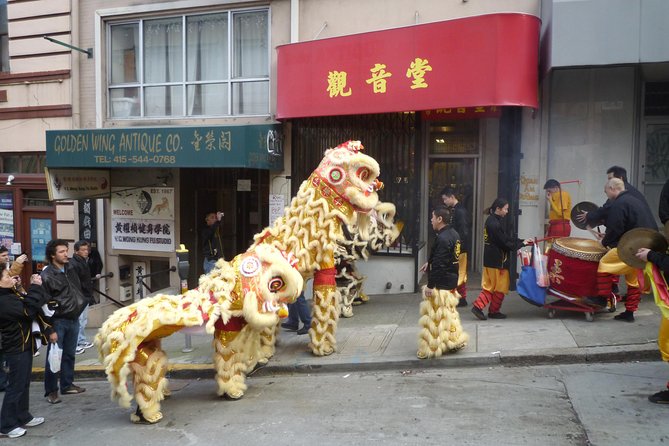
The tea tasting is repeatedly singled out as a favorite stop, and it is easy to see why. A family-run tea shop offers a chance to slow down, sample different varieties, and learn about Chinese tea customs.
This is more than a quick cup at the end of lunch. The presentation gives you a way to compare flavors and understand why tea occupies such an important place in Chinese social life. The host at Vital Tea Leaf is known for a lively sense of humor, which helps keep the tasting from feeling formal or stiff.
Scott’s noodles, served off-menu at the tea shop, are also mentioned as a memorable part of the food program. That detail tells you something useful about the tour: the best moments may come from personal connections and local relationships rather than the most obvious tourist attractions.
Tea is also the stop that can appeal to people who are less interested in dumplings or buns. If someone in your group is not a serious food enthusiast, the history and tea presentation provide another reason to enjoy the afternoon.
How much food do you receive for $86?
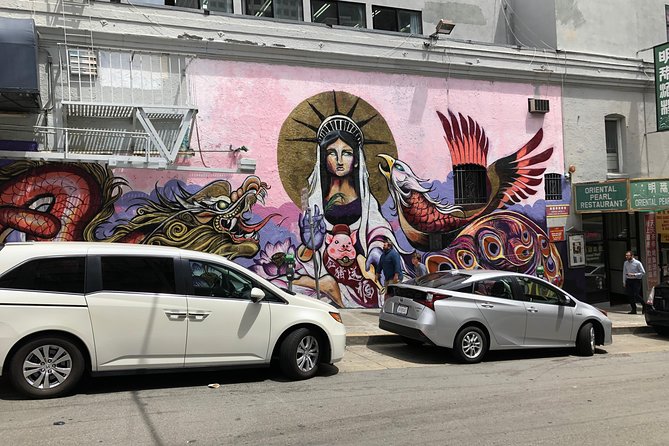
At $86 per person, this is not a cheap way to grab lunch. You are paying for food, a three-hour guided walk, access to a small group, and the time and knowledge needed to connect the stops into a coherent experience.
The value depends on what you would otherwise do. If you would buy several small dishes, pay for tea, visit the fortune cookie factory, and spend hours researching Chinatown’s history, the package can make good sense. It also removes the guesswork of ordering unfamiliar foods and finding worthwhile stops.
If you already know Chinatown well, speak some Chinese, or mainly want one excellent meal, $86 may feel high. A self-guided visit lets you spend the full budget at the restaurants and bakeries you choose. You also have more freedom to linger at the markets or skip the historical explanations.
I would judge the price as fair for a first-time visitor who wants both lunch and orientation. The strongest value is not the total number of bites. It is the way the tastings, streets, markets, and stories fit together.
Hills, timing, and group size
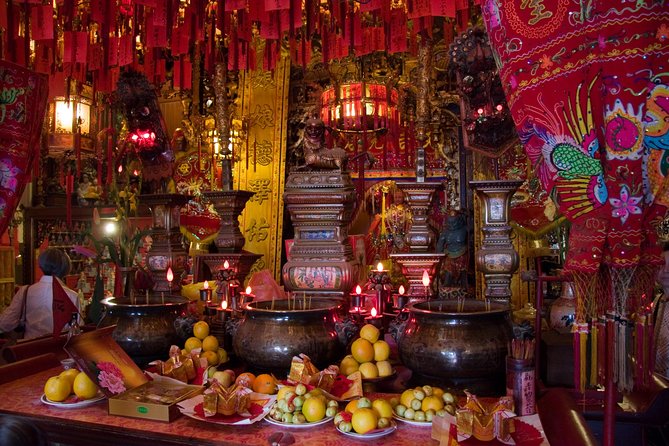
The tour lasts about three hours and ends at 650 Jackson Street. Since it is a point-to-point walk, you should think about what you want to do afterward. The end location is still in Chinatown, so you can continue exploring, but it is not the same place as the start.
Chinatown includes hills. The route is not described as a strenuous hike, and one account noted only a short block or so of climbing, but you should wear comfortable shoes and expect uneven city walking. The pace is usually steady, with time to recover between food stops.
A group limit of 15 is a real advantage. Large food tours can turn a narrow sidewalk into a traffic problem, and it is harder to hear a guide at a busy market. With 15 or fewer people, you have a better chance to ask about ingredients, history, or places to eat later.
The tour is offered in English and uses a mobile ticket. It is near public transportation, and most people can take part. Service animals are allowed. Anyone with a nut allergy should not book, since the operator cannot accommodate nut allergies.
Children and young people can join, but each youth or child registration must be paired with an adult registration. That rule is worth checking before you book a family group.
Who should book this Chinatown walk?
I would recommend it most strongly to first-time San Francisco visitors, curious eaters, families with older children, and anyone who wants a useful introduction before exploring Chinatown alone. A 16-year-old can enjoy it, especially if the guide keeps the stories lively and the food varied.
It is also a good choice for solo visitors. The small group gives you company without the formality of a large coach tour, and the food is shared across several stops.
History fans may get the most from the experience. The tour explains Chinatown’s Gold Rush origins, immigration, resilience, and current character while showing you the places where those stories continue. Food-focused visitors should book only if they also enjoy context and walking.
People with nut allergies should skip it. People who dislike hills or cannot walk for three hours should also consider a different activity. And if you need a guaranteed visit to the fortune cookie factory, remember that crowds may interfere.
Free cancellation is available up to 24 hours before the start time for a full refund. Cancellations or changes made inside that window are not refunded or accepted, and the tour may be rescheduled or refunded if its minimum group size is not met.
Should you book it?
Book this tour if you want Chinatown explained as a living neighborhood, with enough food to make a proper lunch and enough time to ask questions. The guides, especially Ryan, Andre, Scott, and Isabella, receive strong praise for making the history clear, personal, and fun.
Skip it if you want a pure restaurant crawl or the freedom to choose every dish yourself. At $86, the value comes from the guided route and the stories as much as from the food. For a first Chinatown visit, that combination makes the tour a useful and enjoyable introduction.
FAQ
Where does the Chinatown walking tour begin?
The tour begins at 400 Grant Avenue, San Francisco, near the Dragon Gate.
Where does the tour end?
The tour ends at 650 Jackson Street in San Francisco’s Chinatown.
How long does the tour last?
The walk lasts approximately three hours.
How much does the tour cost?
The listed price is $86 per person.
What food is included?
The tastings can include dim sum, BBQ pork buns, Chinese pastries, noodles, Peking duck, tea, fortune cookies, and other Chinatown specialties. The tastings are intended to add up to lunch.
Is tea included?
Yes. The tour includes a tea tasting, with the route visiting Vital Tea Leaf.
Does the tour visit the fortune cookie factory?
The planned route includes the Golden Gate Fortune Cookie Factory, where you can see and sample fresh fortune cookies. Long lines may occasionally prevent the group from visiting.
How large is the group?
The tour has a maximum of 15 travelers.
Can people with nut allergies join?
No. The operator states that it cannot accommodate nut allergies.
More Walking Tours in San Francisco
- San Francisco Chinatown Walking Tour
★ 5.0 · 778 reviews - San Francisco LGBTQ Walking Tour with Local Guide
★ 5.0 · 600 reviews - New Orleans Premier Ghost, Voodoo and Vampire Walking Tour
★ 4.5 · 12,856 reviews - Chicago: Gangsters and Ghosts Walking Tour
★ 5.0 · 7,155 reviews
More Historic Sites in San Francisco
- Chinatown & North BeachLittle Italy: 7 Tastings & History
★ 5.0 · 1,070 reviews - New York City: American Museum of Natural History Ticket
★ 4.5 · 15,447 reviews - History and Hauntings of Salem Guided Walking Tour
★ 5.0 · 14,564 reviews - Charleston’s Old South Carriage Historic Horse & Carriage Tour
★ 5.0 · 10,023 reviews
Newly listed in San Francisco
- San Francisco: Golden Gate Bridge Catamaran Cruise★ 4.9 · 499 reviews
- From San Francisco: Guided Muir Woods Excursion★ 4.6 · 504 reviews
- Inside Alcatraz Tour Including Fisherman’s Wharf Lunch Credit★ 4.0 · 505 reviews
- From San Francisco: Napa & Sonoma Valley Full-Day Wine Tour★ 4.5 · 513 reviews
- Muir Woods and Sausalito Tour Plus Bay Cruise★ 4.0 · 514 reviews
- San Francisco: Muir Woods & Sausalito Tour with Ferry Option★ 4.5 · 515 reviews
- San Francisco: Golden Gate Bridge to Sausalito Cycling Tour★ 4.7 · 541 reviews
- San Francisco: Small-Group City Tour by Vintage VW Bus★ 4.9 · 549 reviews
San Francisco Tours, compared.
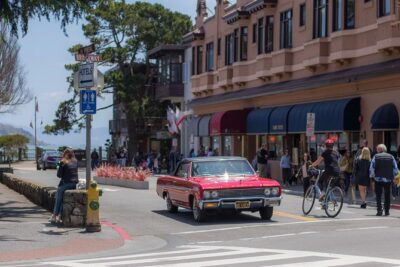
Muir Woods and Sausalito (Return by Bus or Ferry)
Read our review →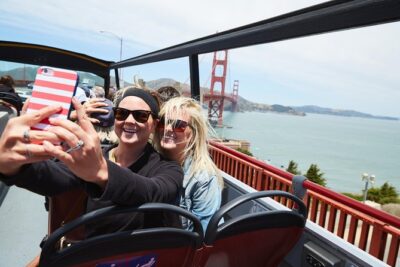
Big Bus SF: Hop-on Hop-off Tour with 17 Stops and Sunset Option
Read our review →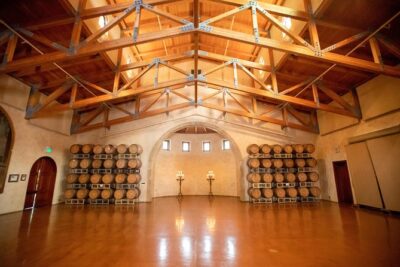
Napa and Sonoma Wine Country Full-Day Tour from San Francisco
Read our review →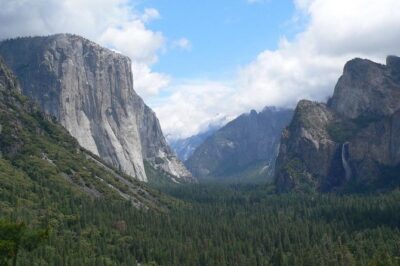
Small Group Yosemite and Giant Sequoias Day Trip from San Francisco
Read our review →
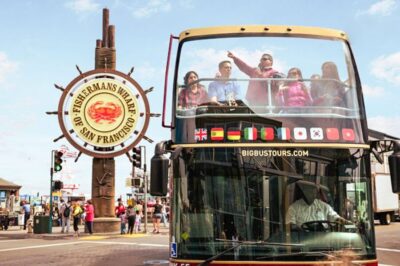
Hop-On Hop-Off Sightseeing Tour with 17 Stops
Read our review →
Yosemite Highlights & Giant Sequoias Day Tour from San Francisco
Read our review →
San Francisco Super Saver: Muir Woods & Wine Country w/ optional Gourmet Lunch
Read our review →Browse the lists this tour appears in