
Reviewed · PAGE TOURS
Lower Antelope Canyon Admission Ticket
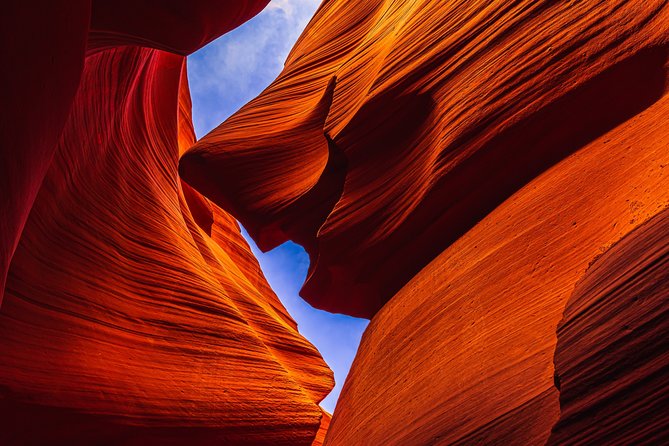
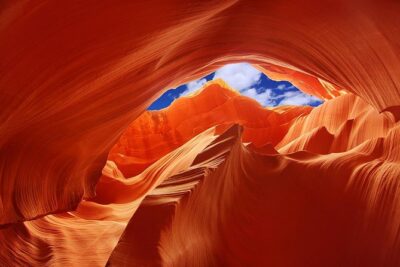
Lower Antelope Canyon is a twisting sandstone passage where water has carved waves, fins, and strange faces into the rock. You walk about 1,335 feet through the canyon, using steep stairs and ladders while a Navajo guide points out shapes, explains the site’s history, and helps you find the best photo angles.
I like the small groups of up to 15 people and the guides’ practical photography help. Guides including Joanne, Carson, Lamor, Myron, and Vanessa have been praised for taking group photos and explaining phone settings. The catch is physical: tight spaces, uneven ground, and steep changes in height can be hard for anyone with mobility limits, claustrophobia, or a fear of heights.
Key points to know before you book
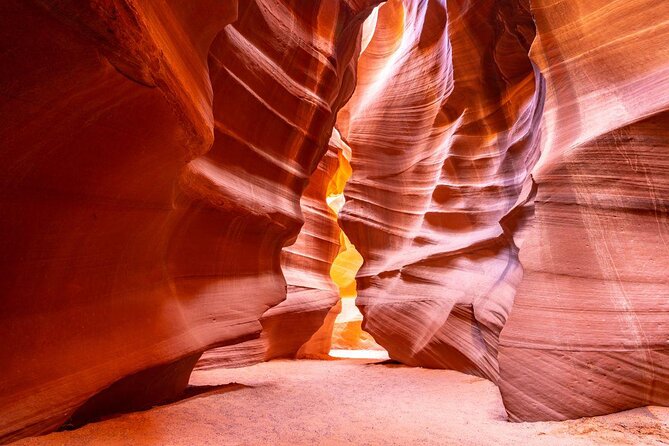
- Lower Canyon means ladders and narrow passages: This is the more physically demanding Antelope Canyon option, with steep stairs and tight spaces.
- Navajo guides lead the walk: You get local cultural context along with explanations of the canyon’s geology.
- Phone photography is part of the fun: Guides can suggest angles, poses, and camera settings, then take photos for you.
- The walk covers about 1,335 feet: The visit lasts about 90 minutes, including the organized entry and canyon walk.
- You must arrive 30 minutes early: The listed start time is the departure time, and late arrivals can lose the full ticket price.
- Bring no bag into the canyon: Backpacks, purses, camera bags, tripods, selfie sticks, GoPros, drones, and camcorders are prohibited.
Entering Lower Antelope Canyon near Page
Lower Antelope Canyon is outside Page, Arizona, along Highway 98. You drive yourself to the check-in area, park there, and complete the final check-in with the local Navajo tour staff.
This is not a hotel pickup outing. Your ticket covers the guided canyon admission, but getting to the site is your responsibility. Plan to arrive at least 30 minutes before your assigned departure. The schedule runs in organized groups, and the tour must leave on time.
The arrival routine is simple, but one detail deserves attention: several companies operate at the Lower Antelope Canyon area. Make sure your confirmation clearly identifies the correct check-in company and building. If your booking information is vague, contact the seller before travel rather than trying to sort it out at the last minute.
You can use the restroom at the meeting area before and after the walk. There are no restrooms inside the canyon.
More to weigh up across Page
- Page: Lower Antelope Canyon Entry and Navajo Guided Tour
★ 4.7 · 7,801 reviews - Lower Antelope Canyon Hiking Tour
★ 5.0 · 6,216 reviews - Page: Antelope Canyon X Guided Tour
★ 4.6 · 4,034 reviews
What the 90-minute visit is really like
After parking, leave behind everything that is not allowed inside. You then wait for your group to be called and walk with your Navajo guide toward the canyon entrance.
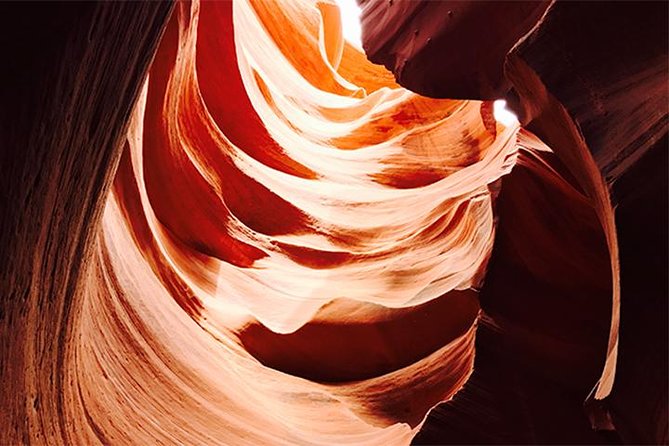
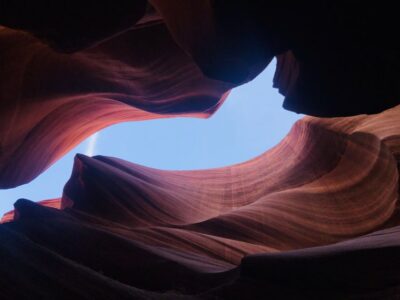
The route itself is about 1,335 feet inside Lower Antelope Canyon. The canyon is narrower than Upper Antelope Canyon and is often called Corkscrew Canyon because of its twisting form and stair access. Its walls can shift from V-shaped to A-shaped and parallel sections, so the view changes constantly as you move.
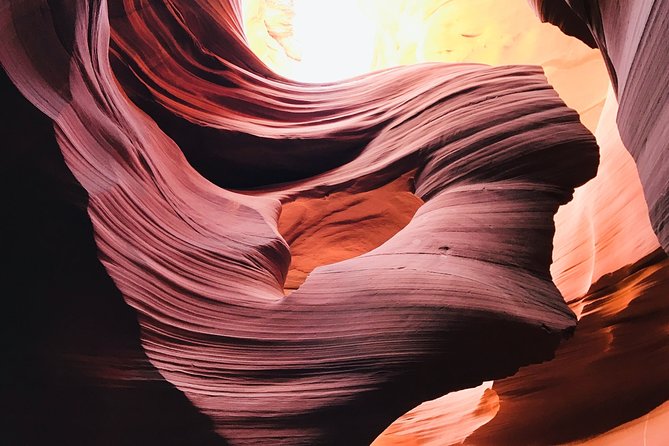
The first thing you notice is the scale. This is not a broad overlook where you admire the canyon from a distance. You are moving between sculpted walls, sometimes close enough to study every ripple in the sandstone. Water and wind have shaped the rock into flowing bands, hollows, fins, and recognizable forms.
Your guide keeps the group moving, since several groups may be using the canyon route. Still, the better guides make room for photographs and short pauses. Carson, Joanne, Lamor, Myron, and Vanessa are among the guides praised for answering questions, explaining cultural details, and helping people capture the canyon properly.
The pace can vary. Some visitors find the walk a little fast, particularly when they want more time in a favorite chamber. The route is also shared with other groups, so this is not a private photography session. If you want a quiet, unhurried visit, set your expectations accordingly. You are taking a guided walk through a carefully managed natural site, not wandering alone.
The Navajo guide adds more than directions
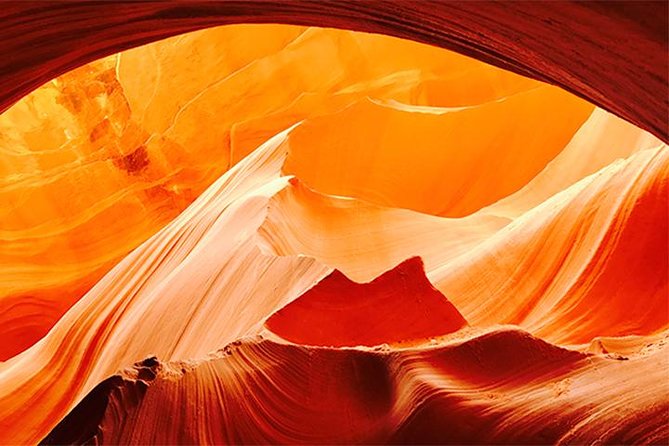
A good guide does more than point out the next stair. The guides explain how water shaped the canyon and share information about Navajo culture and the importance of the site.
You might hear local names for formations that resemble a smiling shark, a lion’s head, an elephant, or a woman in the wind. These details give your eyes something to look for, but the rock shapes remain personal. One person sees a face, while another sees a wave or a bird.
The cultural perspective matters because Lower Antelope Canyon is not simply a pretty photo stop. It is part of Navajo land, and access is managed through the Navajo Nation. The permit fee supports that connection between the land, its caretakers, and the guided experience.
Guide quality can shape the day. The strongest examples from this tour include Joanne taking several photos for each person, Carson answering questions without rushing, and Lamor showing visitors how to use different phone settings. Myron was also praised for finding strong angles and suggesting camera adjustments.
That help is especially useful because the canyon’s light can fool a phone camera. A guide familiar with the route can point out where the sandstone curves, where a person should stand, and how to frame the walls. Bring your phone or permitted camera, but leave extra accessories in the car.
Why the photography help is worth noting
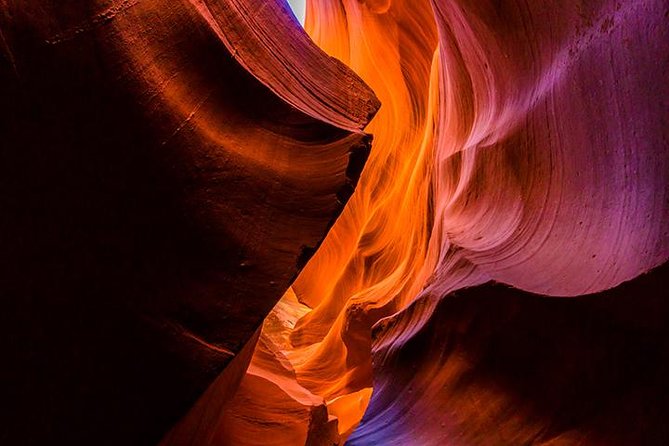
Lower Antelope Canyon is highly photogenic, but it is easy to take ordinary pictures in an extraordinary place. The walls are tall, the spaces can be dim, and the best composition is not always obvious from eye level.
Guides often help by:
- Pointing out the strongest angles in each section
- Suggesting poses and places to stand
- Taking pictures for couples, families, or friends
- Recommending useful phone-camera settings
- Calling attention to shapes in the rock
This service is not guaranteed to be identical with every guide. One person may take many photos, while another may focus more on moving the group and sharing information. A single low rating specifically criticized the amount and quality of photo help compared with another group. That is a fair reminder that the guide makes a difference.
You should also remember that photography equipment is restricted. No tripods, monopods, selfie sticks, camera bags, GoPros, drones, or camcorders are allowed in the canyon. A phone or small permitted camera is the practical choice.
A different kind of day, same corner of the map:
- Page: Lower Antelope Canyon Tour with Trained Navajo Guide
★ 4.7 · 2,552 reviews - Page: Upper Antelope Canyon Entry Ticket and Guided Tour
★ 4.5 · 2,406 reviews - Las Vegas: Antelope Canyon Horseshoe Bend Tour & Lake Powell
★ 4.7 · 2,307 reviews - Upper Antelope Canyon Tour-AACT
★ 4.5 · 2,005 reviews
The physical demands: stairs, sand, and tight spaces
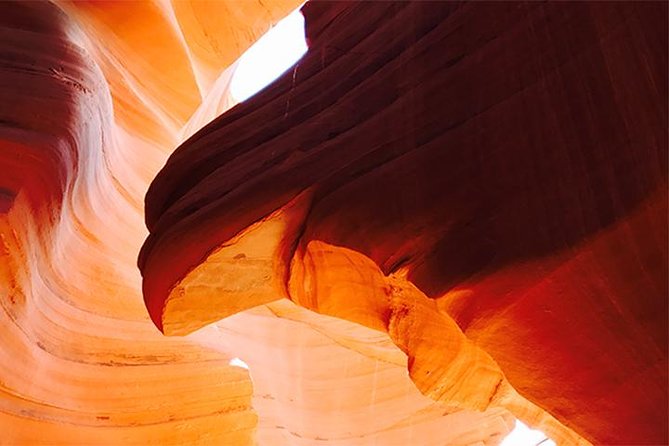
The canyon requires a moderate level of fitness. You must walk without assistance over uneven surfaces and manage steep inclines, declines, stairs, and ladders.
The route is not described as a long hike, but the stairs make it more demanding than the distance suggests. You may need to climb into and through the canyon, then handle uneven ground and elevation changes along the way. Wear sturdy, closed-toe shoes suitable for sand, dirt, and dust.
This is a poor match for anyone who cannot manage moderate stairs with minimal help. It can also be uncomfortable for people with significant back or joint problems. One person with artificial joints and back issues completed the route with help and regular preparation, but that should not be read as a promise that the route will be easy.
Claustrophobia and a fear of heights deserve serious thought. Lower Antelope Canyon has narrow sections and exposed stair movement. If you know that tight passages or ladders cause panic, look carefully at photographs and tour descriptions before paying. You may find Upper Antelope Canyon a better fit, though this ticket does not include that option.
Pets and service animals are not allowed on the tour. Open-toed shoes, sandals, high heels, and umbrellas are also prohibited.
What to wear and carry
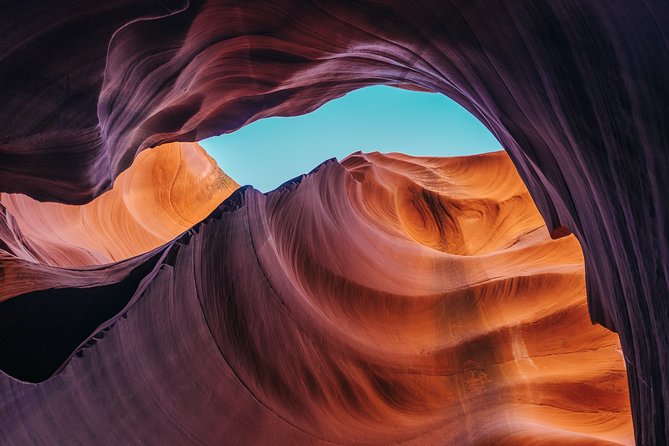
Dress for an outdoor setting rather than an indoor attraction. Long sleeves and layers can help with sun, sand, and changing conditions. A hat, bandana, sunglasses, and sunscreen are useful before and after the canyon walk.
Wear boots or another sturdy closed-toe shoe. Sand and dust are part of the setting, so avoid footwear you cannot comfortably get dirty.
The bag rule is strict: no purses, backpacks, or bags of any kind inside the canyon. Leave them in your locked vehicle. The same applies to camera bags and larger filming equipment.
Because you cannot carry a water bottle or personal bag inside, prepare before check-in and use the restroom first. The supplied information does not specify a storage service, so do not assume that staff will hold personal belongings for you.
Price, group size, and overall value
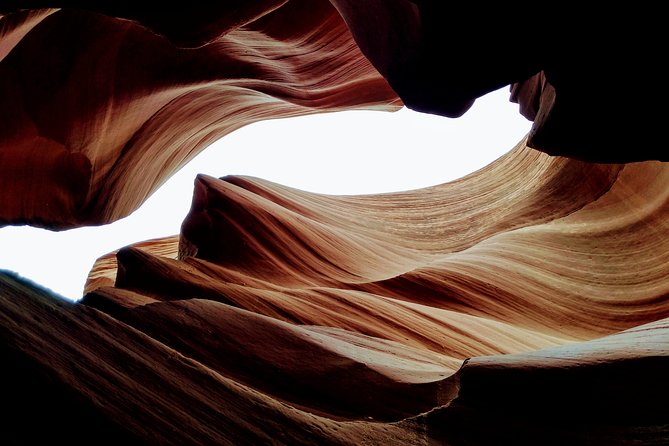
The listed price is $78 per person. For that amount, you receive admission to the guided Lower Antelope Canyon tour and the Navajo Nation permit fee according to the included-items section.
There is an important pricing inconsistency in the supplied booking information. The FAQ says the permit fee is an additional $8 per person, paid in cash on arrival, and notes that the amount can change. Confirm this point before booking so you know if the $78 price is the final amount or if cash will be needed at check-in.
The value depends on what you want from the visit. If you only want to see the canyon, the price may feel high for a roughly 90-minute activity. You are paying for controlled access, a Navajo-led visit, site management, and the chance to walk through one of Page’s major attractions.
The ticket also removes the risk of arriving in Page and finding the desired time unavailable. This experience is often booked about 32 days ahead, so last-minute planning can be risky during busy periods. Booking ahead is sensible if Lower Antelope Canyon is a priority.
Groups are limited to 15 people. That is not private, but it is small enough for a guide to help with photos and answer questions. The experience is best value for couples, families, and first-time visitors who want an organized introduction rather than a self-guided walk.
Planning your time around the canyon
Build your day around the departure time, not the end time. Check-in, group organization, and the canyon walk take place on a fixed schedule, and late arrivals are subject to no refund.
The canyon visit itself takes approximately 90 minutes. The activity begins and ends at the Lower Antelope Canyon meeting point, so you will need to arrange the rest of your day separately.
Do not schedule another attraction too tightly against it. Delays at check-in, group movement, or road conditions could make a rushed afternoon unpleasant. The best plan leaves breathing room before and after the canyon.
Weather matters as well. The experience requires good weather. If the operator cancels because of poor conditions, you will be offered another date or a full refund. Your own cancellation is different: the ticket is non-refundable and cannot be changed for any reason.
Lower Antelope Canyon compared with a standard sightseeing stop
The canyon rewards attention. You are not simply looking at a famous formation from a marked viewpoint. You are walking through a sequence of changing chambers where the walls curve, narrow, and open again.
I like that the guide gives the place a human connection. Names such as Joanne, Carson, Lamor, Myron, and Vanessa appear repeatedly in strong accounts of the experience because they helped visitors see more, understand more, and photograph more effectively.
At the same time, the organized format has limits. You cannot stop wherever you like, bring full camera equipment, or move at your own pace. Some parts may feel crowded or quick, and the quality of photography help may depend on the person leading your group.
Those tradeoffs are normal for a popular natural attraction with protected access. The question is not simply if the canyon is beautiful. It is if you are comfortable trading independence for a guided, timed, and physically active visit.
Is Lower Antelope Canyon worth booking?
Book it if you want a close look at sculpted sandstone, appreciate local Navajo guidance, and can manage steep stairs and narrow passages. It is especially good for couples, families with older children who can handle the physical demands, and anyone who wants help getting strong phone photos without carrying extra equipment.
Think twice if you have serious mobility limits, strong claustrophobia, a fear of heights, or little tolerance for a fixed pace. You should also confirm the exact operator, meeting instructions, and possible $8 cash permit charge before payment.
For most fit visitors spending time around Page, this is a worthwhile use of about 90 minutes. The canyon’s shapes are unusual enough to justify the price, and the best guides turn a beautiful walk into a more meaningful visit. Just arrive early, wear proper shoes, leave every bag in the car, and be ready for stairs.
FAQ
Is hotel pickup included?
No. You must make your own way to the departure point at Lower Antelope Canyon, a few minutes outside Page, Arizona, on Highway 98.
Where does the tour begin and end?
The tour begins at Lower Antelope Canyon in Lechee, Arizona, and ends back at the same meeting point.
How early should I arrive?
Arrive 30 minutes before your assigned start time. The listed time is the departure time, and late arrivals may not receive a refund.
How long is the experience?
The visit lasts approximately 1 hour and 30 minutes. About 1,335 feet of the canyon route is open for walking.
How difficult is Lower Antelope Canyon?
You need moderate physical fitness and must be able to walk unassisted over uneven surfaces and elevation changes. The route includes moderate stairs and steep sections.
Can I bring a backpack or purse?
No. Bags and backpacks of any kind are not allowed inside the canyon. Leave them in your vehicle.
Can I bring a tripod or selfie stick?
No. Tripods, monopods, selfie sticks, camera bags, GoPros, camcorders, and drones must remain in your vehicle.
What should I wear?
Wear sturdy closed-toe shoes and proper clothing. Long sleeves, layers, a hat, sunglasses, and sunscreen are recommended. Open-toed shoes, sandals, high heels, and umbrellas are not allowed.
Is the Navajo Nation permit fee included?
The supplied information gives conflicting details. The included-items section says the permit fee is included, while the FAQ says an $8-per-person cash fee is due on arrival and may change. Confirm the current policy before booking.
Newly listed in Page
- Page/Lake Powell: Guided Kayak & Water Antelope Canyon Tour★ 4.9 · 477 reviews
- Lower Antelope Canyon General Guided Tour★ 4.5 · 508 reviews
- Page: Lower Antelope Canyon Ticket and Guided Hiking Tour★ 4.6 · 519 reviews
- Antelope Canyon X Admission Ticket★ 4.5 · 584 reviews
- Page: Upper Antelope Canyon Walking Tour with Local Guide★ 4.5 · 586 reviews
- Page: Upper Antelope Canyon Prime Time Entry & Navajo Guide.★ 4.6 · 619 reviews
- Page: Lower Antelope Canyon Prime-Time Guided Tour★ 4.6 · 668 reviews
- Upper Antelope Canyon Ticket★ 4.5 · 744 reviews
Page Tours, compared.
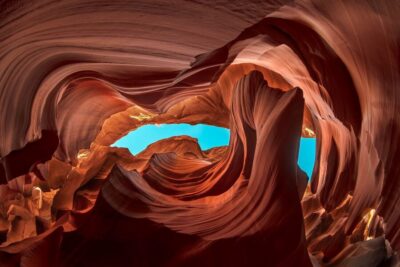
Lower Antelope Canyon Entry and Navajo Guided Tour
Read our review →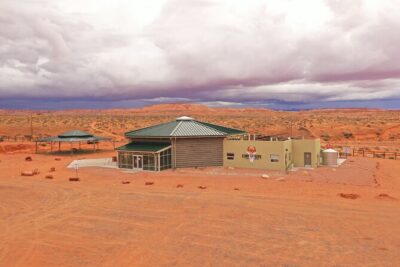
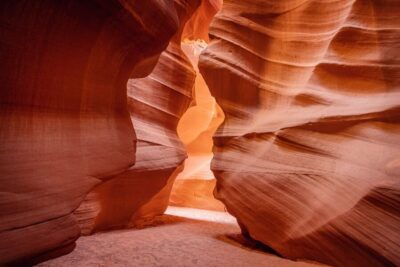
Lower Antelope Canyon Tour with Trained Navajo Guide
Read our review →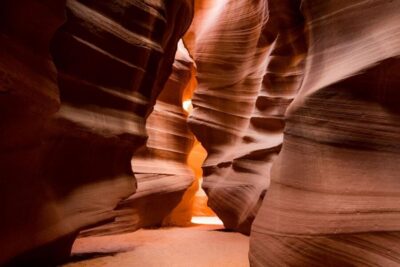
Upper Antelope Canyon Entry Ticket and Guided Tour
Read our review →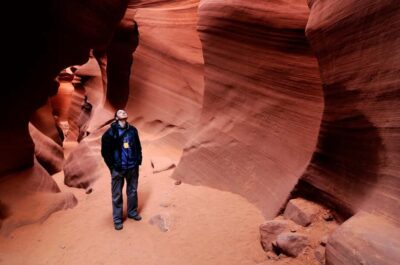
Antelope Canyon Horseshoe Bend Tour & Lake Powell
Read our review →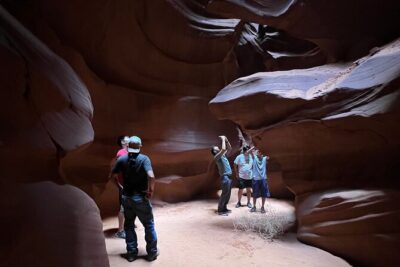
Browse the lists this tour appears in