
Reviewed · NEW YORK CITY TOURS
Ground Zero Museum Workshop Tour
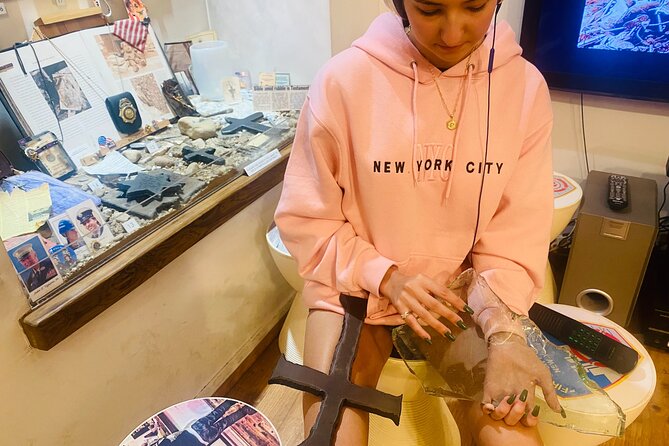
The most striking part of this experience is not the size of the museum. It is the chance to hold pieces of World Trade Center steel and window glass while listening to the stories behind them. I like the rare access to physical artifacts, and I like the personal focus on the nine-month recovery effort, FDNY workers, and the people who searched the rubble.
There is one important catch: this museum is not at Ground Zero and does not include the 9/11 Memorial Museum. It is a small second-floor space at 420 West 14th Street in the Meatpacking District, so anyone expecting the large downtown national museum may feel misled or disappointed.
Key points to know before you go
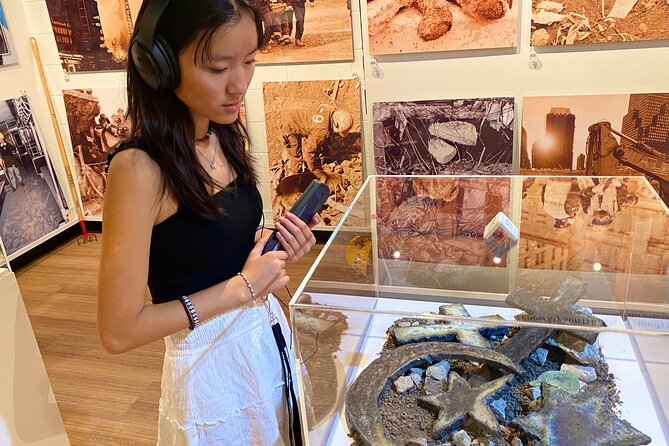
- Hold actual recovery artifacts: You can pick up and photograph selected pieces of World Trade Center steel and window glass.
- See Gary Marlon Suson’s photographs: The collection includes about 100 images made by the official FDNY photographer given all-access permission during the recovery period.
- Expect a personal, compact museum: Displays, video, and audio stories fill a small room rather than a large public museum complex.
- Use the BOSE audio guide: Stories are available in English, Spanish, French, and Italian.
- Plan for the location: The museum is near Chelsea Market and the High Line, about four subway stops from the World Trade Center on the E train.
- Bring the family if appropriate: No graphic or morbid images are shown, and children can follow the audio presentation.
A small museum with a very specific purpose
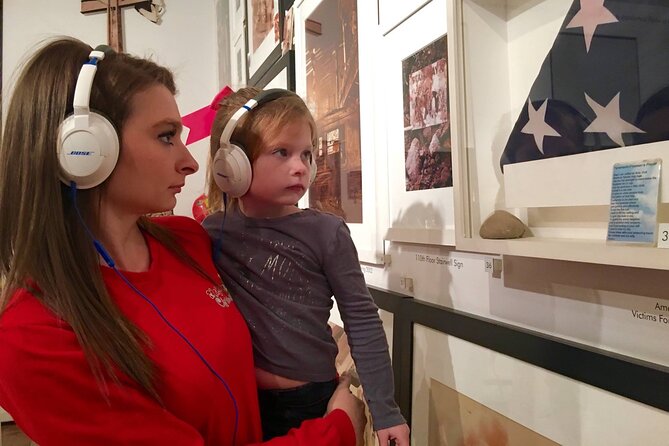
The Ground Zero Museum Workshop is best understood as a recovery-period exhibit, not a full account of September 11. Its focus is the difficult nine months spent searching the World Trade Center site for the missing, removing debris, documenting the work, and honoring the first responders who carried it out.
That narrow focus gives the museum its emotional power. You are not moving through a huge chronological display with dozens of rooms. You are standing close to photographs, objects, and short accounts that show what happened after the towers fell.
The space is intimate, roughly the size of a small gallery. That can feel underwhelming when you first arrive, especially if you have just come from the broad public spaces around the memorial downtown. Once inside, the close-up format begins to make sense. You can listen carefully, sit down, and spend time with individual images rather than simply walking past them.
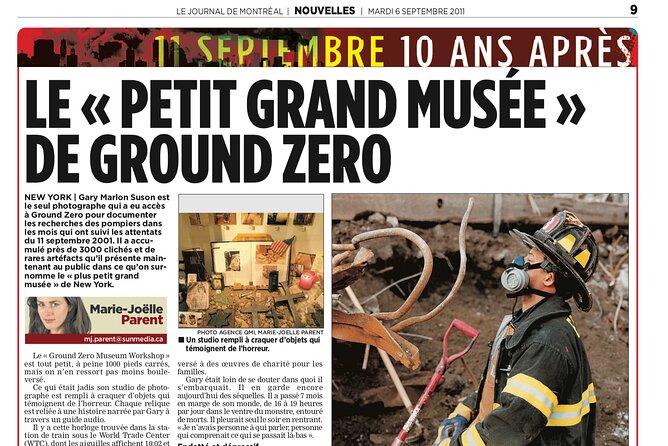
The museum was established in 2005 and presents the work of Gary Marlon Suson. His position as the official FDNY photographer allowed him unusual access to the recovery operation. His pictures are not simply general news photographs. They are records of workers, equipment, damaged materials, and the long physical process of clearing the site.
More Museums in New York City
- NYC: Empire State Building Tickets – Observatory & Museum
★ 4.7 · 25,757 reviews - New York City: American Museum of Natural History Ticket
★ 4.5 · 15,447 reviews - NYC: Museum of Modern Art (MoMA) Entry Ticket
★ 4.6 · 12,540 reviews
What you see inside the West 14th Street workshop
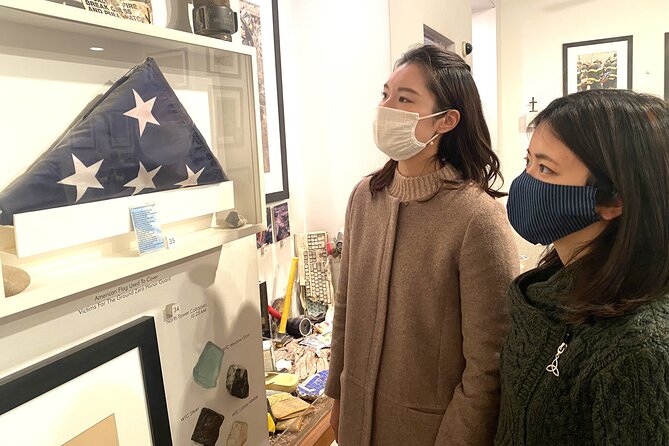
The central display includes around 100 photographs, rare video, and remnants from the recovery period. Several objects have become especially memorable parts of the collection.
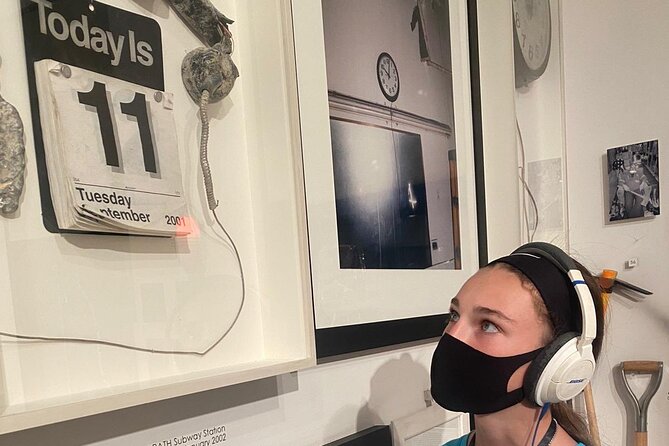
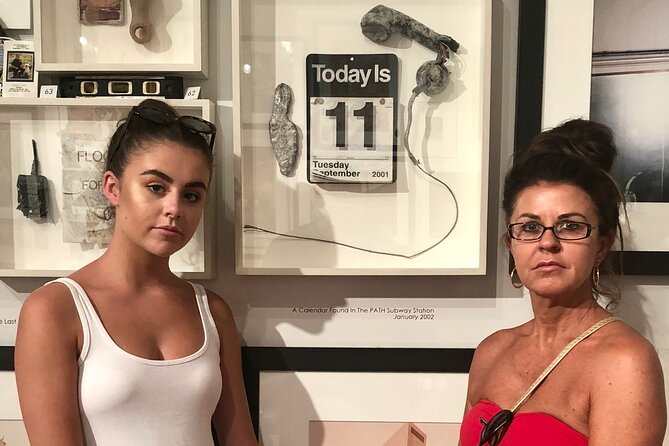
One is the charred Genesis 11 Bible page, known as the Tower of Babylon page, found in the World Trade Center rubble. Another is the frozen clock stopped at 10:02 a.m., the time associated with the collapse of the South Tower. The clock itself is displayed, along with photographs of FDNY honor guards and recovery workers.
The museum also uses three-dimensional photo installations. These are designed to give you a sense of looking into the excavation area, often called the hole at Ground Zero. The effect is more immediate than a standard framed photograph because the images are arranged to place you close to the work site.
You will find seating, which matters here. This is not a place to rush through in ten minutes. The audio material adds stories to the objects, and sitting down gives you a chance to absorb the information without standing in a crowded aisle.
The collection avoids graphic images. The subject remains painful, but the presentation is restrained. You will see evidence of destruction and recovery, yet the emphasis is on people, service, remembrance, and the work of identifying the missing. That makes the museum suitable for many families, including those with older children who may not be ready for more disturbing material.
Why the artifacts matter more than the room size
The strongest feature is the direct contact with history. At the official 9/11 Memorial Museum downtown, you see an extensive national collection, but you do not handle the objects. Here, you can hold selected pieces of steel and window glass and photograph them.
That physical contact changes the experience. Steel and glass are ordinary materials until you understand where they came from. Holding them makes the event less abstract, particularly for children who may find a physical object easier to understand than a long wall of written material.
Photography is allowed, but videotaping is not. You cannot make phone calls or bring food and drink into the tour. Backpacks and bags must be stored at the front of the museum because of space and security concerns. The storage area is described as safe, but it is still smart to arrive with only what you need.
One object cannot be photographed, and the reason becomes clear during the visit. The museum does not treat the collection as a prop-filled photo opportunity. The permission to photograph most displays is useful, but the tone remains respectful.
How the 90-minute visit works
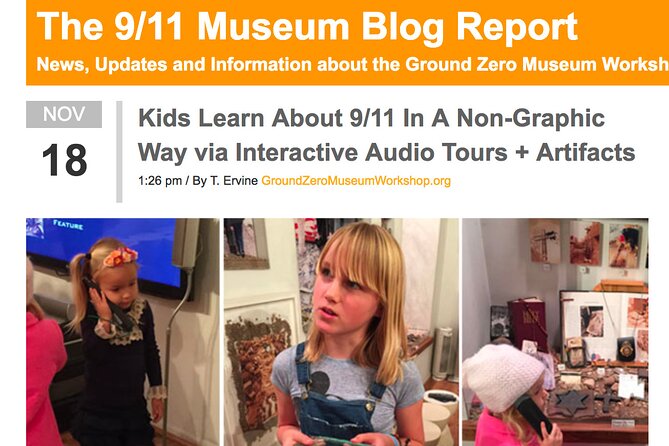
The scheduled visit lasts about 90 minutes. A museum guide begins the experience with a walk-through of the artifacts and an introduction to the collection. You then receive a BOSE audio device, which lets you hear the story connected with each photograph or object.
The audio format is one of the better ideas here. It allows you to move at your own pace and return to a display if you want to hear its explanation again. It also helps children stay involved, since the stories are shorter and more focused than a long lecture.
A powerful 15-minute video is included. This gives the collection a wider sense of time and place before you continue with the individual images and objects.
Allow extra time if you want to hear every audio story. The advertised duration is about an hour and a half, but some people finish in around an hour while others spend closer to two hours. The difference depends on how many recordings you play and how long you pause at each display.
The group is small, with a stated maximum of 15 people. That is a real advantage in a compact room. You should be able to see the displays without the crowding common in larger New York attractions. The small scale also makes it easier to ask a question or take a quiet moment.
Gary Marlon Suson may be present on some visits, but you should not assume he will personally lead your tour. When he is there, his first-hand narration adds a special layer because he made the photographs and documented the recovery work directly.
More museums around New York City:
- 9/11 Memorial, Ground Zero Tour with Optional 9/11 Museum Ticket
★ 5.0 · 6,381 reviews - 9/11 Memorial Museum Admission Ticket
★ 4.5 · 6,376 reviews - All-Access 9/11: Ground Zero Tour, Memorial and Museum, One World Observatory
★ 5.0 · 4,886 reviews - NYC: Intrepid Museum Entry Ticket
★ 4.7 · 4,687 reviews
This is not the 9/11 Memorial Museum
You need to make this distinction before booking. New York has two separate 9/11-focused museum experiences, and they are not interchangeable.
The official 9/11 Memorial Museum is downtown beside the reflecting pools at the World Trade Center site. It presents a large national collection and covers the attacks, the victims, the rescue effort, and the aftermath in much greater breadth.
The Ground Zero Museum Workshop is in the Meatpacking District. It concentrates on the recovery period and the people who worked at the site. It does not include entry to the downtown memorial museum, and a ticket here will not get you into that institution.
The name can cause confusion because Ground Zero appears in the title, even though the physical museum is several subway stops away. Read the address carefully: 420 West 14th Street. If you are already downtown at the memorial pools, do not expect to walk into this museum by simply following signs around the site.
The E train connects the area with the World Trade Center in about four stops. You can also pair the visit with Chelsea Market and the High Line, both nearby. That makes the location inconvenient for a visitor focused only on the memorial, but useful if you are already planning a Meatpacking District afternoon.
Finding the entrance on West 14th Street
The museum is on the second floor, and the outside signage can be easy to miss. The small sandwich board outside is an important landmark, especially before late morning when the entrance may not be obvious.
Give yourself extra time to find it. This is not a grand museum building with a prominent facade. It can look like an ordinary city address until you spot the sign and go upstairs.
The meeting point is 420 West 14th Street, New York, New York 10014. The tour ends at the same place. Hotel pickup and drop-off are not included, so you make your own way there by subway, taxi, or on foot.
A mobile ticket is provided, and confirmation is issued when you book. Service animals are allowed, and most people can take part. Because the tour involves standing and moving through a compact room, the available seating is useful for anyone who wants regular breaks.
Is $34.50 good value?
At $34.50 per person, this is not the cheapest small museum in New York. Its value depends entirely on what you want from a September 11 experience.
I think the price is reasonable if you care about photography, FDNY history, and physical artifacts. The ticket includes the guided introduction, the audio tour in four languages, the video, seating, and the unusual opportunity to hold selected artifacts. You are paying for a focused presentation rather than a large building or a long list of galleries.
The value is weaker if you expect a broad museum visit at the actual World Trade Center site. In that case, the address and museum distinction matter more than the admission price. You may finish in about an hour and feel that the room is too small for the cost.
Souvenir photographs are not included, though they are available for purchase. Free water is included. The tour is non-refundable and cannot be changed after booking, so check the date and address carefully before paying. If poor weather cancels the experience, you are offered another date or a full refund.
How children and families may handle the subject
The museum makes a real effort to keep the presentation suitable for children. There are no graphic images, and the audio guide gives young visitors a clear structure to follow.
Still, this is a serious subject. A child may understand the objects and photographs but not be ready for every story. I would explain beforehand that the museum focuses on the work of firefighters, recovery crews, and families searching for the missing.
The ability to hold steel and glass can help younger children connect with the visit. It gives them something concrete to examine. The video and audio recordings also break the material into manageable sections.
For families, I would plan the museum as part of a larger afternoon. Chelsea Market offers places to eat nearby, and the High Line provides open air and room to reset after an emotional visit. Food and drinks are not allowed inside the museum, so use those nearby options before or after the tour.
The emotional tone of the experience
This is a moving visit, but its emotional effect comes from quiet detail rather than shock. The frozen clock, the damaged Bible page, FDNY honor guard photographs, and personal accounts point to the human cost without showing graphic scenes.
The recovery period is also a less familiar part of the story for many people. Most attention naturally goes to the attacks and the collapse. Here, you spend time with what followed: the search, the removal of debris, the records made by workers, and the effort to locate and honor those who were missing.
The museum also pays attention to the long-term cost to first responders. The work at the site exposed people to toxic conditions, and the collection acknowledges the losses that continued after the cleanup.
I would not describe this as a casual attraction to squeeze between shopping stops. It can be brief in clock time, but the subject may stay with you long after you leave. The intimate setting is its strength, though it can also feel awkward if you prefer a large, polished institution with more room to move.
Who should book this museum
I would choose this workshop if you want:
- A small, personal setting rather than a major museum complex
- Photographs made during the recovery period
- Stories centered on FDNY workers and the search for the missing
- The chance to hold and photograph selected artifacts
- A non-graphic experience suitable for many families
- A visit that pairs easily with Chelsea Market and the High Line
I would skip it if your main goal is to visit the official 9/11 Memorial Museum beside the reflecting pools. Book that separately. You can also visit both if you want the broad national story downtown and this more focused account of the recovery work.
Should you book the Ground Zero Museum Workshop?
Book it if you understand what it is: a compact, emotional workshop devoted to recovery photographs, FDNY service, and artifacts from the rubble. The personal audio accounts, rare hands-on displays, and photographs by Gary Marlon Suson give it a clear identity.
Do not book it by accident while trying to reach the downtown memorial museum. Check the West 14th Street address, allow time to find the second-floor entrance, and plan for roughly 90 minutes, with extra time if you listen to every recording.
For the right visitor, the small room is not a weakness. It keeps the focus close, quiet, and human. For someone seeking a complete history of September 11 at Ground Zero itself, it is the wrong ticket.
FAQ
Where is the Ground Zero Museum Workshop?
It is located at 420 West 14th Street in New York City’s Meatpacking District. The museum is on the second floor.
Is this the official 9/11 Memorial Museum?
No. The Ground Zero Museum Workshop is a separate experience from the 9/11 Memorial Museum at the World Trade Center site.
Is the museum at Ground Zero?
No. It is in the Meatpacking District, about four subway stops from the World Trade Center on the E train.
How long does the tour last?
The scheduled visit lasts approximately 90 minutes. Depending on how many audio stories you hear, you might finish in about an hour or spend close to two hours.
What does the ticket include?
It includes the guided artifact walk-through, a BOSE audio tour, the 15-minute video, free water, seating, and the opportunity to hold and photograph selected rare artifacts.
Which languages are available for the audio tour?
The BOSE audio tour is offered in English, Spanish, French, and Italian.
Can children visit?
Yes. The museum is described as family-friendly and does not display graphic or morbid images. Parents should still consider how their children may respond to the subject.
Can I take photographs?
Yes, photography is allowed for most exhibits. Videotaping is not permitted, and one exhibit cannot be photographed.
Do I need to store my bag?
Yes. Backpacks and bags must be stored at the front of the museum during the tour because of space and security concerns.
Is transportation or hotel pickup included?
No. You are responsible for reaching the meeting point, and hotel pickup and drop-off are not included.
More Workshops in New York City
- NYC: Brooklyn Graffiti Workshop with Local Artist
★ 4.8 · 570 reviews - New Orleans Demonstration Cooking Class with Meal
★ 5.0 · 3,000 reviews - Instructor-Led Line Dancing Class with Souvenir Video
★ 5.0 · 1,394 reviews - New Orleans Hands-On Cooking Class with Meal
★ 5.0 · 1,183 reviews
Newly listed in New York City
- Official Private NYC Central Park Horse Carriage Ride Since 1970™★ 4.5 · 447 reviews
- NYC at Night: 3-Hour Luxury Bus Tour of Top Highlights★ 4.5 · 448 reviews
- From Manhattan: 5-Hour Bronx, Queens, and Brooklyn Bus Tour★ 4.7 · 451 reviews
- Private Guided New York City Tour by SUV★ 5.0 · 451 reviews
- Statue of Liberty Tour with Ellis Island and Immigration Museum★ 4.0 · 452 reviews
- NYC: Official Grand Central Terminal Tour★ 5.0 · 458 reviews
- Circle Line: NYC BEAST Speedboat Ride★ 4.5 · 458 reviews
- New York City: Sunset Yacht Cruise★ 4.9 · 461 reviews
New York City Tours, compared.
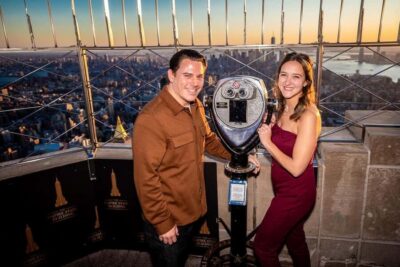
Empire State Building Tickets – Observatory & Museum
Read our review →
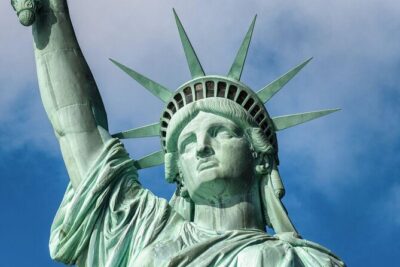
Statue of Liberty and Ellis Island Tour: All Options
Read our review →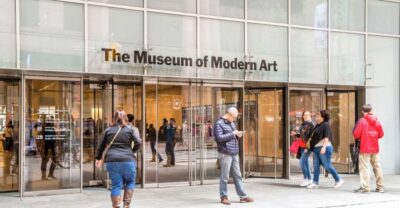

New York CityPASS®: Save up to 41% at 5 Top Attractions
Read our review →Browse the lists this tour appears in