Reviewed · FARMS
Half-Day Thoroughbred Horse Farm Tour in Kentucky
The best part of this Lexington horse farm tour is its access to the working world behind Kentucky racing. You travel beyond the grandstand to see farms, stables, mares, foals, and the people who breed and care for thoroughbreds. Keeneland is part of the route, though the amount of time there can depend on the day’s access and farm availability.
I like two things right away: the small-group format, capped at 13 people, and the guides’ long ties to the horse business. Tim, Vicky, Mark, Richard, John, Mike, Hope, and other guides have been praised for telling useful stories rather than simply pointing out pretty fields. I also like the chance to meet horses up close when a farm permits it.
The main consideration is that this is partly a driving tour. You may spend a fair amount of time in the van, and a visit to Keeneland may mean seeing the grounds from outside rather than getting a full behind-the-scenes stop. Farm access can change, so book it for the wider horse-country experience, not one guaranteed animal encounter.
Key points to know before booking
- Working horse country, not just a scenic drive: Learn how breeding, training, racing, and aftercare connect.
- Keeneland is included in the route: The famous racecourse may receive limited time or a drive-by visit, depending on access.
- Guides bring real industry experience: Tim, Vicky, Mark, Richard, John, and others have explained the business with humor and local knowledge.
- Horse contact depends on availability: You might meet mares, foals, stallion prospects, or other farm horses, but no specific animal encounter is guaranteed.
- Small van, modest price: The $45 fare includes a professional guide and transportation for about three and a half hours.
- Seasonal minimums matter: From November 12 through March 10, at least four people are needed for the tour to operate.
Why Lexington is the right place for this tour
Lexington is one of the main centers of thoroughbred breeding in the United States, and this experience gives you a practical way to understand why. The Bluegrass region is not just a backdrop for racing. It is a network of breeding farms, training operations, stables, owners, workers, and support businesses.
That wider picture is what makes the tour useful. You hear about how a horse moves through breeding, early care, training, racing, and aftercare. The focus is not only on winning races. It also covers the daily work and business decisions behind the animals.
I would choose this tour even if I knew little about horse racing. The guides explain the subject in plain terms and encourage questions. Several guides have spent much of their lives around horses, and that personal connection gives the commentary more weight than a memorized speech.
You also get a sense of how Lexington has changed over time. The tour touches on the past, the current racing community, and possible changes ahead for the industry. That makes the experience more than a photo stop among white fences.
More to weigh up across the USA
- Half-Day Mojave Desert ATV Tour from Las Vegas
★ 5.0 · 7,350 reviews - Half-Day Emerald Cave Kayak Tour with Optional Hotel Pickup
★ 5.0 · 4,978 reviews - Miami: Half-Day Open-Top Bus Tour Plus Biscayne Bay Cruise
★ 4.1 · 2,420 reviews
Starting at the Thoroughbred Heritage Visitors Center
The tour begins at 366 Waller Ave, suite 119, in Lexington. This is the Thoroughbred Heritage Visitors Center, where free parking is available. Plan to arrive ready to board the van, since the center serves as both the starting point and the return point.
The listed center portion takes about 15 minutes and includes admission. From there, you are transported into the surrounding horse-farm area in a 14-person passenger van. The maximum tour size is 13, leaving the guide in the vehicle and giving the group a little more room than a fully packed van.
That size is a good fit for this type of outing. You are not in a large coach with a distant microphone. You can ask questions, hear the guide, and keep the group moving without much fuss. The tradeoff is simple: a van is more personal than a bus, but it offers less room to spread out.
The total experience lasts about three and a half hours. That is long enough to reach several parts of the area without taking up an entire day in Lexington. It also means you should use the restroom before departure and bring only what you need. Food is not allowed on the tour, though bottled water and covered drinks are permitted.
Riding through Kentucky’s Bluegrass horse country
The van ride is not filler. It is how you move between the farms, and the guide uses that time to explain what you are seeing. You may pass fields, farm entrances, training areas, and facilities connected to the thoroughbred business.
This portion suits you if you enjoy asking questions and watching the countryside pass by. Guides have discussed breeding practices, racing history, farm operations, and the current state of the industry. Tim, in particular, has been praised for combining years of experience with humor. Vicky has also been singled out for clear explanations and a warm, engaging manner.
The amount of driving is the one recurring limitation to keep in mind. One itinerary can include a good deal of road time, especially if farm access changes or the group visits several separate properties. If your top priority is long periods inside stables, ask about the expected schedule at the start.
Still, the drive helps put the farms in context. You see that Lexington’s horse culture is not confined to one attraction. It spreads across the area, and the work takes place on a much larger scale than a single racetrack visit suggests.
Visiting one or more thoroughbred farms
The central part of the outing is a visit to one or more working thoroughbred farms. Which farms you see can change with availability. That flexibility is important because active farms have their own schedules, animal-care needs, and access rules.
At the farms, the guide explains the basics of thoroughbred breeding, training, racing, and aftercare. You may walk through a stable area, meet farm staff, and see horses at close range when conditions allow. Previous tours have included mares and babies, horses being prepared for stud, and other thoroughbreds at different stages of their lives.
That range is valuable. A racehorse is not simply a horse waiting for race day. You get a better view of the entire system, from young animals to breeding stock and horses that have moved beyond racing.
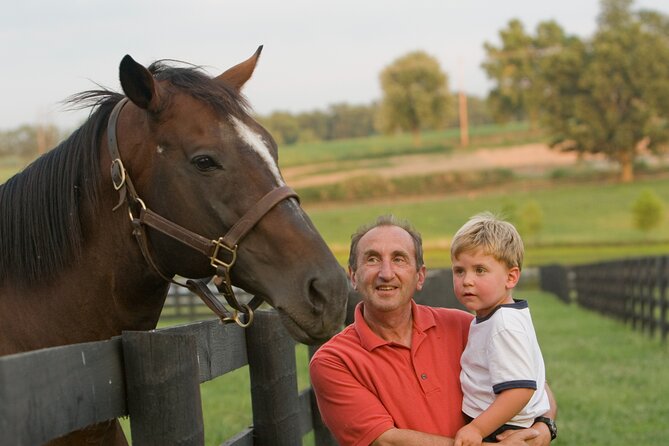
Some farm visits are interactive. You may be allowed to touch a horse, depending on the farm and the animal. The chance to stand near a thoroughbred is one of the tour’s strongest features, especially for anyone who has only seen racehorses from the rail.
Do not book on the assumption that you will definitely pet a foal. Farm access changes, and one experience included no hands-on contact with young horses. The provider also states that animal interaction is available only as conditions permit. You should treat contact as a welcome possibility, not a promise.
Comfortable walking shoes are a smart choice. The outing is not described as a strenuous hike, but you may walk through stable or farm areas rather than staying in the vehicle. Keep your movements calm around the horses and follow the guide’s instructions.
More horse rides around the USA:
- Charleston’s Old South Carriage Historic Horse & Carriage Tour
★ 5.0 · 10,023 reviews - Haunted Evening Horse and Carriage Tour of Charleston
★ 4.5 · 3,678 reviews - Charleston Horse-Drawn Carriage Tour: Explore Historic Charleston
★ 5.0 · 3,561 reviews - 2-hour Outer Banks Wild Horse Tour by 4WD Truck
★ 5.0 · 2,449 reviews
What Keeneland adds, and what it may not include
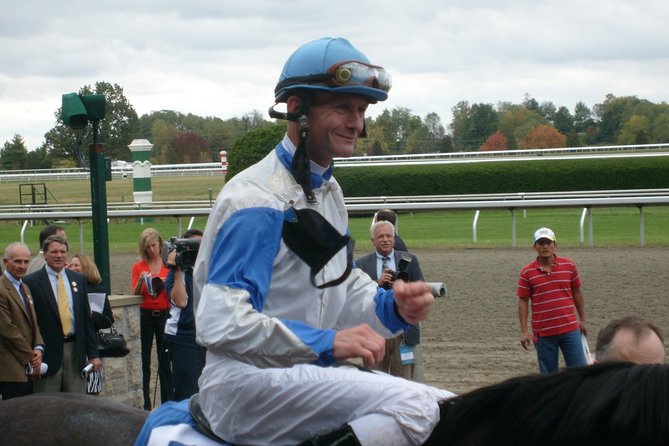
Keeneland Race Course is one of the headline stops, and it gives the tour an important racing connection. The guide can explain how the racecourse fits into Lexington’s horse culture and what is happening in the local racing community.
The phrase behind-the-scenes needs a little care here. Access is not identical on every departure. One tour included a visit to Keeneland, Endeavor Farms, and another farm. Another included a drive past Keeneland without much time inside. The itinerary may change with availability, so you might see the grounds from the van rather than receive an extended racecourse visit.
That is not a reason to skip the tour, but it is a reason to set expectations correctly. The farm visits and the guide’s commentary are the main event. Keeneland is an important part of the story, but it should not be the sole reason you book.
If you are specifically seeking a full racecourse tour, check what is planned for your date before paying. If you want to understand the connection between Lexington, breeding farms, and racing, the stop still adds useful context even when it is brief.
The guides make the difference
The guide is the key variable on this experience. The roster has included Tim, Vicky, Mark, Richard, John, Mike, and Hope. Assignments can change, so you should not assume one particular person will lead your departure unless the operator confirms it.
The strongest guides combine three skills. They know the horse business, they can explain it to beginners, and they can keep a small group involved during the driving portions. Tim has been praised for his years in the industry and easy humor. Vicky has been praised for her command of breeding and racing. Mark has brought broad experience and a genuine affection for horses, while Richard has taken time to answer detailed questions.
John has also been credited with explaining both Lexington’s local past and current Keeneland activity. Mike has made the farms and horse stories approachable. Hope has been described as a welcoming host. This range matters because the tour is built around conversation as much as sightseeing.
You do not need to arrive with racing knowledge. Ask about terms, bloodlines, training, breeding, or aftercare. The guides invite questions, and the small group makes it easier to speak up.
A guide tip is worth planning for. Gratuities are not included, and tipping is recommended. Bring some cash if you think the guide has made the experience useful, since one visitor wanted to tip but did not have cash available.
The $45 price and what you receive
At $45 per person, this is a good-value half-day outing if you want transportation and access to several horse-country locations without arranging a car route yourself. The price includes the professional guide, the van, and admission at the visitors center.
You are paying for interpretation as much as transport. A self-drive excursion can show you fences and farm entrances, but it will not necessarily explain breeding, training, racing, and aftercare in a connected way. The guide also handles the route and farm relationships, which removes some guesswork.
The value is strongest for first-time visitors to Lexington, people curious about horse racing, and families with enough interest to listen during the drive. It is also a practical choice if you do not want to spend a full day at a racetrack or commit to a longer farm program.
The price is less compelling if you expect a long stable visit, guaranteed hands-on time, or a full Keeneland tour. Those are not assured. Think of the $45 as a reasonable fee for a guided introduction to the area, with farm access and horse contact varying by departure.
Who should book this Lexington horse tour
I would recommend it to you if you want a clear introduction to the local thoroughbred industry and prefer a guide-led experience over a self-drive outing. It works well for couples, families, solo visitors who confirm the minimum, and friends looking for something different from downtown Lexington.
Horse fans will appreciate the farm access and practical talk about breeding and care. People who know little about racing can still enjoy it because the guides explain the subject for a general audience. The scenic drive also gives you a sense of place without requiring special planning.
Families should note the animal-activity rules and the need to follow farm instructions. Most people can participate, but the tour is not suitable for animals, including service animals, because no animals are allowed on the tours.
I would be more cautious if you dislike van rides, need a tightly fixed schedule, or want guaranteed contact with specific horses. The itinerary can shift, and part of the tour may involve driving between sites. Good weather is also required.
Timing, cancellation, and seasonal planning
The experience is commonly booked about 21 days ahead, so I would reserve early if your Lexington dates are fixed. The tour is offered in English and uses a mobile ticket.
You can cancel up to 24 hours before the start time for a full refund. Changes made within 24 hours are not accepted, and the amount paid is not refunded for a late cancellation.
Weather can cancel the outing. If that happens, you are offered another date or a full refund. The same applies if the minimum number of people is not reached.
Pay special attention from November 12 through March 10. During that period, at least four people are required for the tour to operate. A solo booking can also be vulnerable outside that window if no one else joins. The provider has canceled a one-person departure and issued a full refund, but that can still disrupt a tightly planned trip.
What to bring and how to prepare
Wear comfortable walking shoes. Bring bottled water or another covered drink, but leave food behind because it is not allowed.
Keep your phone ready for the mobile ticket and bring a camera if you want farm and horse photographs. Do not assume every stop will allow close pictures or contact. The animals and farm staff set the pace.
Arrive with questions. Ask how breeding decisions work, what training involves, how racing fits into the local economy, and what aftercare means for horses once their racing careers end. The guides have the background to make those subjects interesting.
Finally, leave room in your expectations. The exact farms, amount of walking, horse interaction, and Keeneland access depend on availability. That flexibility protects working farms from becoming staged attractions, but it also means no two departures need to feel exactly alike.
Should you book the half-day horse farm tour?
Book it if you want local insight, working farms, and a compact introduction to Kentucky’s thoroughbred world. The $45 price is fair for the guide, van transportation, and access to farms that would be difficult to arrange on your own.
I would not book it solely for a guaranteed behind-the-scenes Keeneland visit or a promised chance to pet foals. Instead, choose it for the larger experience: a knowledgeable local guide, Bluegrass scenery, farm operations, racing context, and the possibility of meeting horses up close.
Confirm the seasonal minimum if you are visiting between November and March, bring a little cash for a tip, and wear shoes suited to walking around a farm. With those expectations in place, this is one of the better short introductions to Lexington’s horse country.
FAQ
Where does the tour begin?
It begins at the Thoroughbred Heritage Visitors Center, 366 Waller Ave, suite 119, Lexington, Kentucky 40504.
Where does the tour end?
The activity ends back at the same meeting point, the Thoroughbred Heritage Visitors Center.
How long does the experience last?
The tour lasts approximately three hours and 30 minutes.
How much does the tour cost?
The listed price is $45 per person.
Is transportation included?
Yes. Transportation is provided in a 14-person passenger van, with a maximum tour size of 13 people.
Is Keeneland Race Course always visited in the same way?
No. The itinerary may change depending on availability. You may have a visit to Keeneland, while another departure may see the racecourse more briefly or from the vehicle.
Will I be able to touch the horses?
Horse interaction is available when the farms and conditions permit it, but it is not guaranteed. Comfortable walking shoes are recommended.
Can I bring food on the tour?
No food is allowed. Bottled water and covered drinks are permitted.
Are animals allowed on the tour?
No. Animals, including service animals, are not allowed on the tours.
What happens if the tour is canceled?
If poor weather or an insufficient number of participants causes a cancellation, you will be offered another date or experience, or a full refund. You can also cancel up to 24 hours before the start time for a full refund.
More Farms in the USA
- Maui Pineapple Farm Tour in Haliimaile
★ 5.0 · 2,855 reviews - Premium Amish Country Tour including Amish Farm and House
★ 4.5 · 1,306 reviews - Unique Horse Farm Tours with Insider Access to Private Farms
★ 5.0 · 1,192 reviews - Lahaina: Maui Ku’ia Estate Guided Cacao Farm Tour and Tasting
★ 5.0 · 1,103 reviews
Newly listed in the USA
- The Maui Butterfly Farm Tour★ 5.0 · 446 reviews
- NON BUS 4 Winery Traverse City Wine Tour on Old Mission Peninsula★ 5.0 · 445 reviews
- New England Aquarium Admission Ticket in Boston★ 4.0 · 446 reviews
- New Orleans City Tour and Steamboat Natchez Harbor Jazz Cruise★ 4.0 · 446 reviews
- Alpaca and Llama Farm Tour★ 5.0 · 446 reviews
- Small-Group Laura and Whitney Plantation Tour from New Orleans★ 4.5 · 446 reviews
- Dreaded Dead Descent of the District: DC Ghost Tour★ 4.0 · 446 reviews
- Cañon City: Royal Gorge Bridge & Park Entry Ticket & Gondola★ 4.5 · 448 reviews
Farms, compared.
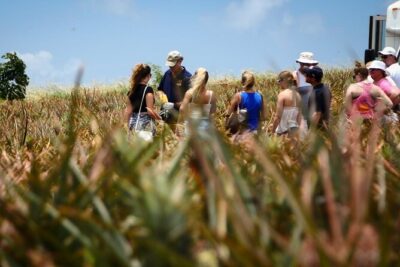
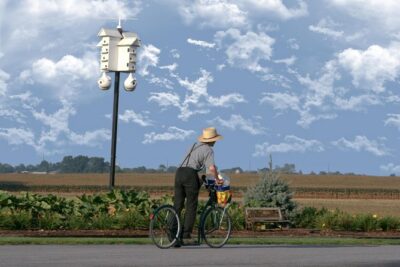
Premium Amish Country Tour including Amish Farm and House
Read our review →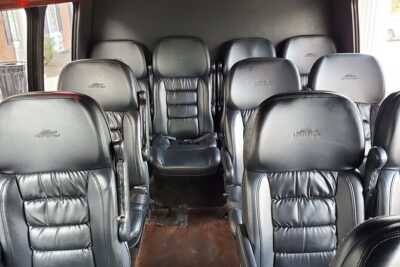
Unique Horse Farm Tours with Insider Access to Private Farms
Read our review →
Lahaina: Maui Ku’ia Estate Guided Cacao Farm Tour and Tasting
Read our review →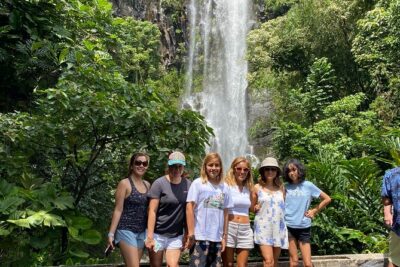
Road to Hana Adventure with Farm to Table Lunch
Read our review →