
Reviewed · BIG ISLAND OF HAWAII TOURS
Big Island: Pelagic Whale Watch Tour
Kona’s best wildlife is not limited to humpbacks. This 3 to 4 hour pelagic whale watch reaches both the coastal waters and the deep ocean zone, where pilot whales, beaked whales, sperm whales, dolphins, sharks, and even whale sharks may appear. Humpbacks are a winter bonus, not the whole story.
I like the open 360-degree viewing aboard the 46-foot catamaran Artemis, and I like having a naturalist explain what you are seeing rather than leaving you to guess at a distant fin. The main caution is simple: wild animals do not follow a schedule, and the ocean can be choppy enough to cause seasickness.
Key points to know before booking
- The deep-water route is the unusual feature: US Coast Guard offshore certification lets the crew search waters thousands of feet deep, not just the shoreline.
- Year-round wildlife gives you more than one target: Pilot whales, spinner dolphins, bottlenose dolphins, sharks, manta rays, flying fish, and other species may appear outside humpback season.
- Captain Andrew and naturalists such as Olivia and Dennis add real value: Commentary covers animal behavior, migration, ecology, and points of interest along the Kona Coast.
- Artemis is built for viewing: The catamaran has padded seating, handholds, soft flooring, shaded and sunny areas, and sightlines from around the boat.
- The tour is a genuine search, not a staged show: You may see breaching humpbacks and bow-riding dolphins, or you may get only brief sightings.
- The price is $129 per person: That is fair for a small-group, half-day ocean outing with a professional crew, drinks, and access to nearshore and pelagic zones.
Why Kona is a strong place for a wildlife cruise
Kona has a useful combination for ocean wildlife watching: relatively calm coastal water, a steep drop-off, and marine zones close to Honokohau Harbor. You do not need to spend a full day reaching the open ocean before the search begins.
That geography explains the tour’s broad species list. Near shore, you might find humpback whales in winter, spinner dolphins, bottlenose dolphins, manta rays, and flying fish. Farther offshore, the water can reach thousands of feet deep, opening the possibility of pilot whales, beaked whales, sperm whales, spotted dolphins, whale sharks, and other pelagic animals.
The word pelagic matters here. It means the crew is not simply cruising along the coast hoping to spot a whale near the surface. The boat can move into the open-water zone and search for species that spend much of their time away from land.
Of course, pelagic does not mean guaranteed. The farther search area increases the range of possible sightings, but it also means more time on open water. If you are prone to motion sickness, take the warning seriously and prepare before departure.
More whale watching trips around Big Island of Hawaii:
- Whale Watching On The Big Island
★ 5.0 · 573 reviews - Zodiac Raft Whale Watching Adventure
★ 5.0 · 456 reviews - Juneau Wildlife Whale Watching
★ 5.0 · 7,379 reviews
Leaving Honokohau Harbor at 8:30 in the morning
The meeting point is at 275 Kealakehe Parkway in Kailua-Kona, near Honokohau Harbor. The tour starts at 8:30 a.m. and returns to the same place after roughly three to four hours.
There is no hotel pickup or drop-off, so you need to arrange your own way to the harbor. That is a minor inconvenience for visitors staying in Kona, but it matters if you are based elsewhere on the Big Island. Plan enough time to reach the meeting point without rushing.
A morning departure is useful for two reasons. It leaves much of your day free, and it gives you a chance to use the coastline and wildlife outing as the main event before an afternoon of sightseeing. The exact time on the water can vary, since the crew’s work is to search rather than follow a fixed sequence of sightseeing stops.
Once underway, you can expect an introduction to the boat, safety information, and a gradual shift from harbor scenery to the Kona Coast. Guides also point out local features and marine-related sites along the way, including fish farms and the seahorse farm mentioned during the trip.
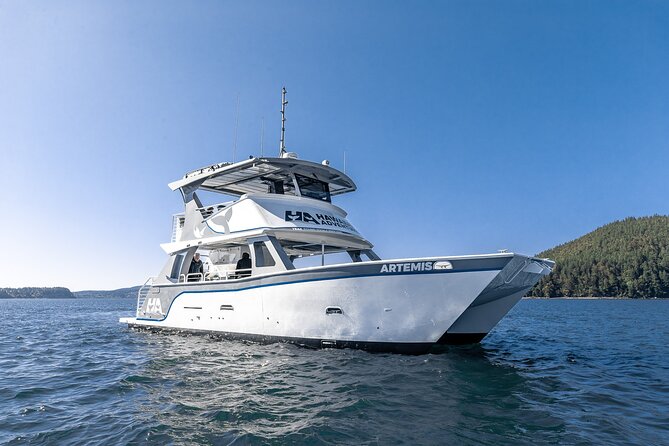
Artemis, a 46-foot catamaran made for viewing
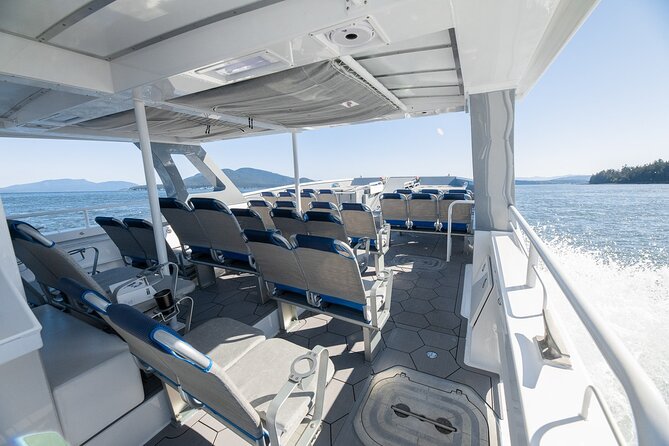
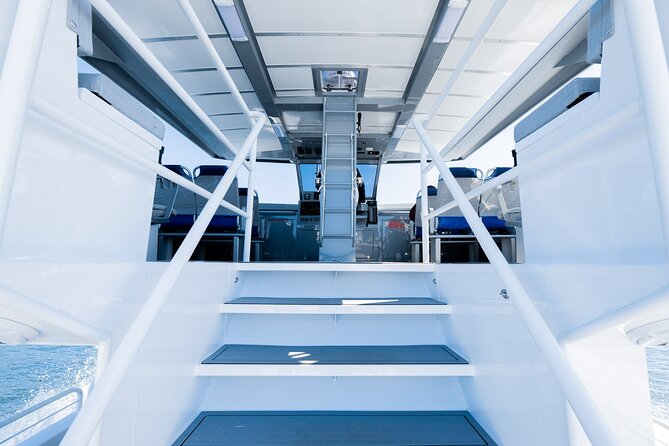
The vessel is one of the strongest parts of the experience. Artemis is a 46-foot catamaran with padded seating, soft flooring, shaded sections, full-sun areas, and railings and handholds around the viewing spaces.
A catamaran has two hulls, which can give it more stability than a single-hull boat in ocean swells. That does not make the ride perfectly smooth. One particularly unhappy account described a fast, choppy return, while other outings were described as comfortable and smooth through larger swells. Your experience depends on the conditions that morning.
The open design helps you avoid a common whale-watch problem: being stuck behind a cabin wall when an animal surfaces on the other side. Artemis offers viewing angles around the boat, although you still need to move courteously and avoid blocking other people.
Bring a light layer, sun protection, and a secure way to hold your phone or camera. The supplied details confirm cold soft drinks and bottled water, but they do not mention a meal or snacks. Eat beforehand if you need more than a beverage during a three to four hour outing.
The nearshore search: humpbacks, dolphins, rays, and flying fish
The first part of the search focuses on waters near the Kona Coast. This zone can produce some of the trip’s most familiar Hawaiian wildlife.
During winter, humpback whales may appear along the coast. These whales migrate to Hawaii, and the sightings can range from a small blow or back to more dramatic behavior. Breaching, chin slaps, spyhopping, and close passes have all been seen on successful outings.
Winter does not have a monopoly on excitement. Spinner dolphins are a year-round possibility and can be especially entertaining when large groups leap and spin near the boat. Bottlenose dolphins may also appear, along with flying fish skimming over the surface and manta rays moving through the coastal water.
This part of the outing also gives you the best chance to enjoy the Big Island from offshore. The shoreline looks different from the water, and guides add context about the coast and nearby marine operations. If the animals are quiet, the coast and commentary help keep the trip from becoming three hours of staring at empty water.
More to weigh up across Big Island of Hawaii
- Big Island in a Day: Volcanoes Waterfalls Sightseeing and History
★ 5.0 · 6,569 reviews - Big Island Manta Ray Night Snorkel
★ 5.0 · 5,656 reviews - Big Island: Kona Manta Ray Snorkel Tour in Keauhou Harbor
★ 4.5 · 2,465 reviews - Hilo Shore Excursion: Volcanoes National Park & Black Sand Beach
★ 4.5 · 2,338 reviews
The pelagic zone and its rarer possibilities
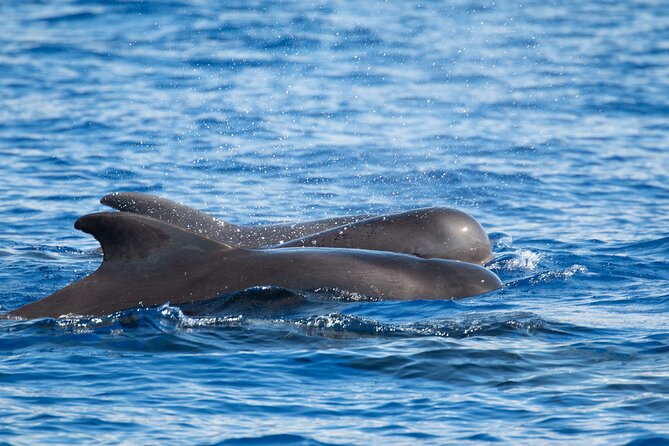
With offshore certification, Hawaiian Adventures can take Artemis into the open-water zone. This is a meaningful difference from a basic coastal whale cruise because the crew can search much deeper habitat.
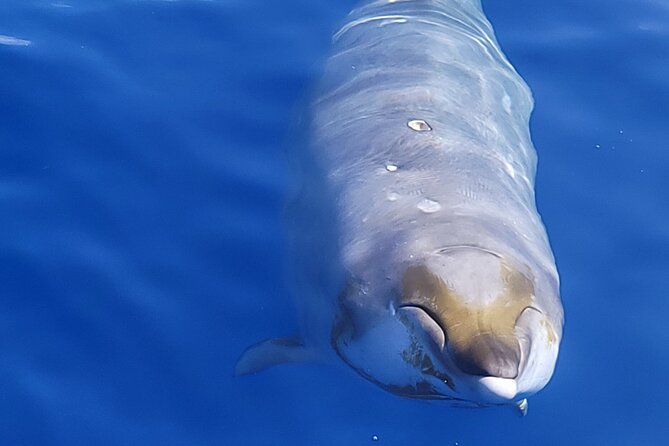
The possible sightings here include short-finned pilot whales, sperm whales, beaked whales, spotted dolphins, and whale sharks. Oceanic white tip sharks, tiger sharks, and scalloped hammerhead sharks have also appeared on outings, along with several kinds of dolphins.
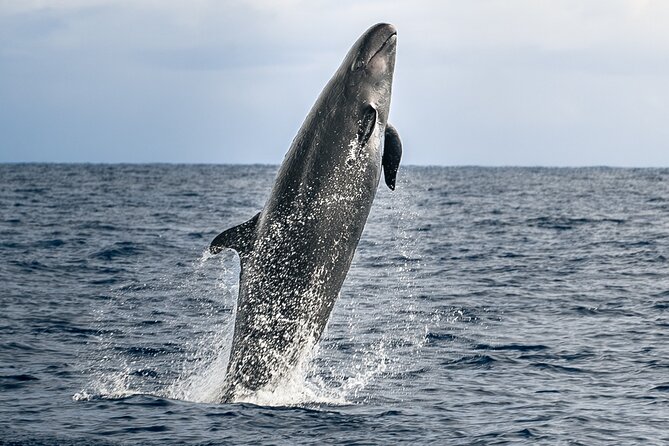
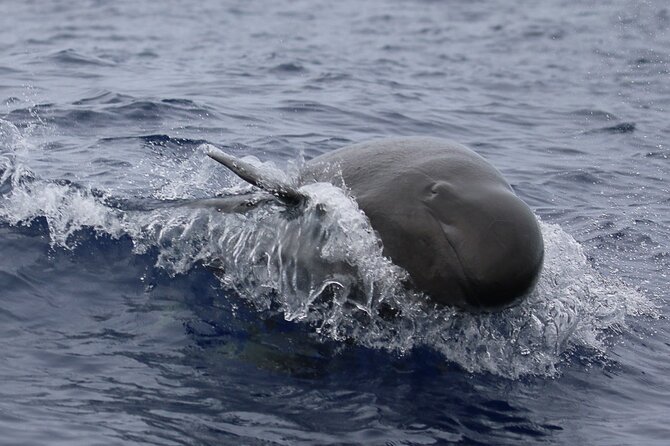
Short-finned pilot whales are among the recurring highlights. They are not the classic breaching humpbacks many people picture, but they can be fascinating at the surface. One outing included several pods, with an individual rolling and vocalizing near the boat. Another included pilot whales rising vertically so they could place their eyes above the water and look toward the vessel.
These details show why the trip should not be judged only by the phrase whale watch. A day without humpbacks can still include pilot whales, dolphins, sharks, or flying fish. A day without any large whale or dolphin is also possible, and that risk should be part of your decision.
Naturalists turn distant animals into a real lesson
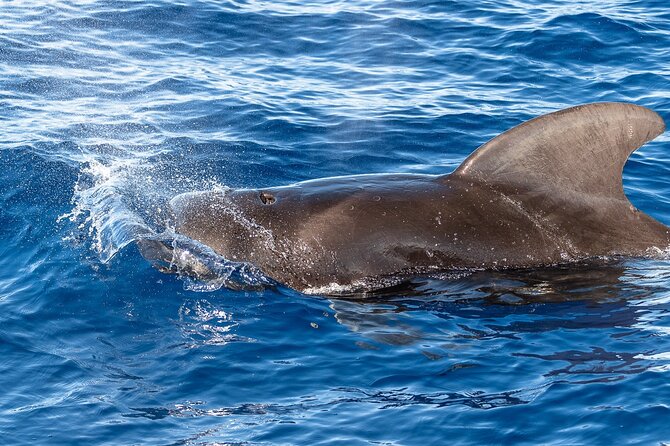
The crew’s interpretation is a major reason to pay for this tour instead of simply renting a boat or choosing the cheapest available cruise. Naturalists explain how to identify species, describe animal behavior, and connect what you see to the wider Kona ecosystem.
Andrew and Olivia have been singled out for their clear explanations and attentive approach, while Dennis has also been praised for adding depth to the trip. The crew discusses whale migration, feeding, behavior, and the role different animals play in the ocean.
Good guiding matters most when the wildlife is far away. A quick glimpse of a blow can feel disappointing if nobody explains what happened. A guide can help you understand whether you saw a pilot whale, a humpback, or a dolphin, and can explain why a whale surfaced in a certain way.
The educational side also extends beyond identification. Commentary has included local history and coastal features such as fish farms and a seahorse farm. That gives you more to watch for during the quiet stretches.
The crew’s approach to safety and animal welfare is another positive. The stated priority is protecting both people and wildlife, and the crew works within what the ocean and the animals allow. You are observing wild creatures, not directing a performance.
How reliable are the sightings?
The tour is promoted around a high sighting success rate, and the possible species list is unusually long. Still, no responsible whale-watch operator can promise a breach, a close pass, a particular animal, or even a dolphin on every departure.
The trip has had days with humpbacks breaching and slapping the water. It has also had days with large groups of spinner dolphins, multiple pilot whale pods, sharks, and flying fish. On rare outings, no whales or dolphins were found at all.
That uncertainty is not a flaw unique to this company. It is the basic trade-off of wildlife watching. A zoo can guarantee the animal is present. Kona’s ocean cannot.
If you do not see whales or dolphins, the provider states that you may join another trip for 50 percent off. Treat this as a second chance rather than a promise of compensation or a guaranteed future sighting. Check the exact terms when booking, since the important point is that the original trip is not risk-free.
I would book this tour with the right expectation: you are paying for skilled searching, a capable boat, and access to several marine habitats. You are not buying a scripted whale performance.
Motion sickness and comfort on the water
Kona is known for comparatively calm water, but calm does not mean still. The catamaran can handle swells well, yet some people may still feel uncomfortable during the faster portions of the trip or while the boat is searching offshore.
If you are prone to seasickness, prepare before boarding. Several outings included helpful crew attention for people who felt ill, but it is better not to rely only on onboard assistance.
The vessel’s padded seats, soft flooring, and handholds are useful practical touches. You can also choose between shade and full sun. The open layout gives you room to adjust your position, although standing and moving around should be done carefully while the boat is underway.
This activity is not appropriate for children under 10. Service animals are allowed, and the supplied information says most people can participate. The maximum group size is 42 people, so this is not a private charter, but it is still a focused wildlife outing rather than a huge sightseeing boat.
Is $129 a fair price?
At $129 per person, the cost sits in a reasonable range for a three to four hour marine wildlife trip. You are paying for a professional captain, naturalist support, an offshore-certified vessel, drinks, and a wider search area than a strictly nearshore cruise.
The value is strongest if you care about learning as well as seeing animals. A naturalist who can explain the difference between a pilot whale and a dolphin, or describe why whales are spyhopping, adds substance to every sighting.
The value is also stronger during humpback season if humpbacks are your main goal. Winter offers the possibility of dramatic behavior, including breaches and close passes. Outside that season, you are still booking a worthwhile wildlife search, but you should focus on the year-round variety: pilot whales, dolphins, sharks, rays, and flying fish.
The price does not include transportation, food, or a private boat. If you want a quiet, exclusive cruise, this is not the product. If you want a well-equipped boat and a serious search for marine life, the price is defensible.
Who should book this Kona whale watch?
I would choose this outing if you want several hours on the ocean and are excited by more than one type of animal. It is especially well suited to adults, couples, families with older children, photographers, and anyone who enjoys natural history.
It is a good fit for you if:
- You want the possibility of whales and dolphins throughout the year.
- You are interested in pilot whales, sharks, rays, and unusual deep-water species.
- You value explanations from a marine naturalist.
- You prefer a boat with open viewing areas and padded seating.
- You can accept that nature may provide brief sightings or none at all.
- You are comfortable arranging your own transportation to Honokohau Harbor.
I would think twice if you need a guaranteed whale encounter, dislike open-water motion, or are traveling with a child under 10. You may also prefer a shorter coastal cruise if three to four hours at sea sounds tiring.
Booking, cancellation, and practical details
The activity is offered in English and uses a mobile ticket. Confirmation is provided at booking, and the tour returns to its original meeting point.
You can cancel for a full refund up to 24 hours before the start time. Changes or cancellations inside that 24-hour window are not accepted for a refund. Poor weather or failure to reach the minimum number of participants can lead to a cancellation, in which case you are offered another date or experience, or a full refund.
The tour is often reserved well ahead of time, with an average booking lead of about 37 days. That is a useful warning for winter visits, when humpback interest is highest. If your schedule is fixed, reserve early rather than hoping for a last-minute seat.
Should you book the Big Island Pelagic Whale Watch?
Book it if you want a serious, well-explained search for Kona’s marine life rather than a quick coastal ride. The combination of Artemis, the nearshore and pelagic routes, and naturalists such as Andrew, Olivia, and Dennis gives the outing real substance.
I especially like it for people who will be happy with pilot whales, spinner dolphins, sharks, rays, or flying fish if humpbacks stay hidden. Go in winter for your best shot at humpbacks and spectacular behavior, prepare for motion sickness, and remember that the ocean makes the final decision.
FAQ
Where does the pelagic whale watch begin?
The tour begins at 275 Kealakehe Parkway, Kailua-Kona, Hawaii 96740, near Honokohau Harbor.
What time does the tour start?
The scheduled start time is 8:30 a.m.
How long does the experience last?
The outing lasts approximately three to four hours and returns to the original meeting point.
What animals might I see?
Possible sightings include humpback whales, short-finned pilot whales, sperm whales, beaked whales, spinner dolphins, bottlenose dolphins, spotted dolphins, manta rays, sharks, whale sharks, and flying fish.
Are whales and dolphins guaranteed?
No. Wildlife sightings vary from day to day. If you see no whales or dolphins, the provider states that you may join another trip for 50 percent off.
Is the tour suitable for young children?
The activity is not appropriate for children under 10. Most other people can participate, and service animals are allowed.
What is included in the $129 price?
The price includes the whale-watching tour, professional crew, soft drinks, and bottled water. Hotel pickup and drop-off are not included.
Newly listed in Big Island of Hawaii
- Zodiac Raft Whale Watching Adventure★ 5.0 · 456 reviews
- Deluxe Sail & Snorkel to the Captain Cook Monument★ 5.0 · 472 reviews
- Award Winning Farm Tour: Coffee, Chocolate and Unique Gifts★ 5.0 · 484 reviews
- Kailua-Kona: Manta Ray Watching Nighttime Boat Trip★ 4.8 · 488 reviews
- Manta Ray Night Snorkel Experience of a Lifetime★ 4.5 · 505 reviews
- Glass-Bottom Boat Reef Tour★ 4.5 · 506 reviews
- Kealakekua Bay Snorkeling Tour – 4 hour Kona Zodiac Adventure★ 5.0 · 508 reviews
- Big Island Waterfalls Tour with Swimming and Botanical Garden★ 5.0 · 513 reviews
Big Island of Hawaii Tours, compared.
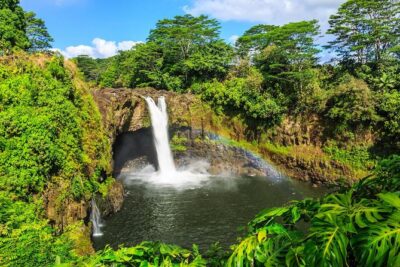
Big Island in a Day: Volcanoes Waterfalls Sightseeing and History
Read our review →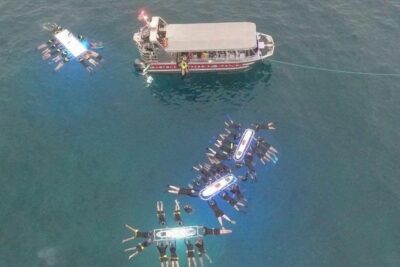
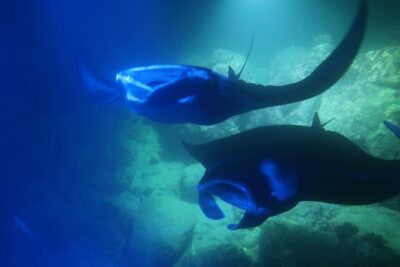
Kona Manta Ray Snorkel Tour in Keauhou Harbor
Read our review →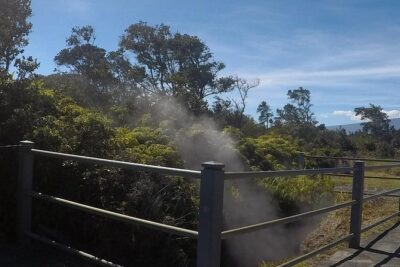
Hilo Shore Excursion: Volcanoes National Park & Black Sand Beach
Read our review →
Captain Cook Snorkel On A Power Catamaran With Lunch
Read our review →
KONA Manta Ray Night Snorkel – FREE re-ride if no Sightings
Read our review →

Big Island GOAT Experience: Mauna Kea Summit, Sunset & Stars
Read our review →Browse the lists this tour appears in