
Reviewed · PAGE TOURS
Page: Upper Antelope Canyon Prime Time Entry & Navajo Guide.
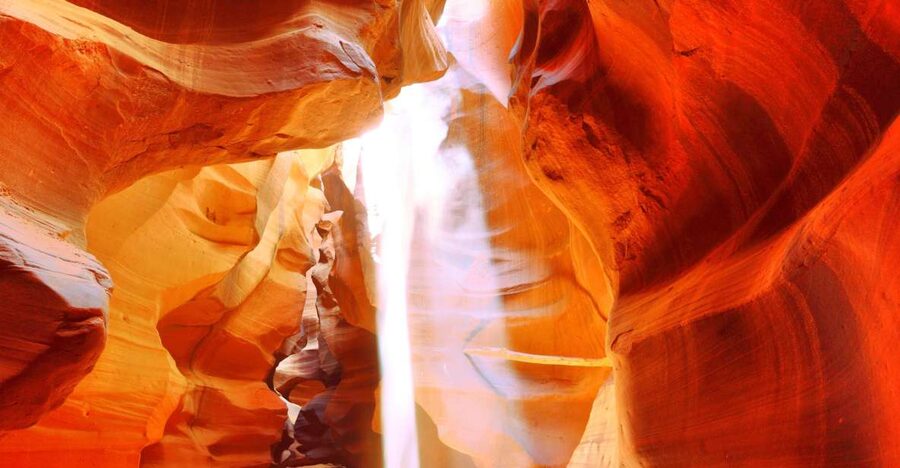
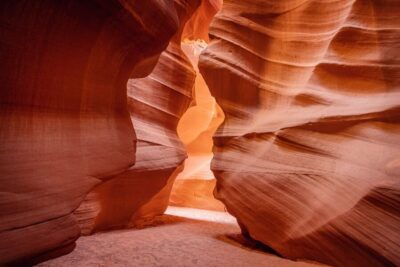
Upper Antelope Canyon is a short walk with a big visual payoff. Sunlight slips through the narrow sandstone walls, turning the rock into flowing bands of red, orange, and gold. A Navajo guide leads you through this remarkable slot canyon, explains how flash floods shaped it, and points out forms you might miss on your own.
I like the small groups of up to 10 people, which make it easier to hear the guide and get a turn at the best photo spots. I also like the enclosed, air-conditioned van, especially compared with an open truck ride through dusty desert roads. The catch is strict: you must check in at least 45 minutes before departure, and you cannot bring a normal bag, backpack, tripod, selfie stick, or even a water bladder inside.
Key points to know before you book
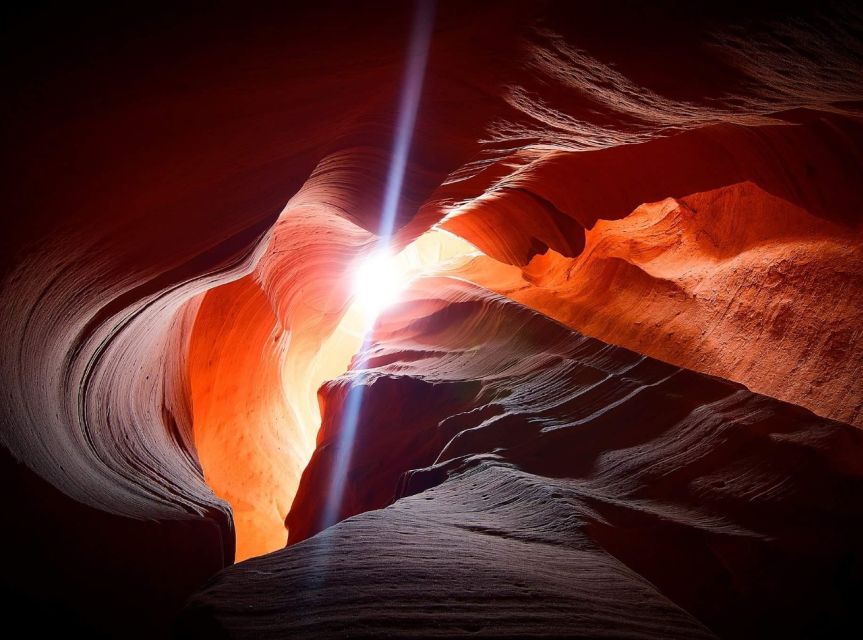
- A Navajo guide adds more than directions: You hear local stories, cultural background, and an explanation of how water carved the canyon.
- The ride is comfortable but bumpy: The enclosed van keeps you cool and dust-free during the roughly 10-minute off-road journey.
- Photo help is part of the fun: Guides often point out the best angles, adjust phone settings, and take family photos for you.
- The canyon walk lasts about 75 minutes: The route is generally easy, but the return includes sand, stairs, and ramps.
- The price is really at least $111.05 per person: The $95 tour price does not include the $15 Navajo permit fee plus tax.
- Prime time matters for light: Choose your departure carefully if glowing beams and warm color are high on your wish list, but all time slots can produce striking views.
Why Upper Antelope Canyon feels so different
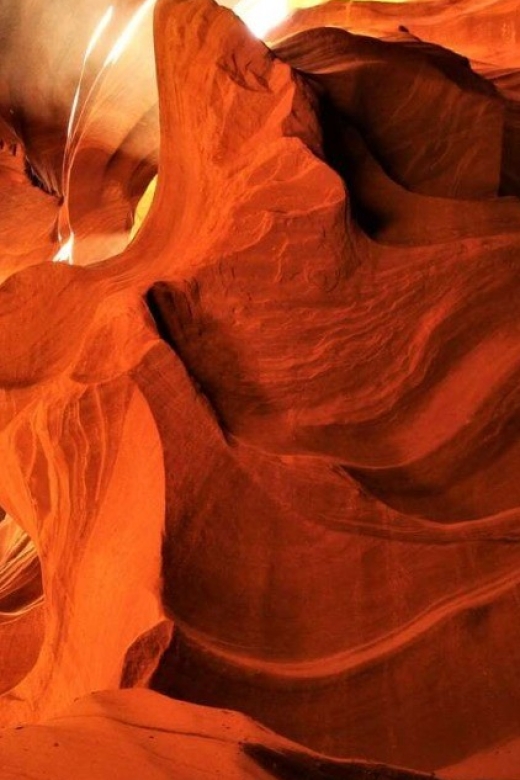
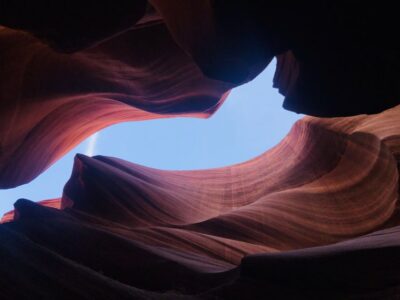
Upper Antelope Canyon is not a broad canyon with distant overlooks. It is a narrow passage through smooth sandstone, where the walls curve, fold, and twist above you. You walk at ground level while the rock rises around you, often only a few feet apart.
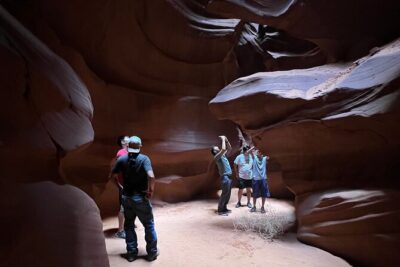
The shapes are the main event. A guide may point out profiles, wings, waves, or other forms in the stone. Some are easy to see. Others appear only when you look from a certain angle. This is where a local guide earns the fee: you get help noticing the canyon instead of simply walking through it with your phone raised.
The canyon was shaped by water rushing through sandstone during flash floods. Over time, the moving water wore away softer layers and polished the walls. Wind and sand helped refine the curves. The result is a place that looks carefully designed, although every line was made by erosion.
This geology also explains why the canyon is treated with care. Flash floods can be dangerous, and access is controlled through guided tours. You are not wandering off alone or climbing around the formations. You follow a set route with a guide who keeps the group moving safely.
More to weigh up across Page
- Page: Lower Antelope Canyon Entry and Navajo Guided Tour
★ 4.7 · 7,801 reviews - Lower Antelope Canyon Hiking Tour
★ 5.0 · 6,216 reviews - Page: Antelope Canyon X Guided Tour
★ 4.6 · 4,034 reviews
The meeting point and the ride to the canyon
Your day begins at Tse Bighanilini Tours, where free parking is available. You should plan to arrive an hour before your scheduled departure. Check-in closes 45 minutes before the tour, and missing that deadline can mean losing the reservation without a refund.
That early arrival rule is not a small detail. Build in extra time for finding the office, parking, and getting everyone organized. One booking had a third-party reservation issue at check-in, though it was resolved. That is another reason not to arrive at the last minute.
After check-in, you board a shuttle van for the ride to the canyon entrance. The drive takes about 10 minutes, but it is not a smooth city transfer. The road is off-road and can be bumpy. Most people will find the ride part of the adventure, but anyone sensitive to jolts should be prepared.
The enclosed van is one of the stronger practical features of this tour. It provides air conditioning and protects you from the dust that can blow around open-air vehicles. In hot weather, that makes a real difference. You may still feel the rough road, but you will not arrive coated in desert dust.
Walking through Upper Antelope Canyon
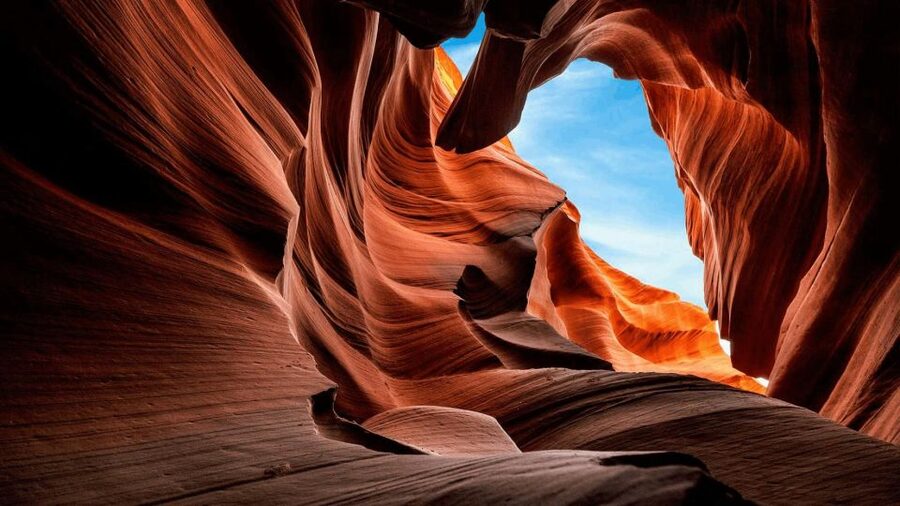
The guided walk inside the canyon lasts approximately 75 minutes. The total activity is listed as 90 minutes, including the van transfer and the time at the office and entrance.
The pace is designed for sightseeing and photographs, not speed. Your guide stops at points with interesting rock shapes and good light, then gives you time to look and take pictures. The narrow walls make even a short pause feel worthwhile because the view changes as you shift position.
The walk itself is generally easy, but do not read that as fully effortless. You may walk over sandy ground, and the route back to the van includes a sandy hill, stairs, and ramps. The tour is not wheelchair accessible and is not suited to people with mobility impairments, heart problems, or pregnancy.
You also need proper footwear. Open-toed shoes, sandals, and high heels are not allowed. Comfortable closed shoes are the sensible choice, along with clothes you can move in. The canyon may feel cooler than the outside temperature, but conditions at the meeting point can be chilly, breezy, or rainy, particularly in spring. Dress for the day outside, not only the hour underground.
What your Navajo guide adds
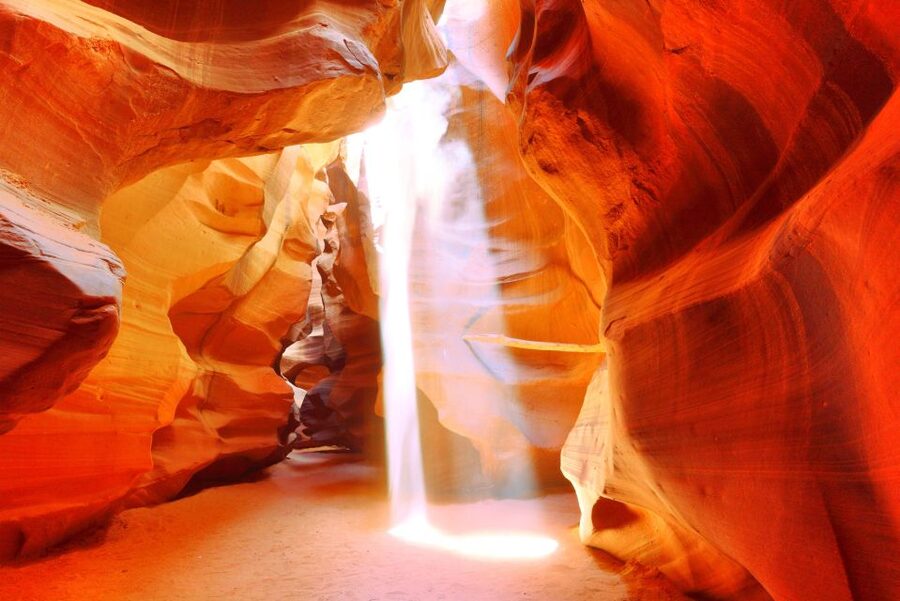
The guide is more than a walking escort. You receive an introduction to the area, information about Navajo culture and local traditions, and a clear account of the canyon’s formation.
The strongest guides also know how to make the hour feel personal. Ro has played the flute during tours. Mario has shared a video showing floodwater moving through the canyon. Other guides have used music, stories, and close attention to help visitors appreciate the place as more than a photo backdrop.
Guides named in highly positive experiences include Lillian, Mario, Leland, Ro, Bernice, Amar, Amara, Lionel, Yellow Horse, Torme, and Klint. The individual style will vary, but the consistent aim is clear: explain the canyon, keep the group together, and help you see the best details.
Listening can be difficult when several groups are nearby. One person found that the guide sometimes began speaking before everyone had gathered. Stay close enough to hear, especially at stops. If you fall behind for photos, catch up before the next explanation begins.
A different kind of day, same corner of the map:
- Page: Lower Antelope Canyon Tour with Trained Navajo Guide
★ 4.7 · 2,552 reviews - Page: Upper Antelope Canyon Entry Ticket and Guided Tour
★ 4.5 · 2,406 reviews - Las Vegas: Antelope Canyon Horseshoe Bend Tour & Lake Powell
★ 4.7 · 2,307 reviews - Lower Antelope Canyon Admission Ticket
★ 4.5 · 2,257 reviews
Getting better canyon photographs
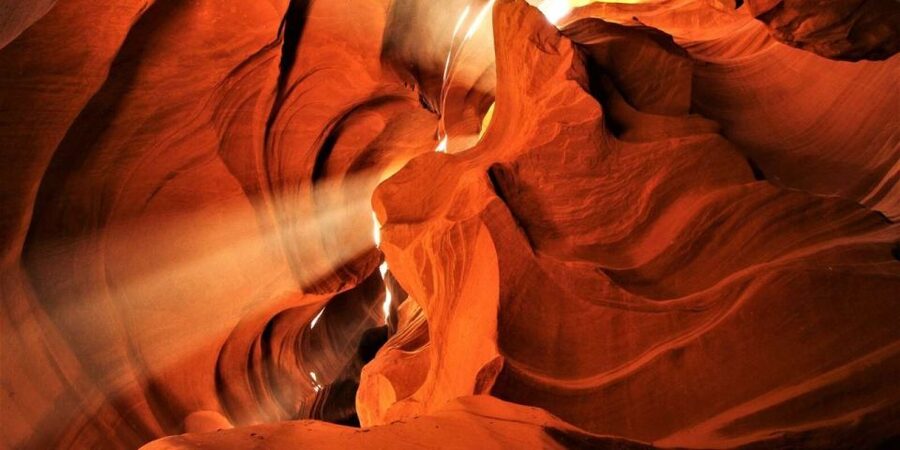
You can use your phone throughout the walk, and photo guidance is one of the most useful parts of the experience. Guides may suggest where to stand, which angle shows the curves best, and when the light is strongest.
Several guides also take pictures of visitors. That matters for couples and families who do not want every image to be a selfie. Guides have helped set up phone cameras, photographed groups at key formations, and in some cases shared extra images directly to a phone.
Keep your expectations realistic. The canyon is naturally dramatic, but phone cameras can struggle with dark walls and bright light above. Your guide may help with settings, yet you should still take a moment to check your own images before moving on.
The best approach is to alternate between photographing and looking. If you spend every second adjusting your screen, you will miss the changing curves overhead. Take a few wide shots, then try close views of the sandstone layers. A guide may also point out a familiar shape that makes a strong portrait backdrop.
Prime time can be a good choice if you want the strongest chance of attractive sunlight inside the canyon. Light changes with the season and exact departure time, and busy periods can bring more groups into the passage. A late afternoon tour has produced excellent pictures, so do not reject a time solely because it is not the classic midday slot.
Crowd levels and the small-group advantage
The group limit is 10 participants. That is small enough for a guide to help with family photos and answer questions without shouting across a large crowd.
Still, Upper Antelope Canyon is a popular place, and you should not expect private silence. Other groups can be close by, especially at the most photogenic formations. One practical complaint was that groups could be better spaced, with people sometimes directly ahead or behind.
Your guide controls only part of that experience. The advantage of a small group is that you can hear more easily and move through the canyon with less delay than a large party. The drawback is that the canyon itself remains narrow, so even a well-run tour cannot guarantee an empty view.
If crowding is a major concern, ask about the available departure times when you book. A less popular time may feel calmer, though the exact atmosphere depends on the day. Prime time can improve light while also attracting strong demand.
Price, permit fee, and overall value
The listed price is $95 per person. Add the Navajo permit fee of $15 plus tax, which is stated as $16.05 per person. That brings the known cost to at least $111.05 per person before any other booking charges.
That is not a bargain for a 90-minute activity. Still, the price includes the Upper Antelope Canyon entrance, the shuttle ride, the guided walk, a local Navajo guide, and free parking. You are paying for controlled access to a famous natural site, transport over a rough road, and a guide who can improve both the cultural context and your photographs.
I consider the value strongest if this is a major stop on your Arizona trip. The canyon is not a place you can simply pull over and explore independently. The guide and transport are part of the access system, not optional extras.
The value is also better for families and couples who want usable pictures. A guide taking photos of your group can save the awkward task of asking strangers, though tips for good service are customary and should be budgeted separately.
If you mainly want a cheap outdoor walk, this is expensive. If you want to see Upper Antelope Canyon itself, the cost is easier to justify because the ticket, transport, and local interpretation are bundled together.
What you cannot bring inside
The bag policy is unusually strict. Do not bring backpacks, purses, crossbody bags, messenger bags, fanny packs, hydration bags, or ordinary day bags. Selfie sticks, tripods, umbrellas, firearms, weapons, hiking sticks, and canes are also prohibited.
A clear backpack may be accepted, but do not count on a standard bag. One visitor was caught off guard after leaving a backpack with a water bladder in the car. Water may be available for purchase at check-in, but the safest plan is to confirm the current policy and hydrate before the walk.
GoPros, action cameras, and camcorders are not allowed. You can bring your phone, but the restrictions mean you should carry only what the rules permit. Pets and service animals are not allowed on the tour.
Bring a passport or ID card, comfortable closed shoes, and suitable clothing. The tour is conducted in English. It is not wheelchair accessible, and it is not appropriate for anyone who cannot manage uneven sandy surfaces, a hill, stairs, and ramps.
Timing, seasons, and Arizona clocks
The tour operates on Arizona time, specifically the Phoenix Mountain Standard Time zone. Time-zone confusion is a real risk around Page, particularly if you are driving from Nevada, California, or elsewhere in the Southwest.
From November 2, 2025 through March 8, 2026, Antelope Canyon time is one hour ahead of Pacific time. For example, 10:00 AM in Los Angeles is 11:00 AM at the canyon.
From March 9, 2026 through November 22, 2026, the stated schedule lists Antelope Canyon time as the same as Pacific time. Check the current local time before setting out, and compare it with the departure time on your confirmation.
The listed tour duration is 90 minutes, but your wider day needs more room. Arrive an hour early, allow for check-in, and do not schedule another activity too tightly afterward. The ride is short, but loading, unloading, and moving groups through the canyon take time.
Free cancellation is available up to four days in advance for a full refund. After that point, the strict check-in rule becomes especially important because late arrival can forfeit your ticket.
Who will enjoy this tour most
I would choose this experience if you want a famous Arizona sight with a local guide, easy photo opportunities, and a short, organized route. It works well for families with older children, couples, photographers using phones, and anyone who wants more context than a self-guided visit could provide.
It is also a good fit if you dislike dusty open-air rides. The air-conditioned van is a real comfort, even though the off-road road is bumpy.
I would think twice if you need a wheelchair-accessible route, rely on a cane, want to carry medical or hydration equipment, or dislike close crowds. The no-bag rule requires planning, and the canyon walk includes sand and steps.
Should you book Upper Antelope Canyon Prime Time?
Book it if Upper Antelope Canyon is high on your Arizona list and you are willing to pay for a guided, controlled visit. The combination of sculpted sandstone, Navajo interpretation, photo help, and a dust-free van makes the experience more useful than simply arriving at the canyon and hoping for the best.
Before paying, confirm the final price with the $16.05 permit fee included, check the Arizona departure time, and plan to arrive at least an hour early. Bring your ID, closed shoes, and phone only. If you can accept the price and the strict physical and baggage rules, this is a memorable way to see one of the Southwest’s most unusual natural spaces.
FAQ
How long does the Upper Antelope Canyon tour last?
The full activity lasts about 90 minutes. The guided walk inside the canyon is approximately 75 minutes, with about 10 minutes spent on the shuttle ride to the canyon.
What is included in the price?
The price includes the Upper Antelope Canyon entrance ticket, the walking tour, a local Navajo guide, the shuttle transfer, and free parking.
Is the Navajo permit fee included?
No. The Navajo permit fee is listed separately as $15 plus tax, or $16.05 per person.
How early should I arrive?
Plan to arrive at Tse Bighanilini Tours one hour before departure. You must check in at least 45 minutes before the tour time, or your ticket may be forfeited without a refund.
Can I bring a backpack or camera equipment?
No ordinary bags or backpacks are allowed, including purses, crossbody bags, fanny packs, hydration bags, and messenger bags. Selfie sticks, tripods, GoPros, action cameras, and camcorders are also prohibited. You may bring a phone, subject to the tour’s current rules.
Is the tour wheelchair accessible?
No. The tour is not wheelchair or handicap accessible and is not suitable for people with mobility impairments. The route includes sandy ground, a sandy hill, stairs, and ramps.
Newly listed in Page
- Page/Lake Powell: Guided Kayak & Water Antelope Canyon Tour★ 4.9 · 477 reviews
- Lower Antelope Canyon General Guided Tour★ 4.5 · 508 reviews
- Page: Lower Antelope Canyon Ticket and Guided Hiking Tour★ 4.6 · 519 reviews
- Antelope Canyon X Admission Ticket★ 4.5 · 584 reviews
- Page: Upper Antelope Canyon Walking Tour with Local Guide★ 4.5 · 586 reviews
- Page: Lower Antelope Canyon Prime-Time Guided Tour★ 4.6 · 668 reviews
- Upper Antelope Canyon Ticket★ 4.5 · 744 reviews
- Upper Antelope Canyon Ticket★ 4.0 · 1,161 reviews
Page Tours, compared.
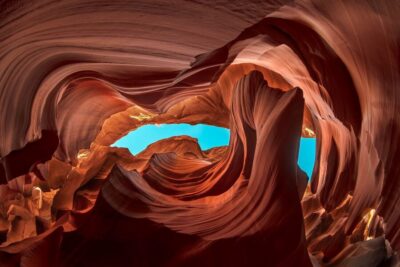
Lower Antelope Canyon Entry and Navajo Guided Tour
Read our review →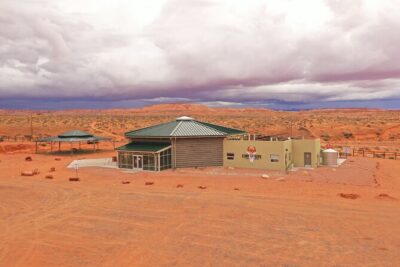
Lower Antelope Canyon Tour with Trained Navajo Guide
Read our review →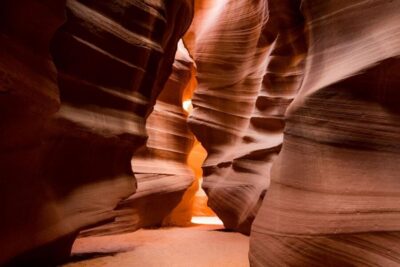
Upper Antelope Canyon Entry Ticket and Guided Tour
Read our review →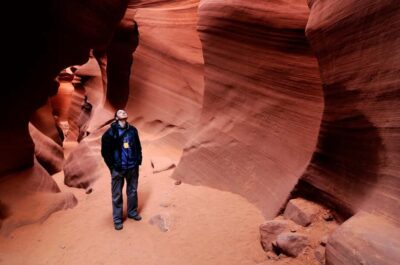
Antelope Canyon Horseshoe Bend Tour & Lake Powell
Read our review →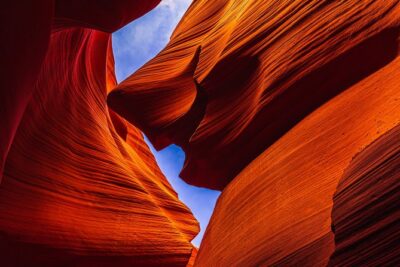
Browse the lists this tour appears in