
Reviewed · SEDONA TOURS
Sedona Stargazing Tours LLC
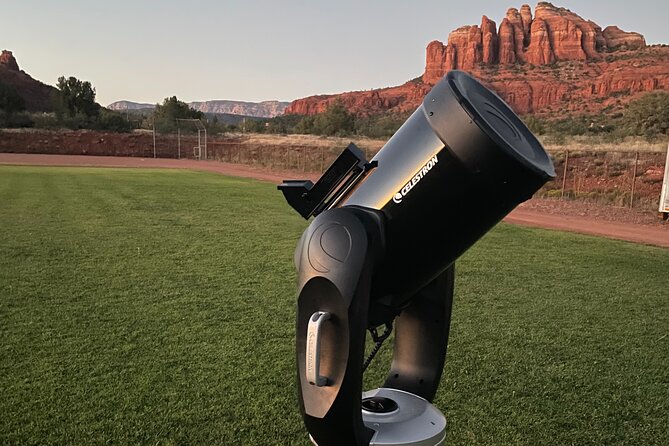
Sedona’s red rocks fade into darkness, and the sky takes over. Near Oak Creek, this private stargazing experience uses powerful GPS-guided telescopes to bring planets, nebulae, star clusters, and distant galaxies within view. A laser pointer helps connect the dots between constellations, while wide-view binoculars give you something to do between telescope turns.
I like the serious equipment and the chance to shape the hour around your own questions. I also like the human touch: guides such as Wes, Dave, Richard, and Mr. Sanders explain the sky with humor and clear stories rather than simply pointing at bright objects.
The main caution is the price, $89 per person for about 75 minutes. That can feel steep if a bright moon or cloud cover limits the view, and stargazing always depends on conditions you cannot control.
Key Points Before You Book
- Powerful telescopes: GPS auto-positioning helps the guide find planets, stars, galaxies, nebulae, and clusters without wasting your short viewing window.
- Private setting: Only your group participates, giving you more room to ask questions and request particular sights.
- Oak Creek meeting point: You meet at Verde Valley School, 3511 Verde Valley School Road, then return to that same spot.
- Comfort in cold weather: Chairs, wide-view binoculars, blankets, and, during winter visits, parkas have been provided.
- Moon and clouds matter: A full moon can make stars harder to see, while clouds may lead to cancellation and a refund or alternate date.
- English presentation: The experience is offered in English and confirmation arrives when you book.
Why Sedona Works So Well After Dark
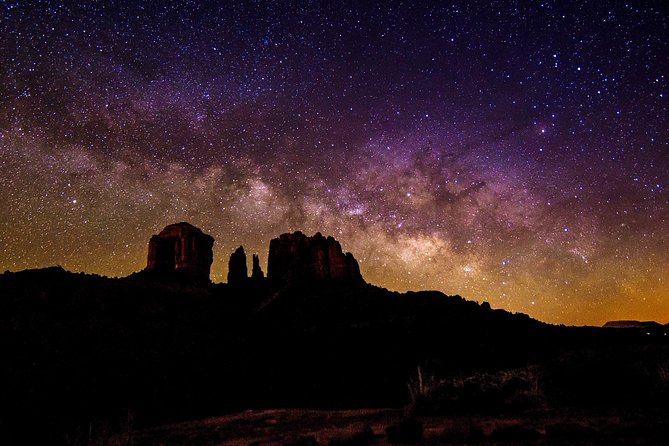
Sedona is famous for its red rock formations, but the night sky is a major part of the setting. Once the sun drops, the surrounding darkness gives the stars room to show themselves. You are not just looking at a black ceiling dotted with lights. You are learning how the sky is organized and how individual objects fit into the larger solar system and beyond.
The experience takes place near Oak Creek rather than in the middle of Sedona’s busiest streets. That matters because a stargazing session needs darkness, quiet, and a clear view overhead. The meeting point is Verde Valley School, at 3511 Verde Valley School Road in Sedona.
This is a private activity, so your own group takes part rather than joining a large mixed crowd. The setting is simple: walk to the observing area, settle into a chair, and let the guide direct your attention upward. It is not a formal observatory visit with exhibits or a visitor center. The appeal is the live sky above you and the chance to look through equipment set up for the evening.
You should expect an outdoor experience, not a warm indoor presentation. Even in a desert destination, nighttime temperatures can drop quickly. Bring several warm layers, especially from late fall through winter. Blankets and parkas have been supplied on cold evenings, but your own coat, hat, and closed shoes remain sensible choices.
More to weigh up across Sedona
- Verde Canyon Railroad Adventure Package
★ 4.5 · 2,821 reviews - Small-Group Grand Canyon Complete Tour from Sedona or Flagstaff
★ 5.0 · 1,928 reviews - Explore Sedona’s Vortexes: 2.5 Hour Jeep Tour of Mysticism
★ 5.0 · 1,834 reviews
The 75-Minute Route From Meeting Point to Telescope
The listed stop is Verde Valley School, which serves as both the start and finish. After meeting at the designated time, you make a short walk to the sitting area and observing setup. Chairs are prepared, and the telescopes are positioned for the session.
The first part usually helps you get your bearings in the sky. Your guide uses a laser pointer to outline constellations and explain their names, positions, and connections to zodiac signs. This is valuable even if you know little about astronomy because the night sky can look like a mass of unrelated points at first.
The laser presentation gives you a simple visual map. Instead of hearing a list of constellation names, you can follow the guide’s pointer and begin to recognize patterns. Guides also explain solar-system basics and take questions, so you can steer the discussion toward subjects that interest your group.
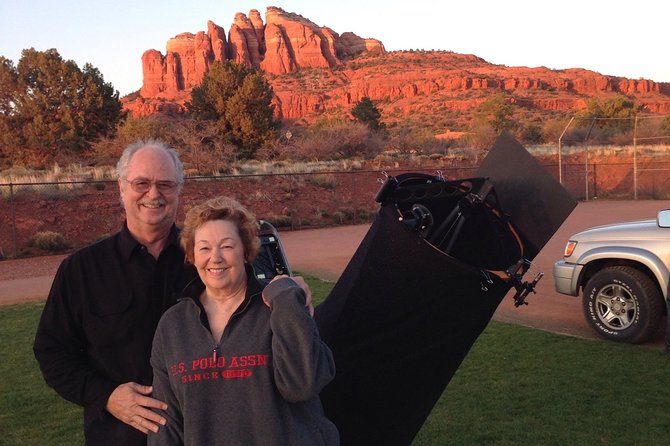
The main part of the session involves taking turns at the large telescopes. Their GPS auto-positioning helps the guide locate selected objects with speed and accuracy. That is especially useful during a short tour, since time spent searching manually is time you are not looking through the eyepiece.
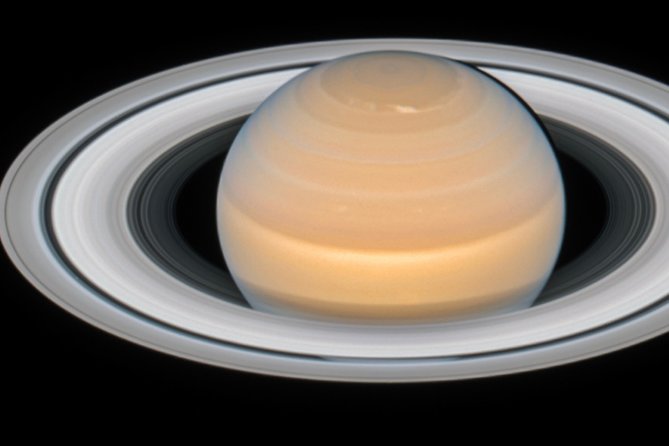
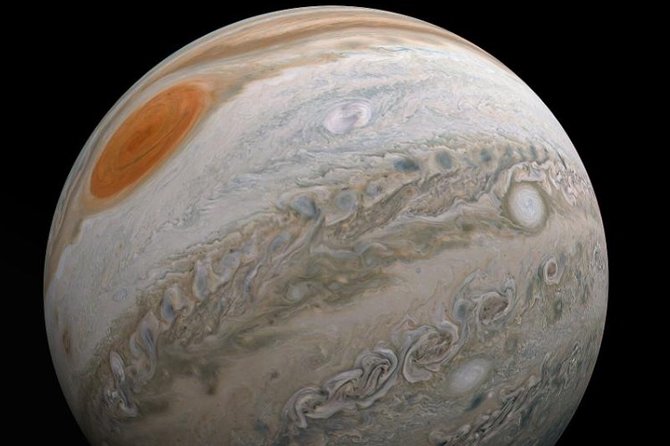
You might view a planet, star cluster, galaxy, nebula, or the Moon, depending on the season, sky conditions, and what is visible that night. Saturn has been a memorable sight for many people, particularly its rings and a moon. The exact list is not fixed, and that flexibility is part of the point.
Between telescope turns, you can use wide-view binoculars from your chair. Binoculars show a broader section of sky than a telescope, so they are a good way to keep exploring while another person is at the eyepiece. They also make the session feel less like standing in line for one attraction.
The experience lasts about one hour and 15 minutes, although some descriptions refer to an hour and some visitors have experienced roughly 90 minutes. Plan your evening around the approximate duration rather than counting on an exact finish time. The activity ends back at the meeting point.
What the Equipment Adds to the Experience

The telescopes are the heart of the tour. Their size and GPS positioning make it possible to move between different kinds of celestial objects during one sitting. You are not limited to seeing only bright stars with the naked eye.
A telescope changes the experience from general sky watching to close observation. The Moon can reveal surface detail, while a planet such as Saturn can show a shape and feature you would not see unaided. A distant galaxy or nebula may appear as a faint, unusual patch rather than a bright picture-book image, but that faintness is part of understanding the scale of space.
The guide helps you use the equipment correctly. Focus and positioning matter, and staff make adjustments so the view is clear. You may also be able to take a phone picture through the telescope, though results depend on the object, the equipment, and your phone technique. One family managed good sky photos and found Saturn especially memorable.
The binoculars are a smart addition. They give each person another way to look at the sky, and they reduce the dead time that can occur when a group shares telescopes. You can scan the stars, listen to the explanation, and return to the telescope when it is your turn.
Chairs and blankets also matter more than they might seem. Stargazing involves looking upward for a long time, and a comfortable seat makes it easier to concentrate. Cold fingers and stiff shoulders can turn a pleasant night into a short one, so the practical setup improves the experience.
The Guides Make or Break the Night
The equipment gets you to the objects, but the guide explains why they matter. Wes has been praised for storytelling, including a memorable explanation of Saturn, its rings, and its moon. Dave has led sessions with clear constellation explanations, while Richard has been singled out for his astronomy knowledge, charm, and photography skills. Mr. Sanders has also been praised for his command of the subject and his ability to make the telescopes fun to use.
The important point is that the guides do more than operate machinery. They explain constellations, planet positions, solar-system basics, and the larger meaning of what you are seeing. You can ask questions throughout the hour, and the private format gives your group more freedom to follow a topic instead of staying with a fixed lecture.
The tone can be educational without being stiff. The guides have been described as funny, friendly, and strong storytellers. That is a good fit for families, since children can learn without feeling as though they have been sent to an outdoor classroom after dinner.
There is one practical sound issue to keep in mind. In one account, the main explanation was sometimes hard to hear, or it was not always clear when the guide had started speaking. This may depend on group position, wind, or the guide’s location, but stay close enough to hear the presentation and speak up if you miss a point.
A different kind of day, same corner of the map:
- Guided ATV Tour of Western Sedona
★ 5.0 · 1,767 reviews - Half-day Sedona Sightseeing Tour
★ 4.5 · 1,688 reviews - Sedona Outlaw Trail: 3-Hr 4×4 Tour of Western Canyons & Wildlife
★ 5.0 · 1,335 reviews - Sightseeing Highlights Tour of Sedona
★ 4.5 · 1,279 reviews
Moonlight, Clouds, and Realistic Expectations
A clear, moonless night is usually the best choice if your priority is seeing many stars and getting a stronger impression of the Milky Way. A full or near-full moon brightens the sky, which can wash out fainter stars and galaxies.
The bright side is that the Moon itself can become a superb target. Its craters and surface features may show striking detail through a telescope. A full moon is not automatically a wasted night, but it creates a different experience from viewing a dark sky filled with faint stars.
Clouds are more serious. Even light cloud cover can block telescope targets and interrupt constellation viewing. The operator may cancel rather than offer a shortened or compromised session. If poor weather cancels the tour, you are offered another date or a full refund.
That policy is frustrating if you have driven out and still see a few stars, but it is also honest. A stargazing tour needs a useful sky, not merely a technically visible one. One person had three consecutive cancellations because of clouds and received a refund. Another felt disappointed when a tour was canceled under light cloud cover, even though some stars remained visible.
Check the weather and moon phase when choosing your date if you have flexibility. If your schedule allows only one night, accept that nature has the final say. The provider requires good weather and may also cancel if the minimum number of participants is not met, with an alternate date, another experience, or a refund offered.
Is $89 a Fair Price?
At $89 per person, this is not a casual after-dinner walk. The cost pays for a private session, an astronomer guide, multiple telescopes, GPS positioning, binoculars, chairs, and cold-weather supplies when needed. For someone who wants a real look at planets and deep-sky objects, that package can be good value.
The private format is important to the calculation. You are not simply standing in a public area and hoping to catch a glimpse through one shared telescope. Your group has a guide who can answer questions and adjust the presentation around your interests.
Still, the tour is short. At about 75 minutes, you have limited time for setup, constellation orientation, telescope turns, and questions. One person considered the equipment excellent but felt the price was high for an hour. If your goal is only to see a few stars, you may agree.
I would book it if astronomy is a real interest, if you are traveling with children who love space, or if you want an evening activity that feels different from another restaurant or sunset viewpoint. I would hesitate if your budget is tight, your schedule is rigid, or the forecast shows clouds and a bright moon.
The value also depends on your expectations. You are looking through real telescopes, not at a giant-screen planetarium image. Some galaxies and nebulae may look subtle rather than colorful. The guide’s explanation and your understanding of what you are seeing are a large part of the experience.
Who Will Enjoy This Most?
Families have plenty to gain from the tour. Children can see planets directly, use binoculars, follow the laser pointer, and ask questions. Saturn has been a particular hit with young people, and the combination of chairs, blankets, and short duration helps keep the evening manageable.
Couples can treat it as a quiet night activity with a clear sense of place. The experience is also a good fit for friends, solo visitors, and anyone who wants a change from Sedona’s daytime hikes. It does not require specialist astronomy knowledge. Curiosity is enough.
The private format also helps groups with different interests. One person can ask about zodiac constellations, another can focus on planets, and children can simply wait for the next telescope turn with binoculars in hand.
Most people can participate, according to the supplied tour information. One account specifically describes staff giving excellent help to a husband with a disability. If anyone in your group needs particular assistance, contact the provider before booking so the meeting point and outdoor setup can be discussed clearly.
The experience is offered in English. That makes the guide’s explanations central, so you should be comfortable following spoken English for the astronomy presentation.
Timing Details You Should Not Miss
The default start time shown when booking may not be the final arrival instruction. The provider can send an afternoon message with an earlier arrival time based on sunset, moon phase, and viewing conditions. One scheduled 8 p.m. session asked participants to arrive at 7:15 p.m.
Read the email and text instructions carefully after booking. The meeting address is 3511 Verde Valley School Road, Sedona, Arizona 86351, and the activity ends there. Since the site is outside the center of town, allow enough time to reach it without rushing.
The ticket is mobile, and confirmation is sent at booking. Additional departure details and the address are provided by email. Keep those instructions available on your phone, especially if the provider changes the recommended arrival time.
You can cancel for a full refund up to 24 hours before the start time. Cancellations or changes inside that 24-hour window are not refunded or accepted. Weather cancellations are handled differently, with a new date or full refund offered.
Should You Book the Sedona Stargazing Tour?
Book this experience if you want more than a quick look at the stars. The combination of astronomer guides, GPS-positioned telescopes, binoculars, chairs, and a private group makes the evening feel purposeful. The best moments may be simple ones: Saturn’s rings, a constellation traced by laser light, or the sudden realization that a faint patch is another galaxy.
Go in prepared for cold air, changing conditions, and a sky that may not match your imagination. Check the moon phase, bring warm layers, read the updated arrival message, and understand that clouds can cancel the evening. At $89, it is best for people who value guided astronomy and close telescope views, not for anyone seeking the cheapest possible nighttime activity.
For families, couples, and curious first-time stargazers, I would put this high on a Sedona evening list when the forecast is clear. If the sky cooperates, the red rocks become only the opening act.
FAQ
Where does the Sedona stargazing tour meet?
The meeting point is 3511 Verde Valley School Road, Sedona, Arizona 86351. The activity ends back at the same meeting point.
How long does the experience last?
The tour lasts approximately one hour and 15 minutes. Some descriptions refer to an hour, so allow a little flexibility in your evening schedule.
What can you see through the telescopes?
Depending on the conditions and what is visible, you may see planets, stars, galaxies, nebulae, and star clusters. The Moon and Saturn, including Saturn’s rings and a moon, have been featured during sessions.
Is the tour private?
Yes. Only your group participates in this private activity.
What equipment is provided?
The experience provides large telescopes with GPS auto-positioning, wide-view binoculars, comfortable chairs, and a laser pointer for explaining constellations. Blankets and parkas have also been provided during cold-weather sessions.
Is the tour offered in English?
Yes. The experience is offered in English.
What happens if the weather is poor?
The experience requires good weather. If it is canceled because of poor weather, you are offered a different date or a full refund.
Can I cancel for a full refund?
Yes. You can cancel at least 24 hours before the start time for a full refund. Cancellations or changes made less than 24 hours before the start time are not accepted or refunded.
Newly listed in Sedona
- Introduction to Glassblowing Workshop in Sedona★ 5.0 · 454 reviews
- Sedona Magical Sightseeing Highlight Tour- 5 Stars★ 5.0 · 486 reviews
- Scenic Sedona Tour★ 4.5 · 498 reviews
- Grand Canyon Deluxe Day Trip from Sedona★ 5.0 · 506 reviews
- The Ultimate Ebike Tour of Sedona.The best of Sedona EZRider.★ 5.0 · 538 reviews
- Grand Canyon Complete Day Tour from Sedona or Flagstaff★ 5.0 · 549 reviews
- Bliss – Sedona’s Most Luxurious Wine Tour – Lunch Included!★ 4.5 · 552 reviews
- Chuck Wagon Supper & Western Stage Show at Blazin’ M Ranch Ticket★ 4.5 · 554 reviews
Sedona Tours, compared.
Small-Group Grand Canyon Complete Tour from Sedona or Flagstaff
Read our review →
Explore Sedona’s Vortexes: 2.5 Hour Jeep Tour of Mysticism
Read our review →

Sedona Outlaw Trail: 3-Hr 4×4 Tour of Western Canyons & Wildlife
Read our review →
Sedona Red Rocks Outback Tour: Scenic with mild off-roading
Read our review →Browse the lists this tour appears in