
Reviewed · MUSEUMS
Plimoth Patuxet Museums
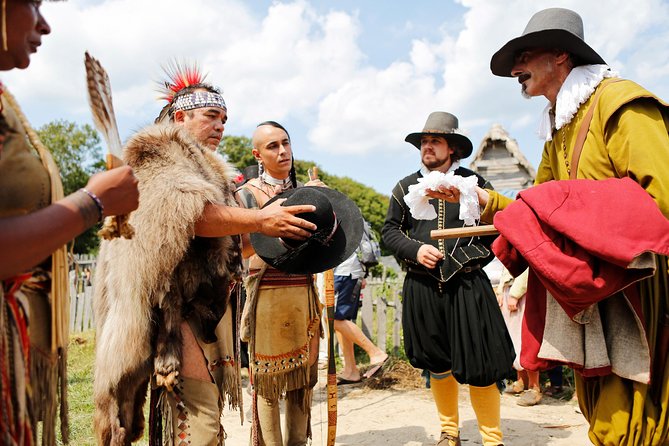
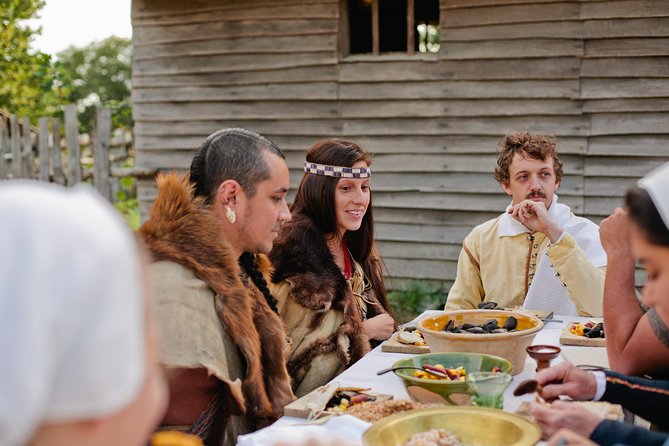
At Plimoth Patuxet Museums, history is not behind glass. You walk dirt paths past gardens, enter timber houses, and speak with interpreters playing people from the early English settlement. Across the grounds, the Historic Patuxet Homesite presents Indigenous life through contemporary interpreters whose ancestors have lived in the Northeast for more than 12,000 years. The two-sided story is the main reason to come.
I like the freedom to choose your day: visit only the main museum, or add the Mayflower II and Plimoth Grist Mill. I also like the way real crops, working tools, period buildings, and hands-on exhibits give families something to see and do. The trade-off is that the grounds are spread out, the paths can be uneven, and the quality of conversation with costumed interpreters can vary.
Key points to know before you go
- The Historic Patuxet Homesite adds essential context: It places Indigenous life at the center of the story, not at the edge.
- The 17th-Century English Village works best when you ask questions: The interpreters respond in character, but some may offer only brief answers unless you start the conversation.
- The full three-site visit takes most of a day: Allow roughly five to seven hours if you want time at Plimoth Patuxet, the mill, and the ship.
- The Mayflower II is three miles north: You need a car or a local ride service to connect it with the main museum.
- The Grist Mill is a working reproduction: On Saturday afternoons, the millstones operate; on other days, millers prepare cornmeal for the next run.
- Free golf cart service helps with long walks: Ask Guest Services on arrival if uneven 17th-century paths are difficult for you.
Why Plimoth Patuxet tells a bigger story than the Pilgrims
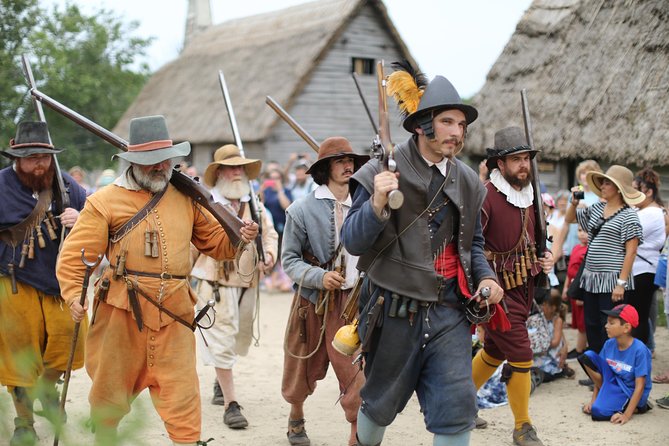
Many people arrive expecting a Pilgrim village and a quick look at Plymouth’s famous ship. You do get both, but the museum’s strongest feature is its broader view of the 17th century.
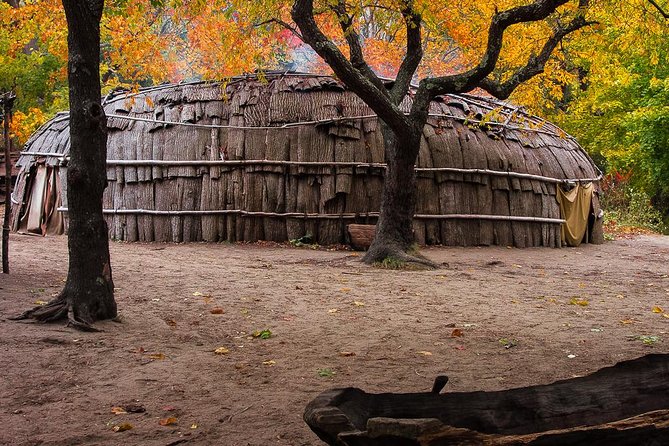
At the Historic Patuxet Homesite, contemporary interpreters explain Indigenous life in the Northeast. The setting includes homes, crops, and details of daily life connected to the Patuxet people. This matters because the English settlement did not appear in an empty place. The Indigenous story gives you a fuller sense of the land, its foodways, its communities, and the long history that came before 1620.
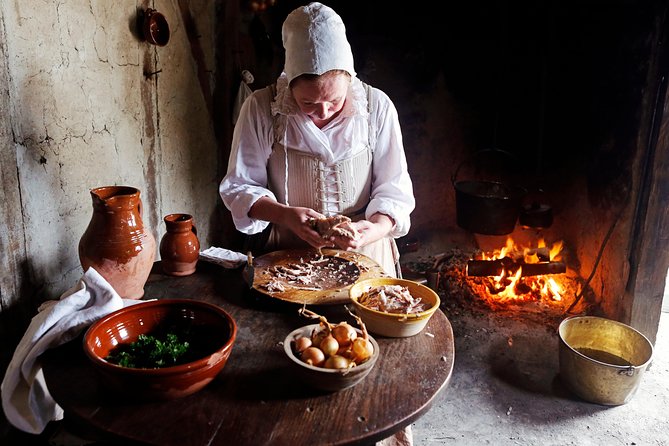
The English settlement then shows another kind of evidence. Instead of reading only about survival, you see houses, gardens, tools, clothing, and domestic tasks laid out across a working site. Real crops growing in the fields are a small but important detail. They help you picture food production as work that required planning, patience, and constant attention.
The museum also connects the 17th century to America’s 250th anniversary. The Mayflower Compact and its ideas about self-government are presented as part of the longer story that eventually shaped the political system of the United States. That connection is useful, but the museum is not a substitute for a detailed political biography of William Bradford, Myles Standish, or every event of the first settlement. If you want a tightly narrated account of famous leaders and dates, you may find the experience lighter on that material.
More museums around the USA:
- NYC: 9/11 Memorial & Museum Timed-Entry Ticket
★ 4.8 · 31,428 reviews - NYC: Empire State Building Tickets – Observatory & Museum
★ 4.7 · 25,757 reviews - New York City: American Museum of Natural History Ticket
★ 4.5 · 15,447 reviews
Walking through the 17th-Century English Village
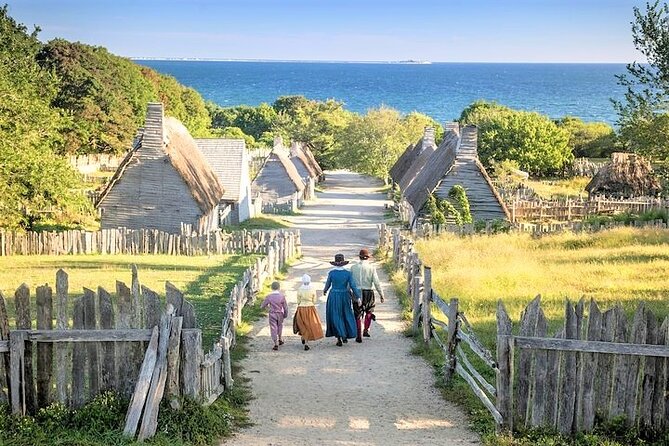
The English Village is the most interactive section of the visit. You follow a trail through recreated houses and yards while costumed interpreters carry out the roles of settlers living in the early 1600s.
The houses and gardens show how much daily life depended on basic skills. You can look at cooking areas, storage, crops, and household arrangements while asking about food, work, family life, religion, or the first winter. The museum encourages conversation rather than simply sending you past silent displays.
That approach can be very effective with children and teenagers. A young visitor who would tune out a wall of text has a better chance of paying attention when a person in period clothing answers a question face to face. Families have found the gardens, houses, trails, and costumed characters especially engaging, and the setting gives children room to move while still learning.
You should make the first move. Ask specific questions instead of waiting for an interpreter to deliver a speech. Try asking how food was stored, what a particular building was used for, or what settlers had to do before breakfast. The replies can add much more depth to the walk.
The presentation is not always consistent. Some interpreters are warm and eager to explain their roles, while others may seem tired or give short answers. That variation is one reason I would not judge the whole site by a single conversation. Keep walking, try another house, and ask again. The experience becomes better when you treat it as a series of short encounters rather than one continuous guided tour.
The grounds are not a smooth modern museum. Expect dirt paths, outdoor walking, and uneven surfaces. Comfortable shoes are important, and the museum remains open in all weather, so rain gear and layers can make a major difference. Free golf cart service is available through staff for people who need help covering the longer distances. Ask at Guest Services when you arrive rather than waiting until you are worn out.
The Historic Patuxet Homesite deserves your time
If you have limited time, do not rush past the Patuxet section to reach the Pilgrim houses. It is one of the most valuable parts of the visit because it presents Indigenous heritage through living interpreters rather than treating it as a short introductory panel.
The interpreters explain the lives and traditions of peoples who have lived in the Northeast for thousands of years. You may see homes, gardens, food plants, tools, and other details that help you understand how people used the local environment. The information is presented by contemporary people, not by actors pretending to be historical Indigenous figures.
This section also corrects a common problem with simplified Plymouth stories. The familiar tale often begins with the Mayflower and ends with a holiday meal. At Plimoth Patuxet, you get a clearer sense that the settlement existed within an established Indigenous world. Plan extra time here if you want the museum’s most thoughtful historical perspective.
The site is not solely about Pilgrim life. That is a benefit if you want a fuller account of early New England. It could disappoint you if your only goal is a narrow study of the English settlers.
The Thanksgiving exhibit and Visitor Center
The Visitor Center is a practical place to begin. An opening film helps explain the history and gives you a sense of how the grounds fit together. I recommend watching the entire film before heading outside, especially if this is your first visit.
The exhibit We Gather Together: Thanksgiving, the Making of an American Holiday is included with admission. It examines how Thanksgiving became an American holiday, adding a useful layer to the familiar classroom story. This is particularly relevant during the museum’s focus on the 250th anniversary of the United States, when the institution is connecting early colonial ideas with later national traditions.
The café serves both 17th-century-inspired food and modern favorites. Some visitors have especially enjoyed the succotash soup, and seasonal Thanksgiving meals may be available for purchase around lunchtime. The menu is not especially broad, and you may find few healthy choices, so plan your expectations accordingly.
Food and drinks are not included in admission. The Visitor Center also has a shop, and there are four retail shops across the museum system selling Plimoth-made crafts and local New England products. These stores are better suited to practical souvenirs than generic museum trinkets, with items such as stone-ground products and locally made goods available at the various sites.
A different kind of day, same corner of the map:
- NYC: SUMMIT One Vanderbilt Tickets
★ 4.7 · 51,195 reviews - NYC: Empire State Building Observation Deck Tickets
★ 4.7 · 22,072 reviews - NYC: Edge Observation Deck Admission Ticket
★ 4.6 · 20,918 reviews - Grand Canyon West, Hoover Dam Stop and Optional Lunch and Skywalk
★ 5.0 · 19,535 reviews
Plimoth Grist Mill on Town Brook
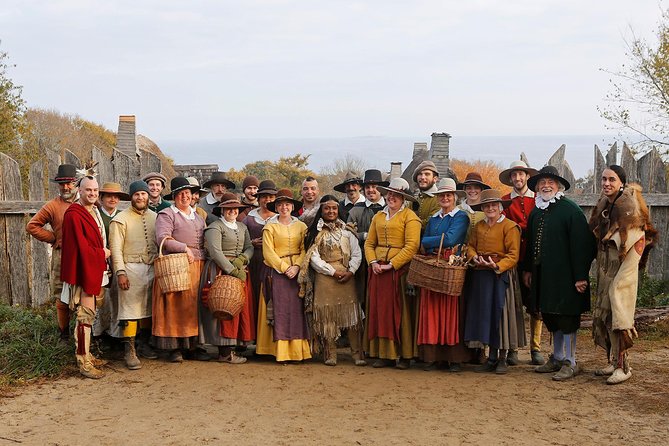
The Plimoth Grist Mill sits at 6 Spring Lane in historic downtown Plymouth, near Brewster Gardens. It is a short walk from the waterfront, though construction or temporary changes to the walking route may affect the path between the mill and nearby waterfront sights.
The mill is a working reproduction of the one built by Pilgrim John Jenney, located on the original site along Town Brook. Here, the visit shifts from settlement life to engineering, food production, and the ecology of the brook.
The mill makes a good addition for families because it connects history with simple mechanical ideas. You can see how water power moves the machinery and learn how corn becomes meal. Lower-level exhibits let you try milling for yourself, which gives younger visitors a clear reason to pay attention.
Timing matters. On Saturday afternoons, the millstones are operating. On other days, millers are sifting and preparing cornmeal, willowing, and getting the stones ready for the next run. Both schedules offer something to see, but the Saturday operating period is the better choice if you want the full working-mill experience.
The retail shop sells freshly stone-ground cornmeal and Sampe, described as grits. If you enjoy baking or cooking, this is one of the more useful souvenirs in Plymouth. The mill takes about 30 minutes in the basic schedule, but you can spend longer if you like machinery, local ecology, or questions about grain production.
You may visit the mill on the same day as Plimoth Patuxet or on a different day during the 2025 season. That flexibility helps if you want to break the visit into two shorter outings.
Climbing aboard the Mayflower II
The Mayflower II is docked in Plymouth Harbor, about three miles north of Plimoth Patuxet. You need a car to connect the two sites, or you can arrange local transportation in advance.
The ship is a floating museum and is listed on the U.S. National Register of Historic Places. Guides on board explain the 1620 crossing and the ship’s later history. The visit is fairly short, usually around 30 minutes, but it gives the story a physical scale that a village alone cannot provide.
Below deck, you can think about the cramped conditions and the demands of a long Atlantic crossing. On deck, the harbor setting helps connect the ship to the town’s modern waterfront. The vessel is a reproduction rather than the original Mayflower, and its polished condition can make it feel less like a battered working ship than some visitors expect. That does not erase its value, but it is worth knowing what you are seeing.
The ship visit is largely self-guided, with staff available to add stories and answer questions. I would pair it with the opening film and the English Village rather than treating it as a stand-alone attraction. Together, the three settings cover the reasons for the voyage, the settlement itself, and the vessel that carried the colonists.
Plymouth Rock is also near the waterfront. It is not listed as a separate ticketed stop in this experience, but the waterfront location makes it a natural nearby sight when you visit the ship.
How long the full visit really takes

The main Plimoth Patuxet visit is scheduled at about two and a half hours. That is enough for a brisk walk, but it may not be enough if you stop often to speak with interpreters, watch the film, visit the exhibit, eat lunch, and use the shops.
Add about 30 minutes for the Grist Mill and about 30 minutes for the Mayflower II, then include driving time between the main museum and the harbor. In practice, a careful visit to all three locations can take five to seven hours. If you arrive late or hit traffic, you may have to choose between rushing and leaving one site for another day.
School field trips can also affect the mood. During peak school dates, large groups may fill the outdoor paths, and the noise can make quiet conversations harder. If you want a calmer visit, an afternoon arrival after 2 p.m. on a weekday from September through November may help, though no schedule can guarantee a quiet site.
Price, packages, and practical value
Admission starts at about $35 per person, with package choices depending on which sites you want to include. Plimoth Patuxet admission covers the Historic Patuxet Homesite, the 17th-Century English Village, the Craft Center, and the Thanksgiving exhibit. The Mayflower II and Grist Mill are add-ons, so check the exact package and current price before paying.
The value depends on how much time you have. The main museum alone can fill several hours, especially if you like asking questions and examining the gardens and buildings. The combination ticket makes more sense if you can spend most of a day in Plymouth and want three different kinds of historical experience.
You are paying for extensive outdoor grounds, live interpretation, buildings, exhibits, and staff-led encounters rather than a short guided walk. Still, the admission is not a bargain if you only have an hour or if you prefer dense written displays. Some parts offer little printed explanation, so you need to listen, ask questions, and watch the film to get the most from the price.
Book ahead if you want a particular date and package. Confirmation is provided when you book, and cancellation is free up to 24 hours before the start time. Changes or cancellations inside that 24-hour window are not accepted for a refund.
Getting there and handling the walking
The ticket redemption point is at 137 Warren Avenue, Plymouth, Massachusetts. The museum is near public transportation, but connecting the separate locations requires planning.
From Boston, the Amtrak Kingston/Plymouth line runs from South Station. Plymouth and Brockton buses also depart from South Station. Local livery service should be arranged before arrival, or you can check the RideCircuit app for free service and schedules between locations.
There is no hotel pickup or drop-off. You should have a moderate level of physical fitness for the main visit, though the free golf cart service can reduce the walking burden. Service animals are allowed.
Dress for the forecast, but do not assume good weather. The museum operates in rain and other conditions, and much of the experience takes place outside. Sturdy, comfortable shoes are more important than stylish ones.
Who will enjoy Plimoth Patuxet most
I would recommend this experience to families, school-age children, history fans, and anyone who learns better by seeing and doing. Teenagers may enjoy it more than expected if you let them ask questions and give them time to explore the houses, gardens, ship, and mill.
It is also a strong choice if you are staying in the Boston area and want a full-day trip with more substance than a quick photo stop at Plymouth Rock. The three-site package gives you a useful range: Indigenous history, English settlement life, water-powered industry, and the Mayflower crossing.
You may want a different attraction if you prefer a fast, tightly scripted tour with every fact printed beside every object. You may also find the visit tiring if uneven paths and outdoor walking are difficult, although the golf cart service can help.
Should you book it?
Book Plimoth Patuxet if you want an active history day and are willing to participate. The best moments come when you ask the interpreters questions, take time at the Patuxet Homesite, and let the setting explain what daily life required.
For the strongest visit, choose the package with all three sites if your schedule allows at least six hours. Start with the main museum, watch the opening film, give the Patuxet Homesite equal time, and then visit the Mayflower II and Grist Mill. If your time is short, choose Plimoth Patuxet alone rather than racing through three locations.
FAQ
Where is Plimoth Patuxet Museums located?
The ticket redemption point is at 137 Warren Avenue, Plymouth, Massachusetts, USA.
How long should I plan for the visit?
The main Plimoth Patuxet visit takes about two and a half hours. The full combination of Plimoth Patuxet, Plimoth Grist Mill, and Mayflower II can take about five to seven hours when you include walking, meals, and transportation.
What does the main Plimoth Patuxet ticket include?
Admission includes the Historic Patuxet Homesite, the 17th-Century English Village, the Craft Center, and the exhibit We Gather Together: Thanksgiving, the Making of an American Holiday.
Are the Mayflower II and Grist Mill included?
They are add-ons to the Plimoth Patuxet admission. Package choices allow you to include either or both sites.
How far is the Mayflower II from Plimoth Patuxet?
The Mayflower II is about three miles north of Plimoth Patuxet. You need a car or local transportation to travel between them.
Where is the Plimoth Grist Mill?
The Grist Mill is at 6 Spring Lane in historic downtown Plymouth, near Brewster Gardens and within walking distance of the waterfront.
Is food included with admission?
No. Food and drinks are not included. The Visitor Center café serves 17th-century-inspired dishes and modern favorites, and the shops sell local New England products.
Is the museum suitable for people with mobility concerns?
The grounds include uneven 17th-century dirt paths. Free golf cart service is available through staff at Plimoth Patuxet, and you should ask Guest Services for assistance when you arrive.
What is the cancellation policy?
You can cancel up to 24 hours before the experience start time for a full refund. Cancellations or changes made less than 24 hours before the start time are not accepted for a refund.
Newly listed in the USA
- The Maui Butterfly Farm Tour★ 5.0 · 446 reviews
- NON BUS 4 Winery Traverse City Wine Tour on Old Mission Peninsula★ 5.0 · 445 reviews
- New England Aquarium Admission Ticket in Boston★ 4.0 · 446 reviews
- New Orleans City Tour and Steamboat Natchez Harbor Jazz Cruise★ 4.0 · 446 reviews
- Dreaded Dead Descent of the District: DC Ghost Tour★ 4.0 · 446 reviews
- Alpaca and Llama Farm Tour★ 5.0 · 446 reviews
- Small-Group Laura and Whitney Plantation Tour from New Orleans★ 4.5 · 446 reviews
- Cañon City: Royal Gorge Bridge & Park Entry Ticket & Gondola★ 4.5 · 448 reviews
Museums, compared.


Empire State Building Tickets – Observatory & Museum
Read our review →


9/11 Memorial, Ground Zero Tour with Optional 9/11 Museum Ticket
Read our review →

All-Access 9/11: Ground Zero Tour, Memorial and Museum, One World Observatory
Read our review →
Browse the lists this tour appears in