
Reviewed · NEW YORK CITY TOURS
NYC: Guggenheim Museum Entry Ticket
Frank Lloyd Wright’s Guggenheim is not a plain box filled with paintings. The building itself is the main event: a white spiral that carries you upward through modern and contemporary art. I like the way the architecture makes the visit feel different from a standard museum walk, and I like the Thannhauser Collection, where classic works by Picasso, Manet, Degas, Monet, and van Gogh can offer a calmer counterpoint to newer art.
I also appreciate the freedom of a one-day ticket with no rushed tour group. You can spend about an hour or two, or pause on the benches and take more time. The main caution is that the experience depends heavily on the exhibitions on view. Some visitors find certain political or experimental subjects unsettling, while others find the same works powerful and memorable.
Key points to know before you go
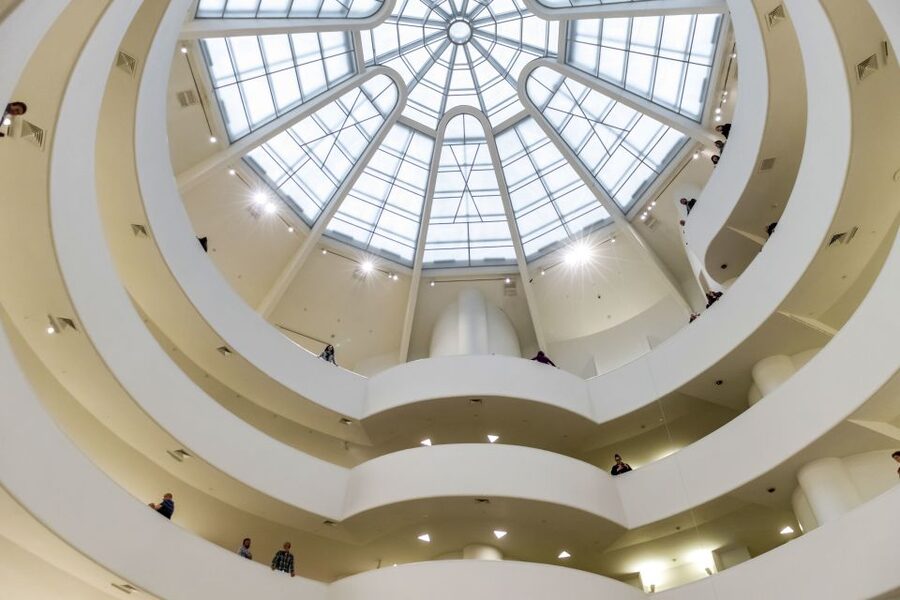
- Frank Lloyd Wright’s spiral interior: The galleries follow the building’s famous sloping rotunda, creating a museum visit unlike the straight corridors of the Met or MoMA.
- All exhibitions are included: Your ticket covers the special exhibitions and permanent collections, including the ongoing Thannhauser Collection.
- Downloadable guide in 11 languages: Connect to museum Wi-Fi and use your own charged smartphone and headphones for audio and written information.
- A useful one to two hour stop: The museum works well as a focused visit, especially when paired with Central Park across the street.
- Art changes your experience: The building is a reliable attraction, but the appeal of the current exhibition depends on your taste.
- $30 can be good value: The price makes sense if you visit several galleries and use the audio guide, but a quick 35-minute look may feel costly.
The Guggenheim begins with the building

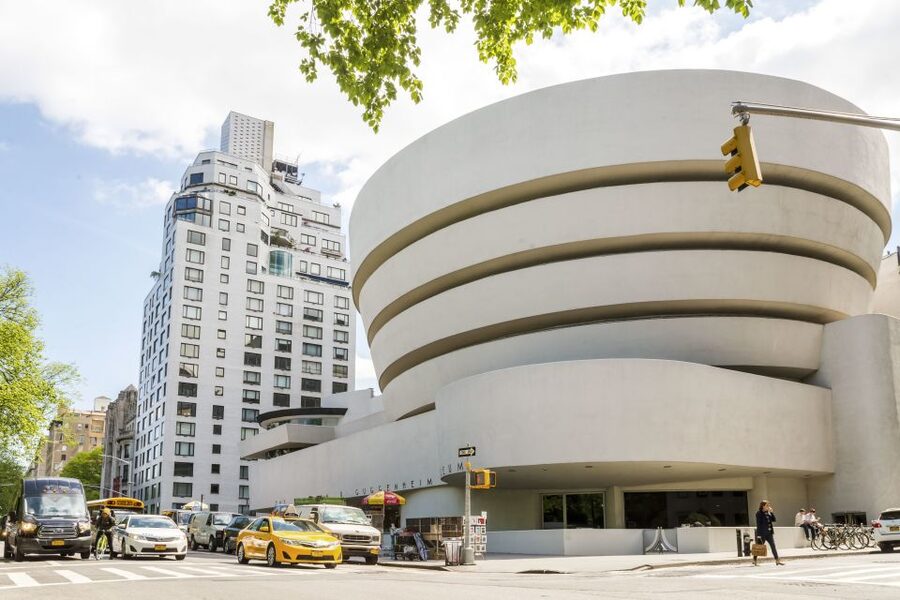
The Solomon R. Guggenheim Museum sits on Fifth Avenue between 88th and 89th Street, across from Central Park. Its rounded white exterior is easy to spot, but the real surprise comes inside, where the main gallery forms a broad spiral ramp around an open central space.
Frank Lloyd Wright designed the building as a continuous route rather than a stack of separate rooms. That choice changes how you see the art. Instead of crossing from one box-shaped gallery to another, you gradually move upward, with the rotunda opening around you and pieces appearing at different angles.
The building was named a UNESCO World Heritage Site, one of only two such sites in New York State. The other is the Statue of Liberty. You do not need to be an architecture specialist to appreciate the design. Even a short visit gives you a strong sense of why this museum is a destination in its own right.
I recommend looking up into the rotunda before heading toward the art. The central space gives you a useful first impression of the museum’s scale and shape. It also helps explain why the Guggenheim feels more like a carefully designed experience than a conventional gallery.
More Museums in New York City
- NYC: Empire State Building Tickets – Observatory & Museum
★ 4.7 · 25,757 reviews - New York City: American Museum of Natural History Ticket
★ 4.5 · 15,447 reviews - NYC: Museum of Modern Art (MoMA) Entry Ticket
★ 4.6 · 12,540 reviews
Entering from Fifth Avenue
The main entrance is between 88th and 89th Street. Show your ticket at the entry point, then connect to the museum’s Wi-Fi to download the digital guide.
The ticket is designed to let you skip the ticket line, which matters in New York, where even a short museum visit can lose time to queues. The entry process itself is not presented as a guided tour, so you are free to set your own pace and order.
Bring a charged smartphone and headphones. The audio guide is not something to use without preparation, since you need your phone for the download. The guide includes audio and written information for each exhibition, along with material about the permanent collection and the Frank Lloyd Wright building.
It is available in 11 languages, including Spanish, Mandarin, Italian, and Arabic. The guide adds useful context, but you should not expect it to function exactly like a fully programmed museum route that leads you from object to object. Some visitors find its navigation less direct than guides at larger museums.
Following the spiral galleries
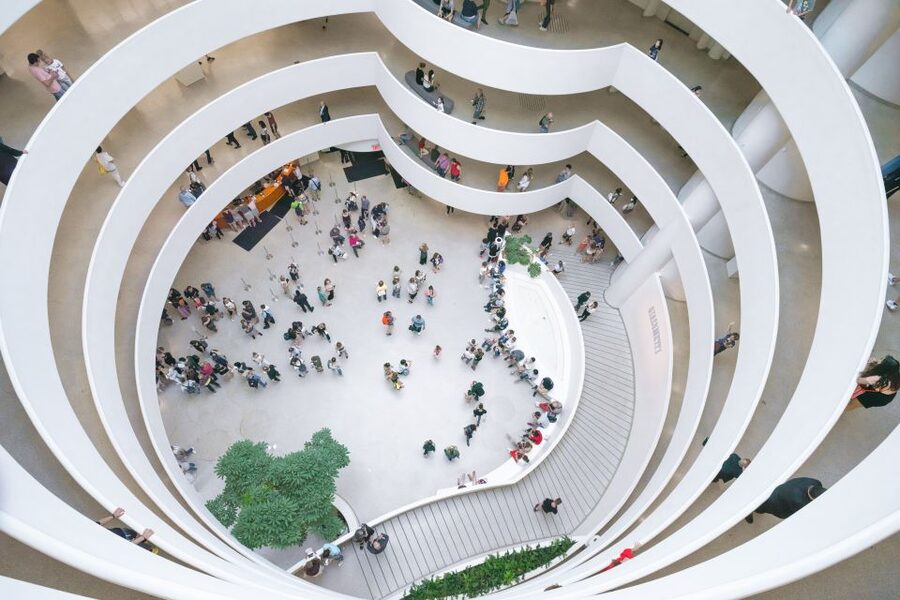
Once inside, you can move through the sloping gallery route and see how the works change as the building curves around the central opening. The path is easy to follow, but the shape can affect how you spend time with individual pieces.
The Guggenheim’s layout encourages a steady walk. You can sweep through the galleries fairly quickly, or stop at benches and allow a painting more time. That flexibility is one of the museum’s strengths. You are not tied to a scheduled group, and your ticket is valid for one day.
The layout also has limits. A painting on a curved wall may not have the same viewing distance or straight-on presentation you find in a traditional gallery. Some people love this unusual setting. Others may find that the architecture competes with the art.
The museum’s organization can also give the visit a sense of progression. The exhibitions lead you through different kinds of expression and media, rather than presenting every work as an isolated object. If you enjoy seeing how an exhibition builds an idea from one room to the next, pay attention to the order instead of racing to the most famous names.
Permanent collections and changing exhibitions
The Guggenheim began with a collection of early modern masterpieces, and it remains focused on modern and contemporary art from the 20th century and beyond. Your ticket includes the permanent collection as well as the special exhibitions on display during your visit.
The Thannhauser Collection is ongoing and can be especially appealing if you want recognizable European names alongside less familiar modern artists. Works associated with Picasso, Manet, Degas, Monet, and van Gogh have been a major draw for many visitors. This section may feel more approachable if experimental contemporary art is not your first choice.
The special exhibitions change, so check the dates before booking. The listed 2025 program includes:
- Rashid Johnson: A Poem for Deep Thinkers, April 18, 2025 through January 18, 2026
- Beatriz Milhazes: Rigor and Beauty, through September 7, 2025
- Faith Ringgold, through September 14, 2025
- Modern European Currents, through March 22, 2026
- Thannhauser Collection, ongoing
These dates matter because the Guggenheim is not a fixed collection visit. A person returning later may have a noticeably different experience, even if the building is the same.
You may also find live programs or special events during your visit. One recent visit included a poetry set, adding another layer to the museum’s program. Do not assume a performance is included every time, but the museum can offer more than paintings in quiet rooms.
More museums around New York City:
- 9/11 Memorial, Ground Zero Tour with Optional 9/11 Museum Ticket
★ 5.0 · 6,381 reviews - 9/11 Memorial Museum Admission Ticket
★ 4.5 · 6,376 reviews - All-Access 9/11: Ground Zero Tour, Memorial and Museum, One World Observatory
★ 5.0 · 4,886 reviews - NYC: Intrepid Museum Entry Ticket
★ 4.7 · 4,687 reviews
The art may be familiar, strange, or difficult
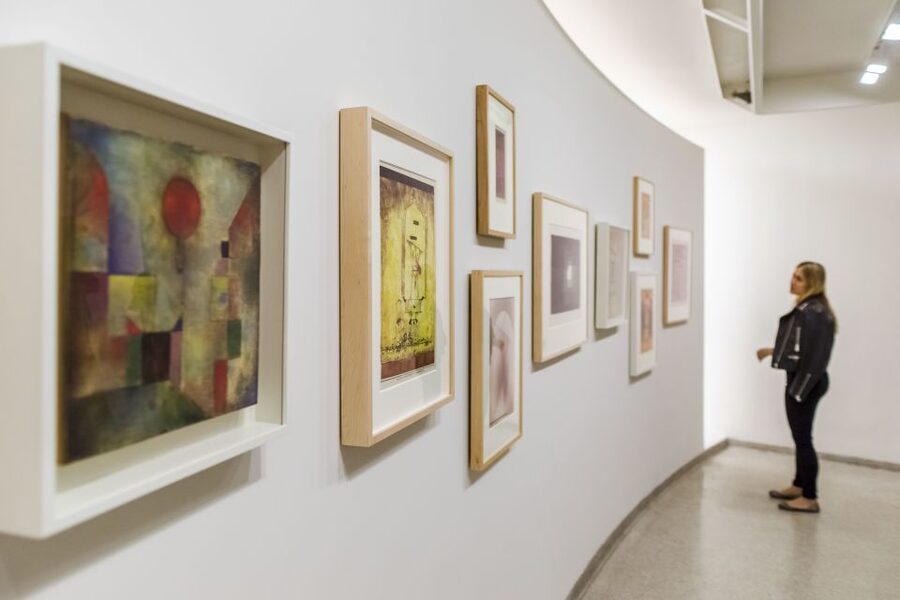
The Guggenheim is a good place to see famous modern works without trying to cover the full scale of the Metropolitan Museum of Art. You might encounter large Picasso paintings, classic European works, cubist pieces, and contemporary installations in the same visit.
The mood can shift sharply from room to room. Colorful, playful work may sit near art dealing with war, politics, identity, or painful events. Some visitors find those subjects depressing or disturbing. That is not a flaw in every case, but it is worth knowing if you want a light museum stop.
Modern and contemporary art also asks you to make your own judgment. You may love one gallery and feel indifferent to the next. That is normal here. The museum is a place for looking, comparing, and deciding what works for you, not a checklist where every object needs to be admired.
I suggest using the audio guide selectively. Listen when a work or exhibition theme catches your attention, then put the phone away and look. The written notes can help when an idea seems unclear, but constant listening can pull your attention away from the building and the art itself.
How long should you plan?
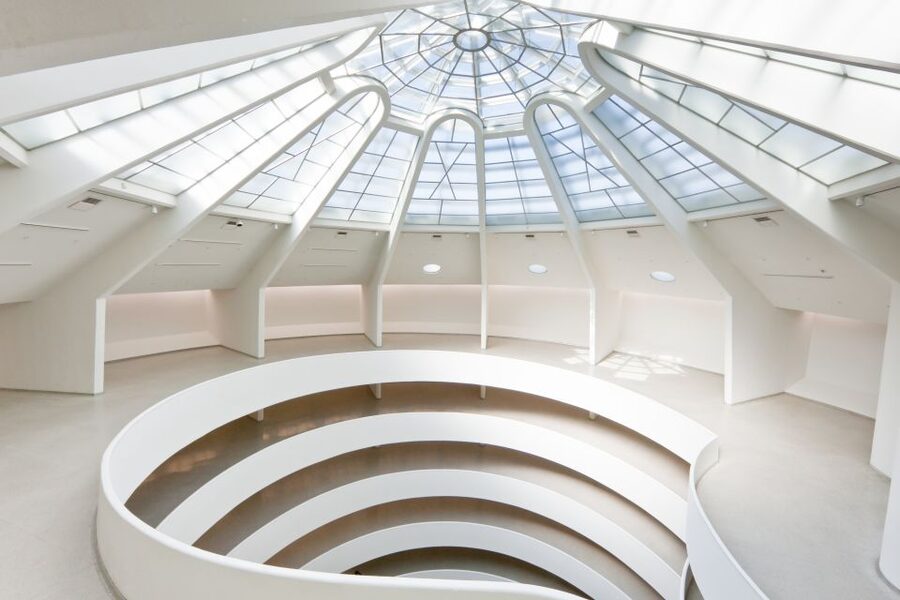
The stated average visit is about one to two hours. That is a sensible plan for most people. It gives you enough time to see the main spiral, visit the current exhibitions, and pause for a few works without turning the stop into an all-day commitment.
Some people move through in about 35 minutes, especially if the main goal is seeing the architecture. That can work, but it reduces the value of a $30 ticket. If you are paying full price, I would aim for at least 90 minutes and use the benches to slow down.
You can spend longer if a special exhibition interests you. The ticket provides unlimited time during the day, so you are not forced to leave after a set duration. If you are staying nearby, you can also treat the museum as a flexible stop rather than a major half-day plan.
Crowds can change the pace. At busy times, it may be harder to stand directly in front of a popular piece or find an uninterrupted view along the ramp. The museum can also feel remarkably calm at other times. The difference is another reason not to build your entire day around a strict minute-by-minute schedule.
Pairing the museum with Central Park
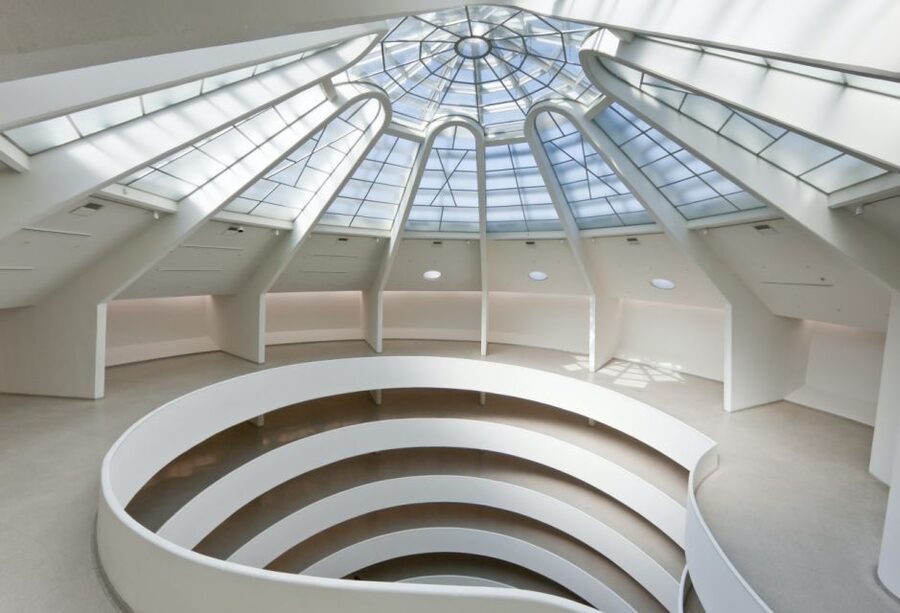
The Guggenheim’s location makes it easy to combine with Central Park. After the museum, you can cross the street and change from indoor galleries to open space without arranging additional transportation.
This pairing works well on a rainy day too. The museum offers a concentrated indoor activity, and you can decide afterward if the weather is good enough for a park walk. If you are visiting with children or teenagers, the unusual building may hold their attention better than a long series of conventional rooms.
Children 11 and under receive free museum entry. The spiral design is also a natural conversation starter for families. Ask younger visitors whether the building feels like a ramp, a shell, or something else, then let them choose a few artworks rather than trying to see everything.
The museum is wheelchair accessible, so the unusual spiral route is not only a visual feature. It is part of the accessible visitor experience as well.
Is $30 a fair price?

At $30 per person, this is not a cheap New York attraction, but the ticket includes every exhibition, Wi-Fi, the multilingual digital guide, and one full day of access. The value is strongest when you care about both the architecture and the current art program.
The price is easier to justify if you spend 90 minutes or more inside. It is also useful if you want one museum ticket that covers both the permanent collection and special exhibitions, rather than choosing one area and paying again for another.
The value is weaker if you only want a quick look at the exterior or if you already know that contemporary art rarely interests you. You may still enjoy the rotunda, but a very short visit can make the admission feel high.
Free entry for children 11 and under helps families. The option to reserve now and pay later, along with free cancellation up to 24 hours before the visit, can also help if your New York schedule is still shifting. Check the available starting times when booking, since the ticket is valid for one day but availability still matters.
Who will enjoy this museum most?
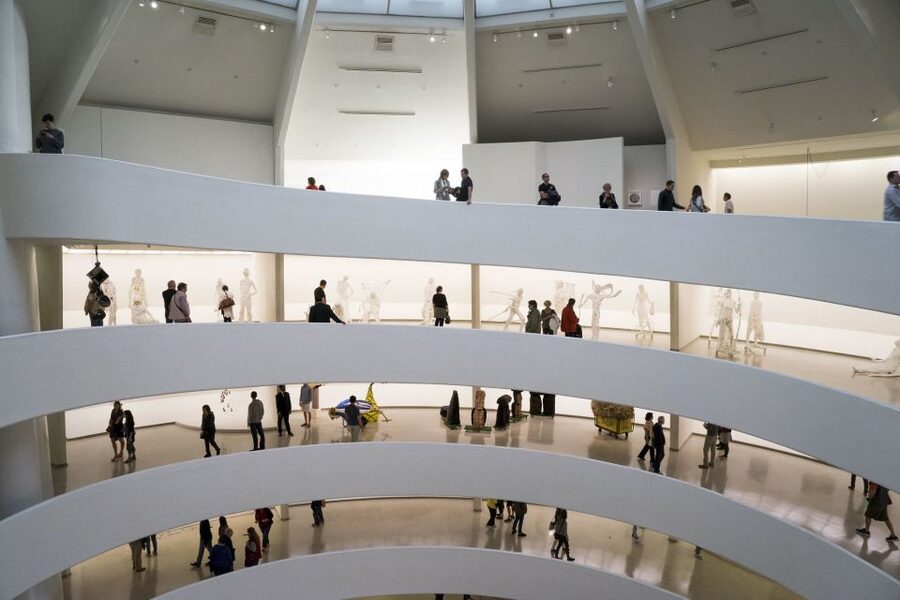
I would choose the Guggenheim for you if architecture matters as much as art. It is also a good fit if you want a shorter museum visit, a location near Central Park, or a chance to see modern art without committing an entire day.
It suits:
- Architecture fans who want to experience a major Frank Lloyd Wright building from inside
- Art lovers interested in modern and contemporary work
- Families with children 11 and under, who enter free
- Visitors looking for a rainy-day activity
- People who prefer self-guided visits to fixed tours
- Repeat visitors who want to see a new special exhibition
You may prefer another museum if you want a huge historical collection, many rooms of traditional art, or a guide that directs you precisely from one object to the next. The Guggenheim is focused, unusual, and dependent on its current program.
Practical tips for a better visit
Arrive with your phone charged and your headphones ready. Connect to the museum Wi-Fi early so you are not standing in the gallery trying to solve a download problem.
Start by taking in the rotunda and the overall design. Then decide if you want to follow the audio guide closely or use it only for selected works. I prefer the second approach because it leaves room for quiet looking.
Check the exhibition dates before buying. A particular artist or collection may be the reason you are interested, and not every famous Guggenheim artist appears at every visit. One past visitor was disappointed not to see Kandinsky, a useful reminder that the museum’s displays change.
Allow some time for the lower floors and side galleries instead of only following the main ramp. The arrangement can make the museum feel like a story, but the pieces that appeal most to you may not be on the most obvious stretch.
If you want food or a small break, the museum has a café. The location also gives you plenty of options around Central Park, though the provided ticket itself covers the museum rather than a meal.
Should you book the Guggenheim ticket?
Book it if you want a distinctive New York museum experience where the building and the art share equal billing. The spiral interior, rotating exhibitions, Thannhauser works, and downloadable guide make the $30 worthwhile for a visit of about one to two hours.
Think twice if your interest is limited to one artist who may not be on display, or if you dislike contemporary and politically difficult subjects. For architecture fans, first-time New York visitors, families, and anyone planning time near Central Park, this is one of the city’s more memorable indoor stops.
FAQ
Where is the Guggenheim Museum entrance?
The main entrance is between 88th and 89th Street on Fifth Avenue. Show your ticket at the museum entry point.
What does the $30 ticket include?
It includes entry to the Solomon R. Guggenheim Museum, access to all exhibitions, Wi-Fi, the downloadable multilingual audio guide, and sales tax.
How long does a visit usually take?
The average visit takes around one to two hours. Your ticket is valid for one day, so you can take your time during the available visit period.
Is the audio guide available in different languages?
Yes. You download the digital guide using the museum Wi-Fi. It includes audio and written information in 11 languages, including Spanish, Mandarin, Italian, and Arabic.
What should I bring?
Bring a charged smartphone and headphones. You need the phone to download and use the digital guide.
Are children admitted free?
Children 11 years of age and under receive free museum entry. The museum is also wheelchair accessible.
Newly listed in New York City
- Official Private NYC Central Park Horse Carriage Ride Since 1970™★ 4.5 · 447 reviews
- NYC at Night: 3-Hour Luxury Bus Tour of Top Highlights★ 4.5 · 448 reviews
- From Manhattan: 5-Hour Bronx, Queens, and Brooklyn Bus Tour★ 4.7 · 451 reviews
- Private Guided New York City Tour by SUV★ 5.0 · 451 reviews
- Statue of Liberty Tour with Ellis Island and Immigration Museum★ 4.0 · 452 reviews
- NYC: Official Grand Central Terminal Tour★ 5.0 · 458 reviews
- Circle Line: NYC BEAST Speedboat Ride★ 4.5 · 458 reviews
- New York City: Sunset Yacht Cruise★ 4.9 · 461 reviews
New York City Tours, compared.


Empire State Building Tickets – Observatory & Museum
Read our review →


Statue of Liberty and Ellis Island Tour: All Options
Read our review →


New York CityPASS®: Save up to 41% at 5 Top Attractions
Read our review →Browse the lists this tour appears in