
Reviewed · MONUMENT VALLEY TOURS
Monument Valley: Horseback Adventure Tour
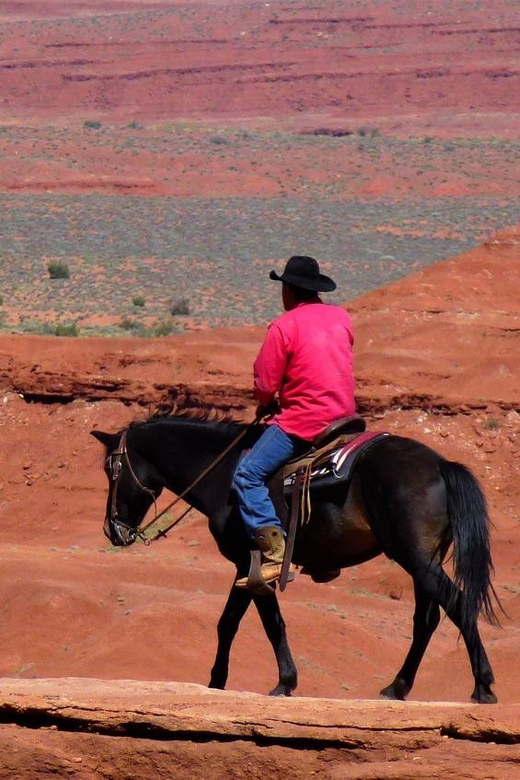
Monument Valley looks familiar from films and photographs, but a horseback ride puts you at ground level, where the red earth, open sky, and buttes feel much closer. D/D MTA Horse Tours takes you out from its base near the KOA Campground with Navajo guides who explain the names and meaning of the landmarks along the way.
I like the careful horse matching and the small groups, limited to nine riders. I also like the family connection: these horses were raised by a Navajo ranching family and are treated as part of the spiritual life of Dinetah, the Navajo homeland. The main drawback is time. A 30-minute ride is brief, and even the one-hour option can feel short if you want to get close to several mesas.
Key points to know before you ride
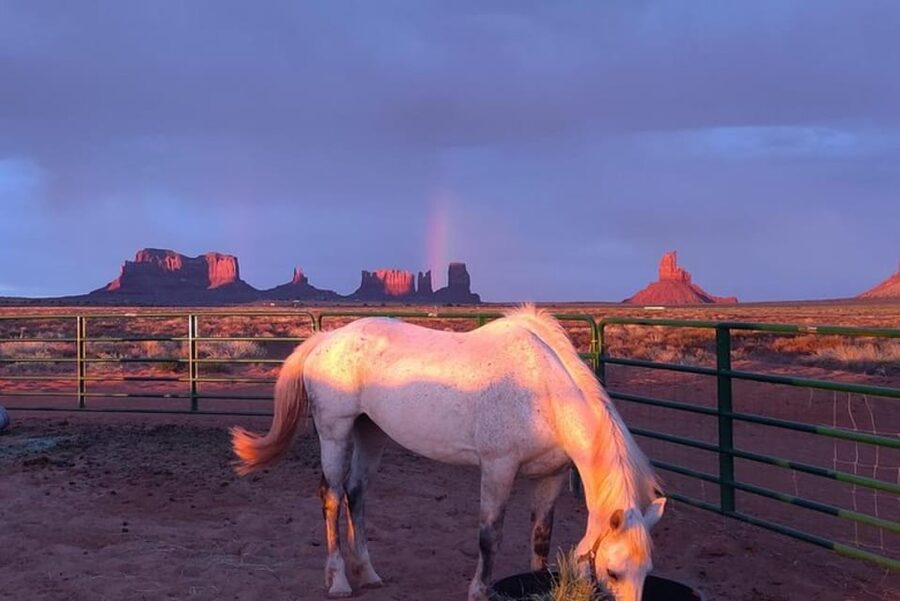
- Ride beside the Two Mittens: The route gives you classic views of Monument Valley’s famous paired buttes, along with Eagle Mesa, Sleeping Bear, Sitting Hen, and other named formations.
- Your horse is chosen for your ability: Beginners and experienced riders are placed with horses suited to their comfort and experience.
- Local Navajo guidance: Guides such as Troy and Lewis combine riding instruction with explanations of the monuments and the area.
- Small groups help: With no more than nine participants, the guide can pay closer attention to individual riders.
- Choose your ride length carefully: The tour lasts 30 minutes to one hour, and several riders found the shorter experience too limited.
- Bring the right clothing: Long pants, comfortable clothes, and sturdy shoes are expected. Helmets are available by request.
Starting at D/D MTA Horse Tours near the KOA
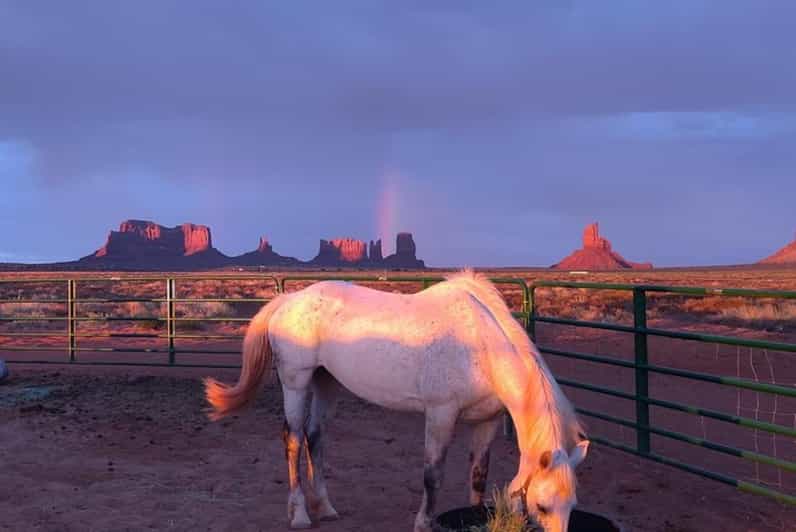
Your ride begins at D/D MTA Horse Tours, located by the KOA Campground area. The stables are easy to spot from the road, and the meeting point is practical if you are camping nearby or passing through Monument Valley by car or RV.
Plan to arrive with your waiver signed and your clothes ready for riding. Long pants matter because they protect your legs from the saddle and brush. Comfortable shoes are required, and bare feet are not allowed. You can bring a camera, but keep it secure while riding. Food and drinks are not allowed on the activity.
The group size is limited to nine people. That matters here. Horseback riding requires a little personal attention, especially when someone has not ridden in years. A small group gives the guide a better chance to check that each rider is comfortable before setting off.
The guide speaks English. A helmet is available by request, which is worth considering if you are a first-time rider, returning to riding after a long break, or simply prefer the extra protection.
More horse rides around Monument Valley:
- 2 Hour Monument Valley Horseback Tour
★ 4.5 · 458 reviews - Charleston’s Old South Carriage Historic Horse & Carriage Tour
★ 5.0 · 10,023 reviews - Haunted Evening Horse and Carriage Tour of Charleston
★ 4.5 · 3,678 reviews
Meeting a horse suited to your riding level
The first useful part of the experience is not the view. It is the horse assignment. The staff matches each rider with a horse based on riding experience and ability, rather than handing out mounts at random.
That approach helps the ride feel less stressful. A beginner may need a calm horse that responds predictably, while a confident rider may be comfortable with a more energetic mount. The horses come from a Navajo ranching family, and several of the mounts have memorable names, including Gentleman Jim, JC, Eva, and Four Socks.
The horses are described as well groomed and well trained, and the care given to them is an important part of the experience. You are not simply renting an animal for a photo. The horses are presented as part of the family’s ranching tradition and as connected to the sacred spirit of the land.
Your guide explains the basics before the ride starts. That includes how to sit, how to handle the reins, and how to respond to the horse. Troy has been praised for giving riders a clear introduction before taking them into the desert, while Lewis has helped less experienced riders feel secure enough to try a gentle trot.
The pace depends on the group and the riders’ abilities. You should not book this expecting a fast, open gallop as a standard feature. Experienced riders may get a livelier ride when conditions and the group allow it, but beginners are not pushed beyond their comfort level.
Riding toward Eagle Mesa and the Two Mittens
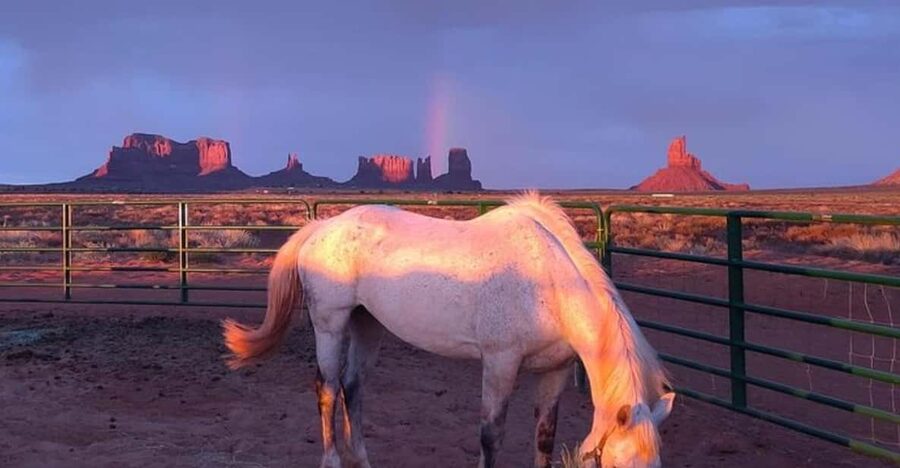
Once the group leaves the stable, the trail leads into the open country around Monument Valley. The main attraction is not a long list of stops. It is the steady change in view as your horse carries you through red earth with the buttes rising ahead.
Eagle Mesa is one of the named points along the route. Its broad rock form gives you a sense of how Monument Valley’s formations are shaped by erosion, time, and the hard desert climate. You may pause for photographs, and guides have stopped at good viewpoints so riders can take in the scene without trying to manage a camera from the saddle.
The Two Mittens are the classic Monument Valley sight. Their paired shapes are instantly recognizable, but seeing them from horseback changes the scale. From the trail, they are not just a distant image framed by a road or viewing platform. They rise out of the open ground while your horse moves at a slow enough pace for you to notice the rock layers, shadows, and shifting color.
The ride also includes views toward Bear and Rabbit, Sleeping Bear, and Sitting Hen. These names help you read the area as a place with its own local map and stories, rather than a collection of anonymous rocks.
Your guide may point out the formations and explain their names as you ride. Troy has been praised for identifying the buttes and explaining the area, while Lewis has combined riding instruction with information about the surrounding country. That local voice is one of the strongest reasons to choose this tour over a simple horse rental.
Sleeping Bear, Sitting Hen, and the value of a local guide
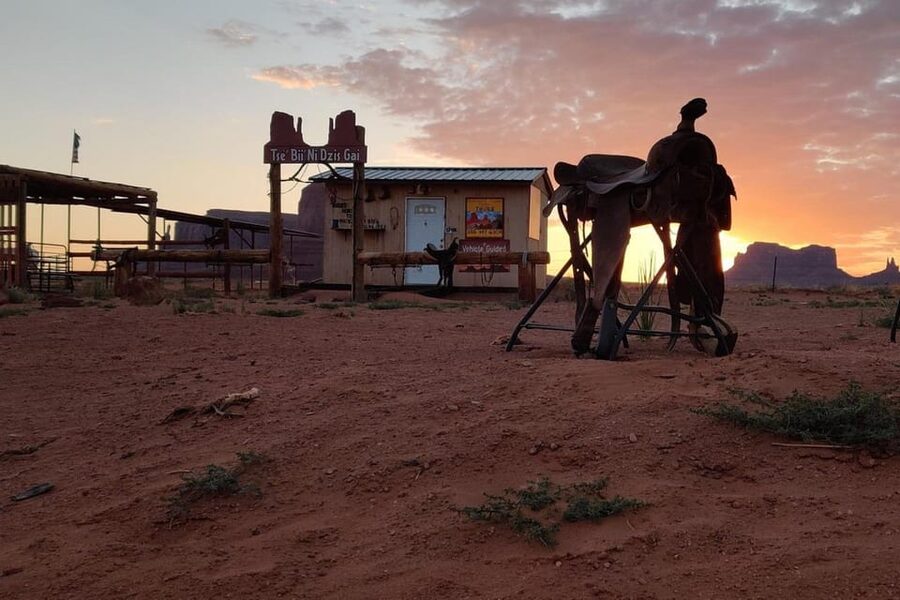
Sleeping Bear and Sitting Hen add variety to the route. Each formation has a shape that becomes easier to recognize when a guide points it out. You may see the same rock from several angles as the trail bends, which is part of the pleasure of seeing Monument Valley from a moving horse.
The cultural element also matters. Horses hold a revered place in Navajo life, and the tour frames the ride as an encounter with Dinetah, not just a recreational activity. You should not expect a formal museum lecture. Instead, the cultural context comes through the guide’s words, the family’s relationship with the horses, and the setting itself.
The quality of narration can vary. Several guides have been warm, helpful, and informative, but one rider found the commentary too limited and expected more stories about the place. I would treat that as a realistic warning: the guide’s personal style affects how much historical and cultural explanation you receive.
If you want detailed storytelling, ask questions as you ride. Ask about the names of the buttes, the horses, and the Navajo connection to the area. The guides are there to share local knowledge, but a curious question can lead to a better conversation than simply waiting for a long speech.
More to weigh up across Monument Valley
- Monument Valley: Backcountry Jeep Tour with Navajo Guide
★ 4.8 · 1,794 reviews - 3 Hour Monument Valley Tour
★ 5.0 · 1,616 reviews - 2.5 Hours of Monument Valley’s Backcountry 4×4 Tour
★ 5.0 · 1,550 reviews - Monument Valley: Sunset Tour with Navajo Guide
★ 4.8 · 1,467 reviews
Sunrise, sunset, and changing desert light
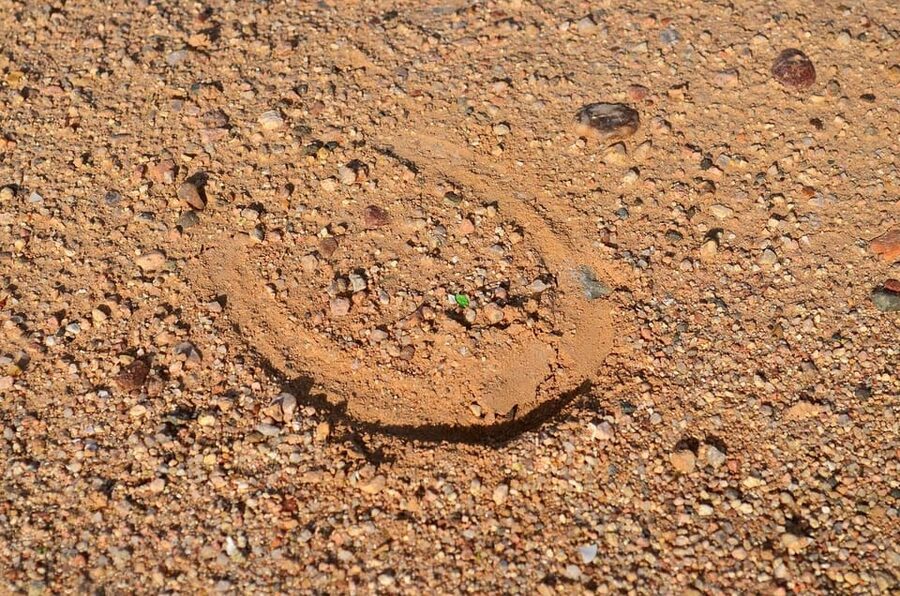
The timing of your ride can shape the whole experience. Sunrise has produced beautiful views, quiet conditions, and a peaceful feeling for riders who chose an early departure. Sunset can add warm color to the buttes and may be especially appealing if you are driving through the area later in the day.
There is also a practical reason to pay attention to the clock. Monument Valley and nearby Arizona locations can create time-zone confusion, and one group arrived late after failing to account for the local time difference. The operator allowed them to ride 30 minutes later, but you should not count on that flexibility every time.
Weather can also affect the schedule. A group facing heavy rain was able to change its ride time with help from the guides. That is encouraging, but desert weather can change quickly, so bring clothes suited to the conditions and confirm the start time after booking if your schedule is tight.
Photography is easy to understand here. Bring a camera, but keep your attention on the ride. The best images may come during a guide’s photo stop, when you can pause, settle your horse, and frame the Two Mittens or another butte without trying to take a picture while moving.
Is 30 minutes enough, or should you choose one hour?
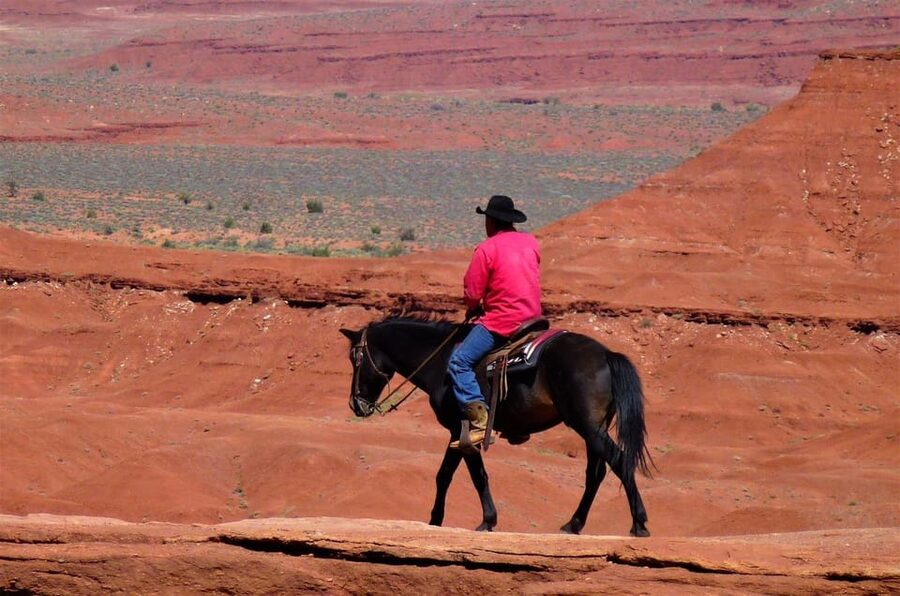
The duration ranges from 30 minutes to one hour, depending on the option you book. This is the biggest decision in comparing the tour choices.
A 30-minute ride can work if you want a quick taste of horseback riding in Monument Valley, have young members of your group who are able to ride, or are fitting the activity between other stops. It gives you the unusual experience of seeing the buttes from the saddle without committing much of your day.
Still, half an hour passes quickly. You need time to meet the horse, receive instructions, mount, settle into the saddle, and return to the stable. That leaves limited time on the trail. If Monument Valley is a major part of your trip, I would choose the one-hour option when available.
The one-hour ride offers a better balance. You have more time to adjust to the horse, listen to the guide, stop for photographs, and see several formations. Some riders even had the chance to trot, although that depends on ability, guide judgment, and the conditions of the ride.
One hour is still not a full-day horseback outing. You should view it as a focused Monument Valley experience, not a long backcountry expedition. That makes the $74 price easier to assess: you are paying for the horse, saddle, guide, local interpretation, and access to a very distinctive setting. The value is strongest for the one-hour ride and for anyone who cares about the Navajo family connection behind the horses.
Safety, comfort, and who should skip the ride
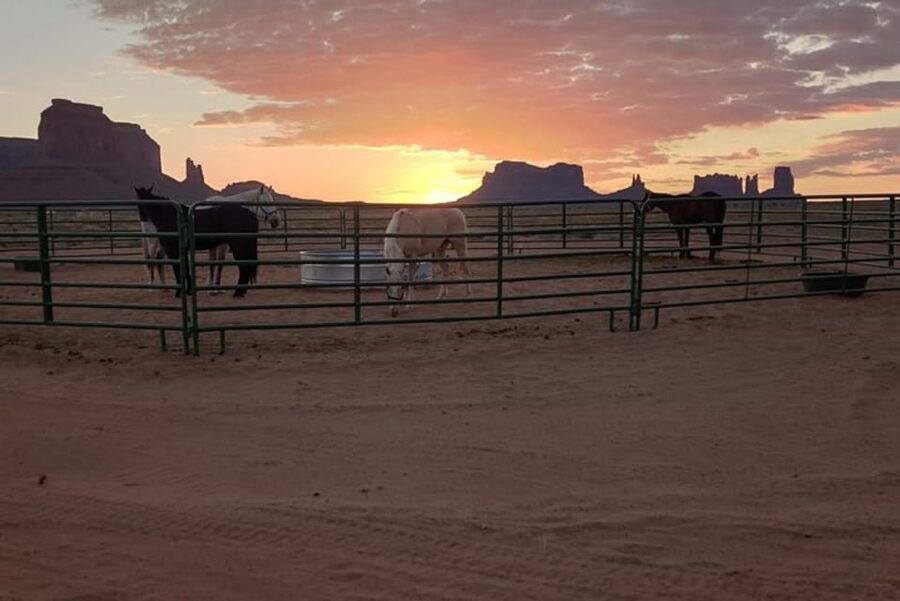
Safety is treated seriously. Guides receive annual CPR and First Aid training, and the horse matching is designed to keep the ride manageable for different skill levels.
You do not need to be an experienced equestrian. First-time riders have been supported by guides who adjusted the pace to their ability, and people returning to horseback riding after decades away have found the introduction helpful. You should still tell the guide honestly how much riding you have done. That information helps with the horse assignment and the pace.
The ride is not suitable for children under eight or for pregnant women. You also cannot participate while intoxicated, and alcohol and drugs are not allowed. Those rules protect you, the guide, the other riders, and the horses.
Comfort depends heavily on clothing. Wear long pants and shoes that stay firmly on your feet. Avoid arriving in clothing that restricts your legs or makes mounting difficult. The supplied information does not promise refreshments or baggage handling, so take care of those needs before you arrive.
The experience suits:
- First-time riders who want a short, supported introduction
- Confident riders who want the option of a livelier pace
- Families with children aged eight and older, provided the children meet the riding requirements
- Couples and small groups looking for a quieter alternative to a vehicle tour
- Photographers who want ground-level views of the Two Mittens and named buttes
- Visitors interested in a Navajo-guided experience tied to ranching and horses
It is less suitable if you dislike being on horseback, need a long rest from riding, or want an extended tour with detailed storytelling at every stop.
How this compares with a standard Monument Valley visit
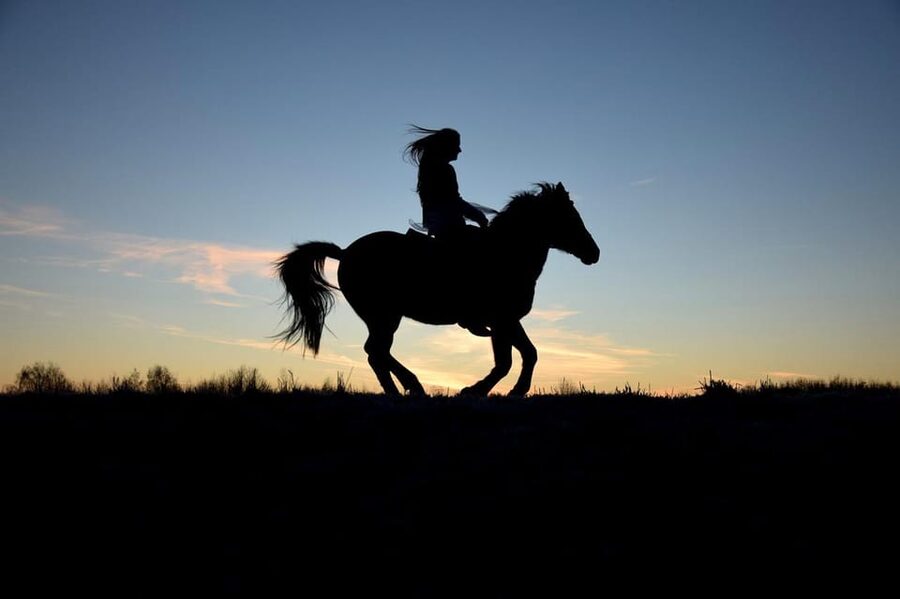
A horseback ride does not replace every other way of seeing Monument Valley. A vehicle-based tour can cover more ground and may provide longer explanations at several points. A viewpoint reached by car is easier for anyone who does not want to mount a horse.
The strength of this activity is the pace. Horses move slowly enough for you to watch the ground, hear the guide, and notice how the buttes change as you pass them. The ride also gives you a direct connection to Navajo ranching culture that a quick roadside photo does not provide.
I especially like that the activity is not limited to a single posed photograph. The horse is part of the experience. The careful grooming, calm behavior, and individual names help you see the ride as a working relationship between rider, animal, and guide.
That said, do not book it only for the promise of dramatic riding. The route may stay calm and controlled, especially with a mixed group. If your main goal is speed, ask what pace is possible for your particular departure rather than assuming you will gallop.
Booking advice, cost, and cancellation
The listed price is $74 per person. For that fee, you receive the horseback tour, horse, saddle, and a Navajo guide who shares information about the monuments. A helmet is available by request. Food, drinks, and baggage handling are not included.
The small group limit helps the price feel fair, especially if you value personal attention and a horse matched to your ability. The value is also tied to duration. For a quick 30-minute outing, $74 is a higher price per minute, but the location and local guide make it more than a basic stable ride. For one hour, the cost is easier to justify.
You can reserve now and pay later, which helps if your Monument Valley schedule is still changing. Cancellation is free up to 24 hours in advance for a full refund. Starting times vary, so check availability before planning another activity immediately afterward.
The overall rating is 4.4 from 715 reviews, which suggests a strong experience with some variation. The most consistent strengths are the horses, the guides’ kindness, the scenic setting, and the ability to help beginners. The clearest weakness is the short duration, followed by occasional disappointment when a guide provides less commentary than expected.
Should you book D/D MTA Horse Tours?
Book this tour if you want a personal, small-group way to see Monument Valley and you like the idea of connecting with Navajo horses and local guides. It is particularly good for first-time riders, families with older children, and experienced riders who want a scenic outing without giving up all freedom of movement.
Choose the one-hour option if your schedule and budget allow. Arrive early, account for the local time, wear long pants, and request a helmet if you want one. Ask questions about the buttes and the horses, and do not be shy about explaining your riding level.
Skip it if you want a long ride, guaranteed galloping, or a fully scripted cultural tour. For everyone else, $74 buys a memorable view of the Two Mittens from a saddle, with the added value of Navajo guidance and horses that are treated as part of the land’s living tradition.
FAQ
Where does the horseback tour start?
The tour starts at D/D MTA Horse Tours near the KOA Campground in Monument Valley. You return to the same location after the ride.
How long does the horseback ride last?
The activity lasts between 30 minutes and one hour. Available starting times depend on the selected option and current availability.
Is the tour suitable for beginners?
Yes. The tour accepts riders of all levels, and each person is matched with a horse suited to their riding experience. Guides explain the basics before the ride and can adjust the pace to your ability.
What landmarks can I see on the ride?
The route includes views of Eagle Mesa, Sleeping Bear, Sitting Hen, Bear and Rabbit, and the Two Mittens. The exact views and stops can depend on the route and riding conditions.
What should I bring?
Bring comfortable clothes, long pants, comfortable shoes, and a camera. You must also have a signed waiver. Helmets are available by request.
Can children or pregnant women join the tour?
Children under eight and pregnant women cannot take part. Intoxication, alcohol, and drugs are also not permitted, and riders cannot go barefoot.
Newly listed in Monument Valley
- 2 Hour Monument Valley Horseback Tour★ 4.5 · 458 reviews
- Monument Valley: Highlights Tour with Backcountry Access★ 4.8 · 470 reviews
- Monument Valley Group Tour – 3 Hours – Navajo Spirit Tours★ 5.0 · 636 reviews
- Monument Valley Backcountry Tour★ 5.0 · 645 reviews
- Monument Valley: Scenic 2.5-Hour Guided Tour★ 4.9 · 714 reviews
- Monument Valley Extended Backcountry Tour★ 5.0 · 720 reviews
- Sunset Tour of Monument Valley★ 5.0 · 742 reviews
- 3.0 Hours of Monument Valley’s Sunrise or Sunset 4×4 Tour★ 5.0 · 811 reviews
Monument Valley Tours, compared.
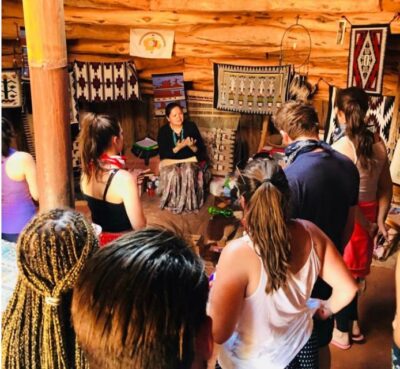
Monument Valley: Backcountry Jeep Tour with Navajo Guide
Read our review →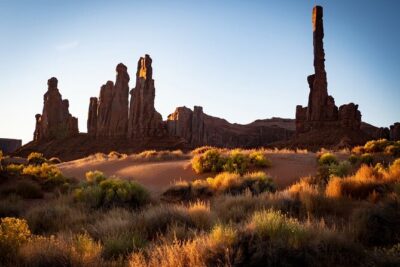
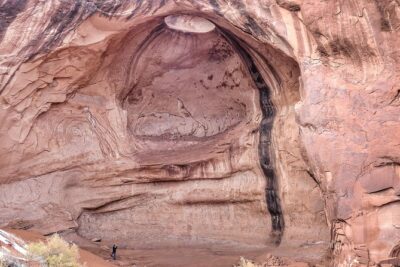
2.5 Hours of Monument Valley’s Backcountry 4×4 Tour
Read our review →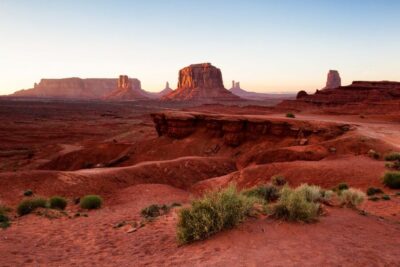
Monument Valley: Sunset Tour with Navajo Guide
Read our review →
3.0 Hours of Monument Valley’s Sunrise or Sunset 4×4 Tour
Read our review →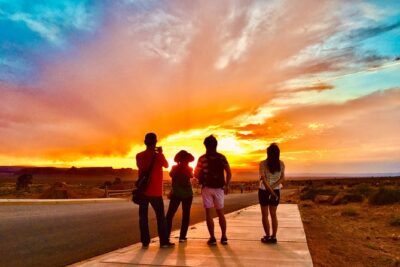
Browse the lists this tour appears in