
Reviewed · MUSEUMS
Los Angeles: Petersen Automotive Museum Admission Ticket
The Petersen Automotive Museum turns the story of the automobile into a three-floor parade of polished metal, clever engineering, and wild design. You’ll see everything from 1880s vehicles to modern supercars, with more than 100 cars and motorcycles spread through 25 exhibits. I like the broad range, from Italian Maseratis and Japanese performance cars to hot rods and unusual motorcycles. I also like that children get real hands-on activities, not just signs to read.
The main drawback is easy to miss: The Vault is not included in the $22 general admission ticket. Access to that lower-level collection costs extra at the museum, and one visitor found the tightly packed storage-style display less rewarding than the main galleries. Parking can also add a noticeable cost.
Key points to know before you go
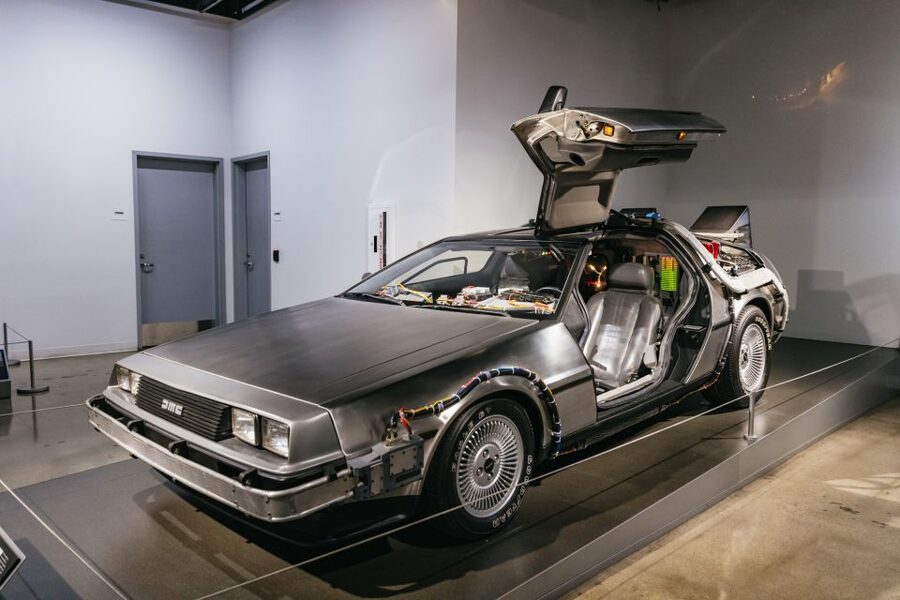
- Three floors cover nearly 140 years of automotive design, from early motor vehicles to present-day machines.
- Twenty-five exhibits and more than 100 vehicles give you plenty to see without requiring a full day.
- The Cars Mechanical Institute gives children a chance to paint virtual cars, race toy cars, and learn how engines and systems work.
- The hot rods and custom collection brings show cars and vintage race vehicles into the mix.
- The Forza Motorsports Experience lets you choose from eight virtual racing setups.
- The Vault costs extra, so decide before arrival if the additional collection matters to you.
Why the Petersen belongs on your Los Angeles itinerary
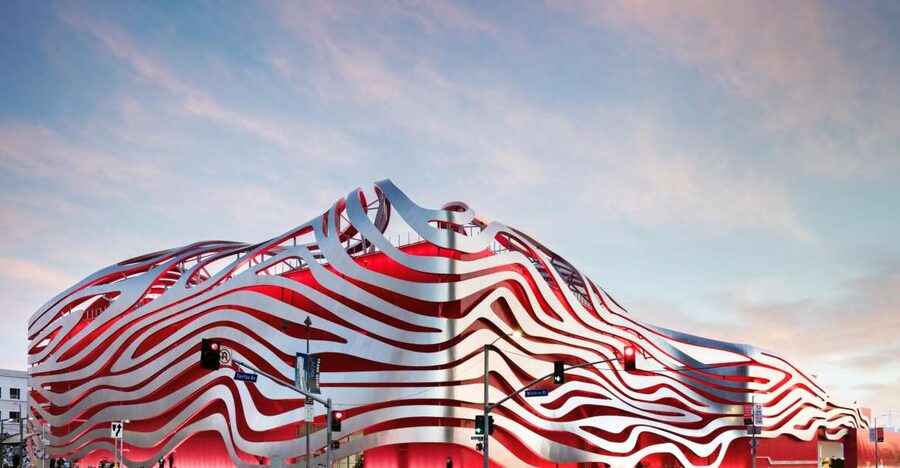
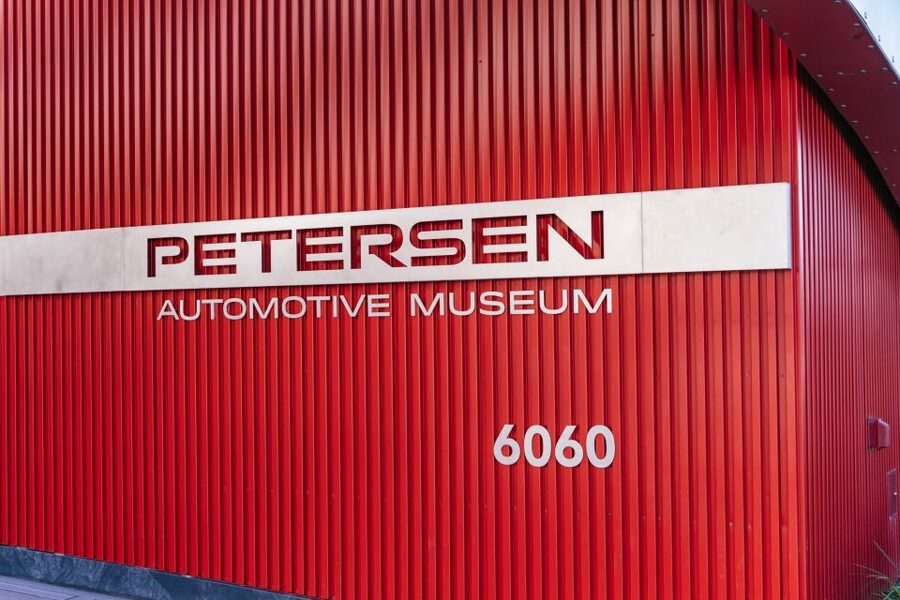
At 6060 Wilshire Boulevard, the Petersen Automotive Museum sits in a part of Los Angeles known for major cultural attractions. The location is simple to find, and the museum is an easy stop if you are already visiting the area.
I would not reserve this only for dedicated car fans. The collection works because it covers several kinds of appeal at once. You get style, machinery, history, movie connections, racing, and family activities. Someone who cares about design may prefer the sculpted bodywork of an Italian car. Someone else may spend the visit studying the engineering. A child may remember only the virtual race and the toy-car track, which is perfectly fine.
The museum also gives you a useful sense of change over time. Cars are not shown only as expensive objects. They represent changing ideas about speed, safety, status, manufacturing, and personal freedom. The best displays help you see how a vehicle’s shape connects to the way people used it.
The admission price is $22 per person. That is reasonable if you spend two or three hours exploring the three public floors, and it can be good value for a family that will use the interactive areas. It feels less like a bargain if you rush through in an hour or arrive expecting access to every vehicle owned by the museum.
More museums around the USA:
- NYC: 9/11 Memorial & Museum Timed-Entry Ticket
★ 4.8 · 31,428 reviews - NYC: Empire State Building Tickets – Observatory & Museum
★ 4.7 · 25,757 reviews - New York City: American Museum of Natural History Ticket
★ 4.5 · 15,447 reviews
The three-floor route from early cars to modern machines
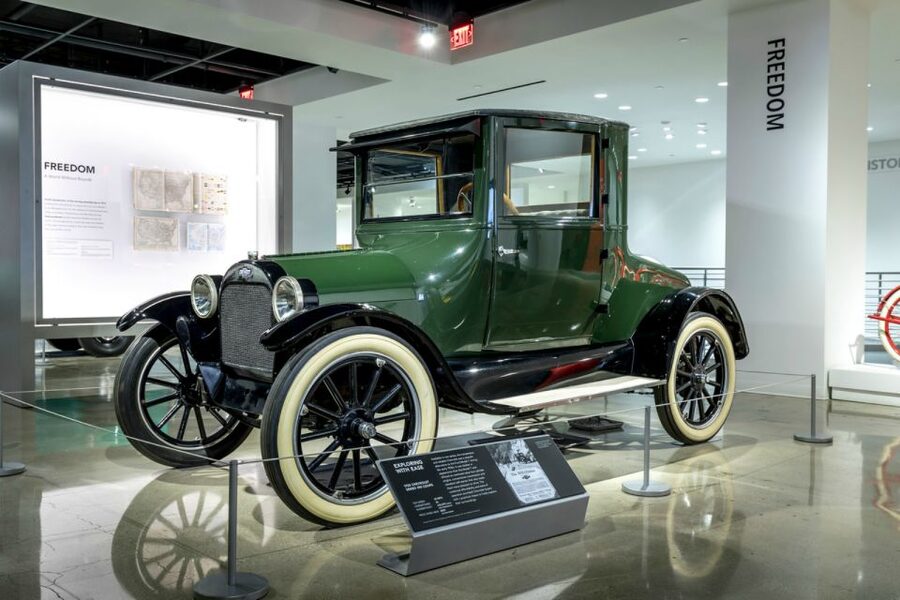
Your visit is built around three floors of vehicles from the 1880s to the present. The exact arrangement of exhibits can change, but the broad promise is clear: this is a wide survey rather than a narrow collection devoted to one brand or decade.
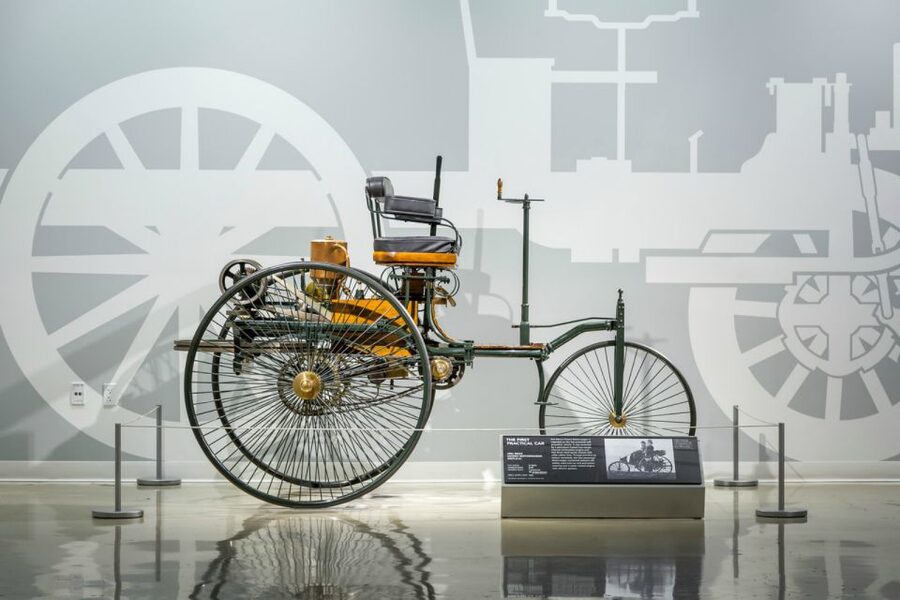
The earliest vehicles help explain how the automobile developed from a new experiment into a practical form of transport. These displays are useful even if you are not familiar with mechanical terms. Their shapes, controls, and proportions make modern cars look very different by comparison.
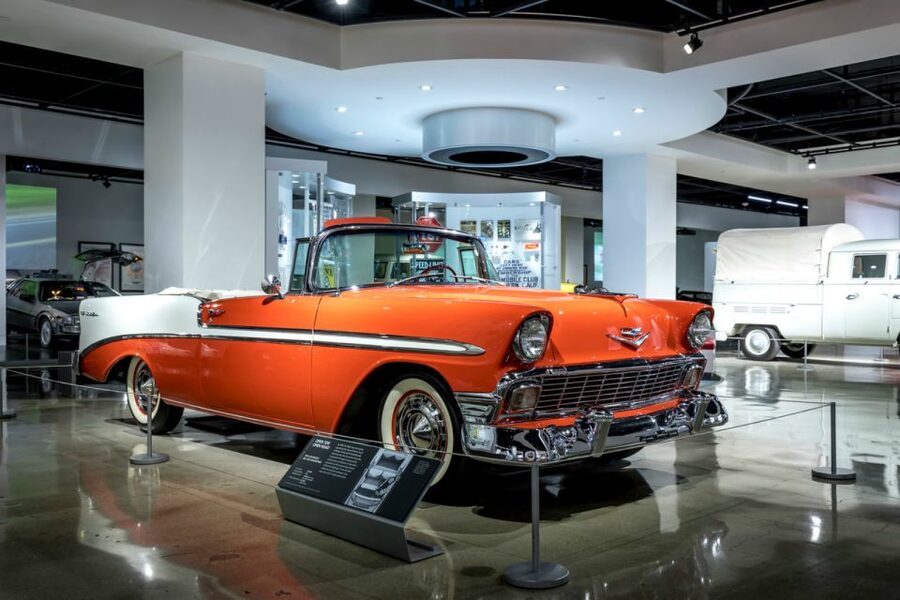
As you move through the museum, the cars become more familiar, more dramatic, and often more powerful. You might find polished classics beside racing machines, motorcycles beside trucks, and carefully designed sports cars near vehicles that look built for pure utility.
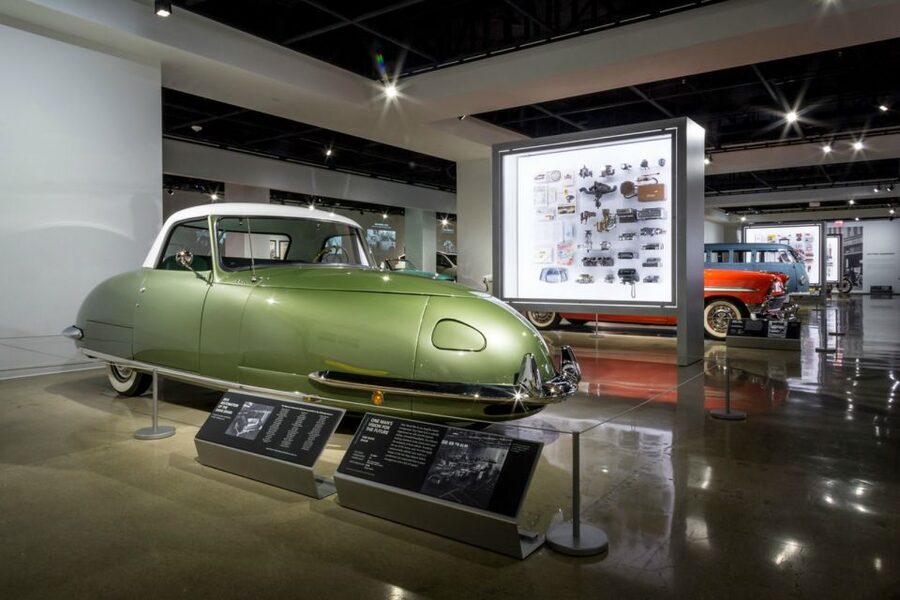
The museum puts a strong focus on automotive innovation. That means you should take time with the information panels instead of treating the cars as a line of photo stops. The posted details explain the ideas behind each vehicle and add context to what you are seeing.
I like this approach because a rare car is more interesting when you understand why it mattered. A beautiful body may reflect a new manufacturing method. A racing car may show how competition pushed engineers to improve speed and control. A family car may reveal how designers responded to everyday needs.
Italian style, Japanese speed, and cars with personality
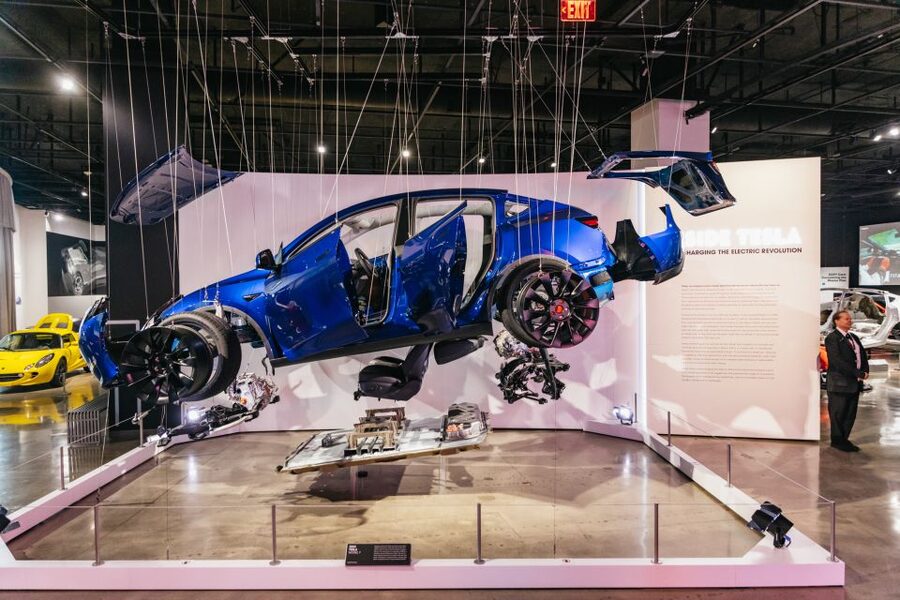
The international range is one of the museum’s biggest strengths. Italian Maseratis bring the expected combination of dramatic lines and performance, while Japanese supercars show a different route to speed and technical achievement.
You are not limited to the most famous European brands. The collection includes enough variety that almost everyone can find a personal favorite. One person may focus on an elegant old touring car, while another heads straight for a motorcycle or an aggressive modern sports car.
The vehicles also vary in scale and purpose. Trucks, motorcycles, vintage racers, custom cars, and production vehicles all help keep the visit moving. You do not spend three floors looking at minor variations of the same machine.
The displays are generally arranged so you can appreciate the vehicles from several angles. Bring a camera if you enjoy automotive photography. The polished surfaces, unusual proportions, and open gallery layout offer many good photo opportunities, although reflections and other visitors can affect the best shots.
The collection is not designed to satisfy every brand-specific wish. One car enthusiast specifically hoped to see a Ferrari F40 and did not find one. That is a useful reminder not to arrive with one exact vehicle in mind. The museum’s strength is the mix, not a guarantee of any single dream car.
Hot rods, custom cars, and the race-bred machines
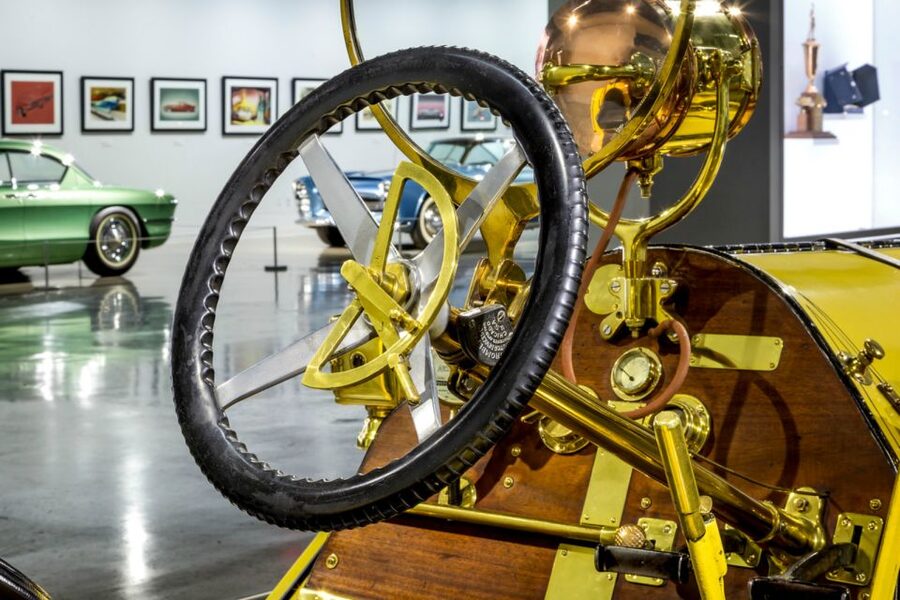
Make time for the hot rods and custom section. These vehicles show how owners, builders, and designers treat cars as creative projects rather than fixed products. The work can be flashy, clever, excessive, or all three at once.
This area should appeal to you if you enjoy American car culture, but it also helps explain why customization matters. A modified car can reflect personal taste, local style, technical skill, or a desire to make a familiar machine faster and more dramatic.
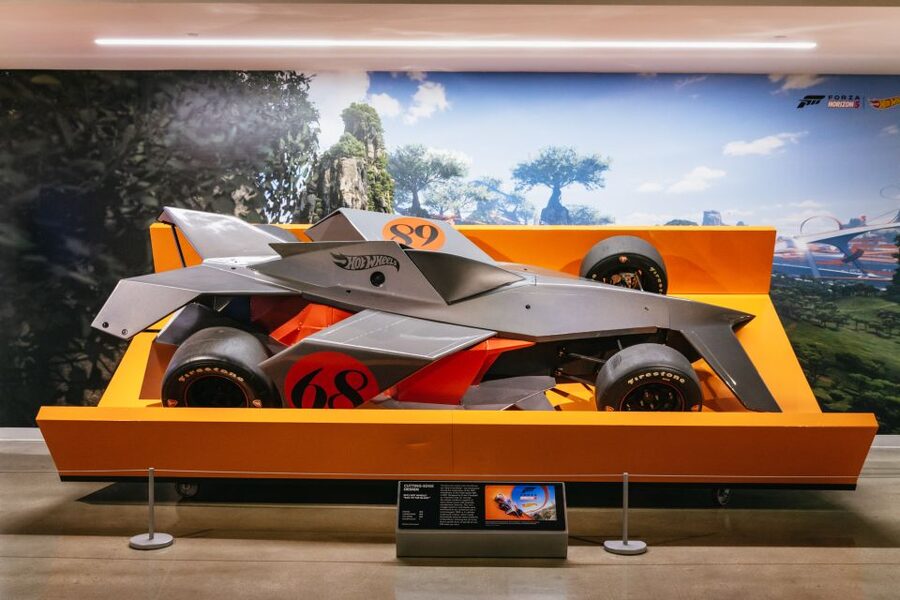
Vintage race vehicles add another mood. Race cars are shaped by rules, speed, and hard use, so they often look purposeful rather than comfortable. Their exposed engineering and compact forms make a useful contrast with luxury cars designed to impress from the curb.
The museum also displays high-performance European and Japanese vehicles, so the race section does not feel locked into one national tradition. You can compare different ideas about speed and design in a single visit.
If you enjoy Formula One, look for the racing connection mentioned by several visitors: Michael Schumacher’s F1 car is part of the collection. That sort of vehicle gives the displays a strong link to professional motorsport, where small engineering choices can matter enormously.
More to weigh up across the USA
- NYC: SUMMIT One Vanderbilt Tickets
★ 4.7 · 51,195 reviews - NYC: Empire State Building Observation Deck Tickets
★ 4.7 · 22,072 reviews - NYC: Edge Observation Deck Admission Ticket
★ 4.6 · 20,918 reviews - New York City: Top of the Rock Observation Deck Ticket
★ 4.6 · 14,488 reviews
The Cars Mechanical Institute for children
Families should plan their route around the Cars Mechanical Institute. This area is inspired by the animated film and explains basic mechanical systems through familiar car characters.
Children can paint and personalize virtual cars, race and color a Cars character, and take their creation home. They can also push toy cars around a racetrack. These activities give younger children something active to do while adults read the exhibit text.
I appreciate that the children’s section is connected to how cars work. It is not simply a play corner added beside the collection. The activities introduce ideas about movement, parts, and design in a language children understand.
The area suits a wide age range, though the information provided does not specify exact age limits. A six-year-old may enjoy the character-based games and track, while an older child may spend more time with the racing simulator or the mechanical explanations.
If you visit with children, do not assume the museum will hold their attention for the same amount of time as yours. Give them a clear goal, such as designing a car or trying the race track, then return to the galleries. That keeps the visit pleasant for everyone.
The Forza Motorsports Experience
The Forza Motorsports Experience adds a virtual racing element to the museum. You can choose from eight prepared experiences and sit behind the wheel of a simulated race car.
This is a good change of pace after reading exhibit panels and looking at stationary vehicles. It also lets you connect the museum’s cars with the sensations of speed, turning, and competition, even though you are not on a real track.
The activity is included with general admission according to the supplied ticket details. Since the museum does not provide a fixed time schedule for the simulator, check availability when planning your visit. If this is a top priority, you may want to ask staff about access early in your visit.
The simulator is especially useful for families and for people who enjoy racing games. It may be less important to a visitor who wants only historic vehicles, but it adds value to the admission price and gives non-car enthusiasts another way to take part.
The Vault: worth the extra charge?
The Vault is the biggest point to consider before booking. General admission covers the public museum, but not this lower-level collection. Access requires an additional payment at the counter, reported as $25 by one visitor.
The Vault holds more than 250 additional cars according to the information provided. That sounds tempting, especially if you want to see as much of the Petersen collection as possible or plan to return for a second visit.
The catch is presentation. The Vault is described as a garage-style storage area, with cars placed close together. You may not be able to walk freely between every vehicle, and the display is less polished than the upper floors. Some cars may look more like stored collection pieces than fully presented museum exhibits.
My advice is simple: buy general admission first, then decide how strongly you want the extra collection. If your main goal is a well-presented museum visit, the three public floors should be enough. If you collect cars, follow specific models, or want to see the museum’s larger holdings, the added cost may make sense.
Do not assume the Vault is automatically better because it contains more cars. More vehicles do not always mean a better experience. The upper galleries offer stronger context, clearer presentation, and easier viewing.
How much time should you allow?
The ticket is valid for one day, so you do not need to race through the museum. A focused visit can take about 90 minutes, based on the time some people have found sufficient. I would allow two to three hours if you want to read the displays, try the family activities, and pause for photographs.
A full day is possible for serious car fans, especially if you add The Vault. The collection is broad enough to reward a slower pace, but casual visitors may feel satisfied well before closing time.
Use the first few minutes to look over all three floors. That helps you decide where to spend your attention. You might then return to favorite sections rather than moving carefully through every exhibit at the same speed.
Families should allow extra time for the Cars Mechanical Institute and the Forza simulator. Those activities may shape the visit more than the main galleries do, particularly for children.
Food and drinks are not allowed inside, and indoor smoking is prohibited. Plan around that rule rather than expecting to snack while walking through the exhibits.
Price, parking, and practical value
At $22, general admission is not the cheapest family activity in Los Angeles, especially once you multiply the price across several people. One family found the cost difficult for larger groups, while another considered the price reasonable for five people. Both reactions make sense.
The value depends on how you use the museum. You are paying for a large, carefully maintained collection, three floors, 25 exhibits, child-focused activities, and a racing simulator. If you love cars, the price is easy to justify. If you are bringing children, the interactive areas help make the ticket useful for more than one type of visitor.
Parking deserves attention. A visitor reported paying $17 for parking, which can change the total cost of the outing. Check the parking situation and price before you arrive, especially if you are traveling with a family or trying to keep the day affordable.
The museum is wheelchair accessible. The provided details do not specify every accessibility feature, so you may wish to confirm any particular needs before your visit.
Entry is reported as easy, and the location is straightforward to find at 6060 Wilshire Boulevard. The ticket includes general admission for one day, with free cancellation up to 24 hours in advance and a reserve-now, pay-later option available through the booking arrangement.
Who will enjoy this museum most?
You should book if you enjoy:
- Historic vehicles and the story of automotive design
- Rare, unusual, or customized cars
- Italian, Japanese, European, and American performance vehicles
- Motorcycles, hot rods, and vintage racing machines
- Family attractions that let children touch, design, and play
- Automotive photography and unusual shapes
- A flexible museum visit lasting from 90 minutes to several hours
You do not need to know engine specifications to enjoy the museum. The range is broad enough for casual visitors, and the displays provide background information as you move through the floors.
You may want to skip it if your group dislikes museums, has no interest in vehicles, or needs a very low-cost activity. The extra charge for The Vault and possible parking fees can also make the outing less attractive.
Should you book the Petersen Automotive Museum?
Yes, if you want one of Los Angeles’ most varied car collections in a clean, well-organized setting. The combination of historic vehicles, rare machines, hot rods, motorcycles, race cars, interactive children’s exhibits, and a Forza simulator gives you more than a simple showroom visit.
Book general admission with realistic expectations. The $22 ticket covers the main three floors, not The Vault. For most people, the public galleries provide the better-presented experience and enough material for a satisfying visit. Add The Vault only if seeing a larger number of stored vehicles matters to you.
I would especially recommend it for families with children, mixed-interest groups, and anyone who wants to connect car design with engineering and popular culture. Dedicated collectors may want the extra collection, but casual visitors should enjoy the main museum without paying more.
FAQ
Where is the Petersen Automotive Museum?
The museum is at 6060 Wilshire Boulevard, Los Angeles, California 90036, USA.
How much does general admission cost?
The listed general admission price is $22 per person.
How long is the ticket valid?
General admission is valid for one day.
What does the ticket include?
The ticket includes general admission to the Petersen Automotive Museum, including the public galleries and the listed family activities and Forza Motorsports Experience.
Is The Vault included with general admission?
No. The Vault is separate from the general admission ticket and requires an additional payment at the museum.
How many vehicles can I see?
The public collection includes more than 100 classic cars, trucks, and motorcycles across 25 exhibits. The separate Vault is described as holding more than 250 additional cars.
Are children’s activities available?
Yes. The Cars Mechanical Institute includes virtual car painting and personalization, a Cars character activity, and a toy-car racetrack.
Is a racing simulator available?
Yes. The Forza Motorsports Experience offers eight virtual racing experiences.
Is the museum wheelchair accessible?
Yes. The activity information identifies the museum as wheelchair accessible.
Can I bring food or drinks inside?
No. Food and drinks are not allowed inside the museum, and smoking indoors is prohibited.
Can I cancel my booking?
Yes. Cancellation up to 24 hours in advance qualifies for a full refund. A reserve-now, pay-later option is also available.
Newly listed in the USA
- The Maui Butterfly Farm Tour★ 5.0 · 446 reviews
- NON BUS 4 Winery Traverse City Wine Tour on Old Mission Peninsula★ 5.0 · 445 reviews
- New England Aquarium Admission Ticket in Boston★ 4.0 · 446 reviews
- New Orleans City Tour and Steamboat Natchez Harbor Jazz Cruise★ 4.0 · 446 reviews
- Alpaca and Llama Farm Tour★ 5.0 · 446 reviews
- Small-Group Laura and Whitney Plantation Tour from New Orleans★ 4.5 · 446 reviews
- Dreaded Dead Descent of the District: DC Ghost Tour★ 4.0 · 446 reviews
- Cañon City: Royal Gorge Bridge & Park Entry Ticket & Gondola★ 4.5 · 448 reviews
Museums, compared.

Empire State Building Tickets – Observatory & Museum
Read our review →


9/11 Memorial, Ground Zero Tour with Optional 9/11 Museum Ticket
Read our review →

All-Access 9/11: Ground Zero Tour, Memorial and Museum, One World Observatory
Read our review →
Browse the lists this tour appears in