
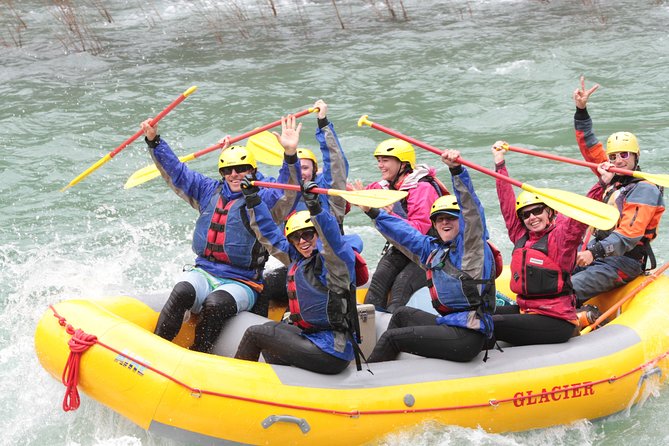
Reviewed · RAFTING & WHITEWATER
Half Day Whitewater Rafting Trip
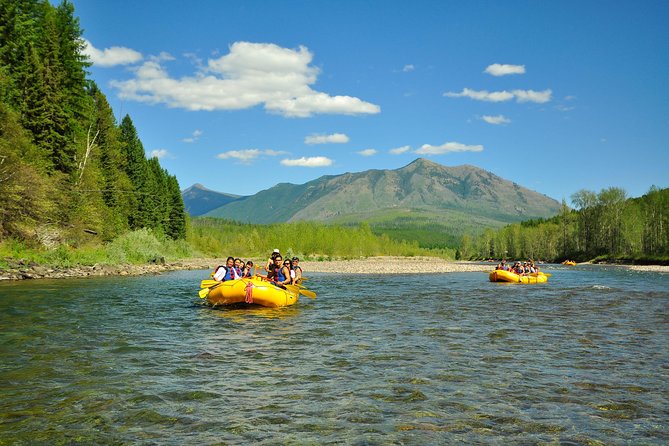
The best part of this trip is the setting. You paddle the Middle Fork of the Flathead River with Glacier National Park rising around you, moving through John Stevens Canyon on an 8-mile route. It is a real river outing, not a quick amusement-park ride, yet beginners get full instruction and safety gear.
I like two things right away: the guides make the trip easy for first-timers, and the scenery keeps working even during the quieter stretches. Guides such as Katie, Owen, Claire, Aaron, Bridget, and Riley have been singled out for making nervous families feel comfortable while adding local stories and river tips.
The main catch is water level. Late in the season, especially in August and September, the river may run low. That can mean fewer rapids and, in some cases, a scenic float instead of the advertised whitewater trip. Ask about current conditions before you commit.
Key points to know before you book
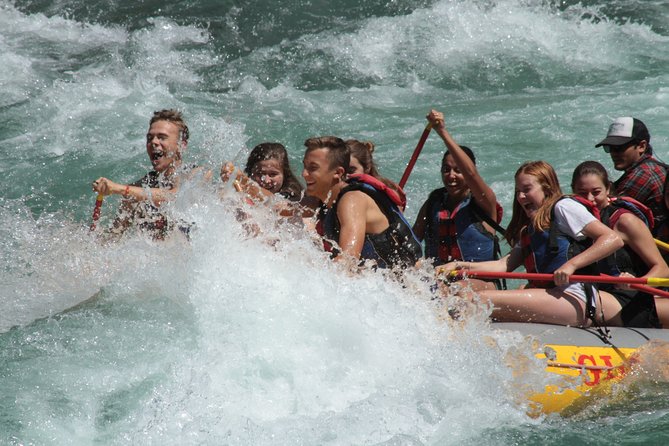
- Eight miles of river: The route follows the Middle Fork of the Flathead River beside Glacier National Park and through John Stevens Canyon.
- Beginner-friendly rapids: No prior rafting experience is needed, and Class II rapids are part of the planned route.
- Bone Crusher included: This named rapid adds a sharper burst of excitement, though the overall trip is not designed as extreme whitewater.
- Guides shape the experience: Katie, Owen, Claire, Aaron, Bridget, Riley, Spoon, and others have been praised for clear instruction, humor, and area knowledge.
- Water level matters: August and September can bring a gentler ride, while May and June usually offer colder conditions and wetsuit support.
- About $90.64 per person: That price includes the guide, taxes, fees, helmet, life jacket, and paddle, making it a fair full-service outing if the river is running well.
Starting at Glacier Raft Company in West Glacier
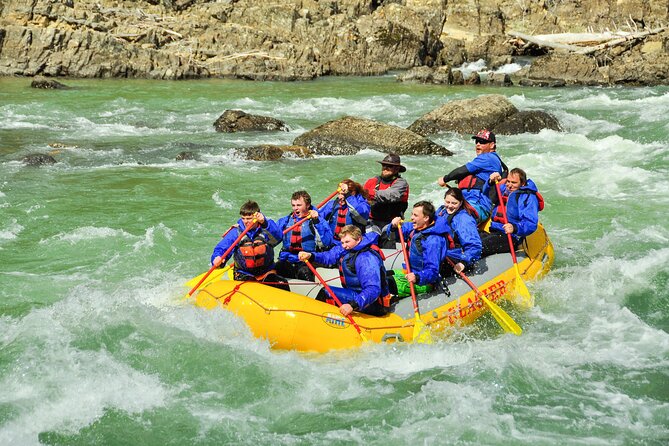
Your day begins at Glacier Raft Company, 106 Going-to-the-Sun Road in West Glacier. You need to arrive 30 minutes before launch, not at the scheduled departure time. That early check-in matters because everyone meets at the office, gets organized, and then rides to the river put-in together.
The process is meant to be simple. You check in at the West Glacier office, collect or receive your equipment, and board transportation to the starting point. At the end, the river trip brings you back to the same office, so you do not need to arrange a second car at the takeout.
The trip is offered in English, with mobile tickets accepted. The group limit is 15 people, which keeps the raft small enough for direct instruction without making the outing feel like a private charter. Near-public-transportation access is listed, but you should still plan your route carefully because West Glacier is a gateway community, not a large city with constant transit service.
More rafting trips around the USA:
- Upper Pigeon River Rafting Trip from Hartford
★ 5.0 · 1,444 reviews - Half-Day Whitewater Rafting in Browns Canyon
★ 5.0 · 999 reviews - Whitewater Rafting in Jackson Hole : Family Standard Raft
★ 5.0 · 965 reviews
Getting outfitted for cold Montana water
You need clothing you do not mind getting wet. Secure footwear is essential: tennis shoes, sneakers, water shoes, or sandals with straps are suitable. Flip-flops and Crocs are not allowed, since loose footwear can come off in moving water.
Helmets, personal flotation devices, and paddles are provided. During May and June, or whenever conditions are cold, wetsuits and splash jackets are also supplied. The water is described as cold, clear, and crisp, so do not treat the gear as an optional extra. Even on a warm day, a wet ride can feel chilly.
Water shoes are available to rent. The supplied information gives two prices, $5 and $7, depending on timing and equipment arrangement, so confirm the current fee when you check in. If you already own suitable river shoes, bring them and save the extra charge.
The minimum age and weight rules are clear. Youth rates apply to children 12 and under, and the minimum weight is 50 pounds. There is no stated maximum weight, but the life jacket must fit a chest up to 56 inches. Most people can take part, but you should contact the operator first if anyone in your group has concerns about the jacket fit or the physical demands of paddling.
The ride to the Middle Fork put-in
After check-in, the company transports you to the river. This transfer is useful because it removes the usual rafting headache: figuring out where to leave a vehicle and how to get back to it after the trip.
Before the raft moves, the professional guide explains basic paddling commands, river behavior, and safety procedures. That briefing is especially valuable if this is your first time. Several families with children and mixed comfort levels found that the instructions helped both cautious paddlers and more eager ones enjoy the same boat.
Your guide is the key person in the raft. Katie has been praised for combining humor with clear explanations. Owen has been noted for keeping different age groups involved, while Claire has helped families feel organized and confident. Aaron, Bridget, Riley, Spoon, Sofia, Tim, Josh, Kenny, Danny, Alex, and Trevor have also been praised for safety, local information, and good energy.
That variety is worth noting because the guide does more than steer. A good river guide keeps the boat together, tells you when to paddle, watches the water, and helps you enjoy the scenery between rapids. On calmer sections, guides have added stories about the river and the surrounding area, giving the trip a stronger sense of place.
Eight miles through John Stevens Canyon
Once on the Middle Fork, the route covers about 8 miles, or 13 kilometers. The river gives you a different view of Glacier National Park than a road or hiking trail. You see the canyon from water level, with the surrounding mountains and forested slopes forming the backdrop while the raft does the moving.
John Stevens Canyon is one of the strongest reasons to choose this trip. The canyon scenery continues even when the current slows, so you are not relying on whitewater alone to carry the experience. If you like combining outdoor activity with big mountain views, the setting gives this half-day outing real value.
The published timing is approximately 2 hours and 30 minutes, while the trip description also refers to as much as 3.5 hours on the water. Allow extra time beyond either figure for check-in, changing clothes, transportation to the put-in, and returning to the office. Do not schedule a tight meal reservation or another timed activity immediately afterward.
The pace varies with the river. In stronger water, more of the route is active paddling. In low water, you may spend long stretches moving quietly, enjoying the canyon, and waiting for the next small rapid. That difference is not minor. You should ask about the current water level if your main goal is excitement.
A different kind of day, same corner of the map:
- NYC: SUMMIT One Vanderbilt Tickets
★ 4.7 · 51,195 reviews - NYC: 9/11 Memorial & Museum Timed-Entry Ticket
★ 4.8 · 31,428 reviews - NYC: Empire State Building Tickets – Observatory & Museum
★ 4.7 · 25,757 reviews - NYC: Empire State Building Observation Deck Tickets
★ 4.7 · 22,072 reviews
What the Class II rapids feel like
This is a good introduction to rafting because the planned rapids are generally moderate rather than extreme. Class II water can provide splashes, teamwork, and a sense of motion without demanding advanced skills from everyone in the boat.
The trip includes a rapid called Bone Crusher. The name sounds more dramatic than the overall character of the outing, but it signals one of the more memorable moments on the route. The precise feel depends on water conditions, so do not expect the same ride every month.
The supplied description says Class II and II rapids, while some accounts describe a few Class III sections. Other accounts describe most of the river as Class I, with some Class II and only a few Class III rapids during a low-water August trip. The practical lesson is simple: this is not a guaranteed high-adrenaline run. It is a scenic family rafting trip with periods of whitewater.
That balance suits many groups. First-time rafters have found the rapids fun without being too scary. Families with children have enjoyed the mix of active paddling and calmer water, and even some hesitant participants have become comfortable enough to jump in for a swim when conditions allowed.
If you are seeking nonstop technical rapids, this may feel tame, especially late in the season. If you want a manageable introduction with a strong mountain setting, the moderate pace is a benefit.
Why the guides matter so much
The clearest strength of this outing is the guide team. The best guides turn a group of strangers into a working boat within minutes. They explain what to do, keep the mood light, and adjust their approach when one person is excited and another is worried.
Riley, for example, has been praised for making the whole trip fun, including the ride to the river, while also teaching safety skills that apply beyond rafting. Josh combined area stories with confident river handling. Tim added history and local information during quieter stretches, and Bridget helped a first-time participant feel secure.
This is also why the trip works well for mixed-age families. You do not need everyone to be an experienced paddler. The guide supplies the commands and handles the technical decisions, while you contribute by following instructions and paddling when asked.
The small maximum group size of 15 helps here. It does not guarantee a private raft, but it limits the total party and gives the guide a reasonable chance to watch each person. Strong emphasis on safety has been particularly reassuring for families with children and adults who are unsure about moving water.
Choosing the best month for your ride
The biggest planning decision is not the price. It is the season.
May and June bring cooler conditions and wetsuit support. The river may have more force and more noticeable whitewater, but you should be ready for cold air and colder water. Wetsuits and splash jackets are provided during those months, helping make the outing practical in early season.
August and September can be warmer and easier for general sightseeing, but water levels may be lower. Several accounts point to a gentler ride late in the season, with long Class I sections and fewer major rapids. That does not ruin the trip, especially if scenery is your priority, but it can disappoint you if you paid specifically for an adventurous whitewater run.
Rain does not automatically cancel the outing. Trips operate rain or shine, but the experience provider says poor weather can lead to cancellation, with a different date or full refund offered. Pack for changing conditions and accept that river plans are tied to nature, not just the calendar.
Because this experience is often reserved about 38 days ahead, it is wise to book early during a Glacier National Park visit. At the same time, early booking means you should understand the water-level risk before paying. If the whitewater is the entire reason for going, ask about recent conditions close to your departure date.
Is $90.64 a fair price?
At $90.64 per person, the trip is reasonably priced for a guided half-day river outing. The fee includes taxes, handling charges, a professional guide, helmet, personal flotation device, and paddle. You are paying for instruction, equipment, transport to the put-in, and a return to the West Glacier office, not merely time sitting in a raft.
The value is strongest for first-timers. Buying or transporting river gear would be impractical for most vacationers, and the guide removes the need to learn river safety on your own. The price also makes sense for families looking for one active day outside the park roads and overlooks.
Extra costs are limited but worth noting. Souvenir photos are available for purchase, and water shoes cost extra if you need to rent them. You should also bring your own wet-weather clothing and plan for footwear that stays attached.
The value drops if you expect a long, intense whitewater run and encounter very low water. In that case, you may receive a beautiful float with only scattered rapids. For the best value, think of this as a combination of scenery, outdoor activity, and moderate whitewater, not a pure thrill ride.
Who should book this rafting trip?
I would choose this trip for first-time rafters, families with children who meet the 50-pound minimum, couples wanting an active Glacier-area outing, and groups with mixed comfort levels. The safety briefing, supplied equipment, moderate rapids, and experienced guides make it approachable.
It also suits you if you want to see the park from the river. The canyon views are a major part of the experience, and the quieter sections give you time to look around instead of bracing for constant splashes.
I would think twice if you want guaranteed Class III action, dislike cold water, or have no interest in a scenic float. Low water can turn the day into a slower ride, and the operator may substitute a scenic river trip for whitewater when conditions make rafting unsafe. The main complaint from dissatisfied customers was not the change itself, but learning about it only after arrival.
Free cancellation is available until 24 hours before the start time. Changes made within 24 hours are not accepted, and late cancellations are not refunded. That policy makes it important to confirm the expected river conditions and your group’s plans before the deadline.
Should you book the Middle Fork rafting trip?
Book it if you want a well-run, beginner-friendly way to combine Glacier scenery with a taste of moving water. The guides are the strongest reason to go, and the mix of instruction, canyon views, moderate rapids, and provided gear gives the trip broad appeal.
Before booking, ask one direct question: Is the planned departure currently running as whitewater rafting, or as a scenic float? If the answer matches your expectations, this is a solid use of half a day in West Glacier. If you want the biggest possible rapids, aim for higher-water conditions and keep your expectations flexible.
FAQ
Where does the rafting trip start and end?
You check in at Glacier Raft Company, 106 Going-to-the-Sun Road, West Glacier, Montana. Transportation takes you to the river put-in, and the activity ends back at the same office.
How long does the experience last?
The listed duration is approximately 2 hours and 30 minutes. The description also allows for up to 3.5 hours on the water, so you should allow additional time for check-in, transport, and changing.
Do I need rafting experience?
No. No previous experience is required. A professional guide provides instruction, and helmets, personal flotation devices, and paddles are supplied.
What should I wear?
Wear clothing you do not mind getting wet and footwear that stays securely on your feet, such as sneakers, tennis shoes, water shoes, or strapped sandals. Flip-flops and Crocs are not accepted.
Are wetsuits provided?
Wetsuits and splash jackets are provided in May and June, and during periods of cooler weather. Water shoes are available to rent for an additional charge.
What is the cancellation policy?
You can cancel for a full refund at least 24 hours before the experience start time. Cancellations or changes made less than 24 hours before the start are not accepted for a refund. If poor weather causes the operator to cancel, you can receive a different date or a full refund.
Newly listed in the USA
- The Maui Butterfly Farm Tour★ 5.0 · 446 reviews
- NON BUS 4 Winery Traverse City Wine Tour on Old Mission Peninsula★ 5.0 · 445 reviews
- New England Aquarium Admission Ticket in Boston★ 4.0 · 446 reviews
- New Orleans City Tour and Steamboat Natchez Harbor Jazz Cruise★ 4.0 · 446 reviews
- Alpaca and Llama Farm Tour★ 5.0 · 446 reviews
- Small-Group Laura and Whitney Plantation Tour from New Orleans★ 4.5 · 446 reviews
- Dreaded Dead Descent of the District: DC Ghost Tour★ 4.0 · 446 reviews
- Smithsonian Museum of Natural History – Exclusive Guided Tour★ 5.0 · 446 reviews
Rafting & Whitewater, compared.
Upper Pigeon River Rafting Trip from Hartford
Read our review →
Whitewater Rafting in Jackson Hole : Family Standard Raft
Read our review →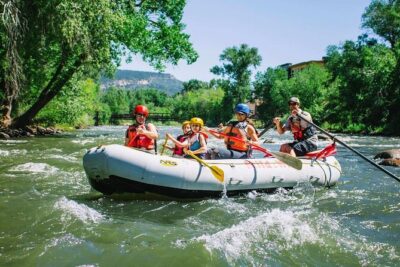
Durango Half Day Rafting Trip – Lower Animas River
Read our review →
Fisher Towers Half-Day Rafting Day Trip from Moab
Read our review →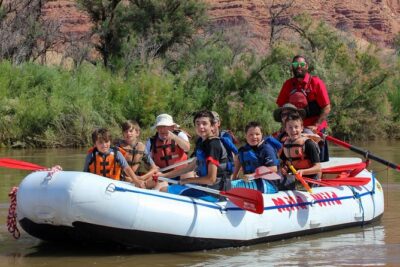
Moab Afternoon Half Day Rafting Trip – Colorado River
Read our review →Browse the lists this tour appears in