
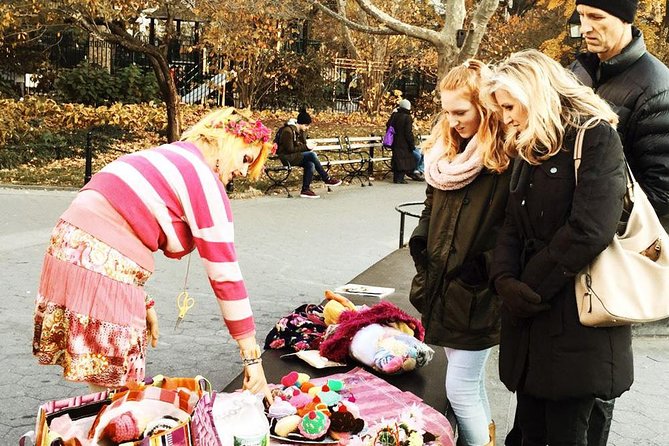
Reviewed · NEW YORK CITY TOURS
Artistic, Alternative Greenwich Village Walking Tour
Greenwich Village is best understood on foot, one old doorway and unexpected story at a time. This two-hour walk moves beyond the usual New York checklist, linking Edgar Allan Poe, Bob Dylan, Jimi Hendrix, the Beat movement, LGBTQ+ activism, neighborhood architecture, and the apartment from Friends. I especially like the strong local point of view and the way the route ends at Washington Square Park, where you can keep exploring on your own.
I also like that the tour covers both famous names and lesser-known corners, with guides such as Angela, Steve, Rob, and Dave bringing different personal angles to the neighborhood. The main consideration is the pace: you will walk about 2 to 3 miles, and the tour runs in all weather. A late guide has also caused a problem for at least one booking, so arrive prepared to wait briefly if timing matters.
Key points to know before you book
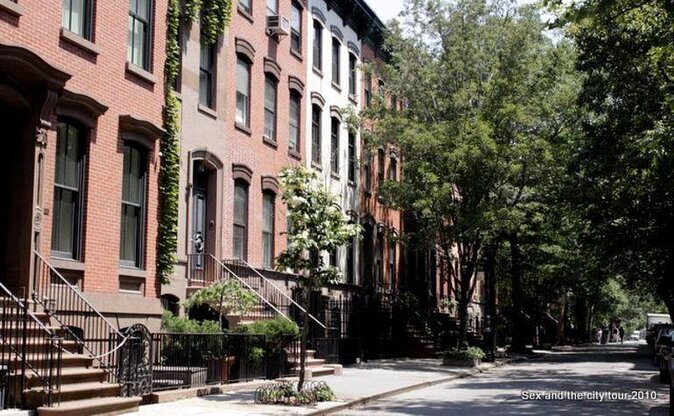
- More than 200 years of Greenwich Village stories: Follow the neighborhood from Poe and Upton Sinclair to Bob Dylan, Jimi Hendrix, and the Beat movement.
- A strong focus on social change: Learn how parts of the gay rights movement took shape in and around the Village.
- Useful local advice: Guides may point out restaurants, bars, shops, events, bookstores, and other places worth returning to.
- A manageable but real walk: Expect 2 to 3 miles at a moderate pace, mostly outdoors, with comfortable shoes essential.
- A small-group feel: The maximum group size is 20 people, which leaves room for questions and conversation.
- A convenient finish: The walk ends near Christopher Street and Seventh Avenue, close to Village Cigars and Washington Square Park.
Why this Greenwich Village walk is different
Many first visits to New York stay on the grand avenues. Greenwich Village rewards a slower approach. Its crooked streets, old brownstones, small clubs, bars, restaurants, and tucked-away landmarks tell a different story from the skyscrapers and museums elsewhere in Manhattan.
This tour concentrates on the Village as a place where artists, writers, musicians, political radicals, and social reformers lived close together. The stories connect people who might otherwise seem unrelated. Poe wrote here. Dylan Thomas drank heavily here. John Reed and Upton Sinclair helped push counterculture ideas into public view. Bob Dylan and Jimi Hendrix played small clubs and developed music that reached far beyond the neighborhood.
That mix gives the walk its character. You are not simply looking at attractive buildings. You are learning how a neighborhood became a home for people who challenged accepted ideas, made art outside the mainstream, or created new communities.
The tour is also designed for both first-time and repeat visitors to New York. If you have never seen Greenwich Village, it gives you a useful framework. If you already know Washington Square or Bleecker Street, the guide may help you notice the people and events behind the facades.
More Walking Tours in New York City
- SoHo, Little Italy, and Chinatown Walking Tour in New York
★ 5.0 · 3,153 reviews - Secrets of Grand Central Station Walking Tour New York City
★ 5.0 · 1,796 reviews - Greenwich Village Walking and Food Tasting Tour
★ 5.0 · 1,572 reviews
Starting at Sixth Avenue and Waverly Place
The meeting point is at 375A Sixth Avenue, near Waverly Place. The tour begins at 1:30 pm, so you get a daytime walk rather than a late-night history outing.
Starting on Sixth Avenue makes practical sense. You are close to public transportation, and the location is easy to reach from other parts of Manhattan. Still, check the exact meeting point before setting out. Greenwich Village has a street layout that can confuse even experienced New York walkers, and a few extra minutes will help you find the group without rushing.
From there, the guide leads you through the Village’s streets and explains how the area changed over time. You will see historic brownstones, bars, restaurants, and buildings tied to the neighborhood’s artistic and social past.
The setting itself does much of the work. The Village does not feel laid out on a grand grid in the same way as much of Manhattan. Streets bend, narrow, and open into small pockets. That makes a guide useful. You can wander here without a plan, but you may miss why a particular building, corner, or block matters.
Poe, Dylan Thomas, and the bohemian Village
The literary stories give the tour an early anchor. Edgar Allan Poe lived and wrote in Greenwich Village, and his connection helps show that the neighborhood’s creative reputation did not begin with twentieth-century musicians.
The tour also takes a darker look at Dylan Thomas, who drank himself to death in the Village. That detail is not polished tourist history, and it helps keep the walk grounded. Greenwich Village was not only a pleasant refuge for artists. It could also be hard, chaotic, and destructive.
You will hear about radical thinkers such as John Reed and Upton Sinclair, whose work helped form counterculture movements. The Village became a haven for bohemians and an early home for the Beat movement, drawing people who questioned conventional politics, morality, and art.
These stories are valuable because they explain the neighborhood’s reputation instead of simply repeating it. The Village became famous for creativity because people used its streets, cafes, clubs, apartments, and meeting places to exchange ideas. The guide’s job is to connect those activities to the physical neighborhood you are walking through.
Music history in small rooms
Greenwich Village’s music story is one of the tour’s strongest threads. Bob Dylan and Jimi Hendrix played small clubs here before becoming major names, and the guide places their careers within the local setting.
You should not expect a concert or entry into every historic club. The appeal is the story of how important music grew out of modest spaces. Small venues gave musicians room to test songs, build an audience, and meet other artists.
That is a useful contrast with the grand scale of modern New York. You are walking through a neighborhood where a major musical legacy developed in rooms that could feel ordinary from the outside. The guide helps you picture that earlier period.
The music material also works well for people who are not serious music historians. The stories sit alongside architecture, politics, and daily neighborhood life, so the tour does not depend on knowing every song or performer in advance.
More walking tours around New York City:
- True Crime NYC: Mafia Walk w/Ret. NYPD Detective and Local Food
★ 5.0 · 848 reviews - Central Park Guided Walking Tour
★ 5.0 · 774 reviews - New York City: Private Walking Tour with a Local
★ 4.6 · 771 reviews - NYC Lower East Side Walking and Food Tour
★ 5.0 · 646 reviews
LGBTQ+ history and landmarks of social change
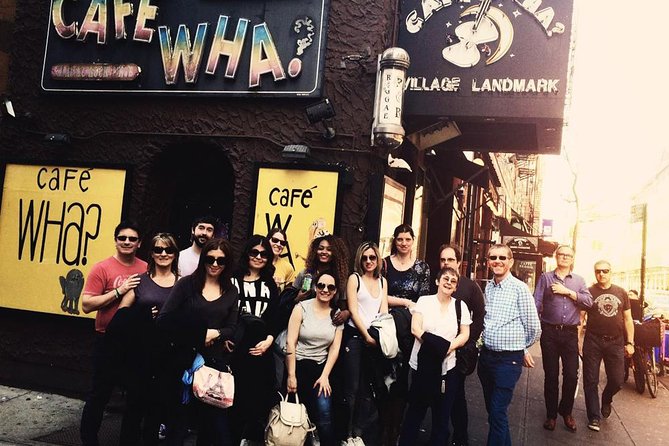
The walk gives clear attention to the gay rights movement and the landmarks connected with it. This is an important part of Greenwich Village’s identity, and the tour treats it as part of the neighborhood’s larger story of protest, community, and personal freedom.
You will hear how elements of the movement were born here as you pass related landmarks. The subject adds weight to the tour because it shows that the Village’s alternative reputation was not just about artists and nightlife. It was also a place where people organized, resisted discrimination, and built a public presence.
The history can feel especially meaningful during Pride Month, when the neighborhood’s symbols and streets take on added importance. At the same time, the tour is not limited to one season or one kind of visitor. The subject belongs to the permanent history of the Village.
A good guide makes this part more than a list of dates. Angela, for example, has been praised for bringing personal feeling and energy to the stories, while Steve has focused on how changes in the neighborhood affected local people. The guide you receive may differ, but the strongest version of this tour links past events with the Village you see today.
Brownstones, food stops, and the modern Village
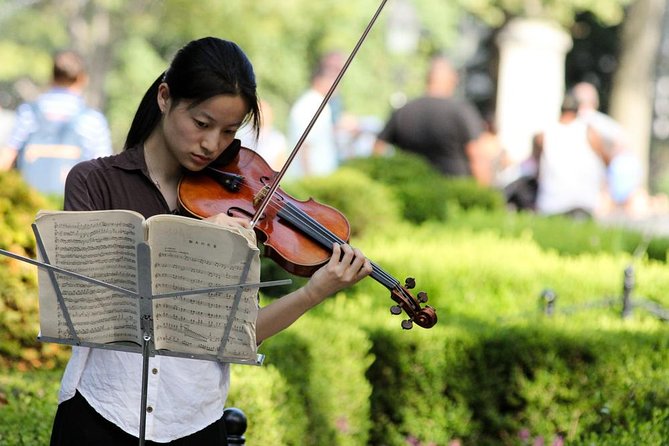
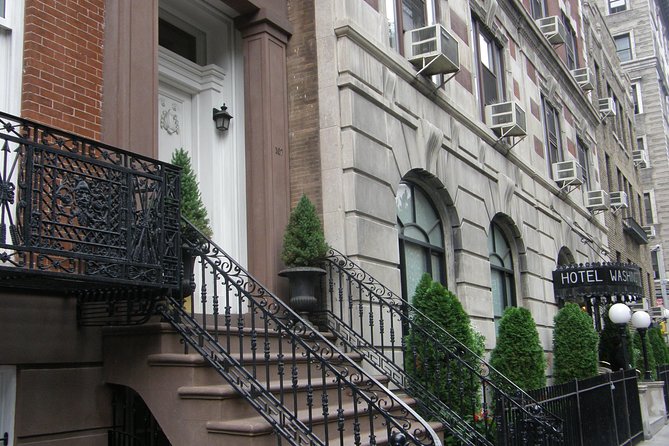
The architecture is not a side note. Historic brownstones give Greenwich Village much of its visual appeal, and the walk lets you examine the streets at a comfortable pace rather than racing from one major attraction to another.
You will also pass bars and restaurants. The guide may offer suggestions for places to eat or drink after the walk, along with tips on shops, events, bookstores, and other local stops. Angela has even followed up with written recommendations and details about the places covered on the walk.
That follow-up can add real value. New York is expensive, and a useful restaurant suggestion or a good place for a later drink can help you spend your remaining time wisely. The recommendations are not included as meals, so think of them as planning help rather than part of the ticket.
The tour also gives you a better sense of how the Village has changed. Steve, a longtime resident, has spoken about gentrification and its effect on local people. That perspective matters because the neighborhood’s artistic past can easily be turned into a simple feel-good story. The modern Village is also a place of rising costs, changing businesses, and tension between old identity and new development.
Famous television locations without losing the history
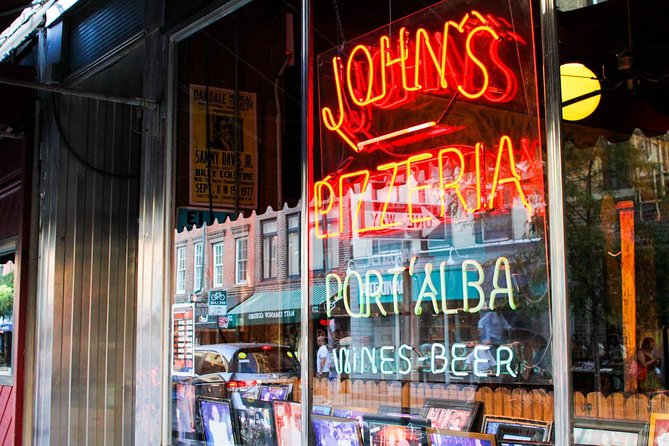
The tour includes well-known TV locations, including the apartment associated with Friends. This is a nice extra for fans of popular culture, but it does not appear to replace the historical focus.
The TV references give the walk an easy point of entry. You can enjoy seeing a familiar setting, then hear about the writers, musicians, activists, and residents who shaped the area long before it appeared on television.
That balance is useful for mixed groups. A teenager may be more interested in a TV location, while a parent may prefer the literary or political stories. The route has enough variety to keep both engaged.
Do keep your expectations realistic. This is a neighborhood walking tour, not a dedicated Friends tour, and the supplied information does not promise interior access to the apartment or other filming sites.
Washington Square Park and the final stretch
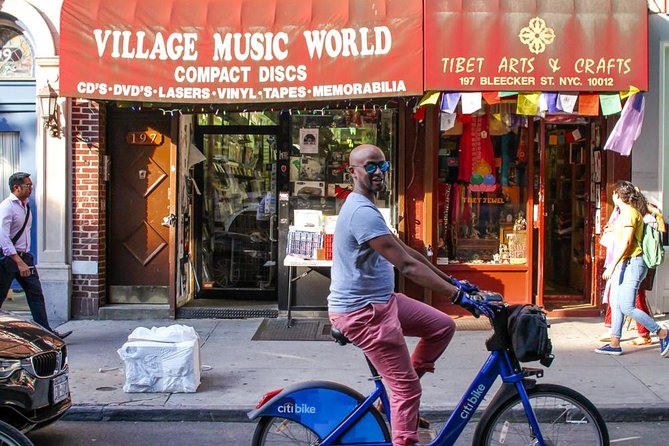
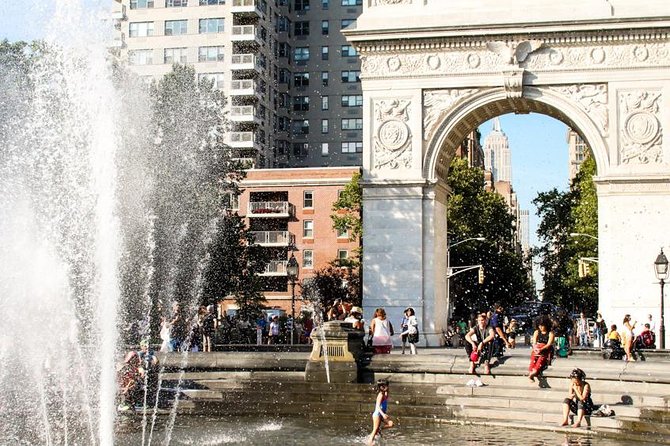
The route finishes in Washington Square Park, with a short segment devoted to the park’s history. This peaceful open space was built atop a forgotten cemetery, an unsettling detail beneath one of New York’s most familiar gathering places.
Washington Square is a strong ending because it gives you room to pause after two hours on city sidewalks. You may see people relaxing, performers, musicians, or the park’s famous arch area, though the exact street activity will vary by day. One guide, Rob, has even introduced groups to Johnny Chess, a well-known local figure in the park.
The park also gives you several ways to continue your afternoon. You can stay nearby, follow up on a restaurant suggestion, or walk toward the West Village. The official end is at Village Cigars, at 110 Seventh Avenue South, near Christopher Street and Seventh Avenue.
Village Cigars is described as a West Village relic, so the finish has its own local flavor rather than ending beside a large visitor attraction. It is a convenient place to get your bearings, but remember that the walk does not include a meal, a cigar, or admission to any site.
What the guides add to the experience
The guide may be Angela, Steve, Rob, Dave, or another member of the local team. That variety means the exact tone can change, but the most praised qualities are consistent: energy, personal connection, storytelling, and attention to the group.
Angela is described as enthusiastic and alert to different interests. She asks what people want to know, then points out places and stories that fit those questions. She has also helped groups find breaks, shared food suggestions, and sent written information afterward.
Steve brings a long local connection, with one account describing 50 years in Greenwich Village. His talks about neighborhood change and gentrification can give the walk a more personal and current edge. He has also guided native New Yorkers who still learned new details about their own city.
Rob has been valued for his storytelling, patience, and use of a binder with photographs. Another account describes him as a retired history teacher who knew local food, nightlife, and neighborhood stories. Dave has also been praised for his care with different needs and interests.
These names are not a promise that you will receive a particular guide. They do show the range of approaches available: personal memory, classroom-style history, visual aids, and practical local advice.
Price, group size, and walking demands
At $39 per person, the tour is reasonably priced for a two-hour guided walk in Manhattan. You are paying mainly for interpretation and local direction, not admission tickets. That is a fair deal if you want context and stories you would be unlikely to assemble on your own.
The value is strongest for someone who plans to spend more time in Greenwich Village after the tour. Use the guide’s recommendations, revisit a street that caught your attention, or stop for food near the end point. If you only want a quick photo walk, $39 may feel less worthwhile.
The group can include up to 20 people. That is not an intimate private tour, but it is small enough for a guide to answer questions and adjust the pace. Several guides have been praised for making time for individual interests and for helping older adults or people who needed a break.
Plan on 2 to 3 miles of walking at a moderate pace. Wear comfortable shoes, bring weather protection, and do not schedule a tight appointment immediately afterward. The tour runs rain or shine, although extreme weather can lead to a rescheduled tour or full refund.
The route is listed as accessible for wheelchairs and strollers, and most people can participate. Even so, city sidewalks, crowds, weather, and the amount of walking can affect comfort, so contact the operator if you need specific arrangements.
Who will enjoy this tour most
I would choose this tour for you if you want New York stories beyond the Empire State Building, Times Square, and major museums. It suits first-time visitors who want a neighborhood introduction, but it also works for repeat visitors and local New Yorkers curious about overlooked details.
It is especially good for:
- People interested in writers, musicians, artists, and social movements
- Fans of Bob Dylan, Jimi Hendrix, Poe, the Beats, or Friends
- Visitors who enjoy architecture and local food suggestions
- Parents and teenagers with different interests
- Couples, solo visitors, and small groups
- New Yorkers taking a staycation or seeing the city with fresh eyes
It may be less suitable if you dislike walking, want indoor attractions, or need a tour that begins and ends at the same place. The content also covers many subjects in two hours, so you will get a broad introduction rather than a detailed study of every person or building.
Should you book the Artistic, Alternative Greenwich Village Walking Tour?
I would book it if you want to understand why Greenwich Village became New York’s capital of artistic and social experimentation. The combination of brownstones, music history, literary stories, LGBTQ+ history, TV locations, and local advice gives you more than a simple sightseeing stroll.
The 4.9 rating from 971 bookings and 99 percent recommendation rate point to a consistently strong experience, especially when the assigned guide brings the subject to life. Angela, Steve, Rob, and Dave have each shown the kind of personal storytelling that makes a familiar neighborhood feel new.
The one practical warning is timing. One booking went badly after a guide arrived late in freezing weather, and a refund dispute followed. That appears to be an exception rather than the normal pattern, but if you have a train, show, or dinner reservation soon afterward, leave extra time.
Book this walk for a relaxed afternoon, wear good shoes, and keep your schedule open after the finish. Cancel at least 24 hours before the 1:30 pm start for a full refund. If you want a local introduction to the Village that connects famous names with real streets and current neighborhood change, this is a sensible choice.
FAQ
Where does the Artistic, Alternative Greenwich Village Walking Tour start?
The tour starts at 375A Sixth Avenue, near Waverly Place, New York, NY 10014.
What time does the tour begin?
The scheduled start time is 1:30 pm.
Where does the tour end?
The tour ends at Village Cigars, 110 Seventh Avenue South, near the intersection of Christopher Street and Seventh Avenue.
How long does the tour last?
The walking tour lasts approximately two hours.
How far will I walk?
You should expect about 2 to 3 miles of walking at a moderate pace.
Is the tour wheelchair accessible?
Yes. The tour is listed as accessible for wheelchairs and strollers.
Does the tour run if it rains?
Yes. The tour operates in all weather, so dress for the forecast. In rare cases of extreme weather, you may be offered a new date or a full refund.
How many people can join the tour?
The maximum group size is 20 people.
Is the tour offered in English?
Yes. The tour is offered in English and uses a mobile ticket.
Can I cancel for a full refund?
Yes. You can cancel at least 24 hours before the experience start time for a full refund. Cancellations or changes made less than 24 hours before the start time are not accepted.
Newly listed in New York City
- Official Private NYC Central Park Horse Carriage Ride Since 1970™★ 4.5 · 447 reviews
- NYC at Night: 3-Hour Luxury Bus Tour of Top Highlights★ 4.5 · 448 reviews
- From Manhattan: 5-Hour Bronx, Queens, and Brooklyn Bus Tour★ 4.7 · 451 reviews
- Private Guided New York City Tour by SUV★ 5.0 · 451 reviews
- Statue of Liberty Tour with Ellis Island and Immigration Museum★ 4.0 · 452 reviews
- NYC: Official Grand Central Terminal Tour★ 5.0 · 458 reviews
- Circle Line: NYC BEAST Speedboat Ride★ 4.5 · 458 reviews
- New York City: Sunset Yacht Cruise★ 4.9 · 461 reviews
New York City Tours, compared.

Empire State Building Tickets – Observatory & Museum
Read our review →


Statue of Liberty and Ellis Island Tour: All Options
Read our review →


New York CityPASS®: Save up to 41% at 5 Top Attractions
Read our review →Browse the lists this tour appears in