
Reviewed · NEW YORK CITY TOURS
NYC: Express Highlights Tour of the MET Museum
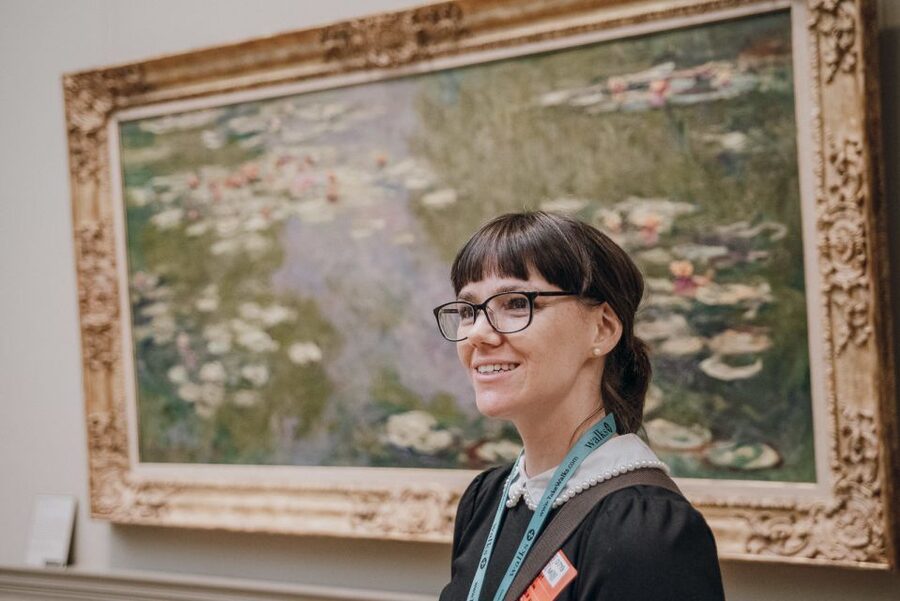
The best thing about this Met tour is its sense of direction. Instead of facing thousands of rooms and wondering where to begin, you follow a guide through a carefully chosen route covering Egyptian treasures, Greek sculpture, and European masterpieces. The Temple of Dendur and Van Gogh’s paintings give the tour its biggest visual moments.
I like the small group limit of 15, which gives your guide room to answer questions and adjust the route a little. I also like the storytelling. Guides such as Charlie, Katie, Ryan, Jett, and Kevin are praised for making art lively, personal, and easy to grasp. The main drawback is time: two hours gives you a strong introduction, but not enough for a full visit.
Key points
- The Temple of Dendur anchors the Egyptian portion, giving you one of the Met’s most memorable spaces.
- Van Gogh, Monet, Rodin, and other European masters bring familiar names into a wider museum story.
- Priority entry saves useful time, especially when the main entrance is busy.
- Groups are limited to 15 people, with private tours also available.
- Guides tailor the conversation, sometimes adding a detour based on your interests.
- The tour ends at the Met, so you can continue exploring or stop for lunch on your own.
Why two hours works at the Metropolitan Museum
The Metropolitan Museum of Art is not a museum you can casually sweep through. Its collection covers about 5,000 years of human creativity, and even a full day can leave major sections untouched. That size is thrilling, but it can also make a first visit feel like a museum version of getting lost in a city.
This two-hour experience solves that problem by giving you a route and a human voice. You move at a moderate walking pace, stopping at selected objects rather than trying to inspect every room. I find that useful for a first visit, for families with limited patience, and for anyone who wants context instead of a long list of names and dates.
The pace is brisk, but it is not meant to be a forced march. Guides are expected to explain why a work matters, point out details you might miss, and leave you with ideas for exploring afterward. Several guides are praised for balancing facts with humor and for keeping children, older visitors, and art newcomers involved.
You should still arrive ready to walk and stand. This is not a seated lecture, and the museum’s scale means the group covers a fair amount of ground. Anyone who needs wheelchair access can use the ground-level entrance to the left of the main entrance while facing the building. Tell museum staff you are meeting a tour group in the main lobby.
More Museums in New York City
- NYC: Empire State Building Tickets – Observatory & Museum
★ 4.7 · 25,757 reviews - New York City: American Museum of Natural History Ticket
★ 4.5 · 15,447 reviews - NYC: Museum of Modern Art (MoMA) Entry Ticket
★ 4.6 · 12,540 reviews
Priority entry and meeting your English-speaking guide
The tour includes a pre-arranged Met ticket with the donation included, along with priority access to the ticket line. That does not remove every possible delay inside a major museum, but it cuts out one of the least useful parts of a museum visit: waiting before you have even seen the art.
The meeting point can vary by the option you book, so check your confirmation carefully. The listed start and finish are at the Metropolitan Museum of Art, and no hotel pickup or drop-off is included. Food and drinks are also your responsibility.
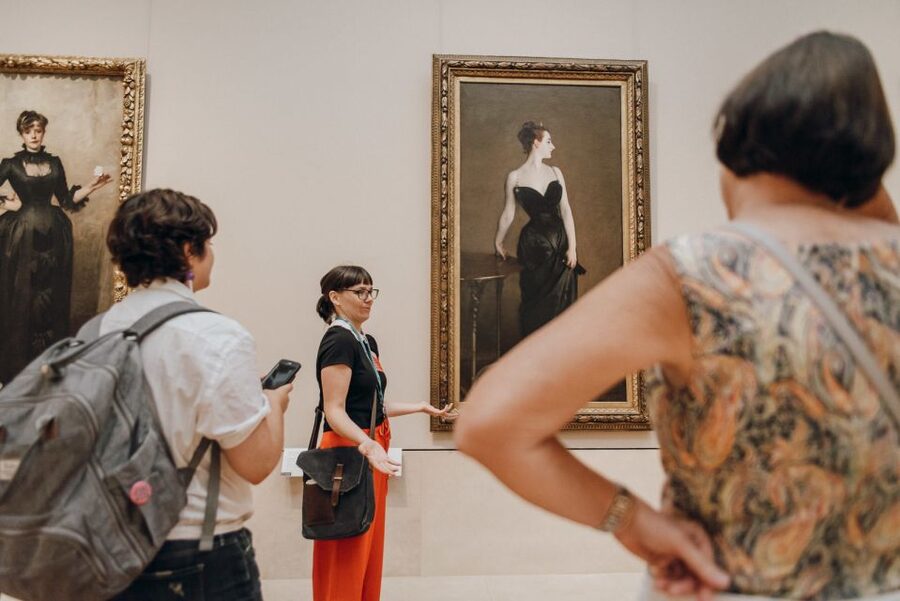
Your guide leads in English. The strongest part of the experience depends on the person holding the group together, and the available guide team has several names that appear repeatedly in guest feedback. Charlie is praised for clear speech, warmth, strong art knowledge, and extra help after the tour. Katie is often described as funny, thoughtful, and good at making complicated material accessible. Ryan receives praise for passion, flexibility, and his ability to include children.
Kevin is a good name to request if the booking system allows it, as he has been especially praised for his art history background and lively teaching style. Jett is another frequently applauded guide, particularly for entertaining explanations and an easy manner with families. You are not guaranteed a particular guide, but these examples give you a sense of the style to expect: informed without being stiff, and conversational rather than label-heavy.
Egyptian galleries, mummies, and the Temple of Dendur
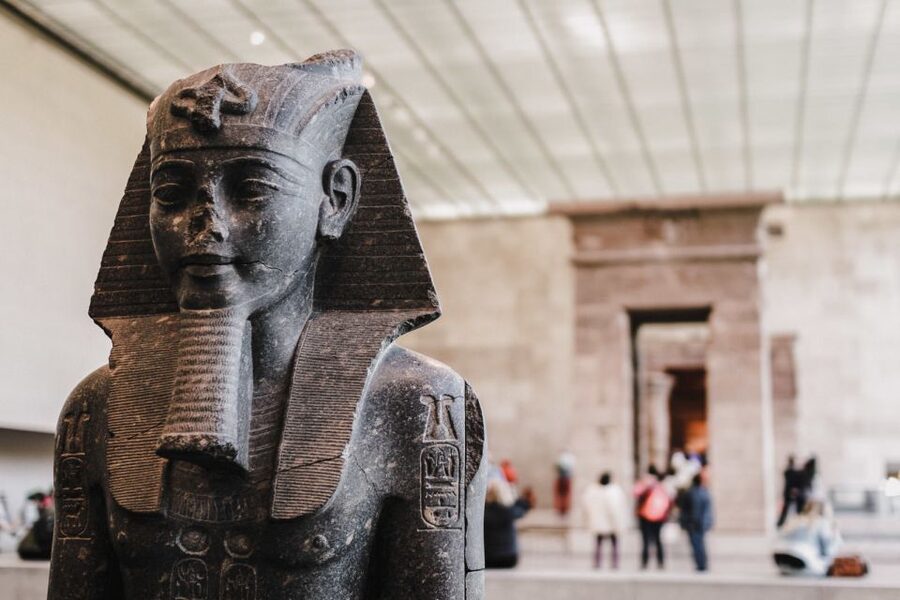
The Egyptian section supplies the tour’s grandest setting. You can expect to see ancient tomb material, mummies, and the Temple of Dendur, a large stone temple displayed inside the museum. The temple is not simply a quick photo stop. It gives your guide a chance to explain how an ancient monument came to be in New York and why the Met can display Egyptian artifacts.
That question of ownership is useful because museum collections are not just about beauty. They also involve archaeology, preservation, international agreements, and changing ideas about who should hold cultural objects. Guides such as Charlie have used this part of the visit to explain why the Met keeps Egyptian temples and artifacts, giving you a more thoughtful view than a simple date and dynasty lecture.
The temple itself provides a welcome change of scale. After smaller objects and display cases, you encounter a structure with a strong physical presence. It is one of the stops that helps you remember where you are, even when the rest of the museum begins to blur together.
The Egyptian section can also be a good fit for children and teens because it offers an immediate mix of mystery, architecture, and human stories. A guide can make the mummies and tombs approachable without reducing them to spooky props. Ask questions here if you are curious about burial practices, the meaning of symbols, or the practical story of moving a temple.
The exact galleries and objects can change. Rooms may close, and individual works may be absent without notice, so your guide may adjust the route. That flexibility is part of the deal with a working museum, not a flaw in the tour.
Greek sculpture and the museum’s ancient world
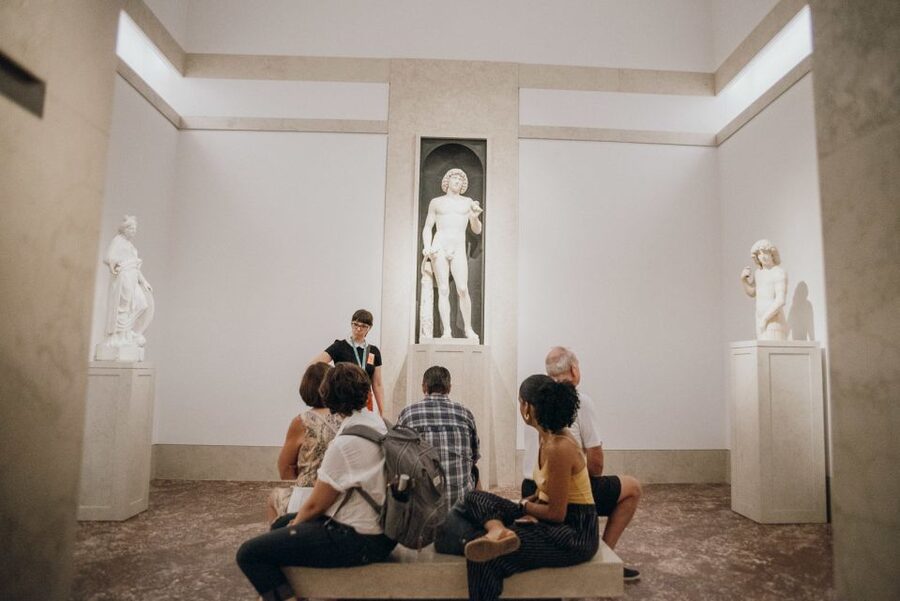
The ancient Greek portion gives the tour a different rhythm. Here, your guide can help you look at the human body, posture, clothing, and the choices made by the sculptor. A quick stop becomes more rewarding when you understand what to examine instead of simply recognizing that a statue is old.
The value of a guide is especially clear with sculpture. A label may identify the subject and date, but it rarely tells you how to look. Your guide can point out how a figure’s stance suggests movement, how a carved surface handles fabric, or how an artist presents an ideal body. The aim is not to memorize every term. It is to develop a few useful habits for seeing.
This section also helps connect the museum’s collections. You are not looking at isolated rooms. Ancient ideas about beauty, power, religion, and storytelling echo through later European art. The tour does not have enough time to build a full survey of Western art, but it gives you a few strong links to carry into the later galleries.
Because this is a highlights route, you will not linger over every ancient object. That can disappoint visitors who came mainly for Greek and Roman art. If that is your priority, treat the tour as an orientation, then spend extra time in the section after the guide leaves.
More museums around New York City:
- 9/11 Memorial, Ground Zero Tour with Optional 9/11 Museum Ticket
★ 5.0 · 6,381 reviews - 9/11 Memorial Museum Admission Ticket
★ 4.5 · 6,376 reviews - All-Access 9/11: Ground Zero Tour, Memorial and Museum, One World Observatory
★ 5.0 · 4,886 reviews - NYC: Intrepid Museum Entry Ticket
★ 4.7 · 4,687 reviews
Van Gogh, Monet, Rodin, and European masterpieces
The European galleries bring familiar names into the route, including Van Gogh, Monet, and Rodin. These are likely to be the works you already recognize, but the guide’s job is to help you see beyond recognition.
Van Gogh offers a natural opening for discussion about brushwork and emotional force. The tour description points to what his brushstrokes may reveal about his state of mind, so expect interpretation rather than a bare biography. You may leave looking more closely at the direction, density, and movement of paint instead of treating the image as a famous picture you have already seen online.
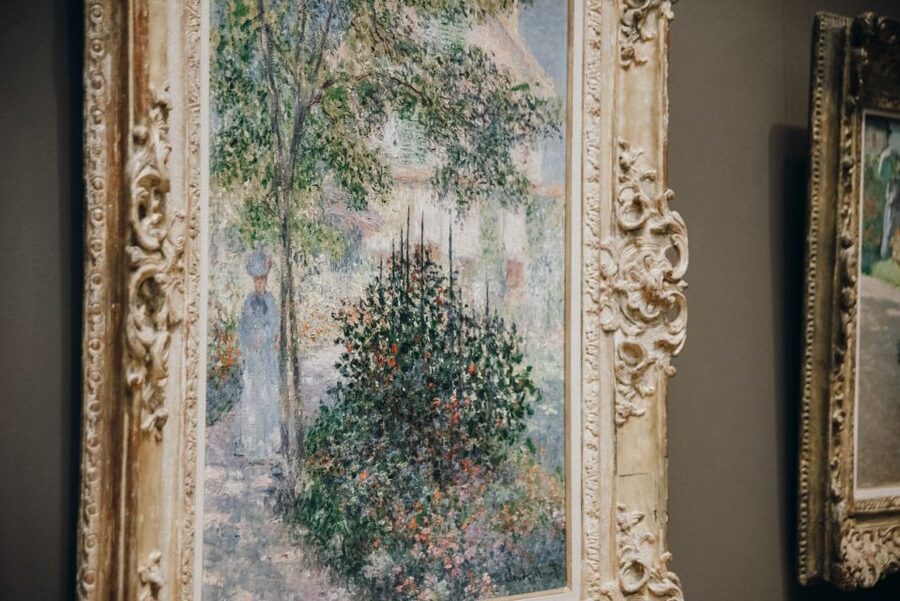
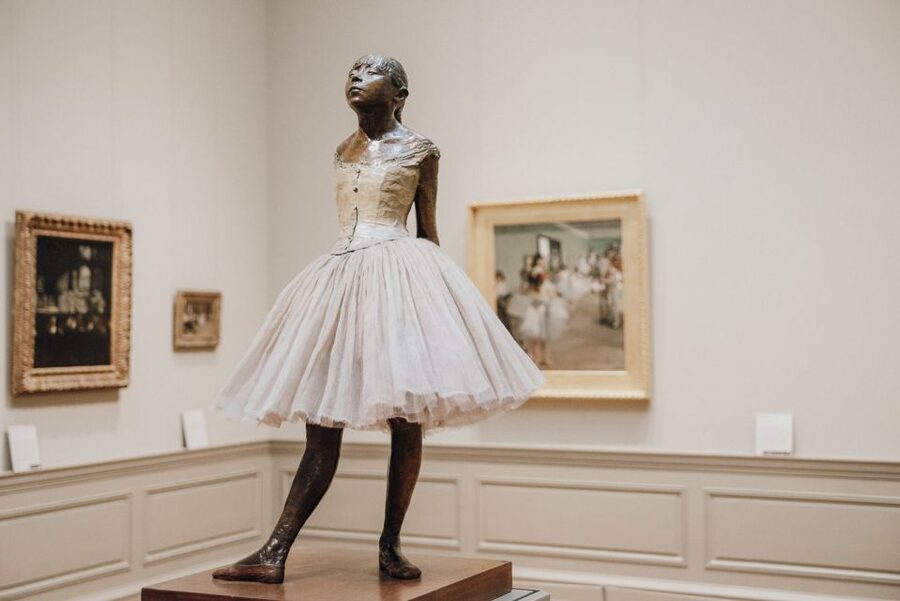
Monet gives the guide a chance to discuss light, atmosphere, and the way a painter can suggest rather than spell out a scene. Rodin brings sculpture back into the conversation, this time with a later artist whose treatment of the body and surface differs sharply from ancient Greek work.
The best guides make these stops feel like conversations. Rob, for example, has been praised for combining historical background with questions about how you see a piece. Ryan is noted for changing the emphasis when a group reveals a particular interest. One guide even made a short detour to show a musician in the group the oldest surviving piano in the world. That kind of adjustment is a real benefit of a small party, though it also means no two tours need to follow exactly the same path.
Do not expect a full survey of European painting. You will see selected works, hear the stories behind them, and get suggestions for what to revisit. If you already know the Met well, the guide may still offer fresh ways to think about familiar art, but a repeat visitor who wants obscure rooms should book with a specific request or plan independent time afterward.
Storytelling makes the art easier to remember
The strongest praise for this experience centers on the guides, not just the museum. That makes sense. The Met already has remarkable objects. The added value is having someone choose the stops, explain the stakes, and notice when the group is losing interest.
The storytelling includes legends, artist anecdotes, museum history, and the occasional piece of museum gossip. That tone works well when it stays tied to the artwork. It helps you remember why a painting, statue, or temple deserves your attention.
Good guiding also means managing sound and sight lines. In a large room, the guide needs a clear voice and the group needs to gather without blocking other visitors. Older guests have specifically appreciated guides with strong, easy-to-hear voices. Audio headsets are not listed as included, and one guest noted that such devices would have helped, so hearing the guide may be harder in crowded galleries.
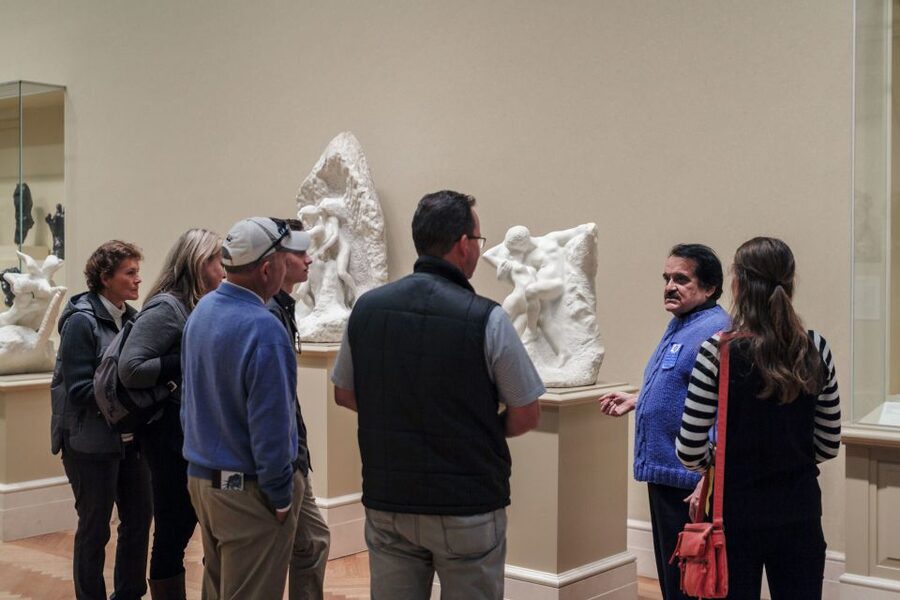
The group size matters here. With no more than 15 people, you can ask a question without stopping a huge crowd. The guide can learn that your child likes music, that you have visited before, or that you want more help with a particular period. A private option gives you still more control, while a shared tour offers a lower price and the chance to hear other questions.
How much value do you get for $69?
At $69 per person, this is not the cheapest way to enter the Met. The price pays for more than admission: it includes the pre-arranged ticket, the museum donation, priority access to the ticket line, and two hours with a professional guide.
I think the value is strongest if this is your first Met visit or if your New York schedule is tight. The museum is so large that saving time at the entrance and avoiding a wrong turn can make the difference between seeing the major works and leaving frustrated. The guide also gives you a starting point for a longer independent visit.
The value is less clear if you are already comfortable navigating the Met or mainly want to sit with one painting for half an hour. A guided highlights tour must keep moving. You are paying for selection and explanation, not unlimited time at each object.
The practical strategy is to use the tour as your first two hours, then stay for lunch and continue on your own. One guide can point out where to go next, and the museum itself remains your drop-off point. That makes the experience more than a quick checklist, provided you reserve enough energy for additional galleries.
Who should book this Met highlights tour?
I would recommend it to first-time visitors, families, couples, older adults who prefer a clear route, and anyone visiting New York for only a few days. It is also useful for museum-averse companions because the pace, stories, and mix of objects keep the visit from becoming a silent march past glass cases.
Teens and pre-teens can do well with this format, especially when the guide uses humor and asks questions. The Egyptian temple and mummies offer immediate visual appeal, while Van Gogh and Rodin give older children familiar names to connect with.
Repeat visitors can benefit too, particularly if they want a fresh reading of the museum’s major pieces. But you should tell the guide what you have already seen and what interests you. The route can be adapted in small ways, though the tour remains a highlights experience.
This may not suit you if you dislike group tours, need long uninterrupted time at individual works, or want to focus on a single department. The walking pace is moderate, the tour is in English, and galleries can change without notice. Those are manageable limits, but they are worth knowing before you pay.
Should you book the two-hour Met tour?
Book it if you want a smart introduction rather than a free-form museum wander. For $69, you get priority entry, a ticket with the donation included, and a guide who can turn the Met’s huge collection into a manageable story. The small group cap is a meaningful advantage, and the best guides, including Charlie, Katie, Ryan, Jett, and Kevin, have made a strong impression through humor, flexibility, and clear explanations.
Skip it if you already know exactly which rooms you want and prefer to set your own pace. Otherwise, this is a sensible way to make your first two hours at the Met count, then stay on for lunch and explore the sections that catch your eye.
FAQ
How long does the NYC Met highlights tour last?
The tour lasts two hours, including the guided walk through the Metropolitan Museum of Art.
What does the tour cost?
The listed price is $69 per person.
Is museum admission included?
Yes. The experience includes a pre-arranged Metropolitan Museum ticket with the museum donation included.
Does the tour skip the ticket line?
Yes. Priority access to the ticket line is included.
What language is the tour offered in?
The live tour guide leads the experience in English.
How large is the shared group?
The small-group option allows up to 15 people. A private option is also available, depending on the booking selected.
What artwork and areas can I expect to see?
The route can include ancient Egyptian tombs and mummies, the Temple of Dendur, Greek sculpture, and European works by artists including Van Gogh, Monet, and Rodin.
Can the tour route change?
Yes. Galleries may close and artwork may be absent without notice, so the guide may modify the route on the day.
Is the tour wheelchair accessible?
Yes. Wheelchair access into the museum is available through the ground-level entrance to the left of the main entrance while facing the building. Tell museum staff you are meeting a tour group in the main lobby.
Newly listed in New York City
- Official Private NYC Central Park Horse Carriage Ride Since 1970™★ 4.5 · 447 reviews
- NYC at Night: 3-Hour Luxury Bus Tour of Top Highlights★ 4.5 · 448 reviews
- From Manhattan: 5-Hour Bronx, Queens, and Brooklyn Bus Tour★ 4.7 · 451 reviews
- Private Guided New York City Tour by SUV★ 5.0 · 451 reviews
- Statue of Liberty Tour with Ellis Island and Immigration Museum★ 4.0 · 452 reviews
- NYC: Official Grand Central Terminal Tour★ 5.0 · 458 reviews
- Circle Line: NYC BEAST Speedboat Ride★ 4.5 · 458 reviews
- New York City: Sunset Yacht Cruise★ 4.9 · 461 reviews
New York City Tours, compared.


Empire State Building Tickets – Observatory & Museum
Read our review →


Statue of Liberty and Ellis Island Tour: All Options
Read our review →


New York CityPASS®: Save up to 41% at 5 Top Attractions
Read our review →Browse the lists this tour appears in