
Reviewed · LOS ANGELES TOURS
Los Angeles: Natural History Museum of LA Entry Ticket
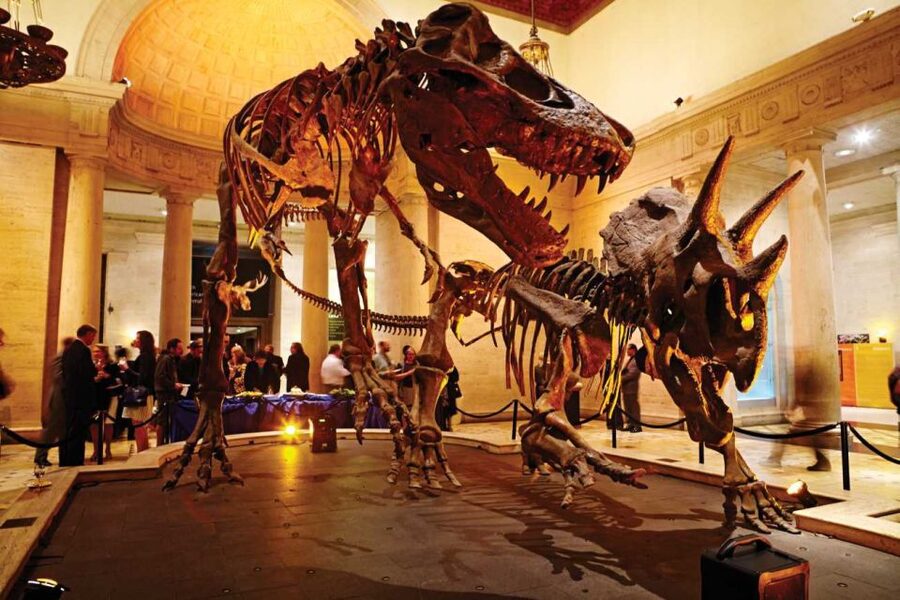
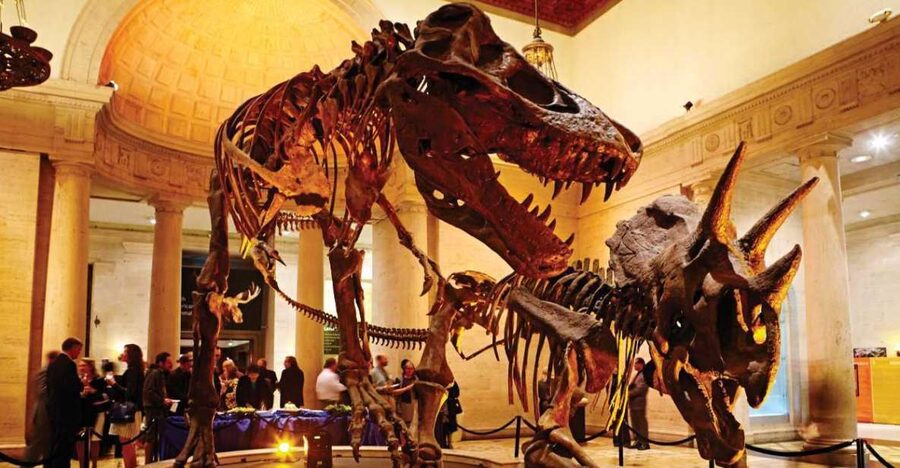
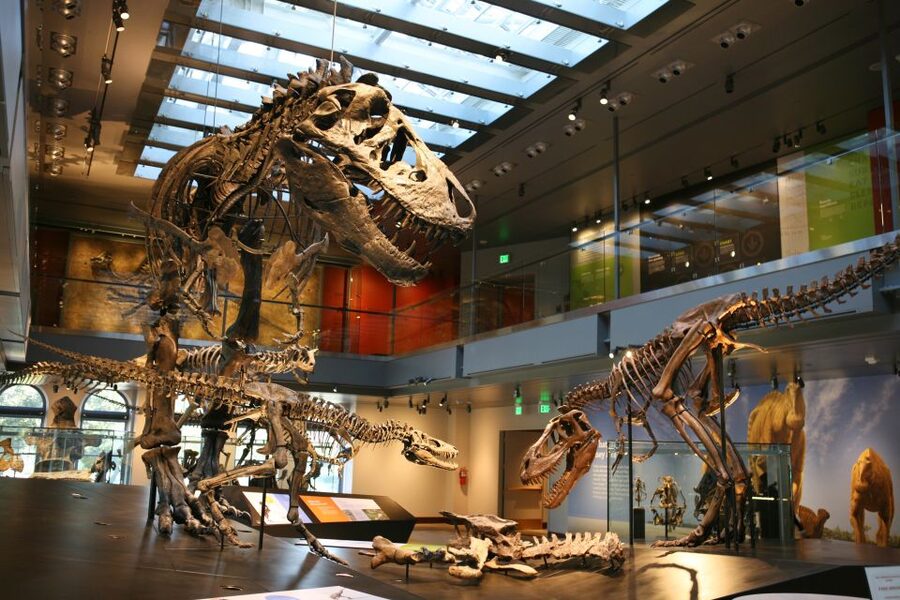
The biggest draw here is the Dinosaur Hall, where more than 300 real fossils and 20 complete dinosaurs turn a museum visit into a close look at prehistoric life. The world’s only Tyrannosaurus rex growth series is the star, showing how this famous predator changed from a small youngster into a massive adult.
I like the Becoming Los Angeles exhibit for its local focus, and I like that the 3.5-acre Nature Gardens gives you fresh air and living plants between indoor galleries. The main catch is simple: there is a lot to see, and the $18 general ticket does not include the rotating special exhibit.
Key points at a glance
- Follow a T. rex from youth to adulthood: The Dinosaur Hall’s growth series gives you a rare look at how this giant predator developed.
- See more than 300 real fossils: Complete dinosaur skeletons, ancient sea creatures, and other specimens make this more than a room of replicas.
- Learn how Los Angeles came to be: Becoming Los Angeles connects the city’s past to the place you see outside the museum.
- Walk through 3.5 acres of gardens: The Nature Gardens offer local plants, wildlife, and a welcome outdoor pause.
- View diamonds, rubies, and sapphires: The Mineral Hall contains more than 2,000 specimens, including fine stones in a vault.
- Choose the ticket that fits your day: General admission covers permanent exhibits, while the higher ticket option adds the current special exhibit.
Why the Dinosaur Hall deserves top billing
You do not need to be a serious fossil fan to get something from the Dinosaur Hall. The displays are large, easy to follow, and built around the animals themselves, with more than 300 real fossils, 20 complete dinosaurs, and ancient sea creatures.
The Tyrannosaurus rex growth series is especially useful because it shows change over time instead of presenting one fully grown skeleton as an isolated monster. You can compare younger and older animals and get a better sense of how a dinosaur’s body developed.
You will also see famous species such as T. rex and Stegosaurus, along with many other fossils. The scale makes a difference. Large skeletons give children something dramatic to look at, while the explanations help older visitors understand what they are seeing.
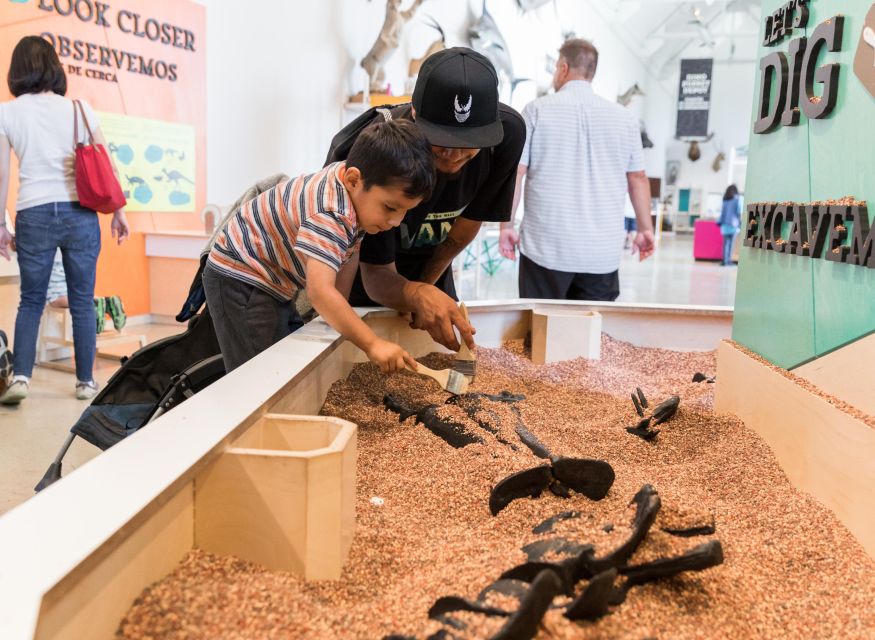
The museum also includes a Dino Lab, where you can watch scientists work on fossils. This behind-the-scenes angle adds a practical touch. Fossils do not simply appear in a glass case ready for display. They require careful work, and the lab helps show that science is an ongoing process.
A Dinosaur Encounters show is also part of the museum program. Check the day’s schedule when you arrive, since show timing can shape your visit. If you have children, this is a good reason not to rush straight through the galleries.
More historic sites around Los Angeles:
- New York City: American Museum of Natural History Ticket
★ 4.5 · 15,447 reviews - History and Hauntings of Salem Guided Walking Tour
★ 5.0 · 14,564 reviews - Charleston’s Old South Carriage Historic Horse & Carriage Tour
★ 5.0 · 10,023 reviews
Becoming Los Angeles puts the city in context
Becoming Los Angeles is one of the most useful stops for anyone trying to understand the city beyond movie studios and famous streets. The exhibit explains how Los Angeles came to be, giving you a local story to set beside the museum’s much older subjects.
That change in scale is part of the fun. One moment you are looking at animals from millions of years ago. The next, you are considering the development of the city around you. It gives your Los Angeles trip a stronger sense of place without requiring a separate history tour.
I would make this exhibit a priority early in the day, especially if you are visiting from outside California. It helps you read the city better after you leave. The exhibit is also a good choice for adults who may be less interested in spending several hours with dinosaur skeletons.
The museum’s local focus keeps the visit from feeling like a collection of unrelated specimens. Natural history, local development, wildlife, and science all connect here.
The Mineral Hall is small in space but big on sparkle
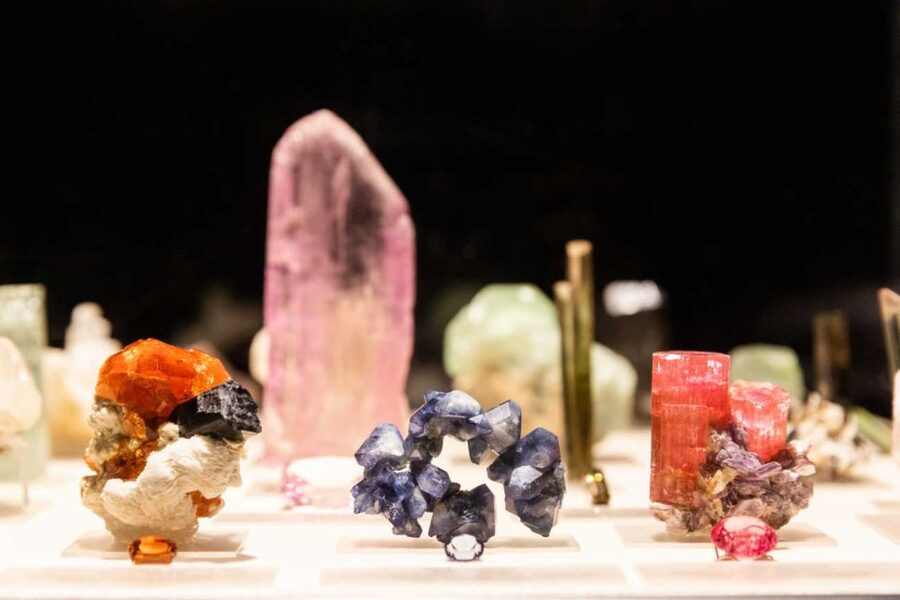
The Mineral Hall holds more than 2,000 specimens, so it offers a change of pace from the large animal skeletons. You can see diamonds, rubies, sapphires, and other striking stones, with additional pieces displayed in a vault.
This section works well late in your visit when you want something quieter and more detailed. Look closely at the color, shape, and variety of the stones rather than treating the room as a quick stop between dinosaur galleries.
The display also helps explain why museums preserve natural objects that are not living or fossilized. Minerals show another side of the natural world, with their own patterns, structure, and visual appeal.
If your group has mixed interests, this is often the kind of room that keeps everyone moving. Children may enjoy the sparkle, while adults can take more time with the specimens and explanations.
Take a real break in the Nature Gardens

The 3.5-acre Nature Gardens are important because this museum can easily become an indoor marathon. After several galleries, you can step outside, walk among the plants, and look for the wildlife attracted to the space.
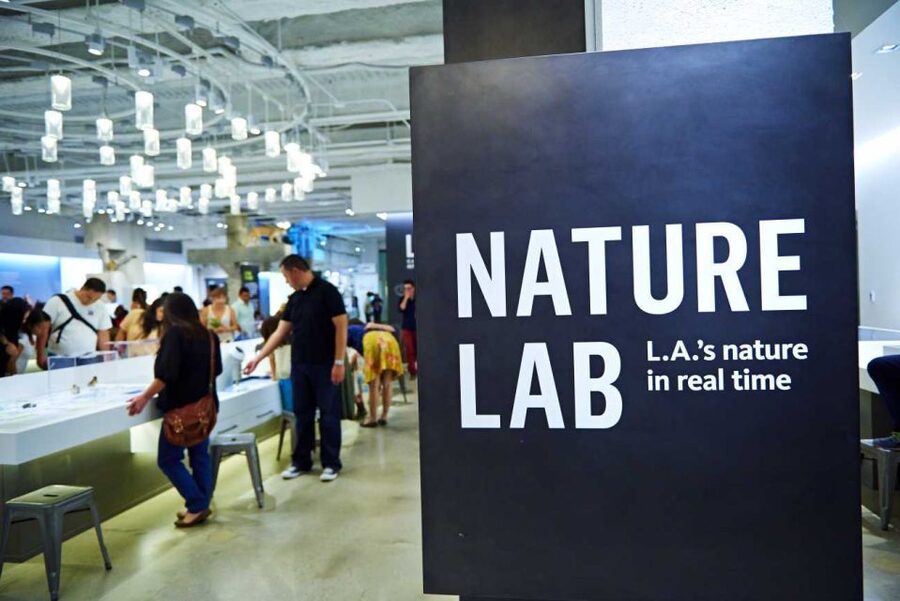
The gardens are not just a decorative entrance area. They give you a chance to notice local nature in a more direct way. The Nature Lab adds another place to learn about plants and animals, so you can connect the outdoor setting with the museum’s scientific work.
I would use the gardens as a planned pause rather than saving them for the last ten minutes. A short outdoor walk can help children reset, and adults may appreciate the chance to sit or move around before returning to the exhibits.
Wear comfortable shoes. The museum and gardens together cover a lot of ground, and one visitor with arthritis and fibromyalgia found the day physically demanding even though the visit felt worthwhile. That is a useful warning for anyone managing joint pain or fatigue.
More museums around Los Angeles:
- NYC: 9/11 Memorial & Museum Timed-Entry Ticket
★ 4.8 · 31,428 reviews - NYC: Empire State Building Tickets – Observatory & Museum
★ 4.7 · 25,757 reviews - NYC: Museum of Modern Art (MoMA) Entry Ticket
★ 4.6 · 12,540 reviews - 9/11 Memorial, Ground Zero Tour with Optional 9/11 Museum Ticket
★ 5.0 · 6,381 reviews
Age of Mammals tells a 65-million-year story
The Age of Mammals gallery follows an evolutionary story spanning 65 million years. It includes 240 specimens, with skeletons ranging from mastodons to whales, plus animal dioramas from North America and Africa.
This section gives you a broader view than the dinosaur displays. Instead of focusing on one famous species, it shows how mammals changed and diversified across a very long stretch of time.
The skeletons help you compare body size and structure. The dioramas add a different kind of visual experience, presenting animals in arranged scenes rather than as separate bones. Some older displays may feel less fresh in their graphic design than newer galleries, but they still provide plenty to see and discuss.
If you enjoy natural history museums for their range, this is one of the sections that makes the $18 ticket work. You are not paying for only the headline dinosaur room. You are getting a full museum with several distinct subjects.
Plan on two to four hours, or make a full day of it

The ticket is valid for one day, and the museum is open from 9:30 a.m. to 5:00 p.m., though hours can change. You can walk through the main highlights in a couple of hours, but four hours is more realistic if you want to read labels, visit the gardens, catch a show, and take breaks.
A full day is possible for families and serious museum fans. One visit included about four hours of wandering, while other visitors stayed long enough to add lunch and still continue exploring.
Here is a practical way to organize your time:
- Start with Dinosaur Hall while everyone has the most energy.
- Check the timing for Dinosaur Encounters and the Dino Lab.
- Visit Becoming Los Angeles for a change of subject.
- Take an outdoor break in the Nature Gardens.
- Finish with Age of Mammals and the Mineral Hall.
- Leave time for lunch if you plan to stay several hours.
The museum connects with the California Science Center by a rose garden and fountain area, according to the information provided by visitors who combined the two. That makes Expo Park a sensible place to spend more than one day, but do not try to force both museums into a rushed schedule if you want to read and enjoy the exhibits.
Strollers are a smart choice for small children. The museum covers enough ground that even energetic children may tire before you are ready to leave.
What the $18 ticket covers
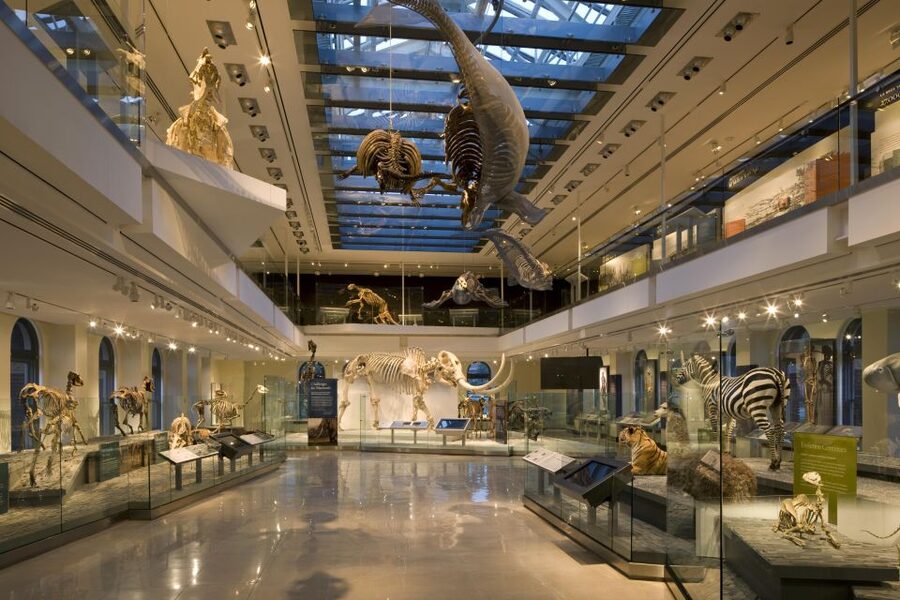
At $18 per person, general admission is good value if you plan to spend at least two or three hours inside. It includes the permanent exhibits, Dinosaur Hall, Nature Gardens, Mineral Hall, Becoming Los Angeles, and Age of Mammals.
The value comes from variety. You get dinosaurs, mammals, local history, minerals, outdoor space, and science demonstrations in one visit. That makes the ticket work particularly well for families, couples, and groups with different interests.
The museum is not a quick attraction you squeeze between several downtown stops. You will get more for your money if you give it a half-day or longer.
There are two ticket choices. General admission covers the permanent exhibits. Admission with special exhibit access adds entry to the current rotating special exhibit, which may be worthwhile if its subject interests you. The information provided does not specify the current special exhibit or its price, so check before booking if that temporary display is important to your plans.
One restriction matters if you are weighing long-term value: the value of a ticket bought through an online travel agency cannot be applied toward a museum membership. If you expect to return often, compare membership options separately rather than assuming this ticket will count toward one.
Getting there and entering the museum
You can enter through either of the museum’s two entrances. Go directly to the staff member at the bridge, or use the eTicket entry at the top of the steps.
Mobile entry may not always be instant. One past visit required tickets to be printed because scanners were unavailable, so allow a little extra time rather than scheduling something immediately afterward. Staff are available to help, and several visitors found the attendants helpful.
Parking is available on site for an additional fee. The Expo Park Metro line is only steps away, which may be the simpler option if you do not want to deal with parking in Los Angeles.
Opening hours are listed as 9:30 a.m. to 5:00 p.m., subject to change. Before setting out, confirm the hours and any show times, especially on a holiday or during a special event.
Infants from 0 to 2 years old receive a ticket on arrival. All visitors also agree to the museum’s current safety guidelines and protocols when purchasing and using a ticket.
Who will enjoy this museum most
This is an easy recommendation for families with children, especially children who already like dinosaurs. The large skeletons, fossils, and Dinosaur Encounters show give younger visitors plenty to focus on, while the explanations offer enough substance for adults.
It also works well for teenagers. Some teenagers may ignore a standard museum, but the combination of enormous fossils, minerals, mammals, and local history creates more variety than a single-theme attraction.
Couples should not dismiss it as a children’s outing. Two adults can spend a few hours moving at their own pace, stopping for lunch, and taking in the architecture and displays without needing to follow a school-trip routine. The museum can also suit a casual date because you have plenty to discuss as you walk.
The main group that should plan carefully is anyone with limited stamina. There is lots of walking, and the visit can stretch into a full day. Comfortable shoes, a stroller for a small child, and regular pauses will make the experience much easier.
If your priority is only Los Angeles history, you may find the museum broader than expected. Becoming Los Angeles is valuable, but most of the building is devoted to natural history, fossils, animals, and minerals.
My practical verdict
I would book this ticket if you want a substantial indoor attraction in Los Angeles rather than a quick photo stop. The Dinosaur Hall and T. rex growth series alone give the visit a clear centerpiece, but the ticket earns its price through the variety around them.
Choose general admission for a first visit focused on the permanent galleries. Add special exhibit access only after checking the current subject and deciding that it deserves extra time.
Give yourself at least half a day, take a break in the Nature Gardens, and use the Metro if parking is inconvenient. If you have children, bring a stroller for the youngest and expect them to move faster than you do. If you like museums, fossils, or science, this is one of the stronger value choices in Los Angeles. If you dislike large museums or have only one free hour, save it for another trip.
FAQ
How long is the Natural History Museum of Los Angeles visit?
Your ticket is valid for one day. You can see the main highlights in a couple of hours, but plan on roughly four hours or more if you want time for the galleries, gardens, lunch, and scheduled activities.
What does general admission include?
General admission includes the permanent exhibits, including Dinosaur Hall, Becoming Los Angeles, Age of Mammals, the Nature Gardens, and the Mineral Hall.
Does the ticket include the special exhibit?
No. Special exhibits are not included with basic general admission. You can choose an admission option that includes access to the rotating special exhibit.
What are the museum’s opening hours?
The listed opening hours are 9:30 a.m. to 5:00 p.m. They are subject to change, so check the hours before your visit.
Is parking available?
Yes. On-site parking is available for an additional fee. The Expo Park Metro line is also just steps from the museum.
Can I cancel or pay later?
You can cancel up to 24 hours in advance for a full refund. A reserve-now, pay-later option is available, so you can book without paying immediately.
Newly listed in Los Angeles
- Small-Group Electric Bike Tour of Santa Monica and Venice★ 5.0 · 458 reviews
- 2-Hour Hollywood Bus Tour★ 4.5 · 461 reviews
- Malibu: Exclusive Beautiful Beach and Celebrity Lifestyle Tour★ 5.0 · 472 reviews
- The Ultimate LA Tour: Full Day Sightseeing Tour On Electric Bike★ 5.0 · 478 reviews
- Authentic 3-Hour Hollywood to Beverly Hills Tour★ 4.5 · 483 reviews
- Skip the Ticketing Line: Aquarium of the Pacific General Admission Ticket★ 4.5 · 485 reviews
- Long Beach: Whale and Dolphin Watching Cruise★ 4.5 · 488 reviews
- Downtown Los Angeles Food Tour★ 5.0 · 501 reviews
Los Angeles Tours, compared.


Full-Day Iconic Sights of LA, Hollywood, Beverly Hills, Beaches and More
Read our review →
Hollywood, Beverly Hills & Celebrity Homes Tour by Open Air Bus
Read our review →
Hollywood Sign 2.5-Hour Tour with Comedians and Their Dogs
Read our review →
Full-Day LA Tour: Santa Monica, Hollywood and Beverly Hills
Read our review →
Browse the lists this tour appears in