
Reviewed · NASHVILLE TOURS
Nashville: Country Music Hall of Fame and Museum
Nashville’s Country Music Hall of Fame and Museum tells the story of country music through the things its stars left behind: guitars, stage clothes, handwritten lyrics, gold records, cars, photographs, and film. The best part is the self-guided format, which lets you linger over Patsy Cline, Elvis, Luke Combs, or the artists you already know.
I like the mix of old and new, and I like that the museum offers more than glass cases. Listening stations, archival footage, interactive displays, and the Taylor Swift Education Center give the visit some movement. The main drawback is simple: this is a large museum, and two hours can feel rushed. Afternoon crowds can also make some galleries less comfortable.
Key points to know before you go

- Plan on two to four hours: You can walk through quickly, but music fans may want half a day.
- Follow the story from early country to today: The displays connect performers, instruments, recordings, fashion, and changing musical styles.
- Use the audio options: Handheld listening devices and listening stations add sound to the written displays.
- Save time for the Hall of Fame Rotunda: The final room holds plaques honoring country music’s highest achievers.
- Check the Taylor Swift Education Center: Weekend programming may include instrument sessions, songwriting activities, artist interviews, and panels.
- Bring only a small bag: Food, drinks, luggage, and large bags are not allowed inside.
Entering the Country Music Hall of Fame
The museum is at 222 Rep. John Lewis Way South in central Nashville. Your visit begins inside at the Information Desk, where you can orient yourself before heading into the galleries.
This is not a guided walking tour with a named guide leading a group. You explore independently, so you control the pace. That matters here because the museum asks you to read, listen, watch, and look closely. A fixed group schedule would make it harder to pause for the artists and eras that interest you most.
The building itself helps set the tone. Inside, the museum feels large and purpose-built, with broad exhibit areas and a clear route through the collection. You will not see everything in a quick loop. Give yourself enough time to stop at the displays rather than treating the museum as a checklist.
The museum is wheelchair accessible. Food and drinks are not allowed, and large bags or luggage cannot come inside, so pack lightly.
More museums around Nashville:
- Country Music Hall of Fame and Museum Admission
★ 4.5 · 1,918 reviews - NYC: 9/11 Memorial & Museum Timed-Entry Ticket
★ 4.8 · 31,428 reviews - NYC: Empire State Building Tickets – Observatory & Museum
★ 4.7 · 25,757 reviews
From rural roots to modern country music
The central exhibition follows country music across generations. It looks at the music’s origins and traditions, then shows how performers, producers, songwriters, recording technology, radio, television, and changing audiences shaped the sound.
You will encounter photographs, text panels, instruments, clothing, recordings, and archival footage. The format works well for both serious fans and people who know only a few country performers. You can read the background panels for context, then move to a listening station or film when you want the story to come alive.
I especially like the way the museum treats country music as more than a list of famous singers. A guitar can show a musician’s working style. A dress or suit can reveal how stage image mattered. A handwritten lyric can make the craft of songwriting feel personal. Gold records show commercial success, but the smaller objects often explain how the music was made and presented.
The timeline reaches from early stars to contemporary performers. That range is useful if your group has mixed tastes. One person can stop for Patsy Cline or older country legends while another looks for current names such as Kane Brown, Lainey Wilson, or Luke Combs.
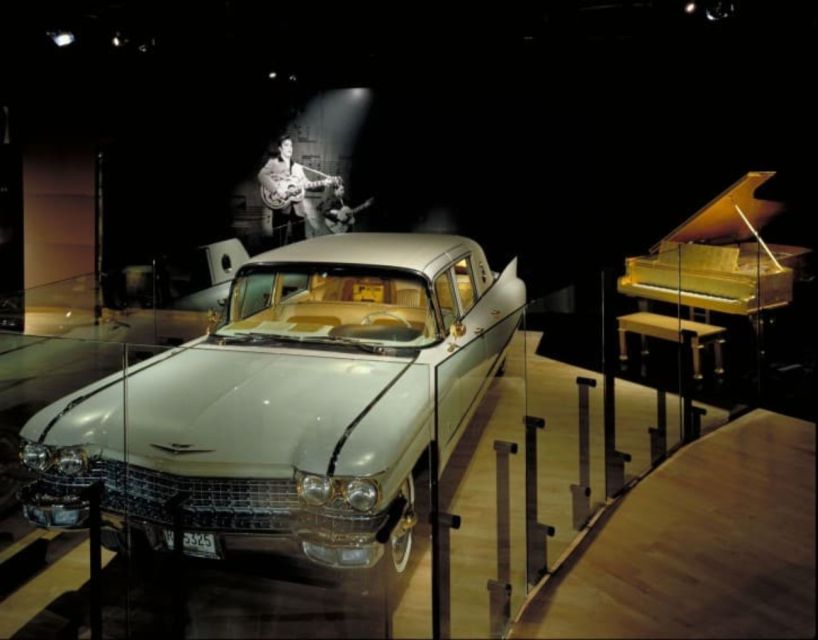
The collection can also surprise you. Elvis material appears alongside country exhibits, and several displays connect country music with the wider American recording world. If you do not think of yourself as a country fan, the museum still offers a solid look at American music, performance, fashion, and popular culture.
Instruments, lyrics, costumes, and gold records
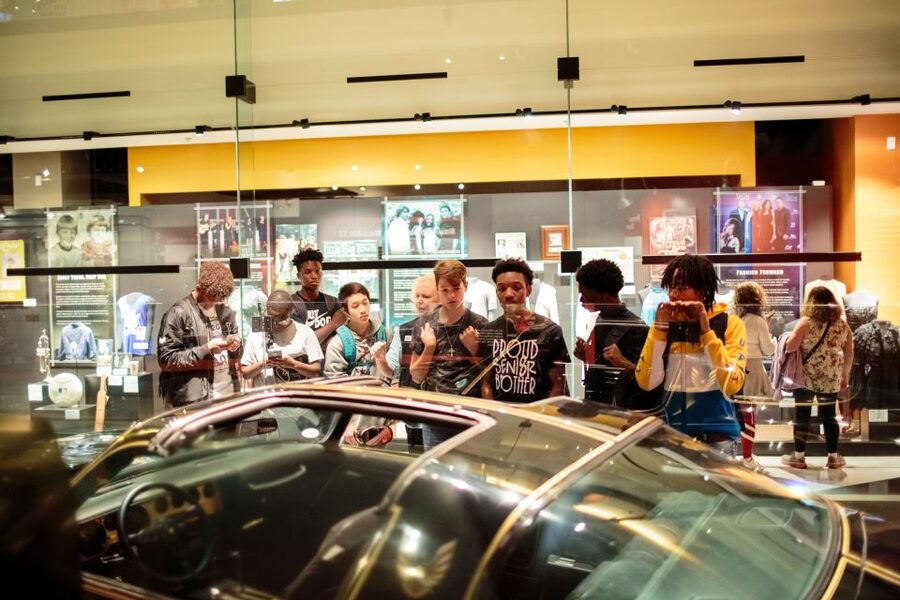
The objects are the museum’s strongest feature. You can see instruments tied to performers, stage clothing, awards, personal memorabilia, and other pieces that put a physical shape around familiar songs.
The clothing displays are particularly effective. Country performers have long used costumes to create an identity onstage, and the museum shows how that identity changed over time. Rhinestones, formal gowns, boots, hats, and tailored suits are not just decoration. They tell you how performers wanted to be seen and how country style developed.
Handwritten lyrics offer a different kind of connection. They shift your attention from the finished recording to the work behind it. You can consider the edits, phrasing, and ideas that came before a song reached the stage or studio.
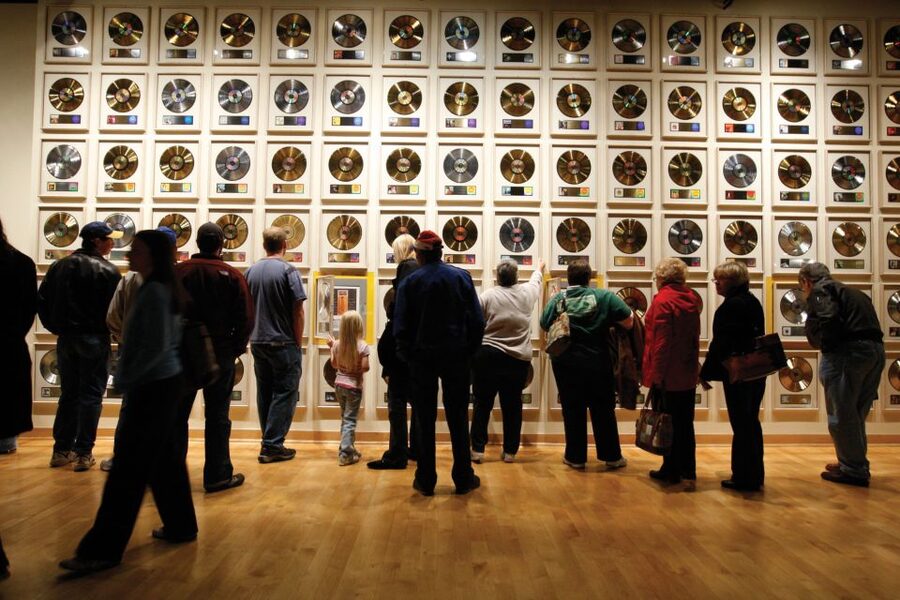
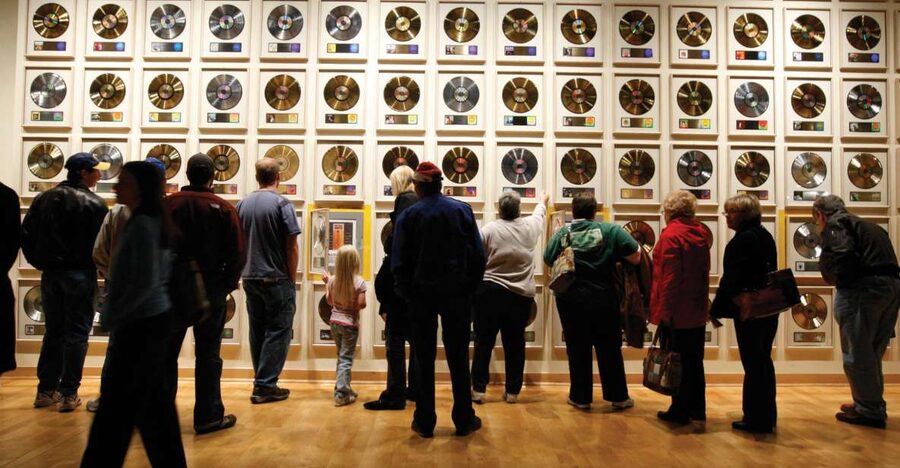
The walls of gold records make a strong visual impression, but do not rush past the less flashy objects. The most rewarding visit mixes the big displays with the smaller artifacts. A car may catch your eye first, but a photograph, recording, or personal item can provide the sharper sense of a performer’s career.
Current and recent displays have included major sections devoted to individual artists. The scale of those sections may appeal to devoted fans, though you might feel that one artist receives more space than another. That is one reason to check your own priorities before spending too long in the first gallery that catches your attention.
Films and listening stations add the missing sound
Museums about music face a basic problem: silent objects can only tell part of the story. This one addresses that problem with films, recordings, photo archives, and listening stations.
Take time with the films rather than using them as background noise. One long-form presentation traces country music through the years, and it is worth staying until the end if your schedule allows. Archival footage gives you the movement, voices, and stage presence that a costume or photograph cannot provide.
The listening stations help you connect the displays to actual sound. Some visitors use handheld audio devices as they move through the museum. If you like detail, use the audio material to slow down and build a fuller picture of an artist or period.
The mix of media also helps families and mixed-interest groups. Readers can focus on text panels, music fans can listen, and children can look for interactive features. Still, the museum is not a quick entertainment stop. Some sections reward patience, and the amount of information can feel heavy if you try to absorb every label.
I suggest choosing a few themes before you begin. You might follow the development of country fashion, focus on songwriting, compare early and modern performers, or simply follow the artists you already love. That approach keeps the visit manageable without making it feel rushed.
More to weigh up across Nashville
- Nashville Hop On Hop Off Trolley Tour
★ 4.5 · 5,643 reviews - Nashville: Food Tour with 5+ Tastings of Local Delicacies
★ 5.0 · 2,704 reviews - Best of Nashville City Sightseeing Tour on Double Decker Bus
★ 4.5 · 2,601 reviews - Explore the City of Nashville Sightseeing Tour by Golf Cart
★ 5.0 · 2,544 reviews
The Taylor Swift Education Center and special programs

The Taylor Swift Education Center is included with admission. It gives the museum a more hands-on side, especially for families and anyone who wants to do something rather than only view objects.
Weekend programming may include chances to play an instrument, songwriting programs, artist interviews, panel discussions, and other activities. These offerings make the center worth checking when you arrive, since the schedule can affect how you plan your day.
The center is also useful if children are joining you. Young visitors may not spend long reading exhibit text, but an instrument activity or songwriting session can give them a way into the subject. Adults who write or play music may find the programs worthwhile for the same reason.
Do not assume every special program runs every day. The general museum admission is the dependable part of the visit, while the education activities depend on the programming schedule. If a weekend session matters to you, confirm the available timing when planning your day.
American Currents and the Hatch Show Print Haley Gallery

Admission also includes the major exhibition, American Currents, and the Hatch Show Print Haley Gallery. These areas broaden the visit beyond the main chronological presentation.
American Currents gives you another way to view the music and its current direction. It is a useful stop if you want to see how the museum connects established traditions with more recent artists and issues. Because major exhibitions can change, allow room in your schedule to read the labels and see the material at its intended pace.
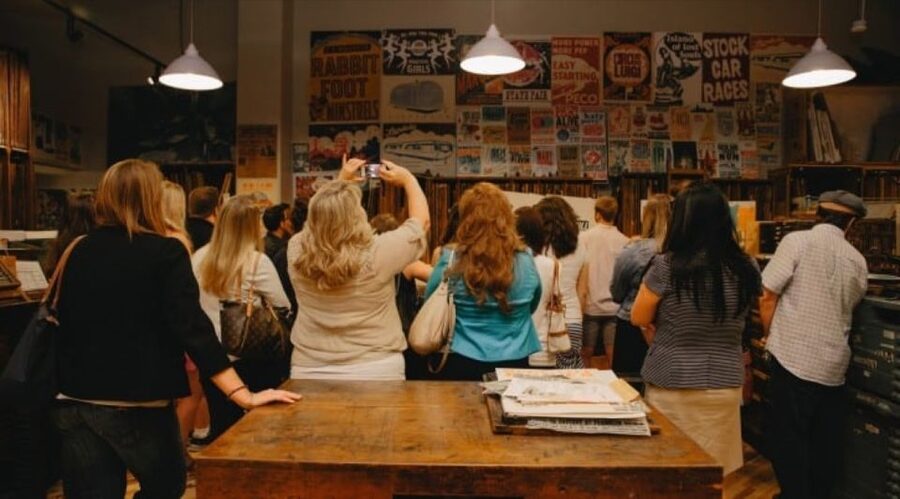
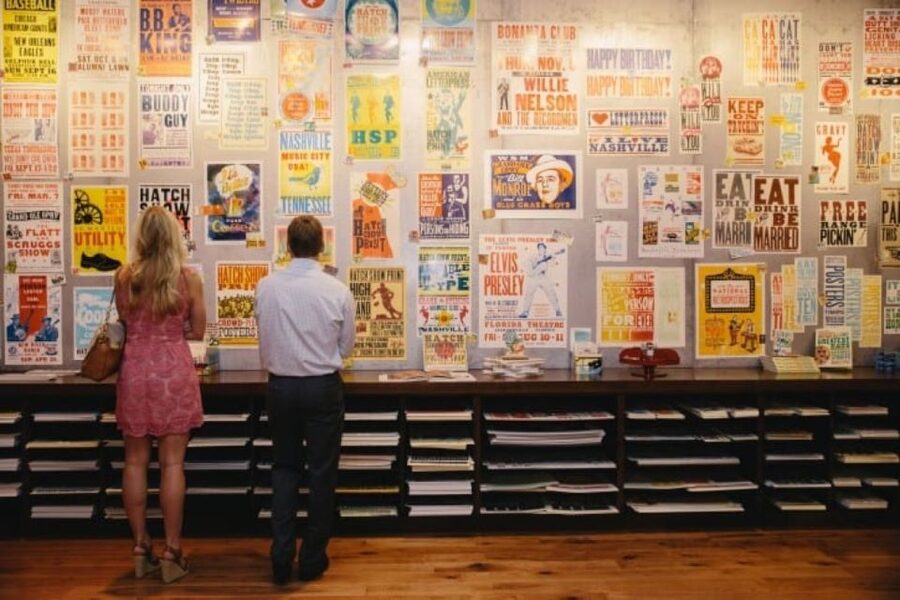
The Hatch Show Print Haley Gallery adds Nashville’s graphic and performance history to the museum experience. Hatch Show Print is closely linked with the visual side of entertainment promotion, so this section helps explain how concert posters and printed design shaped the way audiences encountered performers.
If you have limited time, it is tempting to skip these galleries and head straight for the famous costumes and records. I would not. They add context and help you understand that country music grew through more than recordings alone. It also grew through venues, posters, publicity, radio, television, and the shared look of a live show.
Ending in the Hall of Fame Rotunda

The museum route concludes in the Hall of Fame Rotunda. This is the emotional finish, even for people who have not followed every earlier exhibit.
The room displays plaques for the artists who have received country music’s highest honor. The circular arrangement gives the space a formal, almost ceremonial feel. After moving through working objects, recordings, costumes, and career stories, you arrive at the names that the institution has chosen to honor permanently.
Allow a few quiet minutes here. You may recognize dozens of names, or only a handful. Either way, the room works because it brings the broad story back to individual artists.
The Rotunda is also a good place to reflect on how wide the country music family has become. Earlier traditions and newer performers sit within the same larger story. That closing idea is one of the museum’s strengths: country music changes, but it remains connected to its earlier voices.
How long should you spend inside?
The advertised validity is one day from first activation, not a short timed entry. That gives you useful flexibility. You can spend a couple of hours and then continue sightseeing, or make the museum a half-day stop.
For a quick but worthwhile visit, allow at least two hours. You can see the main route, watch some film material, visit the Rotunda, and focus on the artists you know.
Three hours is a better target for most first visits. It gives you time for the primary galleries, listening stations, special exhibition areas, and a few interactive displays without forcing you to read every label.
Hard-core music fans may want four hours or more. One visitor spent two and a half hours and still felt there was plenty to see. Another expected two hours but could have stayed for half a day. That is a fair warning: the building is larger than its simple admission ticket suggests.
Crowds can affect the timing. Afternoon visits may feel crowded, and some earlier visitors found the galleries more comfortable as the day went on. The museum is indoors, but one visitor also found it hot inside, so dress for a long walk and be ready for variable comfort.
Is the $31 admission good value?
At $31 per person, this is not a throwaway attraction, but the price makes sense if you use the full day validity. You are paying for access to the main galleries, American Currents, the Taylor Swift Education Center, the Hatch Show Print Haley Gallery, and the Hall of Fame Rotunda.
The value is strongest for anyone who enjoys music museums, American cultural history, or visual memorabilia. You get much more than a wall of plaques. The collection combines objects, films, recordings, photographs, and interactive elements, so the experience has enough variety to hold attention for several hours.
It is also a reasonable choice for a mixed group. You do not need expert country music knowledge to follow the broad story, and the self-guided format means nobody has to stay with an exhibit they find less interesting.
The value is weaker if you have only a short time in Nashville and plan to rush through. A quick glance at the main room will not show what you paid for. I would book it when you can protect at least two hours, with three to four hours preferred.
Free cancellation up to 24 hours before the visit and a reserve-now, pay-later option make the booking less rigid. Those terms are useful when your Nashville schedule includes weather-sensitive plans or changing concert arrangements.
Who should book this museum visit?
You should book if you already love country music and want to see the objects behind the songs. The depth of the collection, the artist displays, and the Hall of Fame Rotunda give dedicated fans plenty to study.
You should also consider it if you are curious about American music but do not normally listen to country. The museum explains the genre through fashion, recording, performance, songwriting, and media, not just through fan worship. That makes it a stronger cultural stop than the name alone might suggest.
Families can use the interactive displays and weekend programs at the Taylor Swift Education Center to break up the reading. Adults who prefer a quiet, self-paced museum can skip the activities and spend time with the recordings and archival footage.
I would hesitate only if your visit is tightly packed or if you dislike museums that ask you to read and listen for several hours. This is not a quick photo stop. It rewards curiosity and unhurried attention.
Should you book the Country Music Hall of Fame?
Book it if you can give it at least two hours, and ideally three. The museum’s greatest strengths are its range, its clear presentation, and the way it combines personal objects with sound and film.
The $31 price is fair when you take advantage of the full collection and special areas. Start with the main galleries, pause for the films and listening stations, check the Taylor Swift Education Center schedule, then finish in the Hall of Fame Rotunda.
If you want only live music, this is not the right ticket. If you want to understand why Nashville matters to country music, and how the music moved from early traditions to today’s performers, this is one of the city’s most useful stops.
FAQ
Where is the Country Music Hall of Fame and Museum?
It is located at 222 Rep. John Lewis Way South, Nashville, Tennessee 37203. The meeting point is inside the museum at the Information Desk.
How much does admission cost?
The listed price is $31 per person.
How long is the ticket valid?
The admission is valid for one day from first activation.
Is this a guided tour?
No. The experience is a self-guided tour through the museum galleries. Handheld audio options and listening stations are available.
What is included with admission?
Admission includes the self-guided museum galleries, special museum programming when available, the major exhibition, the Taylor Swift Education Center, American Currents, the Hatch Show Print Haley Gallery, and the Hall of Fame Rotunda.
Is the museum wheelchair accessible?
Yes. The museum is wheelchair accessible.
Can I bring food, drinks, or luggage?
No. Food and drinks are not allowed, and luggage or large bags cannot be brought inside.
Can I cancel my booking?
Yes. You can cancel up to 24 hours in advance for a full refund. A reserve-now, pay-later option is also available.
Newly listed in Nashville
- Nashville: Music City Nighttime Trolley Tour★ 4.6 · 490 reviews
- Nashville to Memphis Daytrip with Graceland VIP Tour and Sun Studio Admission★ 5.0 · 503 reviews
- Civil War Tour with Lotz House, Carter House & Carnton Admission from Nashville★ 5.0 · 522 reviews
- Nashville: Homes of the Stars Narrated Bus Tour★ 4.6 · 531 reviews
- Nashville VIP Style Private Tour with Local Singer-Songwriter★ 5.0 · 543 reviews
- Nashville 12South District Authentic Food Tour with 7 Tastings★ 5.0 · 556 reviews
- Open-Air Minibus Sightseeing Tour of Nashville★ 5.0 · 594 reviews
- Downtown Nashville Helicopter Tour★ 5.0 · 634 reviews
Nashville Tours, compared.


Food Tour with 5+ Tastings of Local Delicacies
Read our review →
Best of Nashville City Sightseeing Tour on Double Decker Bus
Read our review →
Explore the City of Nashville Sightseeing Tour by Golf Cart
Read our review →

Downtown Nashville Public Party Tractor 21+ Only
Read our review →
Discover Nashville City Tour with Entry to Ryman & Country Music Hall of Fame
Read our review →
Grand Ole Opry House Guided Backstage Tour in Nashville
Read our review →Browse the lists this tour appears in