
Reviewed · MIAMI TOURS
Zoo Miami: General Admission Ticket
Zoo Miami lets you travel from the Everglades to the Amazon, Asia, Africa, and Australia without leaving South Florida. The Florida: Mission Everglades exhibit gives the day a strong local beginning, with alligators, crocodiles, bald eagles, and river otters, while the wide paths lead to elephants, lions, koalas, orangutans, rhinos, and more.
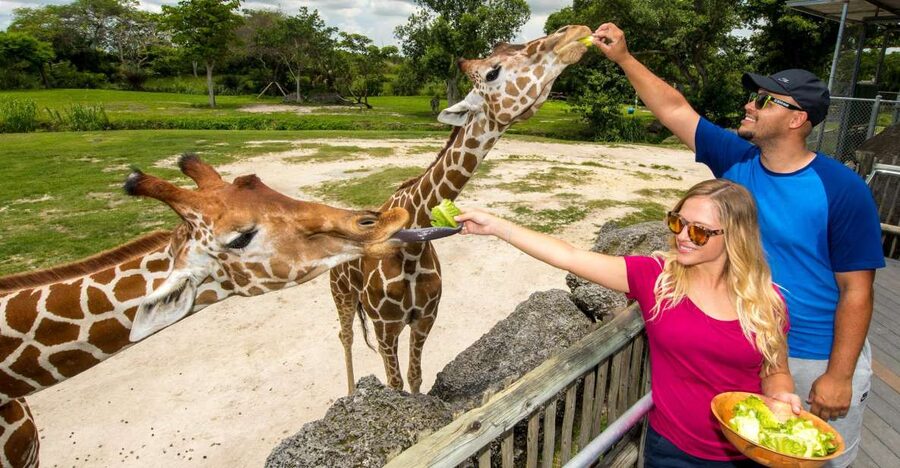
I like the zoo’s open, habitat-style layout and the chance to feed a giraffe at the Samburu station. I also like the useful touches: keeper talks, water stations, cooling areas, food kiosks, maps, and a large play area for children. The main drawback is its size. Four or five hours can pass in steady walking, and some animals may be indoors, away from view, or in closed areas.
Key points to know before you go

- Plan for a large 340-acre zoo: Allow about four to five hours at a brisk pace, or longer if you stop for meals, talks, playtime, and animal encounters.
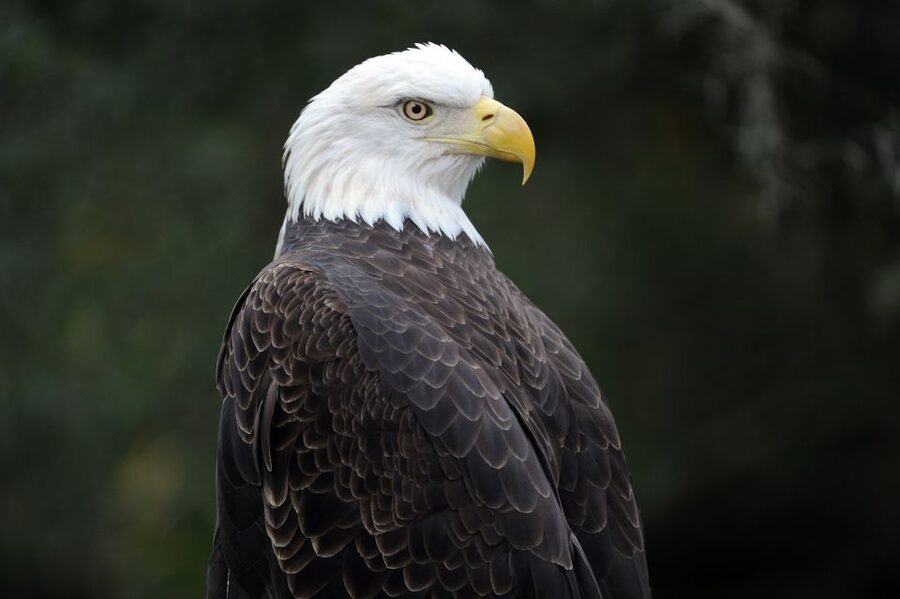
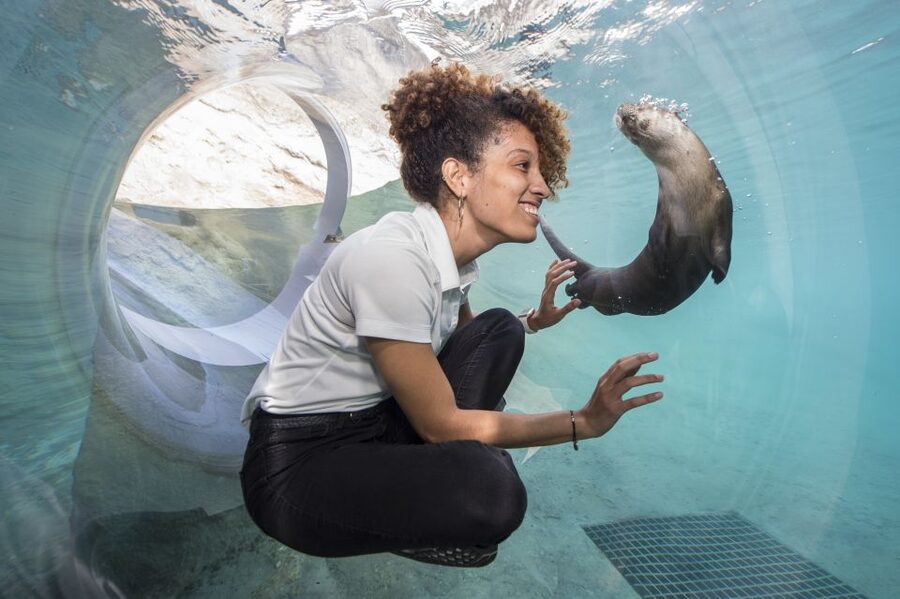
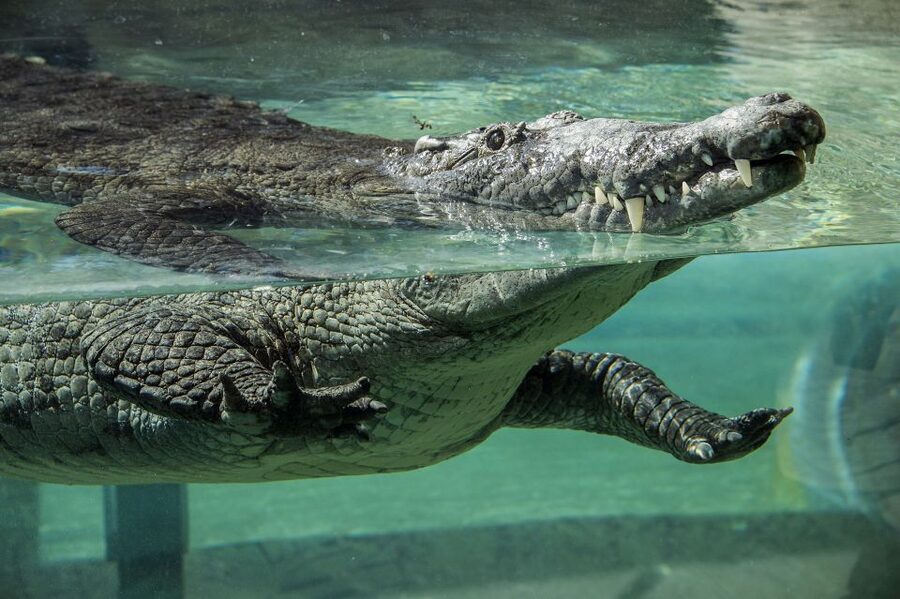
- Start with Florida: Mission Everglades: See alligators, crocodiles, a bald eagle, and river otters in an exhibit focused on wildlife from Florida.
- Reserve time for giraffe feeding: The Samburu feeding station is one of the most memorable add-ons, and animal encounters are not included in general admission.
- Rent wheels if your group needs help: Bicycles for two, four, or six people, plus electric animal cars, are available for an extra charge.
- Expect a hot, exposed day: Cooling stations, drink dispensers, shaded areas, and food kiosks help, but Miami weather can still change your plans.
- The $27 ticket covers admission only: Lunch, rides, and interactive animal experiences require an upgrade or separate payment.
What a day at Zoo Miami feels like
Zoo Miami is not a compact city zoo where you can stroll past every exhibit in two hours. It is a broad, open-air park with more than 2,000 animals spread across 340 developed acres, with over 1,200 species of plants and trees arranged to resemble animal habitats.
That size is both the attraction and the challenge. I like having room to move between major exhibits instead of passing from one small enclosure to another. You get a sense of changing regions as you go, and the plantings help make each area feel different.
You should think of your visit as a full-day outing, even though a fast walk can cover much of it in four to five hours. Families may need more time because of playground stops, food breaks, water breaks, and the slower pace of younger children.
The setting also means that conditions matter. Heat and rain can affect which animals are visible. Some animals may stay indoors, and a few sections may be closed for construction or updates. That is normal for a working zoo, but it is worth keeping your expectations flexible.
More to weigh up across Miami
- San Diego Zoo 1-Day Pass: Any Day Ticket
★ 4.5 · 4,248 reviews - San Diego Zoo Admission Ticket
★ 4.7 · 1,332 reviews - San Diego Zoo: 1-Day Admission Ticket
★ 4.6 · 1,150 reviews
Begin with Florida: Mission Everglades
The Florida: Mission Everglades exhibit is the best place to connect the zoo to its home state. Instead of beginning with faraway animals, you start with creatures that belong to Florida’s own wetlands and waterways.
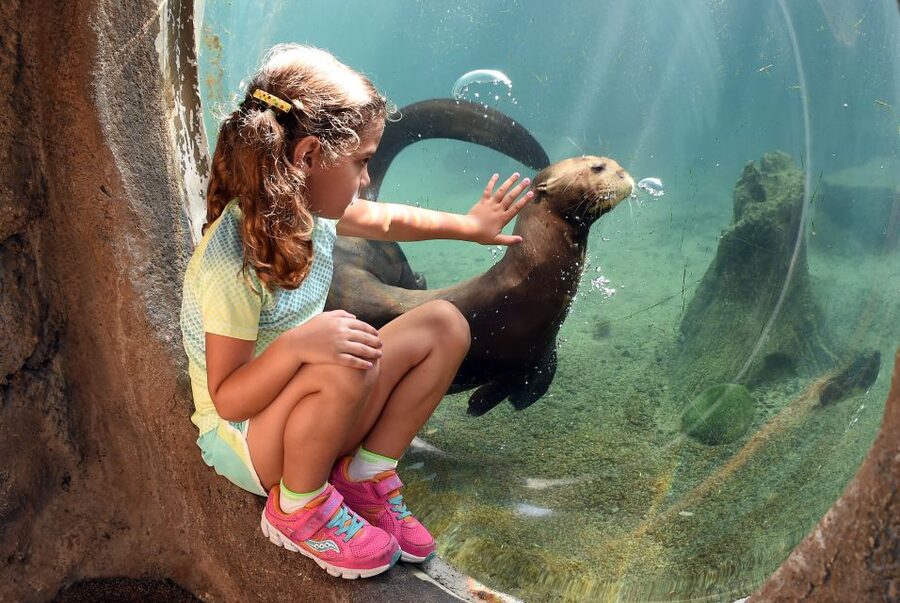
You can see alligators, crocodiles, a bald eagle, and river otters. For children, this is an easy way to turn a zoo visit into a lesson about local wildlife. The exhibit also gives you a clear reason to care about habitat protection close to home.
The zoo’s conservation displays include games for children, which add some substance beyond simply looking at animals. You can talk about how local ecosystems work and why species such as the bald eagle and alligator matter.
Keep in mind that animal activity changes with the weather. On hot days, some creatures may stay in cooler areas. Cooling stations around the grounds are a helpful feature, especially if you are visiting with children or anyone who does not handle heat well.
From Africa to the Samburu giraffe station
Africa brings some of the zoo’s biggest crowd-pleasers: elephants, lions, rhinos, giraffes, gazelles, and giant antelopes. The larger habitats allow many of these animals room to move, and the open views can make the experience feel less cramped than a traditional barred enclosure.
The giraffe feeding station at Samburu is the signature activity here. General admission does not include interactive animal experiences, so you will need to arrange and pay for that separately if available during your visit.
Make this one of your first questions after arriving. Animal feeding and encounter times can fill up, and it is easy to walk past the opportunity before realizing it is not included with the basic ticket. If giraffes are high on your list, ask staff early about the schedule, cost, and availability.
Rhino encounters may also be offered at extra cost. Ask at the start of the day rather than waiting until you reach the exhibit. The practical lesson is simple: admission gets you into the zoo, but special contact with animals needs separate planning.
The African section is also where the scale of Zoo Miami becomes clear. You may enjoy the roomy animal areas, but you will cover a fair amount of ground between them. A family can easily spend much of the morning here if the elephants, giraffes, or rhinos are active.
Asia, orangutans, tigers, and Wings of Asia
The Asian areas bring together tigers, orangutans, bears, tree kangaroos, frogs, snakes, and other species. The variety is useful if your group has different favorites. One person can focus on large mammals while another looks for unusual smaller animals and reptiles.
The Wings of Asia Aviary is a major stop. It is described as the largest Asian-themed aviary in the Western Hemisphere, with hundreds of free-flying birds. The birds move through a spacious setting rather than appearing one at a time behind small glass fronts.
Allow time here instead of treating it as a quick pass-through. Free-flying birds can be easy to miss if you rush, and the aviary gives you one of the more distinct settings in the zoo.
This area also shows why a map matters. Enclosures may change, and signs can remain in place when an animal has moved or an area is closed. Check the current map and ask staff if a favorite species seems to be missing.
A different kind of day, same corner of the map:
- Little Havana Food and Walking Tour in Miami
★ 5.0 · 8,882 reviews - From Miami: Everglades Airboat, Wildlife Show & Bus Transfer
★ 4.2 · 8,622 reviews - Miami: Biscayne Bay Millionaire’s Homes Sightseeing Cruise
★ 4.5 · 7,348 reviews - Miami: Everglades National Park Airboat Tour & Wildlife Show
★ 4.5 · 7,296 reviews
Amazon and Beyond brings rainforest drama
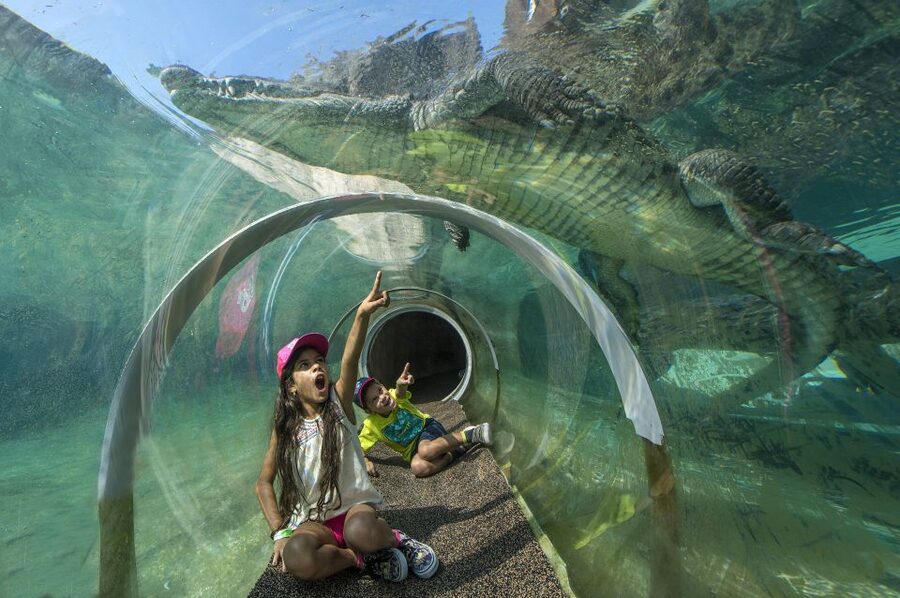
Amazon and Beyond is one of the more atmospheric sections. You move through a rainforest setting with jaguars, anacondas, bats, venomous snakes behind glass, rare frogs, harpy eagles, and a 48,000-gallon aquarium.
The appeal here is variety and contrast. A jaguar gives you a powerful large predator, while frogs, bats, and snakes reward closer attention. The aquarium adds an underwater break to a route otherwise filled with land animals and birds.
Families should keep an eye on younger children around the reptile displays, even though the venomous snakes are behind glass. The exhibit offers plenty to discuss, from camouflage to rainforest food chains, without needing a separate tour or guide.
Rain can change the mood of this section. Wet weather may limit some outdoor sightings, but it can also make the rainforest setting feel fitting. Zoo Miami generally stays open in the rain, though your own comfort may determine how long you continue.
Australia and the smaller animals

The Australian section adds animals that may not appear at every zoo, including koalas and tree kangaroos. For many people, seeing a koala is a highlight, but the section is also useful for slowing the pace after the large African and Asian mammals.
Look for the smaller residents, too. Frogs, snakes, lizards, and other reptiles can be easy to overlook beside elephants and tigers, yet they add much of the zoo’s variety.
I recommend using the visit as a search rather than a checklist. Some animals will be active, while others may be resting or indoors. A favorite species is never guaranteed to appear in an ideal viewing spot, and that is especially true in a large habitat-style zoo.
The same applies to wandering wildlife around the grounds. Iguanas and other lizards may be seen moving through the zoo, adding a small surprise between formal exhibits.
How to manage the walking
Walking is the biggest practical issue. Several people find four or five hours of steady walking realistic, and arriving late in the day can leave you short of time. One afternoon arrival at 1 p.m. was not enough to see everything in four hours.
You can rent bicycles for two, four, or six people. Four-person bikes are popular with families and groups, while six-seat models can help larger parties cover more ground. Electric animal cars are another option.
The cost of bike rental is separate from admission and can feel high, especially for an all-day rental. Still, the expense may make sense if your group includes young children, older adults, or anyone with limited stamina. A bike also lets you save energy for the exhibits rather than spending it all on the paths.
If you walk, break the day into sections. Stop at water dispensers, use cooling areas, and avoid treating the map like a race course. You will get more from the animal habitats if you are not exhausted by the halfway point.
Zoo Miami is wheelchair accessible. Even so, the sheer distance between areas remains important when planning your day.
Food, water, shade, and the lunch upgrade

Food and drink kiosks are spread throughout the zoo, so you do not need to return to one central area whenever someone gets hungry. The food is described as reasonably priced and plentiful, with options at concession stands around the grounds.
The optional lunch basket includes fries and a choice of burger, chicken tenders, deli wrap, hot dog, barbecue pulled pork, or handcrafted salad. It also includes a souvenir cup with a fountain drink and a 10 percent discount at the gift shop.
This package is most useful if you already expect to eat at the zoo and want a simple meal included in your booking. Compare it with your group’s needs before paying extra. Vegetarian choice is limited compared with the meat-based options, although the handcrafted salad and deli wrap provide alternatives.
Water dispensers and refill points are especially valuable in Miami’s heat. Drink stations appear along the route, and cooling areas offer welcome relief. Bring a water bottle if permitted under the current entry rules, but note that the stated restrictions list food and drinks as not allowed. Check the exact policy before arriving rather than assuming outside refreshments are permitted.
Coffee availability may be limited. If a hot drink matters to you, plan on checking the entrance concessions rather than expecting coffee at every stop.
Playworld is more than a quick playground
Playworld gives children a break from looking at animals. It combines a jungle-themed play area with water features, so kids can stay dry or get wet depending on what they prefer.
This is a practical stop, not just an extra attraction. Children can burn off energy while adults catch their breath, and the water area can help on a hot day. Pack your schedule with enough time for it if you are visiting with younger children.
Because the zoo already involves a lot of walking, Playworld can change the pace of the day. You may want to visit midway through rather than leaving it until the end, when tired children may have little energy left for the return route.
Keeper talks and conservation value
Scheduled Meet the Zookeeper talks give you a chance to hear staff explain the animals and conservation work. Times are not supplied here, so check the daily schedule when you arrive.
These talks can add meaning to exhibits that might otherwise feel like a sequence of animal sightings. Staff can help explain behavior, habitat needs, and the work involved in caring for the collection.
The zoo also displays information about its plants and trees. With more than 1,200 species planted around the grounds, the vegetation is part of the visit rather than simple decoration. Read the plant signs as you walk, especially if your group enjoys gardens as much as animals.
No standard guided tour is included. You explore independently, using the map, posted schedules, and staff assistance.
Is $27 good value for a full day?
At $27 per person, general admission is reasonable if you use the full day. The ticket includes access to a very large zoo, several geographic regions, more than 2,000 animals, the plant collections, keeper talks, and Playworld.
The value drops if you plan only a short stop or arrive late. A four-hour visit can still be worthwhile, but the size of the grounds means you may miss entire sections. If you want to see everything at a relaxed pace, start early and expect a long day.
The base price does not include bikes, electric animal cars, interactive encounters, rides, or the lunch basket. Add-ons can push the total higher, so decide in advance which extras matter most.
I would spend the basic $27 on admission first, then choose one upgrade based on your group. For families, transport or the lunch option may be more useful than trying to add every animal encounter. For adults focused on giraffes or rhinos, an encounter may be the better extra.
Online tickets can help you skip the ticket line, and one-day validity gives you a straightforward visit without a tour schedule. Free cancellation up to 24 hours before the visit and reserve-now-pay-later booking also make the plan more flexible.
Weather and animal visibility
Rain does not automatically end the day. Zoo Miami has remained open during wet weather, and some areas can still be enjoyable in the rain. The Amazon section may even feel suited to damp conditions.
Still, rain can cut a family visit short, and heat can send animals indoors. June weather has been described as less suitable by some visitors, while other visits during rain remained enjoyable. The honest advice is to watch the forecast and leave room for a change of plan.
Daytime admission does not include Zoo Lights. If you want the evening lights event, this ticket is not the right product.
Who should book Zoo Miami?
I would recommend Zoo Miami to families, couples, animal fans, and anyone who enjoys a full outdoor day rather than a quick attraction. It works especially well for people who want a broad range of species, from alligators and bald eagles to elephants, tigers, koalas, jaguars, and free-flying Asian birds.
It is a good choice for children because of Playworld, conservation games, keeper talks, and the many food and water stops. It also suits adults who appreciate large habitats and plantings that give the zoo a more natural feel.
You should think twice if your group dislikes walking, struggles in heat, or wants guaranteed sightings at every enclosure. Some areas may be closed, signs may not always match current animal locations, and not every animal will be visible.
Should you book Zoo Miami?
Book it if you can give the zoo most of a day and want more than a short animal display. The $27 admission offers solid value across a huge site, especially when you include Mission Everglades, Wings of Asia, Amazon and Beyond, the African animals, Australian species, and Playworld.
Start early, ask about feeding opportunities immediately, and consider a bike if walking is a concern. Skip the booking if you have only a few hours, but for a family day with room to explore, Zoo Miami is a strong pick.
FAQ
How long should I allow for Zoo Miami?
Plan around four to five hours of steady walking, and allow longer if you want to stop for food, keeper talks, Playworld, or animal encounters. Arriving at 1 p.m. may not leave enough time to see everything.
What does the $27 admission ticket include?
The ticket includes one day of general admission to Zoo Miami. It covers access to the animal exhibits and grounds, but not rides, interactive animal experiences, or a guided tour.
Can I feed a giraffe at Zoo Miami?
You can feed a giraffe at the Samburu feeding station, but this is an interactive animal experience and is not included with general admission. Ask staff about availability and timing when you arrive.
Are bicycles available at the zoo?
Yes. You can rent bicycles designed for two, four, or six people. Electric animal cars are also available, and both options cost extra.
Is Zoo Miami wheelchair accessible?
Yes, Zoo Miami is wheelchair accessible. The grounds are very large, so the distance between exhibits remains an important planning issue.
Can I bring food, drinks, pets, or a bicycle?
The stated rules do not allow smoking, food and drinks, pets, or bikes. Assistance dogs are allowed. Food and drink concessions are available inside the zoo.
Does daytime admission include Zoo Lights?
No. The daytime admission ticket does not include Zoo Lights.
Newly listed in Miami
- Biscayne Bay and Celebrity Island Homes Boat Tour 90 Minute★ 4.0 · 486 reviews
- Everglades Day Safari from Ft Lauderdale★ 5.0 · 488 reviews
- Wynwood Art District 1-Hour Street Art Tour by Golf Cart★ 4.9 · 492 reviews
- Venice of America Tour | Millionaire’s Row | Complimentary Drinks★ 4.0 · 495 reviews
- Walking Food Tour of Little Havana with Cuban Dishes Tasting★ 5.0 · 495 reviews
- 60 Minutes Small Group Everglades Airboat Ride in Miami★ 5.0 · 497 reviews
- Private Tour: Florida Everglades Airboat Ride and Wildlife Adventure★ 4.5 · 498 reviews
- Miami (Bad A”) Glow in the Dark ATV Riding Experience #1TOP Rated★ 4.5 · 502 reviews
Miami Tours, compared.


Everglades Airboat, Wildlife Show & Bus Transfer
Read our review →
Everglades National Park Airboat Tour & Wildlife Show
Read our review →
Water Taxi All Day hop-on hop-off Venice of America Boat Tour
Read our review →
Hop-on Hop-off Open-top Bus Tour and Optional Cruise
Read our review →

2 hrs Miami Private Boat Tour with Cooler, Ice, Bluetooth Stereo
Read our review →
Key West Day Trip with Pickup at Selected Hotels
Read our review →Browse the lists this tour appears in