
Reviewed · SAN FRANCISCO TOURS
California Academy of Sciences General Admission Ticket
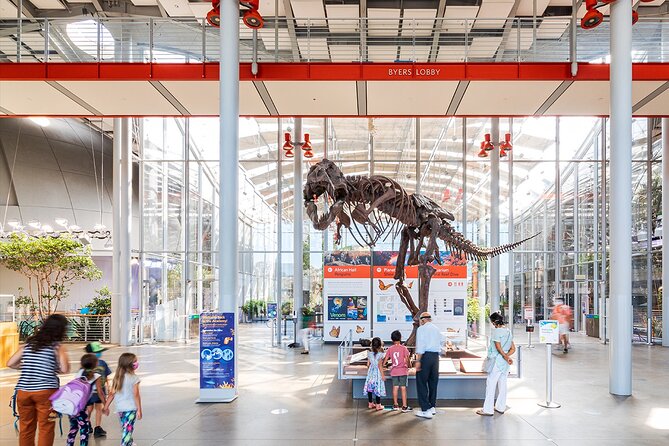
The California Academy of Sciences packs an aquarium, planetarium, rainforest, and natural history museum into one building. That unusual mix is the main reason to come. In a single visit, you can watch African penguins at feeding time, walk through warm rainforest air with butterflies overhead, study California wildlife, and travel through space on a 75-foot dome screen.
I like the excellent mix of live animals and hands-on displays, which gives children and adults different ways to stay interested. I also like the mobile ticket, since you can head straight to the entrance instead of stopping at a separate voucher desk. The main drawback is cost: admission is $49 per person, and parking and food can push the day’s bill much higher.
The Academy works best as a three-to-five-hour visit, not a quick museum stop. You can see the major areas in two or three hours, but a full day is easy if you add a planetarium show, public programs, lunch, and time in Golden Gate Park.
Key Points Before You Go
- Four major attractions under one roof: Aquarium, planetarium, rainforest, and natural history museum are all included with admission.
- Nearly 60,000 live animals: Look for African penguins, colorful reef life, butterflies, reptiles, birds, and the white alligator Claude.
- Reserve your planetarium show right away: Passes are free, but available first come, first served through a QR code in the lobby.
- Plan for heat and humidity: The Osher Rainforest is warm and humid, so comfortable clothing helps.
- Great for mixed-age families: Interactive exhibits work for toddlers, school-age children, teenagers, and adults.
- Allow extra time for Golden Gate Park: The Academy sits at 55 Music Concourse Drive, with plenty to add nearby.
One Building, Four Very Different Experiences
The California Academy of Sciences is not a traditional museum where you move from one quiet gallery to the next. Its appeal comes from the change of pace. One minute you are looking at scientific specimens, and the next you are watching penguins splash or standing beneath tropical plants.
This makes the Academy especially useful for families with different interests. A child can enjoy the animals and interactive stations, while an adult can spend time with geology, ecology, astronomy, or California’s natural history. You do not need to be a science specialist to enjoy it, but you will get more from the visit if you read a few displays instead of rushing from one attraction to the next.
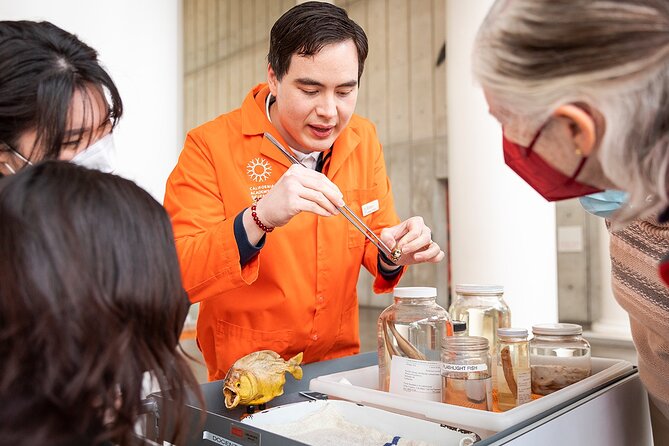
The ticket includes public programs, animal feedings, and pop-up demonstrations. Daily schedules can change, so check what is offered when you arrive. If seeing the penguins being fed is important to you, plan your route around that program rather than hoping to catch it by chance.
The building itself also adds to the experience. The living roof and modern design give the Academy a strong sense of place in Golden Gate Park. It feels like a working science center rather than a collection of unrelated rooms.
More to weigh up across San Francisco
- San Francisco: Alcatraz Ticket, Ferry, & Self-Guided App
★ 4.5 · 2,460 reviews - NYC: SUMMIT One Vanderbilt Tickets
★ 4.7 · 51,195 reviews - NYC: 9/11 Memorial & Museum Timed-Entry Ticket
★ 4.8 · 31,428 reviews
Steinhart Aquarium: The Best Place to Slow Down
The Steinhart Aquarium is home to nearly 60,000 animals from more than 1,000 species. It is more than a standard aquarium loop, with habitats that move from bright coral environments to darker sections where marine life has adapted to very little light.
The world’s deepest indoor living coral reef is one of the major attractions. Give yourself time here. Reef displays reward patience, since small fish and other creatures can be easy to miss when you hurry past the glass.
The Venom exhibit adds a different mood. It features more than a dozen species and shows how venom helps certain animals survive and hunt. You will also find the so-called Twilight Zone, a dark marine section that introduces life from the pitch-black parts of the ocean.
The aquarium is a strong choice if you have children, but it is not limited to young visitors. Adults can easily spend an hour here, especially if they enjoy animal behavior, ocean habitats, or unusual species. The live exhibits are the aquarium’s strength, and the setting feels more varied than a simple row of tanks.
A practical tip: the aquarium can become crowded, especially on Saturdays and during family vacation periods. If you want a calmer look at the displays, arrive early or visit it before the busiest midday period.
African Penguins and Claude the White Alligator
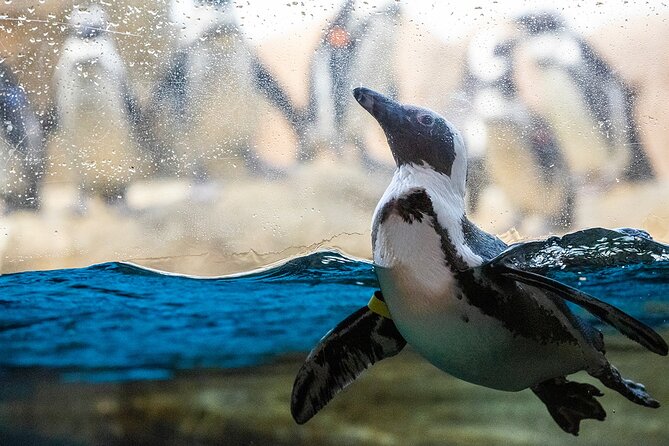
The African penguin colony is one of the Academy’s most appealing animal encounters. The penguins are active, easy to watch, and close enough to make their behavior engaging even for young children. A biologist may feed them and answer questions during a public program, giving you more than a quick look through glass.
The Academy is also home to Claude, its white alligator. Claude’s unusual coloring makes him memorable, particularly for children who may not yet have much interest in standard museum displays. These animals give the visit a personal focus: instead of simply reading about ecosystems, you are watching living creatures move, feed, and interact.
Other live exhibits include reptiles, butterflies, free-flying birds, and marine animals. The Academy has nearly 60,000 animal residents overall, so the collection is broad. You will not see every creature in one visit, but the range helps keep the experience from feeling repetitive.
The Osher Rainforest: Warm, Crowded, and Worth It
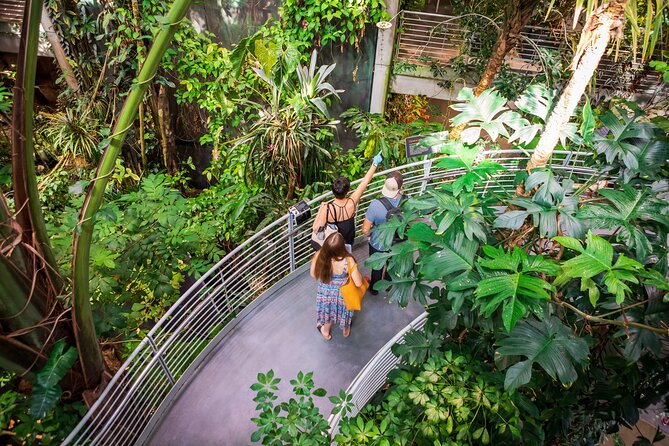
The Osher Rainforest rises through a glass dome in a four-story habitat filled with more than 1,600 plants and animals. The air is hot and humid, a sharp contrast to San Francisco’s often cool weather. Wear comfortable clothes and expect your glasses or camera lens to react to the change in temperature.
The rainforest route brings you close to free-flying birds and butterflies, tropical reptiles, golden-silk orb weaver spiders, and large Amazonian fish. The butterflies are a favorite for good reason. They add movement to the space, and children often find them easier to connect with than a long written display.
The rainforest is listed as a 30-minute stop, but you may want longer if you are watching animals or waiting for a butterfly to settle nearby. It can feel crowded inside, which makes patience important. The heat and narrow viewing areas may also be tiring for some visitors, particularly young children or anyone sensitive to warm conditions.
I would not skip it. The rainforest is one of the Academy’s most distinctive sections, and the shift from aquarium darkness to tropical brightness makes the building feel like several separate destinations in one.
A different kind of day, same corner of the map:
- Muir Woods and Sausalito (Return by Bus or Ferry)
★ 4.5 · 5,098 reviews - Big Bus SF: Hop-on Hop-off Tour with 17 Stops and Sunset Option
★ 4.0 · 4,539 reviews - Napa and Sonoma Wine Country Full-Day Tour from San Francisco
★ 4.5 · 4,455 reviews - Small Group Yosemite and Giant Sequoias Day Trip from San Francisco
★ 5.0 · 3,671 reviews
Morrison Planetarium and the Importance of Reserving a Pass
The Morrison Planetarium uses a 75-foot dome screen for shows about distant galaxies, Earth, and other scientific subjects. The visuals are designed to create a sense of motion through space and to show complex ideas in a way that does not depend entirely on reading labels.
Planetarium shows are included with admission, but your general ticket does not automatically reserve a seat. When you arrive, scan the QR code posted in the lobby and select an available showtime. Passes are free and first come, first served, so make this one of your first tasks.
This small bit of planning matters. If you wait until after the aquarium and rainforest, popular showtimes may be gone. The show schedule includes several options during the day, but availability is not guaranteed.
Shows may not suit children under seven, and children under four are not permitted. Families with very young children should build the day around the aquarium, rainforest, and hands-on displays instead. If you have older children or teenagers, the planetarium is often one of the most memorable parts of the visit.
Natural History, Geology, and California: State of Nature
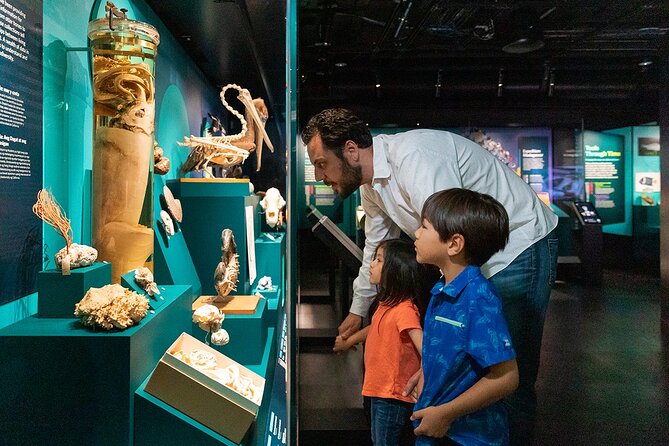
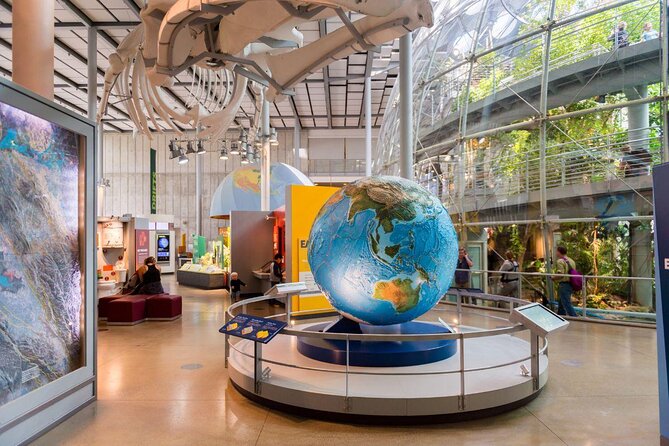
The Academy’s natural history side gives the visit more substance than a simple animal attraction. You can stroll beneath the bones of enormous animals, inspect scientific specimens, and explore geology displays featuring nearly 400 specimens from the Academy’s collection.
The newer California: State of Nature exhibit focuses on connections between California’s species, places, and people. It combines specimens, interactive stations, multimedia, and models to explain the state’s four ecosystems and its unusual biodiversity.
This section is especially valuable if you want local context. The aquarium and rainforest show ecosystems from around the world, while California: State of Nature brings the subject closer to home. It helps you understand that science is not only about faraway places or extinct animals. It also explains the plants, animals, and environmental changes found in California.
Some visitors expect a large dinosaur hall and may find the fossil displays less extensive than hoped. If dinosaurs are your main reason for visiting, set your expectations carefully. The Academy offers much more than fossils, but its strongest areas are the live exhibits, rainforest, aquarium, and planetarium.
Hidden Wonders and Wander Woods
Hidden Wonders offers a look at specimens from the Academy’s research collections that have not previously been shown to the public. It is a good reminder that the institution is not only a visitor attraction. Research, collections, and education remain part of its purpose.
Wander Woods adds an outdoor nature play and exploration area designed to encourage children’s curiosity. This is useful for families who need a change of pace after indoor exhibits. You can let younger children move around and explore while older family members continue with the museum sections.
Because the Academy is in Golden Gate Park, you can also combine the visit with time outdoors. The park gives you breathing room after several hours inside, especially on a pleasant day. Keep in mind that nearby attractions may require separate admission, so calculate the total cost before building an entire day around several paid stops.
How Long You Need and How to Pace the Visit
The suggested stop times add up to about three and a half hours, but real timing depends on your interests. A quick visit can cover the main attractions in two to three hours. A relaxed visit with a planetarium show, feeding program, lunch, and children’s play time can fill most of the day.
A sensible order is:
- Reserve a planetarium pass when you enter.
- Check the day’s public programs and feeding times.
- Visit the aquarium while you still have plenty of energy.
- Walk through the rainforest before or after the aquarium.
- Leave time for California: State of Nature, geology, and hands-on displays.
- Use Wander Woods or Golden Gate Park as a break.
Wear comfortable shoes. The building offers plenty to see, and you will spend much of the visit walking, standing, and stopping at displays. The Academy is accessible, and service animals are allowed. It is also near public transportation, which can be more practical than driving into Golden Gate Park.
Price, Food, and the Real Cost of the Day
At $49 per person, admission is not cheap, but the value improves if you stay for several hours and use the included programs. You are paying for four major attractions, live animals, staff presentations, interactive exhibits, and a planetarium show that would often cost extra at other institutions.
The cost feels less favorable if you only have an hour or two. It can also climb quickly for a family. Parking has been reported at $31.25, and food for three has been reported at about $75, though prices and circumstances can change. Treat those figures as planning warnings, not fixed rates.
Sustainable grab-and-go food is available at the Academy Café, with additional dining at the Terrace Restaurant. You can eat on site, but bringing your own budget expectations is wise. For a lower-cost day, use public transportation, eat before or after the visit, or plan one paid meal rather than several snacks.
Crowds are another value issue. A packed Saturday can make the aquarium and rainforest harder to enjoy. If your schedule allows, choose a less busy day and arrive near opening.
Who Will Enjoy This Academy Most
Families with children of different ages are the clearest match. Toddlers can watch penguins and butterflies, school-age children can work through interactive exhibits, and teenagers may prefer the aquarium, planetarium, or earthquake-related displays.
Adults without children should not dismiss it. The aquarium, geology collection, rainforest, and astronomy shows offer plenty for grown-ups, and the building makes a pleasant indoor stop in Golden Gate Park. Couples and friends can see the major areas at their own pace without joining a formal tour.
The Academy is less suitable if you want a quiet, small museum or a short, inexpensive attraction. It can be crowded, and the amount of walking may be tiring. It is also not the best pick for a visitor focused almost entirely on dinosaurs, since the fossil displays may feel limited compared with larger specialized museums.
Your mobile ticket provides instant admission, and there is no formal guide or hotel pickup. The product information lists a maximum of nine travelers, but this is still a self-guided visit rather than a small-group tour. You decide where to go and how long to stay.
Should You Book the California Academy of Sciences?
Book it if you want a full indoor attraction with animals, science, astronomy, and a rainforest in one place. It is particularly good for families, curious adults, and anyone looking for a flexible Golden Gate Park activity that can fill half a day or more.
Reserve the planetarium pass as soon as you arrive, wear comfortable shoes, and budget for food and transportation. If you dislike crowds or need a low-cost outing, choose your timing carefully or compare the total expense with other Bay Area attractions.
For most visitors, the aquarium, penguins, rainforest, and planetarium justify the admission price, provided you give the Academy enough time to earn it.
FAQ
What does the California Academy of Sciences ticket include?
The ticket includes instant-access admission to the California Academy of Sciences, including the Steinhart Aquarium, Morrison Planetarium, Osher Rainforest, natural history exhibits, public programs, and hands-on displays.
How long should I spend at the Academy?
Plan for about three to five hours. You can see the main areas in two to three hours, but a planetarium show, animal program, lunch, and time in Wander Woods can extend the visit.
Is the planetarium included with admission?
Yes. Planetarium shows are included, but you must reserve a free pass after arrival. Scan the QR code in the lobby and choose an available showtime.
Are planetarium passes guaranteed?
No. Passes are first come, first served. Reserve one soon after you enter if you want to attend a show.
Are young children allowed in the planetarium?
Shows may not be appropriate for children under seven, and children under four are not permitted.
Where does the experience begin?
The Academy is at 55 Music Concourse Drive, San Francisco, California 94118, inside Golden Gate Park. The visit ends back at the same location.
Is food available inside the Academy?
Yes. Sustainable grab-and-go food and drinks are available at the Academy Café, and the Terrace Restaurant also serves food.
Is this a guided tour?
No. This is general admission for a self-guided visit. There is no formal tour, hotel pickup, or hotel drop-off.
Can I cancel for a refund?
Yes. You can cancel at least 24 hours before the start time for a full refund. Cancellations or changes made within 24 hours are not refunded or accepted.
Newly listed in San Francisco
- San Francisco: Golden Gate Bridge Catamaran Cruise★ 4.9 · 499 reviews
- From San Francisco: Guided Muir Woods Excursion★ 4.6 · 504 reviews
- Inside Alcatraz Tour Including Fisherman’s Wharf Lunch Credit★ 4.0 · 505 reviews
- From San Francisco: Napa & Sonoma Valley Full-Day Wine Tour★ 4.5 · 513 reviews
- Muir Woods and Sausalito Tour Plus Bay Cruise★ 4.0 · 514 reviews
- San Francisco: Muir Woods & Sausalito Tour with Ferry Option★ 4.5 · 515 reviews
- San Francisco: Golden Gate Bridge to Sausalito Cycling Tour★ 4.7 · 541 reviews
- San Francisco: Small-Group City Tour by Vintage VW Bus★ 4.9 · 549 reviews
San Francisco Tours, compared.
Muir Woods and Sausalito (Return by Bus or Ferry)
Read our review →
Big Bus SF: Hop-on Hop-off Tour with 17 Stops and Sunset Option
Read our review →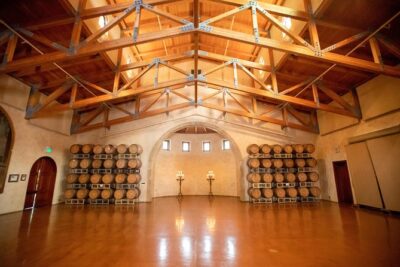
Napa and Sonoma Wine Country Full-Day Tour from San Francisco
Read our review →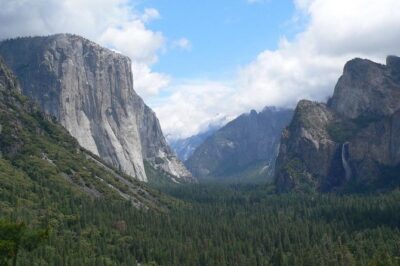
Small Group Yosemite and Giant Sequoias Day Trip from San Francisco
Read our review →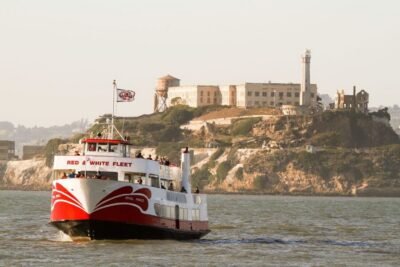

Hop-On Hop-Off Sightseeing Tour with 17 Stops
Read our review →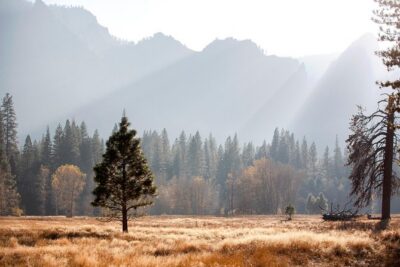
Yosemite Highlights & Giant Sequoias Day Tour from San Francisco
Read our review →
San Francisco Super Saver: Muir Woods & Wine Country w/ optional Gourmet Lunch
Read our review →Browse the lists this tour appears in