
Reviewed · CITY TOURS
Salt Lake City Guided Bus Tour
Salt Lake City’s story comes together quickly on this tour: pioneer settlement, religious history, grand civic buildings, and the 2002 Winter Olympics all fit into one well-planned circuit. The highlight is not simply seeing the sights, but hearing how they connect from guides such as Ann, Todd, Mark, Matthew, and Kristin.
I like the short guided walks at Temple Square, the Capitol, and other key stops, since you get more than a drive-by view. I also like the way the route mixes famous places with less expected ones, including the Cathedral of the Madeleine, Fort Douglas, historic mansions, and Trolley Square. The main drawback is pace: most stops last only a minute or two, and a smaller winter van can limit your view from a middle seat.
Key points to know before booking
- Temple Square and the Tabernacle: See Salt Lake’s most famous religious landmarks, with a chance to hear the celebrated organ.
- A useful first look: The route covers downtown, Capitol Hill, pioneer sites, university areas, and Olympic locations in about 2.5 hours.
- Live local storytelling: Guides such as Ann, Todd, Mark, Matthew, Grant, and Kristin provide history, anecdotes, answers, and practical tips.
- Frequent short stops: You can get out for photos and brief walks, but this is not a long museum-style visit at each location.
- Small group format: The tour can include up to 29 people. Off-season departures may use a smaller Mercedes Sprinter van.
- Good value for limited time: At $69, you pay for navigation, transport, commentary, and a broad city overview rather than individual museum admission.
A fast introduction to Salt Lake City’s many sides
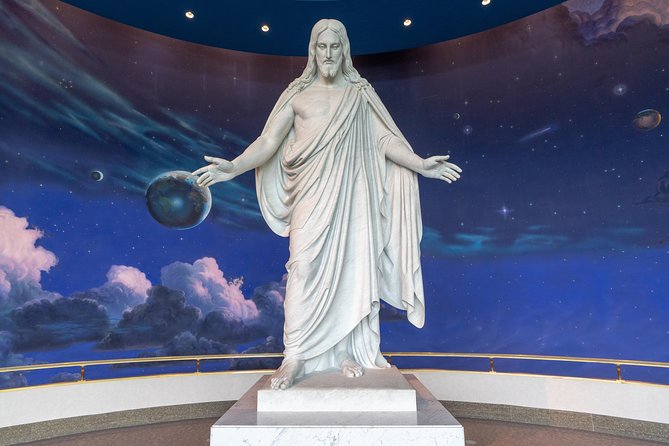
This is the kind of city tour I would choose near the beginning of a Salt Lake City stay. In a single outing, you see the center of Church of Jesus Christ of Latter-day Saints history, Utah’s government center, pioneer memorials, university buildings, sports venues, and the downtown district shaped by the 2002 Winter Olympics.
The route is designed for orientation, not deep exploration. You will return to places that catch your eye later, perhaps Temple Square, the Capitol, the Cathedral of the Madeleine, or the old streets around downtown. That makes the tour especially useful if you have only a day in town, a free afternoon between ski plans, or no interest in driving and parking.
The tour begins at the Radisson Hotel Salt Lake City Downtown on West South Temple Street and ends at the same meeting point. Morning and afternoon departures make it easier to fit into your schedule, though the exact order or availability of certain stops can change.
More to weigh up across the USA
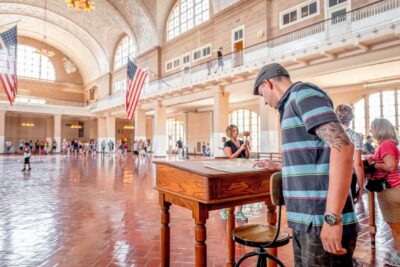
- New York City: Statue of Liberty & Ellis Island with Ferry
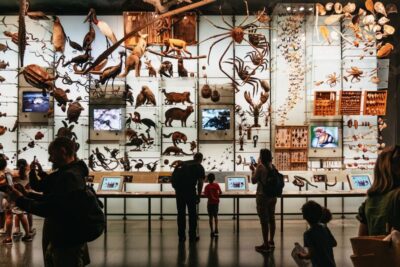
★ 4.6 · 18,683 reviews - New York City: American Museum of Natural History Ticket
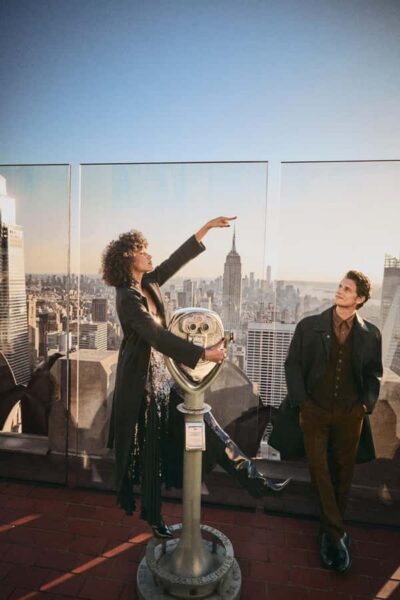
★ 4.5 · 15,447 reviews - New York City: Top of the Rock Observation Deck Ticket
★ 4.6 · 14,488 reviews
Temple Square, the Salt Lake Temple, and pioneer faith
Temple Square is the heart of the tour and the place where Salt Lake City’s story is easiest to grasp. The grounds bring together the Salt Lake Temple, the Tabernacle, Assembly Hall, gardens, monuments, and visitor facilities in a compact area.
You first get a look at the Salt Lake Temple, the city’s best-known building. Pioneer craftsmen worked on it from 1853 to 1893, cutting granite by hand and hauling stone from nearby mountains. The six spires and Angel Moroni statue are easy to recognize, but the guide’s explanation gives the exterior more meaning than a quick photograph would.
The temple interior is reserved for Church members, so you should not expect an interior visit. The tour instead focuses on the architecture, construction, symbolism, and role of the temple within Temple Square. You have time for photos and a short look around the landscaped grounds.
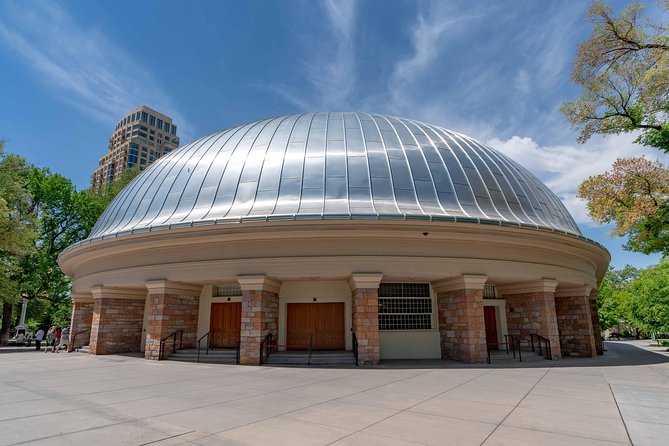
The Tabernacle is one of the strongest stops. Its large dome and unusual acoustics made it famous long before modern sound equipment. The organ, with more than 11,000 pipes, is the musical centerpiece. When a recital is scheduled and available, hearing it can be the emotional high point of the outing.
You should treat the recital as an important possibility, not the only reason to book. Events or access changes can affect the Temple Square portion. On one recent departure, an event prevented the usual Temple Square stop, and the guide substituted other sights. That is a useful reminder that historic and religious sites sometimes operate on their own timetable.
The tour may also include the Assembly Hall, a smaller Gothic-style building made partly from leftover temple granite. The building’s stained glass and delicate exterior offer a pleasing contrast to the massive temple nearby. The Beehive House, Brigham Young’s former residence, adds a domestic and political angle to the story of early Utah.
The Utah State Capitol and the best city view
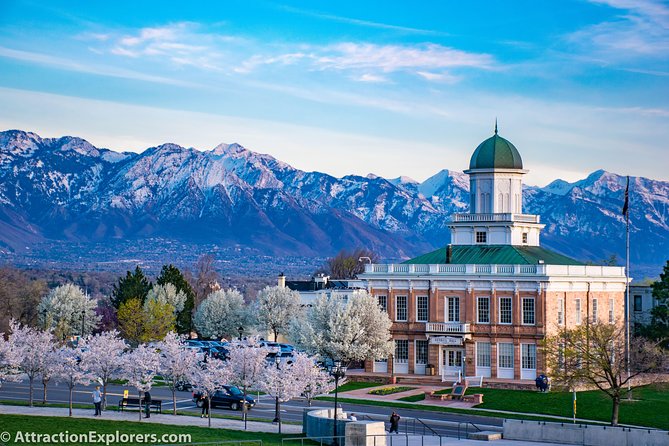
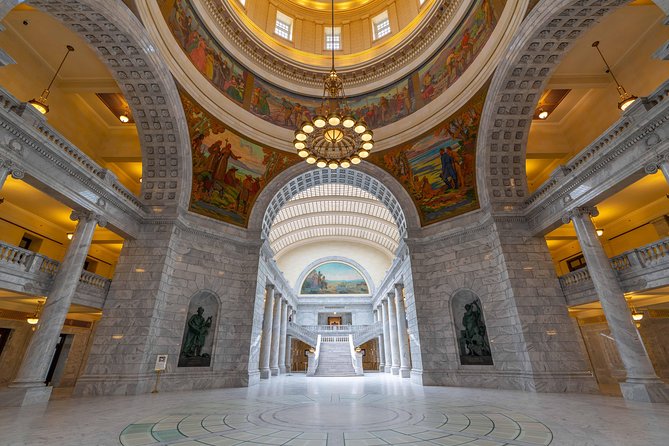
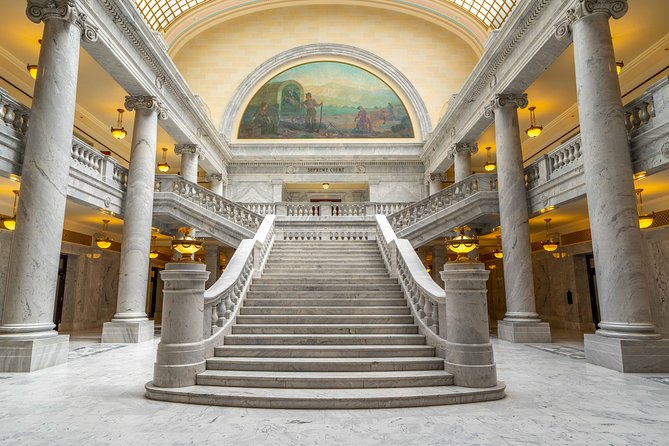
The Utah State Capitol is one of the tour’s most rewarding stops because it combines architecture, government, and scenery. Completed in 1916, the Neoclassical building has a copper dome, marble interior, murals, large columns, and a broad view toward Salt Lake Valley and the Wasatch Mountains.
You get about 20 minutes here, longer than at most of the drive-by landmarks. That gives you a real chance to look around, take photographs, and hear how Utah moved from territorial government to statehood in 1896.
Nearby Council Hall adds another layer. This red-brick Greek Revival building served as Utah’s territorial capitol and witnessed arguments over statehood, women’s suffrage, and polygamy. The building was later moved brick by brick to Capitol Hill, a remarkable preservation effort that your guide can explain.
Washington Square and the City and County Building are also part of this civic district. The City and County Building is a grand Romanesque Revival structure with a tall clock tower, carved stone, turrets, and arched windows. You will not get a long interior visit, but the exterior is worth seeing, especially from the park.
Pioneer routes and This Is the Place
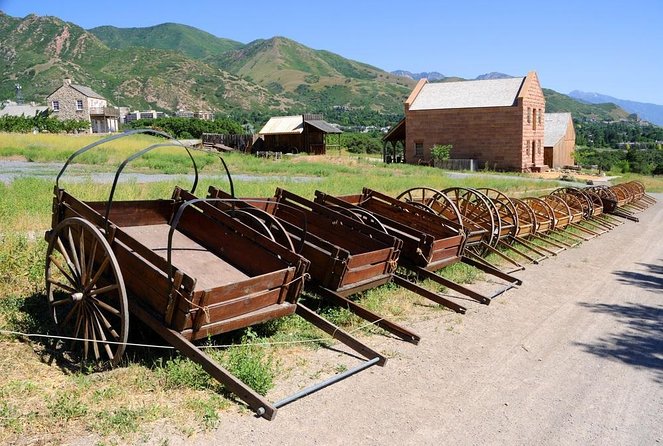
The tour then reaches the eastern edge of the city, where the pioneer story becomes physical rather than abstract. At This Is the Place Heritage Park, you visit the location associated with Brigham Young’s declaration in 1847 after the long journey west.
The stop lasts about 15 minutes and provides wide views across the valley toward the mountains and Great Salt Lake. The view helps explain why the pioneers selected this valley, even though the journey and early settlement required enormous effort.
You also hear about the Mormon Pioneer National Historic Trail, the 1,300-mile route followed by more than 70,000 Latter-day Saint pioneers between 1846 and 1869. Stories of handcarts, wagons, difficult weather, and limited supplies give useful context to the monuments and settlement patterns around Salt Lake City.
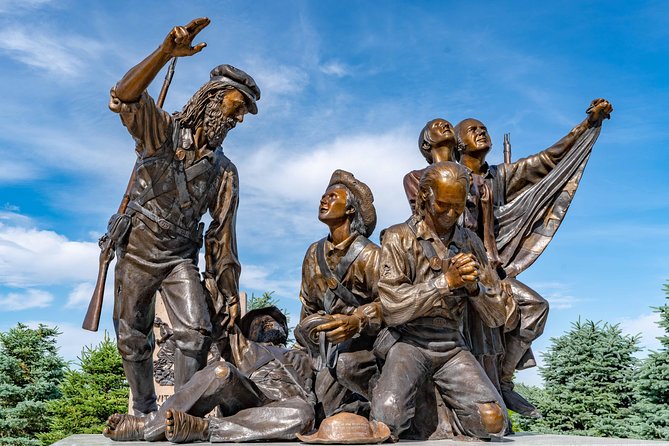
The Mormon Battalion Monument presents a different part of the same period. About 500 Latter-day Saint volunteers marched roughly 2,000 miles during the Mexican-American War. Their service, hardships, and pay helped support the pioneer settlement, while their story also reveals the strained relationship between the early Church community and the federal government.
These stops are brief, but they help prevent the pioneer story from becoming a string of dates and statues. You see the route, the valley, and the political setting that shaped the city.
A different kind of day, same corner of the map:
- NYC: SUMMIT One Vanderbilt Tickets
★ 4.7 · 51,195 reviews - NYC: 9/11 Memorial & Museum Timed-Entry Ticket
★ 4.8 · 31,428 reviews - NYC: Empire State Building Tickets – Observatory & Museum
★ 4.7 · 25,757 reviews - NYC: Empire State Building Observation Deck Tickets
★ 4.7 · 22,072 reviews
Olympic sites and modern Salt Lake City
Salt Lake City is closely tied to the 2002 Winter Olympics, and the bus route shows how the Games changed the city’s public image and urban spaces. Olympic Cauldron Park recalls the event with a tall glass-and-steel cauldron and stories about the opening ceremonies, international athletes, and the long effort required to host the Games.
Rice-Eccles Stadium is another important Olympic location. It hosted the opening and closing ceremonies and remains the home of the University of Utah Utes. The stadium also gives you a look at the city’s college sports culture.
The Delta Center, home of the Utah Jazz, brings the Olympic and sports story back downtown. You see it from outside and hear about its role in basketball, concerts, and the city’s growth during the 1990s.
The Gateway is a former rail-yard area turned into an open-air shopping and entertainment district. It reflects the city’s more recent redevelopment and its effort to make the downtown area appealing for both residents and visitors. These Olympic-related stops are quick, so you will not tour the venues in depth, but they help you understand why 2002 remains important to local identity.
Churches, mansions, and unexpected architecture
One pleasure of this route is its religious variety. Salt Lake City is strongly associated with the Latter-day Saint Church, yet the Cathedral of the Madeleine shows another side of the city’s religious life.
The cathedral was completed in 1909 and is Utah’s only Catholic cathedral. Its Gothic Revival exterior, twin spires, stained glass, and European-inspired details make it one of the most striking buildings on the route. You generally view it briefly rather than taking a full guided interior tour, but even a short stop adds welcome variety.
The McCune Mansion offers a look at turn-of-the-century wealth. Built for railroad magnate Alfred McCune in 1901, the red sandstone house used imported materials and elaborate craftsmanship. It helps balance the pioneer narrative with the story of Utah’s growing business class.
Eagle Gate, the Brigham Young Monument, and the Salt Lake Meridian Marker return you to the city’s earliest planning. The meridian marker identifies the point used for Utah land surveys, while the monument and gate connect downtown streets to the settlement’s original leadership and layout.
The Deuel Pioneer Log Home is more modest. Its small scale gives you a better sense of how simple early dwellings were compared with the grand temple, civic buildings, and mansions that came later.
Fort Douglas and the university district
Fort Douglas, founded in 1862, reveals the uneasy relationship between the federal government and the Latter-day Saint settlement. The military post overlooked the valley and helped protect overland mail routes, while its presence also signaled federal authority in Utah Territory.
You mainly view the fort and parade grounds from outside. That means the stop works best when the guide supplies context about Colonel Patrick Connor, military life, nearby mining activity, and the effect of the fort on the city’s growth.
The surrounding university area adds a different tone. Kingsbury Hall is a performing arts venue dating from 1930, and the University of Utah’s Rice-Eccles Stadium connects campus life with the Olympics. The tour also passes the Masonic Temple, a reminder that Salt Lake City’s civic world included fraternal groups and institutions beyond the Church.
This part of the route is not a substitute for a full visit to the Fort Douglas Military Museum or a university campus tour. It is a compact introduction to an area you might otherwise miss.
Downtown landmarks from the bus window
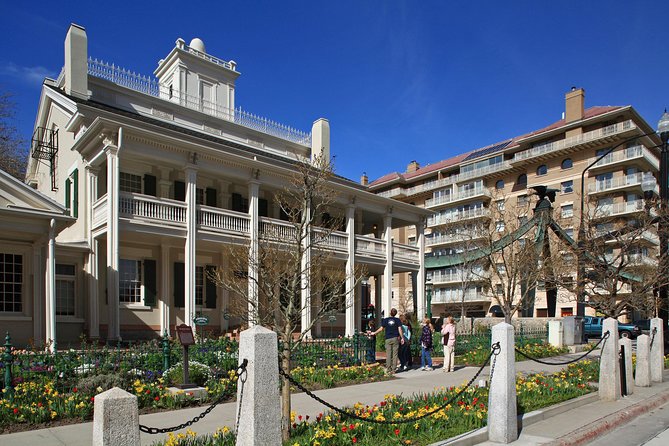
Several stops are short, often about one minute, so you should keep your camera ready. The Joseph Smith Memorial Building, once the Hotel Utah, gives you a glimpse of the city’s early luxury-hotel era. Its white terra-cotta exterior and Beaux-Arts design remain impressive beside the newer downtown buildings.
City Creek Center represents the present-day commercial center, with stores, restaurants, gardens, fountains, and a retractable glass roof. The FamilySearch Library and FamilySearch Center point to Salt Lake City’s worldwide role in genealogy and family records.
The Church Office Building, a 28-story modern landmark, shows how a frontier religious movement grew into a global institution. The Salt Lake City Public Library offers another sharp contrast, with its curved glass wall and contemporary design.
Trolley Square, once a streetcar hub, closes the architectural tour with a preserved transportation complex now used for shopping and dining. Taken together, these quick views explain why the city feels orderly and planned, yet contains more architectural variety than you might expect.
What the timing and vehicle are really like
The advertised duration is about 2 hours and 30 minutes, though some departures may run closer to 2 hours and 45 minutes. The itinerary lists many locations, but most are brief exterior views. The longer stops are generally Temple Square, the Tabernacle, the Capitol, and This Is the Place.
That pace is a strength if you want a broad introduction. It is a weakness if you prefer to linger, read every plaque, or spend an hour inside one major attraction. I would bring a phone or camera with the lens ready, since several photo opportunities pass quickly.
The maximum group size is 29 people. Vehicle size can vary by season and departure. A larger coach gives better sightlines, while an off-season Mercedes Sprinter van feels more intimate but can be harder to see from a middle seat or the side opposite the landmark.
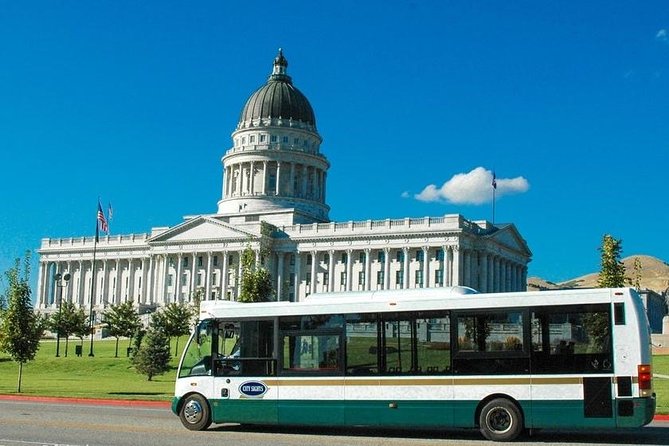
If a clear view matters to you, arrive early and ask about a window seat. The guide may also be able to help with a seat change at a later stop. The bus handles the driving and parking, which is valuable in a city spread across downtown, Capitol Hill, the university area, and the eastern foothills.
Is $69 a fair price?
At $69 per person, this tour is priced as a city orientation service rather than a collection of admission tickets. The value comes from covering a large area, hearing live commentary, getting short guided walks, and avoiding the work of mapping out 30-plus landmarks yourself.
Most stops have no separate admission charge, so you are not saving money on entry fees. You are paying for the route, the driver-guide, local stories, and the ability to see far more in one morning or afternoon than you could comfortably cover on foot.
I think the price is fair for a first visit, especially if you have limited time or are staying downtown without a car. It is less compelling if you already know Salt Lake City, plan to visit only Temple Square, or prefer exploring one neighborhood slowly.
The tour is offered in English, and confirmation arrives at booking. Service animals are allowed, most people can participate, and the tour is near public transportation. Free cancellation is available up to 24 hours before departure, but cancellations or changes within 24 hours are not refunded or accepted.
Who should book this Salt Lake City tour?
I would recommend it to first-time visitors, solo sightseers, couples, families, and anyone using Salt Lake City as a short stop before heading into Utah’s national parks or ski country. It also works well on a non-ski day, when you want a comfortable overview without planning a complicated outing.
The tour suits you particularly well if you enjoy stories, architecture, and local context. Guides such as Ann, Todd, Mark, Matthew, Grant, and Kristin are praised for answering questions, adding humor, suggesting places to eat, and explaining details that are easy to miss from the street.
I would look elsewhere if your priority is extended time inside museums, a full Temple Square visit, or a slow walking tour. The route gives you a sample of Salt Lake City, not a complete visit to every attraction.
Should you book it?
Book this tour if you want to get your bearings quickly and see the city’s major themes in one organized outing. The mix of Temple Square, the Capitol, pioneer sites, Fort Douglas, historic churches, Olympic locations, and downtown architecture gives you a useful framework for the rest of your stay.
Skip it if you already have a detailed plan and plenty of time to use public transportation or walk between individual sights. For most first-time visitors, though, $69 buys a practical introduction, a smooth ride, and a guide who can turn a spread-out city into a story you can follow.
FAQ
How long is the Salt Lake City Guided Bus Tour?
The tour lasts approximately 2 hours and 30 minutes. Some departures may take closer to 2 hours and 45 minutes.
Where does the tour begin and end?
It begins at the Radisson Hotel Salt Lake City Downtown, located at 215 W S Temple St. The tour ends back at the same meeting point.
What language is the tour offered in?
The tour is offered in English with live onboard commentary.
How much does the tour cost?
The listed price is $69 per person.
Does the tour visit Temple Square?
Yes. The route includes Temple Square, the Salt Lake Temple, the Tabernacle, the Assembly Hall, and nearby Temple Square landmarks. Access and the exact Temple Square schedule can change because of events.
Can I hear an organ recital at the Tabernacle?
The itinerary includes time for an organ recital in the Tabernacle when available. A recital or Temple Square stop may be affected by an event or schedule change.
How large is the tour group?
The tour has a maximum of 29 participants. Vehicle size can vary, and some off-season departures use a smaller van.
What is the cancellation policy?
You can cancel up to 24 hours before the start time for a full refund. Cancellations or changes made less than 24 hours before departure are not accepted and are not refunded.
Newly listed in the USA
- The Maui Butterfly Farm Tour★ 5.0 · 446 reviews
- NON BUS 4 Winery Traverse City Wine Tour on Old Mission Peninsula★ 5.0 · 445 reviews
- New England Aquarium Admission Ticket in Boston★ 4.0 · 446 reviews
- New Orleans City Tour and Steamboat Natchez Harbor Jazz Cruise★ 4.0 · 446 reviews
- Alpaca and Llama Farm Tour★ 5.0 · 446 reviews
- Small-Group Laura and Whitney Plantation Tour from New Orleans★ 4.5 · 446 reviews
- Dreaded Dead Descent of the District: DC Ghost Tour★ 4.0 · 446 reviews
- Cañon City: Royal Gorge Bridge & Park Entry Ticket & Gondola★ 4.5 · 448 reviews
City Tours, compared.
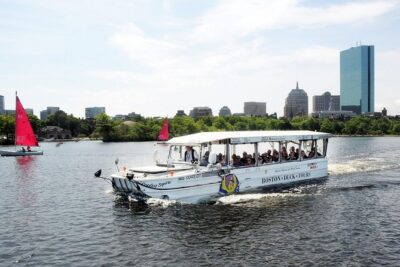
Boston Duck Boat Sightseeing City Tour with Cruise Along Charles River
Read our review →

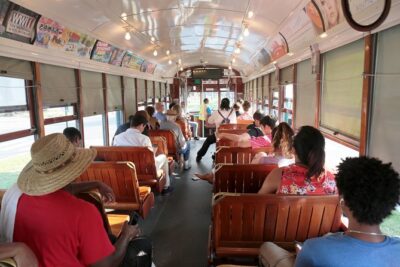
New Orleans City Sightseeing Hop-On Hop-Off Bus Tour
Read our review →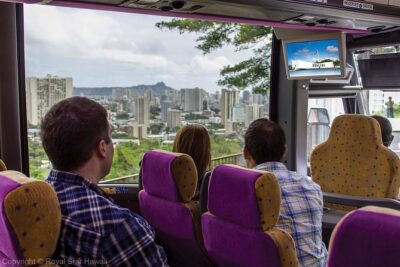
Pearl Harbor, USS Arizona Memorial & Honolulu City Tour
Read our review →Browse the lists this tour appears in