
Reviewed · OAHU TOURS
Waikiki Trolley Hop-On Hop-Off Tour of Honolulu
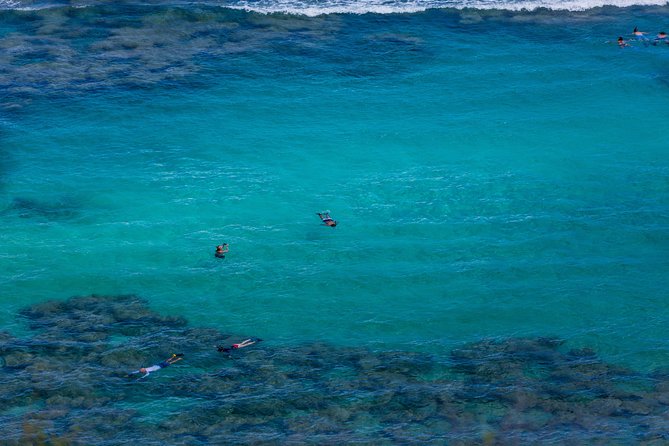
Honolulu’s trolley is at its best when you use it as both a sightseeing ride and a practical way to get around. The Blue Line’s coastal views and stops near Diamond Head give you a quick taste of east Oahu, while the Red Line ties Waikiki to Chinatown, Iolani Palace, and downtown history. Drivers such as Sam, Oli, Duke, and Tony add humor and local detail that you would miss in a simple transfer bus.
I like the freedom to build your own day, and I like not having to deal with parking or Honolulu traffic. The main catch is timing: buses can fill up, run late, or leave you waiting, especially on busy days. A pass works best when you plan around the routes instead of treating the trolley like a perfectly timed city subway.
Key points to know before you ride
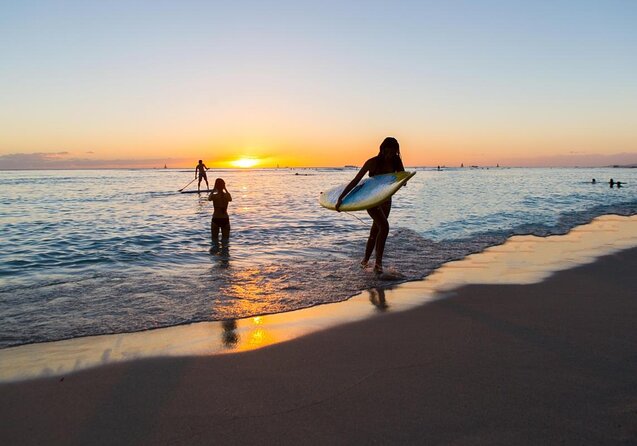
- Blue Line scenery: Follow the coast toward Diamond Head, Halona Blow Hole, Koko Marina, and Sea Life Park.
- Red Line history: See Chinatown, the Hawaii State Capitol, Iolani Palace, King Kamehameha’s statue, and Honolulu Harbor.
- Flexible passes: Choose one, four, or seven days, with either a single-line ticket or access to all five lines.
- Strong driver narration: Guides including Sam, Oli, Duke, Tony, Tyler, and Tim have been praised for humor, history, and local stories.
- Crowding is the chief risk: Arrive early, since some departures have been standing-room only or delayed during busy periods.
- Not an attraction ticket: Admissions, food, drinks, and hotel transportation are not included.
What the Waikiki Trolley is really good for
This is not a full island tour in the usual sense. It is a flexible sightseeing network centered on Waikiki and Honolulu, with selected routes reaching east toward Diamond Head and the coast. You can stay aboard for the narration, get off at a museum or viewpoint, then catch a later trolley when you are ready.
That distinction matters. If you want a driver to collect you from your hotel, escort you around Oahu, and wait while you visit each sight, choose a traditional guided tour instead. If you want to decide as you go, this trolley gives you much more control.
The pass is offered for one, four, or seven days. The listed price is $22 per person, though the exact pass cost depends on the option you select. A one-day pass can be a good introduction to Honolulu. A longer pass makes more sense if you plan to use the trolley for transportation as well as sightseeing, perhaps riding the Pink Line to Ala Moana Center or using the Red Line to reach downtown.
The approximate ride length is two hours if you remain aboard for a route. In practice, your day can last much longer because you can get off and continue later. You will need to watch the route schedule carefully, since departures are not always close together. The Blue Line, for example, has been advertised at roughly 40-minute intervals, but waits can stretch beyond an hour when traffic or service delays intervene.
More hop-on hop-off routes around Oahu:
- Waikiki Trolley Blue Line Coastline & Local Grindz Hop-on Hop-off
★ 5.0 · 4,159 reviews - Waikiki Trolley Red Line Heroes & Legends Hop-on Hop-off Tour
★ 5.0 · 2,120 reviews - Oahu: Waikiki Trolley Hop-on Hop-off All-Line Pass
★ 4.4 · 810 reviews
Starting at Waikiki Shopping Plaza
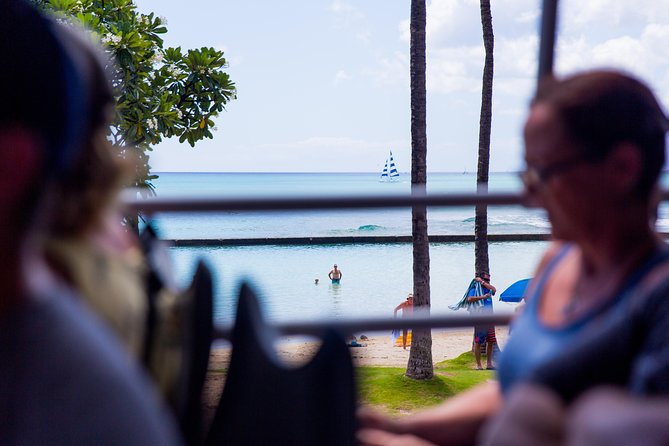
The ticket redemption point is at 320 Royal Hawaiian Avenue, across from Waikiki Shopping Plaza. Several routes use this area, so pay attention to the line color and direction before boarding. One practical complaint has been that the ticket pickup process is not always obvious, and some people have had trouble converting an online purchase into a usable ticket.
Give yourself extra time at the start. You may need to walk to the correct pickup point, and you do not want to spend your first departure sorting out tickets while the trolley waits. An app may help with ticket use, but the physical meeting point remains the key place to begin.
From Waikiki Shopping Plaza, the network reaches the Duke Paoa Kahanamoku Statue, Honolulu Zoo, Diamond Head, downtown, Ala Moana, and several hotels. This central location also makes the trolley easy to combine with a morning at Waikiki Beach or an evening meal.
Blue Line: coast, Diamond Head, and east Oahu
The Blue Line is the most scenic choice. It follows the coast past the Duke Paoa Kahanamoku Statue and Honolulu Zoo, then continues toward Waikiki Aquarium, Kahala Mall, and the Diamond Head area.
The Waikiki Aquarium is a useful stop if you want a short indoor visit focused on marine life. The Honolulu Zoo is another easy hop-off point, especially for families. Neither admission is included, so treat the trolley pass as transportation and narration rather than a package ticket.
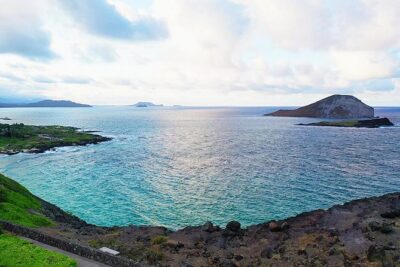
The route continues to Kahala Mall, which can be useful for food, shopping, or a break from the beach. It then reaches Halona Blow Hole, one of the route’s most appealing outdoor stops. The nearby coast gives you the kind of ocean view that makes the Blue Line worth choosing even if you do not get off at every stop.
Further along, the trolley reaches Sea Life Park and Koko Marina Center. Sea Life Park requires its own admission. Koko Marina can serve as a food or rest stop, though the itinerary does not include meals.
On the return side, the route includes Diamond Head Market & Grill, Aloha Pineapple Cafe, Rainbow Drive-In, and Local Foods. These stops are valuable because they connect sightseeing with recognizable local food options. Food is not included, but you can use the trolley to reach a meal without arranging a separate ride.
Diamond Head Crater is the headline stop for many riders. The trolley can bring you to the area, but the hike and any required admission are separate. This is an important point to understand before booking. The ride gets you near the attraction, not through its entrance.
The KCC Farmers’ Market appears on the Diamond Head route on Saturdays only. If you want to include it, check that your pass and timing line up with the Saturday schedule. This route can fill quickly, and arriving early improves your chance of getting a seat.
Red Line: Honolulu’s historic core
The Red Line is the strongest route for city history. It begins around Waikiki, then runs toward the Honolulu Museum of Art, the Hawaii State Capitol, Iolani Palace, Punchbowl Crater, Foster Botanical Garden, Chinatown, downtown, and Honolulu Harbor.
The Honolulu Museum of Art is closed Monday through Wednesday, so do not plan your entire Red Line day around it on those days. The museum stop still works well as a starting point for exploring the city, but admission is separate.
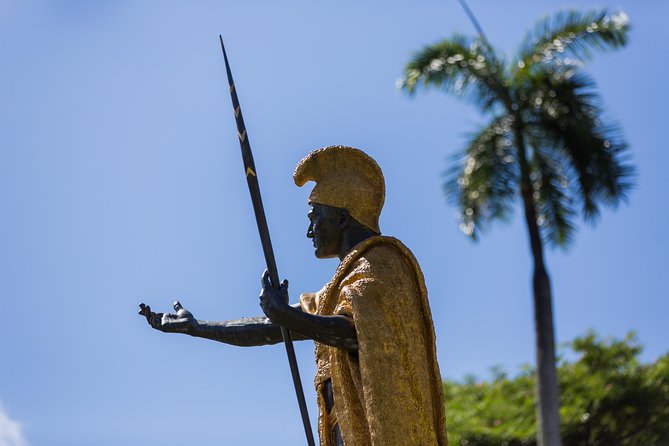
The Hawaii State Capitol and Iolani Palace offer a useful look at Hawaii’s government and royal past. The nearby King Kamehameha Statue is one of the route’s most satisfying quick stops. If you have always wanted to see the statue, the trolley makes it simple to reach without navigating downtown streets yourself.
Punchbowl Crater is home to the National Memorial Cemetery of the Pacific. It is a significant memorial site and a different experience from the beach and shopping districts. Take care with your timing, since getting off for a meaningful visit may mean waiting for the next trolley.
Foster Botanical Garden provides another change of pace. Izumo Taishakyo Mission of Hawaii and Royal Kitchen add cultural and food-related stops to the route. These are the kinds of places that make the Red Line more than a drive past office buildings.
Chinatown and downtown include Hawaii Theatre, historic streets, and access to the King Kamehameha Statue. Chinatown can be rewarding, but it requires more care than a quick tourist stop. Conditions can vary from block to block, and the area may feel uncomfortable to some people. Know where you plan to leave the trolley and where you will board again.
A practical problem has occurred when passengers got off near Chinatown and could not find the correct pickup point by the Capitol. Before leaving the trolley, ask the driver exactly where the return stop is. If you do not want to manage that uncertainty, stay aboard for the narrated circuit.
The Red Line finishes with Aloha Tower Marketplace, where you can see Honolulu Harbor and learn about the tower’s role in the city’s past. SALT at Our Kakaako and Ward Centre add restaurants and shops, while Ala Moana Regional Park offers a greener open-air stop before the route returns toward Waikiki.
More to weigh up across Oahu
- Oahu Grand Circle Island and Haleiwa Tour: 9-Hr Deluxe Experience
★ 5.0 · 17,387 reviews - Oahu: Grand Tour Around Island 16 Locations plus Snorkeling
★ 5.0 · 8,669 reviews - Parasailing Experience in Waikiki, HI
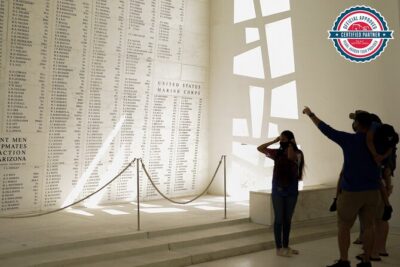
★ 5.0 · 7,692 reviews - Salute to Pearl Harbor Including USS Arizona
★ 4.5 · 7,433 reviews
Pink Line: the most useful short hop
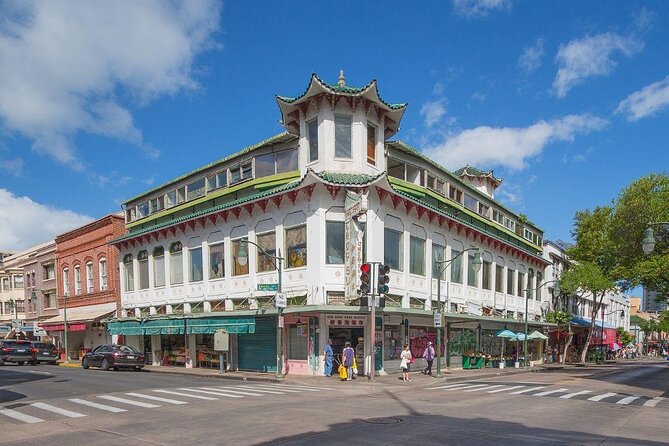
The Pink Line is less about major sightseeing and more about getting around Waikiki and Ala Moana. It connects Waikiki Shopping Plaza with hotel stops, Marugame Udon, Ala Moana Center, Ilikai Hotel, Hale Koa Hotel, and other points near the beach and resort district.
If you are staying in Waikiki, this line can save you a long walk when you are carrying shopping bags, heading to Ala Moana Center, or simply tired after a day outside. It has also been useful for reaching Foodland for groceries.
The tradeoff is that many stops are near places you can reach on foot. If your hotel is close to the shopping plaza, the Pink Line may not save much time. It becomes more valuable when heat, rain, luggage, or tired legs change the calculation.
Rain can also affect the open-air vehicles. One reported issue involved leaking coverings during wet weather. Bring a light rain layer and avoid assuming that every seat will stay dry in a passing shower.
Green Line and the Diamond Head connection
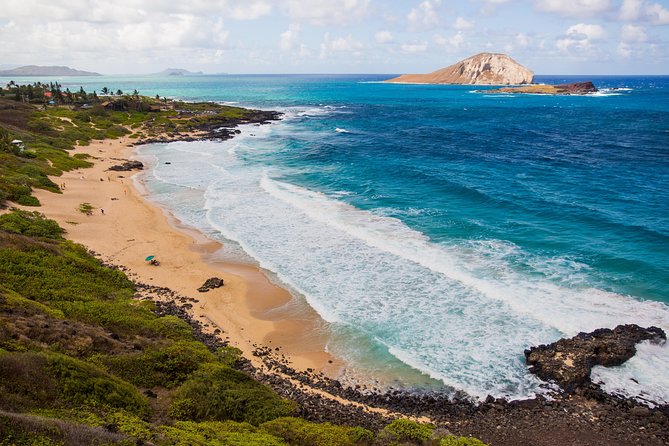
The Green Line serves the Diamond Head and Waikiki area, with stops at Ilikai Hotel, Hale Koa Hotel, Ka La’i Waikiki Beach, Waikiki Shopping Plaza, the Duke statue, Honolulu Zoo, Diamond Head Crater, and the Saturday KCC Farmers’ Market.
This line is a good fit if you want a more direct Diamond Head outing without committing to the longer Blue Line. It also offers easy access to the zoo and Waikiki Beach area.
Check the operating hours before buying a line-specific ticket. A passenger was sold a Green Line ticket after that route had stopped running, which turned an otherwise simple plan into a serious disappointment. The same advice applies to every line: confirm the day’s service before setting out, especially late in the afternoon.
The all-line pass avoids some of this restriction, but it does not eliminate schedules. You may still need to return to a central point to change routes, and waiting for the next vehicle can take time.
The guides can make an ordinary ride memorable
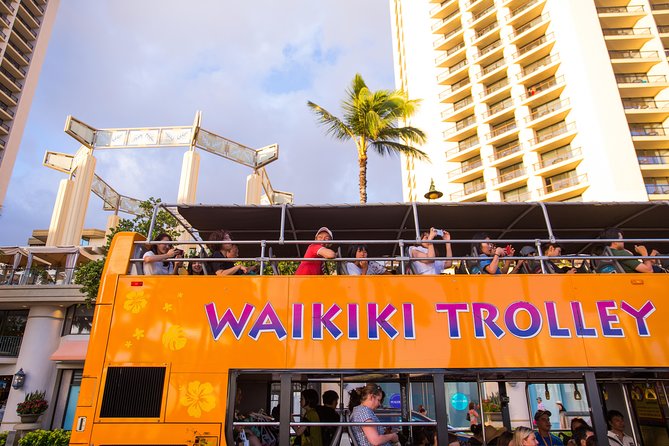
The best part of this experience is often the driver narration. Sam has been singled out for combining useful information with humor on the Red Line. Oli has been praised for making the Blue Line engaging while explaining the coast and local culture.
Duke is another name to watch for. His commentary covers Honolulu, Oahu, local figures, and cultural details in a lively way. Tony has also been praised for his clear delivery and command of Oahu history, while Tyler and Tim have received strong marks for handling traffic and guiding passengers.
Of course, the exact driver changes from departure to departure. Still, the service is more than a silent shuttle. You get a running explanation of what you are seeing, which adds value when the route passes buildings or neighborhoods that would otherwise be easy to ignore.
The narration also helps you decide where to return later. A first ride can function as a scouting trip: stay aboard, note the stops that interest you, then use a four or seven-day pass to return when you have more time.
Seats, timing, and the practical tradeoffs
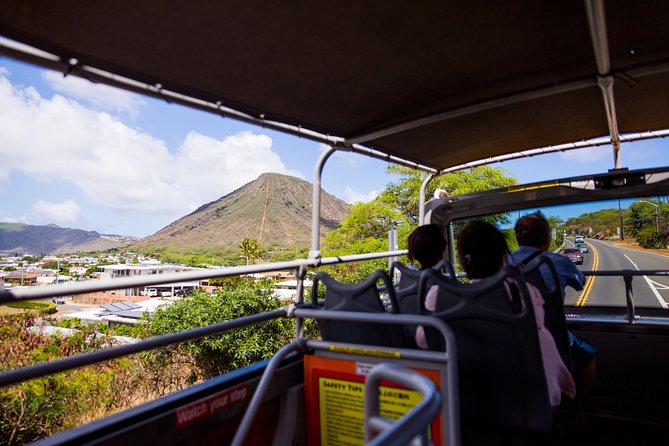
The vehicles include double-decker buses and open-air trolleys. The upper deck gives you better views, but it also offers less shelter from sun and rain. Shirts, cover-ups, and footwear are required at all times, and food, drinks, and smoking are not allowed onboard.
Crowding is the main weakness. During peak periods, some vehicles have been full, with passengers standing for much of the ride. At times, people waiting at a stop could not board because there was no room. Arriving early is the simplest fix, especially for the Blue Line and popular morning departures.
Do not plan a tightly timed museum visit or restaurant reservation around the trolley. Traffic, loading delays, and full vehicles can push the schedule back. If a route is advertised every 40 minutes, build in extra time rather than assuming the next trolley will arrive exactly then.
Large bags are not practical. The maximum stated baggage size is 24 by 18 by 12 inches, and it must fit on your lap. Foldable strollers, boogie boards, and other items cannot protrude into another seat or block other passengers. Service animals are allowed.
The trolley is near public transportation, and most people can participate. Hotel pickup and drop-off are not included, so you must reach the starting point or another designated stop yourself.
Is the pass worth $22?
At $22 per person, the value depends on how much you ride. A single Blue Line circuit with narration, plus a useful ride to one or two stops, can make a one-day pass reasonable. The value improves if you avoid a rental car, parking fees, or repeated rides between Waikiki and downtown.
A pass is less attractive if you only want to see the major sights from the road. Much of the Red Line involves buildings and city streets, and a short independent visit to one favorite site may cost less if you use another form of transport.
The four and seven-day options require more planning. Use them for repeated rides, not as a promise that you will find a trolley waiting every few minutes. A longer pass can be handy for splitting Oahu sightseeing across several relaxed days, but the non-refundable policy makes it wise to confirm your schedule before purchase.
The experience is offered in English. Food, drinks, attraction admission, and hotel transportation cost extra.
Who should book this Honolulu trolley
I would choose this for a first Honolulu stay, a family that does not want to rent a car, or anyone who likes to mix sightseeing with independent stops. It is also a good backup after a long beach day, when you want to see more of the city without walking everywhere.
The Blue Line suits scenery and coastal views. The Red Line suits history, museums, government buildings, Chinatown, and the harbor. The Pink Line is the practical choice for Waikiki and Ala Moana errands, while the Green Line helps with Diamond Head and the Saturday farmers market.
I would skip it if you need exact departure times, dislike waiting, or plan to visit only one attraction. I would also avoid buying a single-line ticket without checking that line’s operating hours first.
Should you book the Waikiki Trolley?
Book it if you want a flexible introduction to Honolulu, enjoy live local commentary, and can accept a loose schedule. The Blue Line offers the strongest scenery, and the Red Line gives you the most useful city context. Guides such as Sam, Oli, Duke, and Tony can turn the ride itself into part of the experience.
Skip it if you expect a private tour, guaranteed seating, hotel pickup, or included entry to Diamond Head and other attractions. Arrive early, check the line schedule, confirm your return stop before hopping off, and use the trolley as a relaxed sightseeing tool rather than a clockwork bus system.
FAQ
Where does the Waikiki Trolley tour start?
The ticket redemption point is at 320 Royal Hawaiian Avenue, across from Waikiki Shopping Plaza in Honolulu.
How long does the trolley ride take?
A complete ride is approximately two hours if you remain onboard for a route. A one, four, or seven-day pass lets you ride for longer by getting off and boarding again during the valid period.
Can I choose which trolley lines to use?
Yes. You can choose a single-line pass or select an option that includes all five lines.
What attractions can I reach by trolley?
Stops include Diamond Head Crater, Honolulu Zoo, Waikiki Aquarium, Halona Blow Hole, Sea Life Park, Chinatown, Iolani Palace, the Hawaii State Capitol, King Kamehameha’s statue, Aloha Tower Marketplace, Ala Moana Center, and KCC Farmers’ Market on Saturdays.
Is admission to Diamond Head included?
No. Attraction admissions are not included, and the Diamond Head hike or entry requires separate payment where applicable.
Are food and drinks included?
No. Food and drinks are not included, and food and drinks are not allowed onboard.
Can I cancel or change my booking?
No. The experience is non-refundable and cannot be changed for any reason.
Newly listed in Oahu
- Rock-A-Hula Ticket★ 4.5 · 448 reviews
- Honolulu Airport, Cruise Port and Hotels Private Transfer★ 5.0 · 452 reviews
- Queens Waikiki Luau with Dinner Buffet and Cultural Activities★ 4.0 · 456 reviews
- Chief’s Luau Admission Including Transfers★ 4.5 · 457 reviews
- Pearl Harbor USS Arizona Memorial and Honolulu City Tour★ 4.0 · 460 reviews
- Dive with Sharks in Hawaii: Shark Tour from Haleiwa★ 5.0 · 468 reviews
- Oahu: Pearl Harbor Complete Experience Passport★ 4.5 · 469 reviews
- Oahu in a Day: Waterfall – Food Trucks – Lookouts – Small Crowds★ 5.0 · 475 reviews
Oahu Tours, compared.
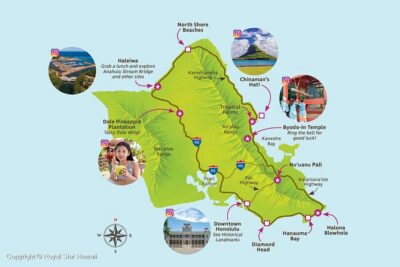
Oahu Grand Circle Island and Haleiwa Tour: 9-Hr Deluxe Experience
Read our review →
Grand Tour Around Island 16 Locations plus Snorkeling
Read our review →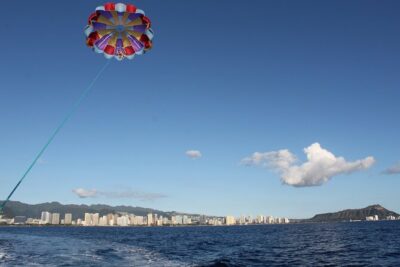

Oahu’s Ultimate Tour: Dole, Turtle Snorkel, Pali Lookout & More
Read our review →
Oahu Circle Island Tour with Turtle Snorkeling— Small-Groups
Read our review →
Browse the lists this tour appears in