
Reviewed · OAHU TOURS
2-Hour Oahu Whale Watch from Ala Wai Harbor, Waikiki
The biggest draw is simple: you get out on the Pacific during humpback season and search for whales with Waikiki and Diamond Head behind you. From December through May, these whales leave feeding grounds near Alaska and travel about 3,500 miles to Hawaii’s warm waters.
I like the boat’s choice of viewing spots, from the open upper deck to the shaded cabin with large windows. I also like the unusual BYOB policy, since you can bring your own snacks and nonalcoholic drinks instead of paying inflated boat prices. The catch is that whales are wild animals, and some trips produce only distant spouts or no whales at all.
I also appreciate the crew’s approach when luck runs thin. Several trips with no sightings received a return pass, sometimes valid for years or usable on a Maui whale watch. Still, rough water can make the ride uncomfortable, so take seasickness advice seriously and choose your seat with care.
Key points to know before you book
- Humpback season runs from December through May, with February described as the peak period.
- The Lahaina Princess carries up to 80 passengers, well below its Coast Guard capacity of 115.
- An underwater hydrophone lets you listen for whales beneath the boat.
- You can bring your own snacks and drinks, though alcohol is not included and onboard refreshments may be sold.
- Logan, Peter, and Carel are among the crew members praised for spotting animals and explaining what you see.
- A return pass may be offered when whales are not found, but this should be treated as a service decision, not a guaranteed booking feature.
Leaving Ala Wai Harbor for open-water views
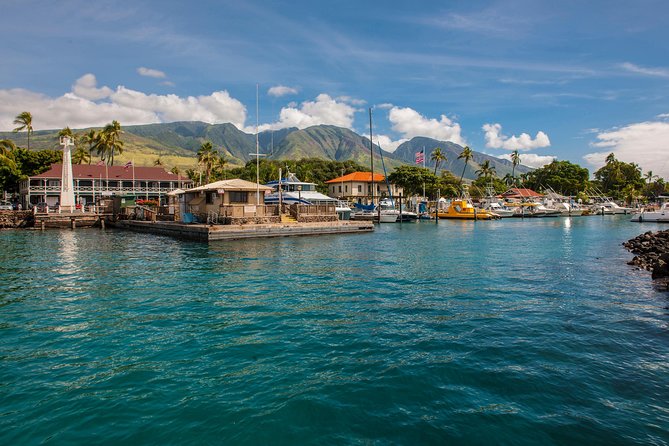
The tour begins at Hawaii Ocean Project, at Ala Wai Harbor, 1651 Ala Moana Boulevard. This is close to Waikiki and near public transportation, but do not treat the harbor as a place where you can stroll up at the last second and find the boat without checking the exact dock instructions.
Plan to arrive at least 30 minutes before departure. Boarding starts then and closes five minutes before departure, while the boat leaves promptly at the scheduled time. One missed departure came from confusion over the address and the boarding location, so I would allow extra time to find slip 497 and ask harbor staff for help if needed.
The return trip ends at the same harbor. Hotel pickup and drop-off are not included, so you handle your own way to and from the marina. Multiple departure times make this easier to fit around a Waikiki beach day, dinner plans, or another Honolulu activity.
At check-in, every passenger must be able to show identification if vessel staff request it. You will also need to acknowledge a release of liability waiver for everyone in your group. These are small steps, but knowing about them ahead of time keeps the morning or afternoon from starting in a rush.
More whale watching trips around Oahu:
- Waikiki, Oahu 2-Hour Whale Watching: Guaranteed Sightings
★ 4.5 · 1,064 reviews - Waikiki Deluxe Catamaran Whale Watch
★ 4.5 · 638 reviews - Juneau Wildlife Whale Watching
★ 5.0 · 7,379 reviews
Choosing between the upper deck and main cabin
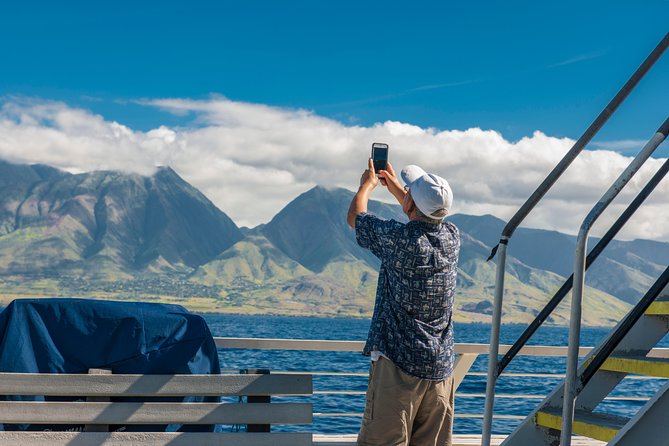
The boat has several levels, and that matters on a whale watch. The upper observation deck gives you the broadest view and the best chance of spotting a distant blow before it disappears. It is also the place to be if you want a wide photograph of the coast, Diamond Head, and the open sea.
The open deck comes with tradeoffs. Wind can be strong, and spray may reach the front of the boat. One party sitting forward got wet in choppy water, though they dried by the end. Bring a light layer and protect phones and cameras, especially if you plan to stay outside for the full two hours.
The shaded main cabin has large viewing windows and gives you a calmer, more sheltered place to watch. It is useful when the sun is strong, when the wind picks up, or when someone in your group needs a break from the motion. You may not have the same broad sightline as you do upstairs, but you can still look out for spouts and surfacing whales.
The vessel was renovated in 2024, and the boat is described as clean and spacious. There is also a marine bathroom onboard. With a maximum of 80 passengers, the boat is not an intimate little skiff, but it is less crowded than its legal capacity would allow and gives people room to move between viewing areas.
Searching for humpbacks from December through May
Humpback whales come to Hawaii during the colder part of the year to breed and raise their young. Their migration from Alaska covers about 3,500 miles, which gives you useful context for what you are watching: these are not resident whales waiting in one spot for boats to arrive.
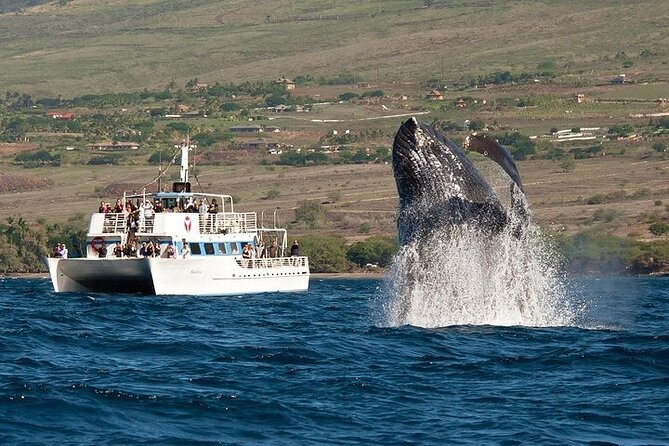
The captain and crew scan the water for blows, backs, flukes, breaches, and tail slaps. A sighting may last only a few seconds, then the whale can vanish before surfacing somewhere else. That stop-and-start rhythm is part of the experience, but it can test your patience if you expect a steady show.
The crew helps by pointing out where to look and explaining whale behavior as the boat moves. Logan is singled out for his storytelling and humor, while Peter and Carel are also praised for spotting whales and helping people who feel unwell. The narration is live, so you can ask questions and get explanations tied to what is happening around you.
February is identified as the strongest part of the season. January can also produce good sightings, including mothers with calves and groups of males competing around a female. December and May can be worthwhile, but whale activity is never guaranteed on any departure date.
That uncertainty should shape your expectations. Some trips have produced several sightings, including whales surfacing close to the boat. Others have resulted in distant spouts, a glimpse of a tail, or no whales at all. The captain may adjust the route based on sea conditions and vessel operations, but no crew can order a whale to surface beside the boat.
Listening below the hull with the hydrophone
The underwater hydrophone is one of the more distinctive features here. It is used to hear whales under the boat, adding sound to an outing that otherwise depends on quick visual sightings.
You may not hear a whale on every trip, just as you may not see one. Still, the hydrophone gives the crew another way to connect you with the animals and helps explain that the whale watch is not only about waiting for a dramatic breach.
The live narration also covers recognizable behaviors. A blow signals a whale near the surface, a fluke may appear before a deeper descent, and a tail slap can send a visible splash across the water. The crew’s role is especially useful for first-time whale watchers who might otherwise miss a brief appearance.
Bring binoculars if you have them. Distant whales can be hard to see with the naked eye, and one solo passenger specifically wished for binoculars. A camera with a strong zoom can help too, but keep your attention on the water rather than spending the whole ride looking through a screen.
More to weigh up across Oahu
- NYC: Circle Line 2h Harbor Lights Cruise Skip-The-Box-Office
★ 4.6 · 8,222 reviews - 2-Hour Exotic Car Driving Experience in Las Vegas
★ 5.0 · 2,870 reviews - Rock Springs 2-Hour Glass Bottom Guided Kayak Eco Tour
★ 5.0 · 2,459 reviews - 2-hour Outer Banks Wild Horse Tour by 4WD Truck
★ 5.0 · 2,449 reviews
Waikiki Beach and Diamond Head from the water
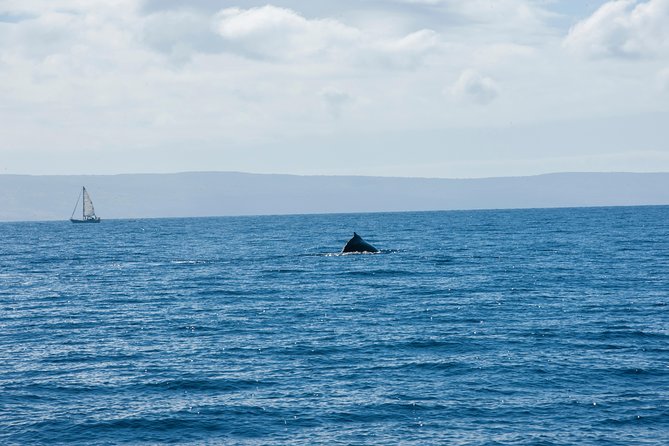
Whale sightings are the main purpose, but the boat ride also gives you a different view of Honolulu. Waikiki Beach looks familiar from shore, yet the water changes the angle completely. You see the beachfront and city edge as part of one broad coastal scene rather than from a towel or sidewalk.
Diamond Head is another highlight. The dormant volcano is easy to recognize from Waikiki, but viewing it from offshore gives the landmark more shape and scale. This part of the trip remains worthwhile even if the whales stay hidden.
The coastline also gives the captain and crew plenty to point out while everyone waits for activity. Past trips have included sea turtles, spinner dolphins, monk seals, flying fish, jumping fish, and dolphins. These sightings are extras rather than promises, but they can turn a quiet whale search into a broader look at Oahu’s marine life.
The scenery is also a practical reason to book this from Waikiki instead of spending a full day traveling to another island. You get two hours on the water without giving up most of your day to transport. Some passengers reasonably compare Oahu with Maui and expect more whales on Maui, but this trip offers a shorter, lower-cost way to try from Honolulu.
Rough water, seasickness, and picking your spot
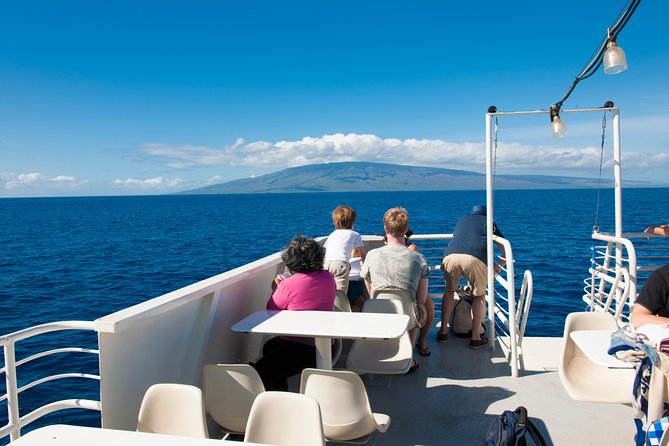
The Pacific can be smooth, breezy, or choppy. This tour operates in most weather conditions, so dress for changing conditions rather than assuming that a sunny Waikiki morning means a calm ocean.
If you are prone to motion sickness, follow the crew’s advice before departure. Seasickness medicine may be available for purchase onboard, and crew members have helped passengers who were struggling. The main cabin can offer shelter, but it cannot remove the motion of the boat.
Think carefully about where you sit. The front can provide excitement and a clear view, but it is also more exposed to spray and the rise and fall of the bow. A central or more sheltered position may suit you better if comfort matters more than getting the first splash.
One difficult trip involved rough water, slow travel, and many sick passengers during the return. That is not the expected result of every outing, but it is a fair warning that ocean conditions can affect the experience. If your schedule is flexible, a calm-weather forecast is worth considering, though weather can change and the operator may substitute boats, routes, or destinations when needed.
What the $49.95 price really buys you
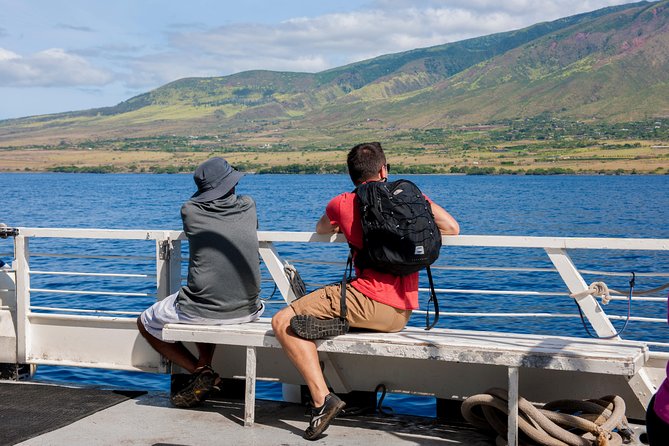
At $49.95 per person, this is priced as an accessible two-hour outing rather than a luxury cruise. You are paying for the vessel, crew, live narration, harbor departure, viewing decks, cabin, bathroom, and a chance to see protected marine life in its natural setting.
The value is strongest when you want a short activity close to Waikiki. You do not need a full-day commitment, and the coastal views alone give the ride a clear second purpose. The renovated boat and 80-person limit also make the price more appealing than a bare-bones ride with passengers packed shoulder to shoulder.
Do not assume food and drinks are included. You may bring your own snacks and beverages, and alcohol is allowed only under the stated BYOB policy. Some trips have had snacks, drinks, and seasickness medicine available for purchase, but a passenger who expected complimentary refreshments was disappointed. Pack what you want before boarding.
The value is weaker if your only definition of success is a close whale encounter. Several trips have seen whales far away, while others have not seen any. A return pass has sometimes been provided in those cases, including a pass usable for whale watching in Maui, but the terms can depend on the operator. Ask at check-in if this matters to your decision.
Who will enjoy this two-hour cruise most
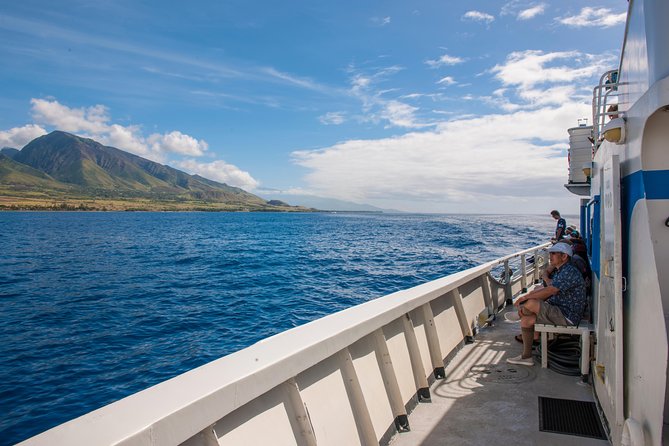
This works well for families, couples, and first-time whale watchers who want an easy outing from Honolulu. The crew keeps the trip educational without making it feel like a classroom, and children have multiple places to watch from.
It also suits you if you want a low-cost way to add marine life to a Waikiki stay. The potential to see turtles, dolphins, monk seals, or flying fish helps fill the gaps between whale sightings. The harbor location and short duration make it easier to fit around other plans.
Solo passengers can manage the trip too. The crew has helped with photographs and checked on people feeling seasick, which is useful when you are not traveling with someone to hold your place or camera.
I would think twice if you dislike open-water motion or need a guaranteed wildlife encounter. The boat is not a glass-bottom aquarium, and whale watching requires patience. You may spend much of the two hours scanning for a blow and then see only a distant tail.
Booking, weather, and cancellation details
Confirmation is provided when you book, and mobile tickets are accepted. The tour is offered in English, with live commentary from the whale staff.
Free cancellation applies when you cancel at least 24 hours before the start time. Cancellations within 24 hours are not refunded, and late changes are not accepted. If poor weather causes the operator to cancel, you can choose another date or receive a full refund.
The operator may substitute the vessel, route, or destination without notice because of boat operations, weather, or sea conditions. That flexibility protects safety and scheduling, but it also means the exact route is not fixed beyond the planned harbor departure and return.
Should you book the Oahu whale watch?
I would book this tour during February, or during another December through May visit, if you want a reasonably priced two-hour ocean trip close to Waikiki. The upper deck, shaded cabin, hydrophone, and live crew commentary give you several ways to enjoy the ride, even when the whales are shy.
Book with realistic expectations. You might see a mother and calf, several surfacings, dolphins, turtles, and flying fish, or you might get distant spouts and a pleasant boat ride. If you can accept that uncertainty, this is a sensible, family-friendly introduction to Oahu’s winter marine life. If a close whale encounter is your top priority, keep your schedule flexible and ask about the return-pass policy before you sail.
FAQ
Where does the Oahu whale watch depart?
The tour leaves from Hawaii Ocean Project at Ala Wai Harbor, 1651 Ala Moana Boulevard, Honolulu, Hawaii 96815. The activity ends back at the same meeting point.
How long is the whale-watching trip?
The cruise lasts approximately two hours.
When does the tour operate?
The whale watch runs during humpback migration season, from December through May. February is described as the peak part of the season.
Are whales guaranteed?
No. Whales are wild animals, and some departures see only distant spouts or no whales. The operator may provide a return pass when whales are not spotted, but this is not a guaranteed outcome for every trip.
Can I bring food and drinks?
Yes. You may bring your own snacks and beverages. Alcoholic beverages are not included, and some snacks, drinks, and seasickness medicine may be available for purchase onboard.
What is included on the boat?
The trip includes a multilevel vessel, panoramic viewing areas, a shaded main cabin with windows, a marine bathroom, live narration, and an underwater hydrophone used to listen for whales.
How early should I arrive?
Check in at least 30 minutes before departure. Boarding begins 30 minutes before departure and closes five minutes before the scheduled departure time. The boat leaves promptly.
Newly listed in Oahu
- Rock-A-Hula Ticket★ 4.5 · 448 reviews
- Honolulu Airport, Cruise Port and Hotels Private Transfer★ 5.0 · 452 reviews
- Queens Waikiki Luau with Dinner Buffet and Cultural Activities★ 4.0 · 456 reviews
- Chief’s Luau Admission Including Transfers★ 4.5 · 457 reviews
- Pearl Harbor USS Arizona Memorial and Honolulu City Tour★ 4.0 · 460 reviews
- Dive with Sharks in Hawaii: Shark Tour from Haleiwa★ 5.0 · 468 reviews
- Oahu: Pearl Harbor Complete Experience Passport★ 4.5 · 469 reviews
- Oahu in a Day: Waterfall – Food Trucks – Lookouts – Small Crowds★ 5.0 · 475 reviews
Oahu Tours, compared.
Oahu Grand Circle Island and Haleiwa Tour: 9-Hr Deluxe Experience
Read our review →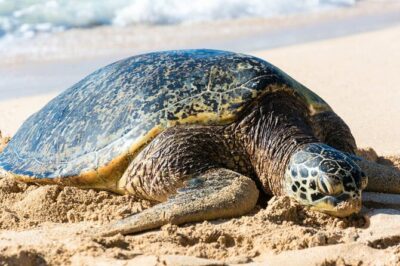
Grand Tour Around Island 16 Locations plus Snorkeling
Read our review →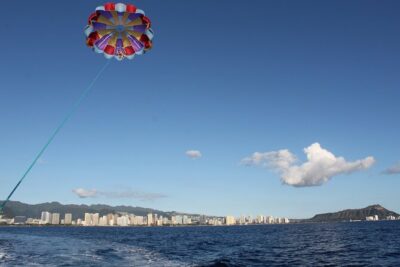


Oahu’s Ultimate Tour: Dole, Turtle Snorkel, Pali Lookout & More
Read our review →
Oahu Circle Island Tour with Turtle Snorkeling— Small-Groups
Read our review →
Browse the lists this tour appears in