
Reviewed · OAHU TOURS
Kailua Bay, Oahu: Epic Kayak and Snorkel to Islands
Kailua Bay’s best moments happen offshore, where white beaches, seabirds, reef fish, and the Ko’olau Mountains come together in one long paddle. You can kayak to Popoia Island, also called Flat Island, or continue toward the Mokulua Islands when conditions and permits allow. The destination is beautiful, but the journey requires honest effort.
I like the small group size, capped at eight people, and the choice between a guide and a self-guided outing. I also like the practical setup: lockers, showers, dry bags, snorkel gear, kayaks, safety instruction, and lunch are all handled in one place.
The catch is simple: this is not a casual float. You must move a roughly 70-pound kayak about 15 minutes to the beach, drag it over sand, launch it, and paddle several miles in open water. Wind can shorten the route, spoil snorkeling, and turn the walk back into the hardest part of the day.
Key points to know before you book
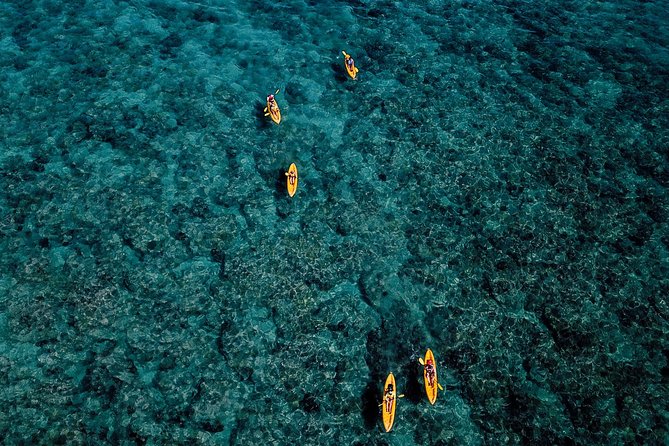
- Paddle several miles in open water: The route is often around 2.5 miles each way, or close to 4.8 miles round trip, depending on the island and conditions.
- Choose your level of support: A guide can help with ocean kayaking, route choices, wildlife, safety, and local stories. Self-guided paddling gives you more freedom.
- Mokulua access is condition-dependent: Moku Nui is a bird nesting sanctuary, and landing requires special permission. Wildlife protection can also limit where you go.
- Expect a serious gear haul: You transport the kayak on a cart to Kailua Beach, then drag it across the sand and into the water.
- Lunch adds real value: The package includes a deli lunch, with options reported to include substantial sandwiches, pizza slices, or a Hawaiian plate lunch.
- Early conditions matter: Calm morning water can make the trip far easier. Wind and rain can limit kayaking and make snorkeling poor.
Starting in Kailua with a proper safety briefing
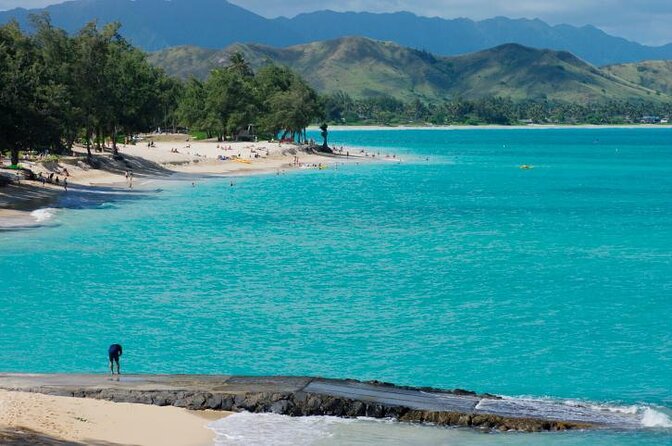
You begin at Kailua Beach Adventures on Kailua Road. If you drive, free parking is available at the shop. The launch point at Kailua Beach Park is about a five-minute walk from the store, although the kayak makes that short distance feel longer.
Check in 15 minutes before your scheduled start. Staff fit you with a life jacket and provide a kayak, paddle, snorkel equipment, dry bag, and locker. Showers are available after you return. The shop also sells reef-safe sunscreen, UV shirts, and souvenirs, with a stated 15 percent discount for this booking.
The briefing covers basic paddling and safety. Pay attention here. The ocean is not a swimming pool, and a few minutes of instruction can save you from wasting energy once the wind pushes against you. The staff are described as friendly and organized, and guides such as Mike, Evelyn, Alex, Tupre, and Isaac have been singled out for helping people feel secure on the water.
If you choose a guided trip, you paddle with a small group of no more than eight. That format matters on a route like this. A guide can set the pace, point out wildlife, explain local history, and decide when conditions make a planned stop unwise. If you have little ocean-kayaking experience, I consider the guide money well spent.
The self-guided option is more independent. You receive route and condition information, then set your own pace. Navigation is generally straightforward because other kayakers are commonly on the same route, but you remain responsible for your own distance, timing, and judgment. I would choose self-guided only if you are comfortable swimming, handling a kayak, and changing plans when the wind rises.
More Snorkeling in Oahu
- Oahu: Grand Tour Around Island 16 Locations plus Snorkeling
★ 5.0 · 8,669 reviews - Oahu’s Ultimate Tour: Dole, Turtle Snorkel, Pali Lookout & More
★ 4.5 · 5,461 reviews - Oahu Circle Island Tour with Turtle Snorkeling— Small-Groups
★ 5.0 · 5,214 reviews
Kailua Beach Park and the first gear challenge
Kailua Beach is a fine launch point, with soft sand and generally family-friendly water. The beach itself is one of Oahu’s major attractions, with clear water and wide views toward the offshore islands.
The first real test is not paddling. It is getting the kayak there.
You may need to move the kayak along the street and a canal-side path, then across the sand. The kayaks weigh about 70 pounds. Some people find the walk manageable, while others, especially those with children or two kayaks to move, find the return trip tiring. Staff can help at the beach, but you should expect to do much of the transport yourself.
This detail changes who should book. A fit adult and teenager can usually treat it as part of the workout. A parent with a small child, or anyone with shoulder, back, or mobility limits, should think carefully before choosing this outing. Children 15 and under must ride in a double kayak with an adult, and the double-kayak weight limit is 400 pounds. A single kayak has a 280-pound limit.
Once you reach the shore, staff help with the launch. Take your time getting seated and pushing away from the sand. You are already spending energy before the main paddle begins, so avoid racing into the water.
Paddling along Lanikai Beach
The route follows Lanikai Beach, famous for pale sand, turquoise water, and views of the Mokulua Islands. From a kayak, you see the beach from a different angle. The line of shore, mountain ridges, and offshore rocks make this part more scenic than a simple rental paddle near the sand.
Lanikai is also the main snorkeling area mentioned in the experience. Green sea turtles feed around the coral reefs, and calm conditions can bring clear views of fish. One especially good outing produced dozens of fish species and an eel. Other days produced little marine life at all. That is the honest nature of snorkeling here: the setting is excellent, but turtles and fish are not guaranteed.
Wind controls the quality of this section. On a calm morning, the water can feel easy and smooth. On a windy day, your kayak may slap through chop, and you will spend more time correcting your direction. Rain can also make snorkeling impractical.
The paddle takes work even in good weather. You may find yourself using your arms, shoulders, and core for several hours, with breaks on the island or beach. If you are new to kayaking, keep your strokes steady and do not burn all your energy in the first half hour. The goal is not speed. It is reaching the destination with enough strength left to explore.
Popoia Island, the easier offshore option
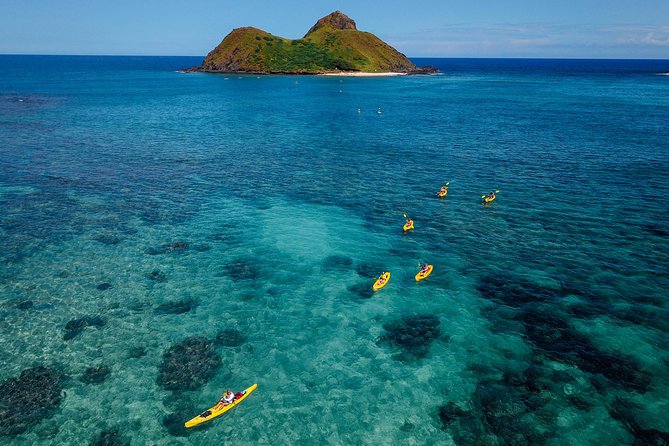
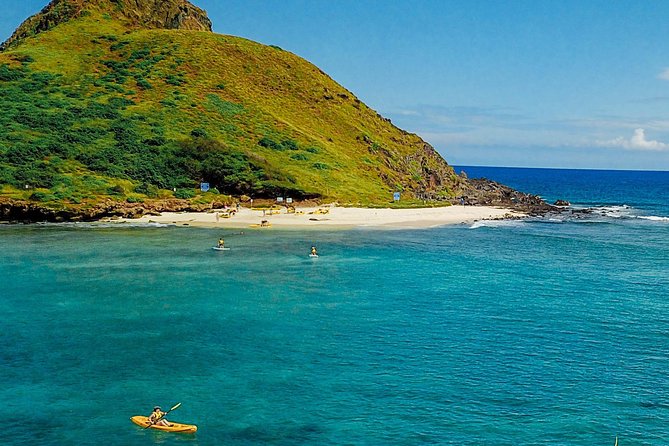
Popoia Island, usually called Flat Island, is a common destination and a strong choice when conditions or timing do not support the longer route. It offers a close-up view of Kailua Bay and a chance to get out of the kayak without committing to the full Mokulua trip.
The island has a more open, exposed feel than Kailua Beach. You can walk around, look for seabirds, and take in the mountain views. The appeal is not a long list of attractions. It is the simple pleasure of being on a small offshore island reached under your own power.
Several outings have made Flat Island the highlight of the day, especially when the water was choppy but still manageable. It can be a satisfying destination for a family that wants an ocean adventure without pushing as far as Moku Nui.
Do not assume Flat Island is always the backup route or always available. Staff make route decisions based on weather, wind, safety, and permissions. The self-guided route is flexible, while a guided group follows the plan that makes sense for that day.
More kayak trips around Oahu:
- Clear Kayak Tour of Shell Key Preserve and Tampa Bay Area
★ 5.0 · 5,800 reviews - Half-Day Emerald Cave Kayak Tour with Optional Hotel Pickup
★ 5.0 · 4,978 reviews - Emerald Cave Kayak Tour: Scenic Paddle with Optional Shuttle
★ 5.0 · 2,858 reviews - Rock Springs 2-Hour Glass Bottom Guided Kayak Eco Tour
★ 5.0 · 2,459 reviews
The Mokulua Islands and Moku Nui
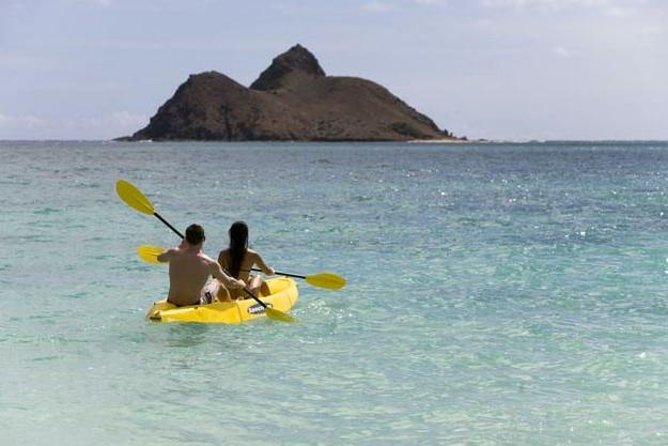
The longer route heads toward the famous Twin Islands, commonly called the Mokes. The outer destination is Moku Nui. This is the more ambitious version of the outing and the part most likely to reward the extra paddling.
Moku Nui is a bird nesting sanctuary. Landing requires special permission, and access can be limited to protect nesting birds and marine life. That protection is part of what makes the place feel special, but it also means the promised island experience is not entirely within your control.
A short walk can lead to Queen’s Bath, a saltwater tide pool with a view. Conditions at the pool matter, so follow the guide’s instructions and do not treat it like a guaranteed swimming stop. The island also has nesting seabirds, burrows, crabs, and other small signs of life that are easy to miss if you hurry.
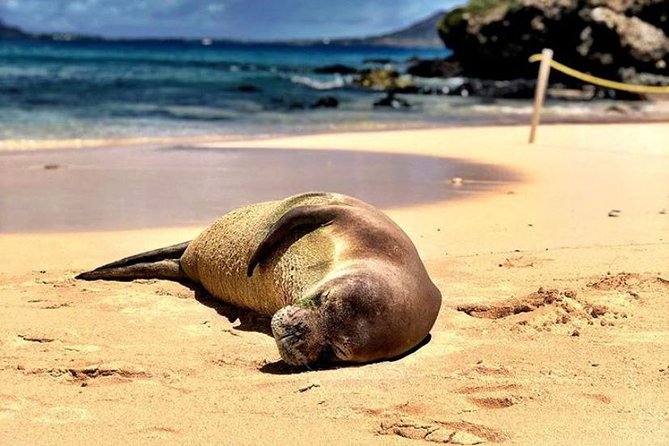
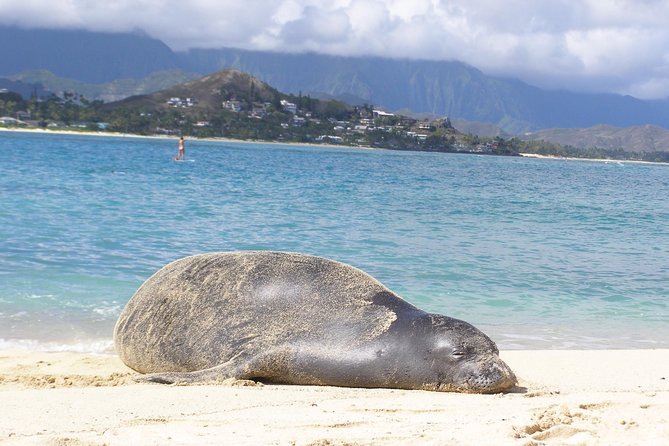
Hawaiian monk seals sometimes rest on the beach. Sea turtles feed around the surrounding reef, and snorkeling can reveal tropical fish and sea urchins. One particularly strong day included turtles, a monk seal, nesting wedge-tailed shearwaters, crabs, urchins, and many fish. Another day produced no turtles, seals, or fish. Wildlife sightings are luck, not a promise.
A guide adds real value here. Mike has been praised for keeping a group engaged and comfortable, while Evelyn has helped explain local wildlife and history. Tupre has been noted for spotting animals and assisting older paddlers. Isaac has helped people handle rainy, windy conditions with less worry. Guide quality can vary by assignment, but the small-group format gives a good guide room to make the island feel personal rather than rushed.
Snorkeling, wildlife, and the limits of nature
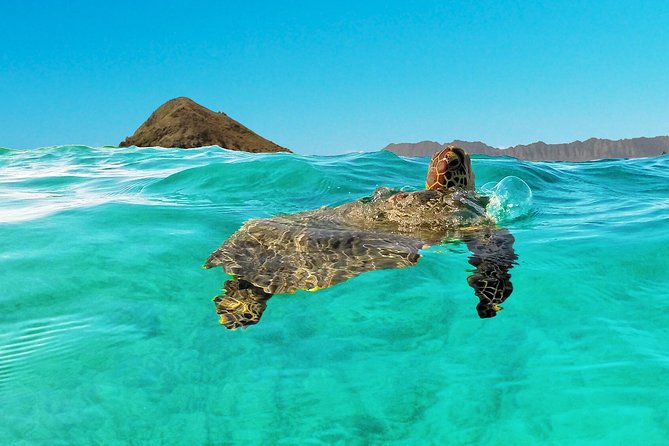
The snorkeling is best understood as a bonus attached to a kayak trip, not as a dedicated reef excursion. You may see turtles near Lanikai or around the Mokulua Islands, along with fish, eels, crabs, and urchins. The water can be warm and clear.
You may also see almost nothing. Wind stirs the water, rain reduces visibility, and marine animals move around. One outing had excellent snorkeling, while another found zero fish and zero turtles. If seeing a turtle is your main reason for booking, you may be disappointed.
The bird sanctuary is often more reliable than the snorkeling. You can see nesting seabirds and learn why access is restricted. Keep your distance from animals and follow instructions about where you may walk. A new monk seal pup, for example, has temporarily limited island access in the past.
This is also why a guided trip makes sense for wildlife. A guide can point out a bird burrow or turtle that you might paddle past. You also avoid guessing about safe landing spots and protected areas.
Lunch on the beach and the value of the package
All tour options include lunch. The food can be collected through a deli arrangement, and reported choices include fresh sandwiches, large pizza slices, chips, and a Hawaiian plate lunch. Vegan food has also been available.
The lunch is more than a pleasant extra. After several miles of paddling and the kayak haul, you will be hungry. Some portions have been large enough to save for the next day, which makes the $114.58 price easier to justify.
You are not paying only for time in a kayak. The price includes the boat, paddle, safety equipment, snorkel gear, dry bag, locker, showers, island landing permits, instruction, and lunch. A guided option includes a professional guide. For a half-day outing lasting about five and a half hours, that is a fair package if you plan to use most of what is provided.
The value is weaker if wind forces a short paddle and snorkeling disappears. You still receive the equipment and lunch, but the main experience depends heavily on weather. The provider offers a different date or full refund if poor weather cancels the activity, but normal windy conditions may simply change the route rather than cancel the day.
Guided or self-guided: which one should you choose?
I would choose guided if you are new to kayaking, uneasy in open water, or interested in wildlife and local stories. A guide can help when the current or wind shifts, and you do not have to make every route decision alone.
The guide also makes the day more social. The group limit is eight, so you are not part of a large flotilla. Guides have been praised for taking photos, helping tired paddlers, sharing cultural details, and keeping the pace comfortable.
Self-guided works well for confident paddlers who want flexibility. You can stop longer, choose your own pace, and avoid feeling tied to a group schedule. The route is not described as difficult to find, but independence does not remove the physical demands. You still need to manage the kayak, monitor the weather, and get back to the shop by closing time.
The self-guided option may also suit couples who want a quiet day together. Just do not select it because you think it will be easier. It gives you less support when the wind changes.
Pickup, timing, and what to bring
Pickup is available only if you select and pay for it. Scheduled morning pickups serve several Waikiki and Honolulu locations, including Kahala, the Waikiki Beach Marriott, Hyatt Regency, DFS, Hilton Hawaiian Village, Prince Waikiki, and Ala Moana Hotel. Return to Waikiki is expected between 3:30 and 4:00 p.m.
If you drive, you can meet at 130 Kailua Road and use the shop’s free parking. The experience ends back there. It is offered in English and uses a mobile ticket.
Bring clothing that can get wet, sun protection, and water for the physical effort. Reef-safe sunscreen is encouraged, and the shop sells it if needed. You receive a locker and dry bag, but keep valuables to a minimum.
All participants must be able to swim. Life jackets are supplied, but they do not replace basic swimming ability. Check the kayak weight limits before booking, especially for tandem pairs or families.
The activity is weather-dependent. Calm mornings are especially valuable because wind can make a long paddle far harder. I would avoid scheduling this as your only major Oahu activity if you have a tight itinerary, since the weather can change the route and the return timing.
Who will enjoy this Kailua kayak tour?
This is a good match for active couples, families with teens, solo visitors comfortable on the water, and anyone who wants a workout with beach time attached. It also suits first-time kayakers who select a guide and take the instruction seriously.
You should have a moderate fitness level. The hardest parts may be moving the kayak to and from the beach, paddling against wind, and climbing a small slope on the return. The ocean portion can be tiring even when the water looks calm from shore.
I would not choose this for a small child and one adult sharing the work, or for anyone who cannot comfortably drag equipment across sand. It is also a poor choice if your main goal is guaranteed turtle snorkeling. Nature does not work on a schedule.
The experience earns its strong reputation from a combination of scenery, helpful staff, solid equipment, good food, and access to places you cannot reach by road. The 4.8 rating from 1,311 reviews and recommendation by 96 percent of bookers fit the overall picture, but the lower ratings point to the same issue again and again: the work involved is easy to underestimate.
Should you book it?
Book this Kailua Bay kayak and snorkel tour if you want an active half-day in a beautiful setting and you are willing to earn the views. Choose a guide if you are inexperienced, and aim for an early start when the water is often calmer.
Choose self-guided if you are fit, comfortable swimming, and prefer your own pace. Pick Flat Island if you want a shorter offshore goal, or hope for Moku Nui if conditions, permits, and wildlife protections allow.
Skip it if hauling a 70-pound kayak, paddling several miles, or dealing with wind sounds unpleasant. For everyone else, this is a well-equipped, flexible way to see Kailua Bay from the water, with lunch and showers waiting when the workout is done.
FAQ
How long does the Kailua kayak and snorkel experience last?
The experience lasts about five hours and 30 minutes. The activity begins and ends at the Kailua Beach Adventures meeting point.
Where does the tour start?
The meeting point is 130 Kailua Road, Kailua, Hawaii 96734. If you drive, free parking is available at the shop. Pickup is also offered from selected Waikiki and Honolulu locations when you pay for that option.
Do I need to be able to swim?
Yes. All participants must be able to swim. Life jackets are provided.
Is a guide included?
You choose between a guided and self-guided option when booking. A professional guide is included only with the guided option.
Can children join the kayak trip?
Yes, but children 15 and under must be accompanied by an adult in a double kayak. The weight limit is 280 pounds for a single kayak and 400 pounds for a tandem kayak.
What happens if the weather is poor?
The activity requires good weather. If the provider cancels because of poor weather, you can choose another date or receive a full refund. Cancellations made at least 24 hours before the start time receive a full refund. Cancellations within 24 hours are not refunded.
More Snorkelling Spots in Oahu
- Waikiki, Hawaii: Turtle Canyon Snorkel Excursion
★ 5.0 · 4,656 reviews - Turtle Canyon Snorkel Adventure in Waikiki, Oahu
★ 5.0 · 3,197 reviews - Waikiki Catamaran Snorkel Sail with Lunch: Turtles Guaranteed
★ 4.5 · 2,109 reviews - Oahu Dolphin and Snorkel Tour with Waikiki Pickup & Lunch
★ 4.5 · 1,687 reviews
Newly listed in Oahu
- Kualoa Ranch Jurassic Adventure Tour★ 4.5 · 491 reviews
- Pearl Harbor & USS Arizona Small-Group Tour [Early Access]★ 4.5 · 492 reviews
- Sights & Bites Ultimate Oahu Circle Island Foodie Tour★ 4.5 · 492 reviews
- Aloha Kai Luau★ 4.5 · 494 reviews
- Oahu Island Experience feat the North Shore (Small Group Tour)★ 5.0 · 495 reviews
- The Escape Game Honolulu: 60-Minute Adventures at Ala Moana★ 5.0 · 499 reviews
- Honolulu: Oahu Island Full-Day Guided Tour by Bus with Lunch★ 4.6 · 506 reviews
- Kualoa Ranch: Jungle Expedition Tour★ 4.5 · 513 reviews
Oahu Tours, compared.
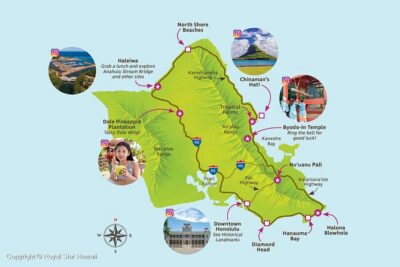
Oahu Grand Circle Island and Haleiwa Tour: 9-Hr Deluxe Experience
Read our review →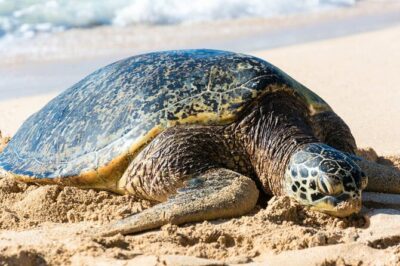
Grand Tour Around Island 16 Locations plus Snorkeling
Read our review →


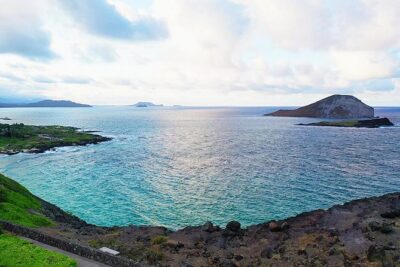
Oahu’s Ultimate Tour: Dole, Turtle Snorkel, Pali Lookout & More
Read our review →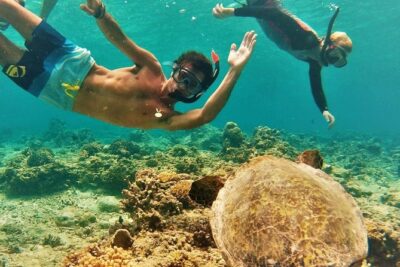
Oahu Circle Island Tour with Turtle Snorkeling— Small-Groups
Read our review →
Browse the lists this tour appears in