
Reviewed · NEW YORK CITY TOURS
9/11 Memorial Museum Admission Ticket
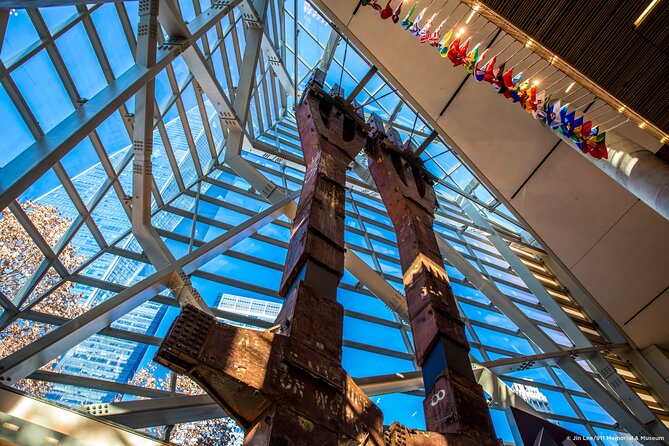
The most powerful part of this visit is its setting: the museum lies below the 9/11 Memorial pools, built in the footprints of the Twin Towers. You move from the broad public memorial into a quieter underground space filled with artifacts, recordings, photographs, and first-person accounts. The museum does not rush you through. You set the pace.
I like the timed mobile admission, which removes much of the uncertainty from visiting a major New York attraction. I also like the range of material, from the World Trade Center’s earlier story to the attacks, rescue effort, and worldwide aftereffects. The main consideration is emotional weight. This is not a light sightseeing stop, and some displays may be difficult for children or anyone closely affected by September 11.
Key points to know before you go
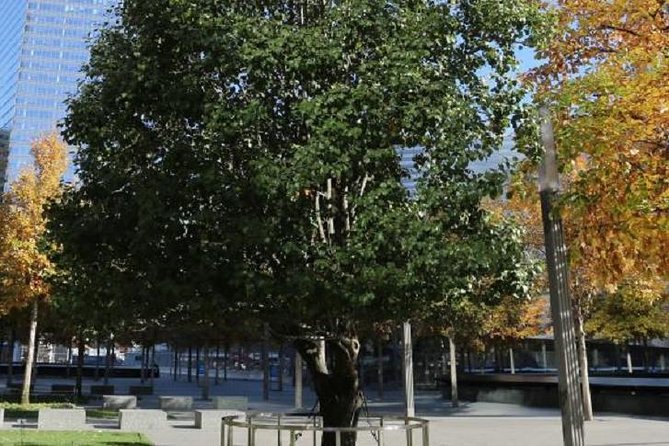
- The museum is below the memorial pools: Begin outside at the reflecting pools, then continue underground into the main exhibitions.
- Allow at least two hours: Many people need three hours to listen to the audio, watch the films, and read the personal accounts without rushing.
- Two major exhibitions shape the visit: In Memoriam honors those killed, while September 11, 2001 examines the day itself, its causes, and its effects.
- Your ticket is self-guided: You can stop, skip, return to displays, and spend more time with the subjects that matter most to you.
- Airport-style security affects entry: Large bags, big umbrellas, and backpacks may need to be stored, and there is no re-entry after you leave.
- The museum is accessible: Wheelchair and stroller access is available, service animals are allowed, and children age six and under enter free.
What the $36 admission gives you
Admission costs $36 per person and includes timed entry to the 9/11 Memorial Museum. Food, drinks, and any optional audio equipment are not included.
For New York, that is a serious ticket price. The value depends on how you use the visit. If you give the museum only a quick 45-minute look, the cost will feel high. If you stay two to three hours, listen to the recordings, watch the films, and take time with the names and objects, the admission becomes easier to justify.
The ticket’s real benefit is certainty. This museum is a major Lower Manhattan sight, and admission is arranged around timed entry. You receive the ticket on your phone, pass through security, and enter without needing to buy admission at the door. Confirmation is sent within 48 hours of booking, subject to availability, so do not leave the purchase until the last moment if your New York schedule is tight.
The museum is recommended by 94 percent of buyers and has a 4.7 rating from more than 6,000 ratings. Those numbers fit the experience: the presentation is generally careful, serious, and well organized. Still, value is personal here. You are paying for access to a place of remembrance and education, not a fast-moving attraction with a long list of activities.
More Museums in New York City
- NYC: Empire State Building Tickets – Observatory & Museum
★ 4.7 · 25,757 reviews - New York City: American Museum of Natural History Ticket
★ 4.5 · 15,447 reviews - NYC: Museum of Modern Art (MoMA) Entry Ticket
★ 4.6 · 12,540 reviews
Begin above ground at the two memorial pools
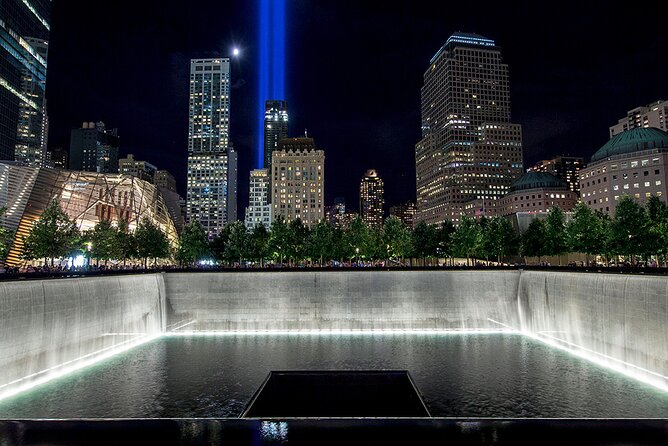
Before entering the museum, make time for the outdoor memorial. The two enormous reflecting pools occupy the footprints of the North and South Towers. Water flows into the center, and the names of those who died are arranged around the edges.
This outdoor stop helps you get your bearings. Above ground, the memorial is open, spacious, and quiet despite its location in Lower Manhattan. Below ground, the museum is more concentrated, with sound, text, images, and physical objects competing for your attention.
Look at the names rather than treating the pools as a quick photo stop. The memorial honors the people killed on September 11, 2001, as well as those killed in the World Trade Center bombing on February 26, 1993. It also honors those who risked their lives to help others and the people who showed compassion during the aftermath.
The museum admission covers the indoor museum. Give yourself enough time outdoors before your timed entry, but do not arrive so late that security and the walk inside cut into your museum time.
Entering the museum beneath the site
Airport-style security is part of the arrival process. Large backpacks, large umbrellas, and other bulky items may need to go into the coat room. Cell phone conversations are not allowed in the exhibition spaces or theater, so silence your phone before you enter.
The museum’s location gives the visit much of its force. You are not looking at a display in an unrelated building. You are below the place where the towers once rose, surrounded by the scale and structure of the original site.
The setting can also make the first few minutes feel disorienting. You may want to pause and read the introductory material instead of moving straight toward the most dramatic objects. This is a museum where context matters, and the building itself is part of that context.
The ticket is for a self-guided visit. There is no listed guide leading a fixed group, so you can move slowly, skip a section for a while, or spend extra time with an account that speaks to you. If you prefer a formal explanation, one of the self-guided audio options may cost extra, according to information provided about the visit.
September 11, 2001: three parts of one difficult story
The exhibition titled September 11, 2001 is divided into three parts. Together, the sections examine what happened that day, why the attacks occurred, and what followed.
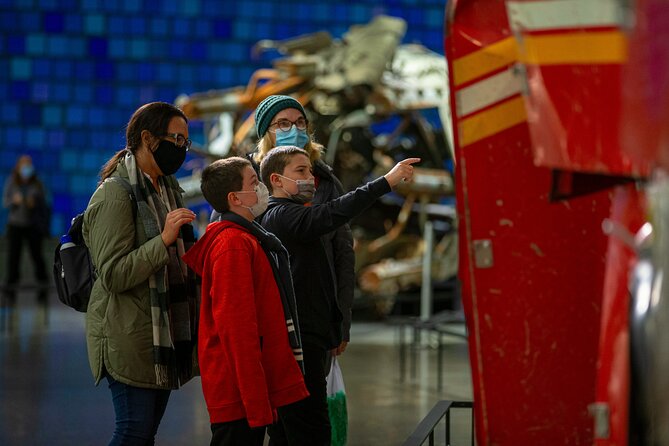
Expect a mixture of photographs, film, audio, objects, and written explanation. Personal accounts bring the timeline down to a human scale. You may hear from people who were present, see news coverage, and encounter recordings made close to the events.
This is one reason you should avoid scheduling the museum between two tightly timed activities. The displays can make you stop unexpectedly. A short audio clip may lead you to a long section of photographs, or a single object may require a few quiet minutes before you are ready to continue.
The exhibition also looks beyond the immediate event. It examines the motives behind the attacks and the changes that followed in New York, the United States, and other parts of the world. That broader treatment gives the museum educational value for people who were too young to remember September 11 or who grew up outside the United States.
For those who remember that day clearly, the experience can be especially intense. Familiar news images and sounds appear alongside objects from the site. The museum does not let the event remain a distant television memory.
More museums around New York City:
- 9/11 Memorial, Ground Zero Tour with Optional 9/11 Museum Ticket
★ 5.0 · 6,381 reviews - All-Access 9/11: Ground Zero Tour, Memorial and Museum, One World Observatory
★ 5.0 · 4,886 reviews - NYC: Intrepid Museum Entry Ticket
★ 4.7 · 4,687 reviews - NYC: Museum of Ice Cream Entry Ticket
★ 4.3 · 2,619 reviews
In Memoriam and the personal cost
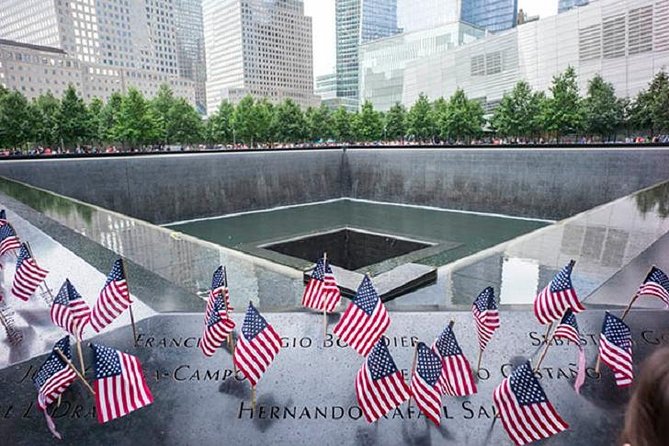
The In Memoriam exhibition honors the people killed in the 2001 attacks and the 1993 bombing. Names are important here, but the exhibit also presents photographs, family material, and individual stories that help you see the victims as people with ordinary lives, relationships, work, and plans.
This section can take longer than expected. You may start by looking for one name, then find yourself reading several nearby accounts. The museum’s strength is its effort to move beyond statistics. The total of 2,983 people is enormous, but the exhibition repeatedly brings you back to individual lives.
Some of the most difficult material involves final phone calls and personal messages. If you are visiting with children, explain beforehand that the museum contains sad recordings and images. Children age six and under enter free, and the museum is accessible to strollers, but free admission does not make the subject matter easy for young visitors.
Older children can gain a great deal from the museum if you give them time to ask questions. Families have found that children around nine and ten may be curious and engaged, but you should decide in advance how much detail is right for your group. There is no need to force a child through every display.
Artifacts, films, and the human response
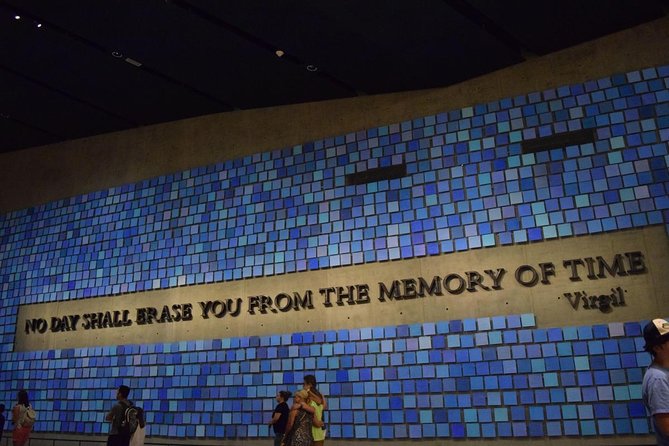
The museum’s objects make the event feel physical. Instead of only seeing familiar footage, you encounter items connected to the buildings, the people inside them, the rescue effort, and the recovery.
Films and multimedia displays add voices and movement. One film shown during the visit includes accounts from President George W. Bush and other public figures, giving useful background before you move deeper into the displays. Personal recordings are often more affecting than official statements because they place you close to people making decisions in real time.
The museum also gives attention to first responders and to the many people who tried to save others. That focus matters. The story is not presented only as destruction. Courage, cooperation, grief, and recovery are all part of the visit.
The scale can become overwhelming. If you find yourself reaching the point where you are no longer absorbing information, take a break in an appropriate quiet area and return to the sections that matter most. You do not need to see every item for the visit to have meaning.
How long to plan, and how to pace yourself

The listed visit takes about two hours, but I would treat that as a minimum. Two hours works if you read selectively and watch only some of the media. Three hours is more comfortable if you want to move carefully through the major exhibits.
A useful approach is to divide the visit into three stages:
- Spend time at the outdoor memorial before or after the museum.
- Follow the main September 11 exhibition while your attention is fresh.
- Visit In Memoriam at a slower pace, with room for pauses.
You can stay as long as you want after entering, but there is no re-entry once you exit. That rule matters when planning food, shopping, or another Lower Manhattan stop. Use the restroom and collect anything you need before leaving the building.
Photography is allowed for private, non-commercial use. Even so, this is a place where a camera can easily become a distraction. Take a few respectful photographs if you wish, but give yourself time to look without a screen between you and the displays.
Practical details that affect your visit
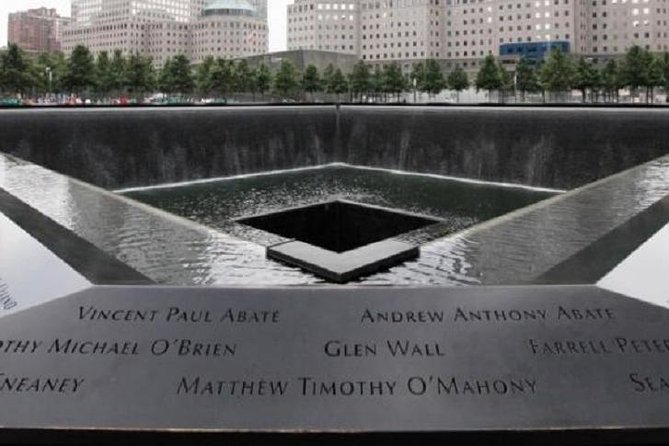
The museum is near public transportation, making it easy to add to a Lower Manhattan day. The memorial and museum also work well with other nearby sights, but avoid placing a fast-paced attraction immediately afterward. You may need a quiet walk, a meal, or a change of subject.
Wheelchair and stroller access is available, and most people can take part. Service animals are allowed. Large bags and other items judged too large for the exhibition areas may have to be stored, so packing light will make arrival easier.
No food or drinks are included with admission. The ticket covers the museum only, so plan a cafe or restaurant stop separately. The museum shop and cafe may also ask for donations, something to keep in mind if you are watching your spending after paying the admission fee.
The mobile ticket is convenient, but make sure your phone is charged and easy to access. Since the entry time is scheduled, give yourself a cushion for subway delays, security, and finding the entrance in the busy World Trade Center area.
Who will appreciate this museum most
This is an important stop for anyone who remembers September 11 and wants to understand the event through objects and personal testimony rather than television clips alone. It is also useful for younger adults and international visitors who know the date but not the full sequence of events or the changes that followed.
Families can visit, but adults should prepare children in advance. The material is serious, and some recordings and images are upsetting. The museum can support thoughtful conversations, yet it is not designed as a carefree family attraction.
I would also recommend it to visitors interested in emergency response, public memory, modern American politics, or New York City’s transformation. The exhibits connect the attacks to the World Trade Center’s earlier story and to the long aftermath, giving the visit more substance than a simple memorial stop.
You may not enjoy this experience if you want a quick, cheerful activity or if you find recorded accounts of tragedy too distressing. That is not a flaw in the museum, but it is a genuine consideration before booking.
Should you book the 9/11 Memorial Museum ticket?
Book it if you want a serious, self-guided visit and can give it at least two hours. The timed mobile ticket is especially useful when your New York plans are fixed, and the museum’s careful presentation, personal accounts, and original artifacts make this one of Lower Manhattan’s most meaningful stops.
Think twice if you are already emotionally exhausted, traveling with very young children, or trying to squeeze the museum into a narrow gap between other bookings. For the best experience, arrive unhurried, pack lightly, and plan something calmer afterward.
At $36, admission is not cheap. But if you take your time with the two main exhibitions and the memorial outside, you receive a substantial visit rather than a quick look. For many people, the museum becomes one of the defining experiences of a New York trip, not because it is easy, but because it asks you to remember carefully.
FAQ
How long does a visit to the 9/11 Memorial Museum take?
The expected visit is about two hours. You can stay longer after entering, and some people spend three hours or more moving through the exhibits.
Is the ticket timed entry?
Yes. The ticket provides timed admission to the 9/11 Memorial Museum and can be shown on your mobile device.
What exhibitions are included?
The museum includes In Memoriam, which honors those killed in the 2001 attacks and the 1993 World Trade Center bombing. It also includes September 11, 2001, a three-part exhibition covering the attacks, their motives, and their local and global effects.
Is the museum accessible for wheelchairs and strollers?
Yes. The 9/11 Memorial Museum is wheelchair and stroller accessible. Service animals are allowed.
Can I take photographs inside?
Photography is permitted for private, non-commercial use. Cell phone conversations are prohibited in the exhibition spaces and theater.
Can I cancel the ticket for a refund?
You can cancel at least 24 hours before the experience start time for a full refund. Cancellations or changes made within 24 hours are not accepted for a refund.
Newly listed in New York City
- Official Private NYC Central Park Horse Carriage Ride Since 1970™★ 4.5 · 447 reviews
- NYC at Night: 3-Hour Luxury Bus Tour of Top Highlights★ 4.5 · 448 reviews
- From Manhattan: 5-Hour Bronx, Queens, and Brooklyn Bus Tour★ 4.7 · 451 reviews
- Private Guided New York City Tour by SUV★ 5.0 · 451 reviews
- Statue of Liberty Tour with Ellis Island and Immigration Museum★ 4.0 · 452 reviews
- NYC: Official Grand Central Terminal Tour★ 5.0 · 458 reviews
- Circle Line: NYC BEAST Speedboat Ride★ 4.5 · 458 reviews
- New York City: Sunset Yacht Cruise★ 4.9 · 461 reviews
New York City Tours, compared.

Empire State Building Tickets – Observatory & Museum
Read our review →

Statue of Liberty and Ellis Island Tour: All Options
Read our review →


New York CityPASS®: Save up to 41% at 5 Top Attractions
Read our review →Browse the lists this tour appears in