
Reviewed · NEW ORLEANS TOURS
French Quarter walking Food Tour: Signature Tastes of New Orleans
The best part of this French Quarter food walk is the easy link between eating and exploring. You move from the French Market past Bourbon Street, St. Louis Cathedral, and Royal Street, with gumbo, jambalaya, Cajun specialties, and pralines folded into the route. It gives you a useful first look at both the neighborhood and its kitchen.
I like the satisfying lunch-sized portions and the way guides such as Charles, Roger, Kimberly, and Reagan connect dishes to New Orleans culture. I also like the stop at Laura’s Candies, described as the city’s oldest candy store, where the praline course gives the afternoon a sweet finish.
The main caution is limited dietary flexibility. No vegetarian, vegan, or gluten-free substitutions are offered. The walking can also be hard on uneven French Quarter sidewalks, and one slower-paced group may find the guide’s pace brisk.
Key points to know before you book
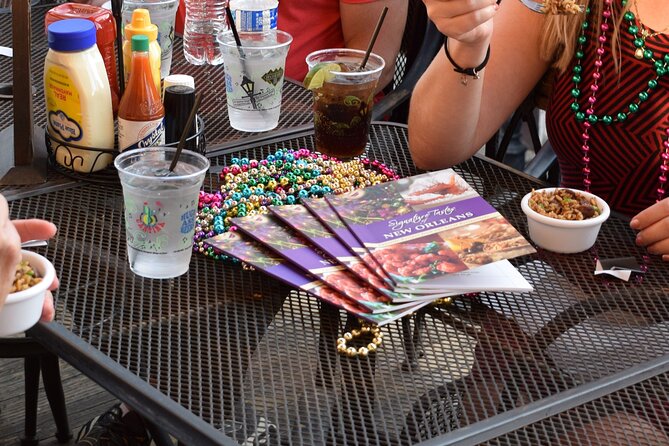
- Five food stops are planned: The tastings together are intended to replace lunch, though the exact restaurants and number of stops can change.
- The food is classic and filling: Expect gumbo, jambalaya, Cajun dishes, po-boy-style food, brisket, and pralines rather than a tiny sample at each stop.
- Laura’s Candies brings the sweet course: You visit a long-running candy shop for sticky, sugary pralines.
- The neighborhood tour is part of the value: The route uses the French Market, Bourbon Street, St. Louis Cathedral, and Royal Street as walking highlights.
- Guides shape the experience: Charles, Roger, Kimberly, Reagan, Tish, Richard, Suzette, and others have been praised for food knowledge, local stories, and a friendly manner.
- Plan for three hours on foot: Uneven sidewalks, cracks, potholes, and cobblestones make sturdy shoes and a moderate fitness level important.
A lunch-sized introduction to New Orleans cooking
At $85 per person, this is not a bargain meal in the ordinary sense. It is a combined lunch, neighborhood walk, and guided introduction to the food traditions of New Orleans. That matters in the French Quarter, where restaurant choices can feel endless and a first visit can quickly turn into guesswork.
The tastings focus on the familiar foundations of Creole and Cajun cooking. Gumbo brings a thick, seasoned stew to the table. Jambalaya supplies the rice-based main course. Cajun specialties add another look at the local pantry, and pralines provide the sugary finale.
The portions are generally generous enough to make a full lunch. One important tradeoff follows: you may get more food at fewer locations rather than many tiny bites at a larger number of restaurants. If you prefer tasting six or seven sharply different dishes, this may feel less varied than expected.
The menu is only a sample, so you should not treat gumbo, jambalaya, or a particular sandwich as a guaranteed order on every departure. The food lineup can change with restaurant availability and the day’s arrangements.
More Walking Tours in New Orleans
- New Orleans Premier Ghost, Voodoo and Vampire Walking Tour
★ 4.5 · 12,856 reviews - New Orleans Food Walking Tour of the French Quarter with Small-Group Option
★ 5.0 · 6,118 reviews - St. Louis Cemetery No. 1 Official Walking Tour
★ 4.5 · 3,941 reviews
Starting near the French Market
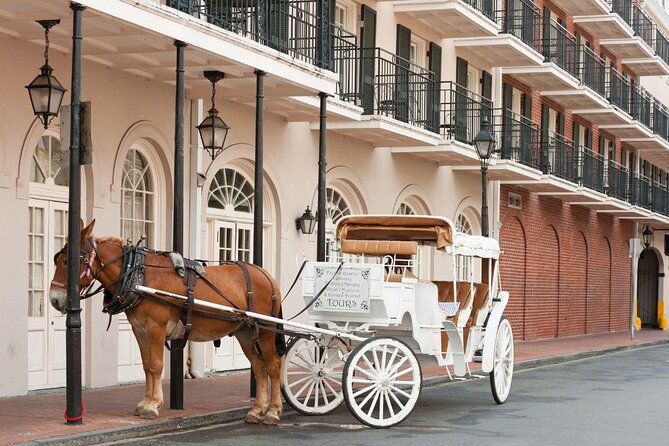
The meeting point is at 816 Decatur Street, close to the French Market. This is a practical place to begin because the French Market puts you right at the edge of the historic district and gives the tour a natural food-and-street setting from the first step.
You meet your English-speaking guide in the afternoon. Come with an empty stomach, but do not arrive dehydrated or unprepared for the weather. The experience operates in all weather unless conditions become dangerous, so light clothing, rain protection when needed, and comfortable shoes are sensible choices.
The group can reach a maximum of 16 people. That is small enough for a personal feel in most cases, but it is still a walking group in a crowded district. Stay close when crossing streets and listen for meeting instructions at each restaurant.
The French Market stop is also a good reminder that New Orleans food does not come from one single tradition. Creole cooking reflects a blend of influences, while Cajun food has its own rural roots and strong seasoning. French techniques and local ingredients add another layer. A good guide helps you sort out these labels instead of treating every New Orleans dish as interchangeable.
Laura’s Candies and the praline tradition
Laura’s Candies is the tour’s clearest sweet stop. The praline is a New Orleans classic: sugary, nutty, and often soft enough to stick to your fingers. This is not a delicate dessert course. It is a compact hit of butter, sugar, and pecans, and it travels well if you want to save part of it for later.
The stop has value beyond dessert. Candy shops are part of the French Quarter’s food identity, and pralines offer a quick way to understand how local sweets were shaped by French influence and Southern ingredients. The tour identifies Laura’s as the city’s oldest candy store, giving the stop a long-running local connection.
If you have a very sweet tooth, this may be your favorite bite. If you prefer savory food, it is still a useful change of pace after the heavier dishes. The praline also makes a simple edible souvenir, though the tour does not include additional purchases.
Bourbon Street, St. Louis Cathedral, and Royal Street
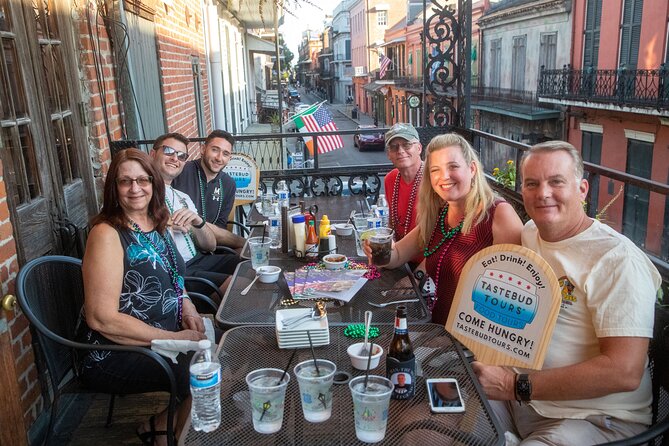
The route is not a straight march from restaurant to restaurant. It uses the French Quarter as the setting, with pauses around Bourbon Street, St. Louis Cathedral, Royal Street, and other neighborhood points.
Bourbon Street is the loudest name on the route, but you do not need to treat it only as a nightlife stop. In daylight, it helps you see how the district changes from one block to the next. The route also returns to Bourbon Street later, so the walk may feel repetitive if you expect a perfectly direct loop.
St. Louis Cathedral and the surrounding area offer a visual pause between tastings. This is where the city’s architecture and public spaces support the food stories. Royal Street adds another side of the French Quarter, with a more polished feel than the party image associated with Bourbon Street.
The walking commentary is one of the tour’s strongest features. Charles has been praised for combining food knowledge with laughs. Roger has been singled out for answering questions about signs, streets, and objects along the way. Kimberly has been described as an excellent ambassador for the city, while Reagan is noted for food history and practical recommendations.
Guide quality can vary from one departure to another, as it does with any experience led by several people. Tish has been appreciated for engaging information, and Richard for lively stories. One guide was described as speaking in a monotone, and another group found it hard to hear the guide in a larger formation. You should stay near the guide when possible, especially on busy streets.
More food tours around New Orleans:
- New Orleans French Quarter Food Tour: Cajun, Creole and Culture
★ 5.0 · 1,246 reviews - French Quarter walking Food Tour Famous Flavors of New Orleans
★ 5.0 · 1,115 reviews - Chef Guided Food Tour of Pike Place Market
★ 5.0 · 3,733 reviews - Savannah First Squares Culinary & Cultural Walking Food Tour
★ 5.0 · 3,229 reviews
What the main tastings are really like
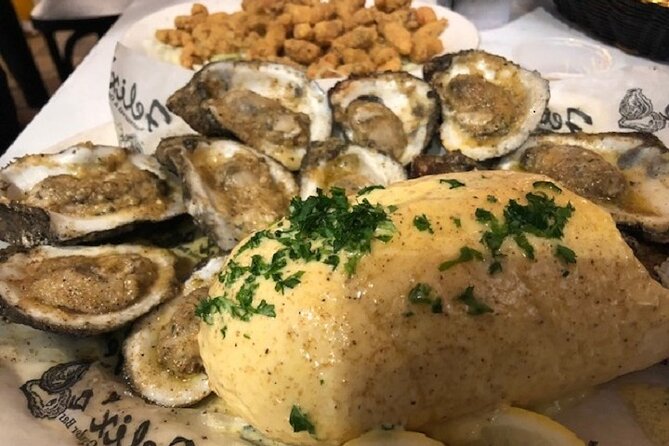
The advertised sample menu lists gumbo, jambalaya, Cajun favorites, and pralines. The broader food description also includes po-boy sandwiches, beef brisket, and French-inspired specialties. These dishes suggest a tour centered on solid portions and familiar New Orleans flavors rather than experimental cooking.
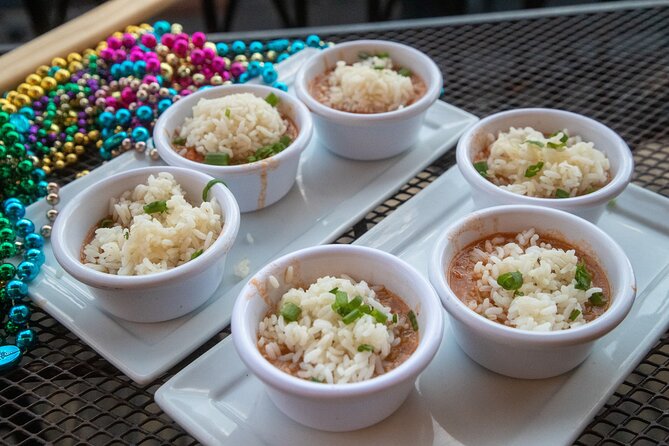
Gumbo is a useful opening dish because it shows how several ingredients and seasonings can become one hearty bowl. It is filling, so do not assume the first tasting is only a teaser.
Jambalaya is another substantial course. Rice, seasoning, and meat or seafood can vary by recipe, and the precise preparation may change. It is a core New Orleans comfort food, but the portion means you should pace yourself.
Cajun favorites round out the savory part of the meal. Depending on the day, you might encounter alligator and grits, red beans and rice, brisket, or another local preparation. The food is meant to show the city’s traditional cooking, not provide a complete survey of every specialty.
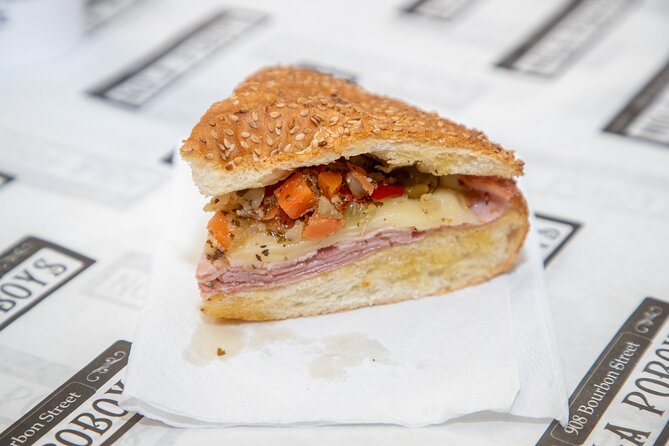
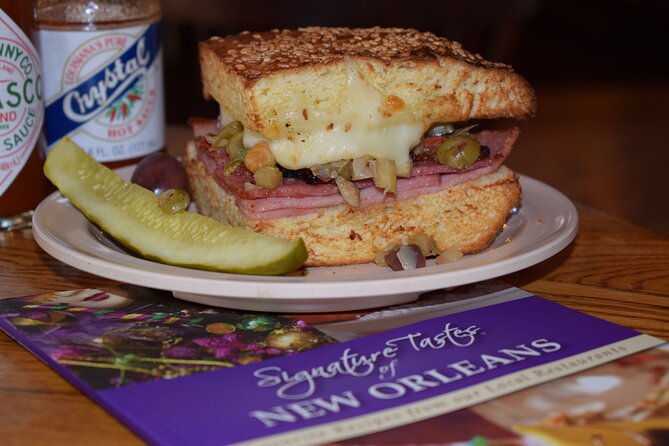
Po-boys are listed among the possible local foods, and one departure included one as a favorite. However, another account described several tastings built around gumbo, jambalaya, and similar dishes, with no po-boy or muffuletta. If those sandwiches are your main goal, ask the provider about the current menu before booking, or consider a food experience specifically focused on seafood and classic sandwiches.
The same advice applies to beignets and blackened dishes. They are strongly associated with New Orleans, but they are not guaranteed by the sample menu. The safest expectation is a filling Creole and Cajun lunch with a sweet finish, not every famous dish in town.
Why the food stories matter
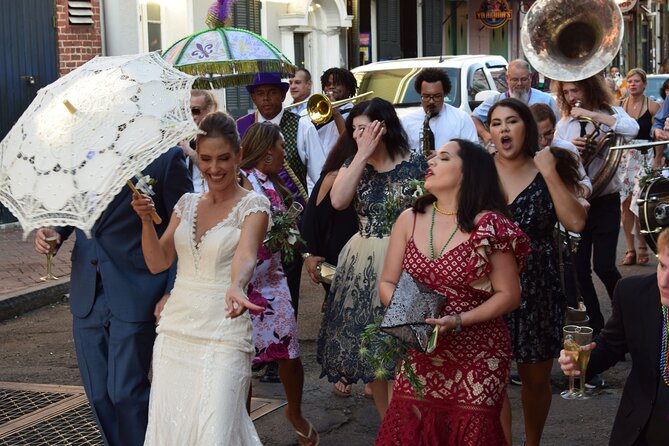
New Orleans cooking makes more sense when you understand the people and traditions behind it. The food is not simply spicy for the sake of heat. Recipes carry French, Creole, Cajun, and Southern influences, with techniques and ingredients changing across communities and generations.
This is where the guide can add real value. A plate of jambalaya is more memorable when you understand why rice is so central to the dish. A praline becomes more than candy when you connect it to the city’s French influence and local pecans. Even a basic bowl of gumbo gives you more to notice when the guide explains how the ingredients work together.
The strongest departures appear to balance food facts with stories about the French Quarter. Several guides have been praised for being friendly, entertaining, and generous with local information. The best approach is to ask questions. Guides have been able to discuss food preparation, neighborhood details, city culture, and practical places to visit afterward.
One useful bonus is orientation. The route crosses enough of the French Quarter that you may feel more comfortable returning to shops, restaurants, and landmarks later in your stay. This makes the tour especially useful on your first full day in New Orleans.
Walking conditions and pace
The French Quarter is compact, but compact does not mean easy underfoot. Sidewalks can be uneven, with cobblestones, cracks, and potholes. The route also includes street crossings and repeated movement between food stops and public landmarks.
You need a moderate level of physical fitness. If bad knees, hips, balance, or fatigue make uneven pavement difficult, this may not be the right choice. The tour does allow service animals, and it runs near public transportation, but those facts do not remove the basic challenge of walking through an old district.
The guide’s pace is important. Most of the experience is described as laid-back, yet some departures have moved quickly enough for people to fall behind. Stay near the front, tell the guide early if you need a slower pace, and avoid wandering off to examine a shop during the walk.
For a more comfortable alternative, the company offers an indoor, sit-down Tastebud Table experience, according to the tour information. That option may suit you better if you want food and local stories without three hours on uneven sidewalks.
Drinks, group size, and practical value
Alcohol is not included in the $85 price. Adults over 21 can buy drinks at stops, and the drinks can be carried in approved to-go cups. This fits New Orleans well, but you should budget extra if you plan to drink.
The mobile ticket is convenient, and confirmation arrives at booking. The tour is offered in English only. Last-minute changes are not accepted, so check the date, starting point, food restrictions, and walking needs before you pay.
The value depends on what you want from a food tour. If you would otherwise buy lunch, pay for a guided French Quarter walk, and spend time deciding where to eat, the combined price can be reasonable. The food is substantial, and the guide adds context you would not get from ordering dishes on your own.
If you measure value by the number of restaurants and the range of tiny samples, $85 may feel high. Some departures have included four food stops rather than the five suggested in the description. At times, two items may come from the same restaurant, which favors larger portions over maximum variety.
The tour is also a poor fit for a restricted diet. Vegetarian, vegan, and gluten-free substitutions are not available. You should not book it hoping a restaurant will improvise a replacement.
Who will enjoy this three-hour walk
I would recommend this tour to first-time visitors who want an edible introduction to the French Quarter without committing to a long formal meal. It also suits couples, families with older children, solo visitors, and friends who enjoy talking with a guide while moving through the city.
It is a good match for you if you want:
- A full lunch made from several local tastings
- An introduction to Creole and Cajun cooking
- A neighborhood walk with food stories
- A small group capped at 16 people
- A guide who can suggest places to explore afterward
- A relaxed way to get your bearings in the French Quarter
I would hesitate if your priority is seafood, muffulettas, po-boys, beignets, or a large number of different restaurants. Those foods may appear, but they are not assured. I would also choose another format if uneven pavement or a brisk pace could make the afternoon uncomfortable.
Should you book the Signature Tastes tour?
Book it if you want a filling New Orleans lunch with a guided French Quarter orientation. The combination works well: eat traditional dishes, learn how the city’s food developed, and leave knowing the streets better than when you arrived.
Go in with clear expectations. This is not a hunt for every iconic bite, and the exact stops can change. It is a traditional Creole and Cajun tasting tour with generous food, a praline stop, neighborhood landmarks, and guides who often bring strong personality and useful local stories.
For the best experience, schedule it early in your New Orleans stay, wear shoes built for uneven sidewalks, stay close to the guide, and arrive hungry. If you need vegetarian or gluten-free food, or if you want a seafood-and-sandwich-focused route, spend your $85 elsewhere.
FAQ
How long does the French Quarter food tour last?
The tour lasts approximately three hours and takes place on foot through the French Quarter.
Where does the tour begin and end?
It begins at 816 Decatur Street near the French Market and ends in the French Quarter.
Is lunch included in the ticket price?
Yes. The included tastings are intended to add up to a satisfying lunch. The sample menu includes gumbo, jambalaya, Cajun favorites, and pralines, but the menu may change.
Are vegetarian, vegan, or gluten-free options available?
No. The tour cannot provide substitutions for vegetarian, vegan, gluten-free, or other dietary restrictions and lifestyle preferences.
Can I buy alcoholic drinks during the tour?
Yes. Adults over 21 can purchase alcoholic drinks during the tour. Alcohol is not included in the ticket price, and drinks are served in to-go cups.
What happens if the tour is canceled because of weather?
If the experience is canceled because of poor weather, you will be offered another date or a full refund. You can also cancel for a full refund if you do so at least 24 hours before the start time.
Newly listed in New Orleans
- New Orleans Highlights of the Garden District Walking Tour★ 5.0 · 492 reviews
- New Orleans: Night Cemetery and Ghost BYOB Bus Tour★ 4.2 · 496 reviews
- Destrehan Plantation Tour★ 5.0 · 501 reviews
- Ghost Hunt Experience★ 5.0 · 505 reviews
- Small-Group Bayou Airboat Ride with Transport from New Orleans★ 5.0 · 512 reviews
- New Orleans: Garden District Guided Walking Tour★ 4.9 · 514 reviews
- French Quarter Small-Group Cocktail and Foodie Crawl★ 5.0 · 519 reviews
- New Orleans Hop-On Hop-Off Unlimited Sightseeing Package★ 4.5 · 528 reviews
New Orleans Tours, compared.
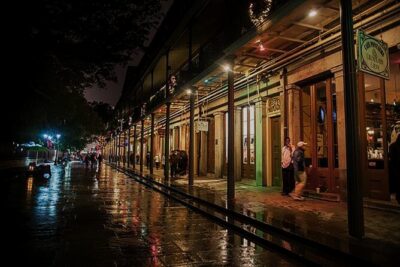
New Orleans Premier Ghost, Voodoo and Vampire Walking Tour
Read our review →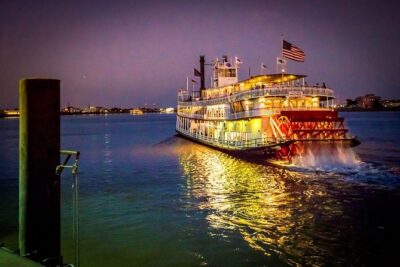
New Orleans Steamboat Natchez Jazz Cruise with Dinner Option
Read our review →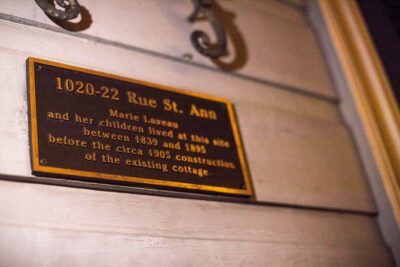
Adults-Only New Orleans Ghost, Crime, Voodoo, and Vampire Tour
Read our review →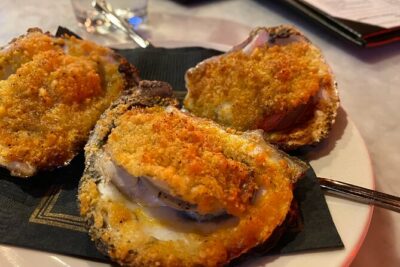
New Orleans Food Walking Tour of the French Quarter with Small-Group Option
Read our review →
New Orleans Swamp and Bayou Boat Tour with Transportation
Read our review →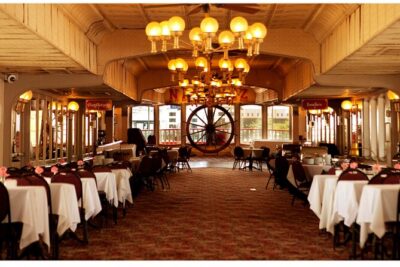
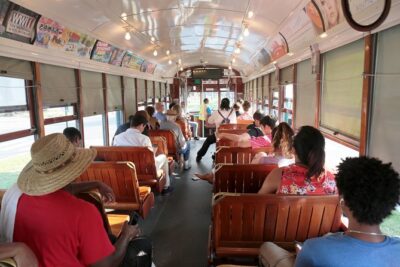
New Orleans City Sightseeing Hop-On Hop-Off Bus Tour
Read our review →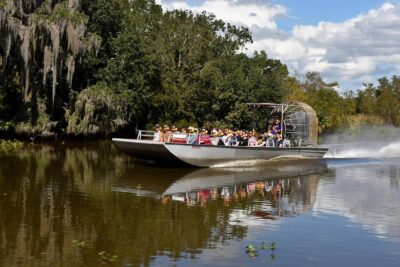
Browse the lists this tour appears in